Ranking 5 Leading Neurosurgeons in Germany for Brain Tumor
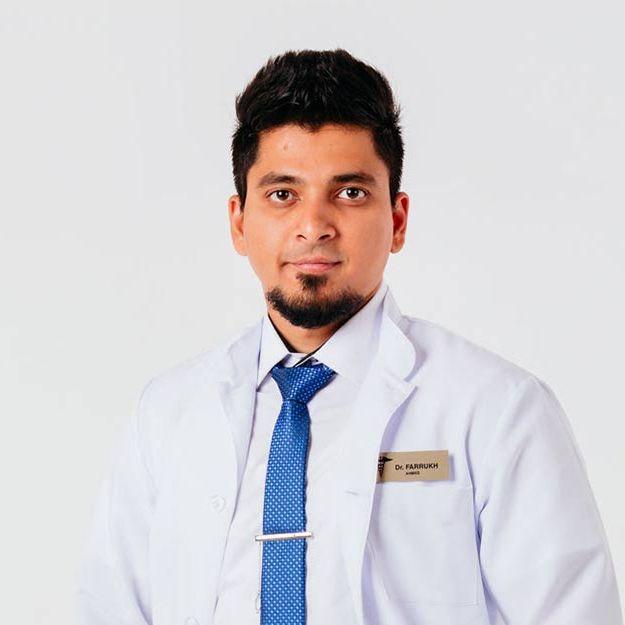
Receiving a brain tumor diagnosis requires quick, high-stakes decisions, often at a time when patients and their families are still trying to understand the implications of the diagnosis. Unlike many other types of surgery, operations for brain tumors must balance two potentially conflicting goals: removing as much of the tumor as possible while also protecting essential functions such as speech, movement, memory, vision, and personality.[1][2] This ranking is designed for international patients and their doctors trying to orient themselves in the top-performing neurosurgeons in Germany.
For patients, “by whom” you are treated often determines “how” you are treated as well as what results can be achived.[3] German real-world data show that the availability and use of the technique (which differ by center and team) are linked to outcomes. In an analysis of 27,193 malignant glioma tumor removals in Germany between 2019 and 2022. Overall, in-hospital mortality was 2.7%, and complications were coded in 10.7% of cases.[4] At the same time, mortality was significantly lower when fluorescence-guided procedures were used and when intraoperative neurophysiological monitoring was utilized.[4] This supports the practical point that “who treats you” often shapes “how you are treated,” because surgeons and centers differ in subspecialization, volume, infrastructure, and routine access to modern intraoperative methods.
The rating offers measurable factors that greatly influence the selection of the best neurosurgeons for brain tumor treatment. The list and Airomedical system criteria can help narrow the field to doctors who are consistently associated with high-complexity brain tumor procedures in Germany. When utilized effectively, it helps patients transition from "blind searches" or advertising to a structured, reliable overview of positions along with numerical data.
Best Neurosurgeons for Brain Tumor Treatment in Germany
Looking for a focused shortlist of German neurosurgeons specializing in tumor removal? Here in the table below, we focus on the top doctors, their primary focus, experience, academic activity, and surgical expertise.
| Rank | Name | AiroScore | UserScore | Experience | Publications | Skills & Expertise* |
|---|---|---|---|---|---|---|
| 1 | Prof. Dr. med. Peter Vajkoczy | 5.0 | 4.57 | 31 years | 805 | microneurosurgery, vascular neurosurgery, glioma, glioblastoma, moyamoya disease, malignant brain tumor, intracranial aneurysm, angioplasty, DBS, malformation |
| 2 | Prof. Dr. med. Bernhard Meyer | 4.95 | 4.65 | 31 years | 3859 | neuro-oncology, vascular neurosurgery, neuronavigation, glioblastoma, brain metastasis, glioma, recurrent glioblastoma, oligodendroglioma, meningiomas, coiling |
| 3 | Prof. Dr. med. Joachim Oertel | 4.95 | 5.0 | 30 years | 433 | neurooncology, glioblastoma, ventriculostomy, astrocytoma, meningioma, brain metastasis, aneurysm surgery, pituitary surgery, neuroendoscopy, functional imaging |
| 4 | Prof. Dr. med. Marcos Tatagiba | 4.95 | 4.86 | 41 years | 486 | glioma, meningioma, schwanoma, glioblastoma, brain stem, cyst, brain injury, aneurysm, skull base, cavernous sinus |
| 5 | Prof. Dr. med. h.c. Madjid Samii | 4.8 | 3.82 | 63 years | 650 | skull base surgery, skull base meningiomas, brain stem, malignant meningioma, vascular neurosurgery, intracranial schwannoma, petroclival tumor, neuro-oncology, aneurysm, hydrocephalus |
*The skills & expertise of the doctors were clarified by removing irrelevant mentions to highlight brain tumor operations.
Details & Features of Top German Brain Surgeons
Would you like to learn more about the rated neurosurgeons in Germany? Explore key details highlighting their qualifications, experience, and what put them in the rankings. Discover how neurosurgeons who specialize in tumor removal differ from one another and how their expertise can align with a patient's needs.
Prof. Dr. med. Peter Vajkoczy
Prof. Dr. Peter Vajkoczy is the medical director of the department of neurosurgery at the University Hospital Charite Berlin, one of Germany’s most prominent university-certified neurosurgical centers. In practical terms, this places him at the center of a high-complexity neurosurgical environment spanning elective and emergency care and operating at a very large clinical scale.
The department cites experience from more than 6,000 operations per year across its service.[5] Regarding the personal performance, the specialist reports doing around 800 surgeries annually.[6] The surgical volume places Prof. Dr. med. Peter Vajkoczy is among the best neurosurgeons in the world.
In brain tumor surgery, Prof. Vajkoczy is closely associated with modern “function-preserving” strategies. The approaches are designed to maximize tumor removal while minimizing injury to critical networks for speech, movement, and other core functions. A clear example is his involvement in clinical research on preoperative navigated transcranial magnetic stimulation (nTMS) and its correlation with intraoperative direct cortical stimulation during awake language mapping.[7] This work addresses one of the most challenging problems in neuro-oncological neurosurgery: operating safely when tumors lie near the eloquent cortex.
Prof. Vajkoczy’s brain-tumor work is strongly connected to modern glioma surgery, especially cases in “eloquent” brain regions where the tumor sits close to networks that control movement or language. When gliomas are near speech-critical areas, “awake brain surgery” is often used so the surgical team can test language in real time and map cortex and fiber tracts while the patient performs tasks.
The footprint also extends into complex cerebrovascular neurosurgery, including work on the surgical management of moyamoya disease.[8] That breadth is often relevant in neuro-oncology as well, because many tumor operations depend on meticulous vascular handling and complication avoidance under demanding anatomical constraints.
Prof. Dr. med. Bernhard Meyer
Prof. Dr. med. Bernhard Meyer is a senior academic specialist in Munich and one of the best neurosurgeons in Germany for complex cranial and spinal procedures. He holds the chair of Neurosurgery at the Technical University Hospital of Munich, leads the neurosurgical clinic, and participates in multidisciplinary tumor boards. It is one of Germany’s major university hospitals.
The official performance figures for the department, led by Prof. Meyer, show that it conducts more than 4,000 operations each year. Specifically, in 2020, 4,189 procedures were performed. This total includes a breakdown of 2,157 cranial procedures (including the number of brain tumor surgeries), of which 646 involved neuro-oncology cases, such as gliomas and metastases.[9]
In brain tumor surgery, his work sits firmly within neuro-oncology, where the clinical challenge is rarely “can we remove the tumor?” but rather “how much can we remove safely, and what function can we preserve?” His academic profile explicitly includes oncological neurosurgery among his core research areas, reflecting a long-standing engagement with tumor-related cranial surgery alongside vascular neurosurgery.[10]
Prof. Meyer is part of a team that conducted a randomized, sham-controlled, double-blinded clinical trial evaluating navigated repetitive TMS to improve recovery from acute surgery-related weakness after glioma resection.[11] His academic publication history also reflects involvement in large-scale, multi-center neuro-oncology evidence generation that informs real-world practice and, ultimately, clinical guidelines. For example, he is listed on a multicenter study of recurrent glioblastoma resections, a dataset type that is frequently used to shape how teams select patients for repeat surgery and counsel on risks and expected benefits.
In October 2025, Professor Meyer received the EANS Lifetime Achievement Award, highlighting his esteemed position among neurosurgical peers rather than just his reputation with patients.[12]
Prof. Dr. med. Joachim Oertel
Prof. Dr. med. Joachim Oertel is one of the best-known neurosurgeons for combining academic neuro-oncology with a strong focus on minimally invasive techniques. As head of the neurosurgery department at University Hospital Saarland Homburg, he works in an environment built around high-complexity case management, advanced intraoperative technology, and coordinated aftercare. The department lists endoscopic minimally invasive techniques, brain tumor surgery, and skull base surgery among its key clinical priorities. It's supported by advanced technology such as endoscopy and 3D neuronavigation.[13]
The doctor's profile is particularly relevant for patients with pituitary tumors and other sellar-region lesions. In a peer-reviewed clinical series on endoscopic endonasal transsphenoidal surgery, his group reported 271 procedures for sellar lesions and documented measurable outcomes and complication rates. A follow-up MRI showed a high rate of radical resection, with an overall rate of 93% and subgroup analyses reaching 96%.[14]
The World Federation of Neurosurgical Societies (WFNS) has listed Dr. Joachim Oertel as the Chairman of the WFNS Research Committee.[15] This serves as a clear authority marker, reflecting recognition at the international level, placing the specialist among the best neurosurgeons for brain tumor treatment.
Prof. Dr. med. Marcos Tatagiba
Prof. Dr. med. Marcos Tatagiba is a senior university-hospital neurosurgeon in Germany, widely associated with complex brain tumor removal, particularly in anatomically demanding regions such as the skull base. At the University Hospital Tubingen, he is listed as chief physician of the neurosurgery unit.
A key feature of his profile is volume. The Tubingen neurosurgery department publicly reports approximately 3,000 operations per year, supported by multiple operating rooms.[16] For patients seeking neurosurgeons with experience in tumor removal, this matters because high-volume programs tend to see a broader range of tumor locations and surgical risk profiles, which sharpens decision-making and technique selection.
His tumor work is clinically connected with extra-axial tumors, such as acoustic neuromas and meningiomas. In these cases, outcomes are assessed not only by tumor control but also by cranial nerve preservation. A study from his department, published in a peer-reviewed journal, reports on 1,284 vestibular schwannomas that were operated on between 2004 and 2018.[17] The study discusses surgical strategies and functional outcomes in complex cases involving both meningiomas and neurinomas of the acoustic nerve.
Finally, the surgeon was awarded the title “Doutor Honoris Causa” by the Federal University of Rio de Janeiro (UFRJ), a decision confirmed by the university council.[18] This represents external academic recognition beyond his home institution.
Prof. Dr. med. h.c. Madjid Samii
Prof. Dr. med. h.c. Madjid Samii is one of the most internationally recognized neurosurgeons with experience in tumor removal in Germany. In 2000, he founded the International Neuroscience Institute in Hannover and has been its president.[19]
His name is notably linked to the surgery of acoustic neuromas and the ongoing improvement of skull-base microsurgical techniques aimed at achieving “maximal tumor removal with minimal neurological impact.” A publication by Samii on the management of 1,000 vestibular schwannomas is widely referenced and clearly emphasizes the goal of complete tumor resection while progressively minimizing morbidity. The report also highlights that, with careful patient selection, the mortality rate can be reduced to below 1%.[20]
Dr. Samii is well-known for his expertise in treating acoustic neuromas. He is also highly skilled in performing skull-base surgery.[23] On average, about 150 hypophysectomy (pituitary) cases are performed each year by Prof. Dr. med. Madjid Samii, based on historical data specific to this type of operation.[21]
The doctor served as president of the World Federation of Neurosurgical Societies from 1997 to 2021.[22] Additionally, the doctor has developed advanced microsurgical techniques for tumors in difficult-to-reach areas. His authorship of a comprehensive surgical reference book on skull-base meningiomas highlights his focus in this field.[24] It showcases his extensive experience with surgical methods that prioritize not only tumor removal but also the careful preservation of cranial nerves and blood vessels.
Ranking Methodology
To build an unbiased ranking for neurosurgeons specializing in tumor removal located in Germany, Airomedical applies a multi-factor model that blends objective performance data with trusted user signals and expert checks. Each doctor’s final position is a composite, normalized score calculated from the five core factors and additional minor metrics below. We routinely refresh, adjust, and apply safeguards to ensure data completeness and prevent gaming.
Doctors cannot pay to influence placement. Sponsored content, if any, is clearly labeled and kept separate from scoring. For full definitions, data sources, and factor-level math, consult the corresponding Help Centre pages.
Physicians must have a verifiable identity and provide a minimum of sufficient data to be ranked. We reprocess inputs on a rolling basis and re-run the model when material updates occur (e.g., new performance data, outcomes releases, or personal achievements).
All factors are placed on comparable scales and weighted to determine a general doctor rating—emphasizing patient-important outcomes, safety, and validated care quality, while also reflecting access, transparency, and user experience. Ties are broken in the order of clinical outcomes, then safety, and finally, access. When data are incomplete, we apply conservative estimates or omit that metric to avoid unfair bias; missing data never improves a doctor’s rank.
Core Metrics
Below is a brief overview of the core metrics that drive our rankings: AiroScore, UserScore, Personal Performance, External Rating Signals, and Editorial Verification. This section summarizes what each captures and how it fits into the composite score; it’s intentionally high-level. Technical deep-dives for each factor are available in our Help Centre.
Integrated AiroScore
AiroScore is our unified metric that combines verified doctor profile data, such as accreditation, scope of services, clinician strength and academic activity, offerings, service quality, profile completeness, and freshness, with aggregated user-behavior signals to create a single, comparable score. It is worth noting that UserScore (below) is one of AiroScore’s sub-components; however, AiroScore also captures broader professional characteristics and achievements. Inputs are standardized to comparable scales, weighted by demonstrated impact on outcomes and patient decision-making, then aggregated into a single score.
Experience Quality via UserScore
UserScore evaluates the credibility and substance of user feedback - not just star averages. Each review is assigned a TrustScore based on the integrity of its source, reviewer signals, and the quality of its content. We also model credibility over time (periodicity and history), reviewer diversity, case complexity, review volume and recency, and textual specificity (e.g., mentions of specific operations and outcomes). The result is a robust user-experience measure that resists outliers and fake or low-information reviews.
Personal Performance
This factor summarizes a personal doctor’s performance and volume, as reported by trusted statistical sources. It spans outcomes and patient safety, experience and access, personal techniques, education and innovation, technology/data compliance, and key specialty process checks. Metrics are normalized and, where relevant, case-mix adjusted, then rolled into a single doctor-performance subscore.
External Rating Signals
We incorporate calibrated signals from reputable third-party rankings to improve coverage and triangulate areas our model may not directly observe. External inputs are de-duplicated, mapped to standard definitions, down-weighted if methodologies overlap with ours, and time-decayed so that fresher, high-quality signals exert more influence. This adds breadth without letting any single external list dominate.
Editorial Verification
Before publication, our editorial team conducts manual checks to verify identities, resolve data discrepancies, confirm unusual values, and review borderline rank changes. Editors verify critical details (e.g., accreditations, performance data) and approve the final list to minimize technical errors. Human oversight remains an essential safeguard.
Additional Factors
To ensure the list reflects only neurosurgeons in Germany specializing in brain operations, we also review each skill and expertise within the Airomedical tag-based system. This does not reward or penalize the doctors themselves; it helps avoid overconcentration and ensures the final selection serves the varied needs of patients.
FAQ
Who are the leading neurosurgeons in Germany?
In this ranking, five specialists are featured: Prof. Dr. Peter Vajkoczy, Prof. Dr. Bernhard Meyer, Prof. Dr. Joachim Oertel, Prof. Dr. Marcos Soares Tatagiba, and Prof. Dr. med. h.c. Madjid Samii.
What German hospitals allocate the top-rated specialists?
For the surgeons covered here, the “home bases” are major academic or specialty institutions: University Hospital Charite Berlin, University Hospital Rechts der Isar Munich, University Hospital Saarland Homburg, University Hospital Tubingen, and the International Neuroscience Institute Hannover.
Why are university hospitals and certified neuro-oncology centers often represented?
Brain tumor care is rarely “just surgery.” It typically requires coordinated neuroradiology, neuropathology, radiation oncology, medical oncology, and neuro-rehabilitation, organized through tumor boards. Certification systems and a multidisciplinary approach are another factor.
Does a higher surgical volume usually mean better results?
Often, yes. Especially for complex neurosurgical procedures, though it is not the only determinant. Population-level studies have found that higher surgical volumes are associated with better outcomes after brain tumor removal, including lower mortality. More broadly, recent peer-reviewed reviews indicate that high-volume hospitals have been repeatedly associated with lower mortality and major complications.
Are these neurosurgeons appropriate for both benign and malignant tumors?
Generally, yes. But the “best fit” depends on the tumor biology and anatomy. Malignant entities (for example, high-grade gliomas) tend to emphasize maximal safe resection and integrated neuro-oncology, while many benign tumors (for example, skull-base tumors such as vestibular schwannomas, meningiomas, or pituitary adenomas) may require highly specialized microsurgical or endoscopic approaches and expertise in cranial-nerve preservation. The specialists in this ranking are affiliated with centers and roles that typically span both domains, but patient matching should be tumor-specific rather than purely reputation-based.
How do I choose the right surgeon for my specific tumor?
Start by matching the surgeon’s demonstrated focus to your case: tumor type, location, and the likely technical requirements. Next, prioritize settings and execute the operation without delays. Check additional details, such as patient reviews, experiences, academic publications, and skills & expertise, in the Airomedical doctors' profiles. Certification is not a guarantee of an individual outcome, but it is a pragmatic signal of process quality and coordinated care.
References
- Weller, M., van den Bent, M., Tonn, J. C., Stupp, R., Preusser, M., Cohen-Jonathan-Moyal, E., … Wick, W. (2017, June). European Association for Neuro-Oncology (EANO) guideline on the diagnosis and treatment of adult astrocytic and oligodendroglial gliomas. Lancet Oncology, 18(6), e315–e329. https://doi.org/10.1016/S1470-2045(17)30194-8. Retrieved January 2026.
- Vogelbaum, M. A. (2022, January 10). Balancing maximal resection and functional preservation in surgery for low-grade glioma. Neuro-Oncology, 24(5), 794–795. https://doi.org/10.1093/neuonc/noac008. Retrieved January 2026.
- Williams, M., Treasure, P., Greenberg, D., Brodbelt, A., & Collins, P. (2016, October 20). Surgeon volume and 30 day mortality for brain tumours in England. British Journal of Cancer, 115, 1379–1382. https://doi.org/10.1038/bjc.2016.317. Retrieved January 2026.
- Kamp, M. A., Fink, L., Forster, M.-T., Lucas, C. W., McLean, A. L., McLean, A. L., … Jungk, C. (2024, October 10). In-patient neurosurgical tumor treatments for malignant glioma patients in Germany. Journal of Neuro-Oncology, 170, 527–542. https://doi.org/10.1007/s11060-024-04784-2. Retrieved January 2026.
- Charité – Universitätsmedizin Berlin. Department of Neurosurgery with Pediatric Neurosurgery. Retrieved January 2026.
- Charité – Universitätsmedizin Berlin. (2023, July 30). Prof. Dr. Peter Vajkoczy – Ich war im Berghain. Jede:r zählt – Der Karrierepodcast der Charité (podcast episode). Retrieved January 2026.
- Picht, T., Krieg, S. M., Sollmann, N., Rösler, J., Niraula, B., Neuvonen, T., … Ringel, F. (2013, May). A comparison of language mapping by preoperative navigated transcranial magnetic stimulation and direct cortical stimulation during awake surgery. Neurosurgery, 72(5), 808–819. https://doi.org/10.1227/NEU.0b013e3182889e01. Retrieved January 2026.
- Acker, G., Fekonja, L., & Vajkoczy, P. (2018, February). Surgical Management of Moyamoya Disease. Stroke, 49(2), 476–482. https://doi.org/10.1161/STROKEAHA.117.018563. Retrieved January 2026.
- TUM Klinikum Rechts der Isar, Klinik und Poliklinik für Neurochirurgie. Leistungszahlen. Retrieved January 2026.
- Technical University of Munich (TUM). Prof. Dr. Bernhard Meyer. Retrieved January 2026.
- Ille, S., Kelm, A., Schroeder, A., Albers, L. E., Negwer, C., Butenschoen, V. M., Sollmann, N., Picht, T., Vajkoczy, P., Meyer, B., & Krieg, S. M. (2021, July–August). Navigated repetitive transcranial magnetic stimulation improves the outcome of postsurgical paresis in glioma patients - A randomized, double-blinded trial. Brain Stimulation, 14(4), 780–787. doi: 10.1016/j.brs.2021.04.026. Retrieved January 2026.
- European Association of Neurosurgical Societies (EANS). (2025, October 9). EANS Dialogues - EANS Lifetime Achievement Award, Bernhard Meyer & Claudius Thomé. Retrieved January 2026.
- Universitätsklinikum des Saarlandes (UKS). Klinik für Neurochirurgie. Retrieved January 2026.
- Oertel, J., Gaab, M. R., & Linsler, S. (2016, July). The endoscopic endonasal transsphenoidal approach to sellar lesions allows a high radicality: The benefit of angled optics. Clinical Neurology and Neurosurgery, 146, 29–34. doi: 10.1016/j.clineuro.2016.04.016. Retrieved January 2026.
- World Federation of Neurosurgical Societies (WFNS). Committees. Retrieved January 2026.
- Universitätsklinikum Tübingen. Neurochirurgie. Retrieved January 2026.
- Adib, S. D., & Tatagiba, M. (2019, May 2). Surgical management of collision-tumors between vestibular schwannoma and meningioma in the cerebellopontine angle in patients with neurofibromatosis type 2. Acta Neurochirurgica, 161(6), 1157–1163. doi: 10.1007/s00701-019-03933-1. Retrieved January 2026.
- Eberhard Karls Universität Tübingen, Brasilien- und Lateinamerika-Zentrum. (2024, September 25). Prof. Dr. Marcos Tatagiba recebe importante título no Brasil. Retrieved January 2026.
- International Neuroscience Institute (INI). (2021, March 19). Prof. Madjid Samii, MD. Retrieved January 2026.
- Samii, M., & Matthies, C. (1997, January). Management of 1000 vestibular schwannomas (acoustic neuromas): surgical management and results with an emphasis on complications and how to avoid them. Neurosurgery, 40(1), 11–21. doi: 10.1097/00006123-199701000-00002. Retrieved January 2026.
- Nejadkazem, M., Samii, A., Fahlbusch, R., & Bidadi, S. (2008, October 14). A simplified direct endonasal approach for transsphenoidal surgery. Minimally Invasive Neurosurgery, 51(5), 272–274. doi: 10.1055/s-0028-1082324. Retrieved January 2026.
- American Association of Neurological Surgeons (AANS). Madjid Samii, MD, PhD. 2025 AANS Annual Scientific Meeting (presenter information). Retrieved January 2026.
- Samii, M., Draf, W., & Lang, J. (1989). Surgery of the Skull Base: An Interdisciplinary Approach. Springer-Verlag Berlin Heidelberg. doi: 10.1007/978-3-642-73061-0. Retrieved January 2026.
- Samii, M., & Ammirati, M. (1992). Surgery of Skull Base Meningiomas: With a Chapter on Pathology by G. F. Walter. Springer-Verlag Berlin Heidelberg. doi: 10.1007/978-3-642-76617-6. Retrieved January 2026.