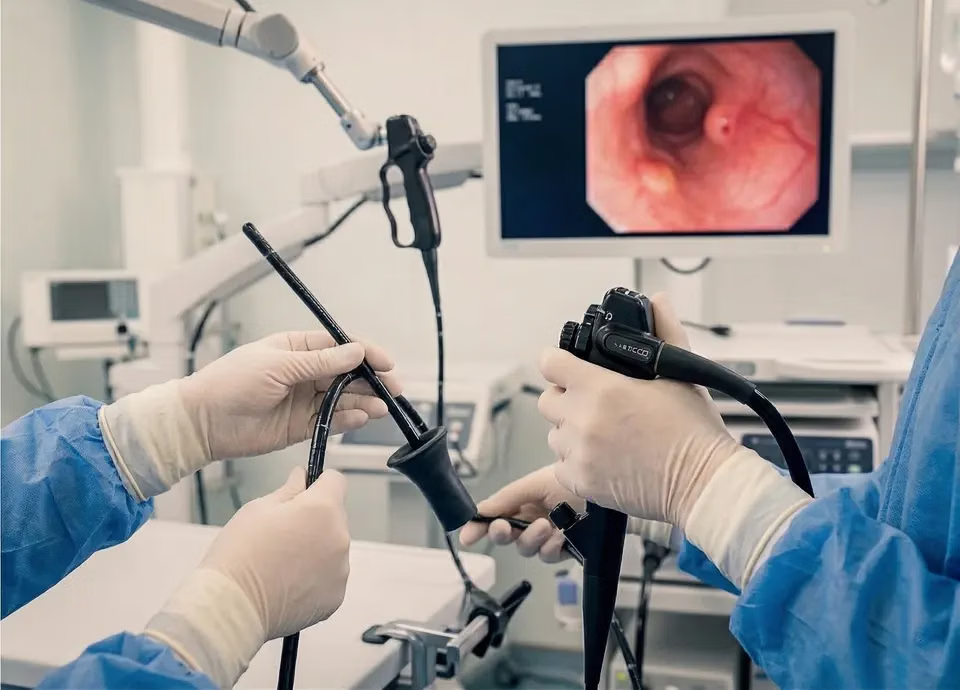
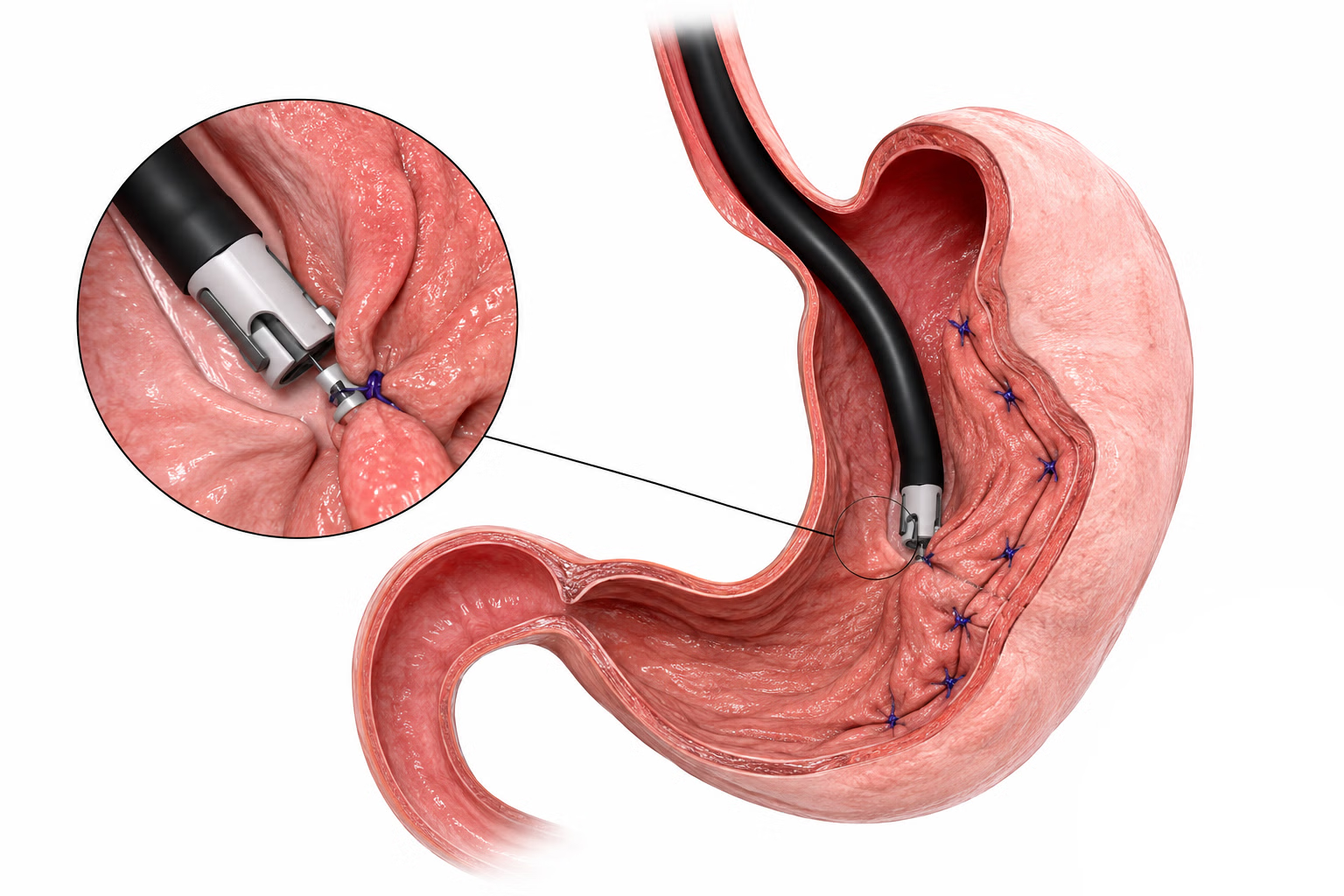
Endoscopic sleeve gastroplasty (ESG) reshapes your stomach into a narrower, tube-like sleeve using a suturing device passed through an endoscope via your mouth. The stomach wall is folded and stitched from the inside, which reduces the volume it can hold, helps you feel full sooner and for longer, and slows the rate at which food leaves the stomach. How ESG differs from sleeve gastrectomy surgery: 1) Access: Through the mouth, no abdominal incisions; 2) Tissue: None. The stomach is folded and sutured only; 3) Reversibility: May be revised, repeated, or converted to surgery later; 4) Weight loss: Less than surgery in the short to medium term; 5) Complications: Less frequent; most are managed endoscopically; 6) Reflux after procedure: Clearly less common. Important: ESG is not surgery, and nothing is removed from your body, including the part of the stomach that produces the hunger hormone. If you have read elsewhere that tissue is “cut away”, that describes sleeve gastrectomy, which is a different procedure. What results to expect:Most patients lose approximately 15–20% of their body weight within one year. Results vary by individual;Weight loss is fastest in the first 3–6 months, then slows and typically plateaus around 12 months;Conditions such as blood sugar, blood pressure, cholesterol, and sleep apnoea often become easier to control as weight decreases; this does not mean every patient will stop medication. The strongest predictor of your result is attending your follow-up appointments and sustaining the eating changes. ESG makes portion control far easier; it does not do the work for you. Who is ESG considered for:Have a body mass index (BMI) of 30 kg/m² or above;Have a BMI of 27–29. 9 kg/m² with at least one obesity-related condition;Have a high BMI but carry too much surgical risk, or have had prior abdominal surgery, making bariatric surgery technically difficult;Prefer not to undergo surgery, or need a first step before further treatment. Your suitability is assessed individually by our medical team, together with a dietitian and a psychologist, before any decision is made. Self-preparation before ESG procedure (lifestyle and diet changes (start at least 2–4 weeks before)):Choose nutrient-dense foods. You will eat far less after the procedure, so building the habit early improves your result;Prioritize protein, lean meat, unsweetened low-fat milk, eggs, and tofu to preserve muscle mass and stay full longer;Reduce carbohydrates and fats: white rice, sweets, bread, bakery items, fried food, fatty cuts of meat;Stop all sugar-sweetened drinks and increase plain water instead;Stop alcohol, high in calories with no nutritional value;Stop smoking at least 4 weeks before to reduce lung and cardiac complications, lower the risk of blood clots, and help the sutures heal;If you have been diagnosed with obstructive sleep apnoea and prescribed CPAP, use it consistently for at least 4 weeks before your procedure. Additional preparation measurements:Declare everything, including herbal remedies, vitamins, and supplements;Anticoagulants and antiplatelet drugs should be stopped or adjusted only on your doctor's instruction. Never stop them on your own;Diabetes medication, insulin, and GLP-1 receptor agonists, doses must be adjusted by your doctor before and after the procedure;Blood pressure medication, diuretics, and psychiatric medication may need adjusting as your weight falls;Follow the clear liquid diet as instructed by your team (usually 24–48 hours before);Fast from food for at least 8 hours and from clear fluids for at least 4–6 hours, as instructed;Remove jewelry, contact lenses, and nail polish or gel nails (needed for oxygen monitoring);Arrange for someone to take you back to your hotel. You must not drive for at least 24 hours after sedation. On the day of the procedure:The procedure takes approximately 60–90 minutes under anesthesia administered by an anaesthesiologist. You will be asleep throughout;There are no abdominal incisions; all instruments pass through your mouth;You will receive antibiotics, anti-nausea medication, pain relief, and acid-suppressing medication around the procedure, in line with the 2024 joint guideline of the American and European Societies of Gastrointestinal Endoscopy (ASGE–ESGE);You will be observed for approximately 2–6 hours afterward. Some patients are kept overnight for safety; this is determined on a case-by-case basis by the medical team. Before discharge, you should be able to sip fluids without vomiting, have pain controlled with oral medication, be free of fever, and have stable vital signs. Symptoms that are normal after the procedure. The following are common and usually settle within 3–7 days. Most patients recover quickly and return to light activity within 2–3 days. Upper abdominal pain or fullness, from the sutures and from air in the stomach;Nausea, vomiting, frequent belching;Pain radiating to the shoulder, from gas used to inflate the stomach during endoscopy;Mild sore throat from the endoscope;Fatigue, because you are taking in much less energy in the first weeks. Eating after ESG is separated by stages corresponding to a typical timeline:Stage 1 (Weeks 1-2: liquids): This is the adaptation phase. Your diet is high-protein and includes unsweetened liquids: high-protein milk, unsweetened soy milk, whey protein, and medical nutrition drinks. Take 3-4 servings a day, as much as you can tolerate, sipping slowly. Stop immediately if you feel full or tight. Sip plain water between meals throughout the day. In week 2, you may try soft, easily digestible foods at some meals, such as steamed egg, boiled egg, steamed fish, or minced chicken or pork. Eat slowly in small bites, chew thoroughly, and drink at least 1. 5 liters of water per day (about 8 glasses). Stage 2 (Week 3 to month 3: soft to regular food): Your range widens. Eat 3 structured meals a day and avoid grazing. Focus on easily digestible, high-protein, low-fat foods and avoid starches and fried foods. Aim for at least 60 g of protein per day, supplemented with high-protein milk or whey if needed, and at least 1. 5 liters of water daily. Stage 3 (Months 3-6: hunger returns): Many patients notice slightly more hunger at this stage and can manage 1–2 extra bites per meal. Feeling hungry between meals is normal. Adjust food types for longer satiety: drier, firmer foods, such as grilled, roasted, or dry-fried dishes, keep you full longer than boiled or steamed foods. Stage 4 (Months 6-12: the decisive phase): You will gradually be able to eat more, so discipline in choosing food matters most now. Keep protein central; avoid fatty food, fried food, starches, and sweets, especially sugary drinks. You may add 2–3 bites of wholegrain rice per meal for satiety. If you are very hungry between meals, choose a high-protein drink instead of snacks. Avoid grazing on nuts, seeds, or fruit between meals — they are energy- and sugar-dense and can blunt your weight loss. Stage 5 (Beyond 1 year: maintaining your result): Most patients' weight stabilizes at this stage. Maintaining disciplined food choices prevents regain. With consistent eating habits and regular exercise, weight can be maintained or continue to fall gradually, alongside improved overall health. Following an endoscopic sleeve gastroplasty, physical activity must be carefully structured to balance safe recovery with sustainable weight loss while protecting your joints and muscle tissue. During the initial two to four weeks post-procedure, you should strictly avoid lifting anything over 5 kilograms as well as any heavy abdominal exercises. However, gentle walking must begin on day one to help prevent blood clots. Beginning around weeks two to three, you can build up activity as your body allows, starting with 20 to 30 minutes of daily walking and gradually increasing the speed, incline, and duration toward 30 to 60 minutes per day. For individuals managing knee or hip osteoarthritis or general joint pain, higher-intensity activity should be delayed for about one to two months until initial weight loss reduces joint stress, and exercise should prioritize low-impact options like swimming or water walking to minimize physical strain. To preserve lean muscle mass during weight loss, cardiovascular exercise should be paired with resistance training. Beginners in resistance training can start with lightweight dumbbells, typically 2 to 3 kilograms for men and 1 to 2 kilograms for women, or any weight that allows 3 sets of 12 to 15 repetitions, and progressively increase the weight as strength improves. Once a meaningful amount of weight has been lost, bodyweight training focused specifically on core strength can be introduced. Throughout this recovery and progression, the guiding principle is to exercise only when your body is ready and strictly at an intensity it can tolerate, thereby preventing injury and minimizing joint pain. As weight falls, fertility often returns faster than expected, even in women whose periods were previously irregular. We advise reliable contraception for the first 12-18 months, the phase of rapid weight loss, because nutritional intake is restricted during this period, and it is not an ideal time to conceive. If you are planning a pregnancy, please speak with our team in advance so that vitamin levels can be checked and a plan can be made together. Possible complications:Pooled data from large studies show that serious complications after ESG are uncommon, at approximately 1. 5-2. 3%, and most can be managed endoscopically without open surgery. No medical procedure is without risk, so please read the following carefully. Abdominal pain, nausea, and vomiting. It is the most common effect, usually controlled with medication and settling within a week;Bleeding at the suture line is uncommon and usually stopped endoscopically;Leak or perforation of the stomach wall and intra-abdominal infection or abscess are rare, but require urgent treatment;Obstruction of the upper gastrointestinal tract is rare and may need endoscopic correction;Gastro-oesophageal reflux is clearly less common than after sleeve gastrectomy ais nd usually controlled with acid-suppressing medication;Vitamin and mineral deficiency, preventable with supplements and scheduled blood tests;Weight loss below target or later weight regain occurs. Around 3. 6% of patients need a repeat suturing procedure within 2 years. Our team will review the options with you individually.
What’s included
Medical service
Examination
physical examination
consultation with an endoscopic surgeon
dietitian consultation to plan eating before and after the procedure
assessment of psychological readiness and eating behavior
consultation with an anesthesiologist
follow-up consult
Laboratory tests
full blood count
liver and kidney function
HbA1c, lipid profile
clotting profile
vitamin levels (B12, D, iron)
Diagnosis
upper endoscopy to check for ulcers, inflammation, hiatal hernia
If you're not seeing exactly what you need here, send your custom request. You can discuss the content, specifics, price & timeline to create a personalized plan.
Location
ชั้น 2 United Center Building เลขที่ 323 Si Lom Rd, Si Lom, Khet Bang Rak, Krung Thep Maha Nakhon 10500, Thailand
FAQ
Will I need to stay in the hospital?
Most patients are discharged the same day, though the medical team may recommend an overnight stay for observation.
When can I return to work?
For non-physical work, generally within 2–5 days, depending on your symptoms.
How long do the sutures last?
The sutures are designed to last long term, though the stomach can stretch somewhat over time. Your eating habits determine your long-term results.
What if my result is not what I hoped for?
Several options exist: revising your nutrition and exercise plan, considering weight-loss medication, repeating the suturing procedure, or undergoing surgery. Our team will review these with you individually.
Can ESG be combined with GLP-1 weight-loss medication?
In selected patients, this may be appropriate, depending on the indication and our team's assessment. Never start or stop these medications on your own.
When can I fly home?
Plan to stay in Bangkok for at least 7 days after the procedure. Your clearance to fly is confirmed individually by the medical team at your pre-departure review.