Logo image

Spinal Stenosis Decompression Surgery | Neurosurgical Clinic of University Hospital Rechts der Isar Munich
Spinal Stenosis Decompression Surgery | Neurosurgical Clinic of University Hospital Rechts der Isar Munich
9.90

Munich, Germany

5
User ScoreRatingMedia Files
99%9.9/105

Overview

Age group

Adults

Type of care

Inpatient, Outpatient

Method

Surgical

About the offer

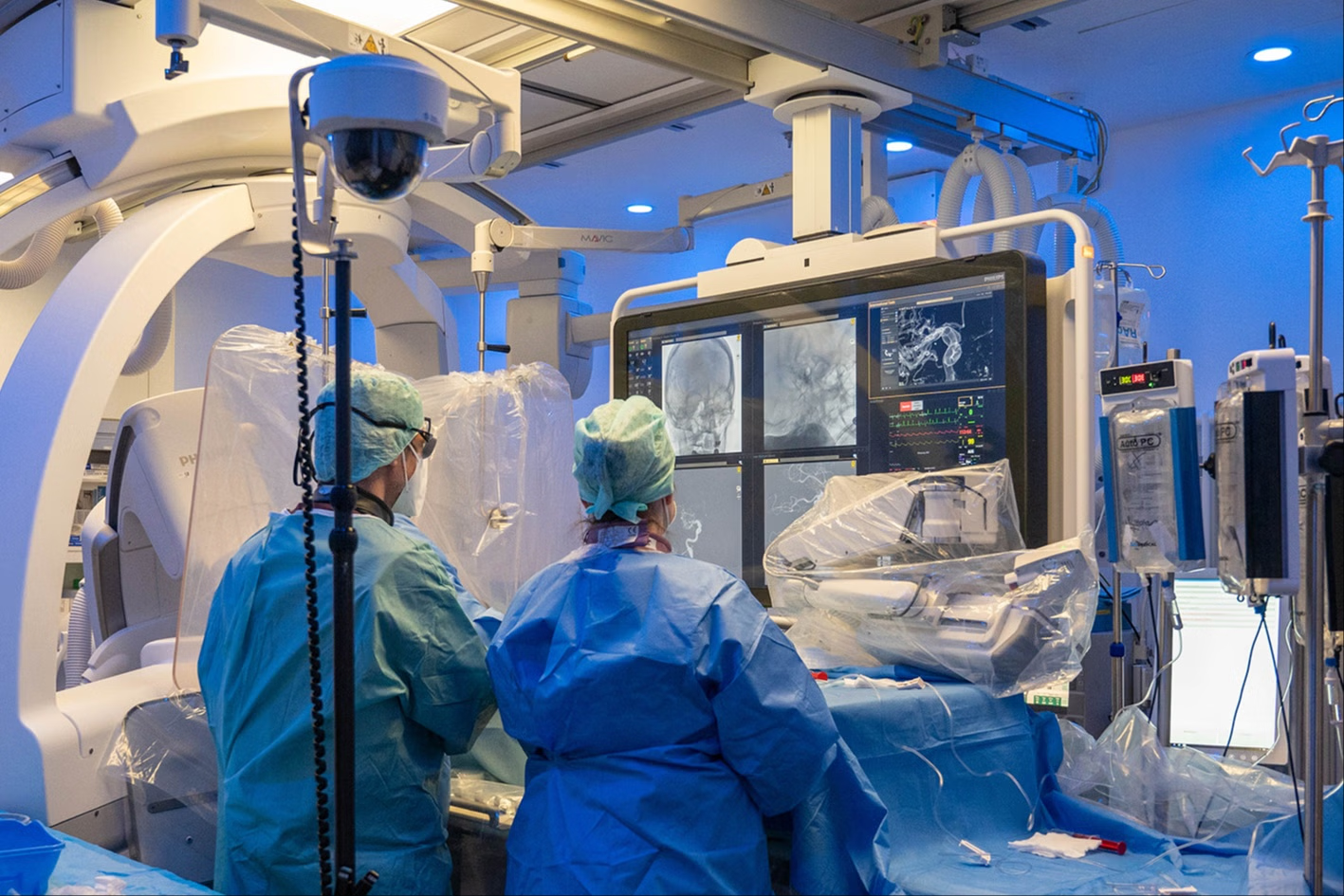
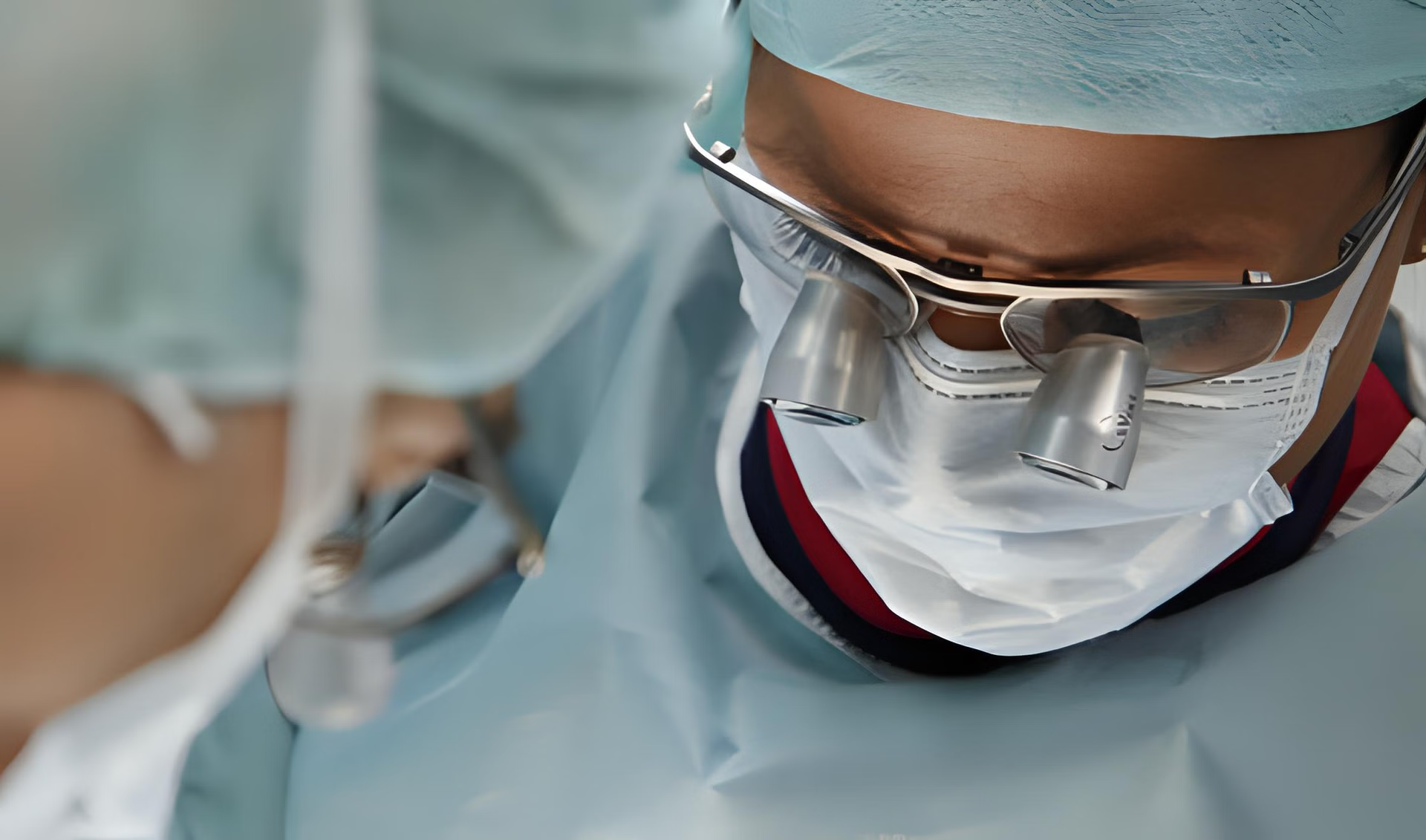
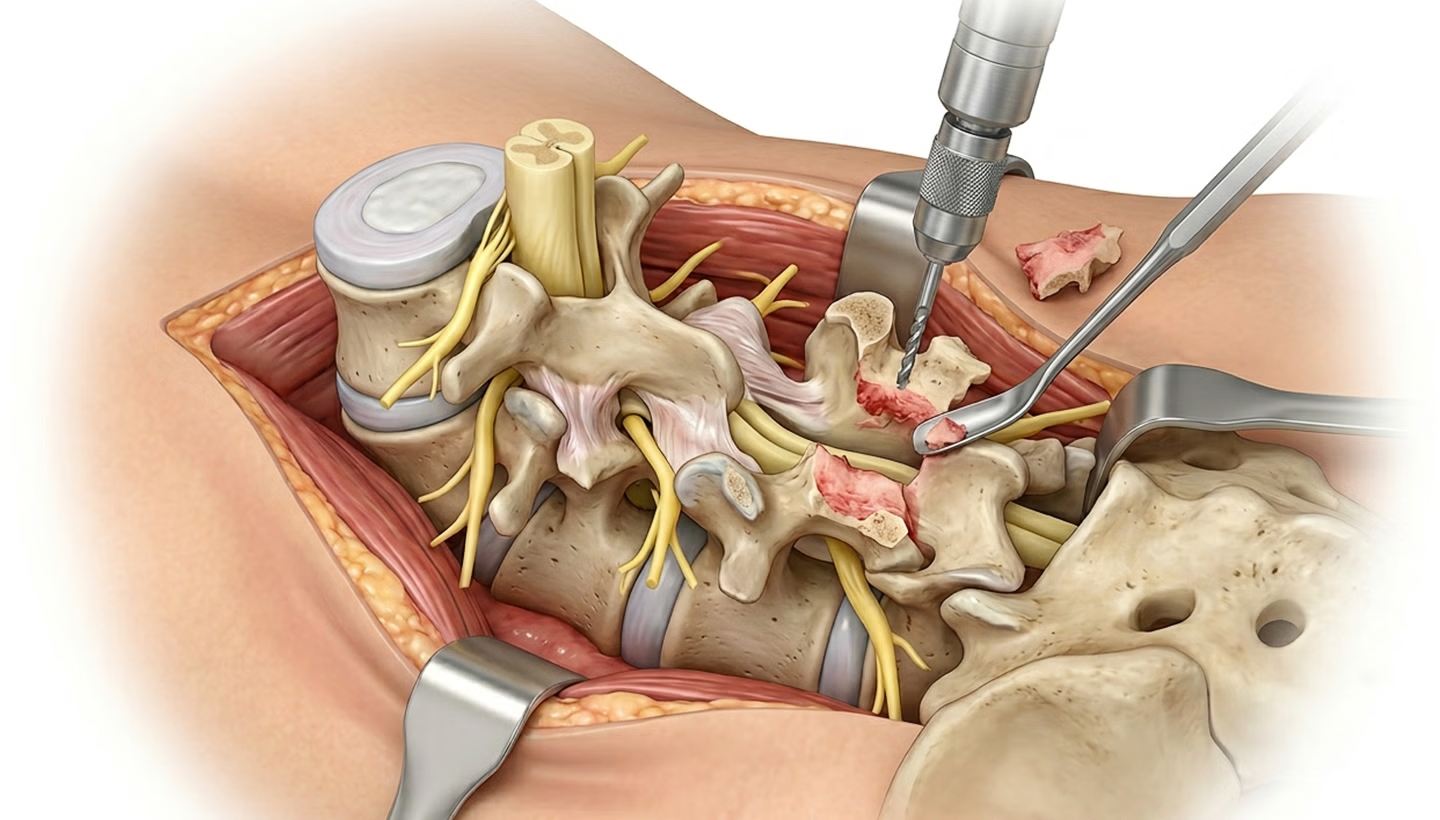
The decompression surgery for spinal stenosis at the University Hospital Rechts der Isar in Munich is performed as a high-precision intervention aimed at liberating the neural structures from the bony and ligamentous strangulation caused by degenerative changes. Unlike traditional, wide-access laminectomies, the Munich clinic emphasizes a microsurgical, tissue-sparing approach. The primary objective is the selective removal of hypertrophied (thickened) ligaments and bone spurs while maintaining the structural stability of the vertebral column, thereby avoiding invasive fusion or hardware whenever possible. The surgical architecture at teh hospital is centered around the use of high-definition operative microscopes and endoscopic portals. This allows surgeons to operate through tubular retractors that displace, rather than cut, the paraspinal muscles. This keyhole philosophy significantly reduces postoperative pain and blood loss. For patients with multi-level stenosis, the team often employs the cross-over decompression technique, where the surgeon accesses and clears both the left and right sides of the spinal canal through a single, unilateral incision. This preserves the midline bony structures and supraspinous ligaments, which are vital for the spine's natural biomechanical integrity. A defining technical advantage of this clinic is the integration of intraoperative neuromonitoring. Throughout the decompression process, the electrical activity of the spinal nerves is monitored in real-time. This provides the surgeon with an early warning system, ensuring that mechanical pressure relief occurs without inadvertent thermal or physical trauma to the sensitive nerve roots. Furthermore, the clinic utilizes ultrasonic bone scalpels that oscillate at a frequency that precisely cuts mineralized bone while leaving the delicate dura mater (the spinal cord’s protective sac) and nerve tissues unharmed in the event of accidental contact. Post-operative recovery is managed under the fast-track rehabilitation protocol, a hallmark of German academic medicine. Because the microsurgical approach minimizes deep tissue trauma, patients are typically encouraged to mobilize and walk within hours of the procedure. The neurosurgical team works in tandem with specialized spinal physiotherapists to ensure that the immediate mechanical relief of the nerves is followed by core stabilization training. This holistic, university-level care ensures that the structural widening of the spinal canal results in long-term restoration of mobility and a significant reduction in neurogenic claudication (leg pain and weakness).

What’s included

Medical service

Examination
  • clinical history-taking
  • medical records review
  • physical examination
  • consultation with a neurosurgeon
  • consultation with an anesthesiologist
  • follow-up consultations
Laboratory tests
  • complete blood count (CBC)
  • blood type test (ABO, Rh)
  • biochemical analysis of blood (kidney and liver function tests, electrolytes, glucose)
  • inflammation blood tests
  • coagulation studies
  • urinalysis
Diagnosis
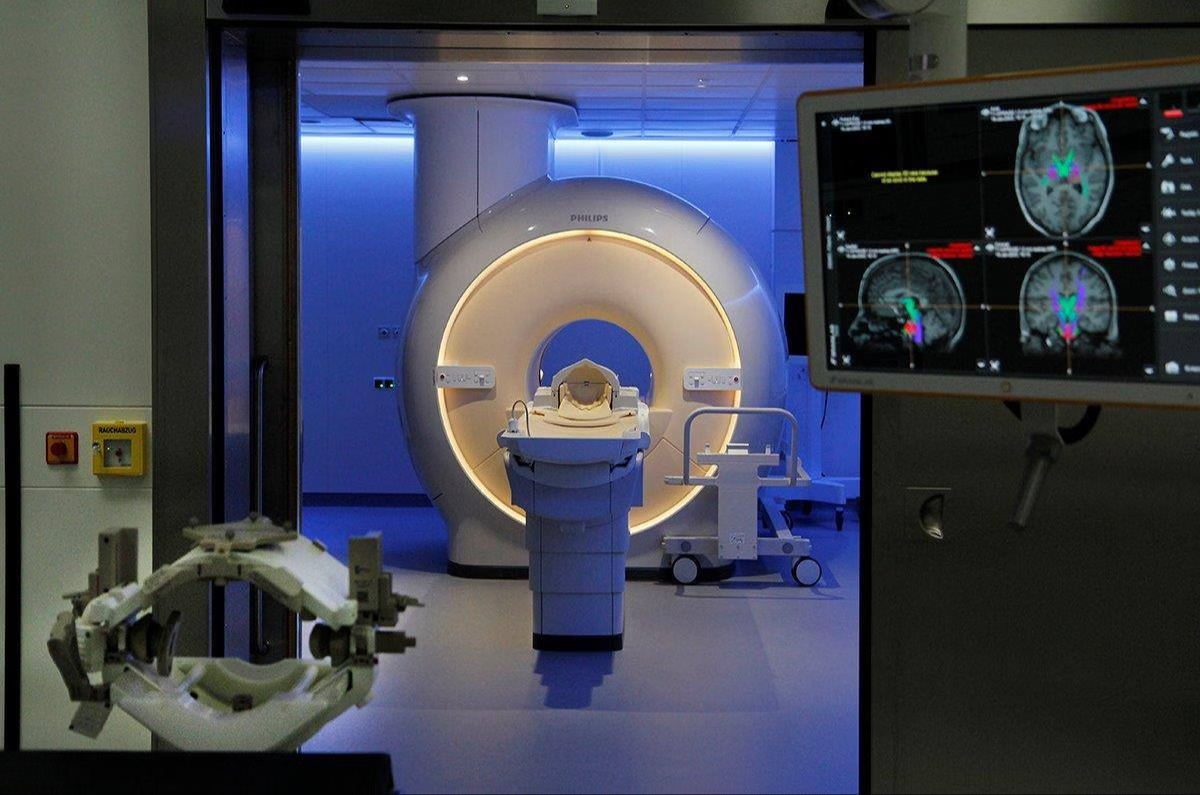
  • MRI scans of the spinal cord
  • nerve conduction study (on the indication)
  • electrocardiogram (ECG)
  • chest X-ray
Treatment
  • preoperative patient preparation
  • surgical treatment (minimally invasive spinal stenosis decompression surgery under neuronavigation)
  • postoperative care
  • physiotherapy sessions
  • symptomatic treatment
Other
  • doctors fees
  • hospitalization
  • cost of essential medicines and materials
  • general anesthesia
  • nursing service
  • discharge medical records,
  • further recommendations

Extra add-ons

Airport transfer
Single room
Hospital meals
Personal coordinator
HealthDocs translate

AiroCare

AiroMedical support
Payment protection
Patient advocacy
Price match

Meet the provider

Prof. Dr. med. Bernhard Meyer

neurosurgery, neuro-oncology, spine and vascular neurosurgery

9.90
Excellent

Gallery

Customize this offer

If you're not seeing exactly what you need here, send your custom request. You can discuss the content, specifics, price & timeline to create a personalized plan.

Location

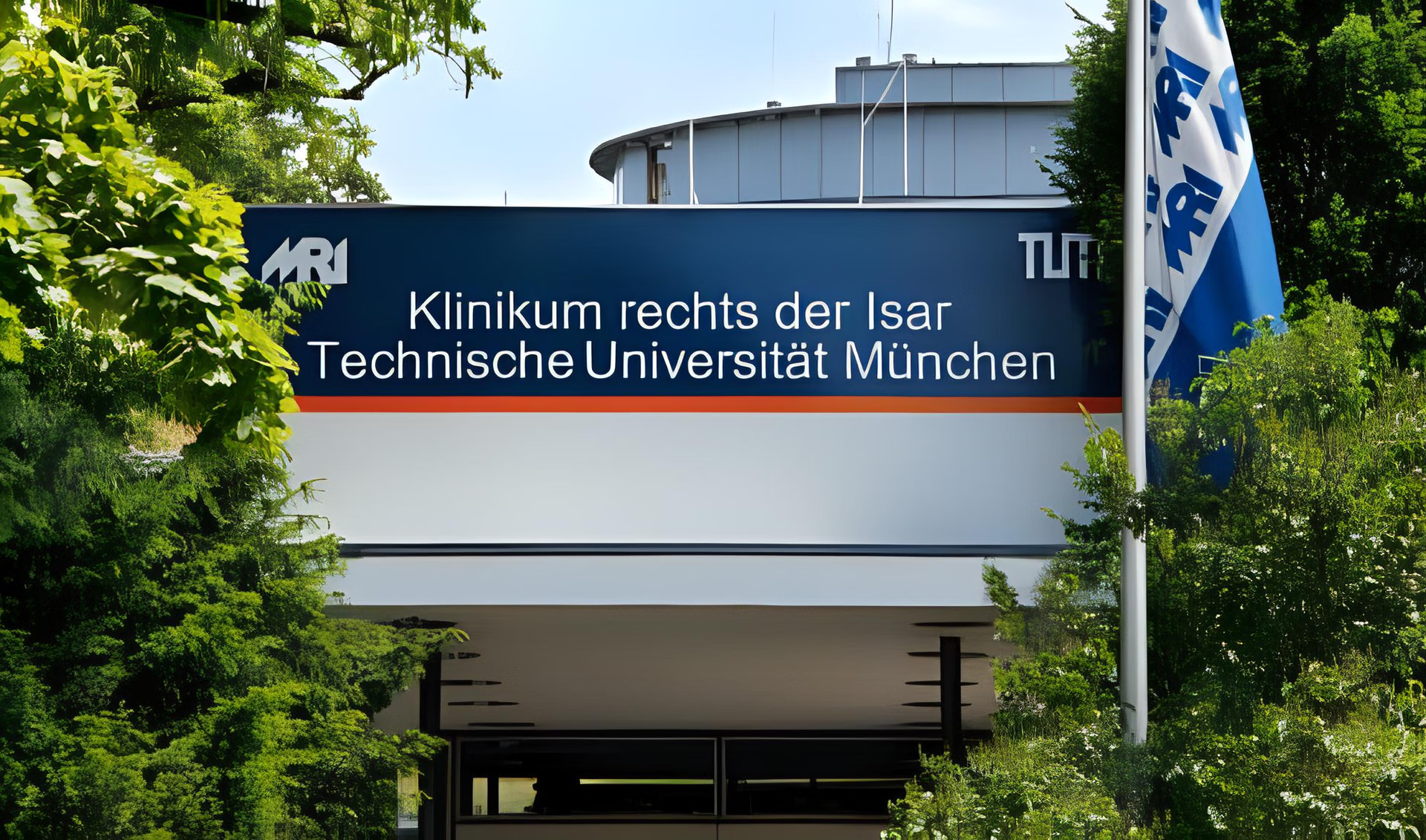
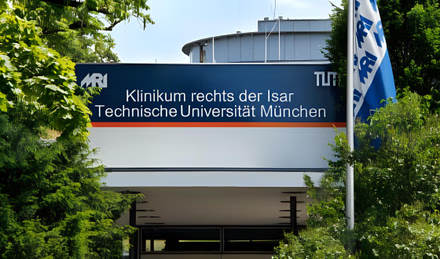
Hörsaal A, Klinikum rechts der Isar, Ismaninger Str. 22, 81675 München, Germany

FAQ

What is the cost?

The total price for Spinal Stenosis Decompression Surgery | Neurosurgical Clinic of University Hospital Rechts der Isar Munich is €37,600. However, it can vary from the specifics of each case. Get in touch to get an individual estimate.
What is the rating of the offer?

Spinal Stenosis Decompression Surgery | Neurosurgical Clinic of University Hospital Rechts der Isar Munich is rated as 9.90 by AiroMedical.
Who is offering a deal?

How long does the offer take?

The offer is designed for 14 days.

Does the offer require you to stay in the clinic overnight?

Spinal Stenosis Decompression Surgery | Neurosurgical Clinic of University Hospital Rechts der Isar Munich requires a mixed stay. Therefore, some parts of the offer are carried out on an outpatient basis. At the same time, some parts might require hospitalization.
What are the age restrictions?

The offer is eligible only for adults.

Can I customize the content of the offer?

Yes, the components of the deal can be changed. Get in touch with a vendor to create a personalized proposal.

Does the offer include extra services?

Individual cost estimate. Non-binding 100% free assessment.

€37,600

Similar deals