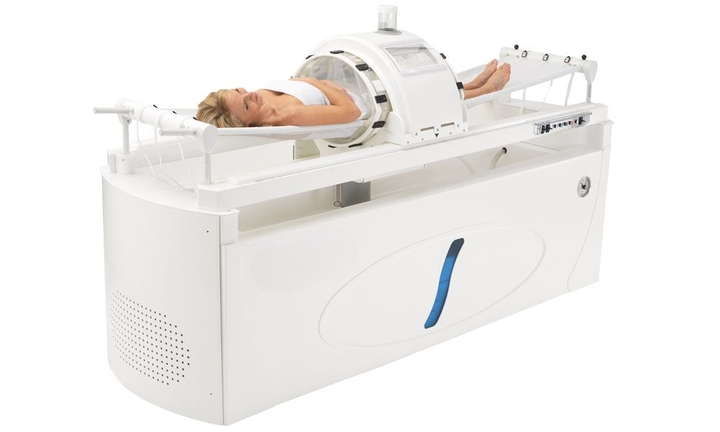
Insulin potentiated therapy (IPT) is an advanced, gentle approach that combines the principles of traditional chemotherapy with the therapeutic potential of insulin. Unlike conventional chemotherapy, which can cause severe side effects, IPT is designed to minimize these adverse effects while maintaining the efficacy of treatment. It is an innovative therapy that not only offers a targeted treatment for cancer but also provides benefits for chronic infections and autoimmune diseases. The core mechanism behind IPT involves insulin, a hormone produced by the pancreas that helps regulate blood sugar levels by facilitating glucose uptake into cells. This hormone has a unique ability to open the cell membranes, making it easier for substances to enter cells. In cancer cells, which consume large amounts of glucose, insulin increases membrane permeability, allowing them to absorb significantly higher quantities of substances such as chemotherapy drugs. Cancer cells are fundamentally different from healthy cells in that they have a much higher demand for glucose to support their rapid growth and division. As a result, these cells have an increased number of insulin receptors, making them more receptive to insulin. When insulin is administered as part of IPT, it lowers the patient's blood sugar, inducing mild hypoglycemia. This puts the cancer cells under stress and makes them more susceptible to treatment, as the lowered blood sugar causes them to open up and absorb chemotherapy drugs at a much higher rate than normal cells. The key advantage of the therapy is its ability to deliver chemotherapy drugs at much lower doses than traditional methods. Since cancer cells are absorbing the drugs more efficiently, the required dosage is significantly reduced. This reduction in drug dosage is critical because it drastically reduces the side effects typically associated with chemotherapy, such as nausea, fatigue, and hair loss. As a result, patients undergoing IPT can often tolerate treatment better and maintain a higher quality of life during their therapeutic journey. Additionally, because lower doses of medication are required, treatment cycles can be administered more frequently, reducing the time cancer cells have to regenerate and multiply between sessions. Insulin-potentiated treatment is not limited to cancer care. It has shown potential in treating a variety of chronic diseases and infections that have proven difficult to manage with conventional therapies. Conditions such as Lyme disease, rheumatoid arthritis, multiple sclerosis, lupus, and ulcerative colitis can also benefit from the therapy. In these cases, insulin helps carry medications such as antibiotics or antivirals into infected cells. This targeted approach can reach pathogens that are often hidden inside the cells and difficult to treat with standard methods. The treatment process typically begins with the patient fasting before the session. Fasting helps ensure that the cells, particularly the cancer cells, are primed to absorb nutrients and medications more effectively once insulin is introduced. After fasting, a carefully calculated dose of insulin is administered to lower the patient’s blood sugar levels, setting the stage for the delivery of chemotherapy drugs or other medications. Once the insulin has been allowed time to circulate and open the cell membranes, the therapeutic substances are introduced. The treatment is then followed by a glucose solution to raise blood sugar levels back to normal, preventing hypoglycemia and ensuring the patient’s well-being. One of the significant benefits is that it allows for a more personalized and less aggressive treatment experience. The therapy can be tailored to each patient's specific needs, and because it uses lower doses of chemotherapy, it minimizes the risk of side effects while still precisely targeting cancer cells. This tailored approach is particularly important in cancer treatment, where every case is unique and standard treatments may not always be effective or well tolerated. The treatment cycle for insulin potentiated therapy usually involves several sessions, typically spaced one to two weeks apart. Each session can last several hours, including the preparation and follow-up care necessary to monitor blood sugar levels and ensure the patient’s recovery. IPT can be used in conjunction with other therapies, such as local hyperthermia (fever therapy) or biological treatments, to enhance its effectiveness and support the patient’s health and recovery.
What’s included
Medical service
Examination
clinical history-taking
medical records review
physical examination
consultation with an alternative medicine doctor
consultation with an oncologist (on the indication)
If you're not seeing exactly what you need here, send your custom request. You can discuss the content, specifics, price & timeline to create a personalized plan.
Location
Vilbeler Landstraße 45B, 60388 Frankfurt am Main-Bergen-Enkheim, Germany
FAQ
What is insulin potentiated therapy?
IPT is a treatment that combines insulin with low doses of chemotherapy or other medications. Insulin is used to enhance the uptake of drugs into cancer cells, which are more sensitive to insulin than healthy cells. This approach allows chemotherapy to be delivered more effectively, minimizing side effects.
How does it work to treat cancer?
The therapy works by utilizing insulin to open up cancer cells, enabling them to absorb chemotherapy drugs more efficiently. Insulin induces a temporary drop in blood sugar levels, creating conditions in which cancer cells can take up chemotherapy agents more readily, making the therapy more targeted and reducing damage to healthy cells.
Is it a safe treatment option?
IPT has shown promising results in some patients, but as with any treatment, it comes with potential risks. These include hypoglycemia (low blood sugar) and the potential for increased toxicity of certain drugs. It is essential to undergo it under the guidance of trained medical professionals who can closely monitor your health throughout treatment.
How is IPT different from conventional chemotherapy?
The main difference is that our treatment uses much lower doses of chemotherapy. Insulin helps deliver chemotherapy directly to cancer cells more efficiently, reducing the amount needed and minimizing side effects such as hair loss, nausea, and immune suppression, which are common with traditional chemotherapy.
Can IPT be used with other cancer treatments?
Yes, IPT can be used alongside other treatments like radiation or surgery. It is often integrated into a comprehensive cancer care plan, designed to improve the effectiveness of conventional therapies while reducing side effects.
How long does an IPT treatment session last?
An IPT treatment session typically lasts about one to two hours. The process involves fasting beforehand, receiving an insulin injection to lower blood sugar, administering chemotherapy, and then using a glucose injection to return blood sugar to normal.
What types of cancers can be treated?
The treatment has been used for various cancers, including breast, prostate, lung, and colon cancer. However, its effectiveness can depend on the type of cancer and individual factors, so a thorough medical evaluation is necessary to determine whether insulin-potentiated therapy is appropriate for a specific case.
What are the side effects?
Since IPT uses lower doses of chemotherapy, side effects are generally less severe than those with traditional chemotherapy. However, patients may experience mild side effects such as fatigue, nausea, or hypoglycemia (low blood sugar). These risks should be discussed with your healthcare provider to prepare accordingly.
How many IPT sessions are needed?
The number of sessions depends on the patient's condition and response to treatment. Generally, it is administered in a series of sessions, often once or twice a week. The exact number and frequency will be determined by your medical team based on your individual needs.
Is it covered by insurance?
Insulin potentiated therapy is often considered an alternative treatment and, as such, may not be covered by traditional insurance plans. It is essential to check with your insurance provider and discuss payment options with the treatment center to understand your financial responsibilities.
How do I know if IPT is right for me?
You should have a detailed consultation with a healthcare professional. They will assess your medical history, the type of cancer or condition being treated, and your overall health status to determine whether insulin-potentiated therapy is a suitable treatment option.
Can it be used to treat other diseases, such as Lyme disease?
Yes, insulin-potentiated therapy can also be effective in treating conditions like Lyme disease (Borreliosis), rheumatoid diseases, and chronic viral infections. The therapy helps deliver antibiotics or other medications more effectively into infected cells, potentially improving treatment outcomes for these conditions.
How does it affect my overall health and quality of life?
Many patients report feeling better after a session compared to traditional chemotherapy. Since the therapy uses lower doses of chemotherapy, it can reduce common side effects such as extreme fatigue, nausea, and hair loss, thereby improving the patient’s overall quality of life during treatment.
Is it FDA-approved?
IPT is not FDA-approved as a mainstream cancer treatment. It is considered an alternative therapy and is not widely accepted in conventional medical practice. If you are considering insulin potentiated therapy, it’s essential to be well-informed about its status and discuss it thoroughly with your healthcare provider to make an informed decision.
What should I do before my session?
Patients are typically asked to fast before their session. This is because a low blood sugar level helps maximize the effectiveness of the insulin treatment. The insulin is injected after the fasting period, which facilitates better absorption of medications, especially in cancer cells that are more responsive to insulin.
How do I feel after a session?
Most patients report feeling no significant side effects following sessions. Many feel better than before their treatment. However, it is recommended to rest after the session and eat lightly. Avoid strenuous activity on the day of treatment to allow your body to recover from the therapy.
Is it an alternative to traditional chemotherapy?
IPT is an alternative and complementary approach, offering a gentler method of delivering chemotherapy while reducing the common side effects associated with traditional chemotherapy. It is not a replacement for conventional treatment but can be used in conjunction with it to improve outcomes and quality of life for patients.
What is the rating of the offer?
Insulin Potentiated Therapy (IPT) at Centre of Advanced Medicine in Frankfurt is rated as 9.30 by AiroMedical.