Logo image

Vivantes Wenckebach-Clinic

Vivantes Wenckebach-Clinic

Fast admission

9.20

Berlin, Germany

8
User ScoreTotal ReviewsRatingPrice RangeMedia FilesCertificatesFounded InBedsPatientsDepartmentsOwnershipClinical trialsAge GroupClinic TypeType of CareSizeOnline Consultations
75%2839.2/10$$$88187830859816 medical unitsPrivate hospitalConduct clinical trialsKids, AdultsGeneralInpatient, OutpatientMediumYes

Overview

Size & Capacity

Medium, 308 beds

Clinic type

General

Type of care

Inpatient, Outpatient

Age group

Kids, Adults

2.8 on Google

The data collected based on 283 patient reviews on Google

Certificates

Features & Facts

Strategic Focus on Mental Health & Aging
Following the successful relocation of its surgical departments to the nearby Auguste-Viktoria-Klinikum, the Wenckebach campus has been transformed into a highly specialized center for psychiatry and geriatric medicine.
Berlin Educational Campus for Health
The site is now home to Germany’s largest educational campus for health professions. Spanning 30,000 $m2, the campus provides 3,600+ training slots, fostering a direct link between academic research and clinical practice.
Elite Geriatric Care & Traumatology
As a recognized "Center for Geriatric Medicine," the clinic treats 10,000+ elderly patients annually. It uses innovative Galileo therapy (vibration training) to significantly improve muscle function and reduce the risk of falls among high-risk seniors.
Advanced Interventional Radiology
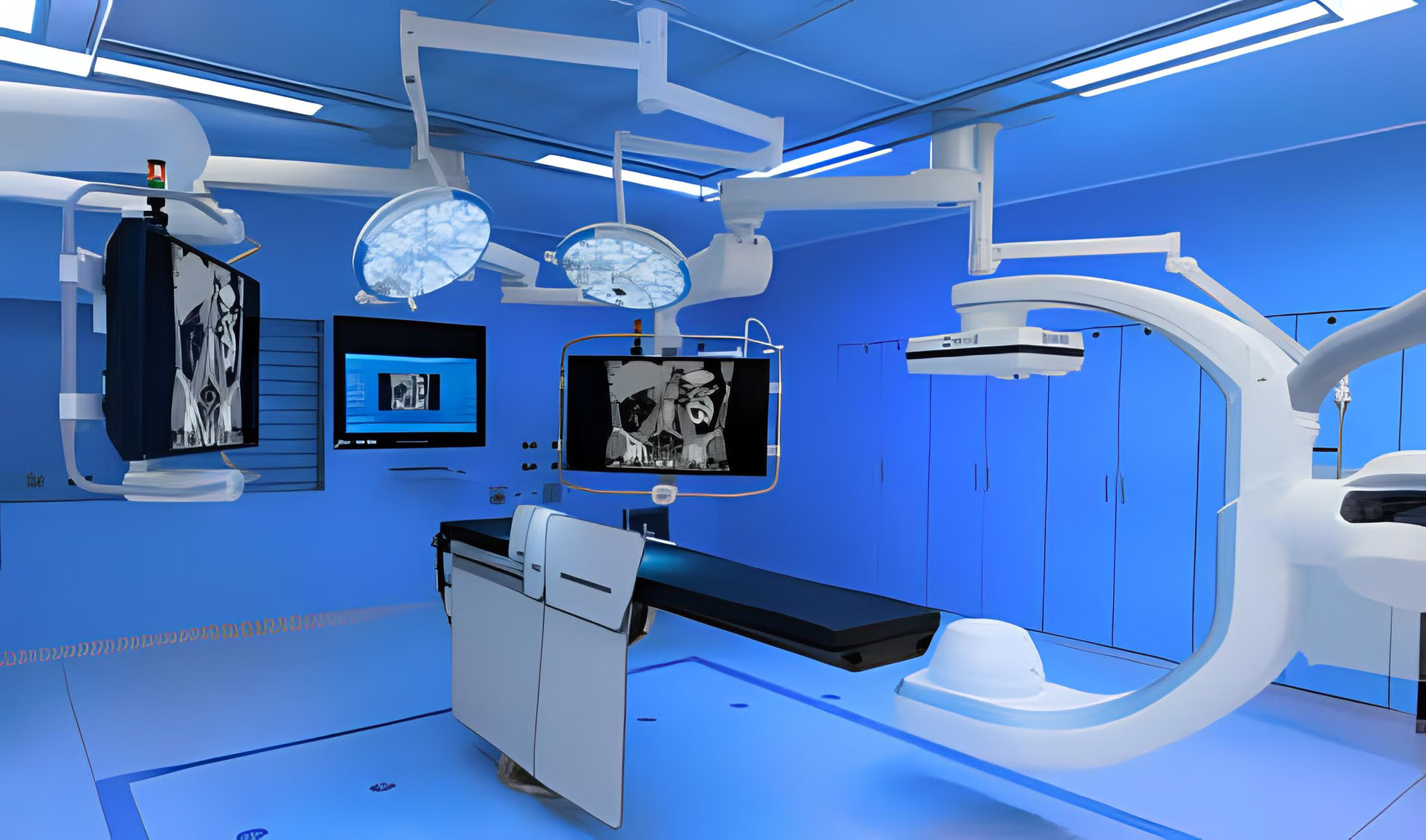
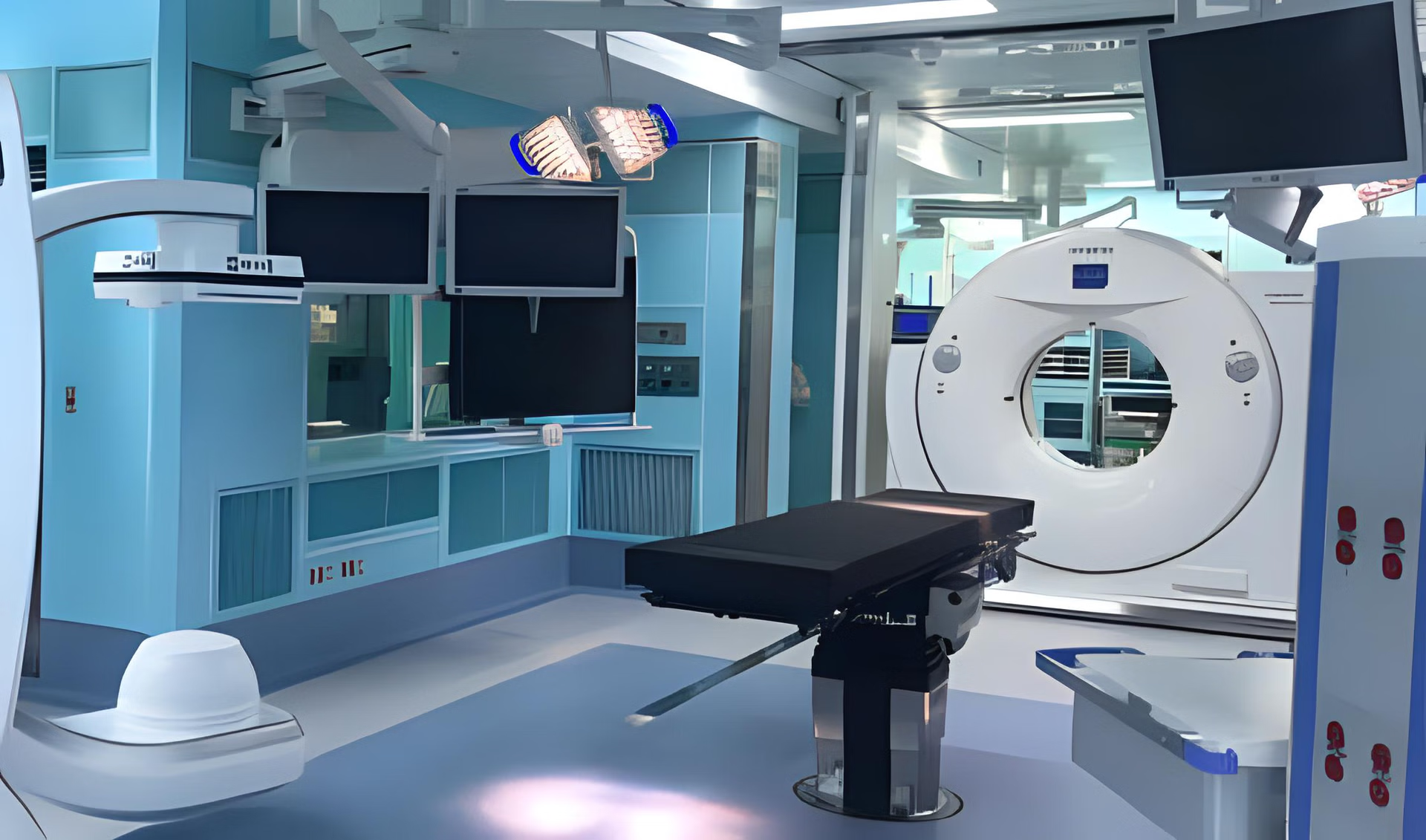
The onsite Institute for Radiology and Interventional Therapy remains a core pillar, providing 15,000+ patients with minimally invasive diagnostics and image-guided therapies that serve as the foundation for the region’s southern tumor network.
Award-Winning Psychiatry Programs
Ranked by Tagesspiegel and FOCUS, the psychiatry department excels in treating chronic depression (CBASP), schizophrenia, and addiction. It features specialized "Safewards" protocols to ensure a respectful and secure healing environment.

About the clinic

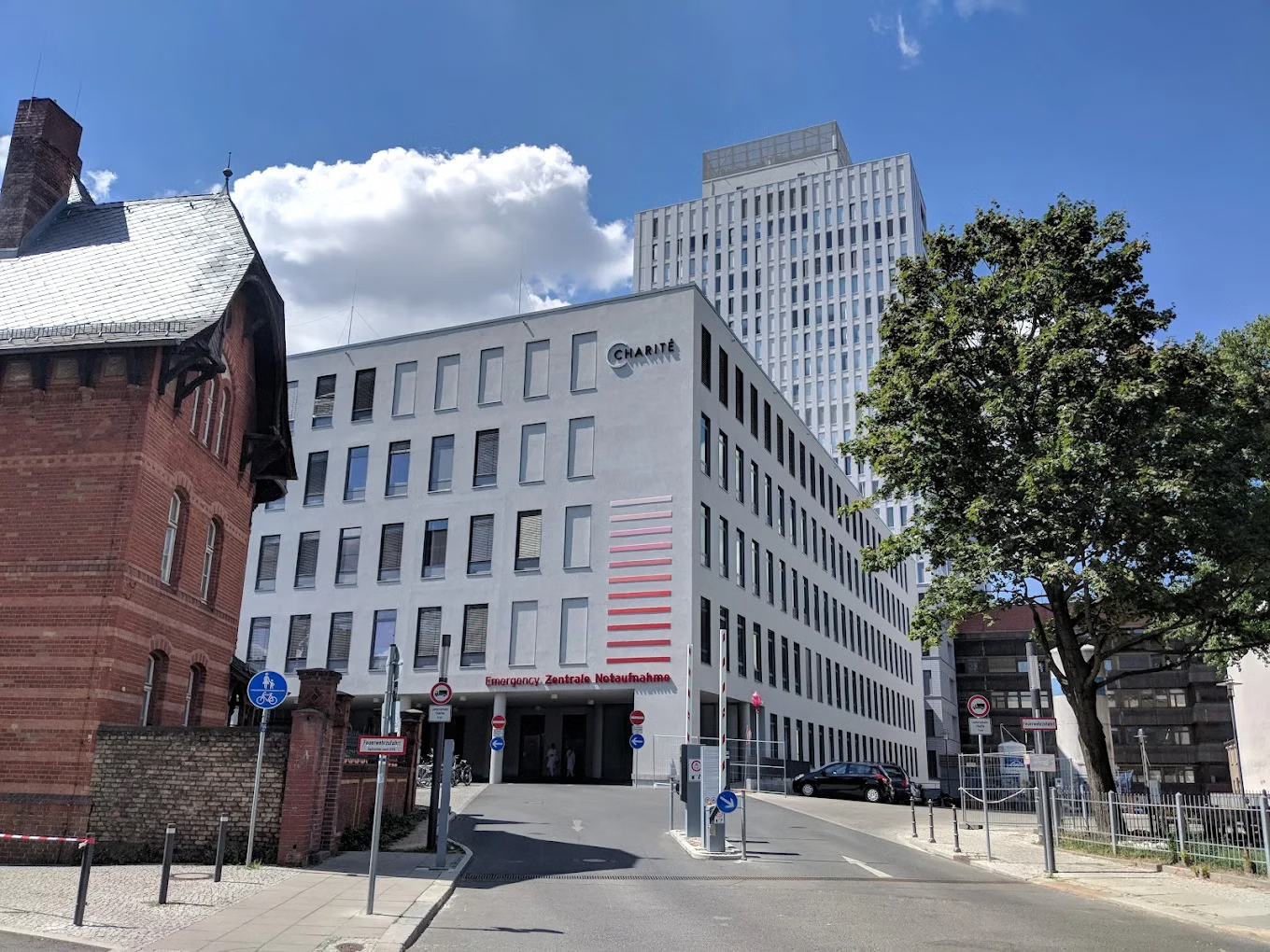
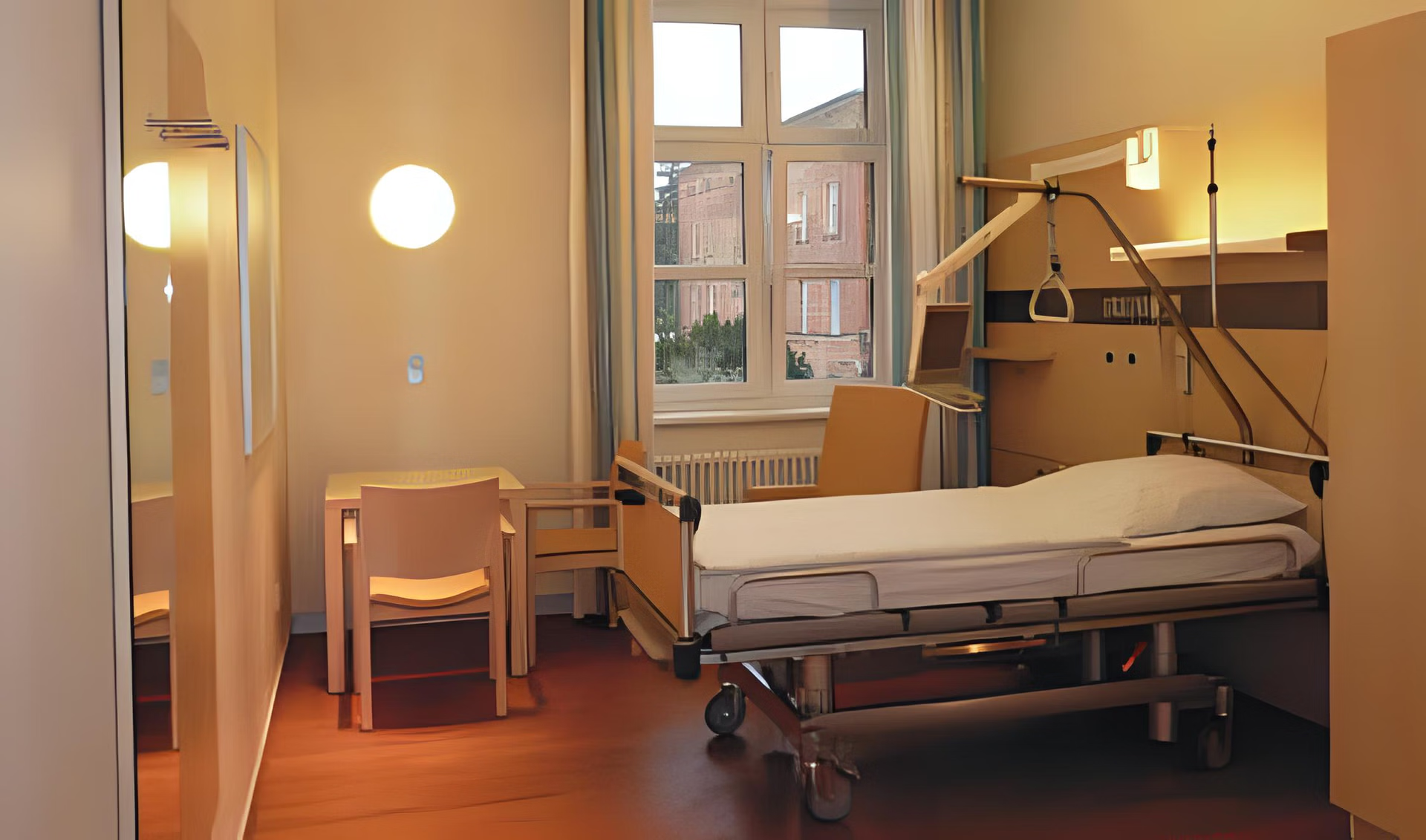
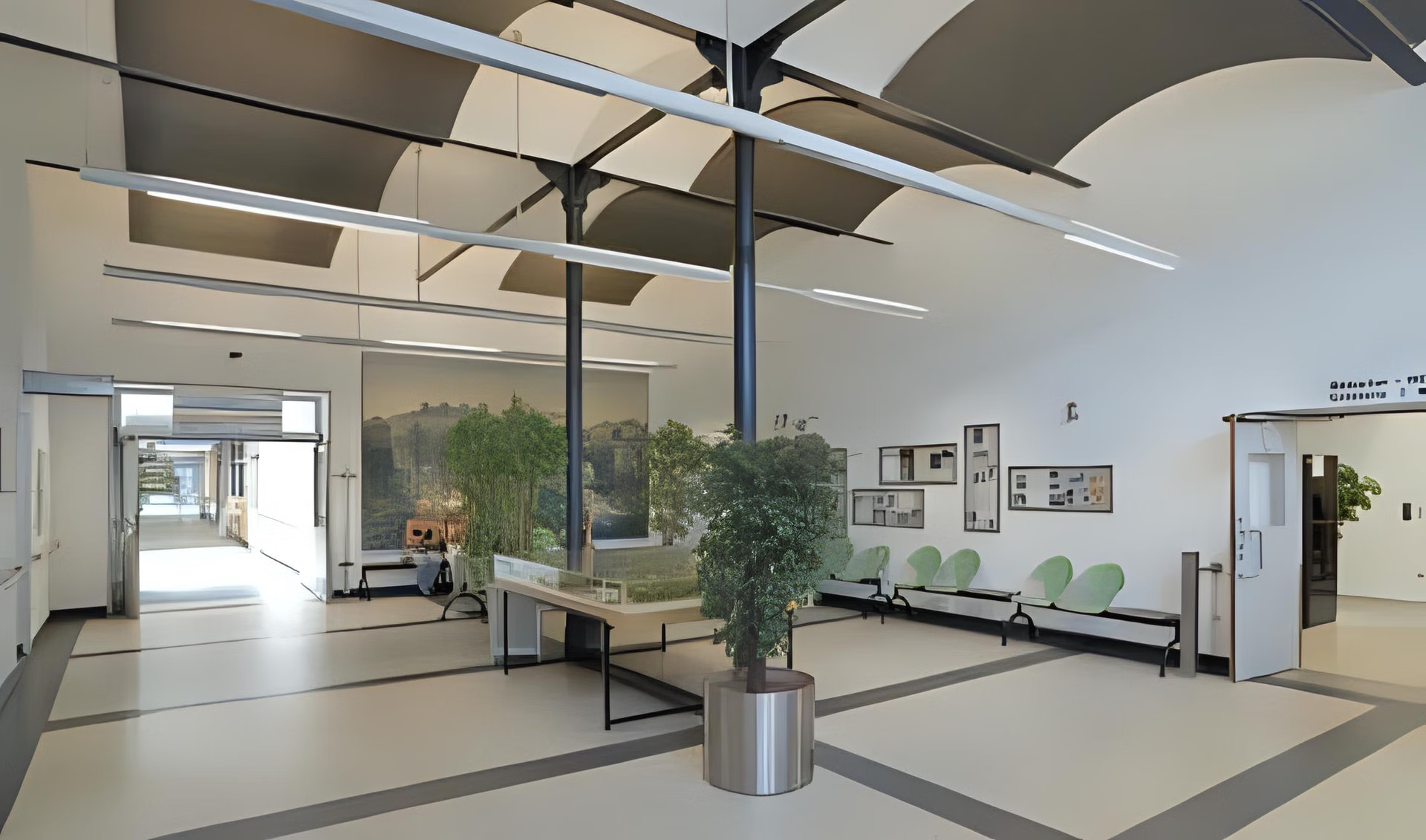
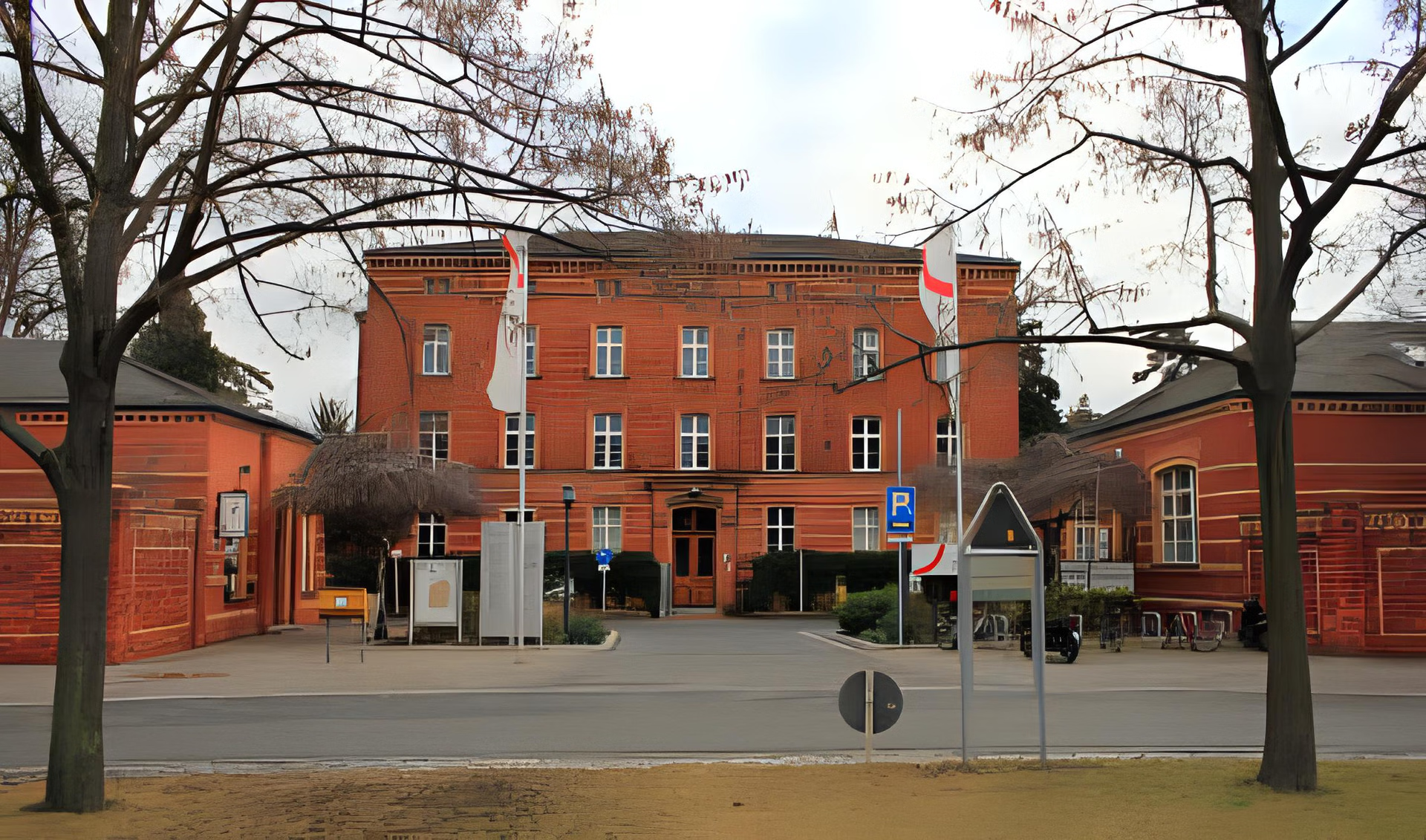
Steeped in architectural grandeur and medical history, the Vivantes Wenckebach Clinic occupies a unique position in the Berlin-Tempelhof healthcare landscape. Originally constructed in the late 19th century as a royal garrison hospital, designed by the famed architect Martin Gropius, the facility now serves as an idyllic park clinic. Named after the pioneering Dutch cardiologist Karel Frederik Wenckebach, the institution honors its namesake’s legacy by maintaining a high-performance cardiovascular profile while operating as a vital academic teaching pillar for Charité University of Medicine, Berlin. The clinical engine of the Wenckebach location is its interventional efficiency. This is most prominent in the specialized cardiology and gastroenterology departments, where the one-step diagnostic and therapeutic model is the standard of care. By housing a high-tech cardiac catheterization laboratory with advanced rhythmology alongside a full-service interventional endoscopy suite, the medical team can move from identifying a pathology to treating it, such as stabilizing a heart rhythm or performing complex internal imaging, within a single clinical session. This rapid-response capability is bolstered by the hospital’s status as a 24/7 emergency facility, with a robust intensive care unit prepared to handle acute medical crises every day of the year. Beyond its technical departments, the clinic is a center for comprehensive life-cycle care. This includes a highly specialized focus on geriatrics and psychiatry, addressing the complex needs of Berlin’s aging population through an interdisciplinary lens. A deeply significant part of the campus is the Vivantes Hospice, which provides a sanctuary for terminally ill individuals. Here, the focus shifts to palliative dignity, ensuring that patients receive compassionate, expert care in a setting that feels far removed from the sterile environment of a traditional hospital ward. Innovation at the Wenckebach Clinic is perpetually fueled by the onsite Vivantes Institute of Further Education and Training. This integration ensures that the hundreds of doctors and nurses stationed here are not just practitioners, but continuous learners at the forefront of modern medical protocols. Whether in general surgery, traumatology, or orthopedics, the staff operates with a blend of "Gropius-era" tradition and Charité-level innovation, making the clinic a trusted destination for patients seeking both high-precision intervention and a respectful, human-centered healing environment.

Primary focus

liver
glutathione
metabolism
radiology
carcinoma
surgery
cancer
adenovirus
hepatocellular carcinoma
pediatric
esophagus
infection
hepatitis
adenocarcinoma
kidney
barretts esophagus
psychiatry
pancreatitis
vein
gastroenterology
interventional radiology
psychotherapy
embolization
abdominal
depression
neoplasia
chronic pancreatitis
orthopedics
pulmonary
ablation
pulmonary vein
abdominal surgery
heart
internal medicine
carcinoma liver
ventricular
magnetic resonance imaging
psychosomatics
schizophrenia
traumatology
atrial
liver injury
portal vein
transplantation
heart failure
artery
traumatological surgery
alcohol dependence
major depression
visceral surgery
trauma
atrial fibrillation
lithium
aortic
valve
cancer cells
aneurysm
mood
alcohol
valve replacement
aortic valve
transcatheter
tumor
liver grafts
salmonella typhimurium
duct obstruction
fatty liver
liver failure
liver cancer
renal function

Departments & Doctors

General surgery
Dr. med. Gullu Cataldegirmen

general and abdominal surgery

Gastroenterology
Cardiology, geriatrics
Prof. Dr. med. Dietlind Zohlnhofer-Momm

geriatrics, internal medicine, cardiology

Psychiatry, psychotherapy
Dr. med. phil. Bruno Steinacher, MBA

psychiatry, psychotherapy, and psychosomatics

Interventional radiology
PD. Dr. med. Andreas Koops

radiology and interventional radiology

Gallery
Extra services

Visa Support
Telemedicine
Parking Space
24/7 medical assistance
Pastoral Care

Location

Wenckebachstraße 23, 12099 Berlin, Germany

FAQ

What services are available at Vivantes Wenckebach-Clinic?

The clinic provides various medical services, including treatment in gastroenterology, endocrinology, and pulmonology; orthopedic and traumatological medicine; and surgery (open and minimally invasive laparoscopic interventions), with high-precision diagnostics of the most common diseases.

Is the clinic advanced in cardiac surgical treatment?

The rapid development of minimally invasive procedures in the hospital has made treatment more delicate, which is critical for elderly patients. For example, non-surgical aortic valve replacement (TAVI) or mitral valve treatment with the MitraClip significantly reduced the risk of complications.

Can I treat a complex case of osteochondrosis in the clinic?

The medical center treats cartilage defects, such as dissecting osteochondrosis (dying of small surface parts of cartilage and bones). For this, a cell-free system of cartilage regeneration is used: the defective area is filled with a unique material that supports the formation of new cartilage-like tissue.
Can I get psychiatric help at the facility?

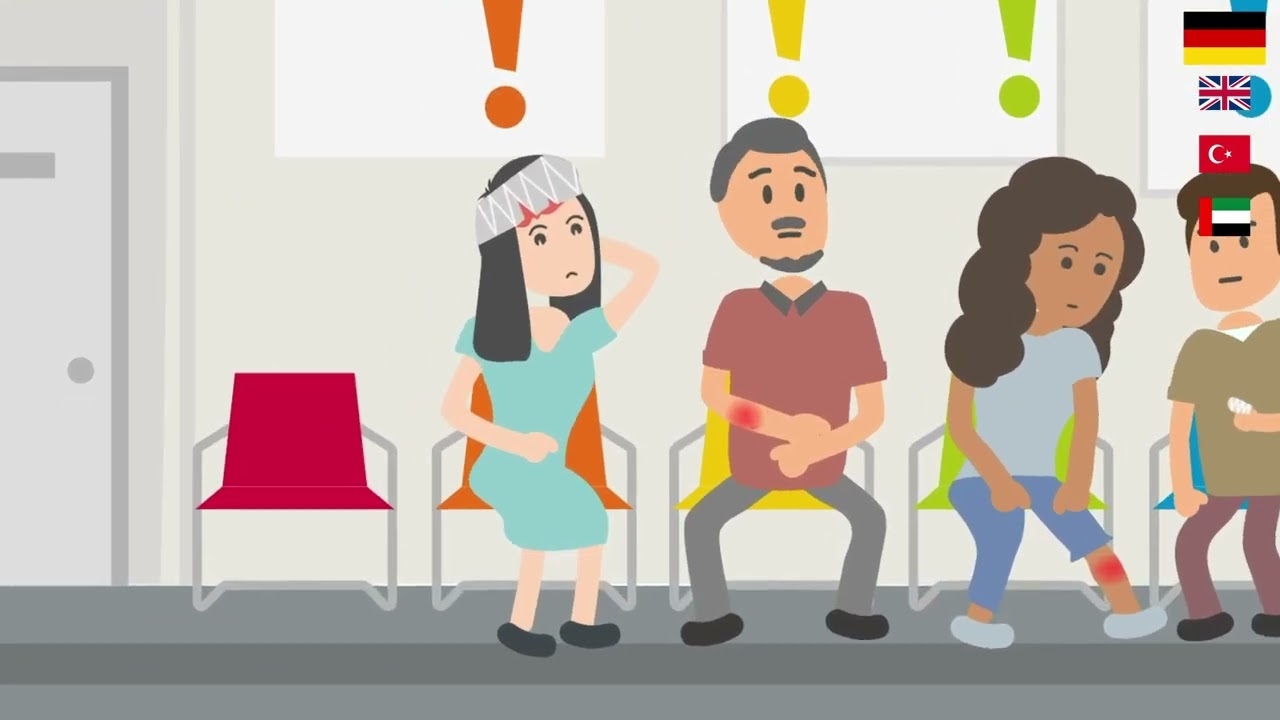
Emergency psychiatric care in the clinic is provided around the clock. Professionals use a variety of therapies, including CBASP for chronic depression, DBT for borderline personality disorder, and pleasure learning. Also, psychopedagogy for schizophrenic psychosis and metacognitive training are available.

What health campus concept is being implemented?

The Wenckebach site is transitioning from a traditional full-service hospital into a specialized center for aging and mental health. Inpatient surgical and high-tech emergency departments have been centralized at sister locations, while this campus now focuses on long-term health, geriatric stabilization, and comprehensive psychiatric care, offering a quieter, specialized environment for recovery.

How does the hospital specialize in geriatric medicine?

The geriatrics clinic is a regional leader in treating elderly patients with multiple chronic illnesses (multimorbid). The focus is on geriatric early Rehabilitation, which starts while the patient is still being treated for an acute condition. This multidisciplinary approach, involving doctors, specialized nurses, and physiotherapists, aims to prevent the loss of independence and ensure a safe return to home life.

What psychiatric treatments are available for chronic depression?

The department of psychiatry and psychotherapy offers CBASP (cognitive behavioral analysis system of psychotherapy), a specialized therapy specifically designed for chronic depression. They have also expanded their psychiatry at home (StäB) program, where patients receive intensive, clinic-level psychiatric treatment in their own living environment rather than in a ward.

Is there a specialized center for end-of-life care?

Yes, the hospital houses the Vivantes Hospice, which provides holistic, dignified care for terminally ill individuals. The focus is not on curative medicine but on symptom control and pain management, supported by a team of palliative specialists, chaplains, and social workers. It is known for its peaceful, garden-integrated atmosphere that supports both patients and their families.

How does the hospital utilize animal-assisted therapy?

Wenckebach is one of the few clinics in Berlin to integrate animal-assisted therapy into its psychiatric and geriatric programs. Specially trained therapy dogs are used to improve patient motivation, reduce anxiety, and stimulate social interaction, which has proven particularly effective for patients with dementia or severe social withdrawal.

What is the focus of pain medicine at this location?

The clinic specializes in multimodal pain therapy for patients with chronic pain syndromes. Rather than relying solely on medication, the protocol integrates psychological coaching, physical therapy, and biofeedback techniques. This helps patients understand the neurological mechanisms of pain and regain control over their daily activities.

Does the site offer outpatient psychiatric services?

Yes. The psychiatric institutional outpatient clinic (PIA) provides long-term care for patients with severe mental illnesses who require more intensive support than a standard therapist can provide but do not need full hospitalization. This includes medication management, social counseling, and crisis intervention.

What is the rating of the clinic?

Vivantes Wenckebach-Clinic is rated as 9.20 by AiroMedical.

What do patients say about Vivantes Wenckebach-Clinic?

The clinic has 283 feedbacks at other places. The UserScore of the hospital is 75%.

What is the primary focus of the hospital?

The medical center is an expert at liver, glutathione, metabolism, radiology, and carcinoma.

What is the overall experience of the facility?

Vivantes Wenckebach-Clinic has been operating since 1878. It has accumulated over 148 years of clinical background.

Where can I see the hospital's work, interior space, and exterior?

AiroMedical gallery has 5 photos & 3 videos related to Vivantes Wenckebach-Clinic.

Does the clinic have certification or recognition?

Yes, Vivantes Wenckebach-Clinic has been certified by 8 organizations.

What is the structure of the hospital?

Where is the clinic located?

The address of the facility is Wenckebachstraße 23 12099, Berlin, Germany.

Does the hospital offer online consultations?

Yes, Vivantes Wenckebach-Clinic performs virtual appointments and offers a second medical opinion service.

What age range of patients can be admitted to the clinic?

The hospital accepts patients of all ages.

What type of stay is offered at Vivantes Wenckebach-Clinic?

The clinic offers both inpatient and outpatient services, so you can be hospitalized (if indicated).

Vivantes Wenckebach-Clinic

Get individual treatment plan and cost estimate. Non-binding 100% free assessment.

© Vivantes Wenckebach-Clinic
Similar clinics