The data collected based on
479
patient reviews on Google
Certificates
Features & Facts
Largest Specialized Center in Czechia
IKEM is the largest specialized hospital in the country, focusing on cardiovascular diseases, organ transplantation, diabetology, and metabolic disorders.
Leading Transplantation Center in Europe
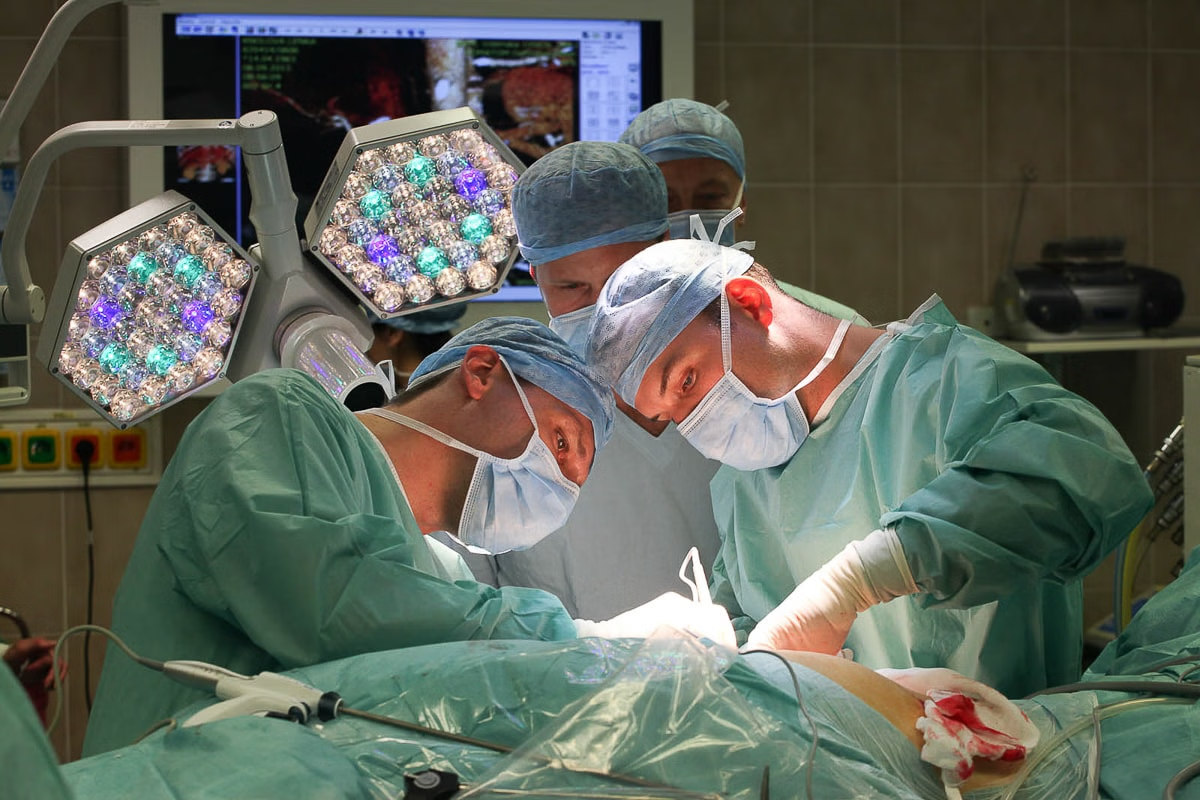
IKEM performs over 500 organ transplants annually, making it one of Europe’s top transplant centers. In 2021, it conducted 542 organ transplants, accounting for 66% of all transplants in the Czech Republic. IKEM is a leader in heart, kidney, liver, pancreas, and multi-organ transplants.
Transmedics OCS Heart Perfusion
The cardiac team uses the specialized Transmedics OCS Heart system to transport and revive beating donor hearts over long distances. This advanced ex vivo perfusion device directly assisted in 12 complex heart transplants in 2025.
Advanced Cardiology and Heart Surgery
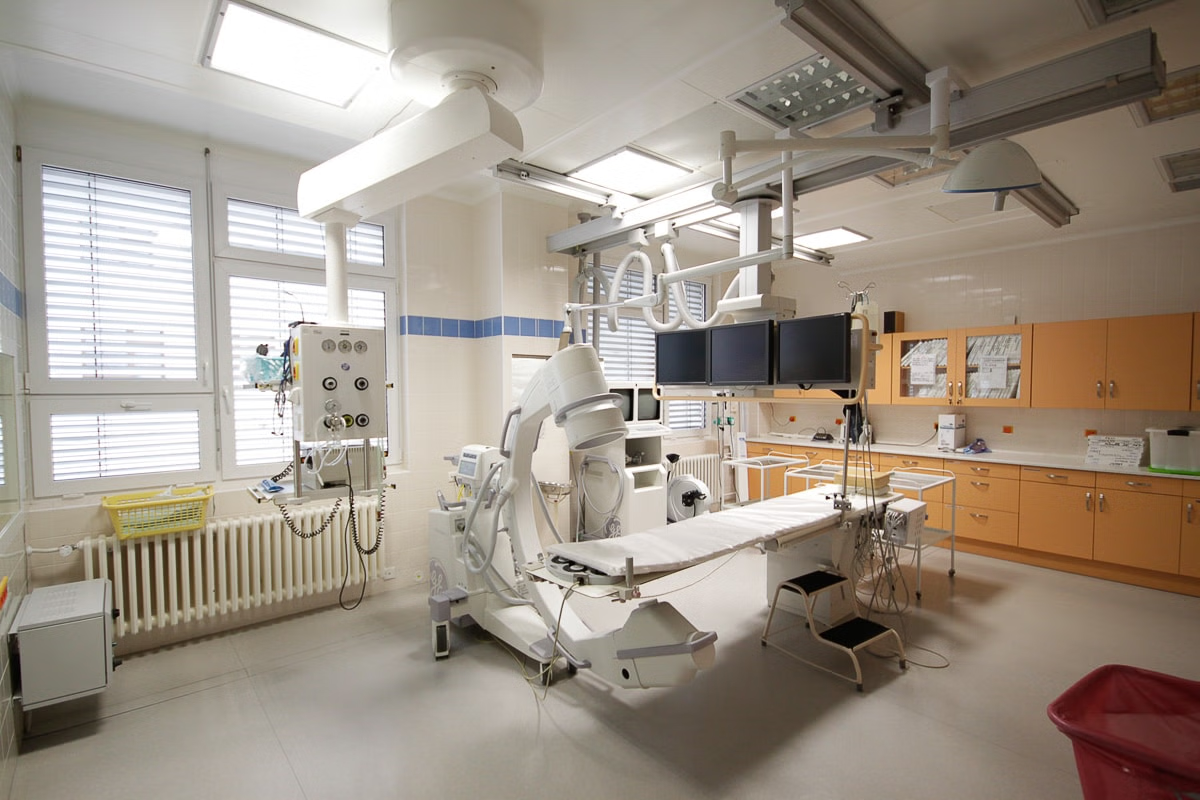
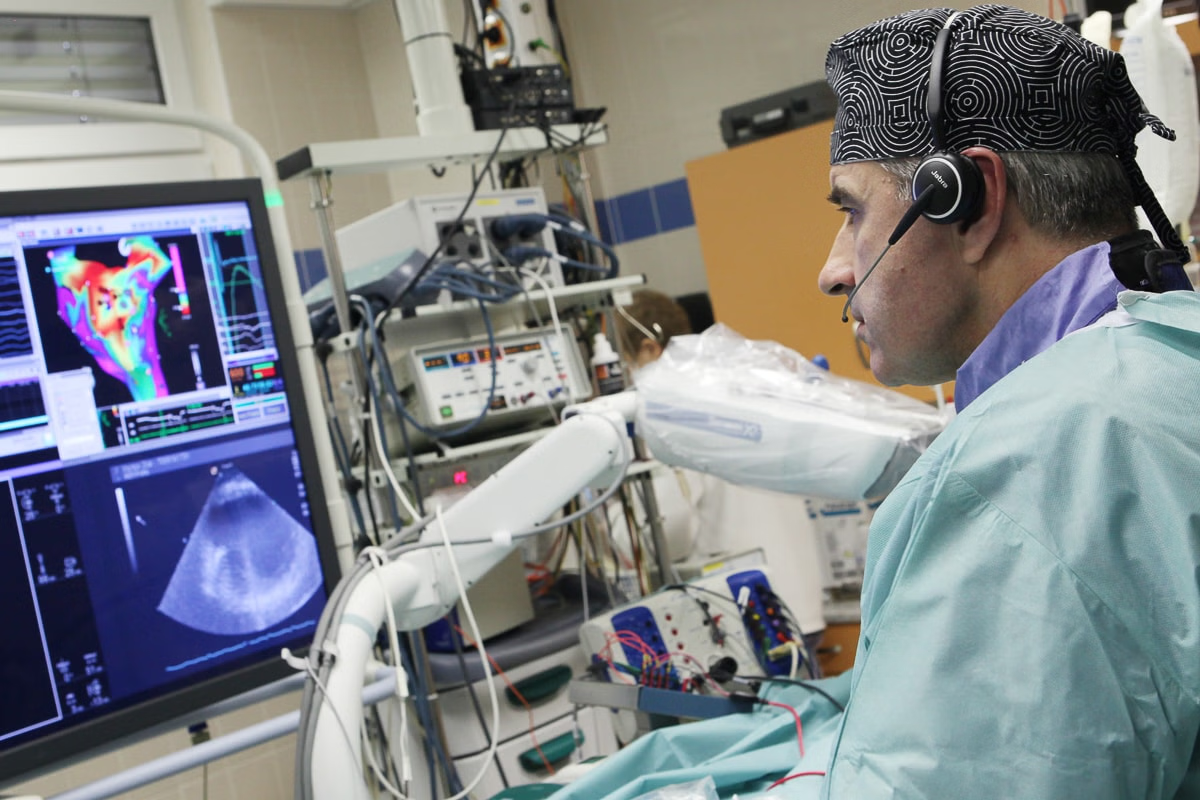
It is known for its cutting-edge cardiovascular treatments, including heart failure therapy, artificial heart implants, and robotic-assisted surgeries. It is home to one of the most advanced cardiac catheterization labs in Central Europe.
Over 2,300 Liver Surgeries
Since establishing the liver transplant program, the specialized surgical division has successfully executed over 2,300 total liver transplantations. This volume solidifies the facility as the undisputed leading hepatobiliary center in the nation.
Pioneering Diabetes and Metabolic Disease Research
The facility is a global leader in diabetes research, particularly in pancreatic islet transplantation for type 1 diabetes. It offers advanced treatment options for metabolic disorders, including innovative therapies for obesity and diabetes.
Human Uterus Transplantation Success
The facility completed a historic clinical trial involving 7 human uterus transplants from both living and deceased donors. This groundbreaking reconstructive endeavor paved the way for successful subsequent pregnancies in women with uterine factor infertility.
Islet Cell Isolation Precision
The specialized islet laboratory extracts pure pancreatic islet cells to perform minimally invasive intraportal cell infusions in patients with severe type 1 diabetes. Over 60% of recipients retain measurable C-peptide production and glycemic stability at 12 months.
Hub for Medical Innovation & Research
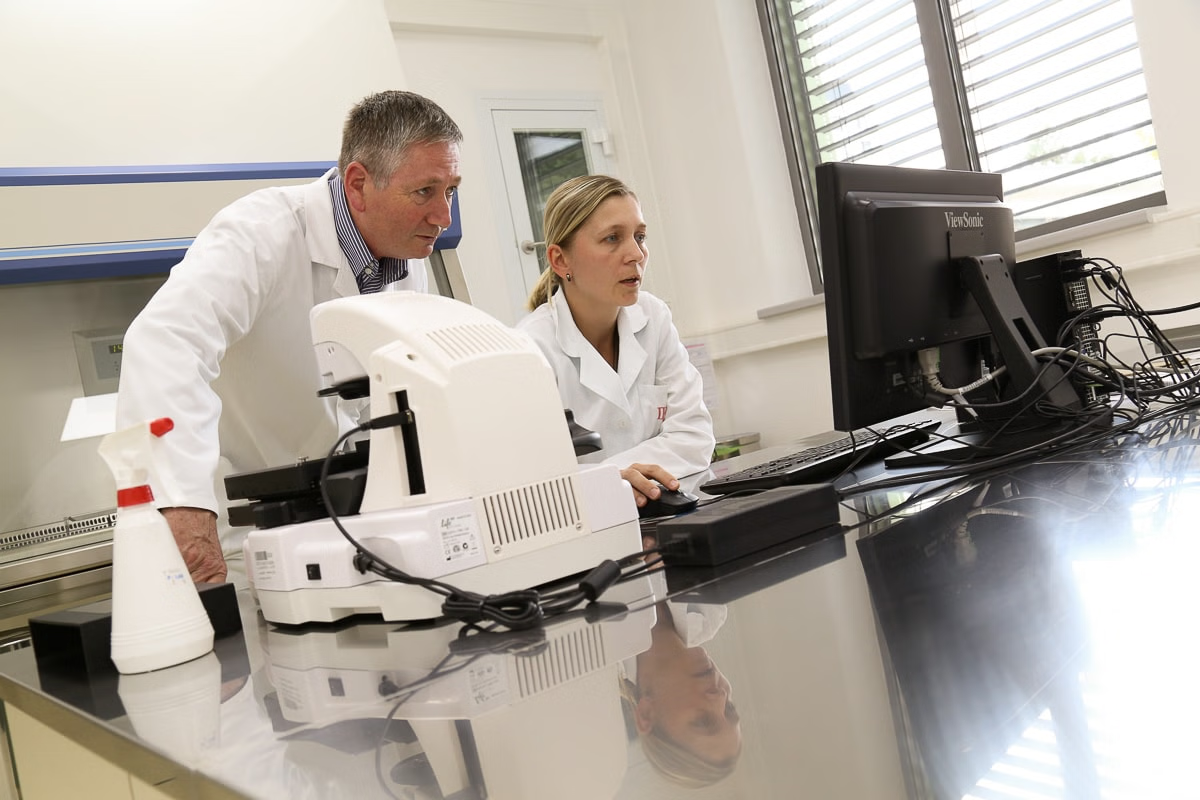
The clinic collaborates with international research institutions to develop new treatments. It is a key participant in clinical trials for cutting-edge transplantation techniques, artificial organs, and regenerative medicine. The institute played a significant role in developing a bioartificial liver support system.
Micro-Weight Liver Graft
Surgeons performed a successful liver transplant on a five-week-old baby girl weighing a mere 3.5 kilograms. This remarkable feat represents the youngest pediatric liver transplant patient in the institute's entire clinical history.
Unprecedented Kidney Graft Lifespan
Longitudinal data demonstrate that transplanted kidneys at this facility achieve an average functional lifespan of 20 years. This superior graft survival rate significantly exceeds typical global epidemiological averages.
International Recognition
Patients from around the world travel to IKEM for specialized treatments. It is a reference center for complex cases, including multi-organ transplants and rare metabolic disorders. Offers multilingual medical services to accommodate international patients.
Simultaneous Pancreas-Kidney Survival
For type 1 diabetic patients with renal failure, simultaneous pancreas-kidney transplants yield 1-year and 5-year patient survival rates of 92% and 81%. Pancreatic graft function is maintained in 78% of patients after the first year.
High-Urgency ABO-Incompatible Transplant
Surgeons routinely perform emergency ABO-incompatible liver transplants for patients facing acute fulminant liver failure. Utilizing aggressive immunoadsorption protocols, these urgent cross-barrier procedures achieve over 88% 1-year graft survival.
About the clinic
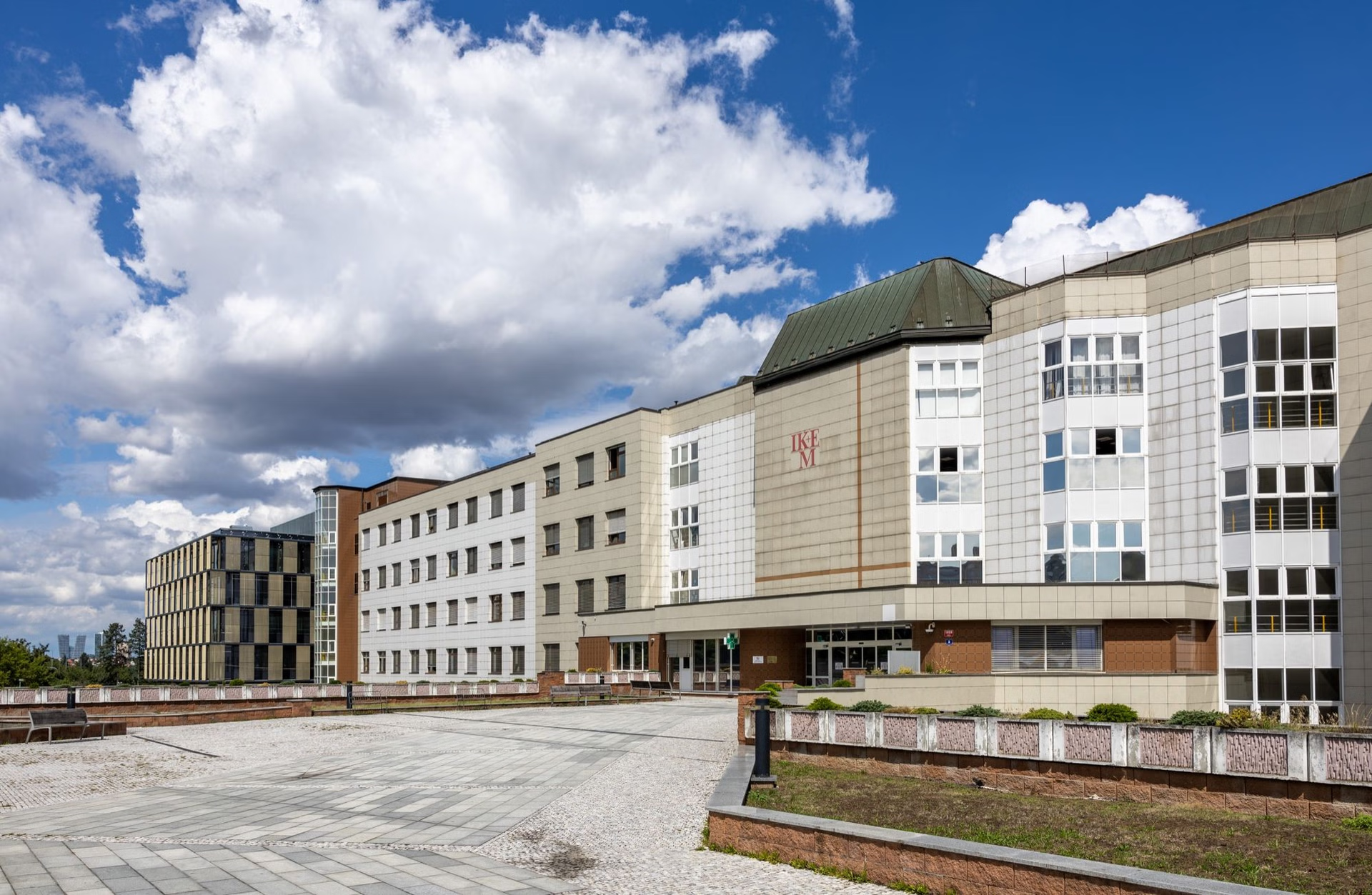
The Institute for Clinical and Experimental Medicine (IKEM), founded in 1971, is the largest specialized medical and research center in the Czech Republic. It focuses on cardiovascular diseases, organ transplantation, diabetology, and metabolic disorders, providing cutting-edge treatments and innovative therapies. As a state-funded public hospital, IKEM operates under the Czech Ministry of Health, ensuring high-quality care accessible to both domestic and international patients. With its state-of-the-art facilities and a multidisciplinary team of experts, IKEM has become a reference center for complex medical cases, attracting patients from around the world. IKEM is internationally recognized as one of Europe’s leading transplantation centers, performing over 500 organ transplants annually. It specializes in heart, kidney, liver, pancreas, and multi-organ transplants, pioneering advanced techniques in artificial organ development and regenerative medicine. In addition, IKEM is at the forefront of cardiology, heart failure therapy, and robotic-assisted cardiac surgery, making significant contributions to cardiovascular medicine. The hospital is also a global leader in diabetes research and treatment, particularly in pancreatic islet transplantation for patients with type 1 diabetes. Institute for Clinical and Experimental Medicine comprises four specialized centers: the cardiac center, the transplantation unit, the diabetes center, and the experimental medicine division. These centers are supported by various departments, including the directorate, the economic and operational department, the nursing care and quality unit, the healthcare operations division, and the specialized outpatient care division. The cardiac unit is dedicated to the prevention, diagnosis, treatment, and rehabilitation of cardiovascular diseases, including heart transplantation. It collaborates with departments such as cardiology, cardiovascular surgery, anesthesiology, and preventive cardiology. The transplantation division coordinates programs for kidney and liver transplants, as well as combined kidney-pancreas transplants. It works closely with the departments of transplant surgery, anesthesiology, nephrology, hepatogastroenterology, immunology, and transplant documentation. The diabetes center provides comprehensive care for patients with type 1 and type 2 diabetes. Its services include prevention, individualized treatment plans, transplant treatments (such as pancreatic and combined kidney-pancreas transplants), and management of diabetes-related complications. The experimental medicine center focuses on molecular biology, genetics, and the study of experimental pathophysiological models. It serves as a base for postgraduate studies in related fields and manages various research projects funded by grants and institutional resources. A distinctive feature of IKEM is the close connection between laboratory research and direct patient care. Its Experimental Medicine Center includes dedicated research units working on cardiometabolic disease, pancreatic islets, transplantation, experimental hepatology, and isotope-based research. These facilities allow clinical questions to be investigated at the molecular and physiological levels and provide a pathway for promising findings to move toward practical medical applications. The institute has developed particularly strong expertise in the study of insulin-producing tissue. Researchers at the laboratory of the islets of Langerhans investigate the isolation, preservation, transplantation, and monitoring of pancreatic islets. Their work includes experimental approaches to improving the quality of transplanted cells and developing alternative locations in the body for cell implantation. IKEM has also developed a method for imaging transplanted islets with magnetic resonance, helping researchers follow the transplanted tissue after implantation. IKEM's research extends beyond transplantation itself into the mechanisms underlying cardiovascular and metabolic disease. The cardiometabolic research division investigates areas such as hypertension, nephrology, atherosclerosis, insulin resistance, diabetes, and metabolic pathophysiology. Its laboratories examine genetic, inflammatory, and metabolic factors associated with disease and develop methods that can improve the measurement of biological markers used in cardiovascular and metabolic research. The institute also has an important educational function alongside its clinical and scientific work. Its researchers participate in undergraduate and postgraduate teaching and supervise students and doctoral researchers in fields connected with cardiovascular medicine, transplantation, metabolism, and experimental medicine. This creates an environment in which clinical specialists, laboratory scientists, and younger researchers work within the same institutional framework, supporting the transfer of scientific knowledge into everyday medical practice. Beyond clinical care, the Institute for Clinical and Experimental Medicine is a major hub for medical research and innovation, collaborating with international institutions and universities to develop groundbreaking therapies. Its clinical research center plays a crucial role in conducting clinical trials of new transplantation methods, artificial organ technologies, and treatments for metabolic diseases. With a team of over 400 physicians, 850 nurses, and 368 hospital beds, including 131 in intensive care, IKEM continues to set new benchmarks in specialized healthcare, providing life-saving treatments and advancing global medical knowledge.