New Approaches in Cancer Aftercare: The Importance of Tumor DNA Analysis
Prevention is said to be better than cure – but in the shadow of a cancer diagnosis, aftercare is gaining an equally crucial role. Thanks to modern and targeted analysis of circulating tumor DNA, tumor recurrence after successful cancer therapy can be detected significantly earlier than before.
Cancers are frequently monitored and controlled using imaging techniques such as MRI, CT, or ultrasound. However, very small tumors, which often persist after treatment or recur, can be detected with these examinations only once they reach a certain size. In contrast, the analysis of circulating tumor DNA enables the detection of even the smallest tumor remnants after cancer therapy, long before they become visible on imaging.
A Glimpse Into the Blood: Tumor DNA Analysis at Medias Clinic
Tumor DNA analysis, also known as a "liquid biopsy," uses a blood sample to differentiate between healthy DNA and circulating tumor DNA, which enters the patient's bloodstream from cancer cells. This allows for earlier detection of cancer recurrence and the initiation of appropriate medical interventions.
“At Medias Clinic, the analysis of circulating tumor DNA is an important component of our cancer therapy. Since blood sampling is less invasive than a tissue biopsy, it can be performed more easily and frequently. This regular examination allows us to monitor the course of the disease and assess the long-term success of the therapy,” explains Kornelia Aigner, biologist and head of the tumor biology department at Medias Clinic.
More Precise, Faster, & Individualized: Advantages for Patients Before and During Treatment
However, analysis of circulating tumor DNA is not only used for follow-up care but also during cancer therapy. Regular analysis provides crucial information for the diagnosis, prognosis, and treatment of cancers. In addition to genetic alterations, therapy resistance can also be identified, helping to avoid over- and under-treatment and to tailor therapy to individual patients.

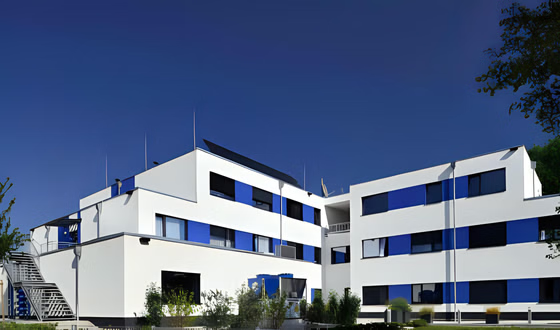
Tumor DNA analysis goes hand in hand with innovative treatment methods at the Medias Clinic in Burghausen, Germany. The clinic specializes in the application and further development of cancer therapies and enjoys a high national and international reputation in this field. At the facility, regular clinical trials are conducted to optimize patient survival and quality of life. Many of the research findings have already been published in internationally recognized journals or presented at important scientific congresses.