The data collected based on
268
patient reviews on Google
Certificates
Features & Facts
Rehabilitation Center for Specific Diagnoses
The clinic was launched in 1903 as a pulmonary sanatorium, but during the 1990s, it was expanded. VITREA Clinic Hagen-Ambrock primarily rehabilitates neurosurgical, neurological, and pulmonology-related patients.
Pioneers in Sleep Medicine
Today, the clinic is considered a pioneer in sleep medicine. They cooperate with Ruhr University Bochum to maintain the Institute of Sleep Medicine. Also, the clinic housed Europe's largest sleep laboratory in the 1990s.
Regional Intensive Care Unit
The clinic has one of the most significant German ICUs for neurology and pneumology. They became convenient during the COVID-19 pandemic by rehabilitating patients with post-covid19 complications.
Decubitus Prevention Success
The advanced specialized nursing framework maintains an exemplary, certified 100% success rate in implementing active pressure ulcer prevention protocols.
Handicap-Accessible Rooms
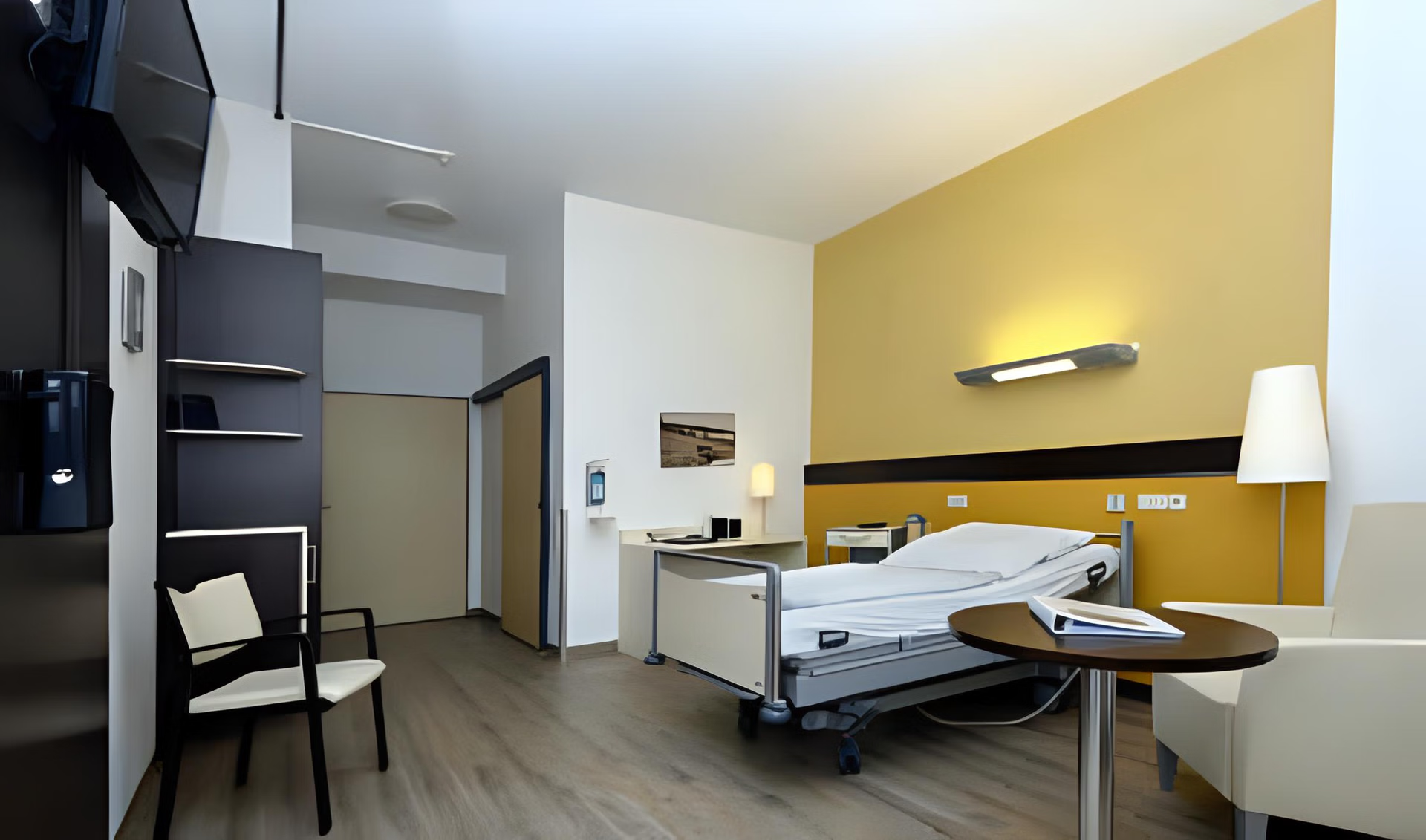
The modern residential ward includes exactly 140 completely barrier-free, specialized single-occupancy rooms configured for motor-impaired individuals.
Phase B Neurological Care
The center delivers elite, early-stage phase B and C plus interdisciplinary neurological rehabilitation protocols designed specifically for acute post-surgical recovery.
Comprehensive MS Society Recognition
The facility has been officially recognized and certified by the German Multiple Sclerosis Society for its advanced diagnostic and therapeutic care standards.
About the clinic
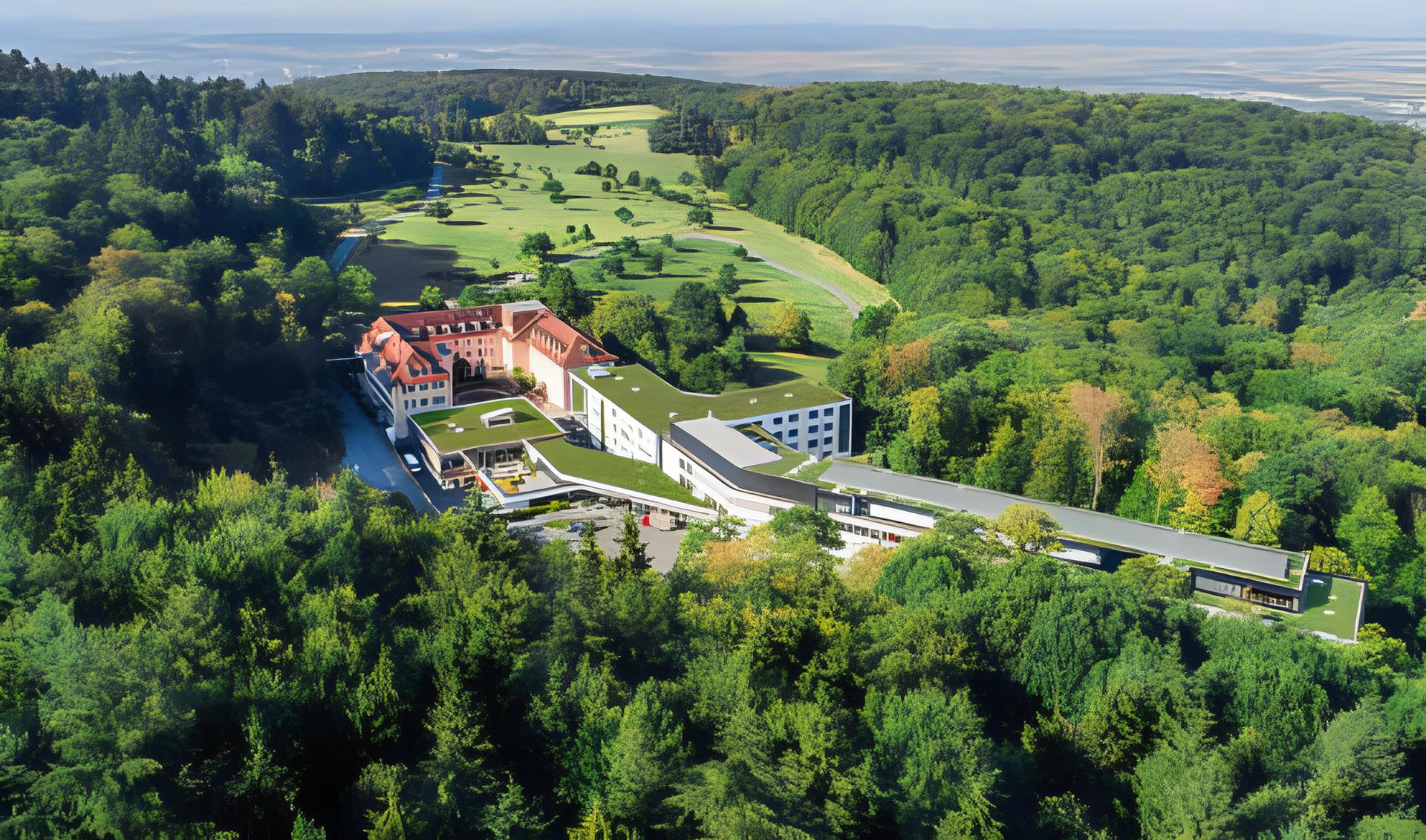
Deeply ensconced within the dense coniferous forestlands and historical private park estates of Hagen at Ambrocker Weg 60, the VITREA Clinic Hagen-Ambrock stands as an authoritative, high-tier clinical fortress where acute internal medicine, advanced pneumology, and critical neurological rehabilitation converge. Established in 1903 as a pioneering lung sanatorium, this institution has evolved over more than a century into a highly complex, multidisciplinary medical center that operates inpatient rehabilitation beds alongside an adjacent acute pneumological hospital. The facility intentionally utilizes the highly oxygenated, coniferous microclimate of its expansive forest campus and therapeutic ponds to support patients recovering from catastrophic neurological insults or profound respiratory failure. Far removed from standard, low-acuity convalescent homes, the clinic operates as a vital regional and national hub capable of managing extreme medical fragility that few other rehabilitation facilities can accommodate. The primary operational focus of the VITREA Clinic Hagen-Ambrock complex is its massive, highly integrated critical care vanguard, which features an extraordinary contingent of intensive care and intermediate care beds. This interdisciplinary ventilation and weaning center is a critical national destination for patients requiring artificial respiration. The facility excels in the highly complex, multi-tiered process of weaning from prolonged mechanical ventilation, utilizing synchronized respiratory therapy, targeted chest physiotherapy, and early-stage neuro-mobilization to systematically rebuild diaphragmatic strength and restore autonomous breathing. This intensive pulmonary framework is seamlessly mapped onto a high-acuity phase B neurological and neurosurgical rehabilitation division, where interdisciplinary teams transition patients directly from acute stroke units or cranial traumas into immediate cognitive and motor retraining while maintaining full life-support readiness. What definitively establishes VITREA Clinic Hagen-Ambrock as an elite institution on a continental scale is its legendary, pioneering dominance in the field of somnology and rare central nervous system sleep architectures. Historically, the clinic has housed one of the largest sleep laboratory infrastructures in Europe and maintains a prominent academic and clinical partnership with Ruhr University Bochum through its dedicated Institute of Sleep Medicine. This specialized framework transforms the clinic into an essential national referral center for the diagnosis and long-term management of complex sleep apnea, severe nocturnal respiratory disorders, and exceptionally rare, orphan neurological conditions such as narcolepsy and Kleine-Levin Syndrome. Concurrently, the facility holds prestigious, long-standing recognition from the German Multiple Sclerosis Society as a certified specialized treatment center, delivering highly tailored, multi-modal neurological therapies for both MS and advanced Parkinson’s disease. Although the disease cannot be cured, doctors influence the progression and provide psychological support at the highest level. The multidisciplinary treatment includes physical and sports therapy, occupational therapy, speech therapy (including FEES endoscopic swallowing study), neuropsychology, social and nutritional counseling, and art/music therapy. Such methods improve movements, reduce pain, and help return to self-care. Special functional tests for walking and fine motor skills (9-hole peg test), the PASAT, and a detailed neuropsychological test enable an even more careful selection of individual remedies. In addition to standard rehabilitation, the intensive care unit offers care for patients with severe brain damage or mechanical ventilation. Doctors provide patient management training and assistive devices, such as a baclofen pump or myoelectric splints, for severe pain. The TENS method also reduces pain intensity by stimulating nerve cells. Considering the profile of the hospital, it is also possible to carry out the rehabilitation of sexual disorders medically and conservatively. Pulmonary diseases are another critical area of the clinic. Pulmonologists and rehabilitators help the patient restore independent breathing, overcome complications of allergic conditions such as bronchial asthma, and increase lung volume. Additional functional diagnostics and CT allow for the identification of additional causes of the disorder and for monitoring progress. Thanks to cooperation with the hospitals of the HELIOS network, it is possible to quickly organize surgical intervention and cure in case of lung cancer detection. Doctors offer rehabilitation in the neurourological, neurosurgical, and neurological departments, as well as in the pulmonary dispensary and intensive care. A functional laboratory (electrophysiology, ultrasound), radiology department, specialists from other disciplines (psychiatry and psychotherapy, general medicine and diabetology, pain therapy, sleep medicine), and consulting doctors are also available. In addition, speech and music therapy change the ability to speak (voice strength, articulation, breathing).
Gallery
2026-05-25T06:37:51.000Z
2026-05-25T06:37:51.000Z
2026-05-25T06:37:51.000Z
2026-05-25T06:37:50.000Z
2026-05-25T06:37:50.000Z
2026-05-25T06:37:50.000Z
2026-05-25T06:37:51.000Z
2026-05-25T06:37:51.000Z
2026-05-25T06:37:51.000Z
2026-05-25T06:37:50.000Z
2026-05-25T06:37:50.000Z
2026-05-25T06:37:50.000Z
Extra services
Visa Support
Parking Space
Cafeteria
Accessibility Features
Support Groups
Location
Ambrocker Weg 60, 58091 Hagen, Germany
FAQ
Is VITREA Clinic Hagen-Ambrock suitable for patients on mechanical ventilation?
The medical center promotes the rehabilitation of patients on mechanical ventilation through a multidisciplinary approach. Active work aims to restore independent breathing even after an extended stay.
Should I choose the facility for the sleep disorder treatment?
Somnologists have at their disposal the largest sleep laboratory in terms of size and equipment, studying problems with falling asleep and sleep interruptions. Treatment of sleep apnea syndrome with highly innovative CPAP methods improves sleep quality.
What rehabilitation equipment does the clinic have?
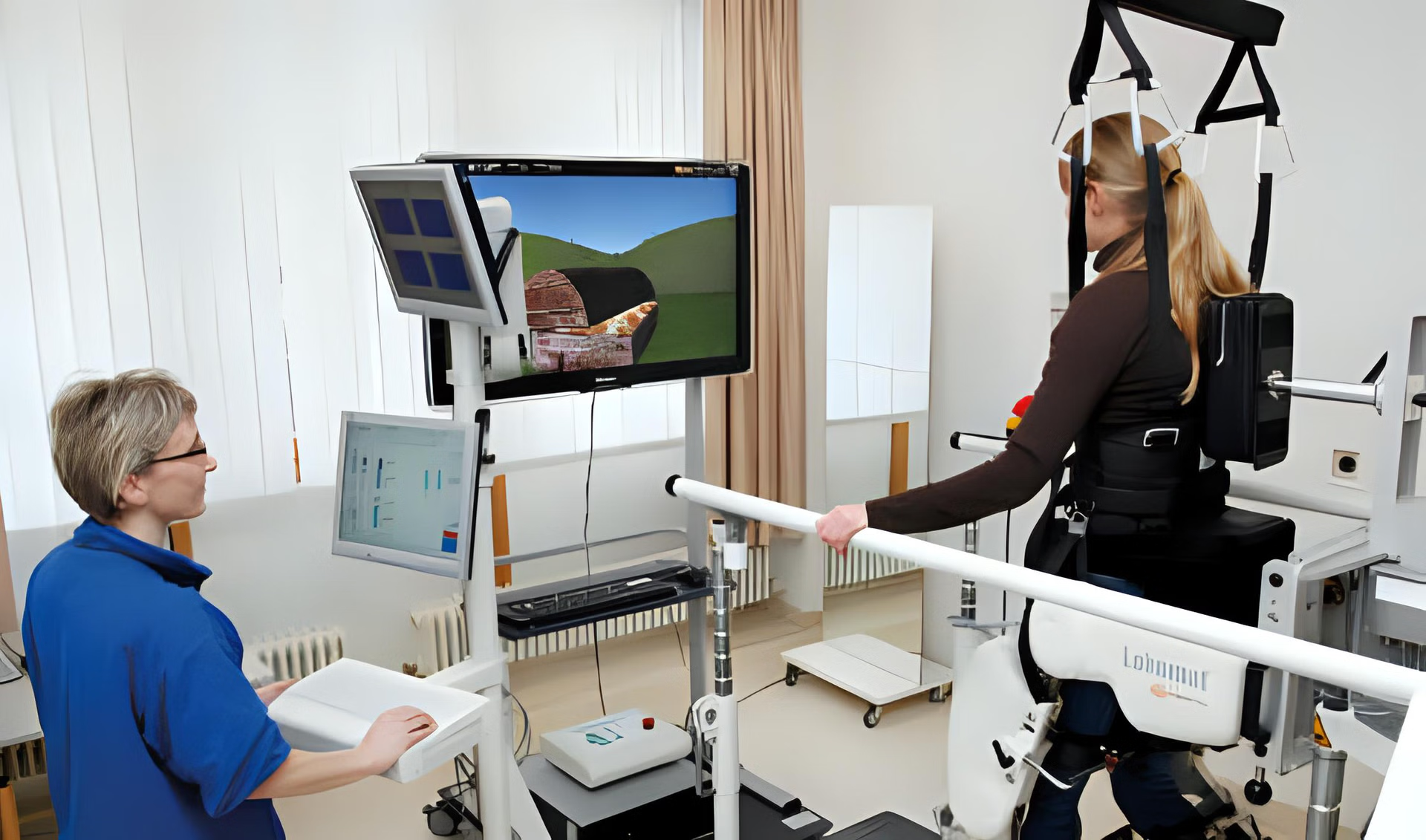
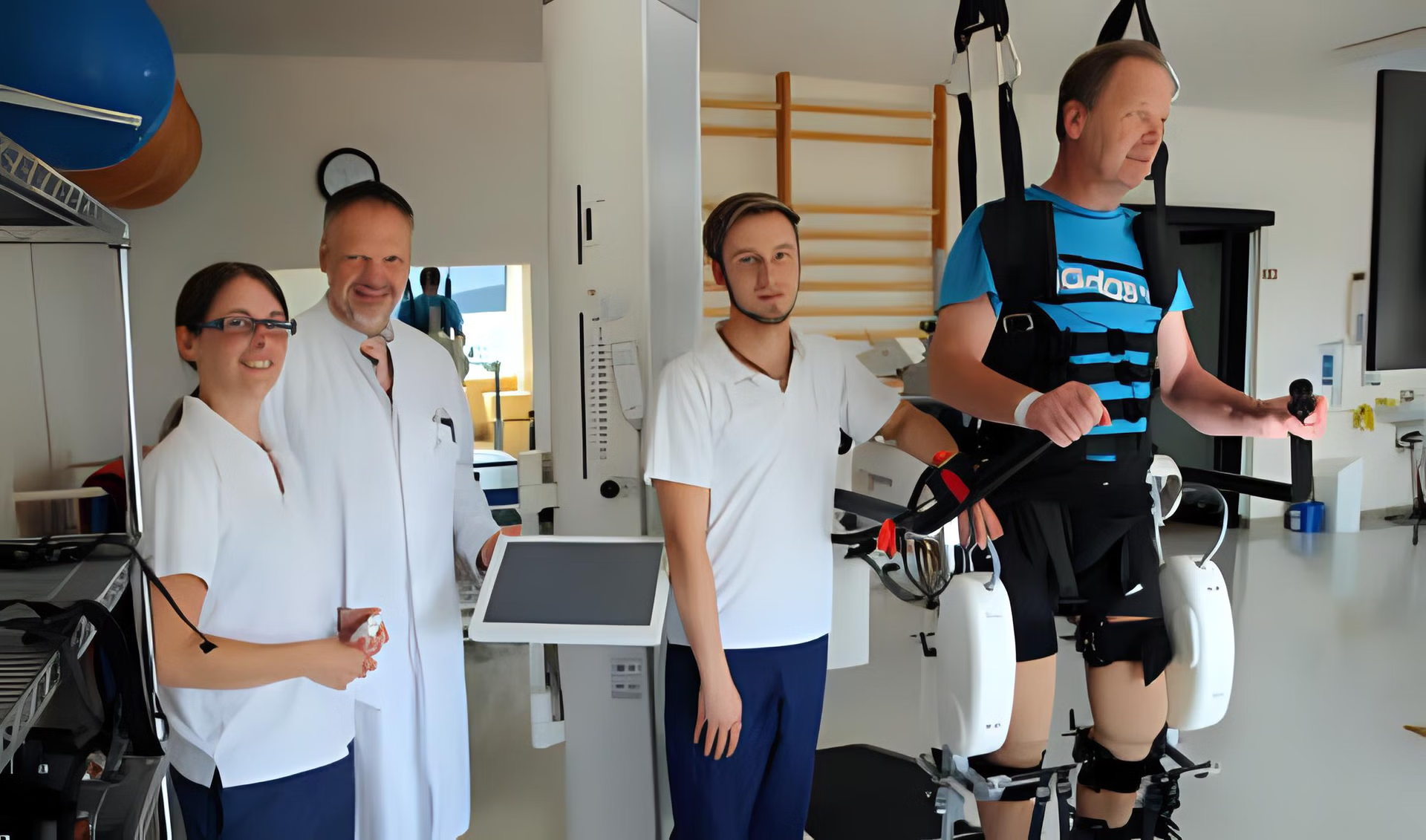
Rehabilitators use the Lokomat robot to improve the patient's gait and stability. Computer-controlled electric motors provide stimulation and support to the patient while walking on the treadmill. The individually selected program is adjusted and supplemented after analyzing the progress.
What is the clinic’s dual medical layout?
The campus directly links acute respiratory medicine with early-phase neurological rehabilitation. Backed by a combined pool of intensive care (ICU) and intermediate care (IMC) beds, this structural integration allows patients suffering from simultaneous brain injuries and lung failure to receive continuous, high-tier critical care.
How does the weaning unit function?
The interdisciplinary ventilation center focuses on mechanical weaning, assisting long-term intensive care patients to breathe independently again. Pulmonologists and respiratory therapists combine targeted chest physiotherapy, step-by-step respiratory exercises, and a gradual reduction in ventilation to safely disconnect the patient from mechanical support systems.
What sets the sleep medicine department apart?
Operating an advanced Institute of Sleep Medicine in direct cooperation with Ruhr University Bochum, the facility features one of Germany's pioneer sleep laboratories. Clinicians use comprehensive polysomnographic monitoring arrays to track complex sleep apnea, sleep-related movement disorders, and fragmentation of sleep-wake architecture.
Which rare sleep conditions are tracked here?
The clinic serves as a specialized tertiary center listed in the SE-ATLAS register for rare diseases. Neurologists perform target-specific neurophysiological testing and cerebrospinal fluid evaluations to manage patients dealing with narcolepsy types 1 and 2, alongside the rare recurring hypersomnia known as Kleine-Levin Syndrome.
What is the rating of the clinic?
VITREA Clinic Hagen-Ambrock is rated as 9.00 by AiroMedical.
What do patients say about VITREA Clinic Hagen-Ambrock?
The clinic has 268 feedbacks at other places. The UserScore of the hospital is 87%.
What is the overall experience of the facility?
VITREA Clinic Hagen-Ambrock has been operating since 1903. It has accumulated over 123 years of clinical background.
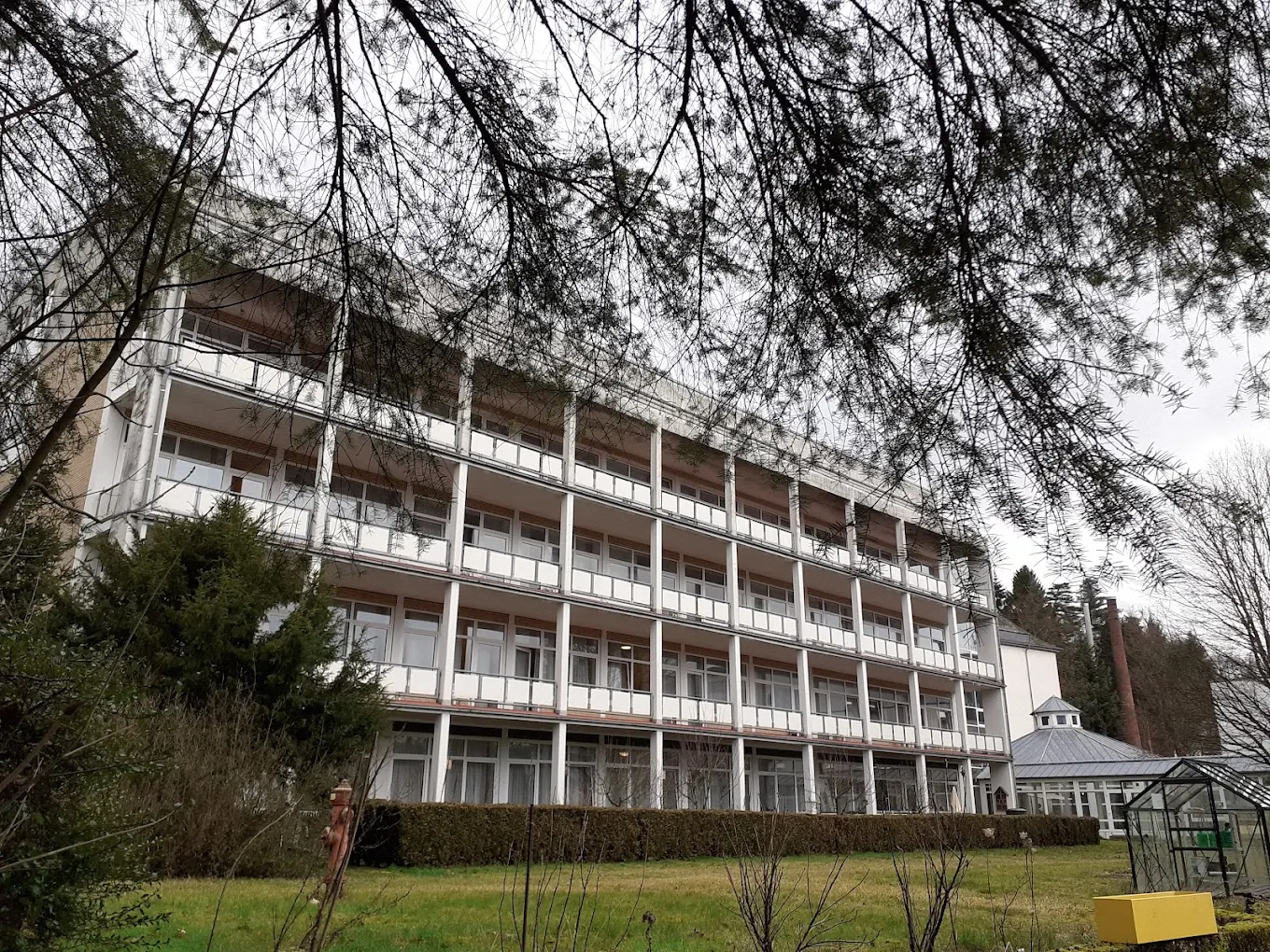
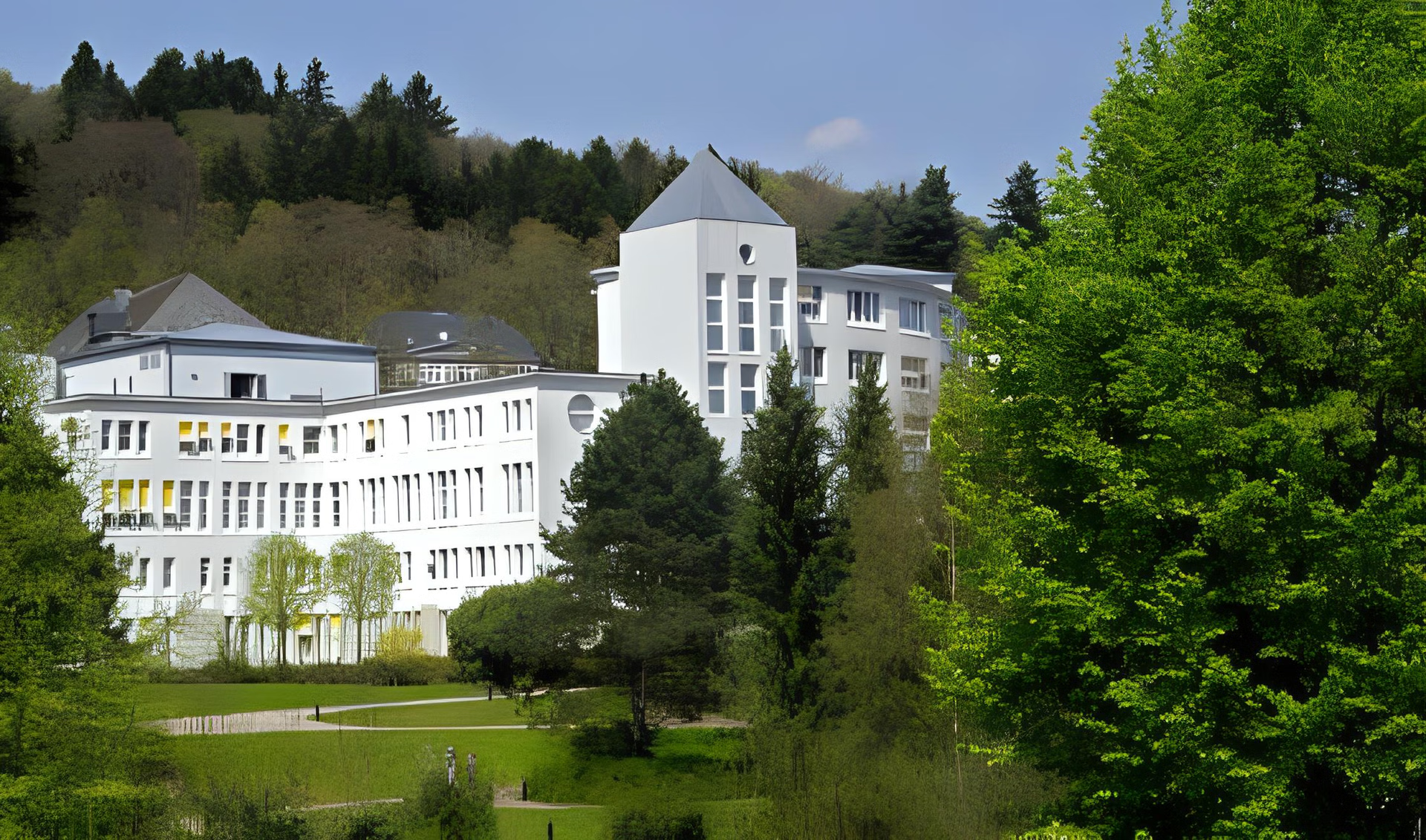
Where can I see the hospital's work, interior space, and exterior?