The data collected based on
514
patient reviews on Google
Certificates
Features & Facts
Part of the Advanced Medical Network
Since 1888, the University Hospital Innsbruck has been a renowned state institution in Tyrol, boasting a range of medical services. With 35 departments, cutting-edge technology, adherence to ISO safety standards, and 10+ certificates, it ensures top-tier patient care.
Massive Liver Transplant Unit
Since launching its liver program in 1977, the transplant department has executed over 1,500 successful liver transplantations.
Comprehensive Plastic Surgery Care
The clinic is a certified "Hand Surgery Training Center," recognized by OnkoZert for skin cancer care, and affiliated with the Breast Health and Craniofacial Centers in Tyrol. It also boasts specialized research in wound healing and stem cell applications.
Austria's Leading Transplant & Advanced Surgery Center
As a premier clinic in the German-speaking realm and unique in Europe, the hospital provides organ transplants. Annually, it serves 5,200 inpatients and 36,800 outpatients, conducting over 4,700 surgeries and Da Vinci robotic procedures.
Largest Phoniatric & Audiological Institution in Austria
The university clinic for hearing, voice, and speech disorders is a certified center of the German Society of Audiology; it serves thousands of children and adults each year and is the most extensive facility in the country.
Swarovski Research Facility Innovation
The Daniel Swarovski Research Laboratory develops nature-inspired cryoprotectants to overcome time limits in human organ preservation.
Documented Kidney Transplant Volume
Managing a high surgical volume, the division performs 120 to 150 complex adult and pediatric kidney transplants annually.
Innovative Ophthalmology & Dermatology Units
The hospital leads in ophthalmic oncology and uses advanced anti-VEGF for macular degeneration. The dermatology department boasts diagnoses using immunohistochemistry, immunofluorescence, electron microscopy, and mycology.
Austrian Air Rescue Pioneer
Collaborating with ÖAMTC, the clinic co-founded Austria's civilian helicopter emergency rescue service with the launch of Christophorus 1.
About the clinic
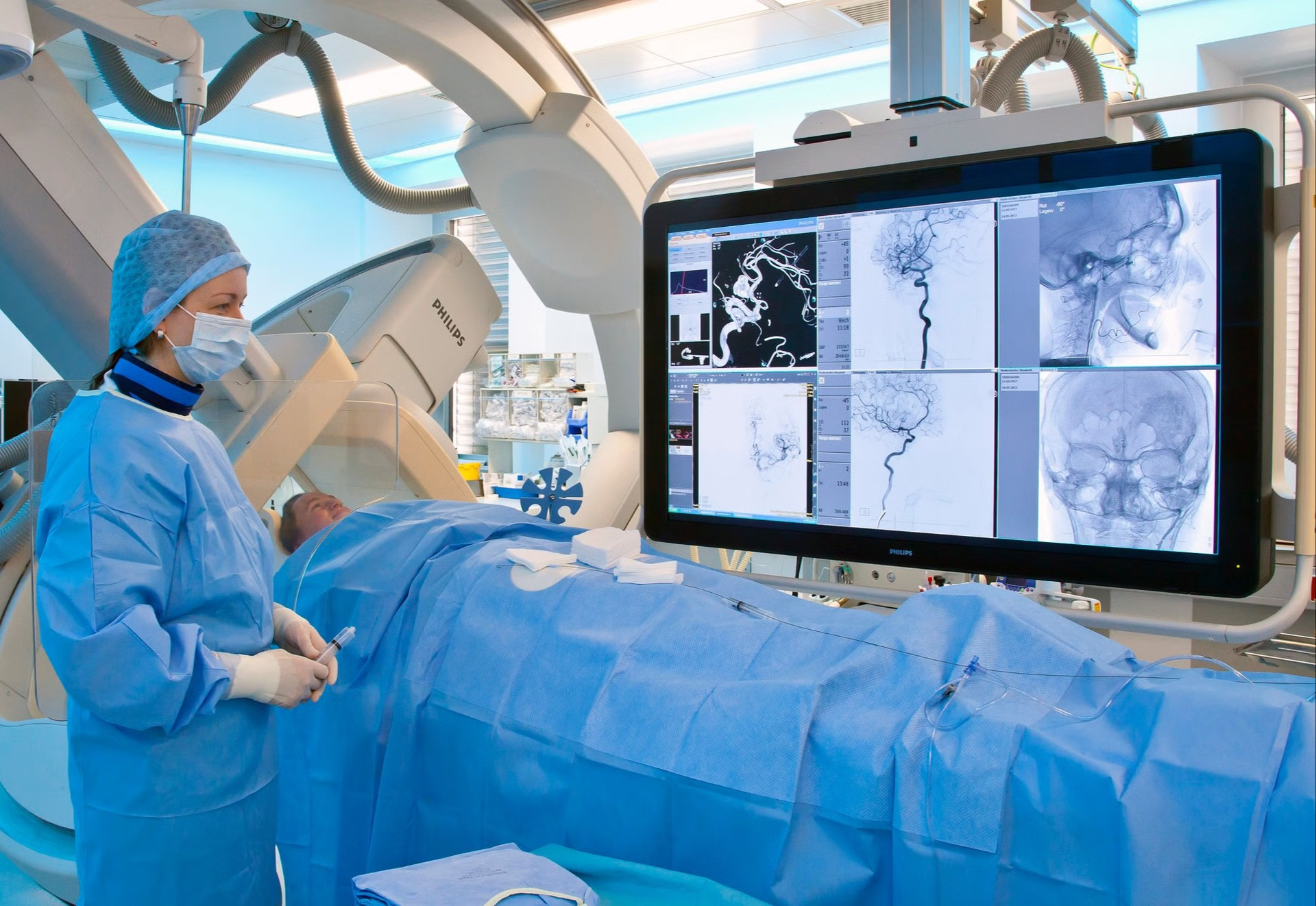
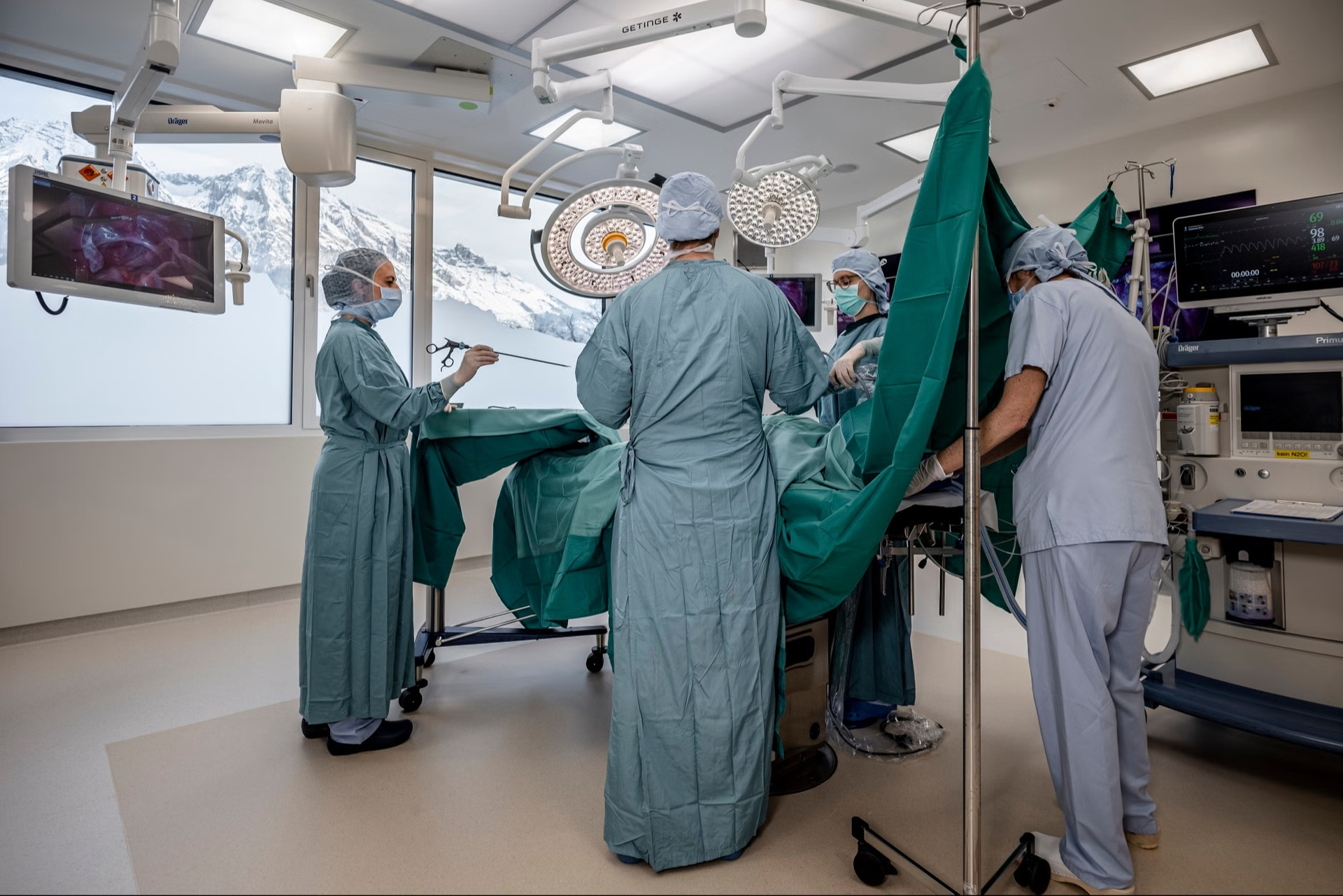
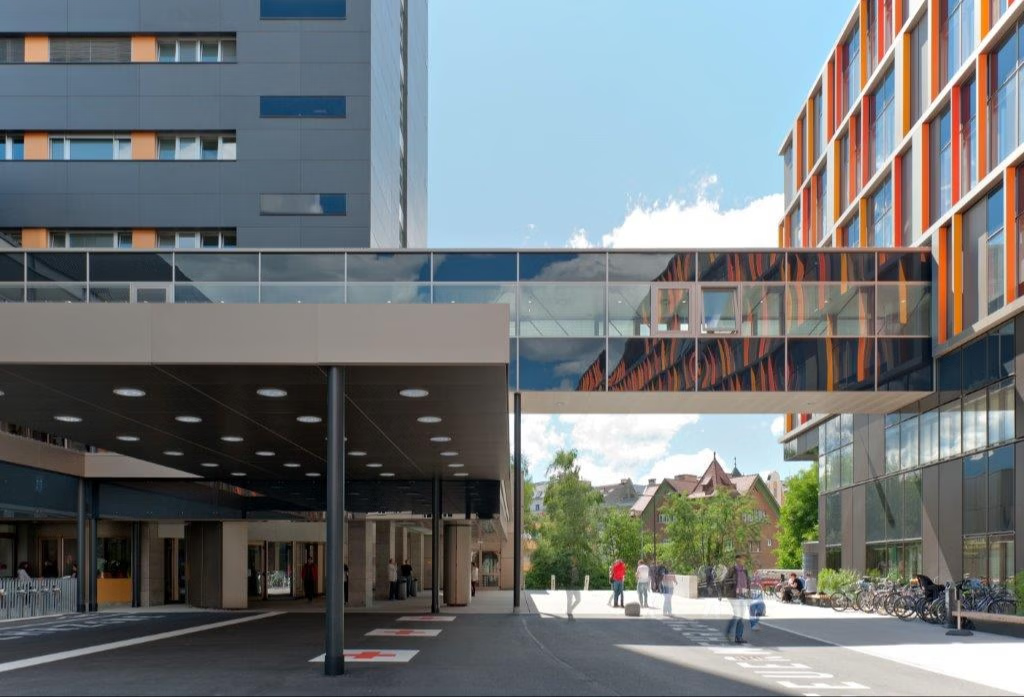
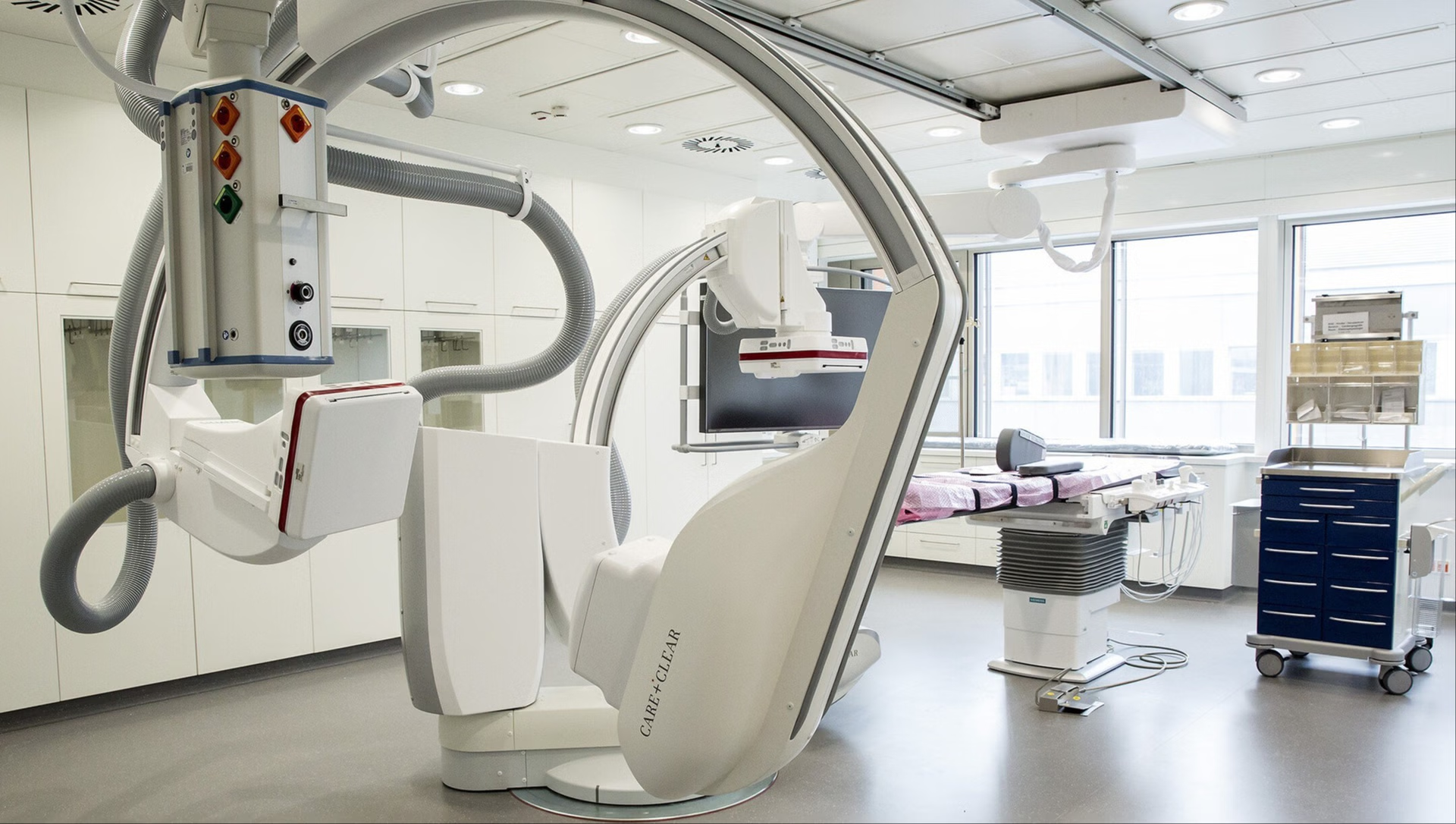
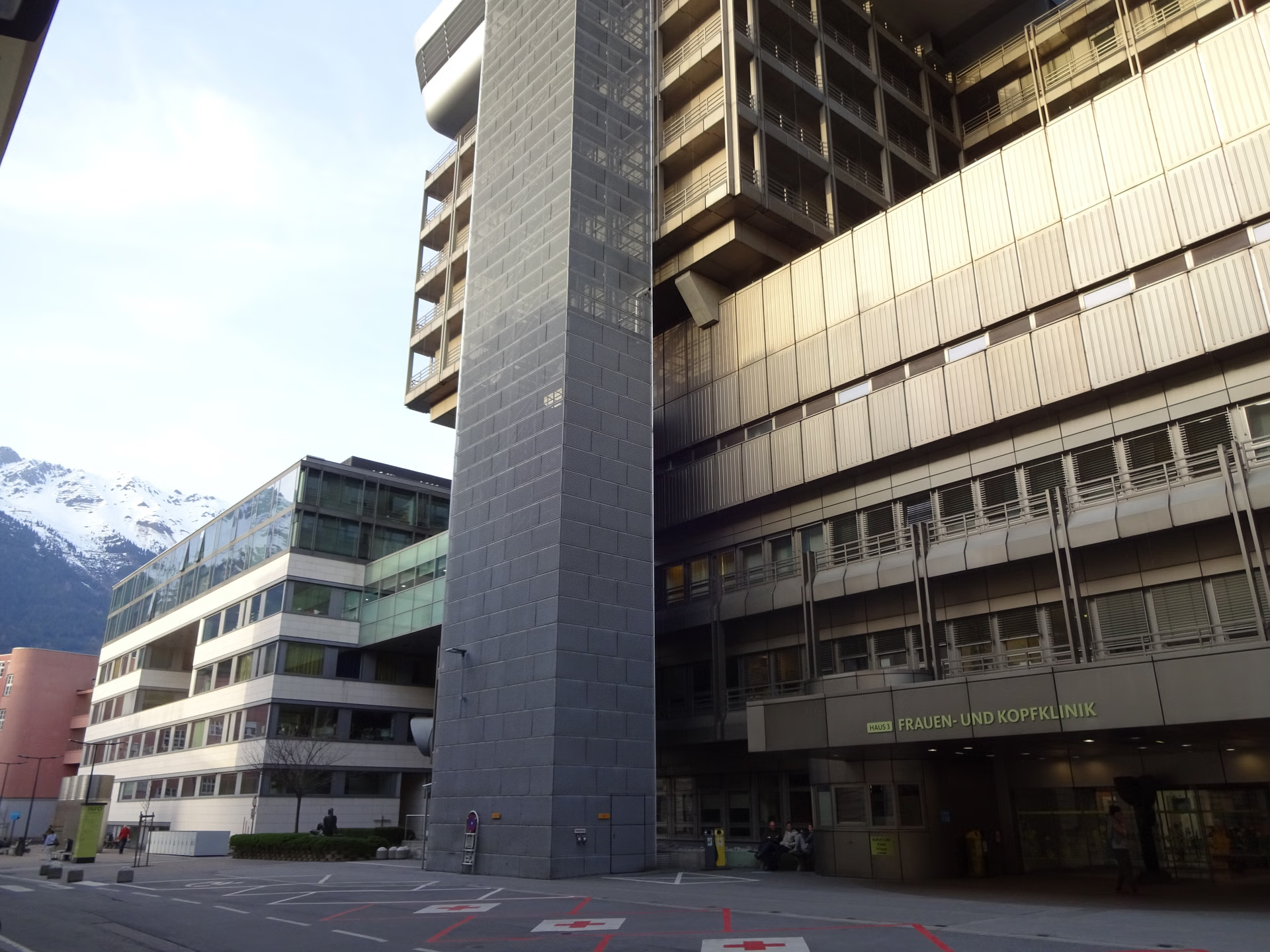
The University Tirol Hospital Innsbruck has been a state institution in Tyrol since 1888. Over its history, the medical center has developed a diverse network of services under one roof. The high quality of treatment is ensured by more than 6,000 experienced employees, state-of-the-art technological equipment, and compliance with international ISO safety standards. Set against the dramatic backdrop of the Nordkette mountains, the university medical campus in Innsbruck functions not merely as a regional hospital but as Europe's premier apex center for severe alpine traumatology and extreme winter sports medicine. Given its unique geographic location, the facility operates a world-renowned emergency and trauma resuscitation infrastructure specifically engineered to handle complex avalanche-survival cases. This includes an extraordinary extracorporeal membrane oxygenation protocol designed to slowly rewarm and resuscitate victims of severe accidental hypothermia and deep-tissue frostbite, bypassing the heart and lungs to execute life-saving thermal regulation that standard emergency rooms cannot facilitate. Orthopedic trauma teams are continuously mobilized to reconstruct shattered pelvises, complex multi-ligament joint disruptions, and extreme spinal injuries resulting from high-altitude mountaineering and elite downhill skiing incidents, utilizing intraoperative 3D fluoroscopy and computer-guided osteosynthesis to ensure that professional athletes and weekend adventurers alike can regain their structural integrity. The medical center plays a vital role in modern medicine. Thanks to the cooperation with the University of Innsbruck and the Medical Research Foundation in Tyrol, the clinic offers a unique treatment based on the latest trends. This approach allows not only the implementation of new treatment methods but also the discovery of solutions in complex cases. In particular, the ophthalmology department is developing toward ophthalmic oncology and therapy to treat macular degeneration. And the dermatology unit is equipped with a powerful laboratory for histology, immunohistochemistry, immunofluorescence, electron microscopy, and mycology, which supports accurate and rapid diagnosis. It should also be noted that the Tirol Clinic in Innsbruck is the most essential heart and lung transplant center in Austria. In particular, doctors have the skills to perform Da Vinci robotic surgery and percutaneous valve replacement. Also, low-trauma treatment methods are followed in gynecology. Doctors are guided by the principles of adapted surgery in the area of the uterus and mammary gland, using minimally invasive laser and laparoscopic treatment methods. Neurosurgical operations are also available if necessary. Surgical microscopes, laser technologies, neuronavigation, and intraoperative sonography reduce damage to vital nerves and blood vessels. Also, the unit is distinguished by advanced equipment, which improves treatment outcomes and reduces complications from surgical interventions. In particular, doctors use computed tomography, magnetic resonance, and various angiograms to clarify the diagnosis and plan the intervention. Equally important is that the Innsbruck Tirol Medical Center is Austria's largest phoniatric audiological institution, successfully serving children and adults. Patients with cardiac, neurological, gastroenterological, gynecological, urological, and orthopedic problems can be in good hands at the University Hospital Innsbruck. Departments of dentistry and plastic surgery, dermatology, ophthalmology, and psychiatry successfully complement the range of services. A separate gynecological endocrinology and reproductive medicine center allows you to focus more on infertility and hormonal disorders. In addition, the hospital has the only acute neurology department in and around Tyrol and covers the full spectrum of treatment and diagnosis, from stroke to multiple sclerosis.
From a runny nose to hoarseness to hearing loss - the complex world of ENT diseases
2024-03-24T10:42:31.000Z
From a runny nose to hoarseness to hearing loss - the complex world of ENT diseases
Focus on eye health – prevention, diagnosis and treatment of eye diseases and vision problems
2024-03-24T10:42:19.000Z
Focus on eye health – prevention, diagnosis and treatment of eye diseases and vision problems
High blood pressure - a silent danger!
2024-03-24T10:42:05.000Z
High blood pressure - a silent danger!
Allergies and intolerances - are we becoming more and more sensitive?
2024-03-24T10:41:48.000Z
Allergies and intolerances - are we becoming more and more sensitive?
Everyday nursing care at the Tyrol State Nursing Clinic (LPK)
2024-03-24T10:41:32.000Z
Everyday nursing care at the Tyrol State Nursing Clinic (LPK)
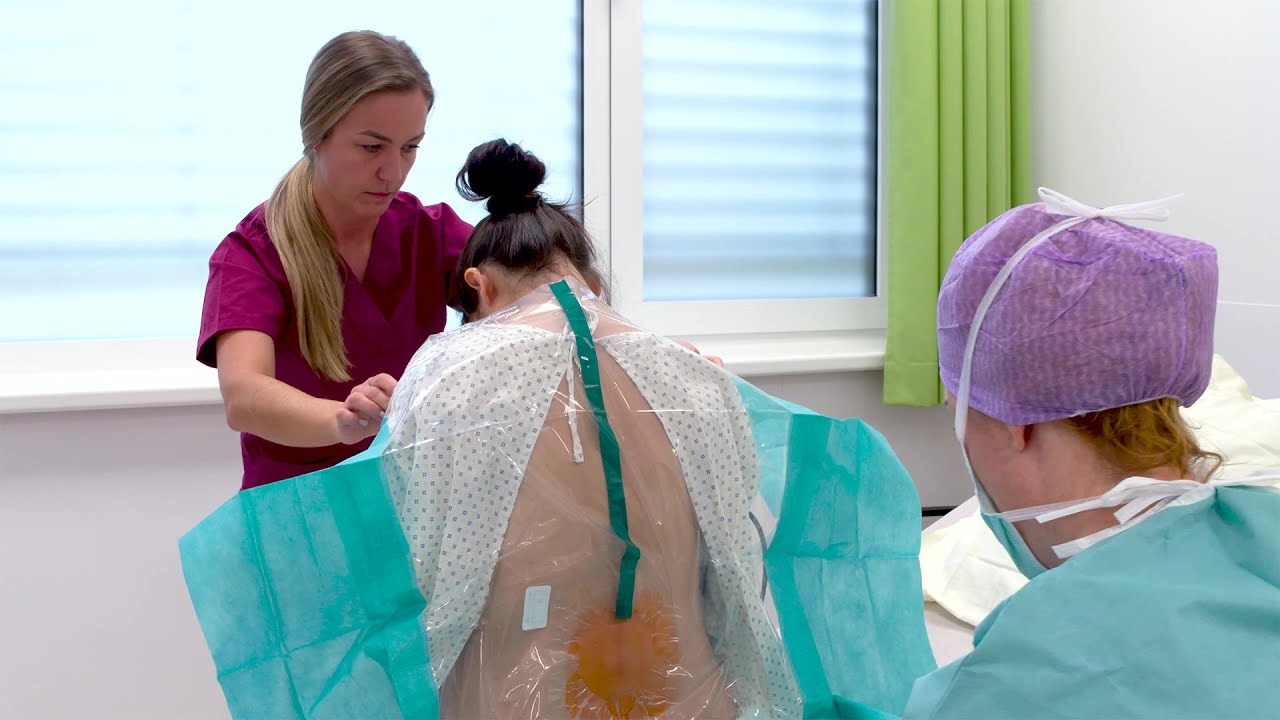
Obstetric epidural anesthesia at LKH Hall
2024-03-24T10:41:09.000Z
Obstetric epidural anesthesia at LKH Hall
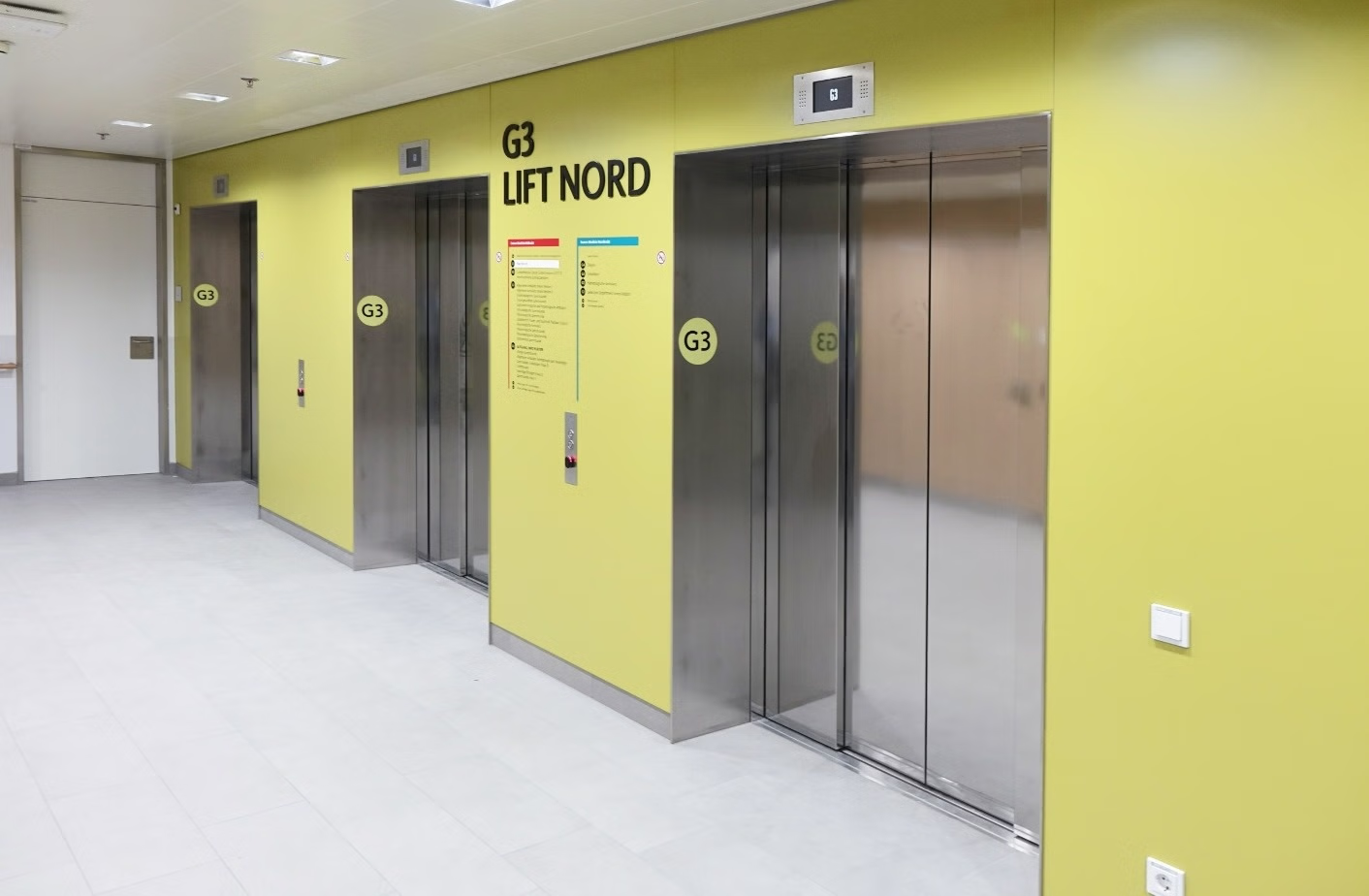
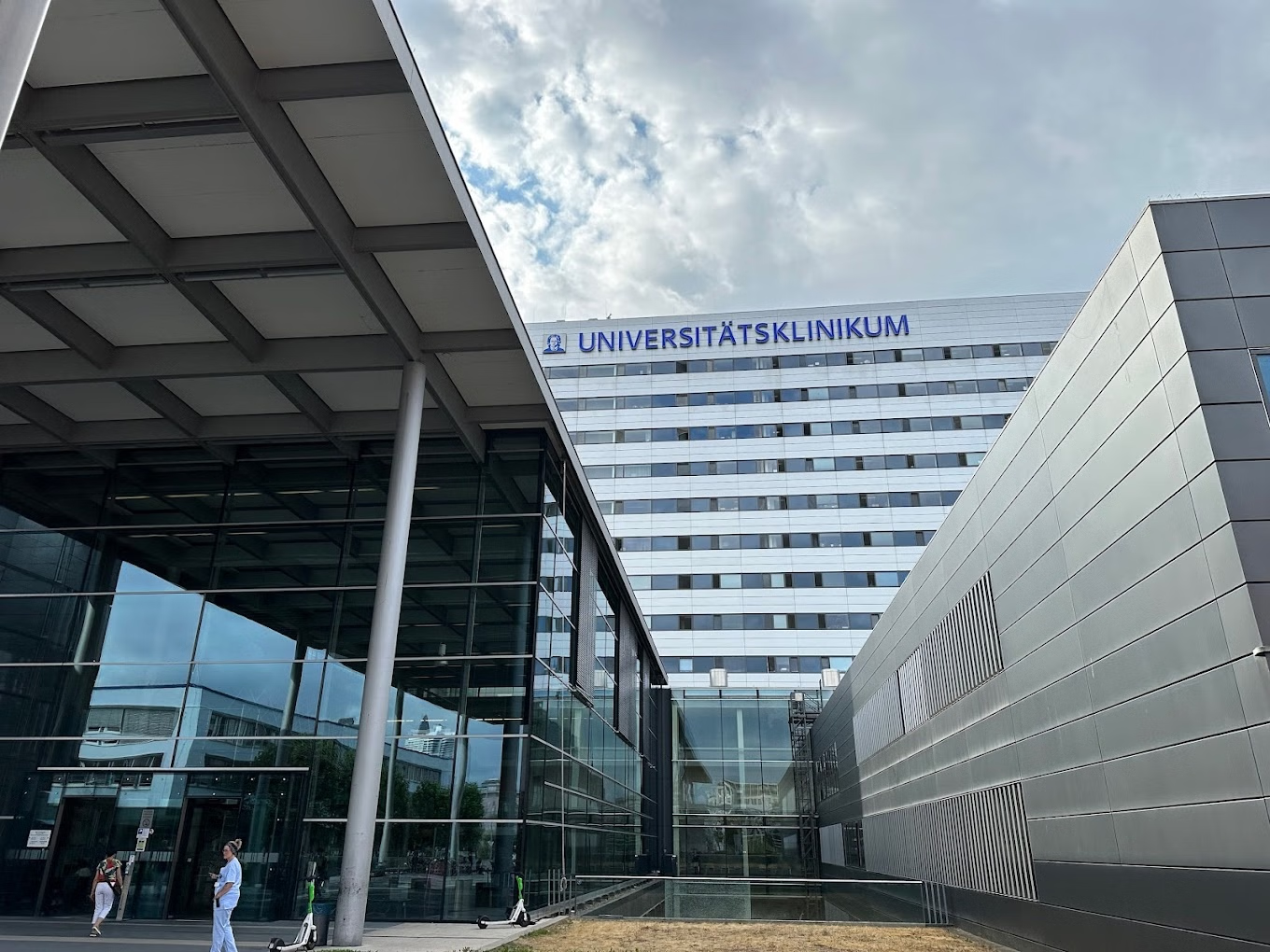
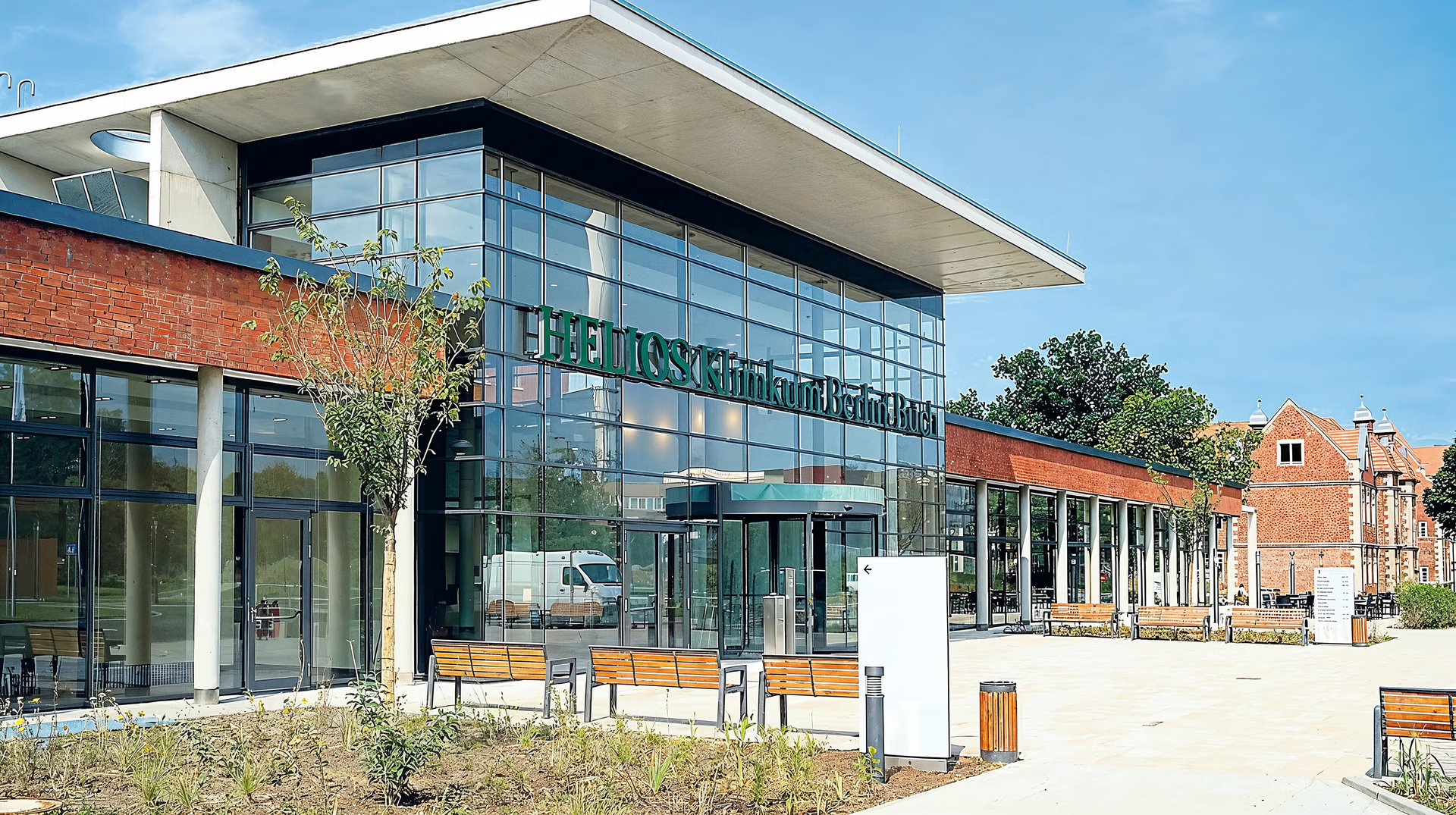
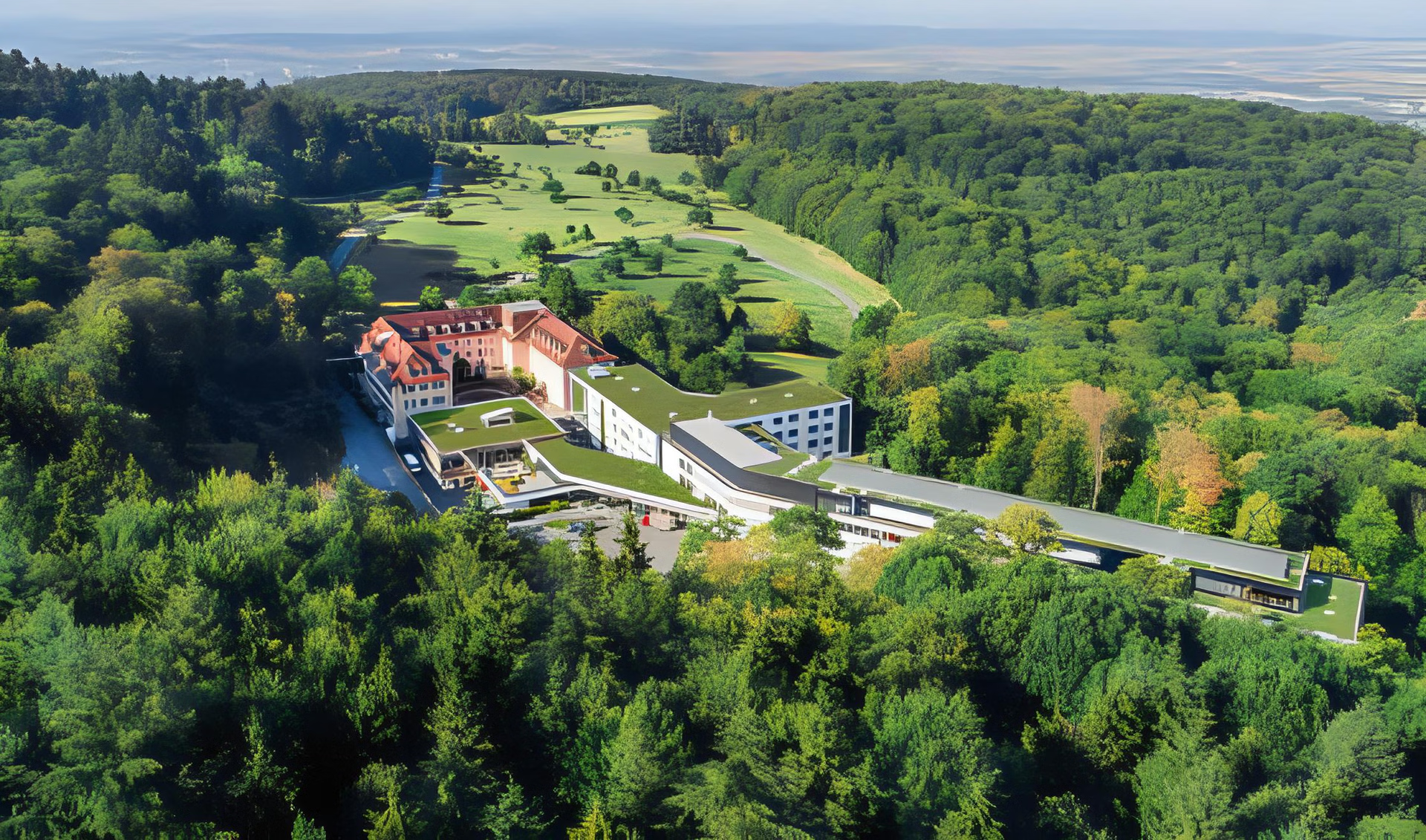
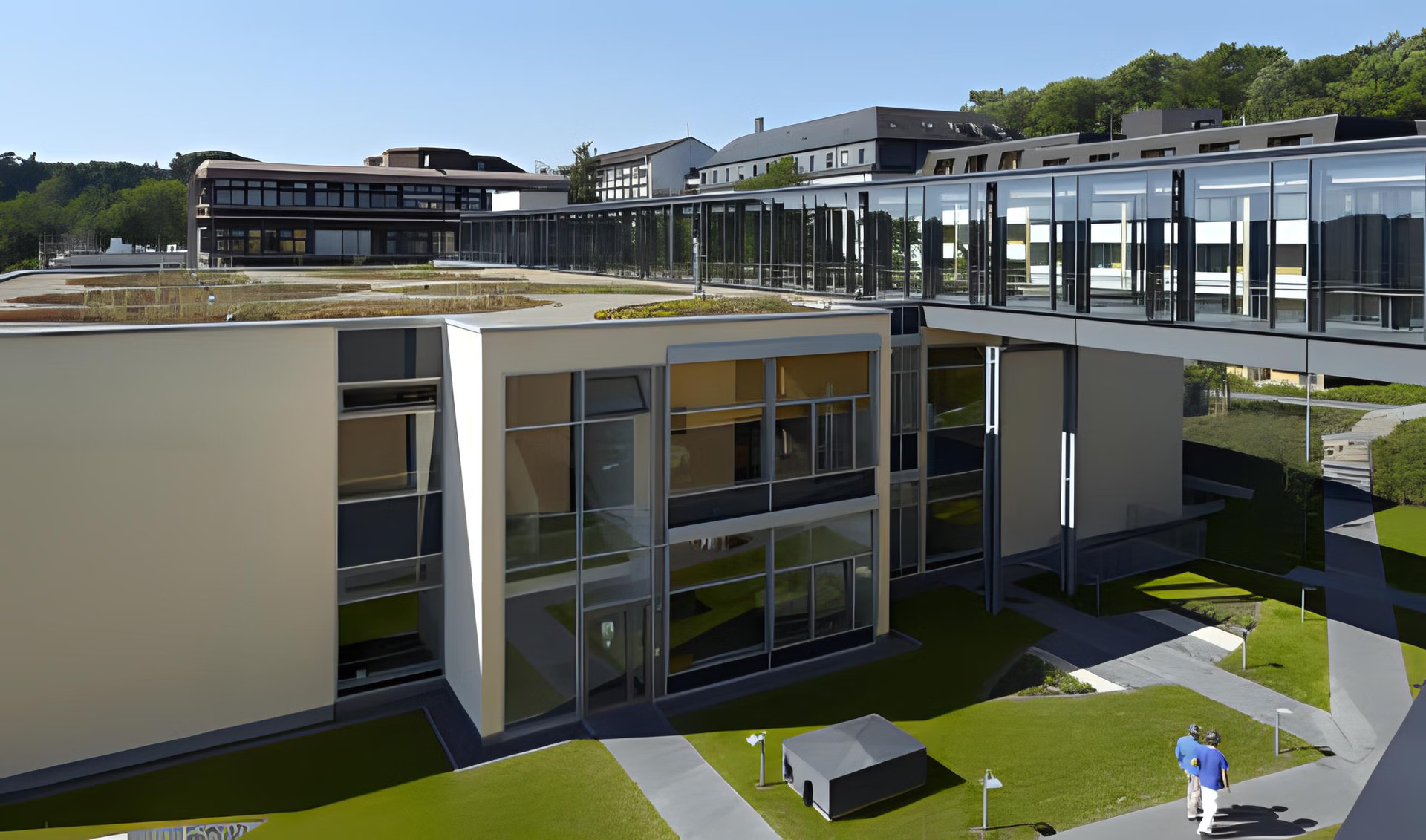
Interior
2024-03-24T09:06:27.000Z
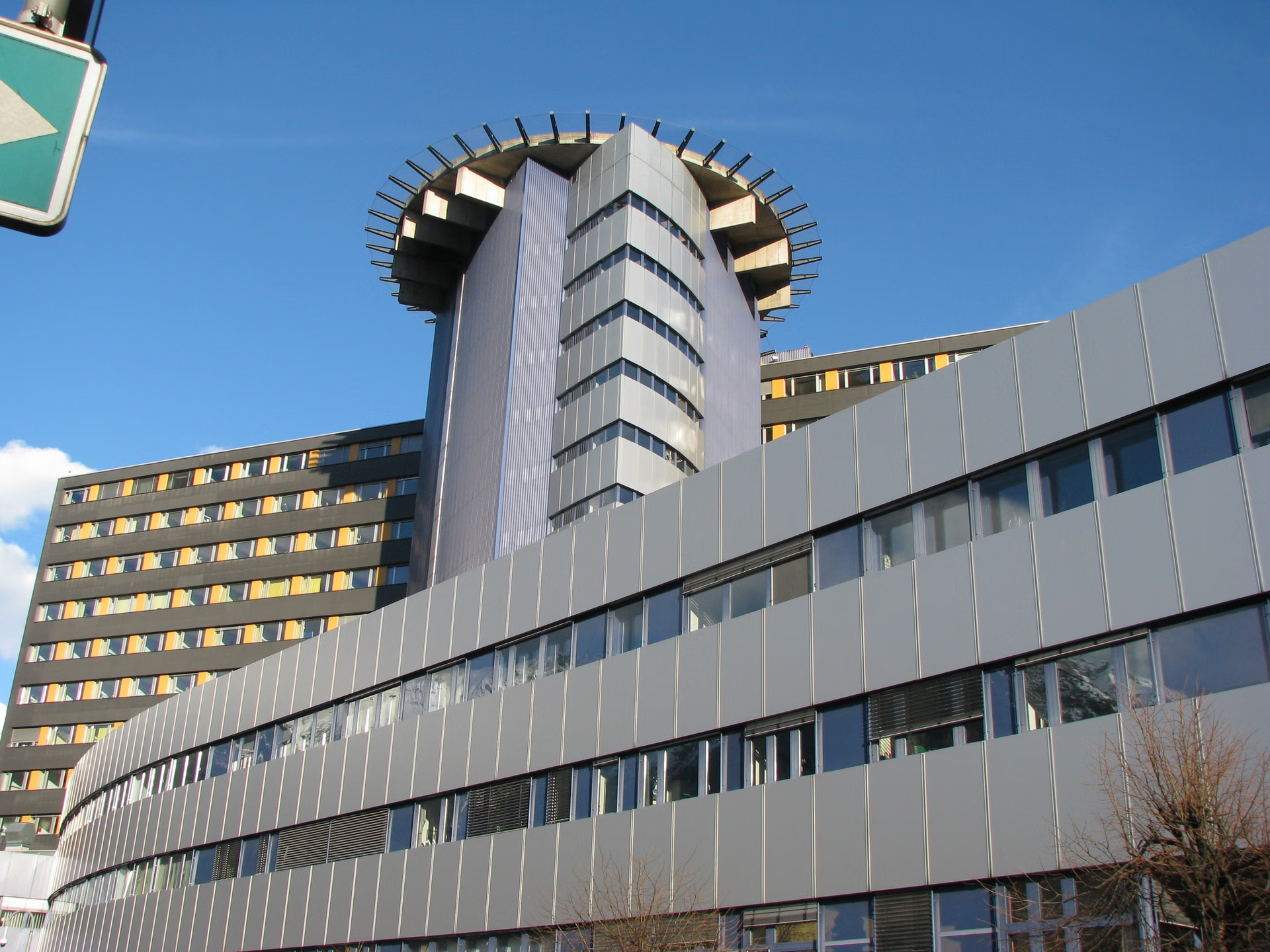
Main campus
2024-03-24T09:06:08.000Z
Clinic campus
2024-03-24T09:05:44.000Z
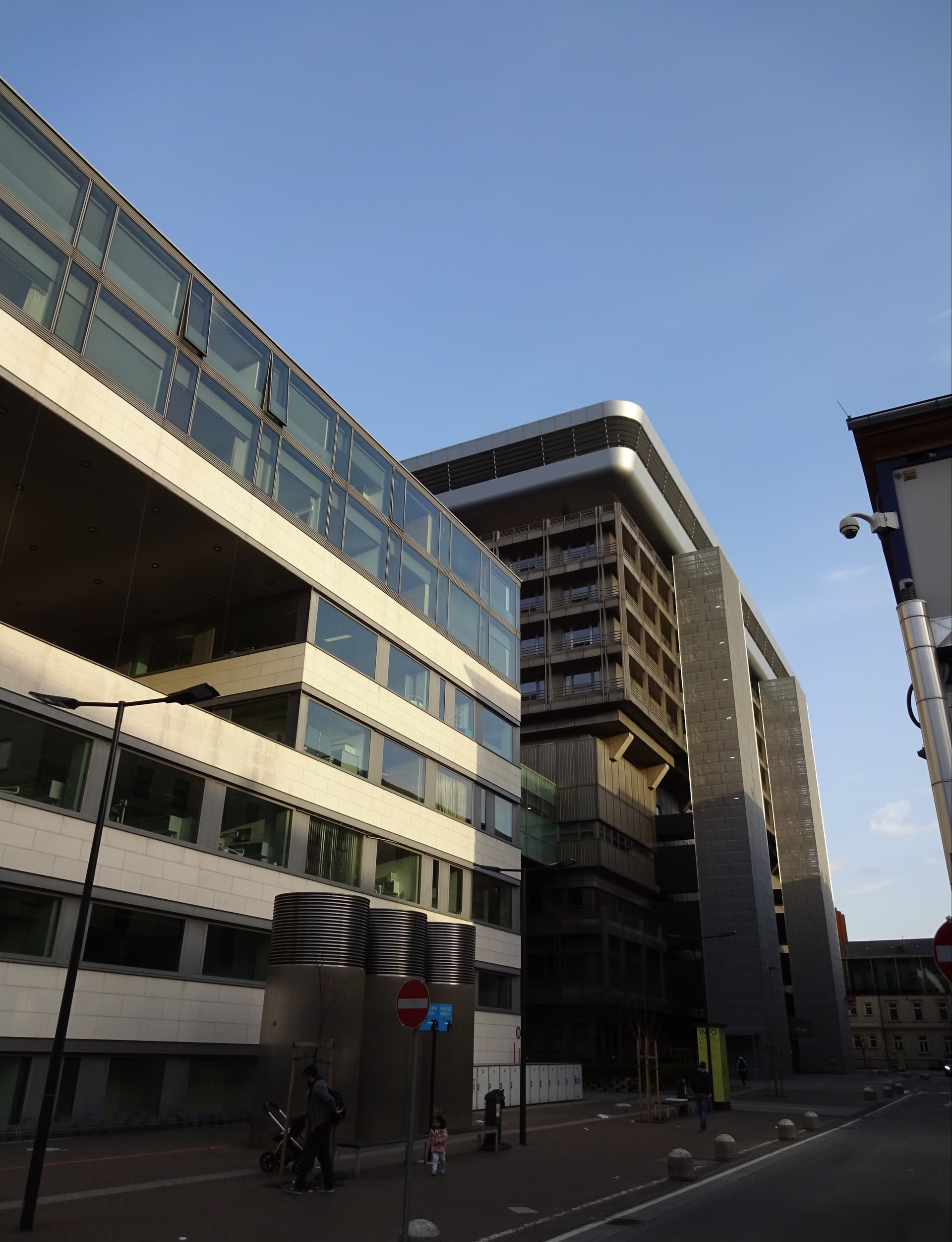
Clinic territory
2024-03-24T09:04:49.000Z
Equipment
2024-03-24T09:04:31.000Z
Hall
2024-03-24T09:04:12.000Z
From a runny nose to hoarseness to hearing loss - the complex world of ENT diseases
2024-03-24T10:42:31.000Z
From a runny nose to hoarseness to hearing loss - the complex world of ENT diseases
Focus on eye health – prevention, diagnosis and treatment of eye diseases and vision problems
2024-03-24T10:42:19.000Z
Focus on eye health – prevention, diagnosis and treatment of eye diseases and vision problems
High blood pressure - a silent danger!
2024-03-24T10:42:05.000Z
High blood pressure - a silent danger!
Allergies and intolerances - are we becoming more and more sensitive?
2024-03-24T10:41:48.000Z
Allergies and intolerances - are we becoming more and more sensitive?
Everyday nursing care at the Tyrol State Nursing Clinic (LPK)
2024-03-24T10:41:32.000Z
Everyday nursing care at the Tyrol State Nursing Clinic (LPK)
Obstetric epidural anesthesia at LKH Hall
2024-03-24T10:41:09.000Z
Obstetric epidural anesthesia at LKH Hall
Extra services
Visa Support
Parking Space
24/7 medical assistance
Pastoral Care
Intensive Care Unit
On-Site Pharmacy
Cafeteria
Kids' Play Zone
ATM / Banking
Accessibility Features
Support Groups
Location
Anichstraße 35, 6020 Innsbruck, Austria
FAQ
What are the advantages of Innsbruck University Hospital?
The clinic can treat extremely complex cases thanks to the consistent application of modern treatment methods, supported by clinical research and high-tech equipment. Multidisciplinary cooperation allows doctors to consider each patient comprehensively and individually.
Can I treat congenital heart disease with DaVinci robotics?
Surgeons use the DaVinci robot to treat cardiac patients, including those with congenital heart defects. This approach allows the medical center to ensure high accuracy in surgical interventions and a shorter rehabilitation period.
How are rare medical conditions diagnosed?
The site hosts the Center for Rare Diseases Innsbruck, which brings together multispecialty diagnostic panels and genetic case reviews for unclassified orphan diseases.
Is one-day surgery available at the hospital?
In some cases, the patient can be treated thanks to same-day surgery. In particular, dermatological, plastic, proctological, and orthopedic directions are available. Using laparoscopes and low-traumatic techniques contributes to the absence of functional impairment or difficult recovery.
How are complex aortic aneurysms repaired?
Vascular surgeons perform open and endovascular thoracoabdominal aortic aneurysm reconstructions using specialized hybrid graft techniques (such as Thoracoflo), distal aortic perfusion systems, and cerebrospinal fluid drainage protocols to protect the spinal cord.
What theranostic therapies are administered here?
The nuclear medicine facility deploys targeted radioisotope therapies, utilizing Lutetium-177 (177Lu-DOTA-TATE and 177Lu-PSMA) for neuroendocrine tumors and advanced metastatic prostate cancer.
What advanced diagnostic imaging operates on-site?
The imaging facility features high-sensitivity PET/CT scanners and ultra-low-radiation 3D cardiovascular angiography suites for detailed oncological staging and precise interventional mapping.
What specialized care is provided for pediatric cardiology?
The pediatrics department III provides subspecialized pediatric cardiology, neonatal intensive care, and pediatric critical care monitoring.
What is the rating of the clinic?
Innsbruck University Hospital is rated as 9.60 by AiroMedical.
What do patients say about Innsbruck University Hospital?
The clinic has 514 feedbacks at other places. The UserScore of the hospital is 89%.
What is the primary focus of the hospital?
The medical center is an expert at cancer, transplantation, carcinoma, liver, and surgery.
What is the overall experience of the facility?
Innsbruck University Hospital has been operating since 1307. It has accumulated over 719 years of clinical background.
Where can I see the hospital's work, interior space, and exterior?