The data collected based on
960
patient reviews on Google
Certificates
Features & Facts
First Milestones in Nephrology
The first hemodialysis was performed in Poland in 1958, and radioisotope therapies (e.g., I-131 for hyperthyroidism; 32P for polycythemia vera) were also used for the first time. The kidney transplant operation was done in 1985.
30+ Year Cochlear Implant Program
The first implant procedure took place in January 1994, and doctors have since implanted 1,840 devices.
Heart Transplant Leader
Its heart-transplant program, launched in 2010, has completed more than 87 heart transplants. The same center also provides mechanical circulatory support for patients who cannot safely wait for transplantation.
Cardiac Operations Scale
More than 700 cardiac surgery procedures are performed annually at the facility. Most coronary revascularization operations are performed using the beating-heart OPCAB technique without cardiopulmonary bypass. The cardiothoracic surgery clinic has implanted long-term left-ventricular assist devices in 47 patients. The program also uses ECMO, IABP, and artificial-ventricle systems for advanced heart failure.
Leading Vitrectomy Place
The ophthalmology clinic performed 981 posterior vitrectomy operations in 2024. About 30% involved macular surgery, including epiretinal membranes, macular holes, and vitreomacular traction.
Advanced Retinal Surgery
The ophthalmology clinic is one of Poland's largest vitreoretinal centers and performs roughly 1,000 posterior vitrectomies annually. Its scope includes retinal detachment, diabetic retinopathy, macular disease, trauma and intraocular tumors.
First Polish GORE TAMBE
In 2026, USK's vascular surgery clinic implanted the first GORE TAMBE stent-graft in Poland for a complex thoracoabdominal aortic aneurysm. The procedure expanded its endovascular treatment of difficult aortic disease.
First Polish Le Fort III
The maxillofacial surgery clinic was the first center in Poland to perform corrective Le Fort III maxillary osteotomy. Its reconstructive program uses microsurgical techniques for facial and craniofacial defects. The unit treats approximately 1,000 patients annually. Its surgical scope includes craniofacial tumors, developmental defects, trauma, orbital fractures, and microsurgical reconstruction.
About the clinic
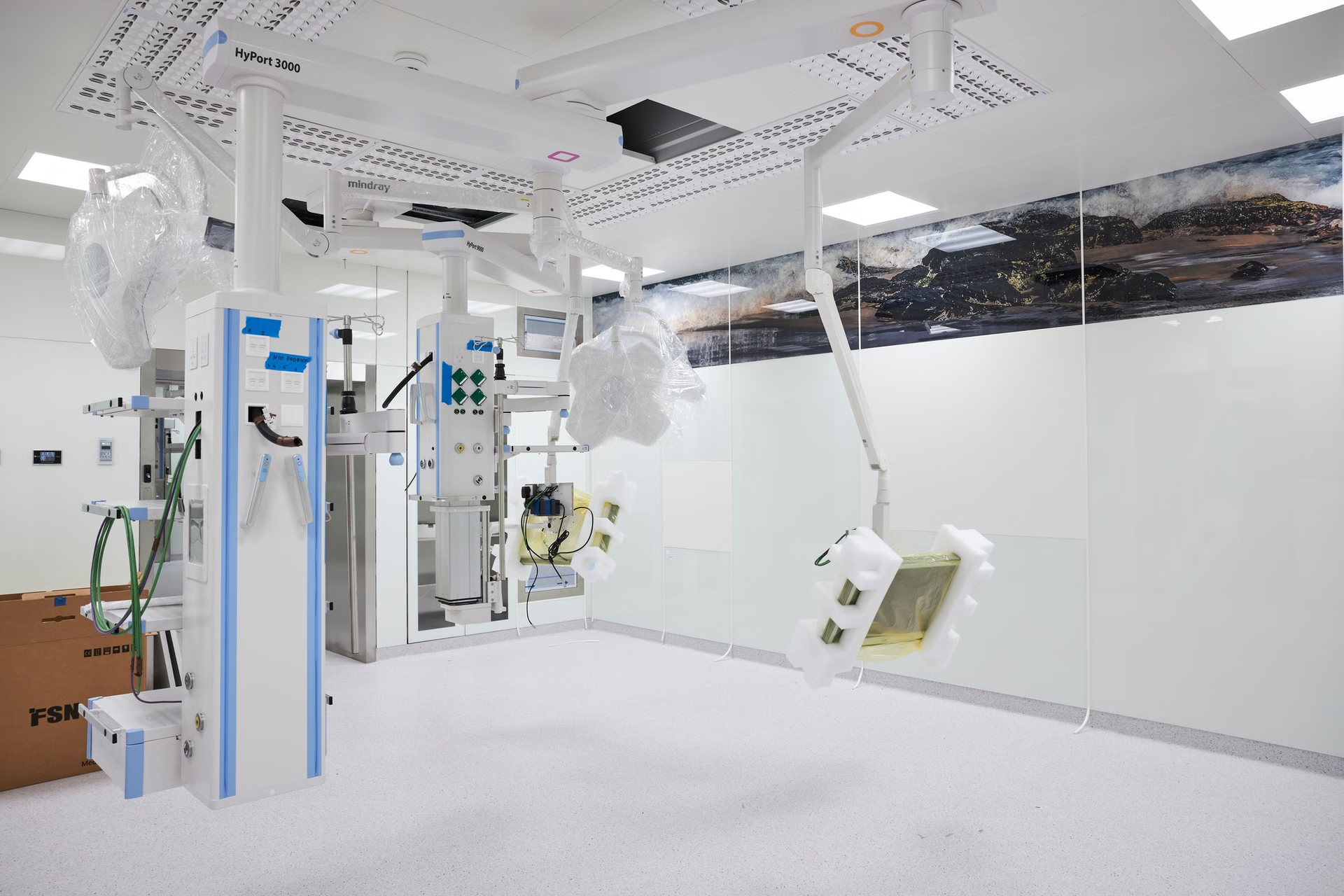
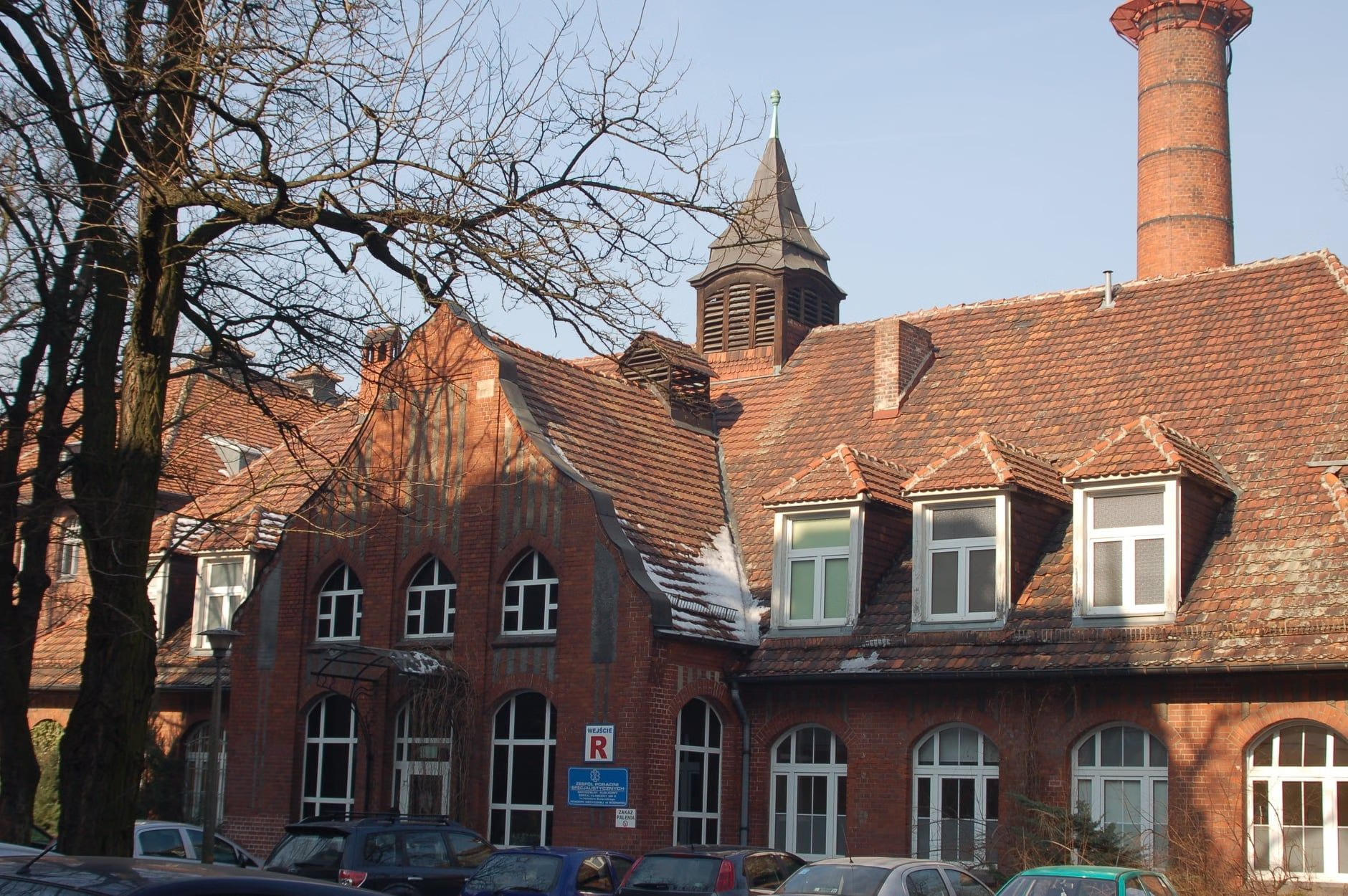
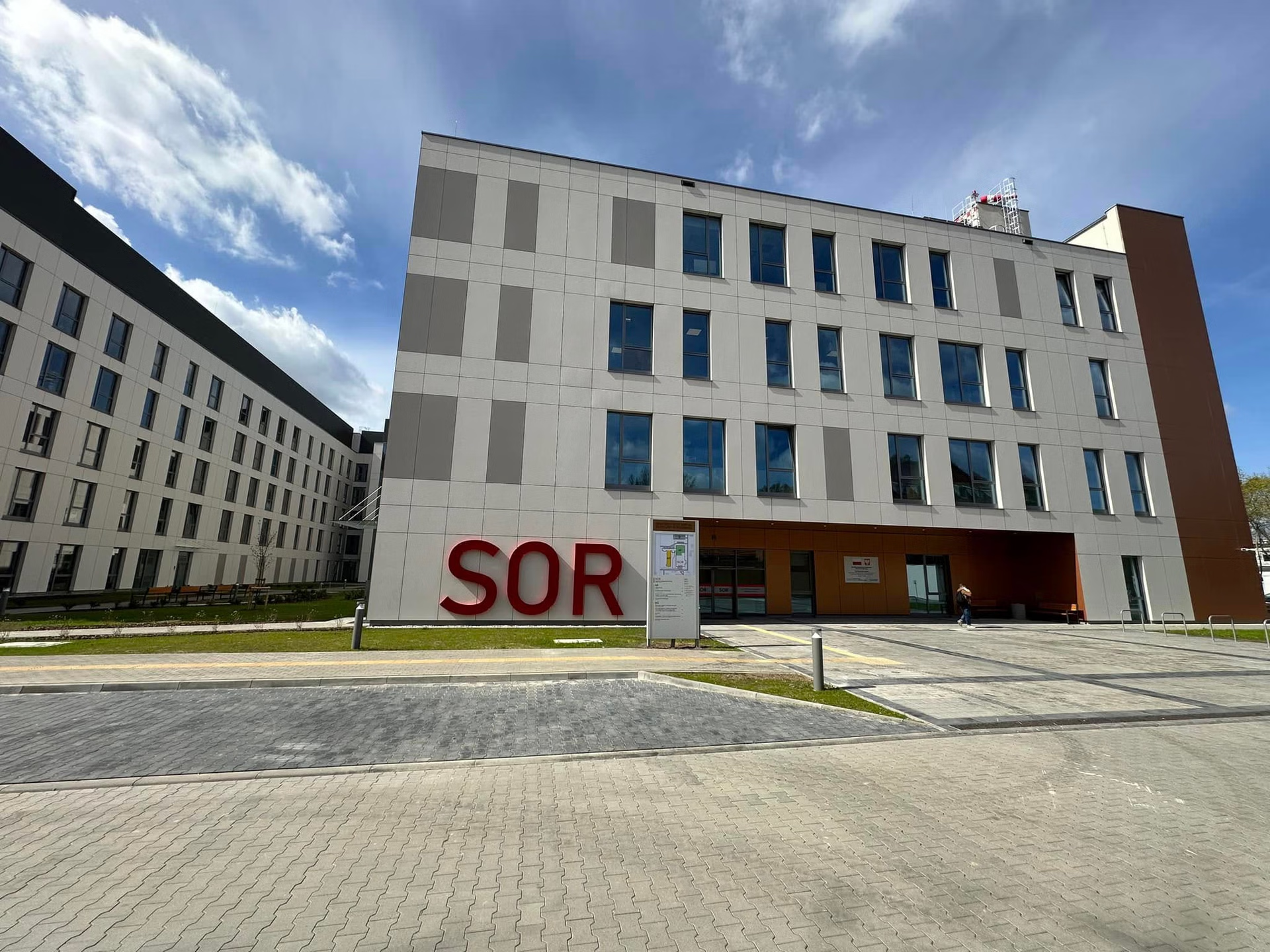
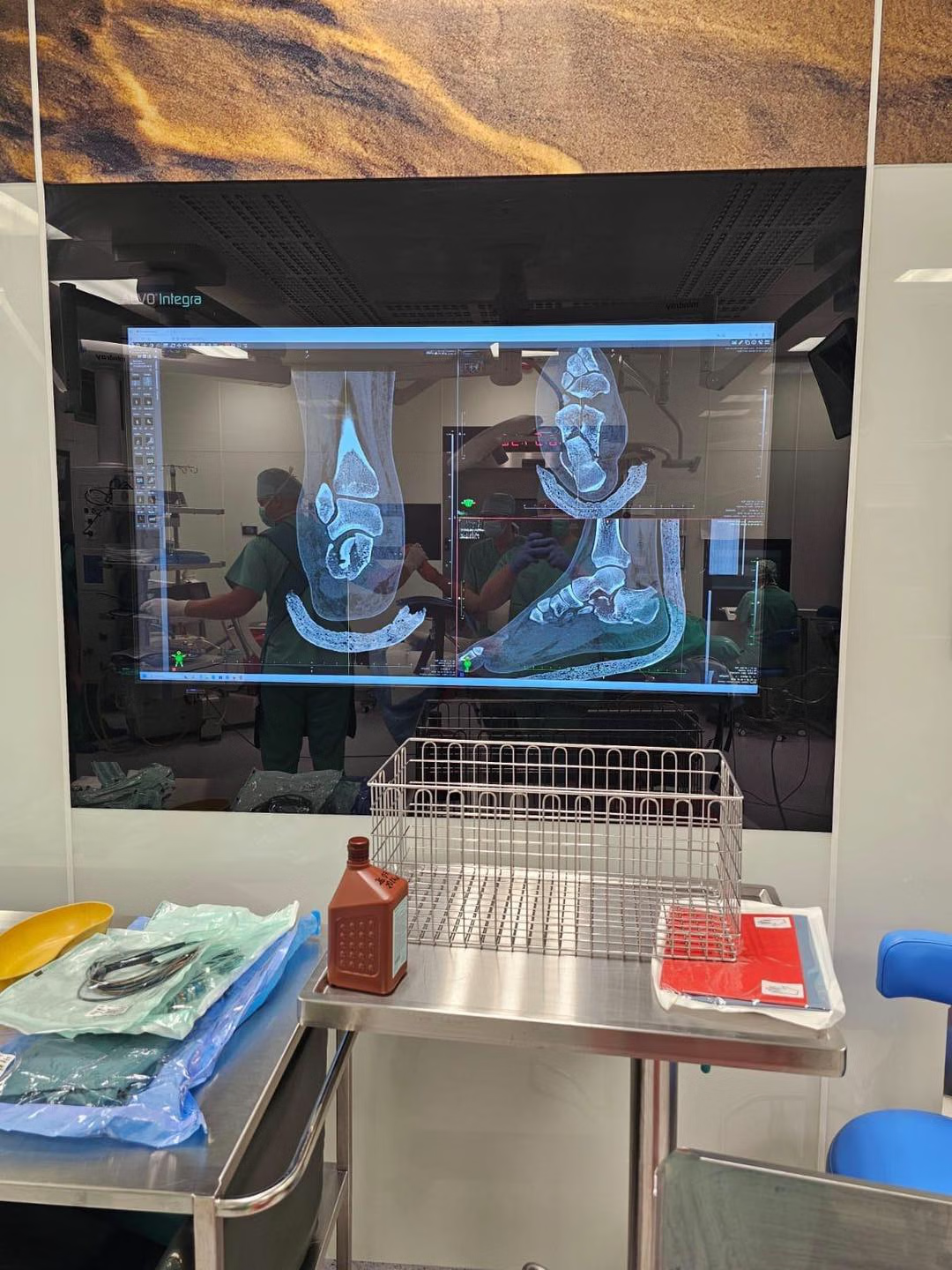
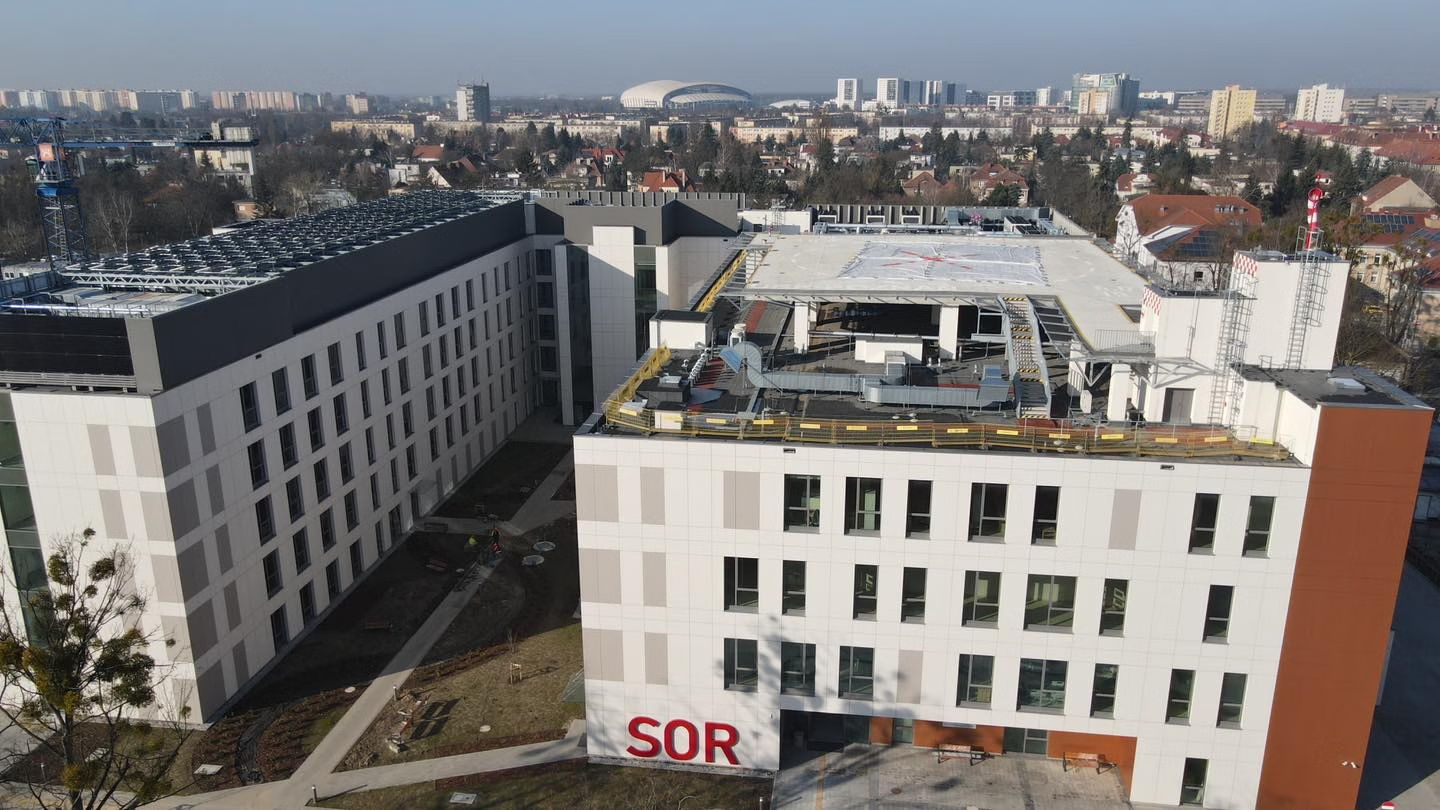
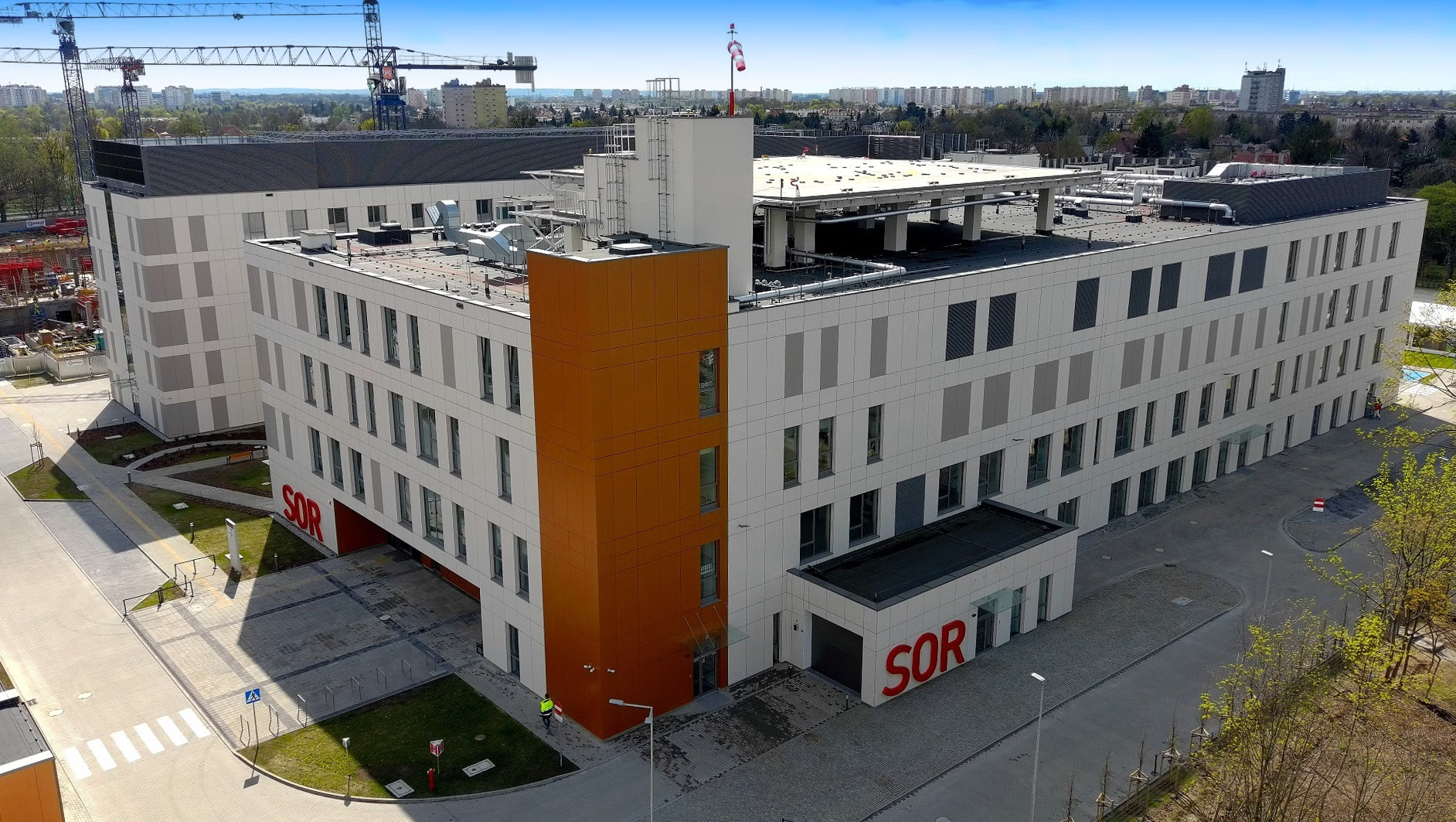
University Clinical Hospital in Poznań is a large academic medical center serving patients across a wide part of western Poland while providing the specialist infrastructure associated with a university hospital. Its clinical activity covers cardiovascular medicine, oncology and hematology, pulmonology, neurology and neurosurgery, ophthalmology, urology, nephrology and transplantation, surgery, dermatology, otolaryngology, internal medicine, emergency medicine, rehabilitation and palliative care. The profile places particular emphasis on cardiovascular and oncological medicine, but its structure extends considerably beyond these two areas. One of the most distinctive aspects of the hospital is that its clinical departments are distributed across several specialized locations in Poznań while remaining part of the same university hospital organization. This allows highly specialized services to maintain their own clinical environments while sharing the academic, diagnostic, and research infrastructure. The hospital's locations include Grunwaldzka, Przybyszewskiego, Szamarzewskiego and Długa, with specialist units ranging from urology and hematology to cardiology, cardiac surgery, vascular surgery and pulmonology. The cardiovascular program occupies an important position within this structure. The hospital brings together cardiology, intensive cardiac care, cardiac surgery and transplantation, vascular surgery and specialist cardiovascular diagnostics. This creates a broad continuum of care for patients with advanced cardiovascular disease, from specialist assessment and interventional cardiology to surgical treatment and postoperative management. The presence of dedicated cardiac intensive-care and cardiac-surgical teams also allows complex patients to remain within a closely connected specialist network when their condition requires escalation of treatment. Oncology is another major clinical pillar, but the cancer infrastructure extends beyond a conventional oncology ward. University Clinical Hospital Poznań combines oncology and hematology with dedicated services in pulmonary oncology, urologic oncology, hematology, transplantation, and cellular therapy. Its specialist clinics and diagnostic facilities cover different stages of cancer management, from investigation and pathology to systemic treatment, surgery and follow-up. The hospital also operates a dedicated rapid oncology pathway under Poland's DiLO system, supporting coordinated access to cancer diagnostics and treatment. The hematology service is particularly closely connected with transplantation and cellular medicine. The hospital has a dedicated department of hematology, transplantation and cellular therapies, creating an institutional setting in which hematological malignancies and other serious blood disorders can be managed alongside transplant-related treatment. This integration is important for patients whose care can involve several sequential stages, including specialized diagnostics, systemic therapy, cellular treatment, and long-term monitoring. University Clinical Hospital in Poznań also has a strong profile in respiratory medicine. Its department of pulmonology, allergology and pulmonary oncology brings together respiratory diagnostics, treatment of complex lung disease and specialist cancer care. The combination is particularly relevant for patients in whom respiratory symptoms, structural lung disease and suspected or confirmed malignancy require coordinated evaluation rather than separate consultations in unrelated departments. Neurological medicine forms another substantial part of the hospital's specialist infrastructure. Neurology and neurosurgery are represented among the hospital's dedicated clinical fields, supported by neurological and neurophysiological laboratories. This enables investigation of disorders affecting both the central and peripheral nervous systems and provides access to specialist surgical care when neurological disease requires an operative approach. The ophthalmology at University Clinical Hospital Poznań is similarly supported by dedicated diagnostic and procedural infrastructure. The facility maintains specialist ophthalmology clinics and laboratories alongside its broader surgical and medical services. This allows patients with complex eye disorders to undergo specialist assessment and treatment within an academic hospital environment rather than relying solely on outpatient ophthalmic care. A further distinguishing feature is the range of specialist diagnostic facilities available within the hospital system. Its infrastructure includes imaging departments, endoscopy units, electrophysiology and cardiology laboratories, neurological and neurophysiological laboratories, ophthalmological laboratories, oncology and hematology laboratories, and respiratory and allergy diagnostic facilities. These services form an important backbone of the hospital's multidisciplinary programs, as many complex cases can be investigated using multiple diagnostic modalities within the same institution. The hospital also maintains a dedicated structure for research and clinical trials. Its clinical research department and project office support research projects alongside routine patient care, while the hospital describes its current research portfolio as encompassing clinical studies, medical device development, artificial intelligence applications, telemedicine, and innovative therapeutic approaches. This gives the clinic an institutional mechanism for moving new technologies and clinical methods from research projects toward practical use.
Gallery
2025-12-20T13:43:15.000Z
2025-12-20T13:43:15.000Z
2025-12-20T13:43:15.000Z
2025-12-20T13:43:15.000Z
2025-12-20T13:43:15.000Z
2025-12-20T13:43:15.000Z
2025-12-20T13:43:15.000Z
2025-12-20T13:43:15.000Z
2025-12-20T13:43:15.000Z
2025-12-20T13:43:15.000Z
2025-12-20T13:43:15.000Z
2025-12-20T13:43:15.000Z
Progress of the PROPULMO project investment
2025-12-20T10:18:27.000Z
Progress of the PROPULMO project investment
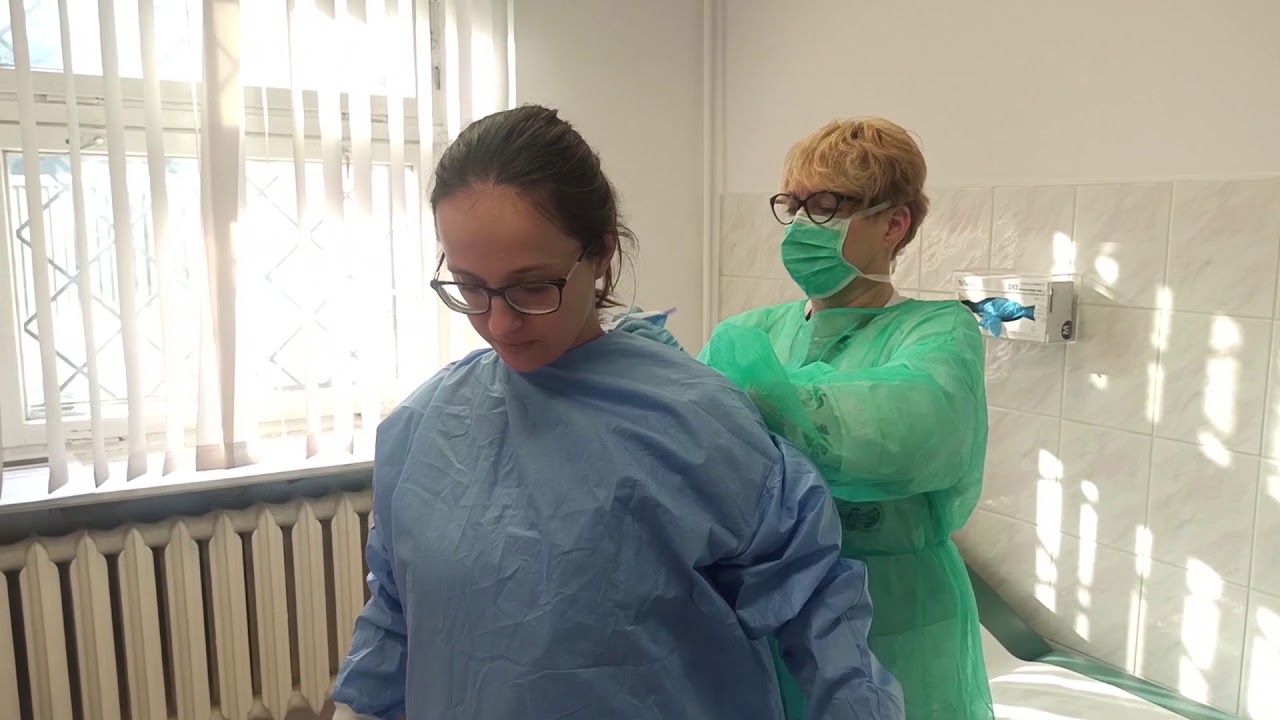
Instructions for taking material for testing for SARS CoV-2
2025-12-20T10:18:03.000Z
Instructions for taking material for testing for SARS CoV-2
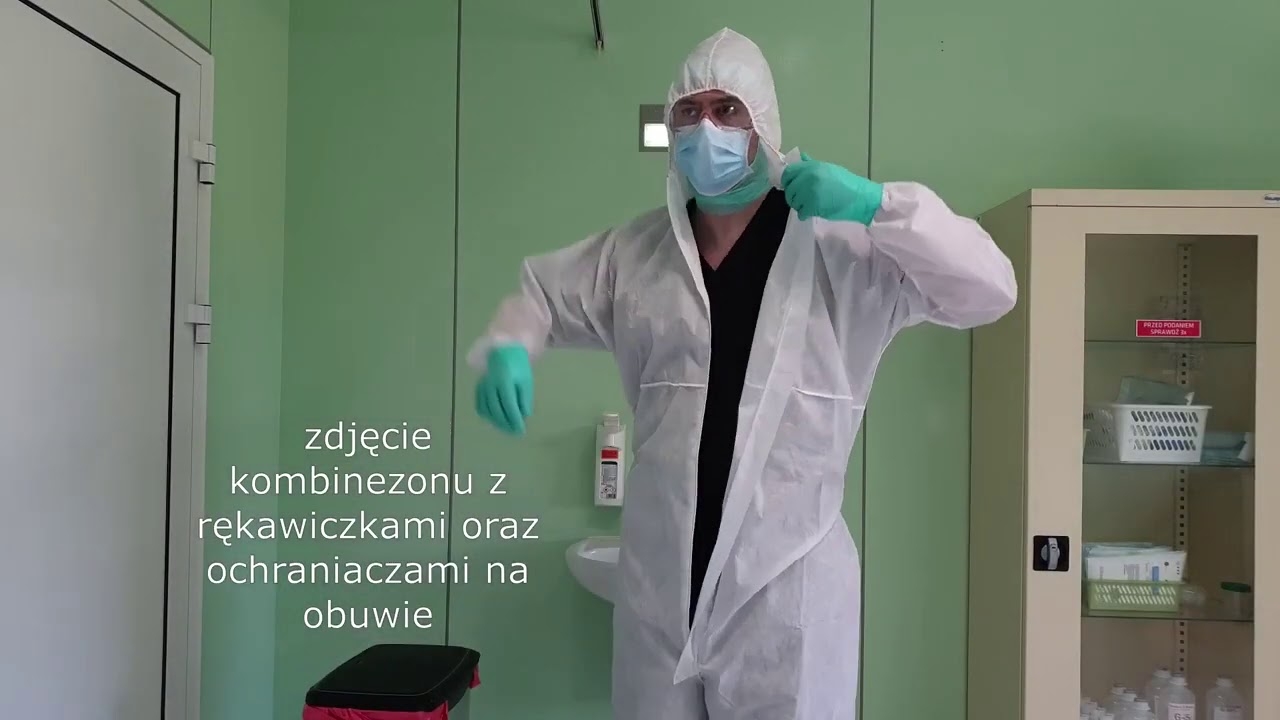
Putting on and taking off personal protective equipment - overalls
2025-12-20T10:17:43.000Z
Putting on and taking off personal protective equipment - overalls
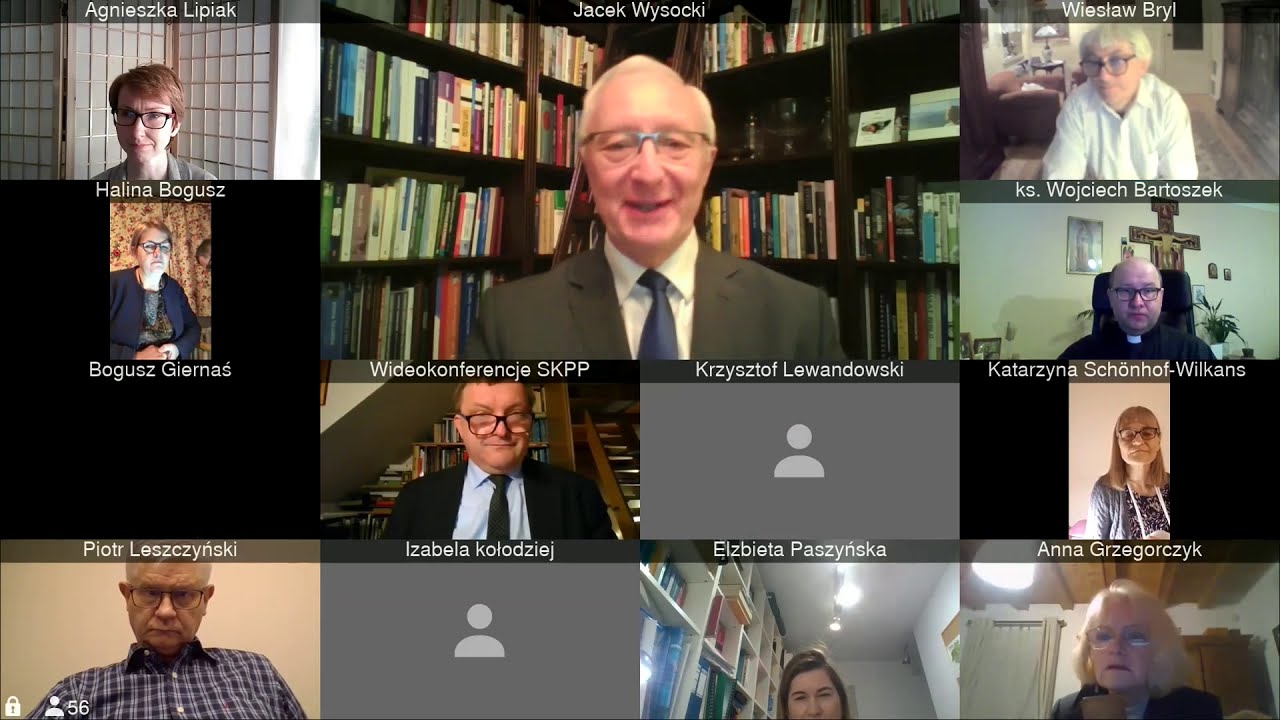
VACCINATION against COVID 19- medical, legal and ethical challenges
2025-12-20T10:17:18.000Z
VACCINATION against COVID 19- medical, legal and ethical challenges
BREATH FOR HEALTH - a program to prevent the development of the disease and the consequences of COVID-19
2025-12-20T10:16:54.000Z
BREATH FOR HEALTH - a program to prevent the development of the disease and the consequences of COVID-19
Opening of oncological departments
2025-12-20T10:16:29.000Z
Opening of oncological departments
Extra services
Visa Support
Parking Space
24/7 medical assistance
Intensive Care Unit
On-Site Pharmacy
Cafeteria
Accessibility Features
Location
Przybyszewskiego 49, 60-355 Poznań, Poland
FAQ
Is oncology infrastructure being expanded or modernized with new technology?
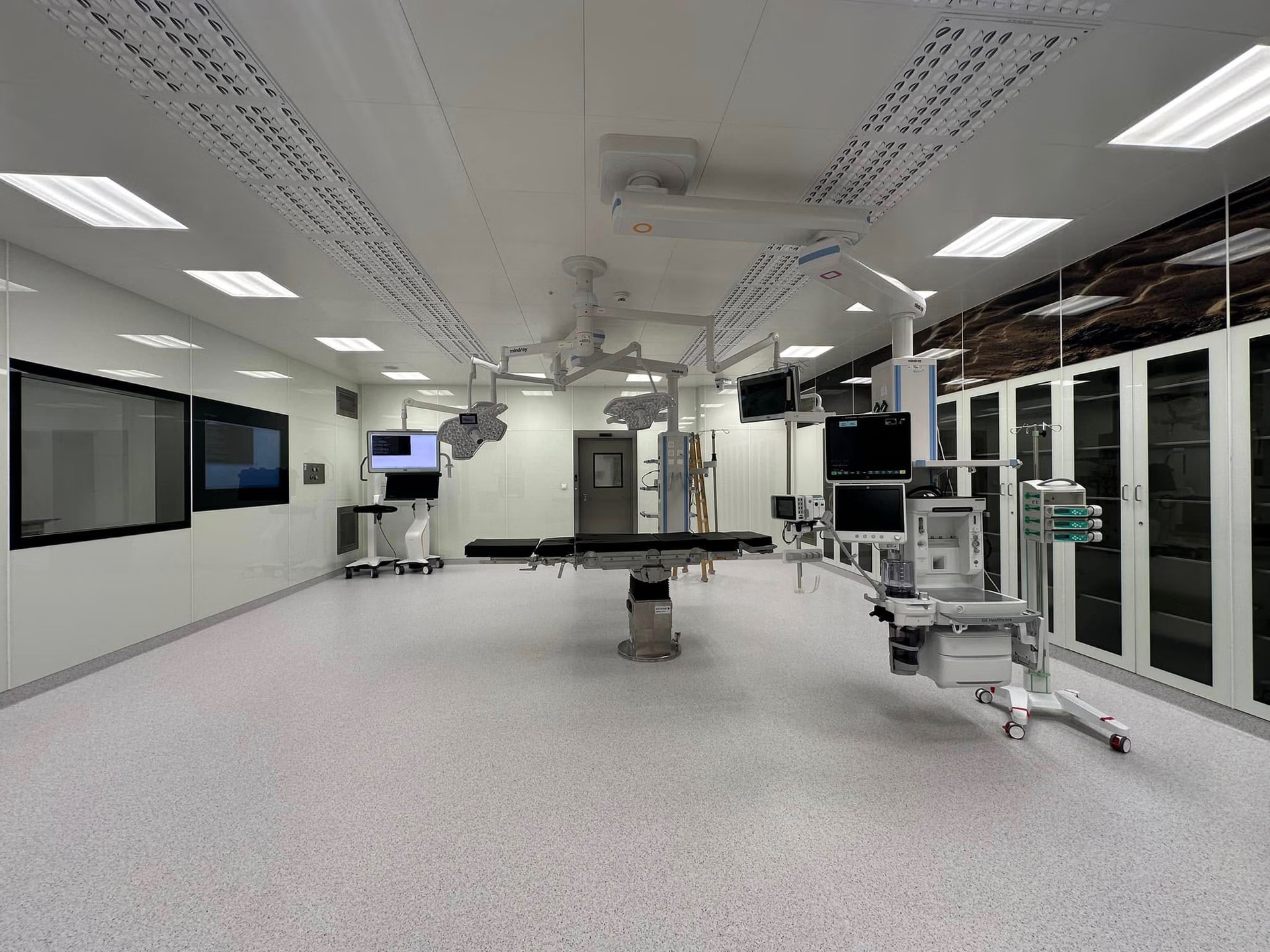
Yes. A major oncology modernization was undertaken under the national recovery plan, including the replacement/upgrade of equipment for oncologic surgery, diagnostic imaging, nuclear medicine, pathomorphology, laboratory diagnostics, and endoscopy, as well as IT solutions supporting care delivery.
How is severe gastrointestinal failure managed?
The gastroenterology service treats acute and chronic intestinal failure using specialized clinical nutrition pathways. Long-term parenteral nutrition is administered via central venous access devices, including Broviac catheters, PICC lines, and implanted vascular ports. Enteral nutrition is delivered via percutaneous endoscopic gastrostomy, microjejunostomy, and nasogastric tubes. The clinical team also provides targeted therapies for inflammatory bowel diseases, including Crohn's disease and ulcerative colitis, as well as autoimmune liver pathologies such as primary sclerosing cholangitis.
Does the facility provide nuclear medicine and advanced cancer diagnostics support?
Yes. In the oncology investment plan, the hospital explicitly includes expansion/equipment upgrades for the nuclear medicine department, as well as the development of faster & more precise lab diagnostics, including genetic and molecular diagnostics.
Which platform treats complex cardiac arrhythmias?
The cardiac electrophysiology unit uses the Affera mapping and ablation system to map and eliminate complex cardiac arrhythmias. Interventional cardiologists perform catheter ablations to treat atrial fibrillation, atrial flutter, and atrial tachycardias, aiming to restore normal cardiac conduction.
What specialized care is provided for tropical diseases and rare eye conditions?
The clinical department for tropical and parasitic diseases evaluates and treats imported tropical infections, systemic parasitic infestations, and travel-related pathologies. Ophthalmic care includes specialized clinics for screening and managing retinopathy of prematurity in neonates, dedicated strabismus correction, and targeted medical and surgical management for glaucoma.
What is the rating of the clinic?
University Clinical Hospital Poznań is rated as 9.60 by AiroMedical.
What do patients say about University Clinical Hospital Poznań?
The clinic has 960 feedbacks at other places. The UserScore of the hospital is 92%.