The data collected based on
796
patient reviews on Google
Certificates
Features & Facts
High-Capacity Operating Theatre
The hospital has an operating block with 26 operating rooms and a 13-station recovery room, supporting high-throughput elective and urgent surgery with standardized perioperative pathways.
Neurosurgical Operations Leader
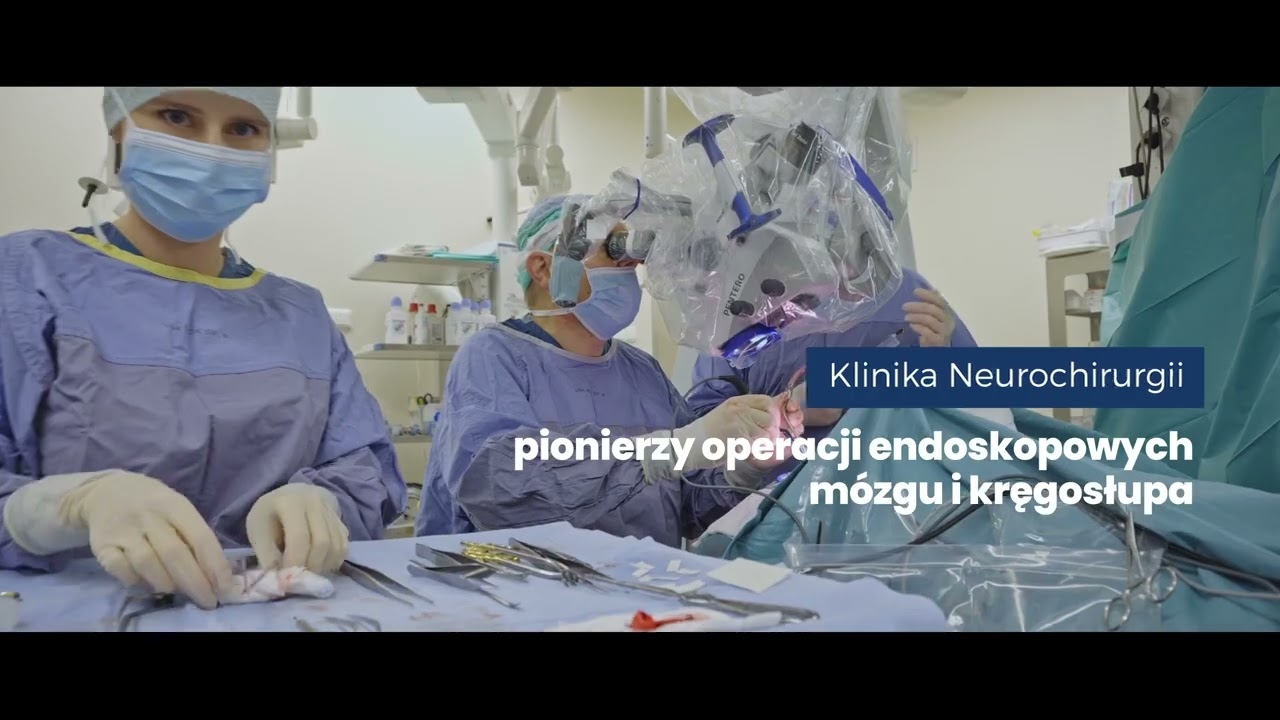
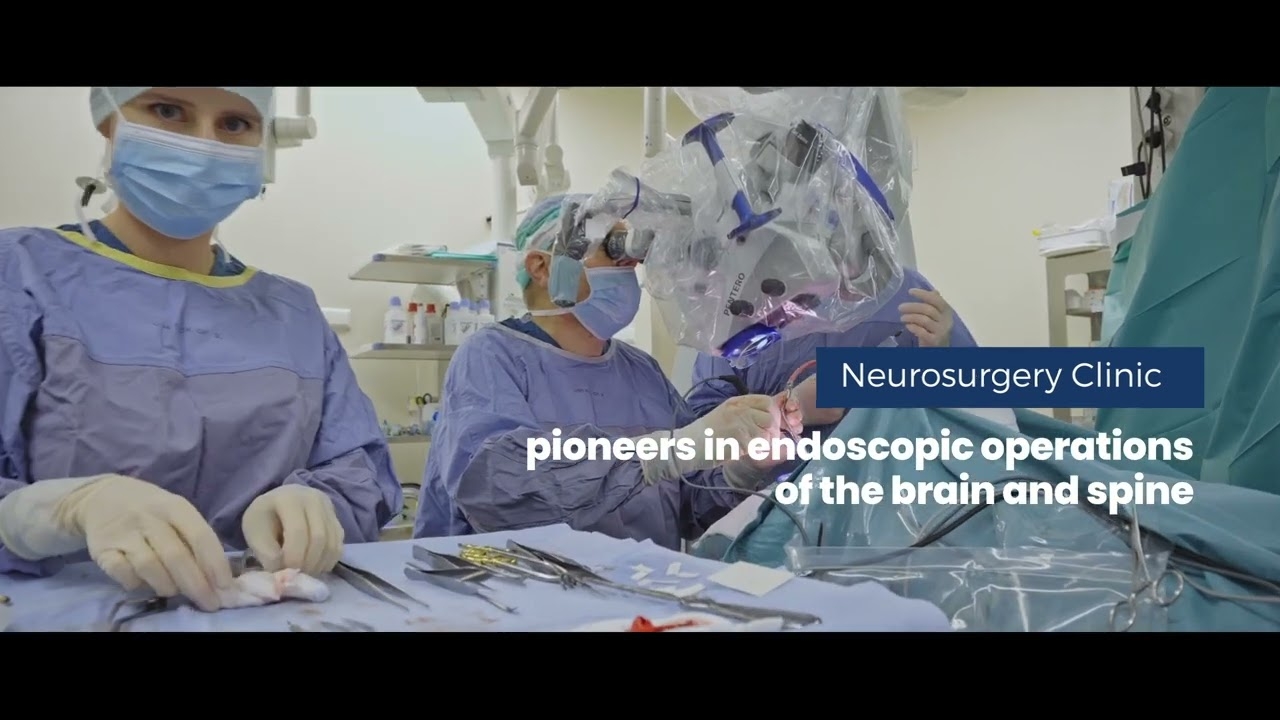
The neurosurgery clinic performs about 2,500 neurosurgical operations annually across four operating rooms. It is the only neurosurgical center serving the entire macroregion and treating complex brain, skull base, and spinal tumors.
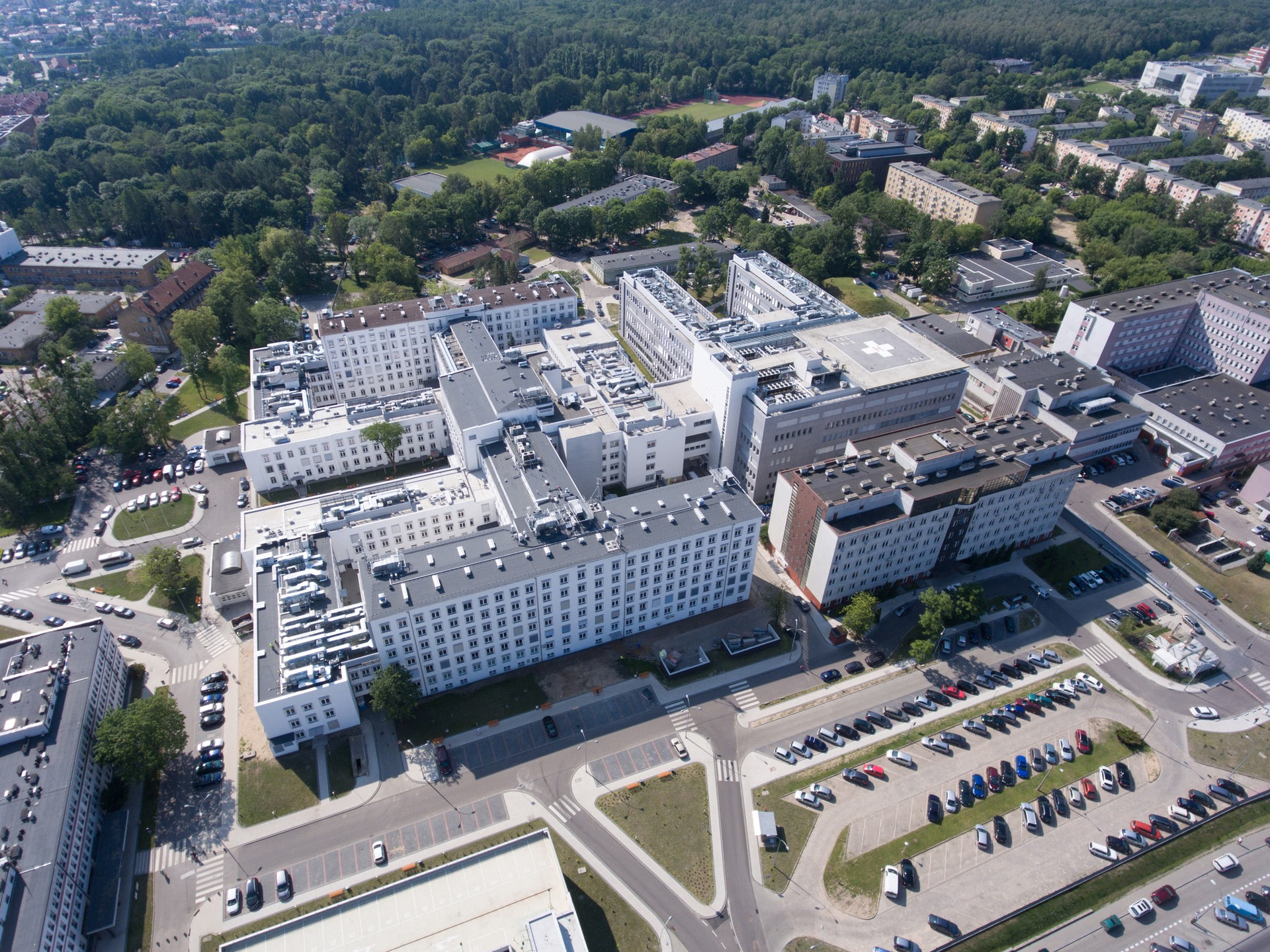
Modern Emergency Unit with Helipad
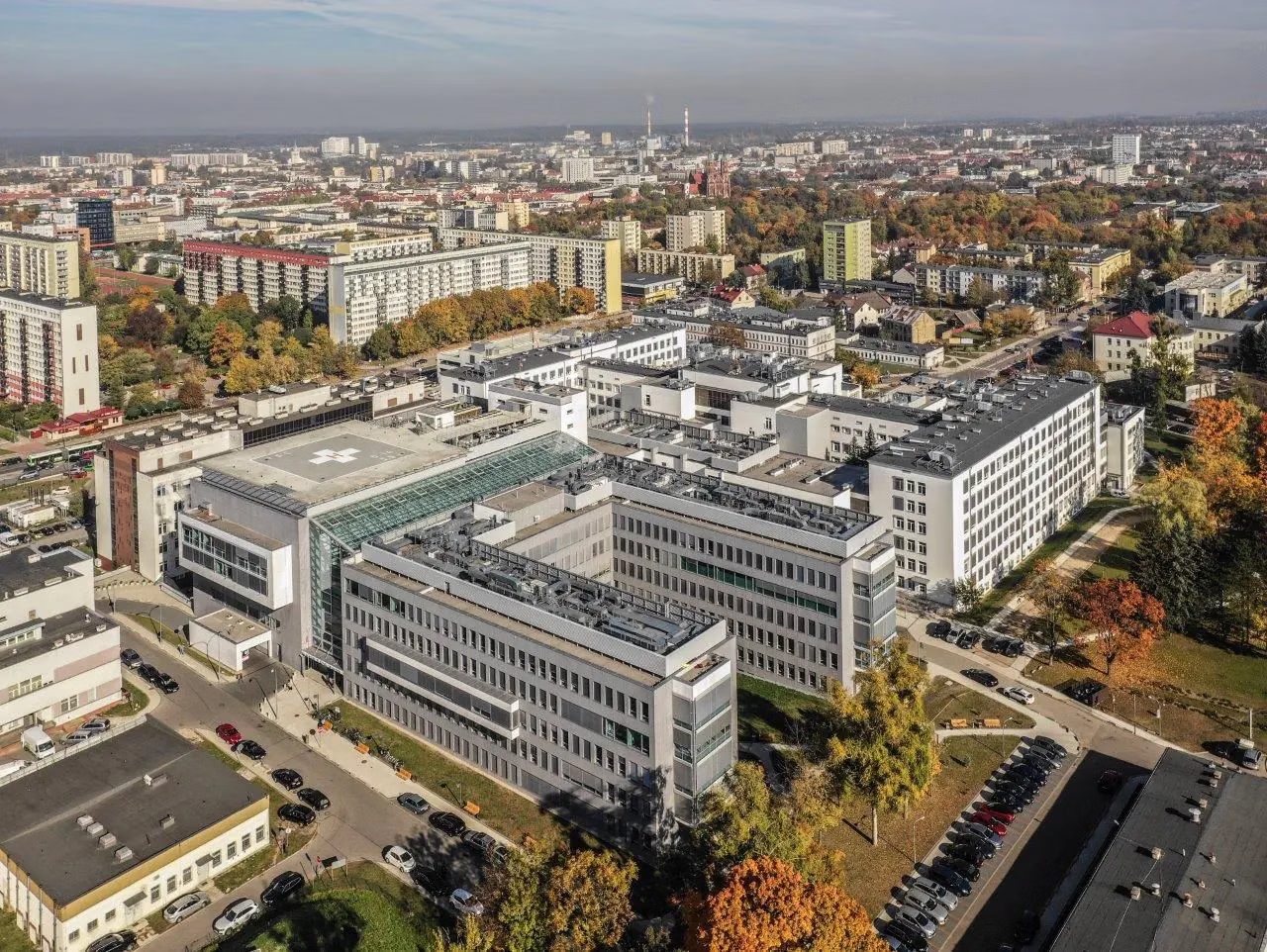
University Clinical Hospital Białystok has a modern SOR (emergency department) and a rooftop helipad; the SOR is among the most modern in Poland, with ~1,500 m² of space and ~38,000 patients per year.
First Regional Whipple Robotics
In 2026, the facility performed the first robotic Whipple procedures in the region. Two women with pancreatic cancer underwent robotic pancreatic head resections, and both were discharged after treatment.
Inpatient Comfort & Contemporary Room Standards
Inpatient rooms are typically 1- to 4-bed, all with en-suite bathrooms, TVs, and wireless internet, positioning the patient experience as a deliberate infrastructure standard rather than an add-on.
World-Class Neuro Navigation
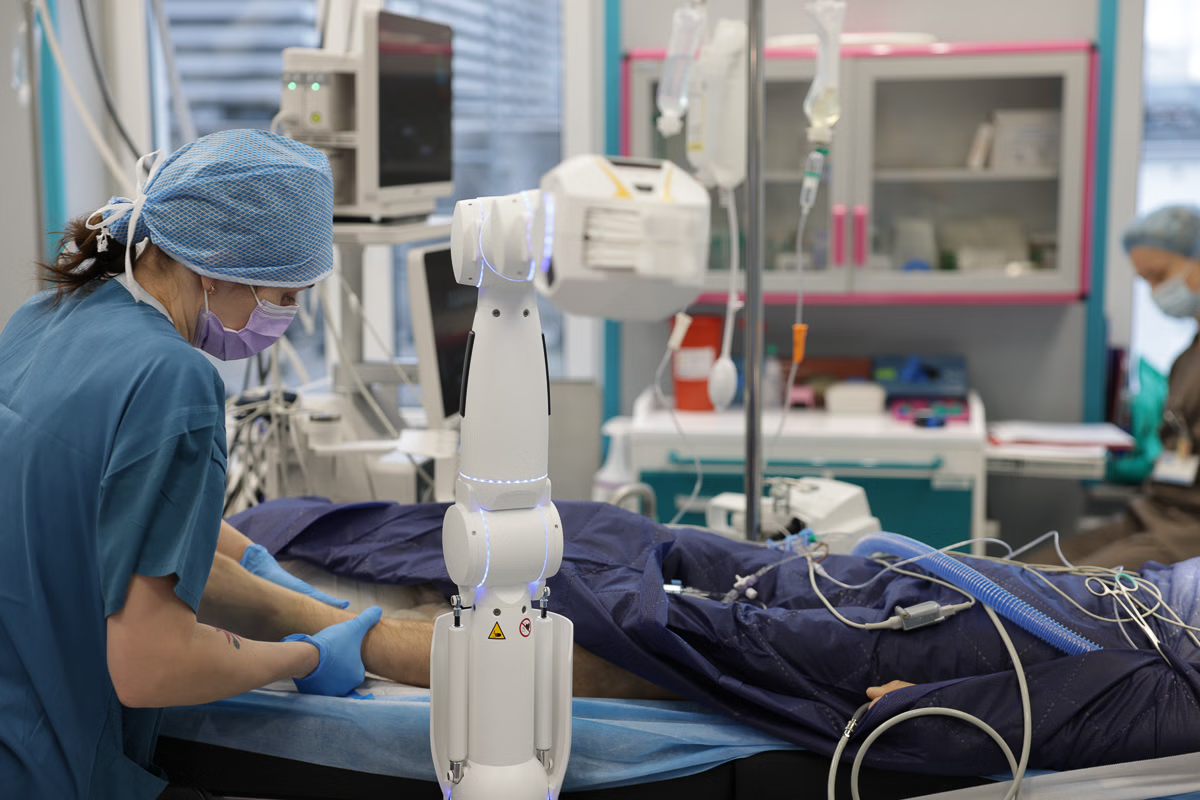
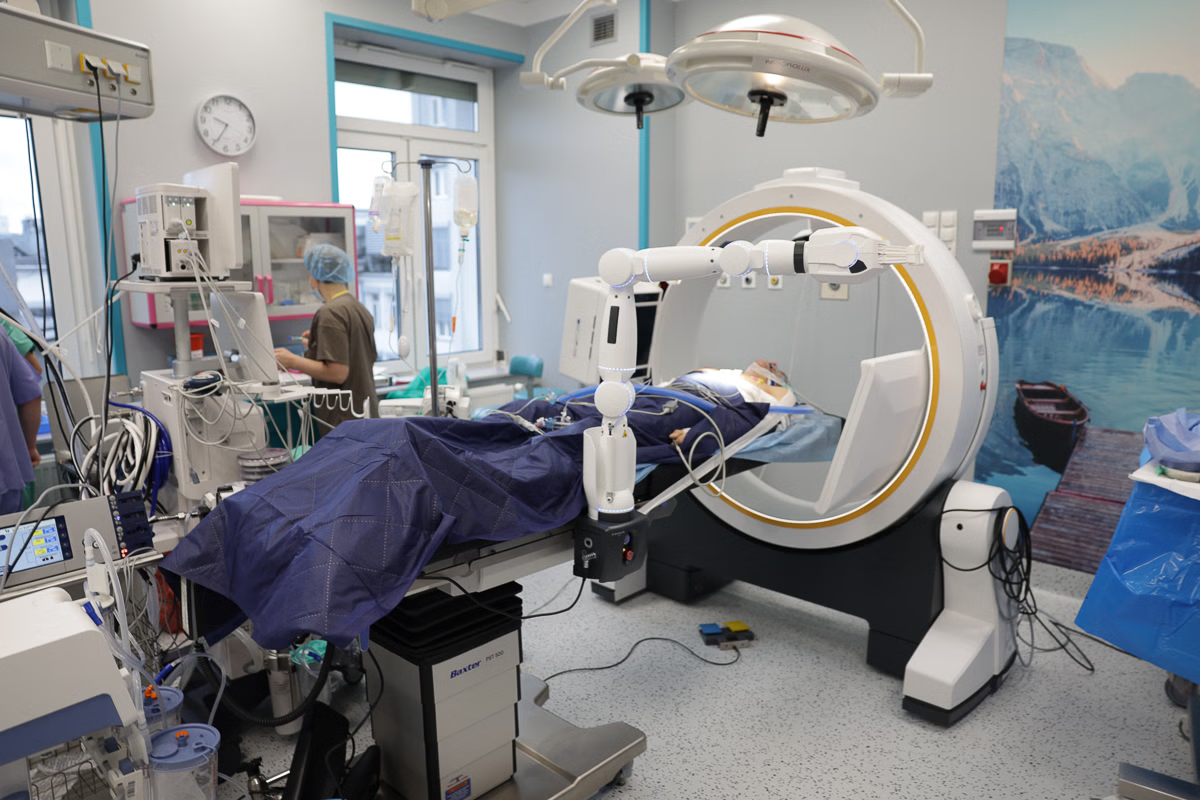
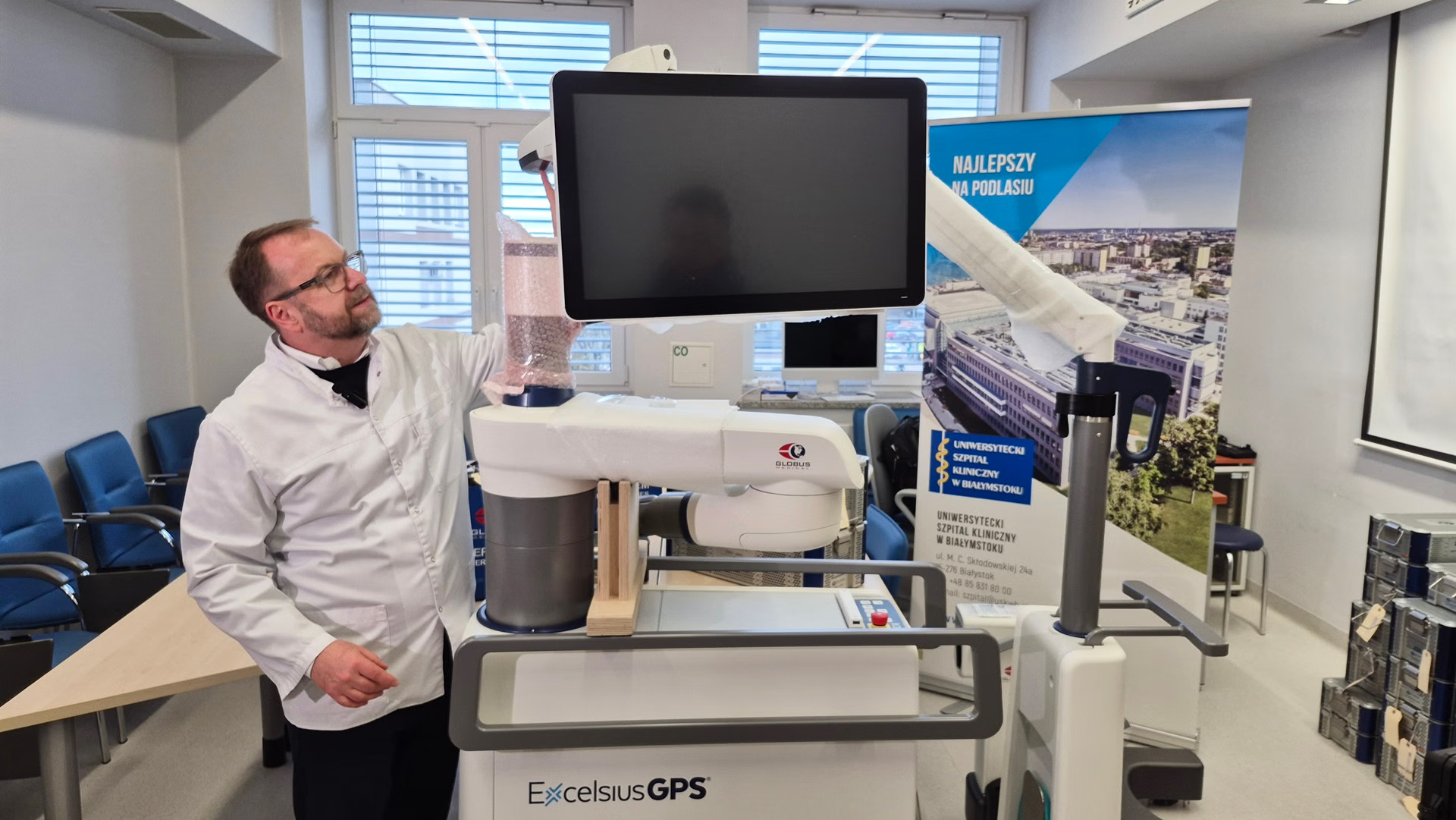
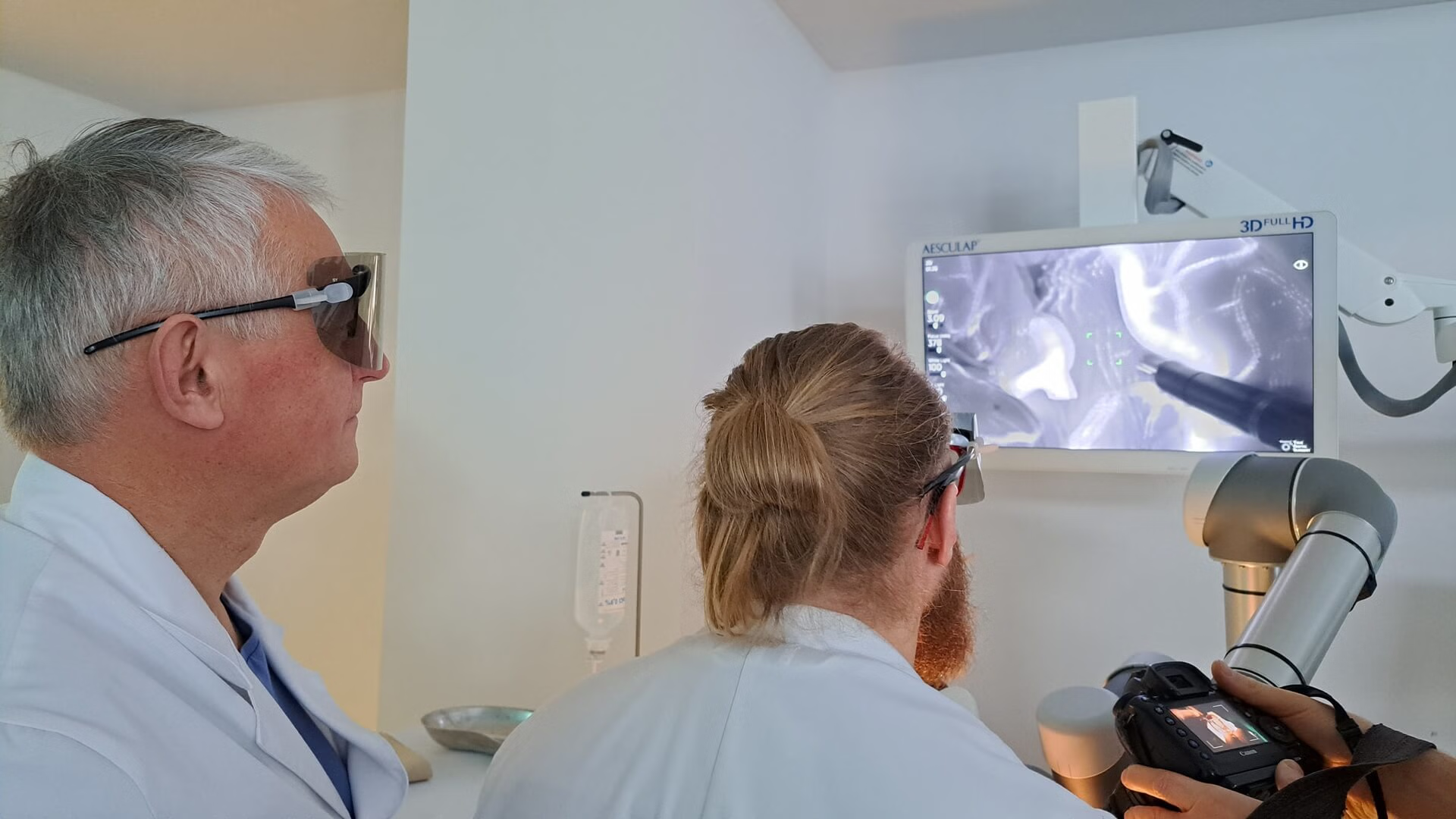
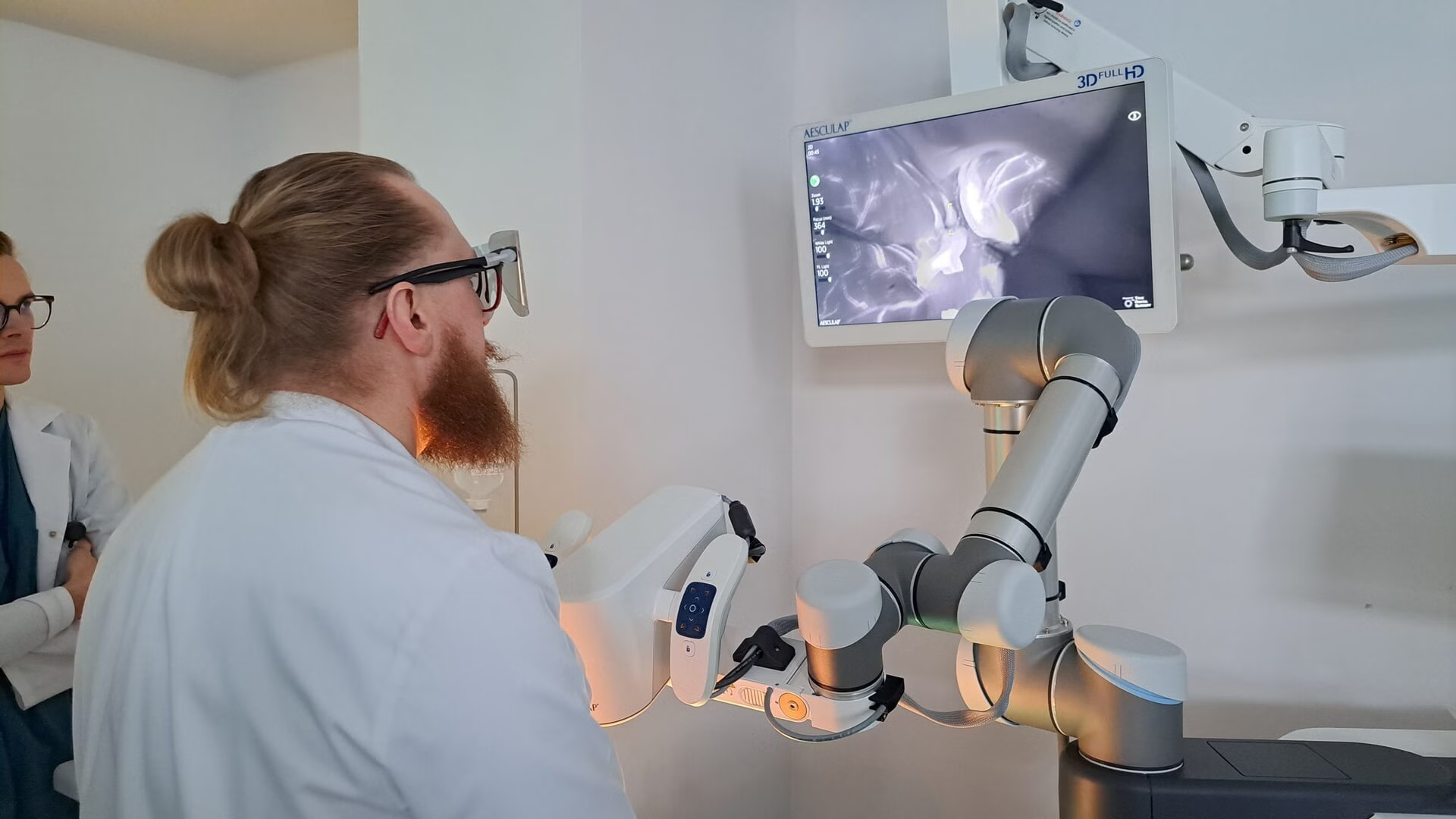
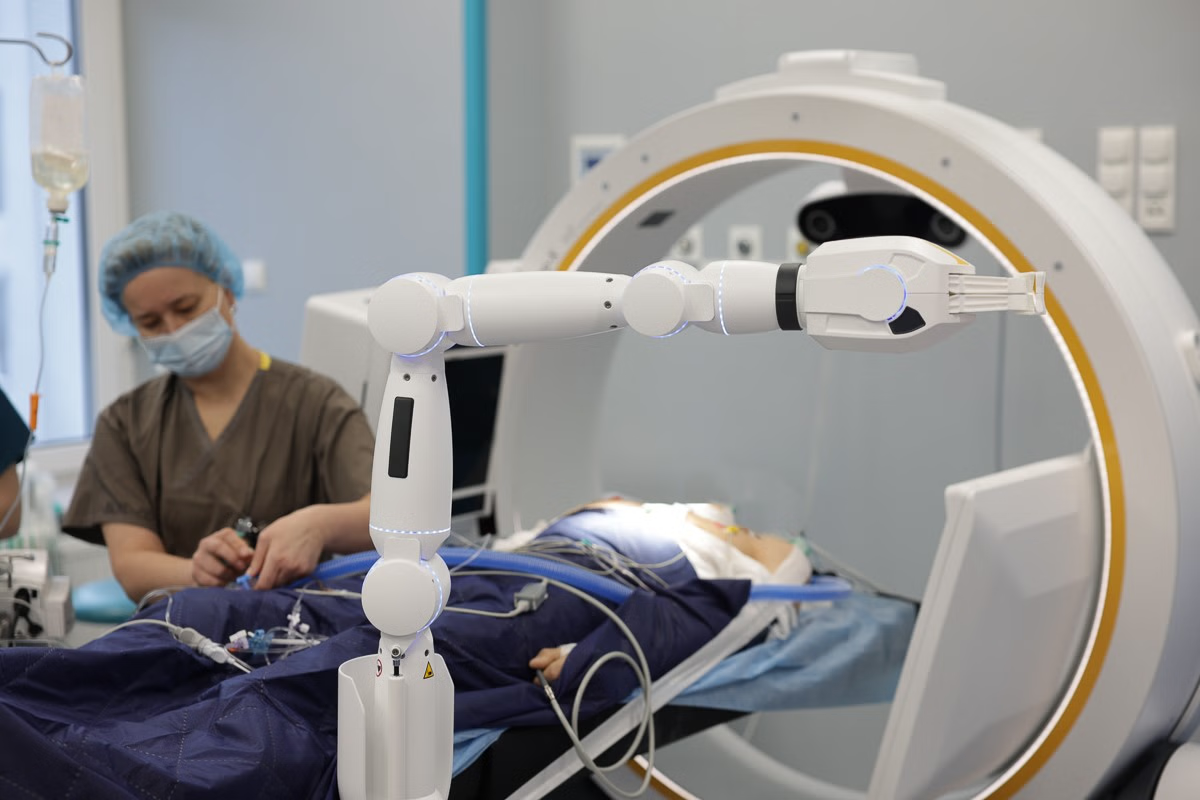
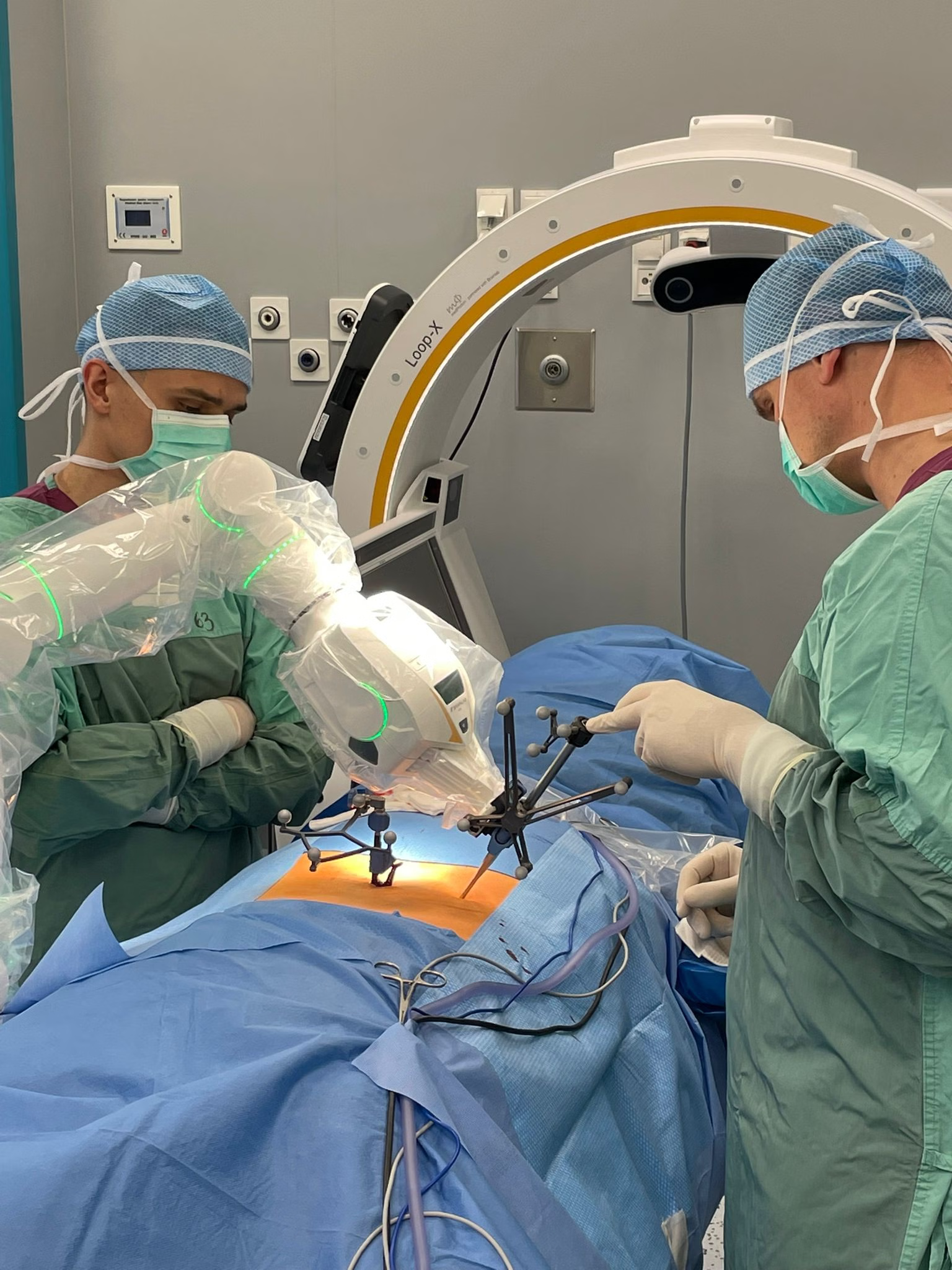
The neurosurgical block now combines intraoperative CT, robotic navigation, neuronavigation, and ultrasound. The systems support deep-brain biopsies, DBS electrode implantation, and complex spinal surgery with computer-planned trajectories.
Nuclear Therapies Track
The nuclear medicine department lists 1,250 nuclear-medicine therapeutic services, including radioiodine treatment for thyroid disease and radioisotope synovectomy. It has also provided radioisotope treatment for thyroid cancer jointly with endocrinology since 2015.
AI Colonoscopy Detection
The clinic has introduced an artificial intelligence system to assist in detecting neoplastic lesions during colonoscopy. The technology was acquired as part of the hospital's major oncology modernization program and is integrated with advanced endoscopic equipment.
FLUOBEAM Thyroid Surgery
In 2025, doctors performed their first thyroid resection using FLUOBEAM fluorescence imaging. The system helps surgeons identify and preserve parathyroid glands, and the hospital subsequently made the technology standard for thyroid operations.
Kidney Transplants Number
The team here performed 41 kidney transplants, its highest annual total since the pandemic. The year also included 17 multiorgan procurements, making 2025 a record year for the center's transplant activity.
Hyperbaric Medicine
The hyperbaric therapy center is the only such center in Podlasie, treating (among others) non-healing wounds, osteomyelitis, burns, radiation injury, carbon monoxide poisoning, and sudden hearing loss, using 100% oxygen at ~2.5× atmospheric pressure.
About the clinic
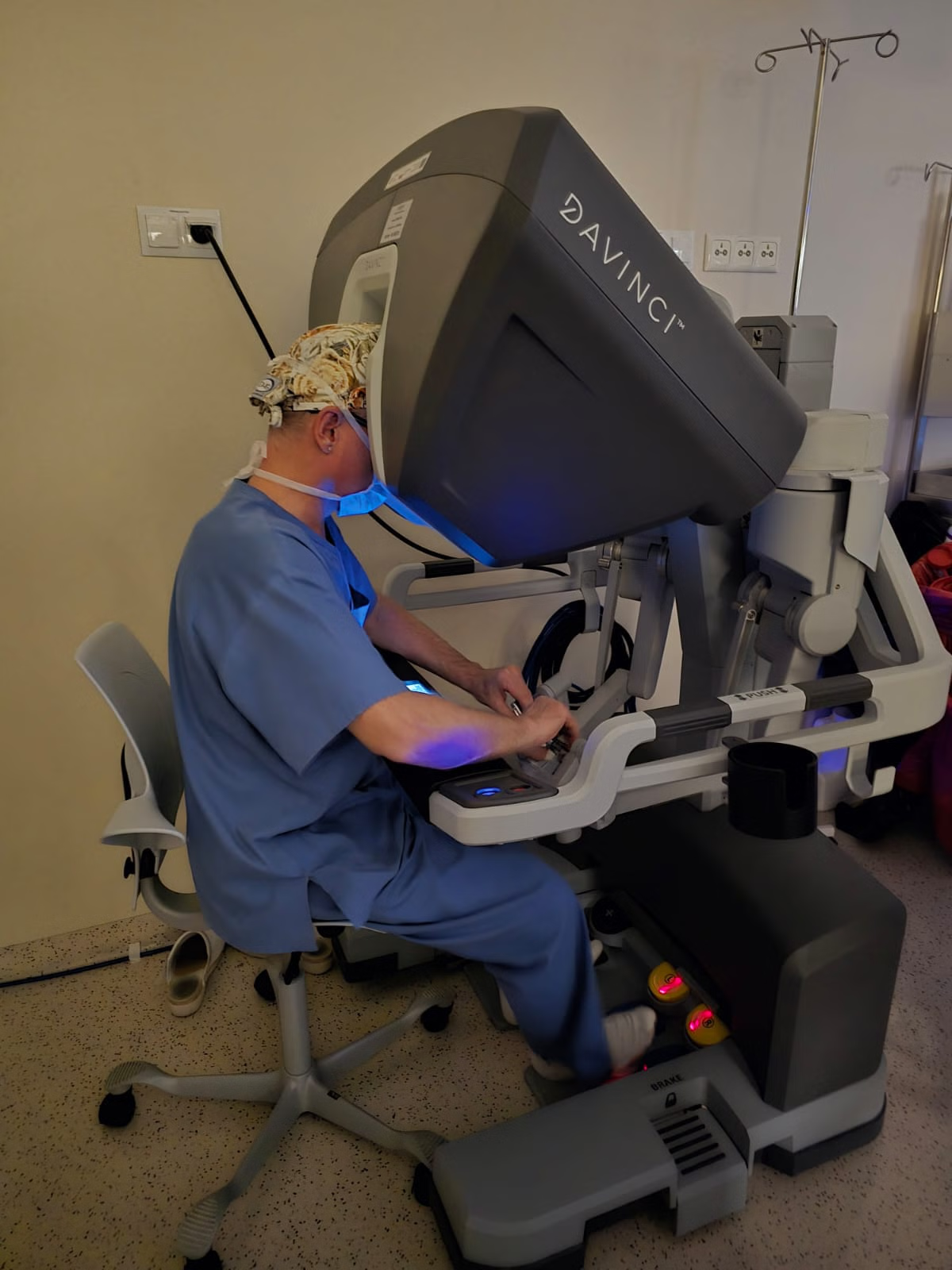
University Clinical Hospital Białystok (USK) is an academic, tertiary-care hospital in Białystok that serves as a key clinical base for the Medical University of Białystok, combining specialist treatment with teaching and research. In practice, this academic role translates into a strong emphasis on structured clinical standards, multidisciplinary decision-making, and the adoption of new techniques that can be taught, supervised, and replicated safely across teams. The facility is deeply embedded in advanced population health and multi-omics research, allowing its clinical teams to seamlessly integrate molecular diagnostics, genomic sequencing, and personalized medicine into everyday therapeutic protocols. This translational approach is particularly evident in its approach to systemic diseases, where physicians utilize extensive bioinformatics data to tailor highly specific pharmacological treatments for patients who have exhausted conventional medical options. The clinical architecture is its formidable hematology and bone marrow transplantation ecosystem. Serving as the ultimate referral destination for severe blood cancers, including aggressive leukemias, lymphomas, and multiple myeloma, the hospital features meticulously engineered sterile isolation units designed specifically for both autologous and allogeneic hematopoietic stem cell transplants. This hyper-sterile environment is supported by an advanced in-house molecular biology and flow cytometry laboratory, enabling hematologists to conduct rapid, high-precision immunophenotyping and minimal residual disease monitoring. By keeping these critical diagnostic processes under one roof, the medical teams can dynamically adjust immunosuppressive and targeted chemotherapeutic regimens in real time, dramatically improving survival rates for complex hematological malignancies. Equally distinguished is the comprehensive cardiovascular and structural heart disease division, which operates as a highly synchronized vascular institute. The cardiology and cardiac surgery departments collaborate to manage end-stage heart failure, complex valvular degeneration, and treatment-resistant arrhythmias. The electrophysiology laboratories are equipped with advanced 3D anatomical mapping systems to perform intricate ablations, while the surgical teams routinely perform high-risk coronary revascularizations and structural repairs, utilizing extracorporeal life support systems for the most fragile patients. A prominent clinical flagship is the hospital’s University Oncology Center, which is organized around comprehensive gynecologic oncology pathways. The innovation strategy is especially evident in robot-assisted surgery and in how it implements new capabilities through training and external supervision. The doctors perform da Vinci procedures, including robotic prostate cancer surgery and robotic operations for endometrial cancer, performed within a proctored model and tied to formal certification for independent practice. This leadership also framed robotics as particularly well-suited to a university hospital environment because it supports skill development for future clinicians and provides immediate patient benefits. In neurosurgery, USK has described a complementary innovation track focused on image-guided, robot-supported targeting systems rather than telemanipulation. The new robotic platforms were deployed for the neurosurgical operating environment, including an intraoperative CT solution and a robotic surgical navigation platform, intended to increase precision in brain and spine procedures and to strengthen intraoperative decision-making through updated imaging and navigation. The hospital’s focus on safety and accuracy: technology is used to plan trajectories and stabilize execution, with the clinical team retaining complete operative control. Orthopedics provides another example of technology adoption aimed at improving reproducibility in high-stakes procedures. The orthopedic service has implemented the ROSA Knee System as a support tool for joint-replacement workflows, highlighting its role in mapping and alignment accuracy, as well as its potential to expand into additional arthroplasty applications over time. Importantly, these innovation programs are not presented as isolated new gadgets, but as part of a broader modernization pathway tied to national investment programs. The hospital is a beneficiary of KPO-funded oncology modernization, which, per the regional government announcement, includes advanced diagnostic platforms (CT, scintigraphic diagnostics, endoscopy, ultrasound), a surgical robot component, oncology pharmacy upgrades via a cytostatics preparation station, and modernization in gynecology and gynecologic oncology infrastructure. In parallel, the region announced a longer-term expansion and modernization program that includes creating a University Center of Personalized Oncology and modernizing existing hospital buildings. As an academic provider, University Clinical Hospital Białystok also operates within a research and clinical-trials ecosystem. The hospital publishes institutional rules and administrative guidance for signing and managing clinical-trial agreements, indicating a standardized governance approach rather than ad hoc, study-by-study handling. This is reinforced by the university’s clinical research infrastructure and support units that are designed to facilitate clinical studies across partner hospitals, including dedicated space and logistics for trial operations. Further reinforcing its status as a high-acuity sanctuary, the medical center houses a top-tier perinatology and maternal-fetal medicine hub. Dedicated to managing the most extreme high-risk pregnancies in the macroregion, the obstetrics unit works in lockstep with an elite neonatal intensive care division.
Gallery
2025-12-25T13:43:37.000Z
2025-12-25T13:43:37.000Z
2025-12-25T13:43:37.000Z
2025-12-25T13:43:37.000Z
2025-12-25T10:48:20.000Z
2025-12-25T10:48:20.000Z
2025-12-25T13:43:37.000Z
2025-12-25T13:43:37.000Z
2025-12-25T13:43:37.000Z
2025-12-25T13:43:37.000Z
2025-12-25T10:48:20.000Z
2025-12-25T10:48:20.000Z
University Clinical Hospital in Bialystok today
2025-12-25T10:35:52.000Z
University Clinical Hospital in Bialystok today
USK in Bialystok in the memoirs of Prof. Zbigniew Puchalski
2025-12-25T10:35:32.000Z
USK in Bialystok in the memoirs of Prof. Zbigniew Puchalski
University Clinical Hospital in Bialystok
2025-12-25T10:32:47.000Z
University Clinical Hospital in Bialystok
Extra services
Visa Support
Parking Space
24/7 medical assistance
Pastoral Care
Intensive Care Unit
On-Site Pharmacy
Cafeteria
Kids' Play Zone
ATM / Banking
Accessibility Features
Digital Health Records
Location
Marii Skłodowskiej-Curie 24A, 15-276 Białystok, Poland
FAQ
What kinds of conditions does the hospital treat?
University Clinical Hospital Białystok provides specialist inpatient and outpatient care across a wide range of internal medicine and surgical disciplines, including cardiology, pulmonology, nephrology (with dialysis), gastroenterology, endocrinology/diabetology, neurology (including stroke care), ophthalmology, ENT, dermatology/venereology, and psychiatry.
Does the hospital treat heart disease and complex cardiovascular conditions?
Yes. USK has a dedicated cardiology unit, including invasive cardiology with a hemodynamics laboratory and cardiac surgery, which together support diagnostics and treatment pathways for ischemic heart disease, acute coronary syndromes, heart failure, arrhythmias, and other cardiovascular disorders.
Can I authorize someone else to pick up my medical documentation?
USK has rules that explicitly include access upon request by the patient, the legal representative, or a person authorized by the patient, with additional regulations applicable after a patient’s death.
Is smoking (including e-cigarettes) allowed on hospital premises?
No. There is a total smoking ban on hospital grounds, including e-cigarettes and novel tobacco products, and it references a potential fine for violations.
What is the rating of the clinic?
University Clinical Hospital Białystok is rated as 9.70 by AiroMedical.
What do patients say about University Clinical Hospital Białystok?
The clinic has 796 feedbacks at other places. The UserScore of the hospital is 96%.