The data collected based on
1,000
patient reviews on Google
Certificates
Features & Facts
Large Academic Hospital
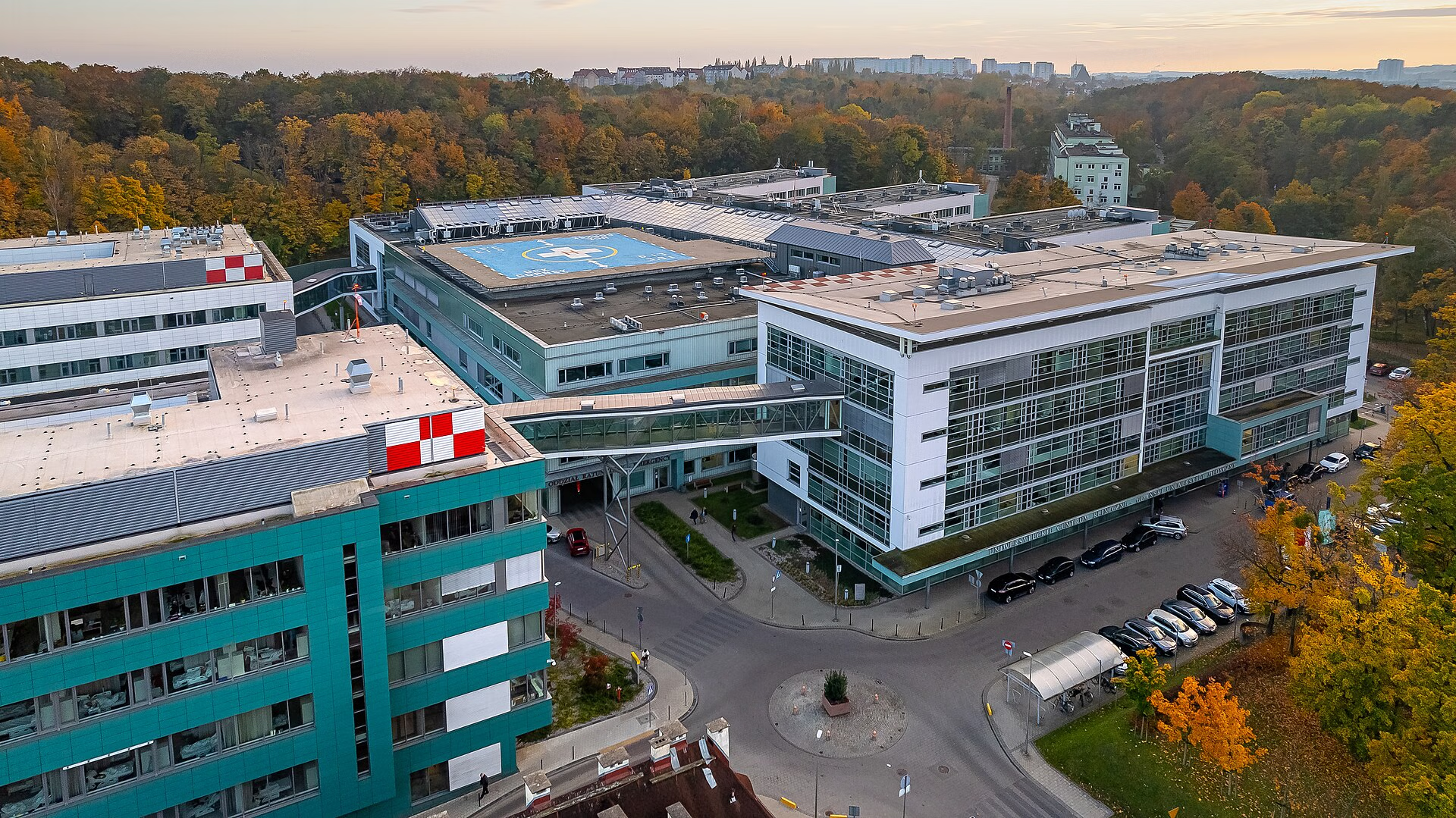
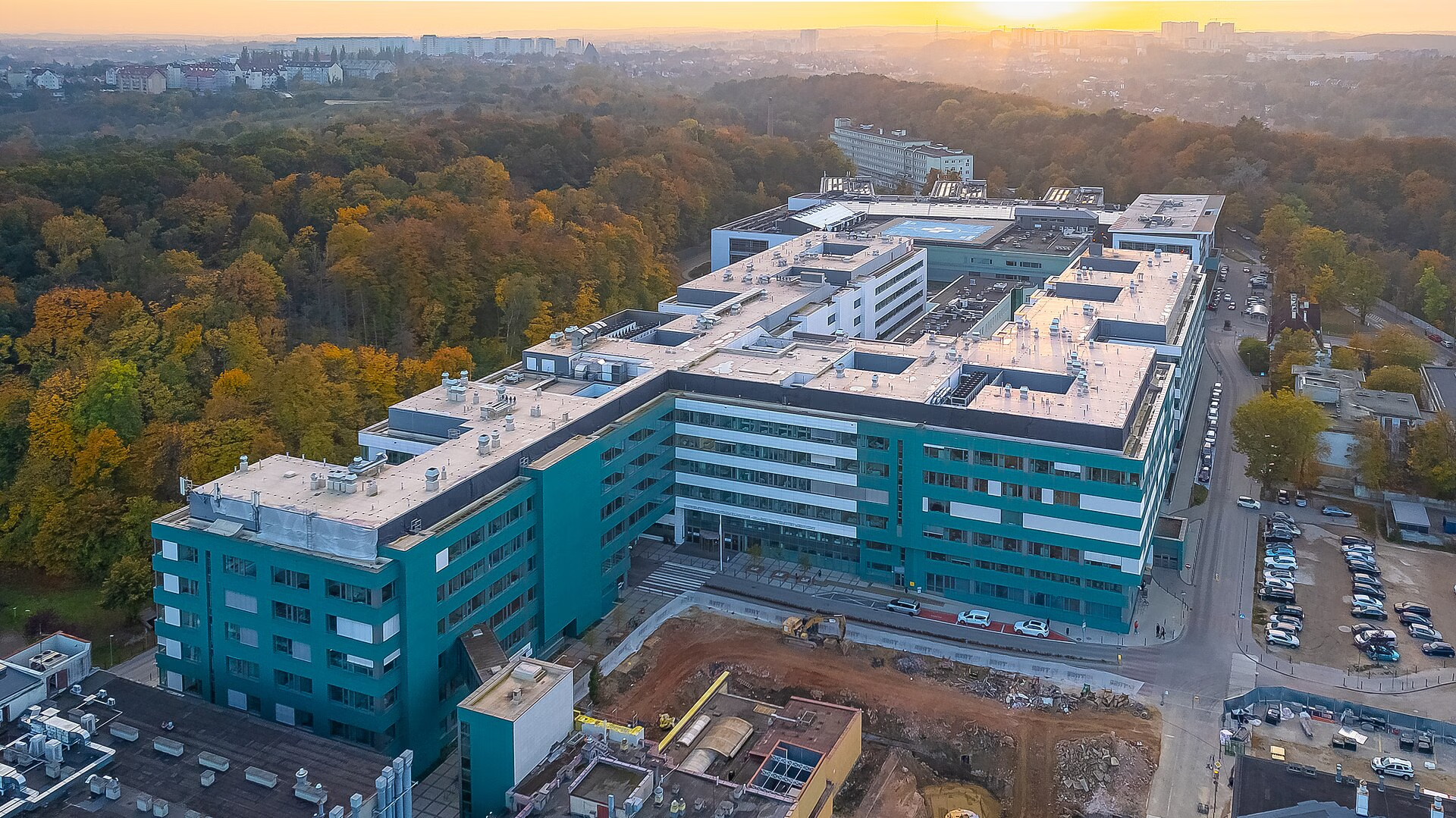
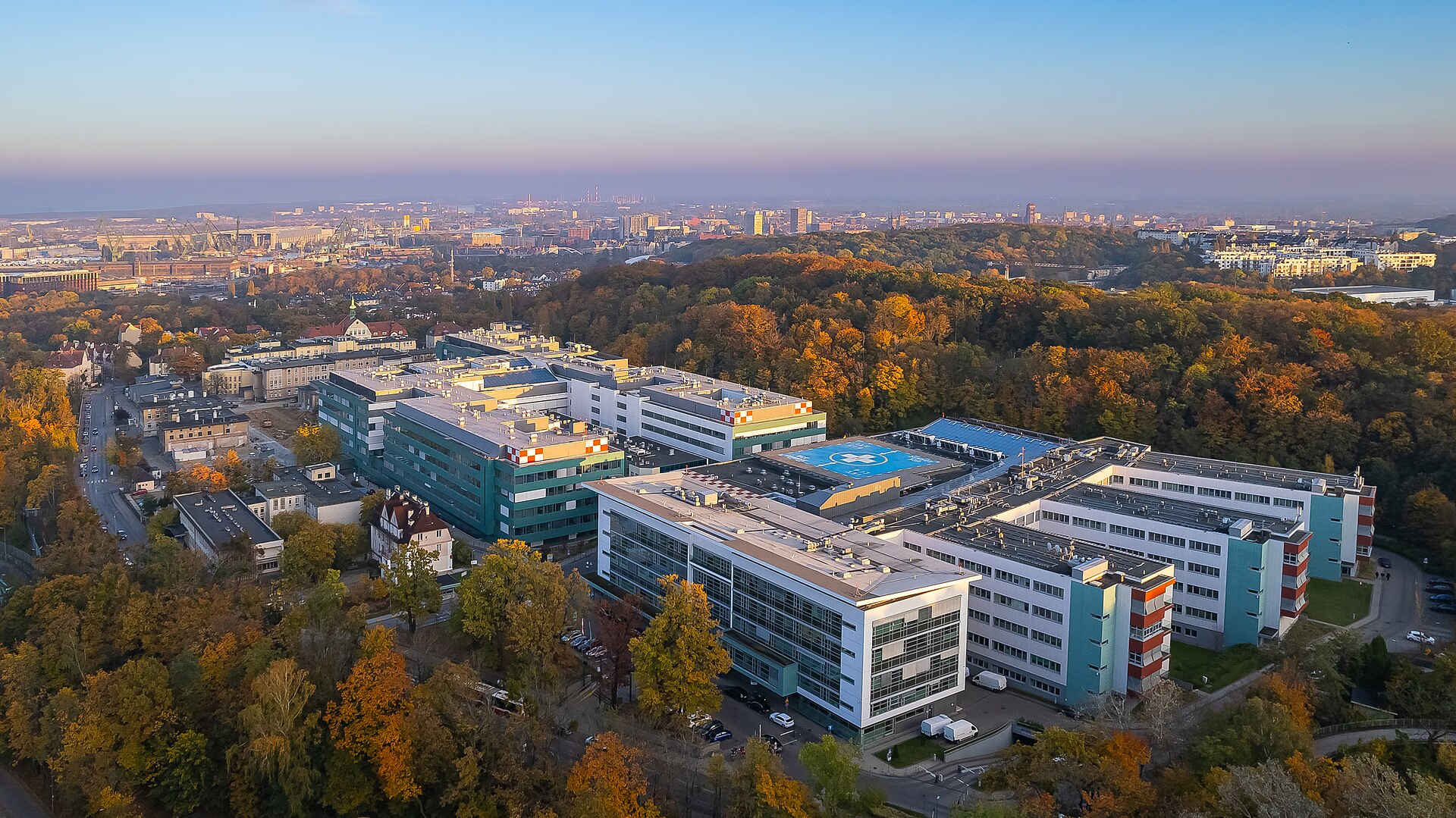
University Clinical Center in Gdańsk is one of Poland’s largest hospitals, combining specialist care with access to university expertise and clinical research.
Historic Site with Early-20th-Century Roots
The hospital complex at ul. Debinki was put into use in 1911 (as a municipal hospital), later becoming the clinical base of the university medical institution after WWII.
High-Impact Transplant Unit
504 transplant surgeries were performed in 2024, with a detailed breakdown: 17 heart transplants, 50 lung transplants, 78 liver transplants, 129 kidney transplants, 159 bone marrow transplants, and 71 corneal transplants.
Robotic Surgery Adoption
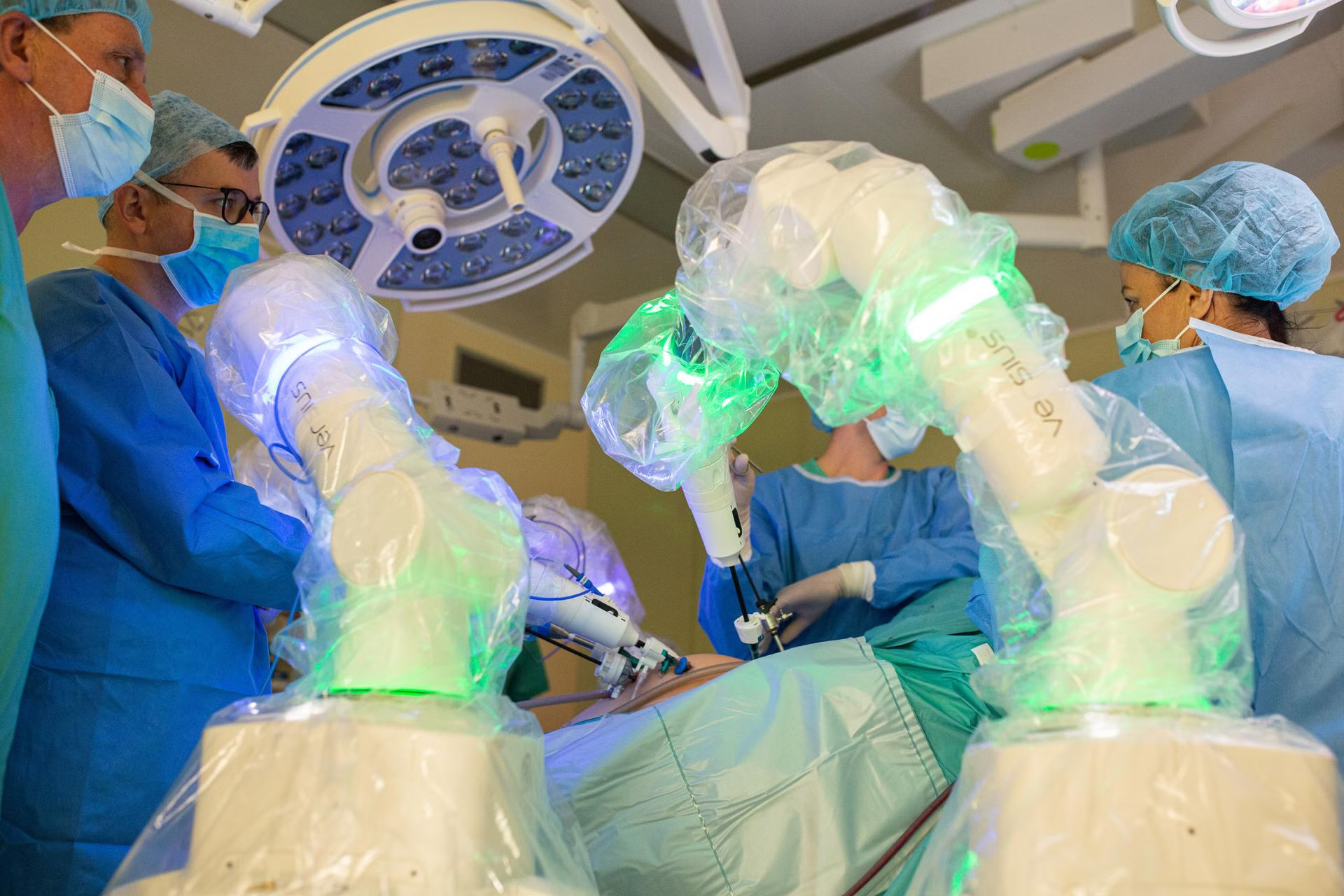
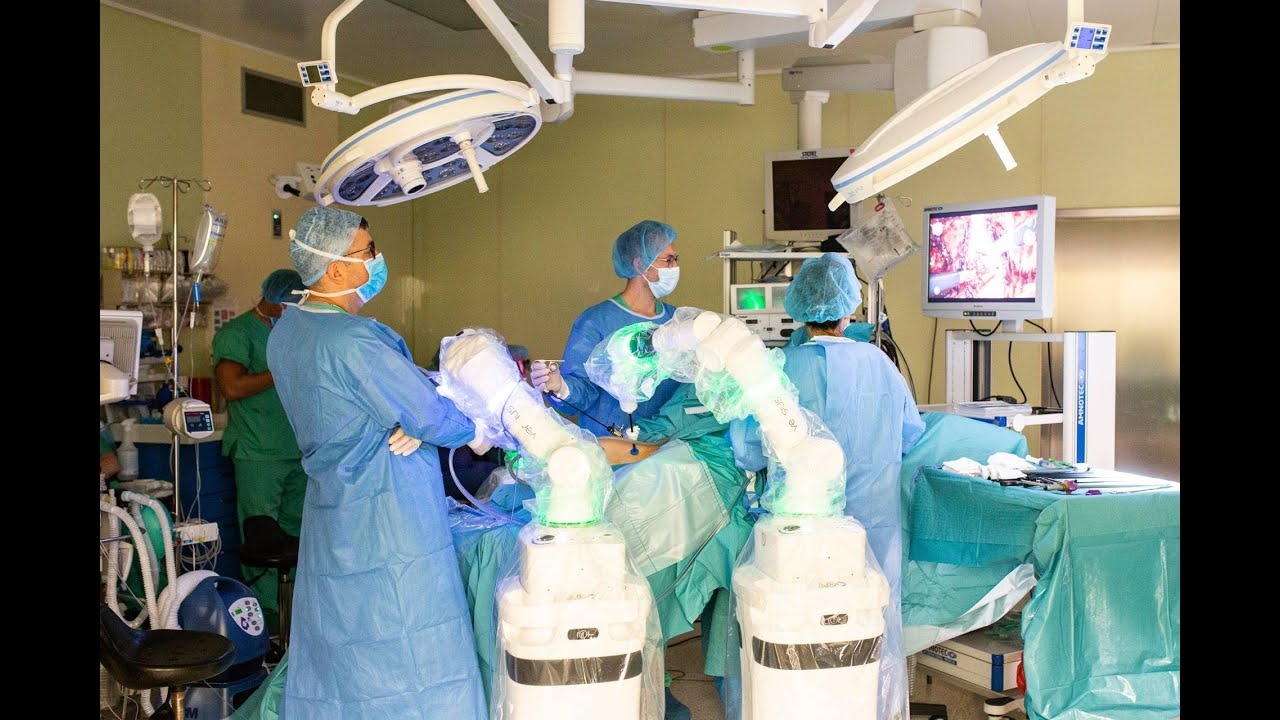
The Da Vinci system was introduced at the facility in July 2024 and reached the 101st robot-assisted gynecologic operation by early 2025 (with shorter hospital stays and faster recovery compared with conventional approaches).
Major Surgical Capacity
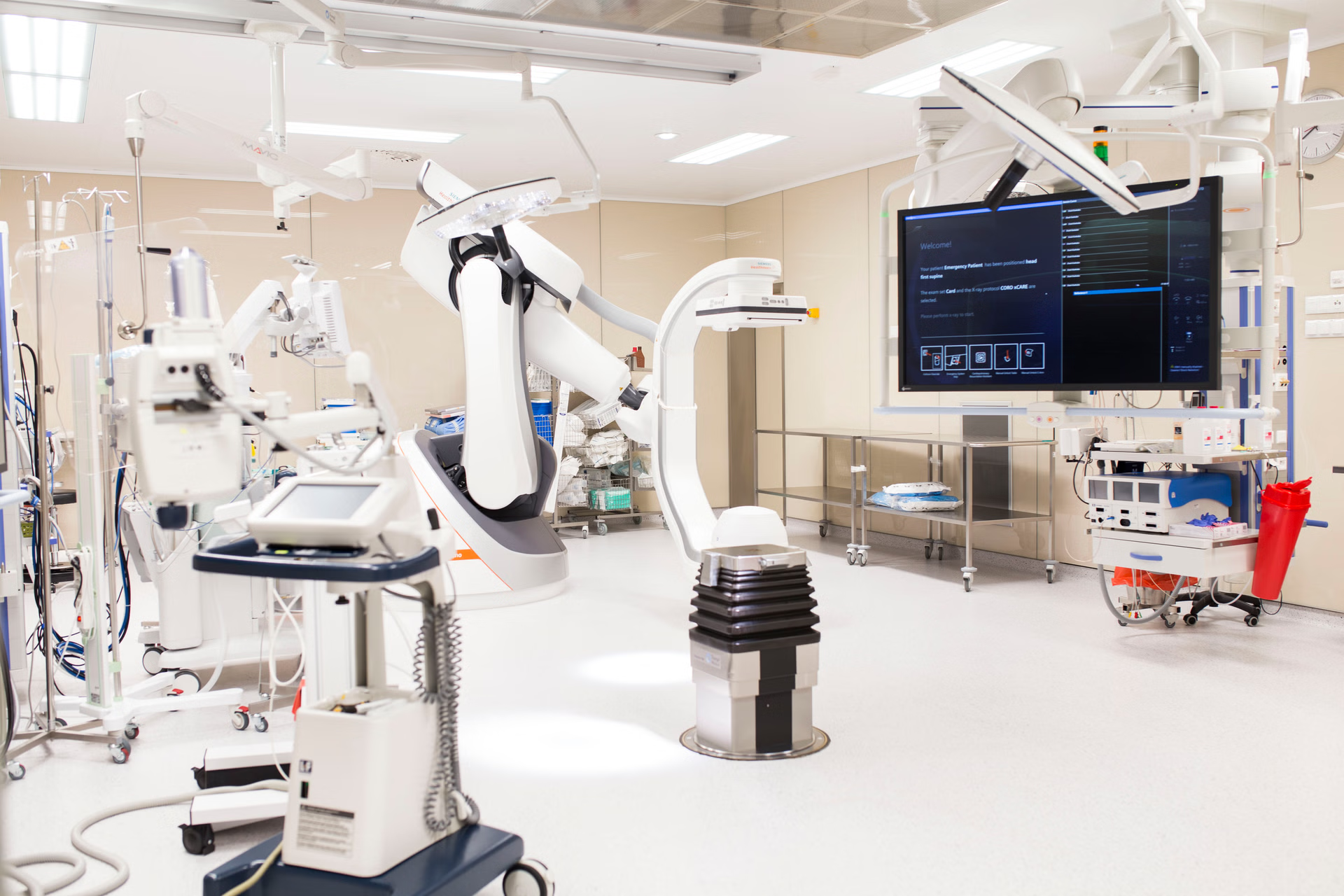
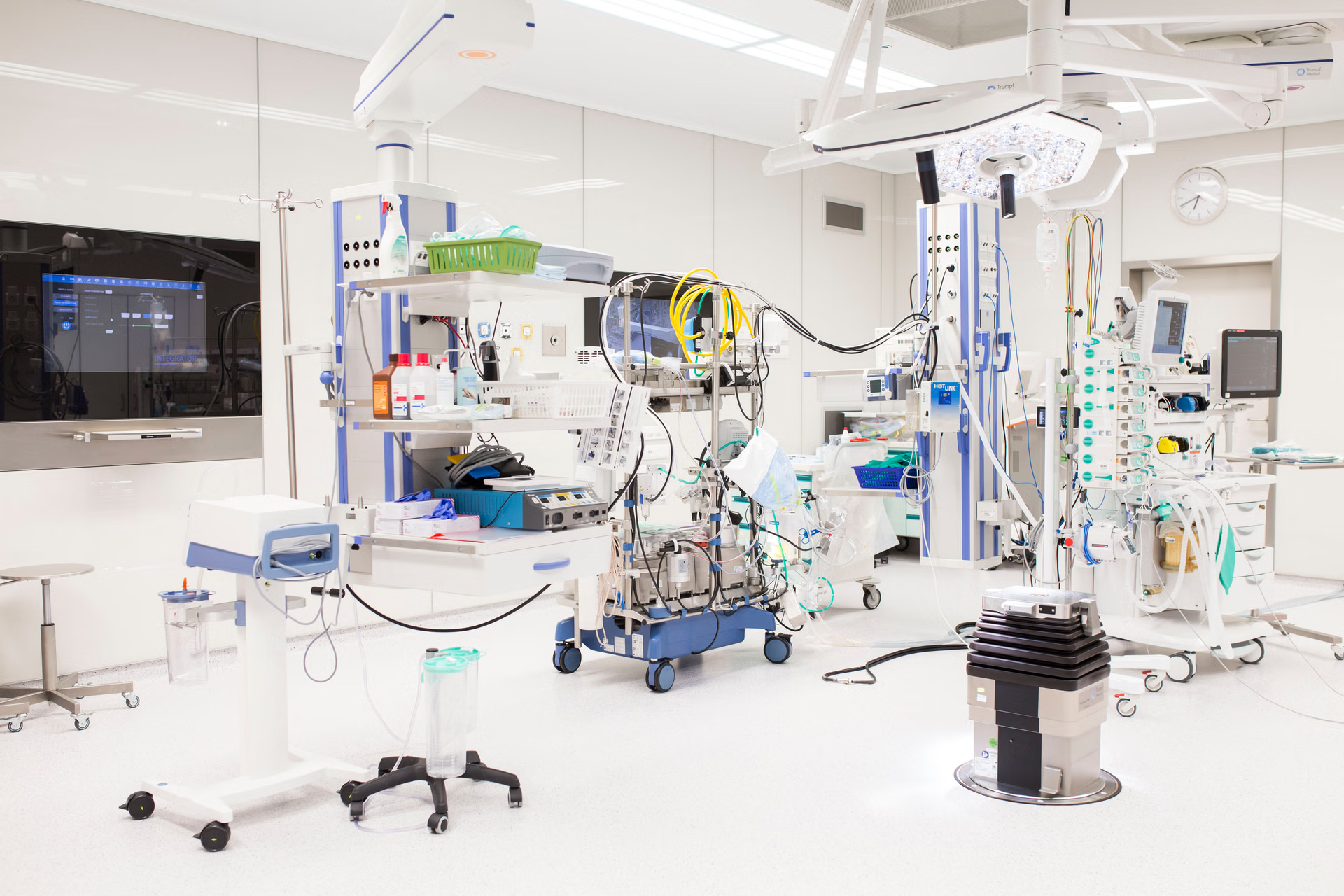
25 operating theatres across two core clinical buildings. The operating complex includes 25 operating rooms, split between 15 in the center for invasive medicine and 10 in the center for non-invasive medicine, supporting parallel streams of elective and urgent surgery.
International Benchmarking Visibility
In Newsweek & Statista's World’s Best Hospitals Poland list, University Clinical Center Gdańsk was ranked #2 in Poland, with a high reported score.
Digital-Health Development
The hospital describes projects such as AMBe, which pilots e-health solutions for cancer care, including at-home treatment monitoring and e-rehabilitation, to improve continuity of care and outcomes for cancer survivors.
Early-Phase Clinical Trials Capability
The hospital operates an early-phase clinical trials center, which evaluates the safety and effectiveness of modern therapies, and the team reported its official opening in 2019. The unit’s location supports access to critical infrastructure (e.g., ICU, PET/MRI/CT) essential for early-phase research pathways.
About the clinic
University Clinical Center Gdańsk (UCK) has developed into a major tertiary-care institution where highly specialized medicine is closely connected with clinical research and the academic environment of the Medical University of Gdańsk. Its clinical profile is unusually broad, but several areas stand out because of the hospital’s ability to manage patients whose treatment requires multiple specialist disciplines working together: complex oncology, thoracic and cardiovascular surgery, gastroenterology, transplantation, neurology, and interventional cardiology, where the facility increasingly combines established procedures with technologies being introduced through clinical research. Specialist physicians participate in medical education and research alongside their clinical responsibilities, while the hospital provides an environment for clinical trials and the introduction of new medical technologies. This academic setting is particularly relevant in fields where treatment methods are evolving rapidly. A distinctive feature of the facility is its active development of minimally invasive surgery. The hospital has expanded advanced approaches in gastrointestinal and oncological surgery, including minimally invasive treatment for esophageal cancer. These procedures can combine thoracic and abdominal stages through small surgical access points, reducing the extent of conventional surgical access. The program is supported by preoperative preparation, which can include nutritional optimization and physical conditioning, creating a broader perioperative pathway around complex cancer surgery rather than focusing exclusively on the operation itself. The transplantation program is another important part of UCK's specialist profile. The center performs transplantation across several organ systems and has been introducing techniques designed to improve the assessment and preservation of donor organs. Its liver program uses machine-assisted organ perfusion in selected cases, allowing a donor organ to be assessed and supported under controlled conditions before transplantation. This technology can expand the possibilities for using organs that might otherwise be considered unsuitable or borderline for conventional transplantation. University Clinical Center in Gdańsk has also developed advanced approaches in lung transplantation. Its profile includes ex vivo lung perfusion, in which donor lungs are connected to a specialized perfusion system outside the body. The technique allows selected organs to be evaluated and, where appropriate, rehabilitated before implantation. It is an additional pathway to expand the pool of potentially transplantable lungs and illustrates the center's emphasis on applying complex technologies to address practical limitations in transplantation. Cardiovascular medicine at the hospital combines established interventional and surgical treatment with the evaluation of emerging technologies. The cardiology teams have been involved in robotic-assisted coronary procedures, while cardiac surgeons have developed minimally invasive approaches for selected cardiac operations. These programs are supported by specialist cardiovascular diagnostics and multidisciplinary collaboration, enabling patients with complex coronary or structural heart disease to be considered for various treatment strategies within the same academic environment. The laboratory infrastructure provides another important foundation for its clinical work. Its central clinical laboratory performs millions of diagnostic tests and uses increasingly automated systems for laboratory processing. The clinic has also developed technological solutions for continuous monitoring of hospitalized patients, with the aim of recognizing deterioration earlier and allowing clinical teams to intervene more rapidly. Innovation at the center extends beyond operating rooms to include the diagnostic and monitoring systems that support everyday patient care. Emergency medicine is integrated with the hospital's high-complexity specialist services. The clinical emergency department treats patients with serious acute conditions, including cardiovascular and neurological emergencies, and forms part of the trauma-care system for the Pomeranian region. This connection is particularly important because critically ill patients can move rapidly from emergency assessment to specialist cardiology, neurology, surgery, intensive care or other tertiary services without leaving the institutional environment. Women's health is another substantial component of the clinical activity. The obstetric and gynecological services provide care ranging from routine pregnancy management to complex high-risk pregnancies requiring advanced prenatal diagnostics and specialist fetal assessment. The hospital also provides multidisciplinary management of gynecological disorders, including dedicated care pathways for conditions such as endometriosis and services addressing the needs of younger patients.
Gallery
2025-12-17T14:58:39.000Z
2025-12-17T14:58:39.000Z
2025-12-17T14:58:39.000Z
2025-12-17T14:07:49.000Z
2025-12-17T14:07:34.000Z
2025-12-17T14:07:34.000Z
2025-12-17T14:58:39.000Z
2025-12-17T14:58:39.000Z
2025-12-17T14:58:39.000Z
2025-12-17T14:07:49.000Z
2025-12-17T14:07:34.000Z
2025-12-17T14:07:34.000Z
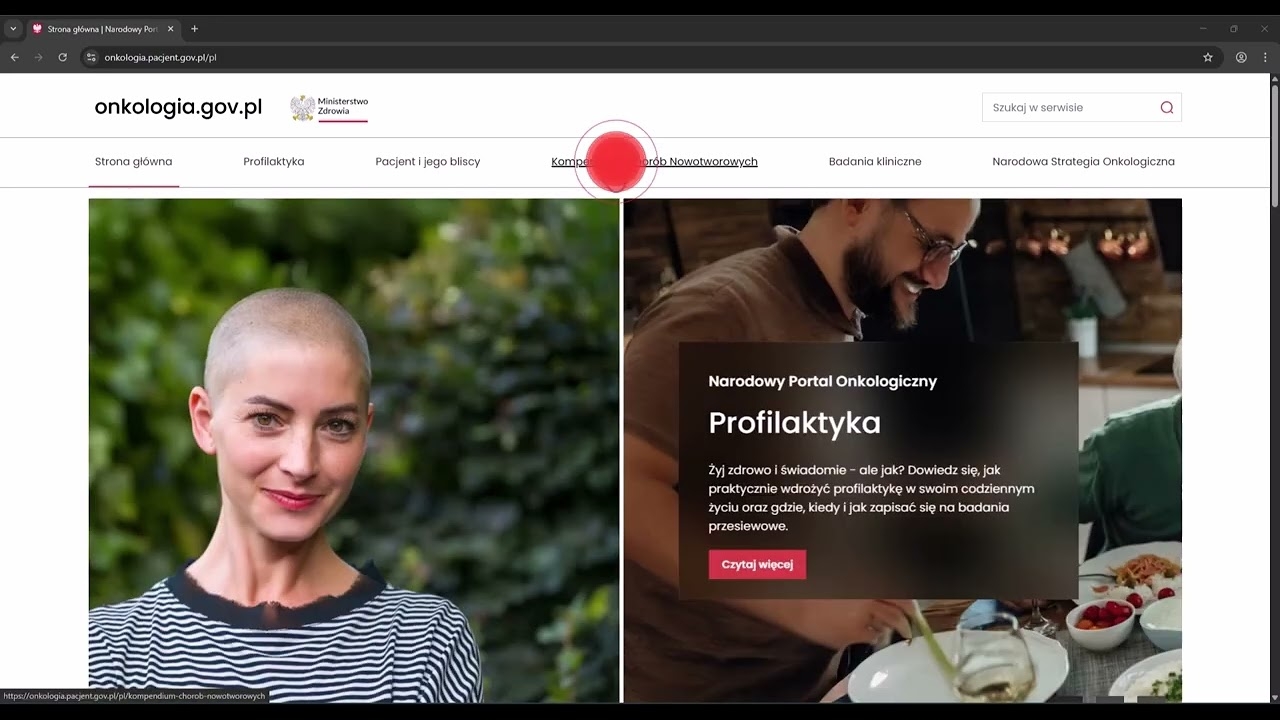
National Oncology Portal - instruction
2025-12-16T21:20:25.000Z
National Oncology Portal - instruction
Sociotechnics
2025-12-16T21:19:34.000Z
Sociotechnics
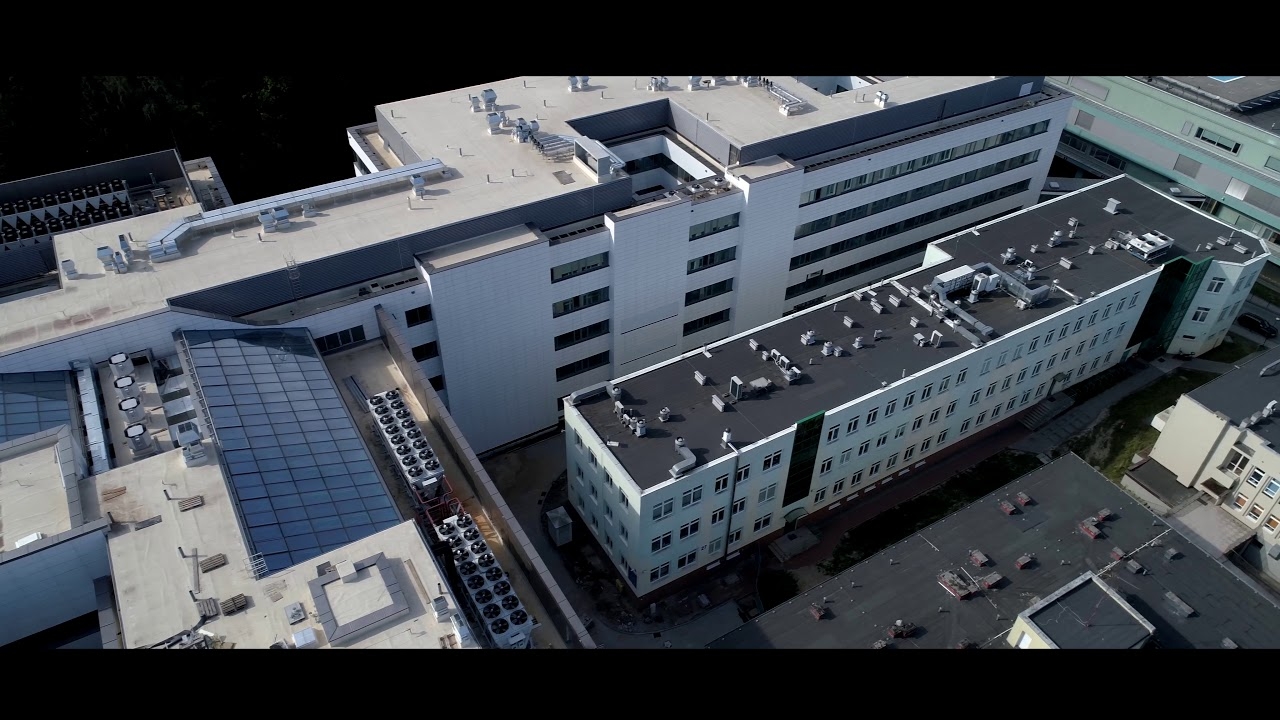
University Clinical Center in Gdańsk
2025-12-16T21:19:08.000Z
University Clinical Center in Gdańsk
UCK _ University Clinical Center in Gdańsk
2025-12-16T21:18:42.000Z
UCK _ University Clinical Center in Gdańsk
Early Response Team at UCK
2025-12-16T21:18:03.000Z
Early Response Team at UCK
Robot-assisted laparoscopic surgery at the University Clinical Center
2025-12-16T21:17:42.000Z
Robot-assisted laparoscopic surgery at the University Clinical Center
Extra services
Visa Support
Parking Space
24/7 medical assistance
Pastoral Care
Intensive Care Unit
On-Site Pharmacy
Cafeteria
Kids' Play Zone
ATM / Banking
Accessibility Features
Digital Health Records
Location
Dębinki 7/952, 80-211 Gdańsk, Poland
FAQ
What is University Clinical Center Gdańsk?
It is the teaching hospital affiliated with the Medical University of Gdańsk, operating as a multispecialty academic hospital that combines patient care with university teaching.
How is the hospital linked to the Medical University of Gdańsk (GUMed)?
The clinic is explicitly described as the primary teaching hospital of the Medical University of Gdańsk, meaning it serves as the university’s clinical base for delivering care alongside academic activity.
What is the rating of the clinic?
University Clinical Centre Gdańsk is rated as 9.60 by AiroMedical.
What do patients say about University Clinical Centre Gdańsk?
The clinic has 1,000 feedbacks at other places. The UserScore of the hospital is 97%.