Logo image

The National Center for Oncological Hadrontherapy

The National Center for Oncological Hadrontherapy
9.50

Pavia, Italy

97
User ScoreRatingPrice RangeMedia FilesCertificatesFounded InPatientsDepartmentsOwnershipClinical trialsAge GroupClinic TypeType of CareSizeOnline Consultations
93%9.5/10$$$97820115001 medical unitState hospitalConduct clinical trialsKids, AdultsSpecializedOutpatientLargeYes

Overview

Size

Large

Clinic type

Specialized

Type of care

Outpatient

Age group

Kids, Adults

Certificates

Features & Facts

Global position
One of only six centers worldwide treating tumors with both protons and carbon ions; the fourth such center in Europe.
Unique technology
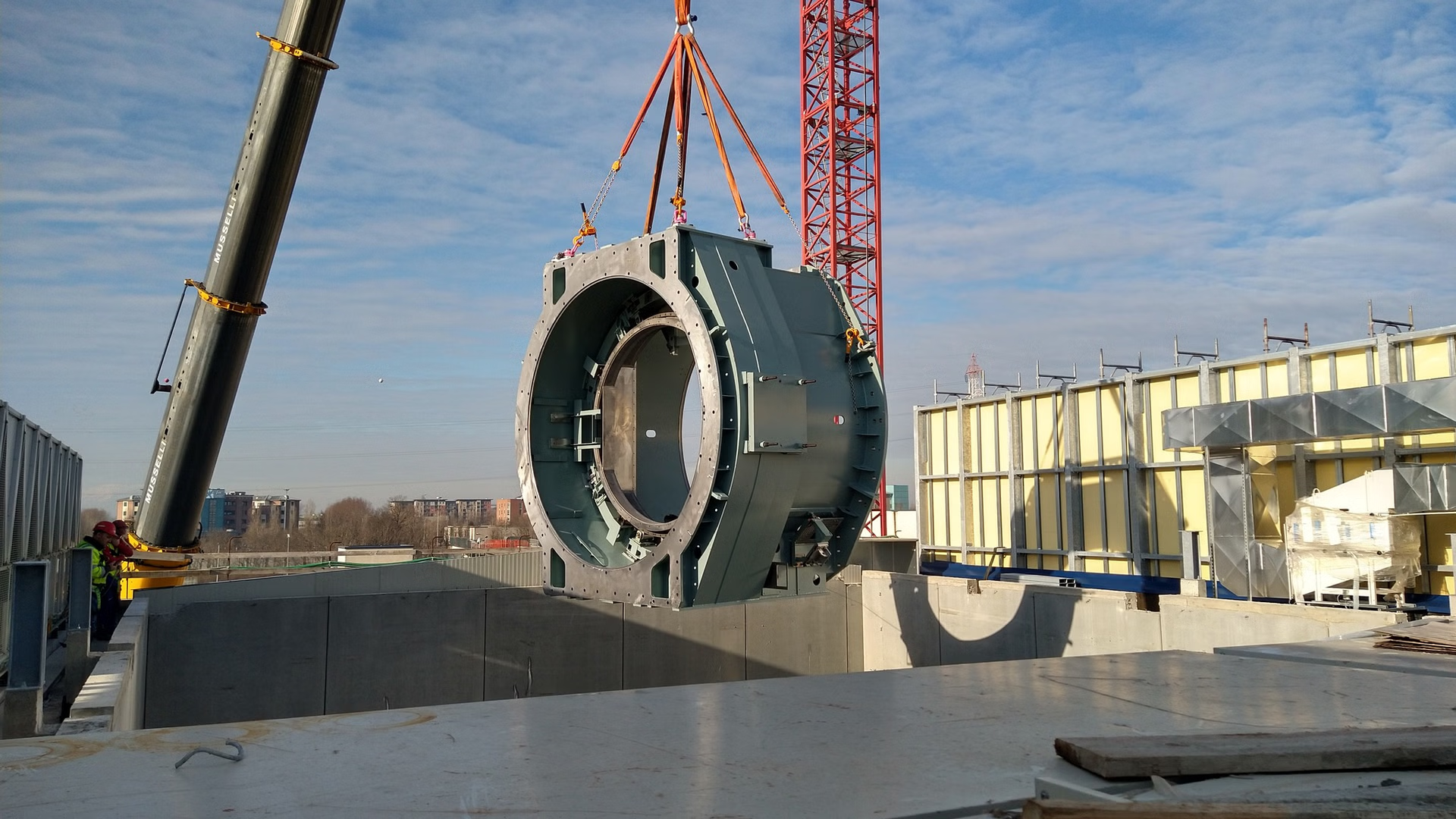
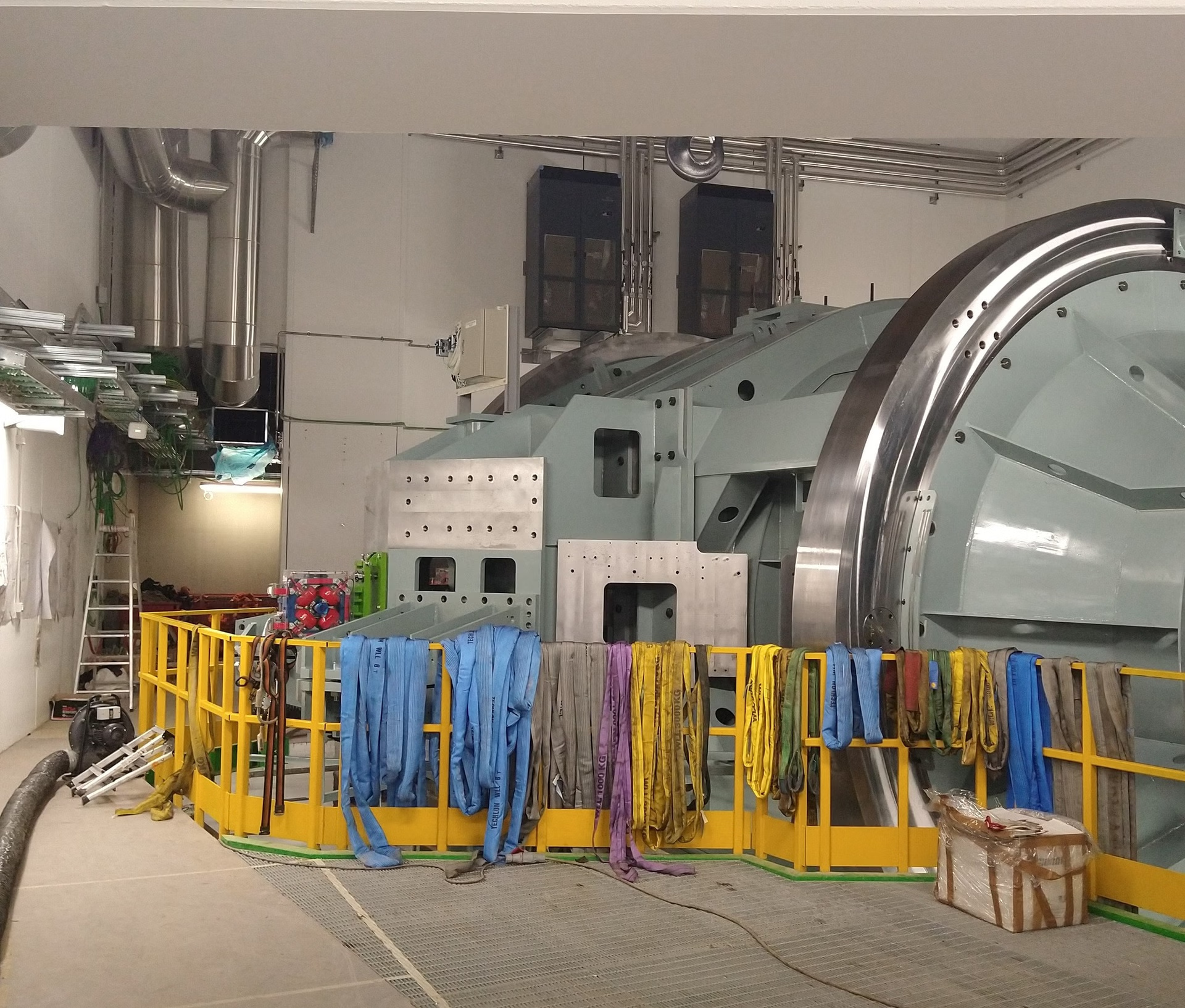
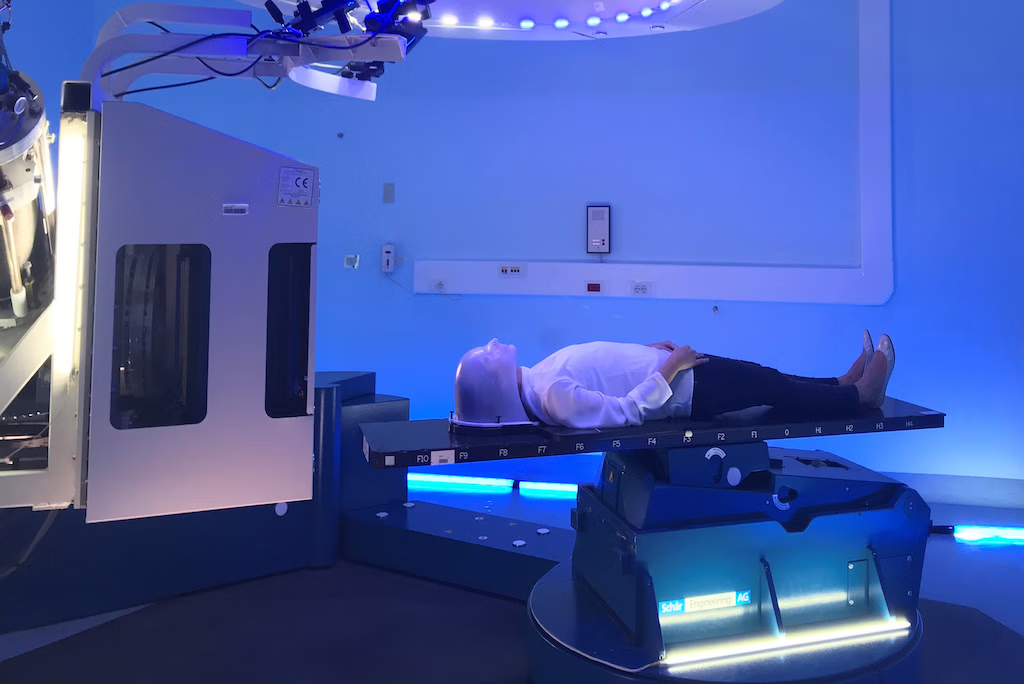
Houses Italy’s only synchrotron dedicated to hadrontherapy, a 25 m-diameter, 80 m-circumference ring in a heavily shielded bunker.
Research & innovation
Acts as a significant research and development center, with work spanning clinical trials, radiobiology, medical physics, and accelerator technology.
Clinical activity
Focuses on solid tumors that are inoperable or resistant to conventional radiotherapy, including skull-base, brain, spinal, head and neck, thoracic, abdominal, pelvic, limb, and selected pediatric tumors.
Certification & safety
CNAO is a CE-labelled medical device for hadrontherapy; at the time of accreditation, it was the only dual proton–carbon center with such status.

About the clinic

The National Center for Oncological Hadrontherapy (CNAO) in Pavia, Italy, is a specialized cancer center focused on treating complex tumors that are difficult to operate on or resistant to standard radiotherapy. It uses advanced hadrontherapy with both protons and carbon ions, making it the only center in Italy – and one of very few worldwide – to offer both particle types in a single facility. Based in Pavia, roughly 30 minutes from Milan, CNAO is part of the Italian National Health Service. Since January 1, 2014, hadrontherapy has been included among reimbursed treatments, so eligible patients from all over Italy (and, in specific contexts, from abroad) can access this highly targeted form of radiotherapy. By carefully shaping beams of charged particles to the tumor, CNAO aims to deliver high doses to cancer cells while better preserving surrounding healthy tissue and potentially lowering the risk of radiation-induced secondary cancers compared with conventional X-ray techniques. CNAO treats a wide variety of tumors, including brain and skull-base tumors, spinal tumors, head and neck cancers, thoracic, abdominal, pelvic, and limb tumors, as well as selected pediatric solid cancers, often in situations where surgery is not an option or standard radiotherapy is insufficient. Alongside its clinical activity, CNAO is a necessary research and innovation center. It operates its own synchrotron, an 80-meter circular accelerator that produces proton and carbon-ion beams, and supports extensive radiobiological and translational research. Its teams work on refining clinical indications, improving dose delivery, and exploring new particle types and technologies (such as BNCT and additional ion species). CNAO is also active in education and public engagement through guided visits, virtual tours, and outreach initiatives, positioning itself as both a state-of-the-art treatment center and a national leader in oncologic innovation.

Departments & Doctors

Radiotherapy
Dr. Ester Orlandi

head & neck tumors, oncological radiotherapy

Gallery
Extra services

Language Assistance
Telemedicine
Parking Space
Cafeteria
Accessibility Features

Location

Via Erminio Borloni, 1, 27100 Pavia PV, Italy

FAQ

What technology does CNAO use?

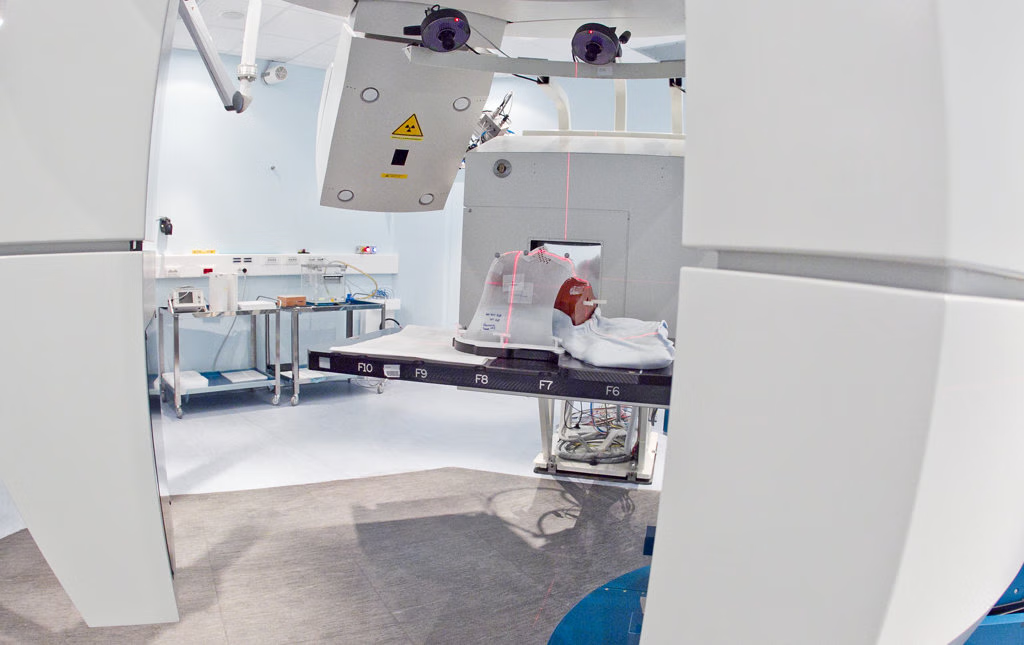
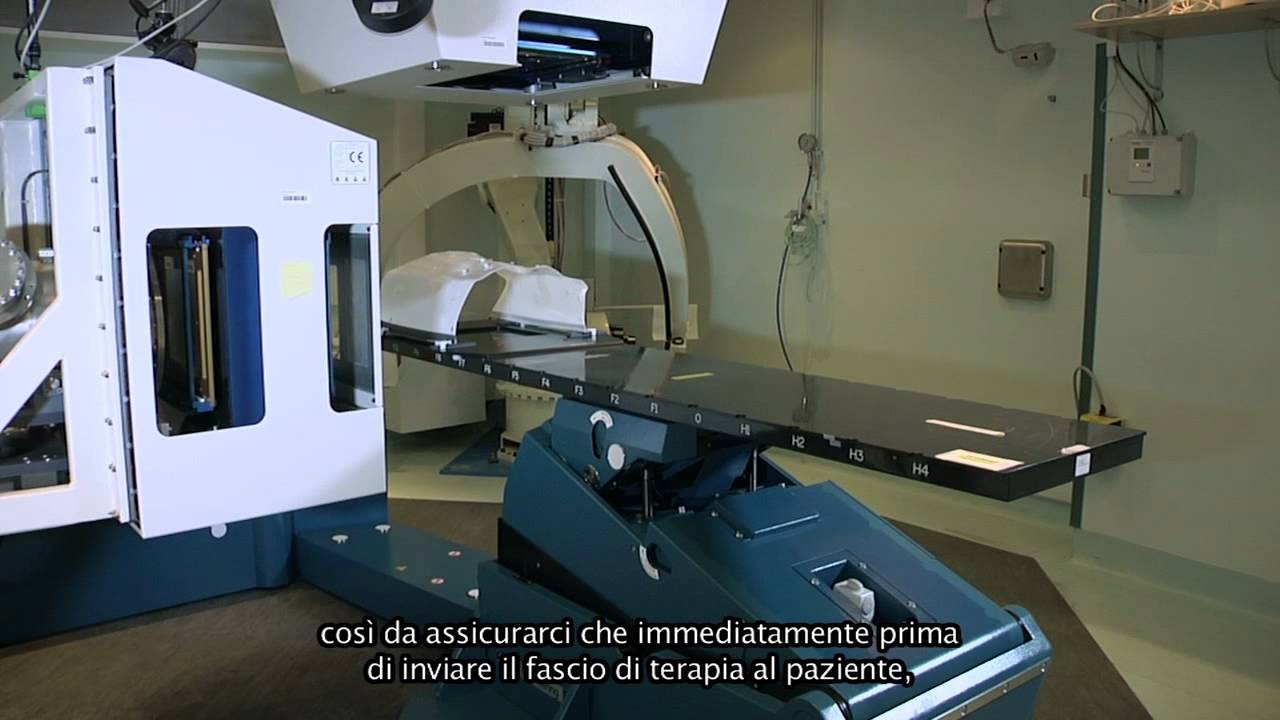
The center uses a large synchrotron accelerator to generate proton and carbon-ion beams that are guided into three clinical treatment rooms and one research room. It employs advanced pencil-beam scanning and motion-management techniques (gating, repainting) to treat even moving tumors with high precision.

How does hadrontherapy differ from conventional radiotherapy?

Hadrontherapy uses charged particles (protons and carbon ions) rather than X-rays. These particles deposit most of their energy precisely at a chosen depth (Bragg peak), allowing high doses to the tumor while better sparing surrounding healthy tissues and reducing the risk of radiation-induced secondary tumors.

Which types of tumors are treated at CNAO?

CNAO mainly treats solid tumors that are inoperable or resistant to conventional radiotherapy, including head and neck sarcomas, brain and skull-base tumors, spinal and paraspinal tumors, thoracic and abdominal tumors, pelvic tumors, sarcomas of the extremities, ocular melanoma, gynecologic tumors, liver and pancreatic cancers, and selected pediatric solid tumors or re-irradiation cases.

What makes CNAO unique?

It is the only center in Italy and one of a small number worldwide that can deliver both proton and carbon-ion hadrontherapy at a single facility, and it is a CE-labelled medical device for hadrontherapy.

Why does CNAO use both protons and carbon ions?

Protons allow exact dose shaping, but carbon ions are even more powerful: they deliver higher biological effectiveness, which is especially useful for very aggressive or radio-resistant tumors. Having both options in one center allows doctors to match the particle to the tumor's biological behavior.

What is the rating of the clinic?

The National Center for Oncological Hadrontherapy is rated as 9.50 by AiroMedical.
What is the overall experience of the facility?

The National Center for Oncological Hadrontherapy has been operating since 2011. It has accumulated over 14 years of clinical background.
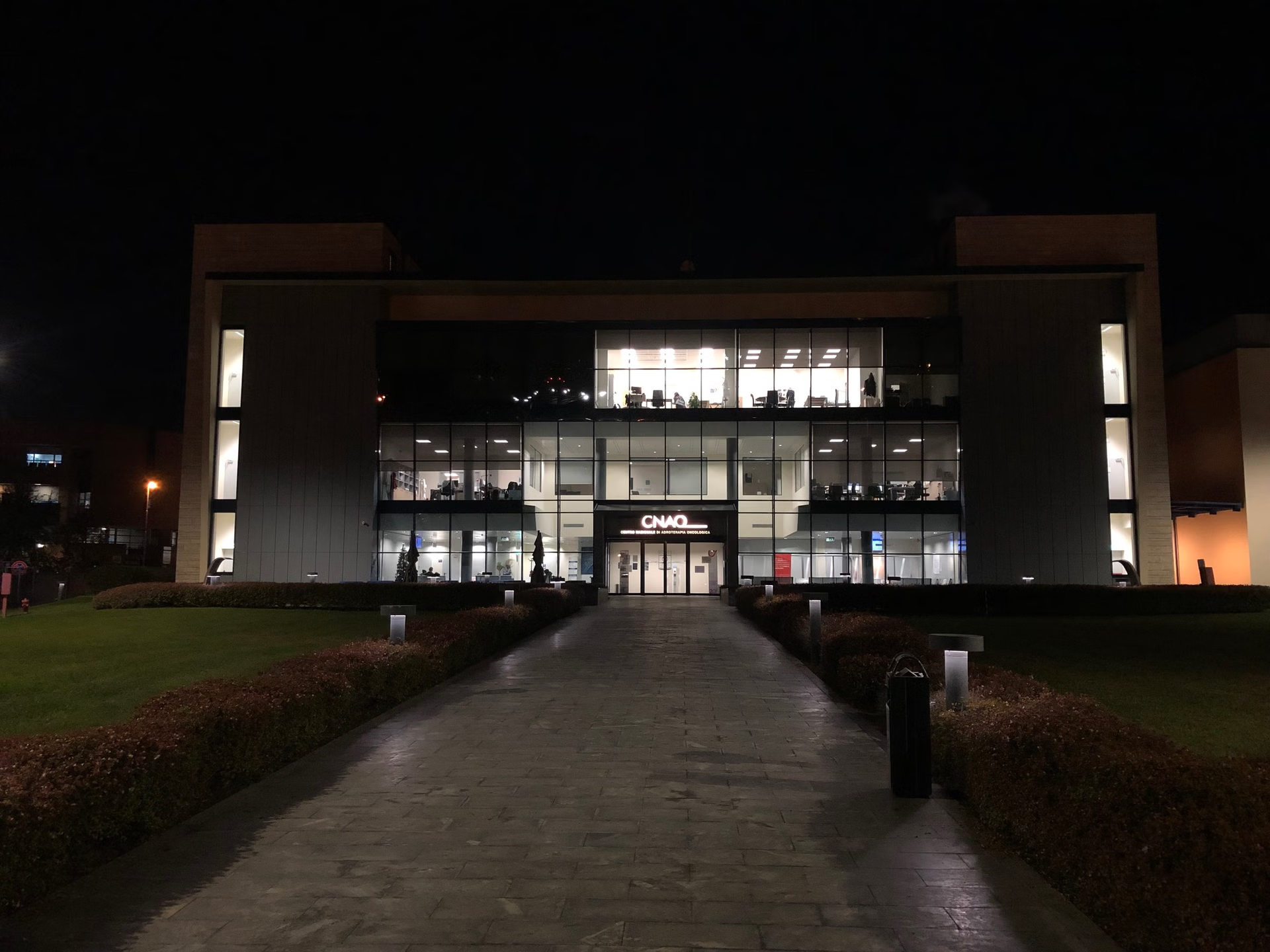
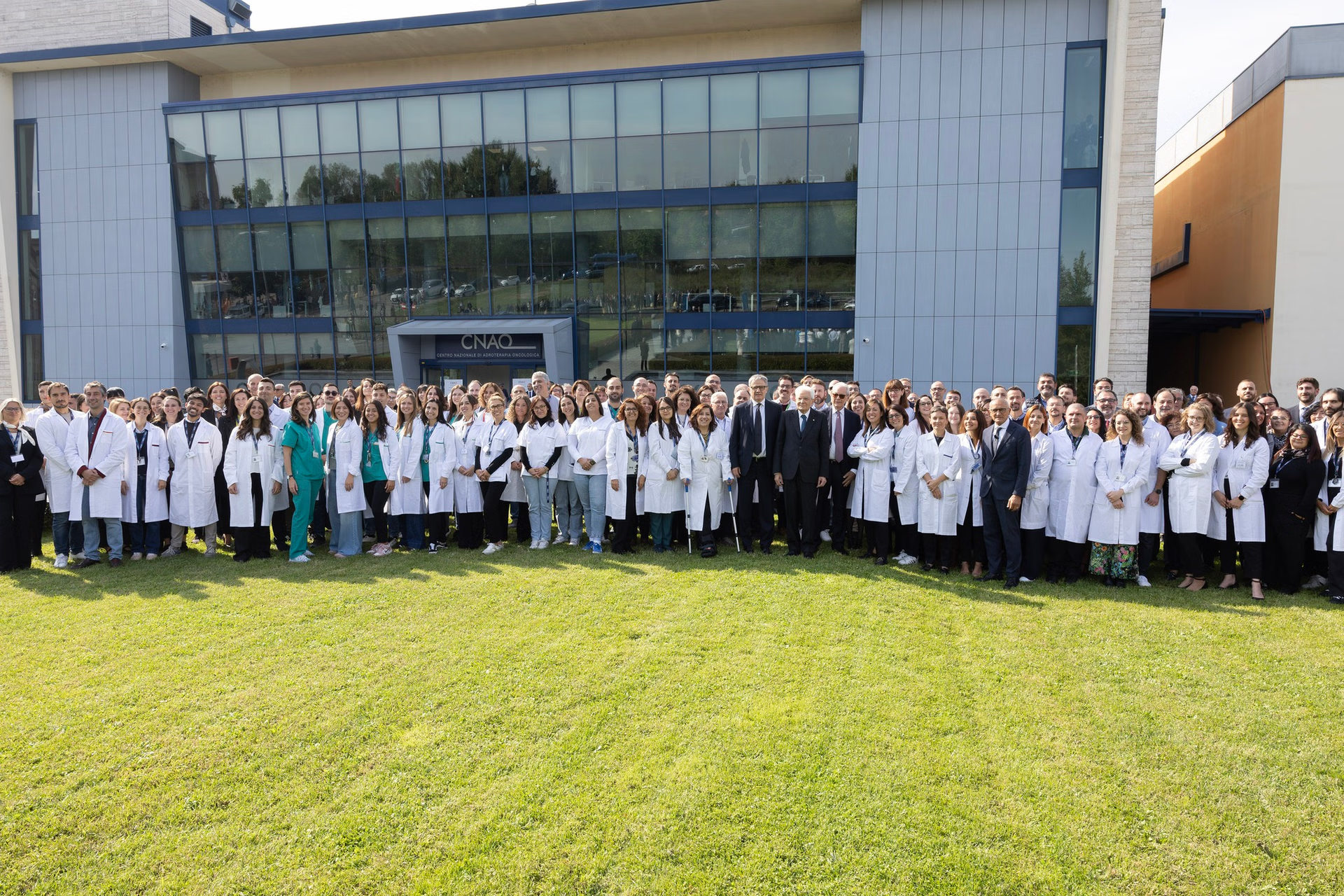
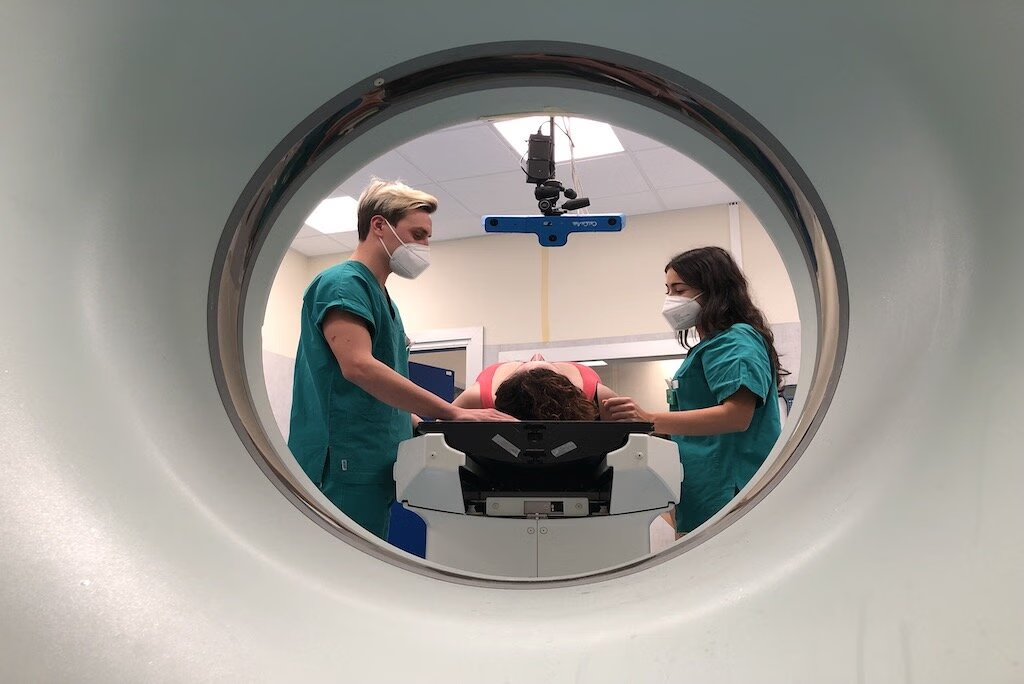
Where can I see the hospital's work, interior space, and exterior?

Does the clinic have certification or recognition?

What is the structure of the hospital?

Where is the clinic located?

The address of the facility is Via Erminio Borloni 1 27100, Pavia, Italy.

Does the hospital offer online consultations?

Yes, The National Center for Oncological Hadrontherapy performs virtual appointments and offers a second medical opinion service.

What age range of patients can be admitted to the clinic?

The hospital accepts patients of all ages.

What type of stay is offered at The National Center for Oncological Hadrontherapy?

The clinic offers only outpatient services. It is not possible to stay overnight at the hospital.

The National Center for Oncological Hadrontherapy

Get individual treatment plan and cost estimate. Non-binding 100% free assessment.

© The National Center for Oncological Hadrontherapy

Similar clinics