Logo image

Seta Clinic Tokyo

Seta Clinic Tokyo
9.50

Tokyo, Japan

19
User ScoreRatingPrice RangeMedia FilesCertificatesFounded InPatientsOwnershipAge GroupClinic TypeType of CareSizeOnline Consultations
89%9.5/10$$$1931999870Private hospitalKids, AdultsSpecializedOutpatientSmallYes

Overview

Size

Small

Clinic type

Specialized

Type of care

Outpatient

Age group

Kids, Adults

Certificates

Features & Facts

Experienced provider
The clinic positions itself as an early specialized provider of cancer immuno-cell therapy in Japan, with operations starting in March 1999.
Comprehensive immunotherapy options
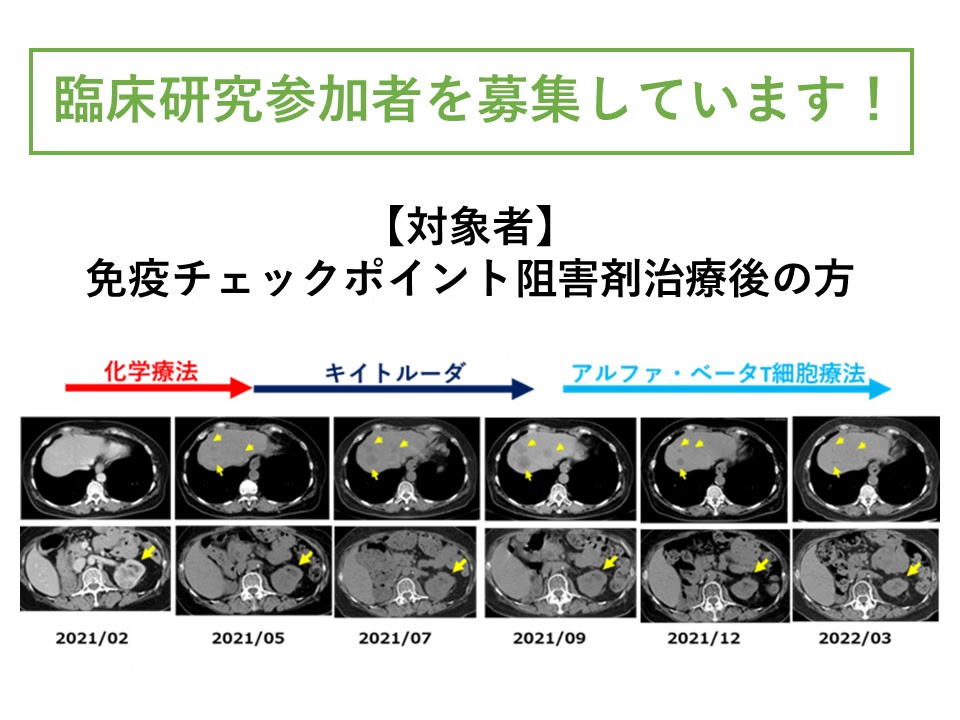
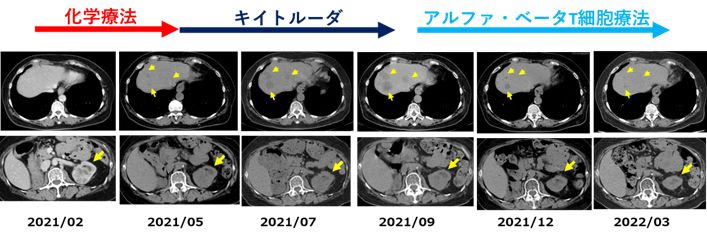
They are as follows: dendritic cell cancer vaccines (DCT), NKT cell therapy, alpha-beta T cell therapy, gamma delta T cell therapy, and NK cell therapy. An appropriate type of immuno-cell therapy for each patient, based on condition and primary treatment.
DC vaccine therapy in 3 delivery formats
The clinic uses tumor lysate from surgery, synthesized peptides (a conjunction of several to some dozen amino acids), or direct local injection for individual dendritic cell therapy.
Large cumulative treated population
The clinic states it has treated more than 23,000 patients (including patients from partner medical institutions) over the period from April 1999 to September 2025.
Detailed case mix by cancer type
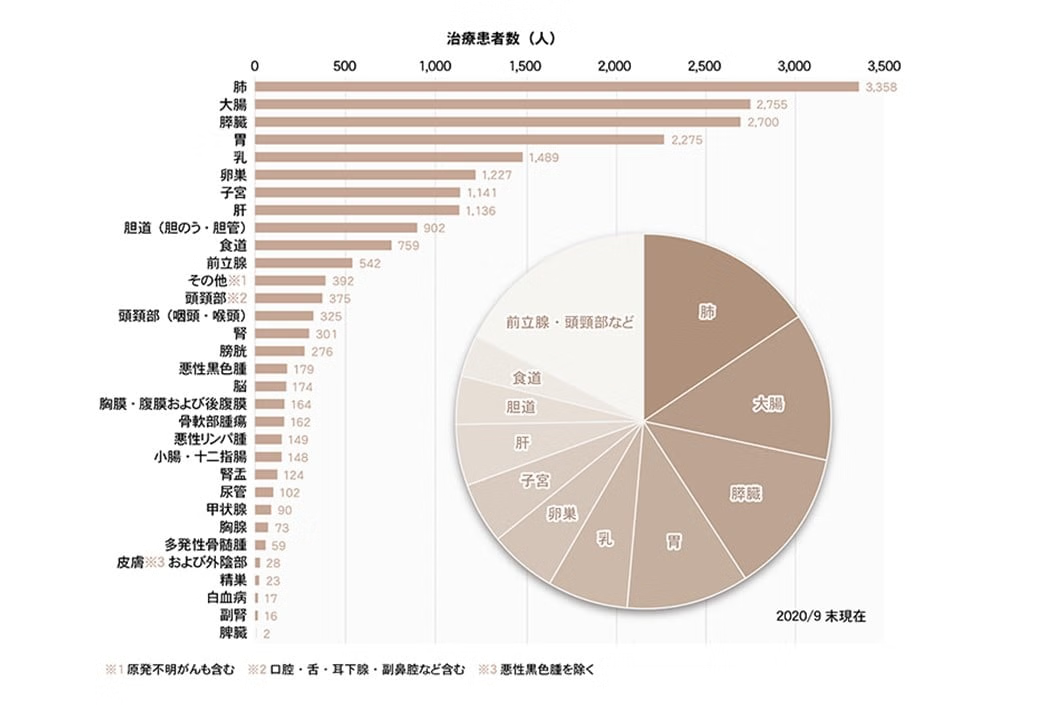
As of the end of September 2025, the clinic publishes treated-patient counts by site, including lung (3,488), pancreas (2,949), colorectal (2,924), stomach (2,337), breast (1,582), ovary (1,281), uterus (1,197), and liver (1,187), among many other categories.

About the clinic

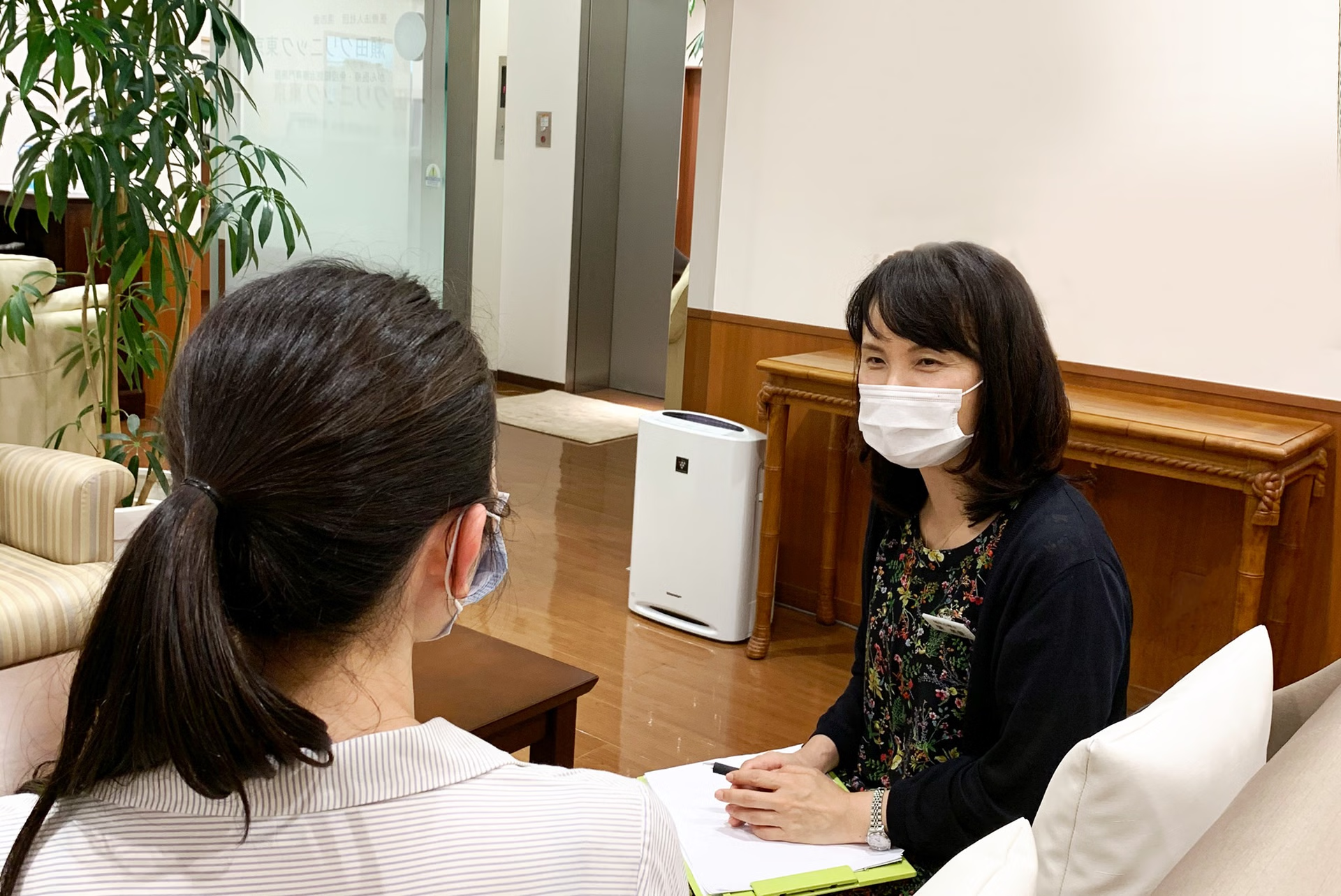
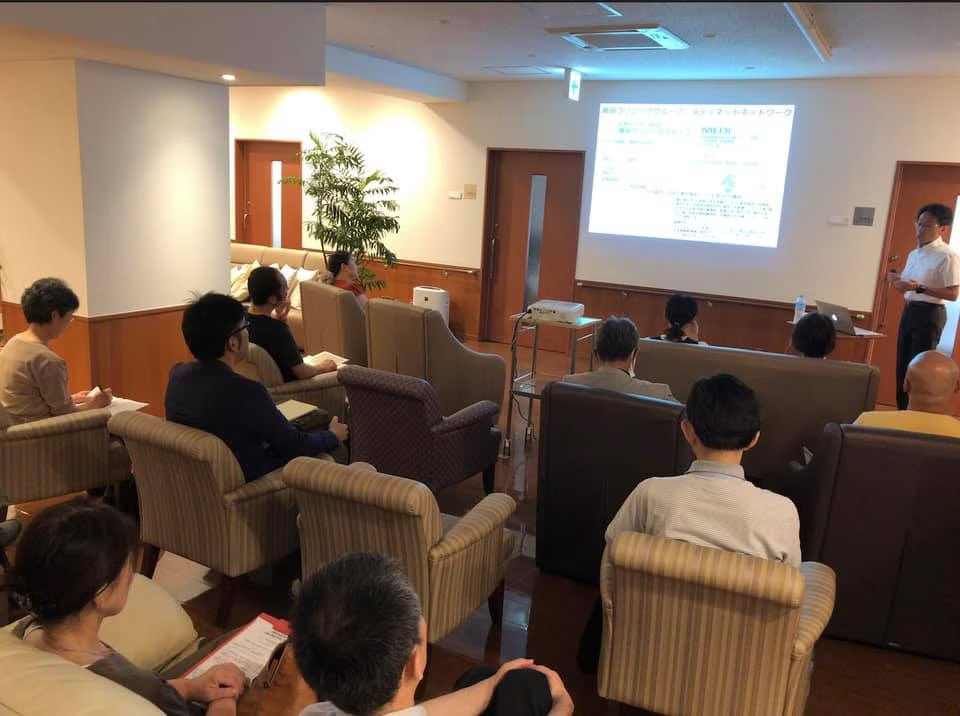
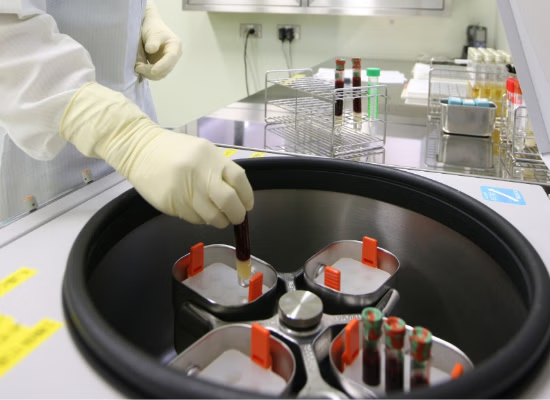
Seta Clinic Tokyo is presented as a specialty medical clinic focused on cancer care using immuno-cell therapy, a cell-based approach that uses a patient’s own immune cells. The clinic positions this as a systemic treatment option intended to support cancer management while prioritizing quality of life and aiming for comparatively limited adverse effects relative to many conventional systemic therapies. The clinical concept described centers on collecting immune cells from the patient, processing and expanding or activating them outside the body in a controlled cell-processing environment, and then administering the prepared cells back to the patient. The therapy is framed in immunological terms that distinguish between innate and adaptive immunity, and it includes both antigen-specific and antigen-nonspecific strategies, depending on the selected modality. The treatment menu is described as comprising multiple immune-cell modalities, including activated autologous lymphocyte approaches using T lymphocytes, dendritic cell vaccine approaches that aim to induce tumor-specific immune responses through antigen presentation, and specific lymphocyte subsets, such as αβ T-cell and γδ T-cell therapies. Additional immune-cell options described include NK-cell and NKT-cell therapies, with the emphasis that some regimens can be combined, such as pairing NKT-cell approaches with dendritic cell vaccines to engage both innate and adaptive immune responses. The patient pathway begins with a physician consultation that reviews the patient’s disease status and prior treatments and considers whether immuno-cell therapy is appropriate and how it should be positioned relative to other oncologic care. This is followed by blood collection, which may be performed as a standard blood draw or by apheresis, depending on the intended modality and cell type. The collected cells are then cultivated and prepared over roughly two weeks in a specialized processing facility before being administered back to the patient, typically as an outpatient regimen. A significant operational emphasis is placed on the cell-processing infrastructure and quality controls used for handling autologous cells. The processing environment is described as having controlled-room practices consistent with GMP concepts, standardized operating procedures intended to maintain consistent quality across locations, and continuous monitoring of key environmental and incubation conditions. The quality-management narrative also references ISO 9001 certification for supporting services and describes representative cleanroom-related features and equipment used in the cell-processing workflow. Eligibility and care-setting claims include that the therapies are generally positioned as outpatient-based and intended to be compatible with standard oncology care rather than mutually exclusive with it. Specific ineligibility criteria are described, including HIV antibody positivity and prior organ or bone-marrow transplant, and limitations are noted for certain hematologic malignancies. The clinic environment is appointment-based, with an emphasis on enabling longer, detailed discussions about treatment direction and accommodating family participation during consultations. Educational or informational formats, such as online information sessions and follow-up consultation opportunities, are also considered part of patient engagement.

Gallery

Extra services

Telemedicine
Post-Travel Follow-up
Support Groups

FAQ

What is Seta Clinic Tokyo best known for?

Seta Clinic Tokyo is a specialized clinic focused on Immuno-Cell Therapy, offering several immune-cell–based modalities for cancer-related care.

What cancers are covered?

The treatment is offered for most cancer types. Some hematologic (blood) cancers may be excluded, but in general, the clinic treats a broad range of solid tumors. Patients may be seen at different points in their disease course, including early-stage cases as well as recurrence or metastatic disease.

How does the treatment course typically work?

The clinic approach follows a repeating cycle of blood collection, cell cultivation, and infusion. A typical course consists of 6 administrations, performed at 2-week intervals over approximately 3 months.

Could you please tell me more about the treatment?

In this therapy, immune cells are collected from a patient’s blood and then cultivated for roughly two to three weeks. During processing, the cells are activated, and their cancer-targeting activity is increased. The prepared cells are then returned to the body by infusion or, in some cases, injection. Because many people with cancer have suppressed immune function, the goal is to reinforce the patient’s immune response by supplementing it with these activated cells.

How long does each infusion take?

The infusion of cultivated immune cells typically takes about 30 minutes.

I am currently receiving treatment at another hospital, so do I need to be transferred?

In most cases, this therapy can be combined with other ongoing treatments, so transferring hospitals is not usually necessary. Using immunotherapy alongside other modalities may also be expected to provide additive or synergistic benefits, depending on the overall treatment plan.

What scale of immune-cell expansion does Seta Clinic Tokyo aim for?

The clinic is expanding immune cells by approximately 1,000-fold, with processed cell numbers reaching nearly 5 billion cells before infusion.

Is it effective in preventing recurrence after surgery?

Immunotherapy aims to use the immune system’s natural ability to suppress cancer and is therefore considered a potential option to support recurrence prevention after surgery. That said, results differ among individuals, and no treatment can promise complete prevention of recurrence in every case.

Can Immuno-Cell Therapy be combined with chemotherapy, radiation, or surgery?

Yes. The combination with chemotherapy, radiotherapy, or surgery is possible, and synergistic effects may be expected. Each patient’s clinical information is evaluated individually to determine the most appropriate timing and schedule for combined treatment.

Can elderly people be treated?

Because the treatment is low-burden and minimally invasive, it can be considered for anyone who can comfortably attend outpatient visits. There is typically no fixed upper age limit.

How long should the treatment continue?

A common approach is to define one course as approximately six to twelve administrations given every two to three weeks. At the end of the course, response and overall condition are reviewed, and the plan is adjusted—either continuing therapy, stopping, or changing the interval between sessions.

What side effects do we describe, and how common are they?

Side effects are generally mild. Examples include low-grade fever around 37°C and fatigue, which we state occur in approximately 10% of cases.

What kind of tests will be performed?

An immune function blood test is used to assess the current status of the immune system, including the amount and balance of key immune-cell populations, which helps estimate the body’s capacity to mount an anti-cancer response. If surgical tumor tissue or pathology specimens are available, additional evaluations, such as genetic testing or immunohistochemical staining, may be performed to characterize the tumor better. When a dendritic cell vaccine is planned, an HLA blood test may also be performed to identify the patient’s white blood cell type and help select suitable tumor markers.

I am currently undergoing chemotherapy (anti-cancer drug treatment). Can I take this in combination with other therapies?

A combination is generally possible. However, specific chemotherapy regimens can suppress the immune system and reduce white blood cell counts, potentially limiting immune cell expansion or reducing the effectiveness of immune cell therapy. For patients receiving both treatments, the schedule is typically coordinated by reviewing white blood cell counts and the chemotherapy timeline, then selecting the immunotherapy timing to preserve safety and optimize potential benefit.

What is the rating of the clinic?

Seta Clinic Tokyo is rated as 9.50 by AiroMedical.

What is the overall experience of the facility?

Seta Clinic Tokyo has been operating since 1999. It has accumulated over 26 years of clinical background.

Where can I see the hospital's work, interior space, and exterior?

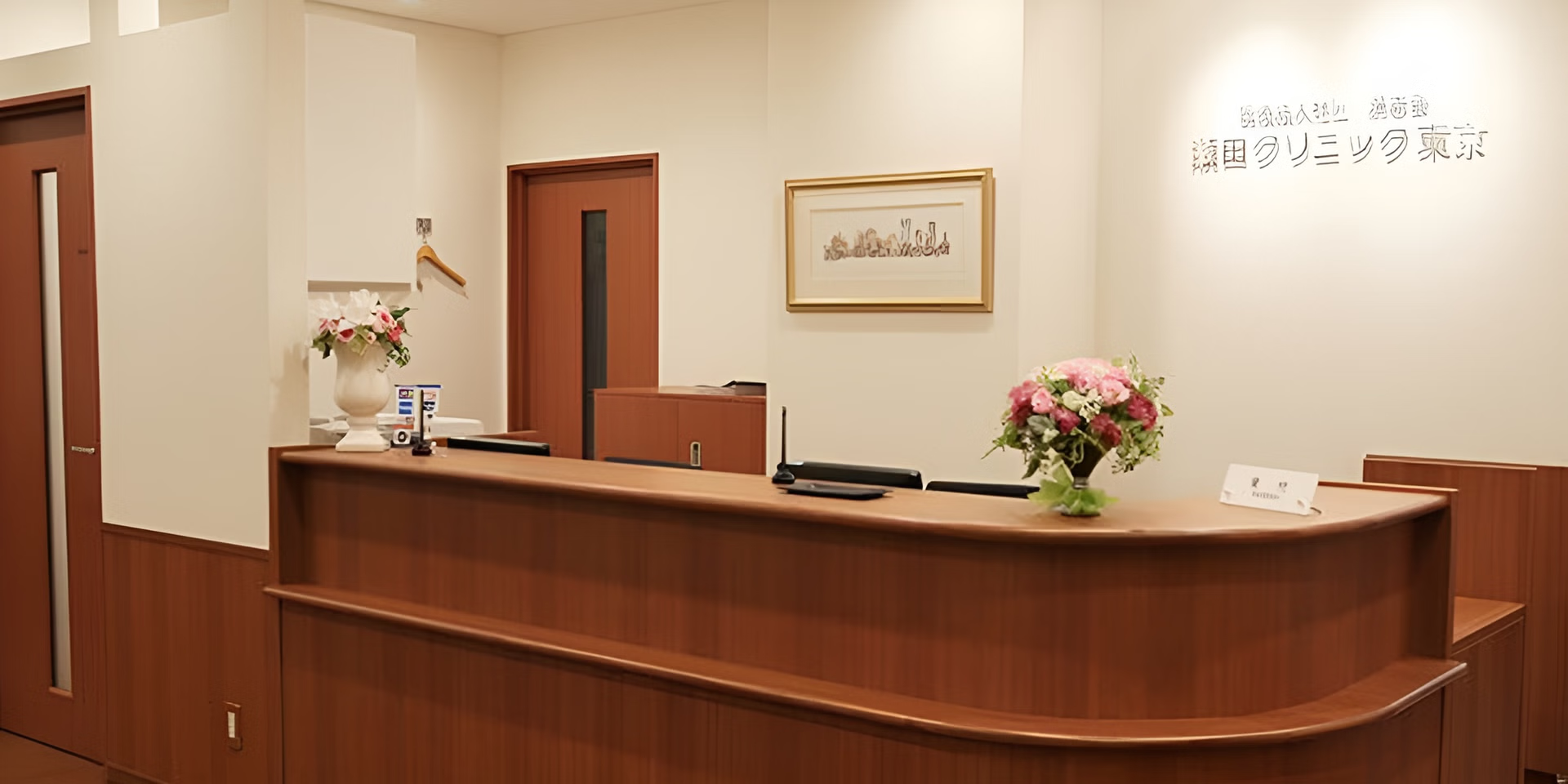
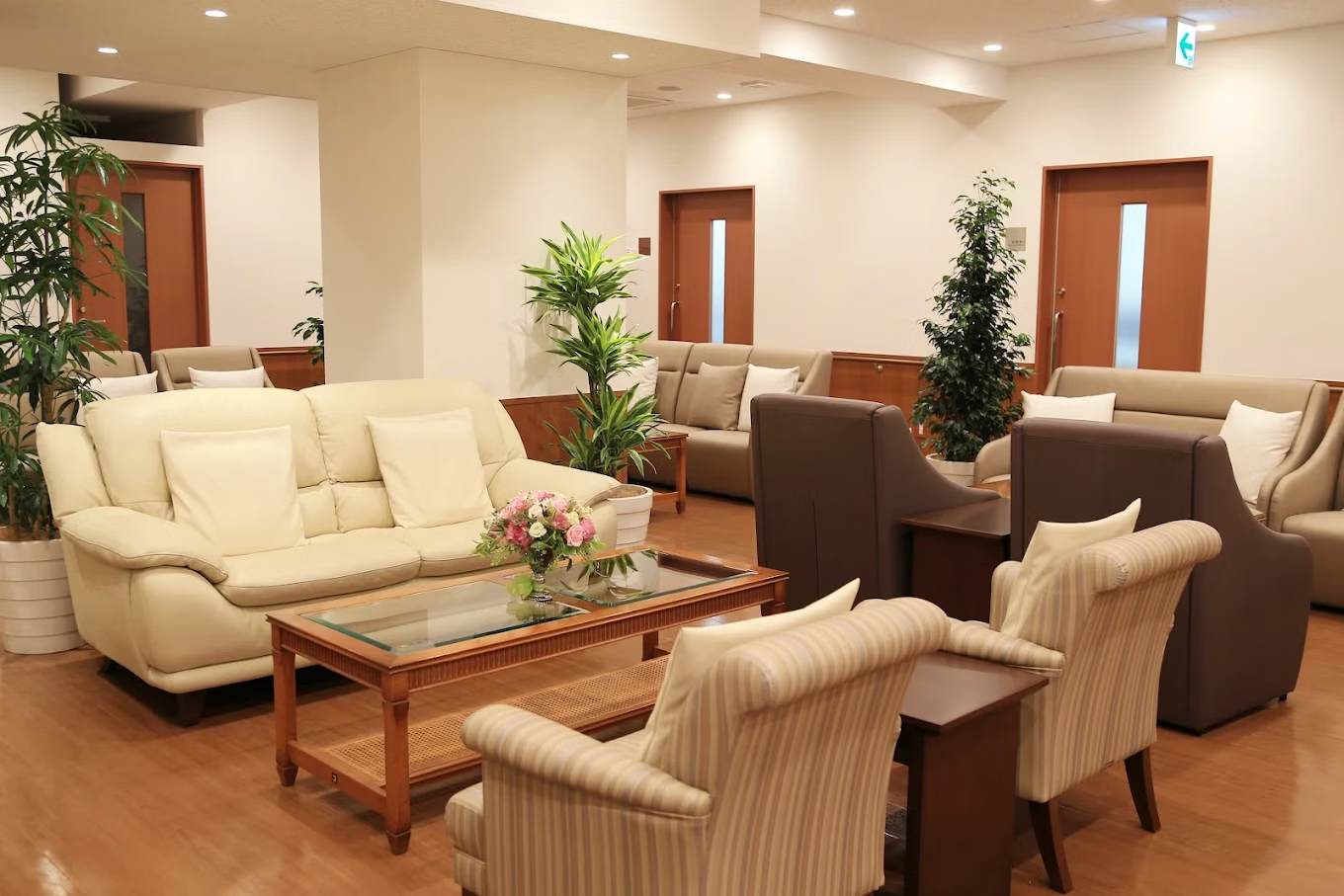
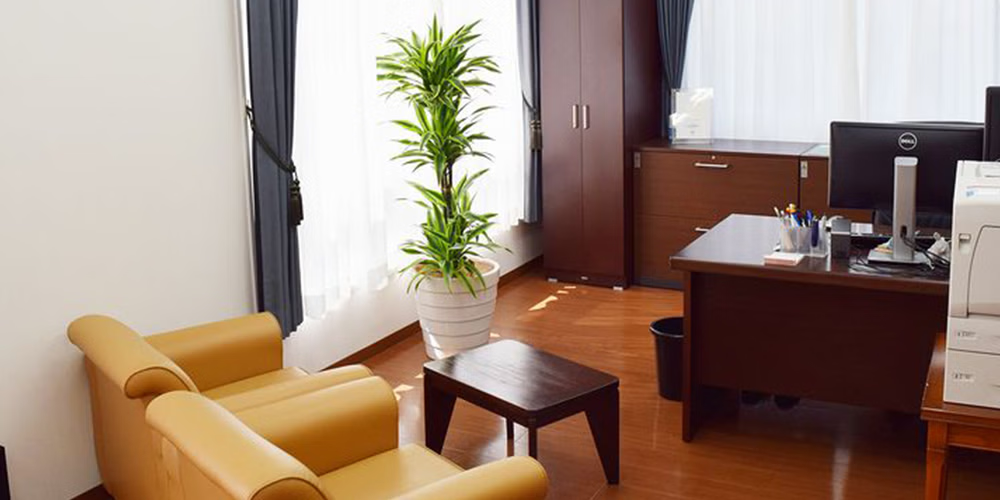
AiroMedical gallery has 18 photos & 1 video related to Seta Clinic Tokyo.

Does the clinic have certification or recognition?

Yes, Seta Clinic Tokyo has been certified by 3 organizations.

Where is the clinic located?

The address of the facility is Tokyo, Japan.

Does the hospital offer online consultations?

Yes, Seta Clinic Tokyo performs virtual appointments and offers a second medical opinion service.

What age range of patients can be admitted to the clinic?

The hospital accepts patients of all ages.

What type of stay is offered at Seta Clinic Tokyo?

The clinic offers only outpatient services. It is not possible to stay overnight at the hospital.

Seta Clinic Tokyo
Seta Clinic Tokyo

Get individual treatment plan and cost estimate. Non-binding 100% free assessment.

© Seta Clinic Tokyo
Similar clinics