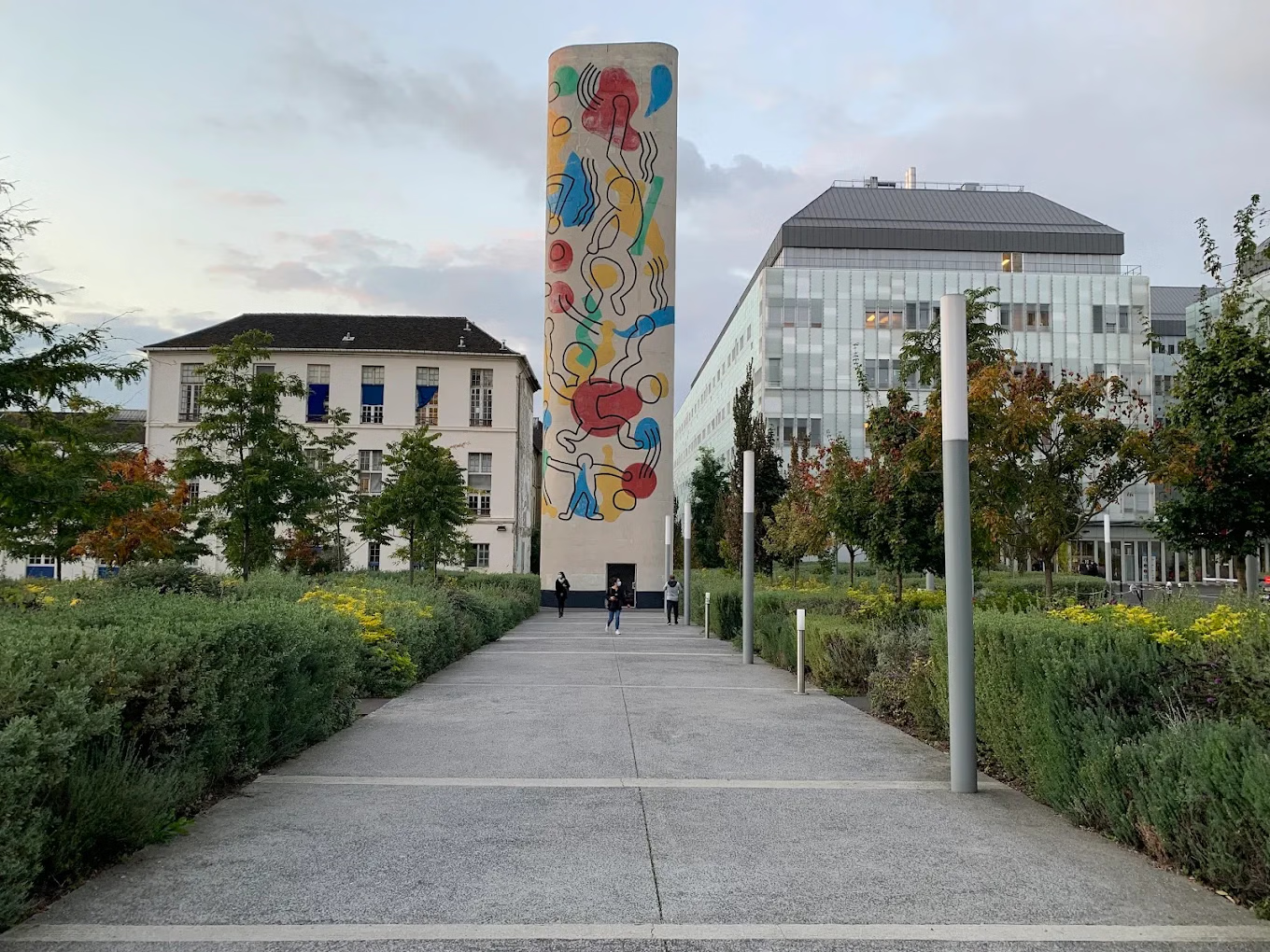
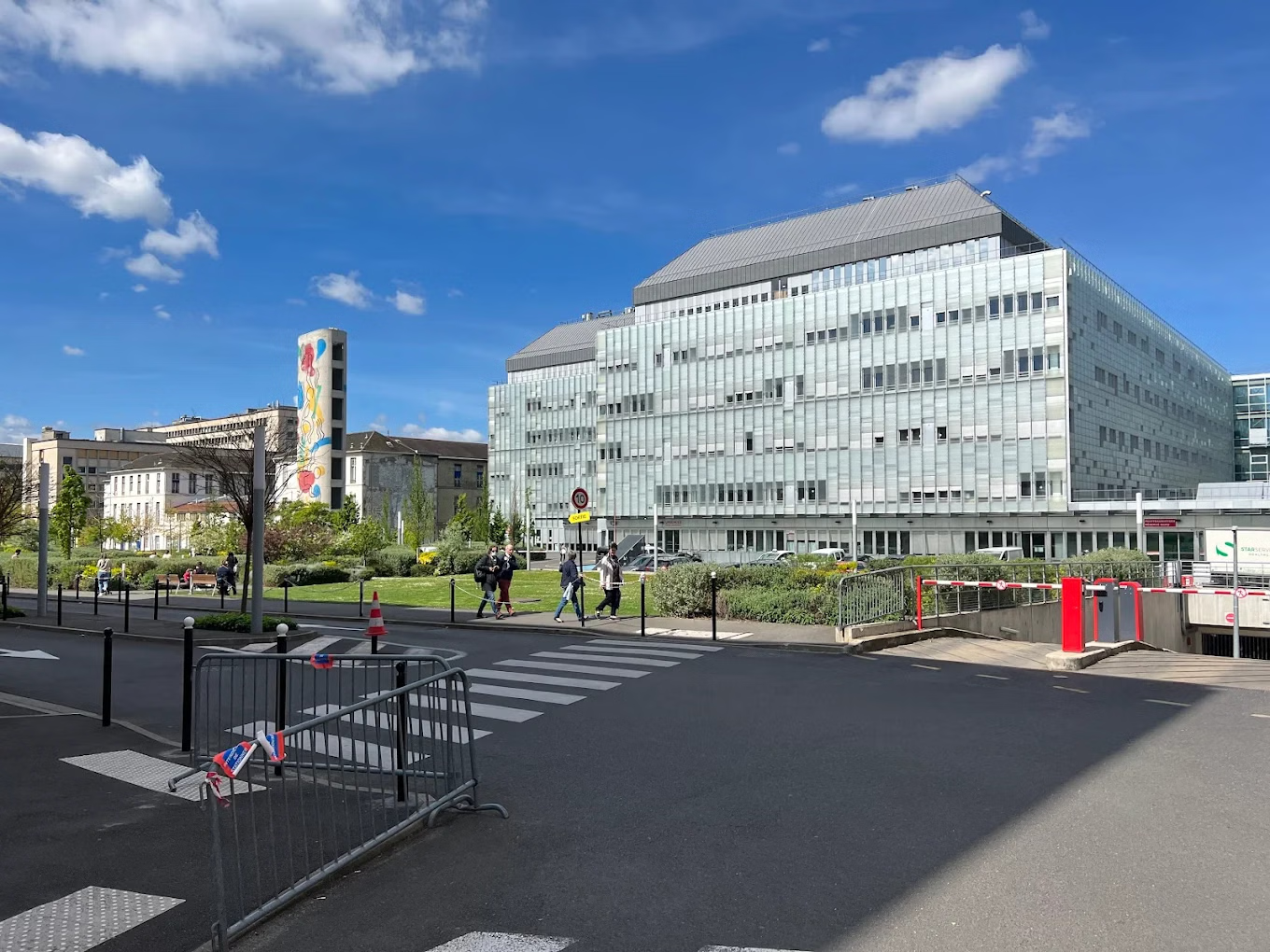
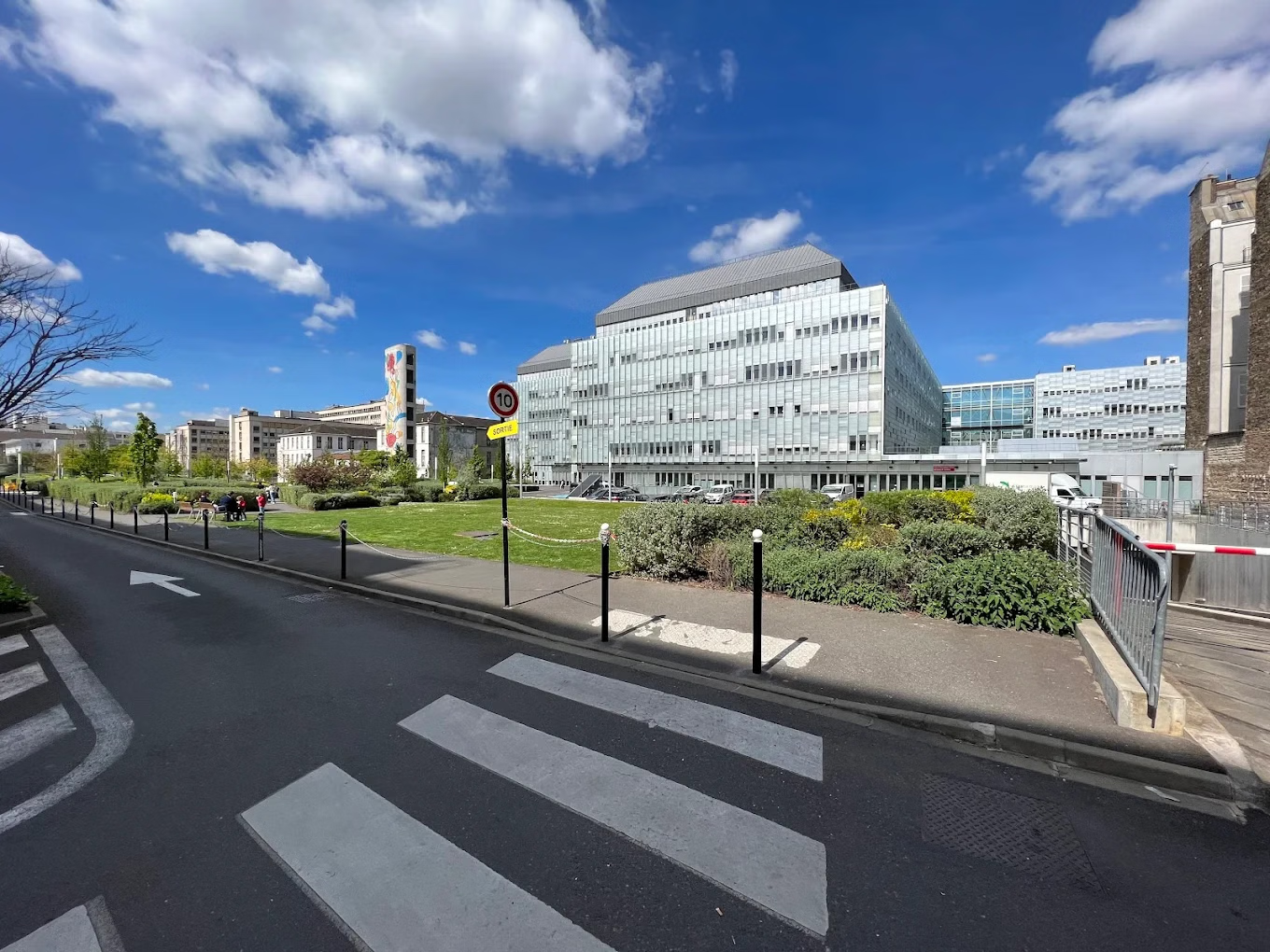
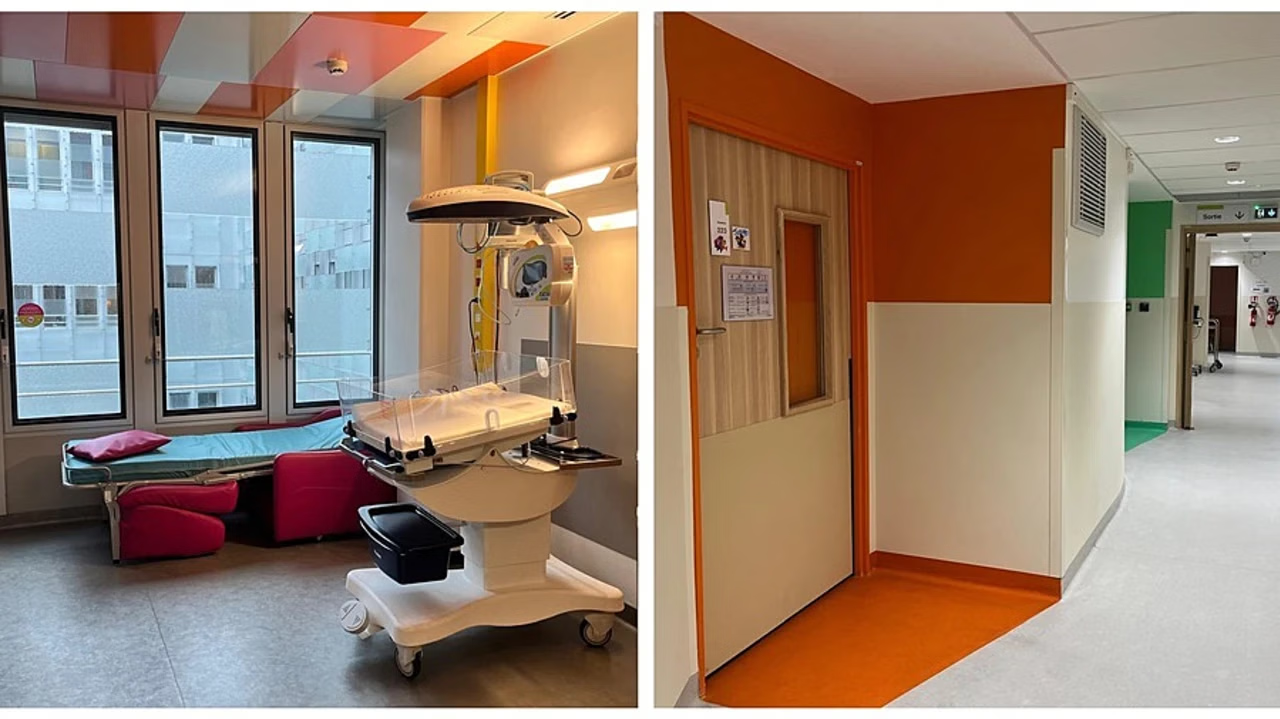
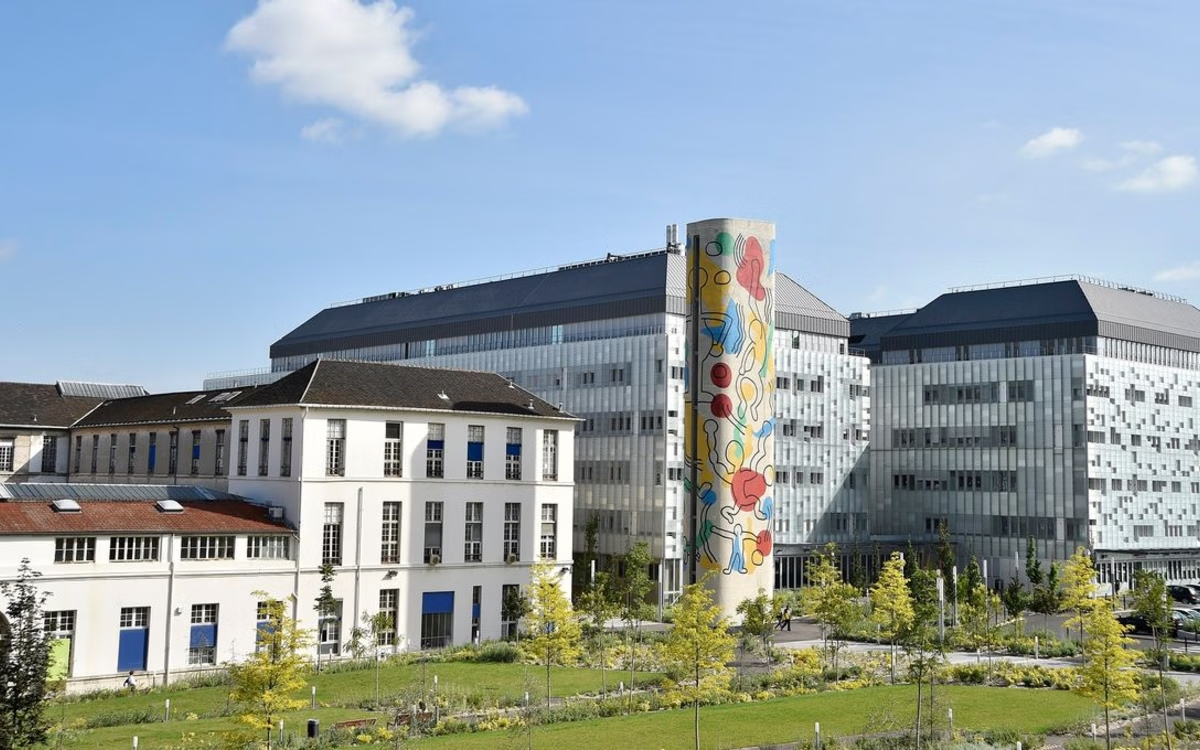
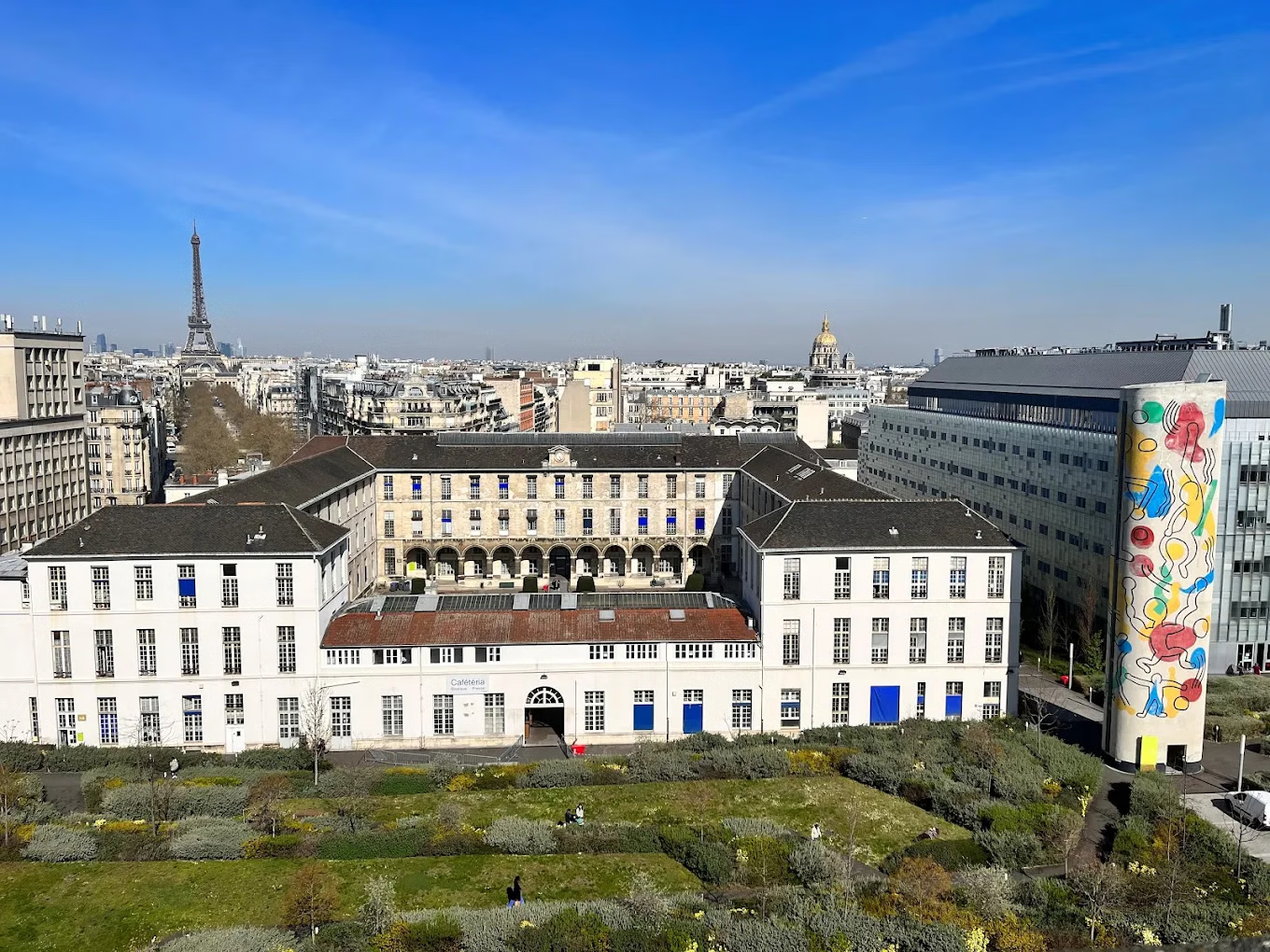
Founded as the world’s first pediatric hospital, this institution merged with the Necker Hospital in 1920 and now operates a high-capacity campus with over 5 hundreds specialized beds.
Global Rare Disease Referral Hub
The hospital serves as a critical national and international anchor, hosting 61 rare-disease reference centers and treating a patient population where 17% of cases arrive from outside the Paris region or abroad.
High-Volume Pediatric Emergency Gateway
Operating as a vital urgent care node for Paris, the facility manages approximately 82,425 emergency visits annually and provides 24/7 specialized medical and surgical interventions for children.
Type III Maternity Excellence
Recognized for its expertise in high-risk fetal medicine, the hospital’s level III maternity unit manages approximately 3,200 births per year, specializing in complex neonatal care and prenatal diagnostics.
Organ Transplantation Leadership
A major European transplant center, the hospital performs roughly 357 organ transplants annually, including approximately 15 to 20 pediatric and 200 adult renal transplants.
Massive Research Ecosystem
The campus is home to the 19,000-square-meter Imagine Institute building, where multidisciplinary teams of over 1,000 researchers and doctors collaborate on innovative treatments for genetic diseases.
Extensive Surgical Infrastructure
The hospital operates 20 dedicated pediatric general theaters and 3 specialized cardiac theaters, facilitating over 20,000 anesthetic procedures and 1,650 cardiac interventions every year.
Specialized Renal Care Capacity
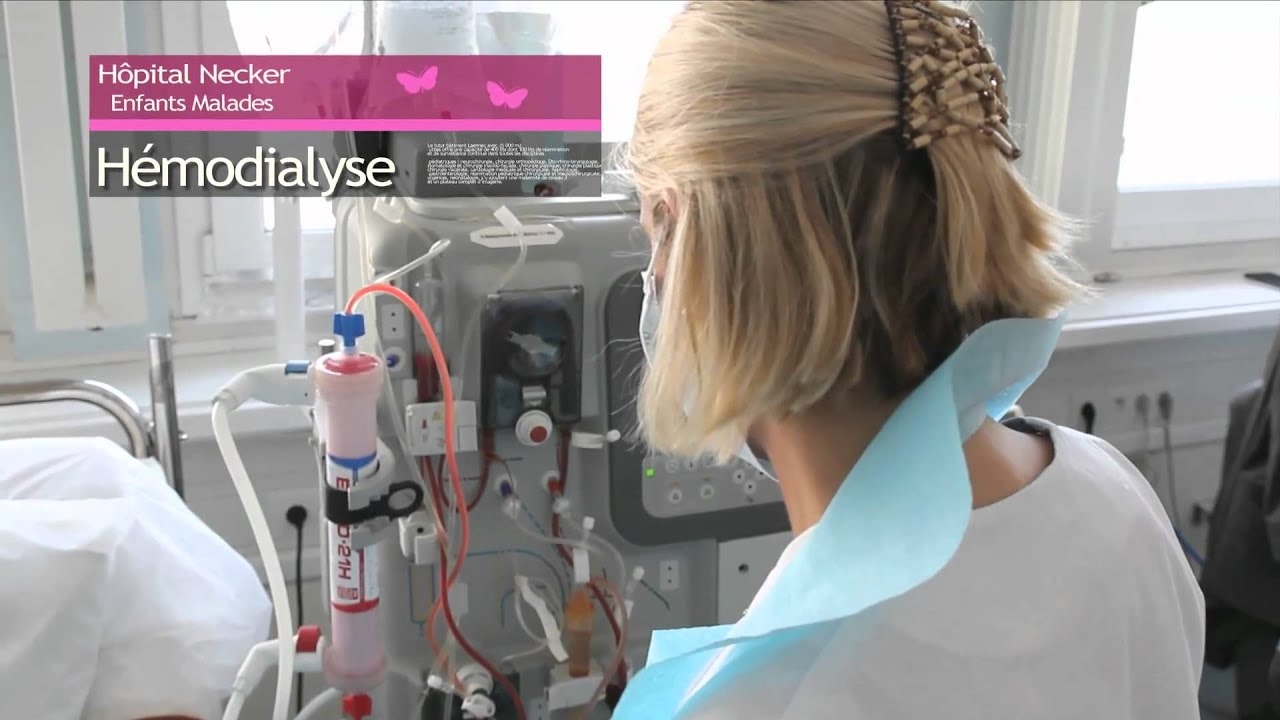
A leader in nephrology, the center performs over 2,000 pediatric hemodialysis sessions and approximately 450 immunoadsorption procedures annually for patients with complex renal and autoimmune conditions.
Pediatric Cardiac Critical Care
The facility maintains a 16-bed pediatric cardiac critical care unit, providing quaternary life support, including ECMO, for neonates and children up to 18 years old.
Academic and Publication Powerhouse
Integrated with the Université Paris Cité, the hospital’s medical staff contributed to over 17,700 total publications, with 285 high-impact papers published in 2025 alone.
Legacy of Medical Innovation
Building on its heritage as the site where René Laennec invented the stethoscope in 1816, the hospital currently manages 700 medical staff and 3,200 paramedical professionals to drive modern clinical breakthroughs.
About the clinic
The Necker–Enfants Malades Hospital occupies a legendary position in the continuum of global medical history, operating today as a formidable academic tertiary-care center under the Paris Cité University umbrella. Its campus is the exact site where René Laennec invented the stethoscope, a legacy of diagnostic innovation that strongly permeates its modern clinical philosophy. Far from resting on its historical laurels as the world’s first dedicated pediatric hospital, it has evolved into a high-acuity powerhouse renowned for pushing the absolute boundaries of therapeutic possibility. It was within these walls that the first kidney transplant in France was performed, and where the world witnessed the first successful gene therapy for severe combined immunodeficiency, cementing its identity not just as a place of healing, but as an active crucible for monumental medical milestones. At the very beginning of the care spectrum, the hospital operates a maternal-fetal medicine division that pushes the absolute limits of perinatology. Functioning as a high-tier Type III maternity center, it is explicitly equipped for pregnancies complicated by severe fetal anomalies. The clinical teams are pioneers in delicate in utero surgical interventions, correcting profound anatomical defects long before a child takes their first breath, operating seamlessly alongside a highly advanced neonatal intensive care and resuscitation unit. The defining characteristic of the campus is its unparalleled concentration of rare disease expertise, making it the absolute epicenter of the European Reference Networks for rare genetic, metabolic, and immunological disorders. The hospital’s architecture and clinical workflow are explicitly designed to obliterate the traditional silos separating laboratory science from patient care. This translational ecosystem is driven by the synergistic presence of the Institut Necker Enfants Malades (INEM) and the Imagine Institute, both directly on the hospital grounds. Here, a child presenting with a completely undiagnosed, multisystemic failure can have their genome sequenced, with the data analyzed instantly by research teams dedicated to untangling the molecular basis of their condition. This extreme proximity fosters a rapid bench-to-bedside pipeline, allowing discoveries in cellular biology to be swiftly transformed into compassionate-use clinical trials. The hospital is uniquely equipped to treat primary immunodeficiencies, complex osteoarticular dysplasias, lysosomal storage disorders, and severe hemoglobinopathies, such as sickle cell disease. By integrating deep phenotyping with advanced genomics, the clinical teams create hyper-personalized therapeutic roadmaps, often utilizing cutting-edge gene therapies and stem cell interventions that simply are not available at standard tertiary centers. It is a biological laboratory operating at a massive, specialized clinical scale. Unlike traditional freestanding children's hospitals, Necker operates on a highly strategic mixed model that deliberately retains highly specialized adult departments. This includes elite-level adult nephrology, hematology, and adult infectious diseases. This architecture was born out of the hospital's own pediatric successes; as medical advancements enabled children with fatal congenital anomalies or severe chronic illnesses to survive well into adulthood, the institution recognized the devastating drop-off in specialized care that often occurs during the transition out of pediatric care. To combat this, the hospital pioneered formal transition pathways. This philosophy is embodied in dedicated clinical spaces, such as "La Suite," an innovative transition department designed specifically for adolescents and young adults. This unit focuses heavily on medical empowerment, addressing the complex psychosocial, reproductive, and chronic management needs of young patients moving into adult specialized care without ever losing the deep clinical context of their lifelong disease. Supporting these deep-dive genetic and chronic pathways is an intensely capable, high-acuity surgical front door. The campus functions as a major dispatch hub for a specialized pediatric SAMU, a mobile intensive care system that retrieves and stabilizes critically ill children across the broader metropolitan region. Once through the doors, patients have access to surgical theaters renowned for a high-intensity organ transplantation program that routinely handles complex pediatric liver, kidney, and heart transplants, often utilizing advanced extracorporeal mechanical bridging technologies. The emergency infrastructure is similarly robust, operating around the clock with explicitly delineated, highly specialized pathways for pediatric neurosurgical trauma, intricate maxillofacial injuries, and severe airway emergencies, guaranteeing an immediate, expert response to sudden, catastrophic clinical events.
Gallery
2025-12-25T15:49:37.000Z
2025-12-25T15:49:37.000Z
2025-12-25T15:49:37.000Z
2025-12-25T15:49:36.000Z
2025-12-25T15:49:36.000Z
2025-12-25T15:44:47.000Z
2025-12-25T15:49:37.000Z
2025-12-25T15:49:37.000Z
2025-12-25T15:49:37.000Z
2025-12-25T15:49:36.000Z
2025-12-25T15:49:36.000Z
2025-12-25T15:44:47.000Z
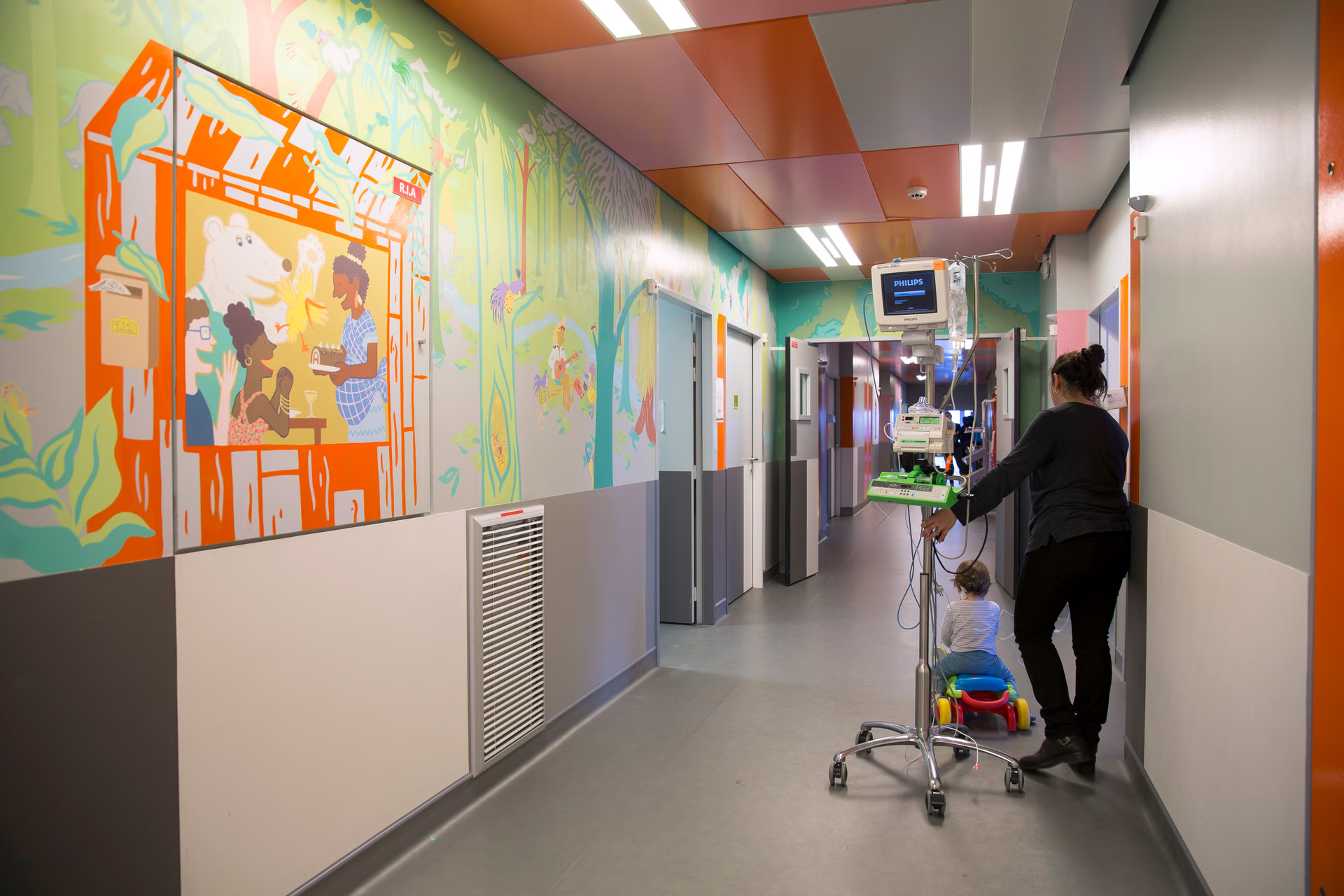
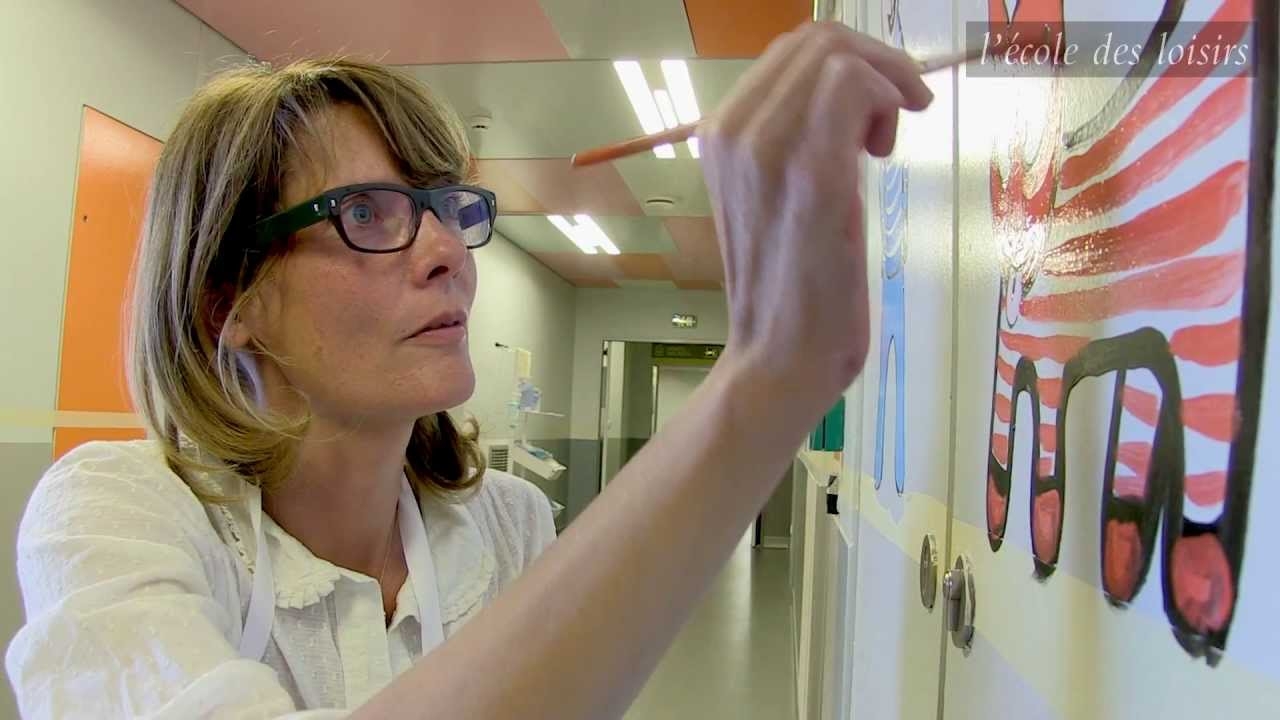
General pediatrics department: characters and smiles on the walls
2025-12-25T13:36:15.000Z
General pediatrics department: characters and smiles on the walls
Necker, the hospital of tomorrow (Series 19/20 France 3 Episode 1)
2025-12-25T13:35:41.000Z
Necker, the hospital of tomorrow (Series 19/20 France 3 Episode 1)
Discover Matignon, garden side
2025-12-25T13:35:19.000Z
Discover Matignon, garden side
Nurses in Necker
2025-12-25T13:34:55.000Z
Nurses in Necker
Headquarters “Enfants Malades: A Hope Named Necker “, broadcast on November 7 at 8:40 p.m.
2025-12-25T13:34:37.000Z
Headquarters “Enfants Malades: A Hope Named Necker “, broadcast on November 7 at 8:40 p.m.
Discovery tour of Laennec Pôle Mère-Enfant de l'Hôpital Necker
2025-12-25T13:34:12.000Z
Discovery tour of Laennec Pôle Mère-Enfant de l'Hôpital Necker
Extra services
Visa Support
Parking Space
24/7 medical assistance
Intensive Care Unit
On-Site Pharmacy
Cafeteria
Kids' Play Zone
ATM / Banking
Accessibility Features
Digital Health Records
Location
149 Rue de Sèvres, 75015 Paris, France
FAQ
Is the service a reference center for particular neurologic diseases?
Yes. AP-HP is designated as a reference center within the service for neuromuscular conditions, rare epilepsies, cerebrovascular diseases, and intellectual disability with polyhandicap, and for additional competence roles in neuro-inflammatory diseases, leukodystrophies, and neurodevelopmental disorders.
Does the hospital offer specialist evaluation for severe or rare epilepsies?
Yes. The hospital provides expert opinion indications, such as severe epilepsies, Dravet syndrome, status epilepticus, and tuberous sclerosis (Bourneville disease).
Does the hospital provide social support resources to patients and families?
Yes. The hospital’s contact information includes access to social-work support (service social) and references to associations.
Can families expect multidisciplinary coordination for complex pediatric cases?
In many pathways, yes. Necker’s organization around specialized services (e.g., fetal medicine, rare-disease reference centers, pediatric specialty emergencies) is explicitly structured to support complex cases that require multi-specialist input and coordinated decision-making.
Is teleconsultation available for some pathways?
Yes. The hospital can provide teleconsultation as part of its digital patient services.
For neuromuscular diseases, is care organized as a multidisciplinary pathway (orthopedics, cardio-respiratory, genetics)?
Yes. The hospital provides multidisciplinary consultations involving (among others) a neuropediatrician, orthopedist, geneticist, pulmonologist, and cardiologist, and mentions diagnostic pathways such as muscle biopsy, muscle MRI, EMG, genetic testing, and cardiac ultrasound, as well as targeted care including orthopedic surgery, nutritional support, and ventilatory support when needed.
How does the Imagine Institute actually change clinical care here?
Unlike standalone research labs, the Imagine Institute is physically integrated into the Necker campus. It houses over 1,000 researchers and doctors dedicated specifically to genetic diseases. This allows a child with an undiagnosed rare condition to have their DNA sequenced and analyzed by leading geneticists in the same building where they receive their clinical treatment, directly bridging laboratory research with immediate clinical application.
What is the specific legacy and volume in nephrology?
Necker is the birthplace of modern nephrology, having hosted the world’s first successful kidney transplant in 1952. Today, its Pediatric Nephrology unit operates the MARHEA reference center for hereditary kidney diseases. They manage the highest volume of pediatric kidney transplants in France, handling highly complex cases involving congenital anomalies of the kidney and urinary tract and severe nephrotic syndromes.
How does the facility manage the total pediatric population with intestinal failure?
The facility runs the MaRDI reference center and is a European pioneer in pediatric gastroenterology, having performed the first pediatric intestinal transplant in 1987. For children who cannot absorb food naturally due to short bowel syndrome or congenital enteropathies, Necker manages the largest European cohort for highly complex Home Parenteral Nutrition (intravenous feeding) and reconstructive intestinal lengthening surgeries.
What is the focus regarding pediatric immune deficiencies?
Necker is globally renowned for treating severe combined immunodeficiency, often known as bubble boy disease. The immunology and biotherapy departments specialize in performing bone marrow transplants and pioneering gene therapies. They actively extract a child's defective immune cells, genetically correct the mutation in a specialized lab, and re-infuse them to build a functioning immune system.
How are severe congenital defects managed before birth?
Necker–Enfants Malades Hospital integrates a highly advanced maternal-fetal Medicine department with its pediatric surgical teams. They specialize in fetal surgery, operating on babies while they are still in the womb. This includes in-utero interventions for conditions like spina bifida (myelomeningocele) and twin-to-twin transfusion syndrome, effectively correcting anatomical defects before the trauma of birth occurs.
What is the circle approach to rare pediatric diseases?
The hospital rejects standard linear referrals and instead uses an integrated circle diagnostic pathway. When a child arrives with a highly complex, multi-systemic disorder, they are simultaneously evaluated by clinical pediatricians, genomic researchers, and bioinformaticians. This collaborative ecosystem drastically reduces the diagnostic odyssey for parents, turning a multi-year search for answers into a consolidated, data-driven medical intervention.
What is the rating of the clinic?
Necker–Enfants Malades Hospital is rated as 9.70 by AiroMedical.