MedAustron offers both proton therapy and carbon-ion therapy. This dual modality is exceptionally rare; only a handful of centers worldwide offer both.
Wide Energy Range
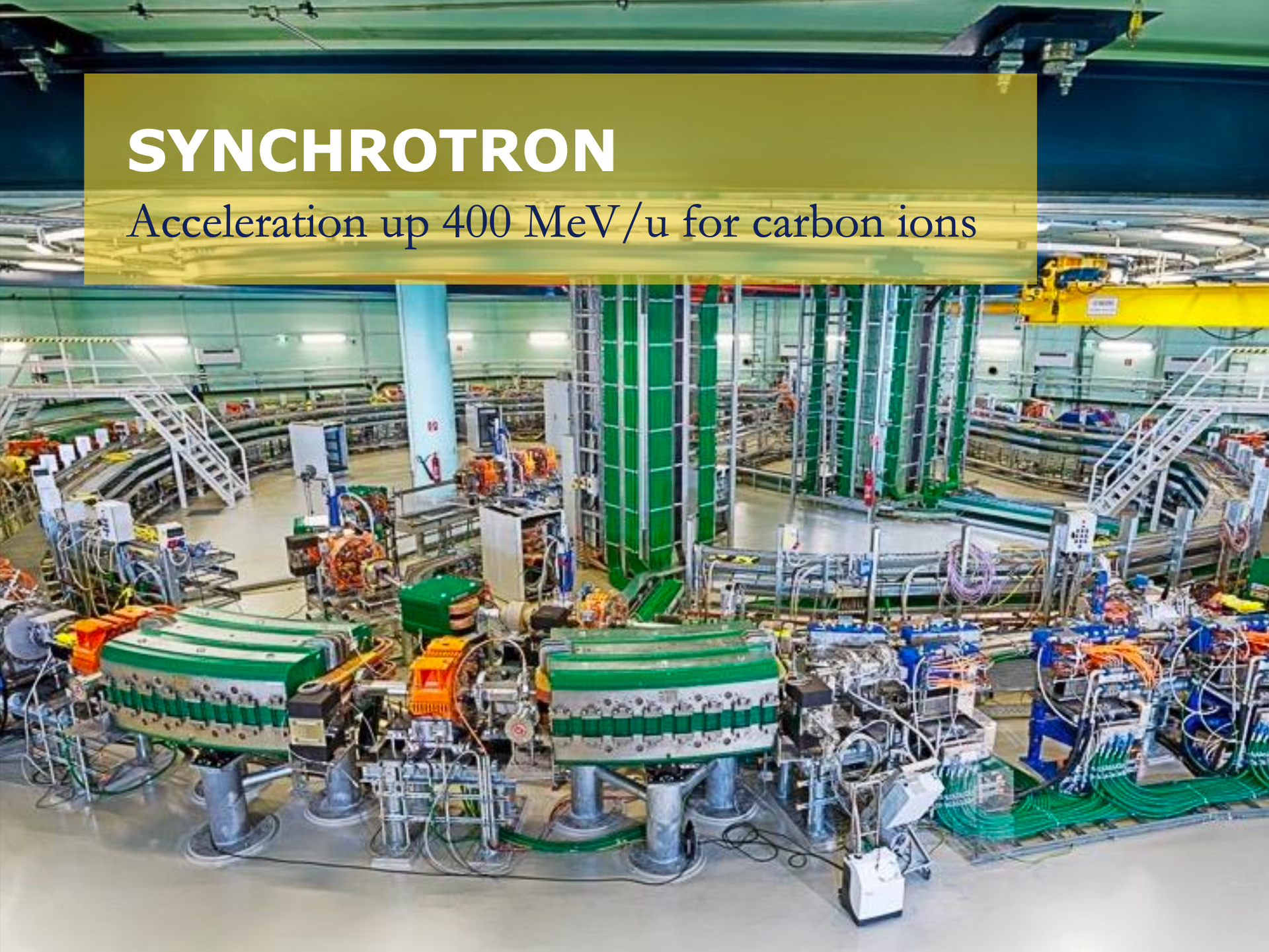
For clinical use, the synchrotron delivers protons in the range of 60–250 MeV and carbon ions in the range of 120–400 MeV/u, enabling the treatment of both shallow and deep-seated tumors.
Deep Tumor Coverage
Particle beams can be adjusted to achieve penetration depths of up to 30 cm in tissue, enabling irradiation of tumors deep within the body while sparing overlying organs.
High-Tech Accelerator
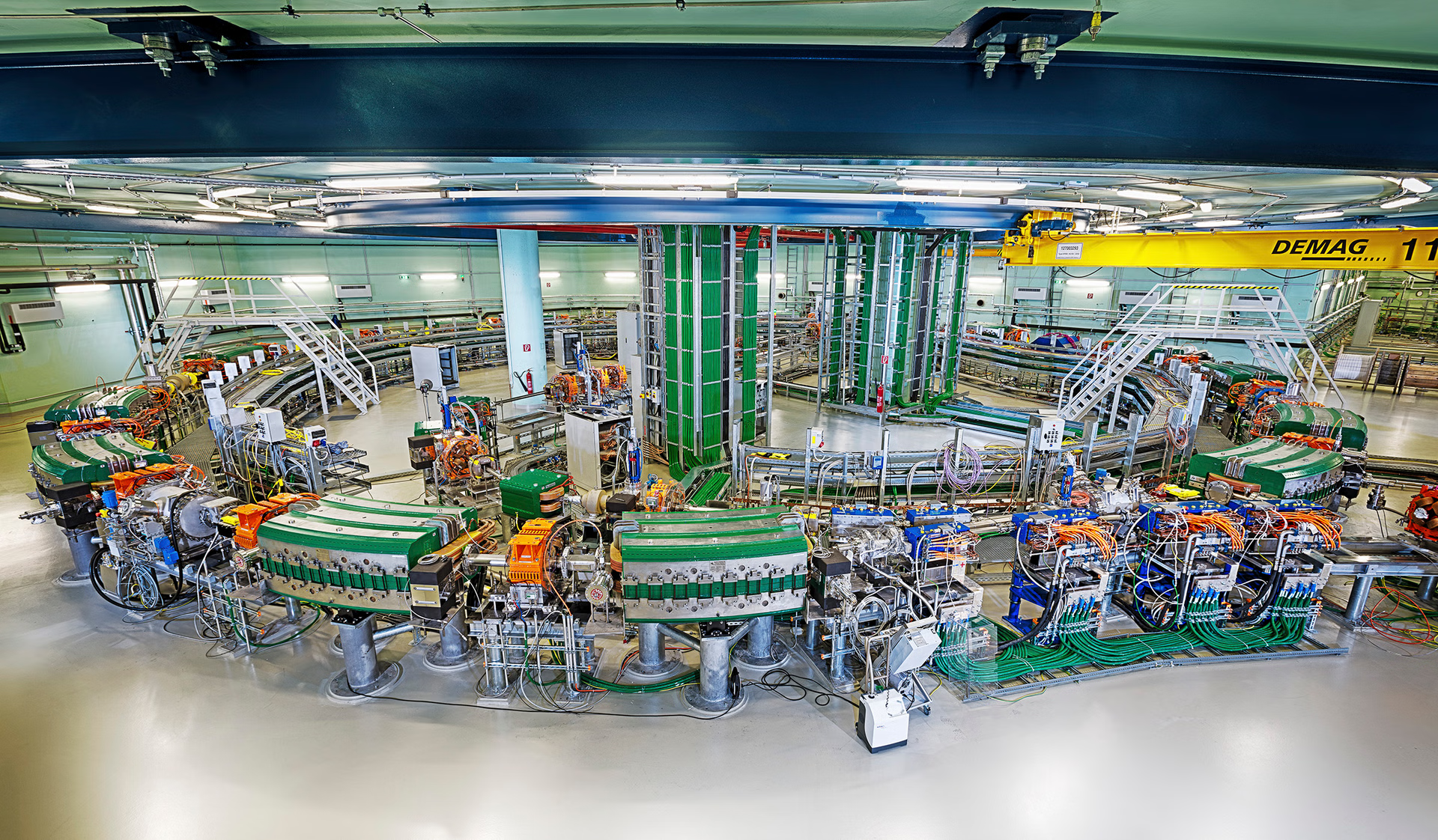
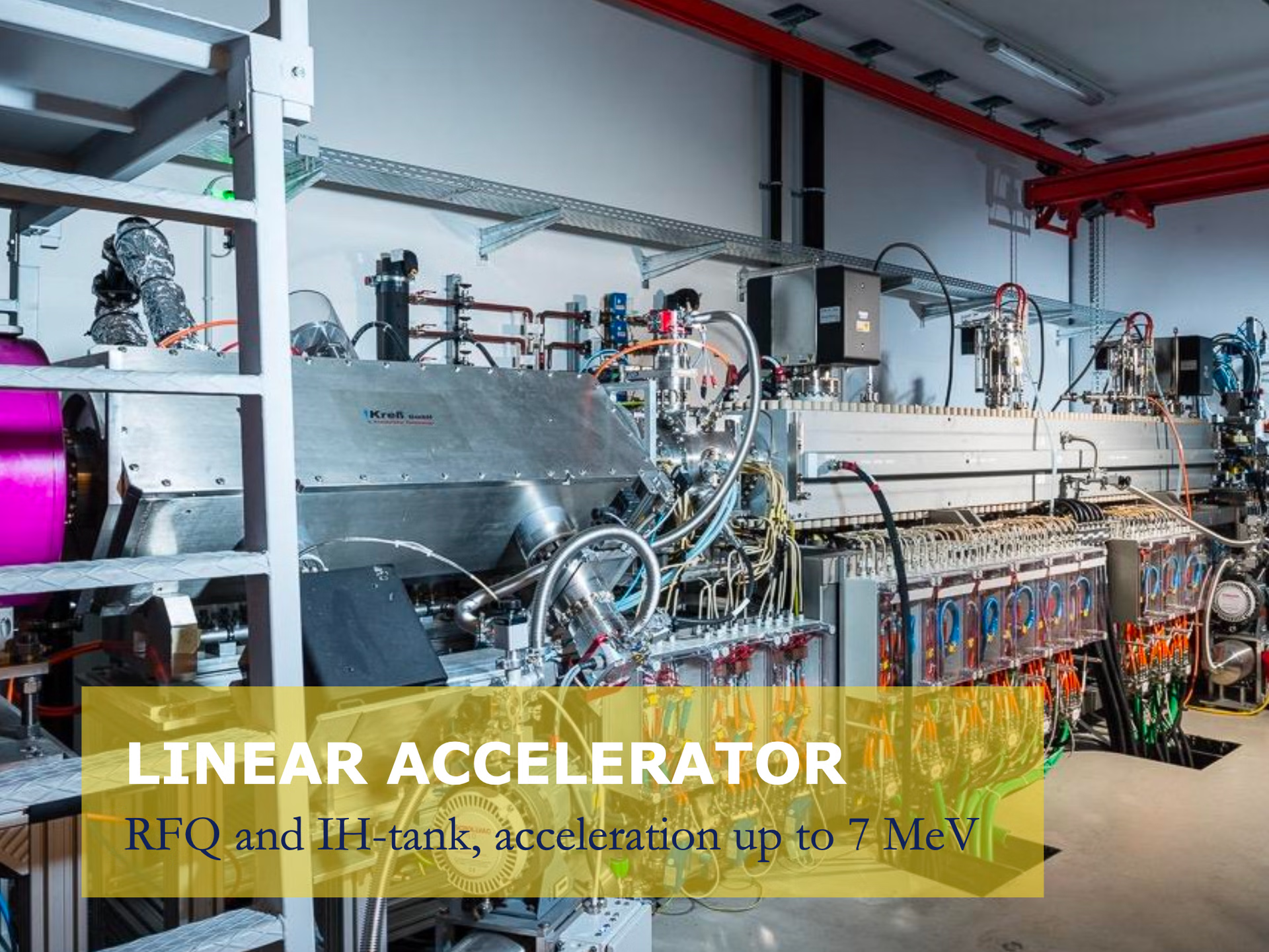
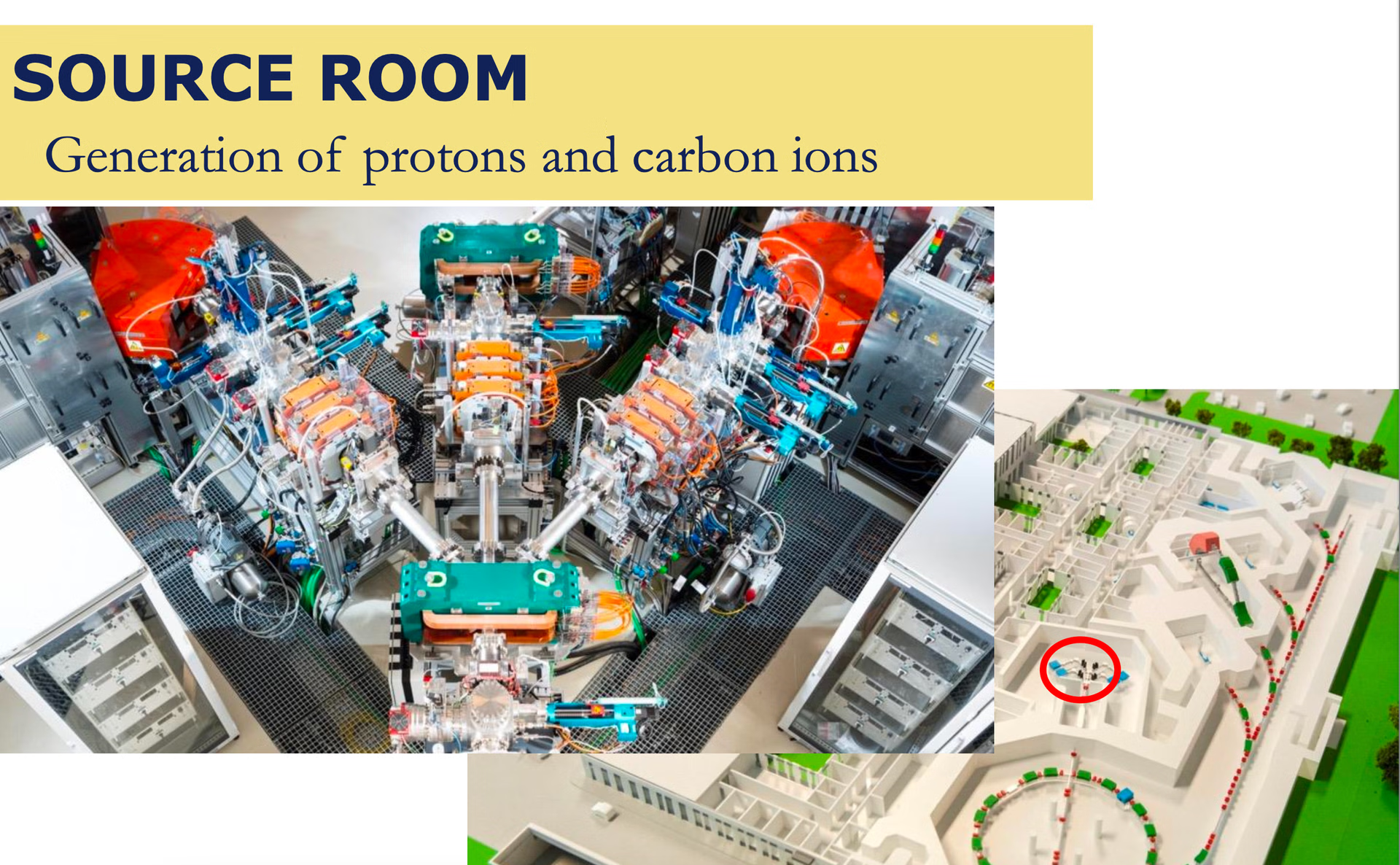
The accelerator complex includes three ion sources, a linear accelerator that boosts ions to roughly 12% of the speed of light, and a synchrotron ring with a circumference of about 80 meters, where particles reach up to two-thirds of the speed of light, ensuring highly stable, tunable beams.
Medical Scope & Patient Care
Because of the physical advantages of ion beams, MedAustron can treat tumors near critical structures or sensitive organs, where standard photon radiotherapy would risk more damage.
Sub-Millimeter Accuracy
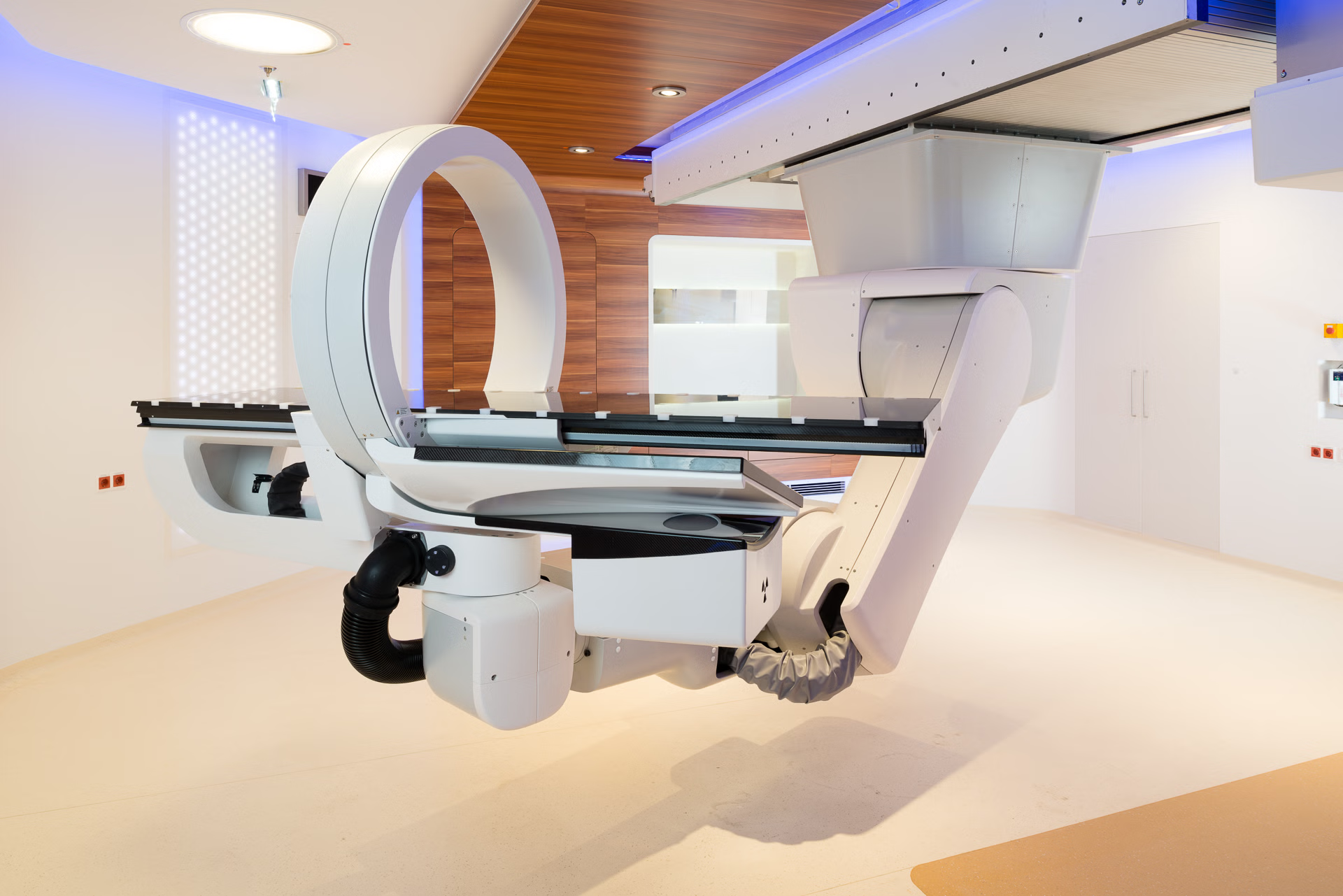
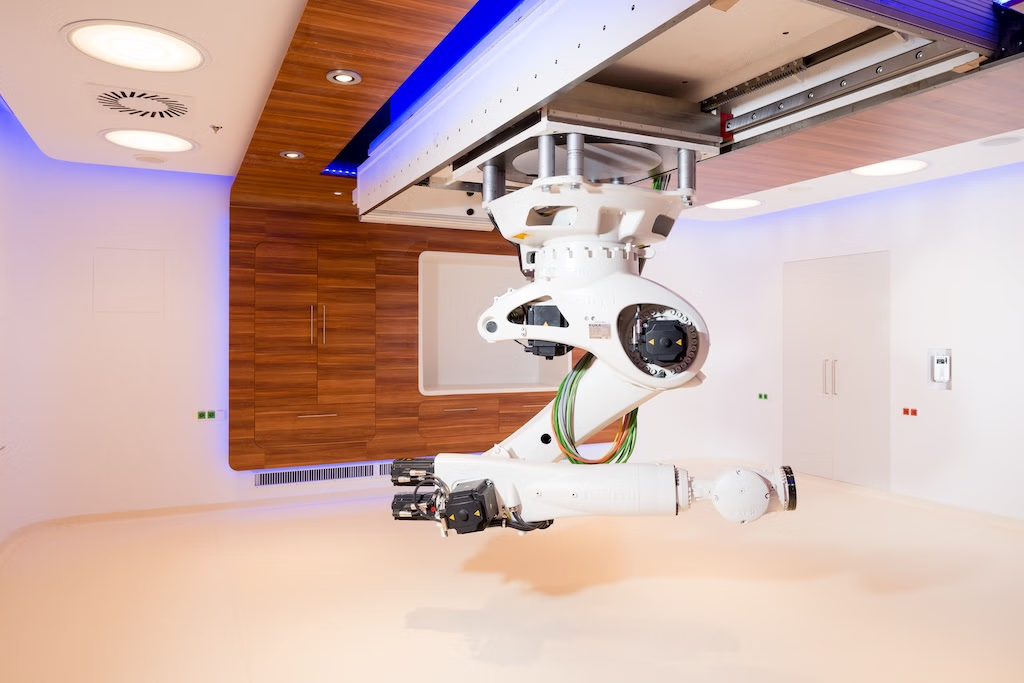
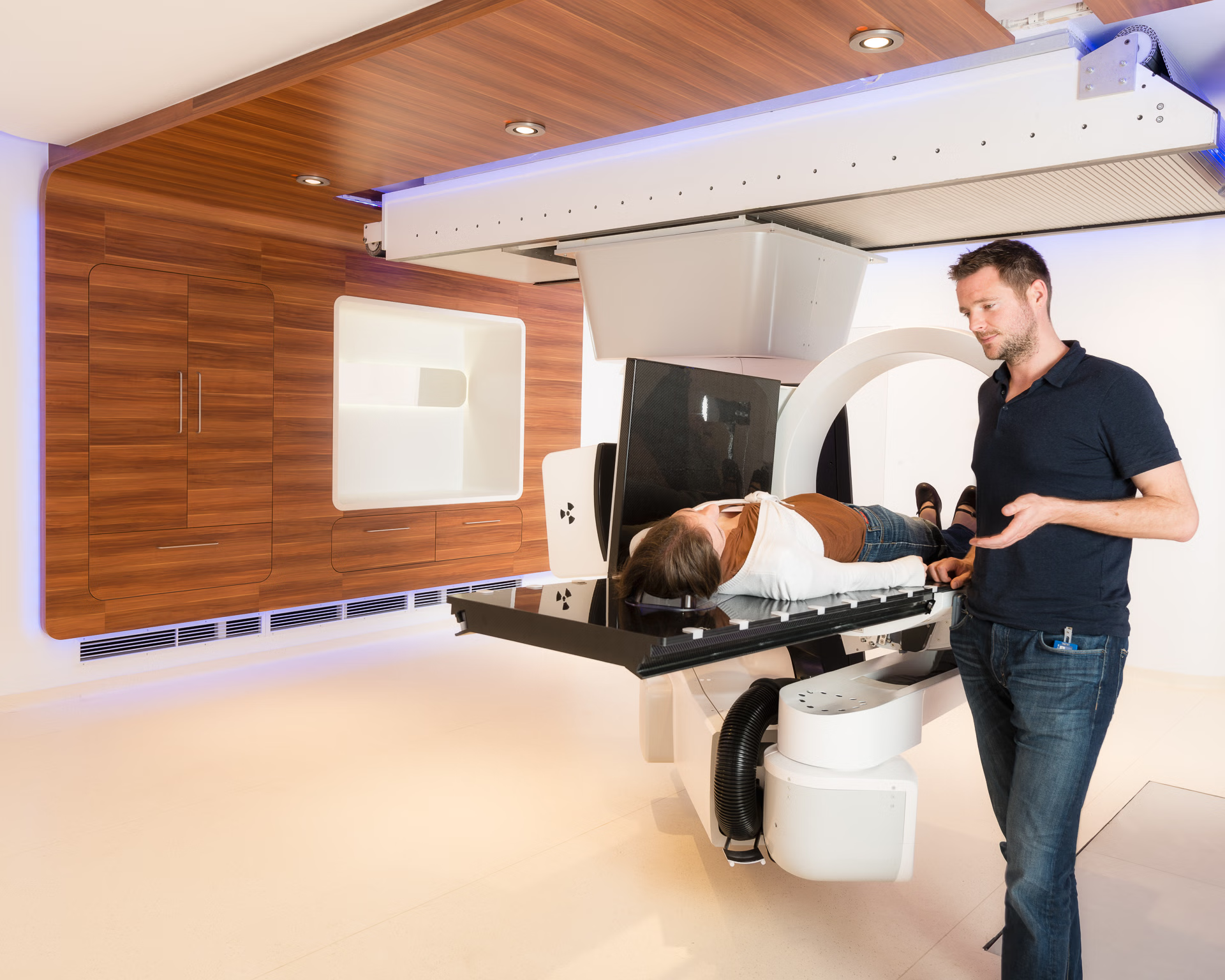
A ceiling-mounted robotic positioning system aligns each patient with the beam to within about 0.5 mm, supporting exact, repeatable dose delivery for complex targets.
International Reach & Patient Support
Patients come not only from Austria but also from abroad. MedAustron serves as a referral center for countries where ion beam therapy is not available.
Advanced Imaging Ring
Immediately before each radiation fraction, an Imaging Ring System acquires 3D X-ray images of the tumor region, so positioning is verified and fine-tuned before every treatment.
Rare Research-Capable Facility Globally
MedAustron isn’t just a treatment center; it’s also a world-class research hub. In addition to clinical treatment rooms, it has dedicated non-clinical irradiation and research rooms that allow advanced beam and particle research.
First in Austria
It is Austria’s first and only particle therapy center providing both proton and carbon-ion treatment, making it the national reference center for this technology.
Dedicated research beamline
One full irradiation room and beamline are reserved for non-clinical research, giving scientists continuous access to high-quality beams without interrupting patient care.
Carbon Ions Since 2019
Protons have been used clinically since 2016, with carbon-ion therapy added in 2019, so patients benefit from several years of experience with both modalities.
Growing Patient Numbers
By 2021, more than 1,000 cancer patients (including many children and adolescents) had completed particle therapy, rising to over 2,000 by 2023, demonstrating robust clinical experience and outcome tracking.
Strong CERN Cooperation
The synchrotron-based facility was developed in close collaboration with the European Organization for Nuclear Research, bringing world-class accelerator expertise directly into the medical environment.
Large Modern Campus
MedAustron occupies approximately 32,200 m² of clinical and technical space, providing spacious treatment areas, research labs, and patient support infrastructure in a single integrated site.
Four Irradiation Rooms
The center operates 4 irradiation rooms: 3 dedicated to patient treatment and 1 reserved for research, enabling clinical work and scientific innovation to progress in parallel without competing for beam time.
Pediatric Oncology Focus
A significant proportion of cases involve children and adolescents, who benefit from the reduced dose to healthy tissue and lower risk of long-term side effects compared with conventional radiotherapy.
Convenient Outpatient Model
Treatments are delivered on an outpatient basis, typically in daily sessions over 1-8 weeks, so most patients can continue to live at home or nearby with minimal disruption to everyday life.
About the clinic
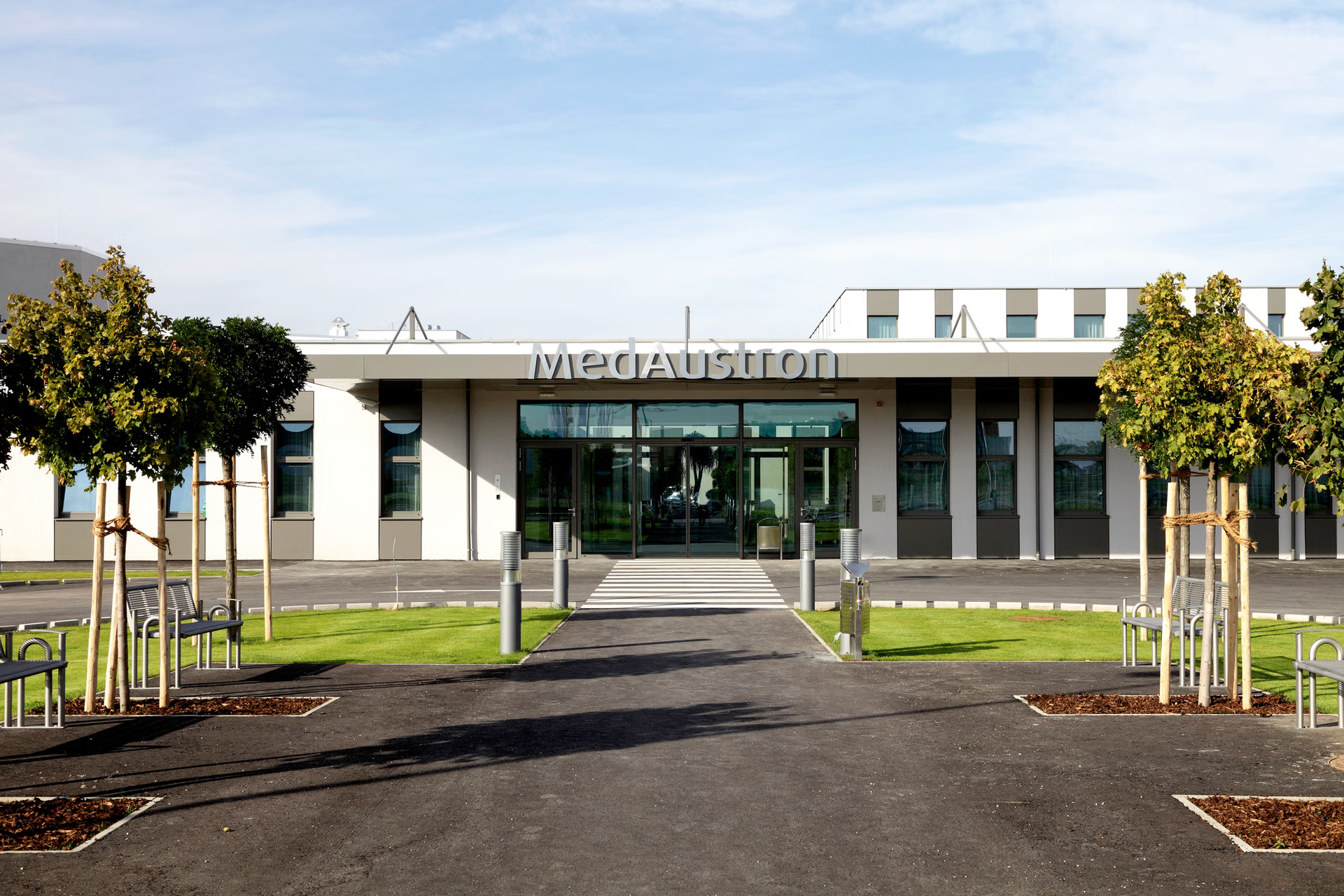
MedAustron is a state-of-the-art European center for cancer treatment and research located in Wiener Neustadt, in Lower Austria, approximately 50 km south of Vienna. The center is explicitly designed for high-precision radiation oncology, and it specializes in ion beam (particle) therapy. It is a cutting-edge form of radiotherapy that uses charged particles, namely protons and carbon ions, instead of conventional X-rays. These particles can be guided with high precision into the body and deposit most of their energy directly in the tumor, allowing doctors to irradiate malignant tissue while better sparing surrounding organs and healthy structures. The center operates primarily as an outpatient facility. Patients attend the clinic for scheduled treatment sessions, often once a day over several weeks, then return home or to nearby accommodation. Before therapy begins, each patient undergoes a thorough evaluation that may include imaging (CT, MRI, PET), multidisciplinary case discussions, and detailed treatment planning by radiation oncologists, medical physicists, and dosimetrists. The result is an individualized treatment plan that specifies exactly how the particle beam should be shaped and delivered to match the tumor’s size, shape, and position, with millimeter-level accuracy. MedAustron is one of the few institutions worldwide capable of offering both proton and carbon-ion therapy. Proton therapy is beneficial when critical organs such as the brain, spinal cord, eyes, heart, or lungs need to be protected, or when treating children, whose tissues are susceptible to radiation. Carbon ions, which are heavier and biologically more potent than protons, are reserved for selected tumors that are resistant to conventional radiation or for which extremely high precision and biological effectiveness are required. This dual capability makes MedAustron in Austria a key referral center for complex, localized tumors, re-irradiation cases, and many pediatric cancers where minimizing long-term side effects is crucial. The heart of the facility is a large synchrotron accelerator that generates and controls the high-energy particle beams. From this central accelerator, beams are directed to multiple treatment rooms equipped with advanced delivery systems, such as rotating gantries and fixed beam lines, that allow radiation to be delivered from different angles around the patient. In addition to the clinical treatment areas, the facility includes a dedicated research beamline that is physically separated from patient care areas. This beamline supports preclinical experiments and technical development without disrupting the clinical schedule. Beyond its clinical role, MedAustron is a central hub for research, development, and education in particle therapy. The center supports clinical trials to refine treatment protocols, explore new indications, and evaluate long-term outcomes of proton and carbon-ion therapy. It also conducts preclinical research in medical physics, radiobiology, and imaging, including the development and testing of proton computed tomography (proton CT), which aims to improve treatment-planning accuracy by directly imaging proton trajectories through the body. Close collaborations with universities, technical institutes, and hospitals within Austria and internationally allow MedAustron to contribute to global progress in oncology and accelerator technology. Training and knowledge transfer are integral to its mission. The clinic hosts physicians, physicists, radiographers, engineers, and students for specialized education in particle therapy, helping build expertise that remains rare worldwide. Through conferences, teaching programs, and cooperative research projects, MedAustron plays a central role in advancing the understanding and use of ion beam therapy and in shaping future standards of care for patients with cancer.
proton therapy, pediatric malignancies, skull base tumors, sarcomas
Gallery
2025-12-03T18:06:41.000Z
2025-12-03T18:06:41.000Z
2025-12-03T18:06:41.000Z
2025-12-03T18:06:40.000Z
2025-12-02T14:35:07.000Z
2025-12-02T14:35:07.000Z
2025-12-03T18:06:41.000Z
2025-12-03T18:06:41.000Z
2025-12-03T18:06:41.000Z
2025-12-03T18:06:40.000Z
2025-12-02T14:35:07.000Z
2025-12-02T14:35:07.000Z
Medical terms (simply) explained - episode 5
2025-12-02T14:02:04.000Z
Medical terms (simply) explained - episode 5
360° Experience | Waiting Area
2025-12-02T14:01:27.000Z
360° Experience | Waiting Area
What is important to us when dealing with patients
2025-12-02T14:01:05.000Z
What is important to us when dealing with patients
Medical Terms (simple) explained - Episode 6
2025-12-02T14:00:47.000Z
Medical Terms (simple) explained - Episode 6
Patient administration morning routine
2025-12-02T13:58:34.000Z
Patient administration morning routine
Health Week @Med.Austron
2025-12-02T13:58:12.000Z
Health Week @Med.Austron
Extra services
Visa Support
Parking Space
Cafeteria
Accessibility Features
Location
Marie-Curie-Straße 5, 2700 Wiener Neustadt, Austria
FAQ
What makes MedAustron different from a regular radiotherapy clinic?
MedAustron is one of only a handful of centers worldwide that combine cancer treatment, research, and teaching in ion beam therapy (protons and carbon ions) under one roof. It operates as a specialized outpatient center in Wiener Neustadt, about 50 km south of Vienna, and is also a teaching and research site of Karl Landsteiner University of Health Sciences.
Can children receive ion beam therapy here?
Yes. Proton therapy is especially suitable for many pediatric tumors because it can better spare healthy, growing tissue than conventional photon radiotherapy. Small children who need anesthesia for immobilization can also be treated here, with specialized staff and infrastructure.
Which types of tumors are most often treated at MedAustron?
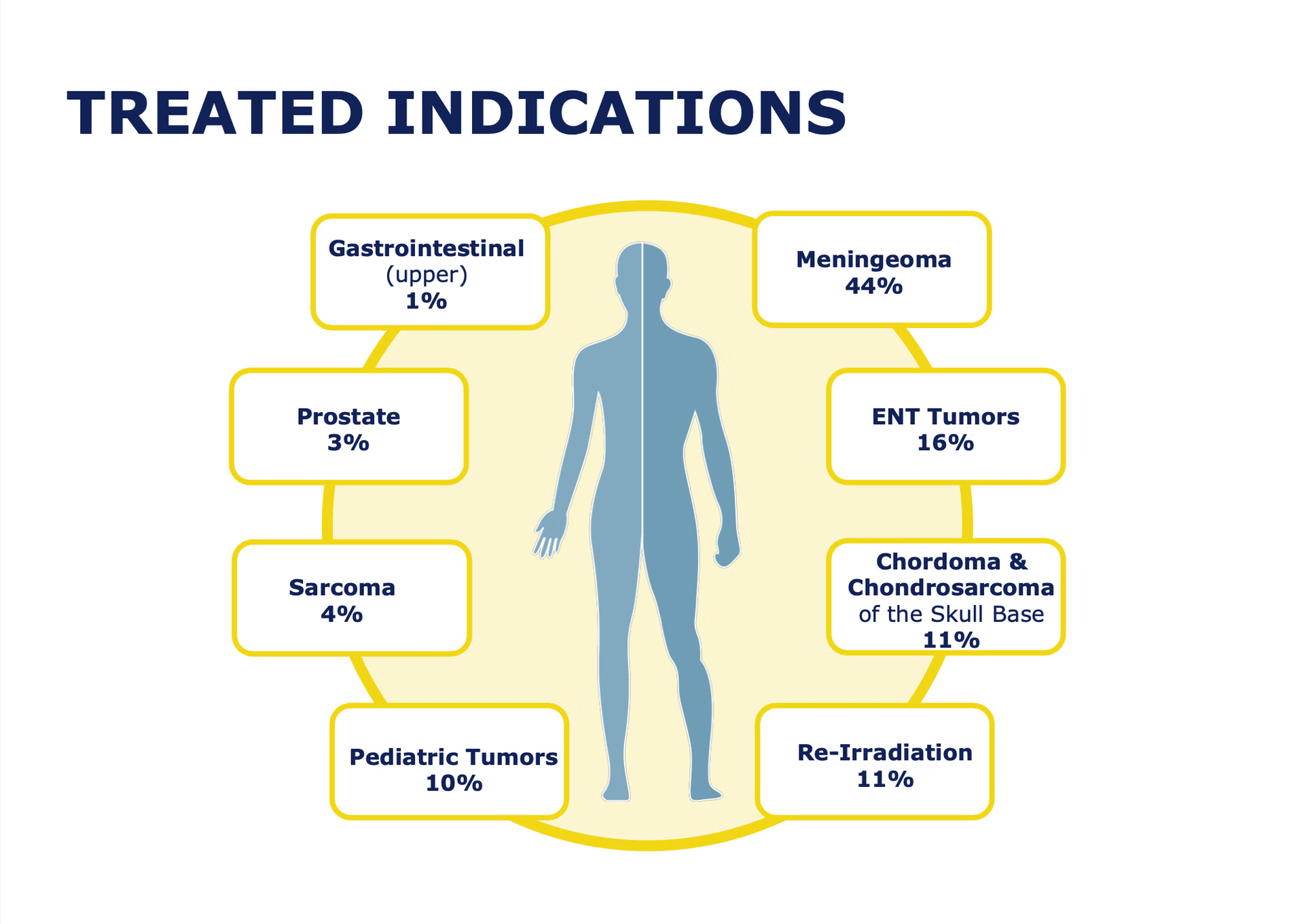
MedAustron focuses on localized tumors where exact dose distribution is crucial, for example, brain tumors, skull-base and spinal tumors, some pediatric cancers, and tumors close to very sensitive organs. The range of indications is expanding as clinical research progresses.
Will ion beam therapy replace my other cancer treatments?
Not necessarily. Ion beam therapy is often one component of a comprehensive treatment plan that may also include surgery, chemotherapy, immunotherapy, or conventional radiotherapy. Your oncology team and MedAustron’s specialists coordinate to decide how particle therapy fits into your overall strategy.