The data collected based on
1,670
patient reviews on Google
Certificates
Features & Facts
CAR-T Therapy Leader
University Clinical Hospital in Wroclaw is strengthening its leadership position in CAR-T therapy, achieving cure rates higher than those of leading international institutions. It became a pioneer of this therapy and is currently one of the largest cell therapy centers in Europe.
Gene-Therapy Capability
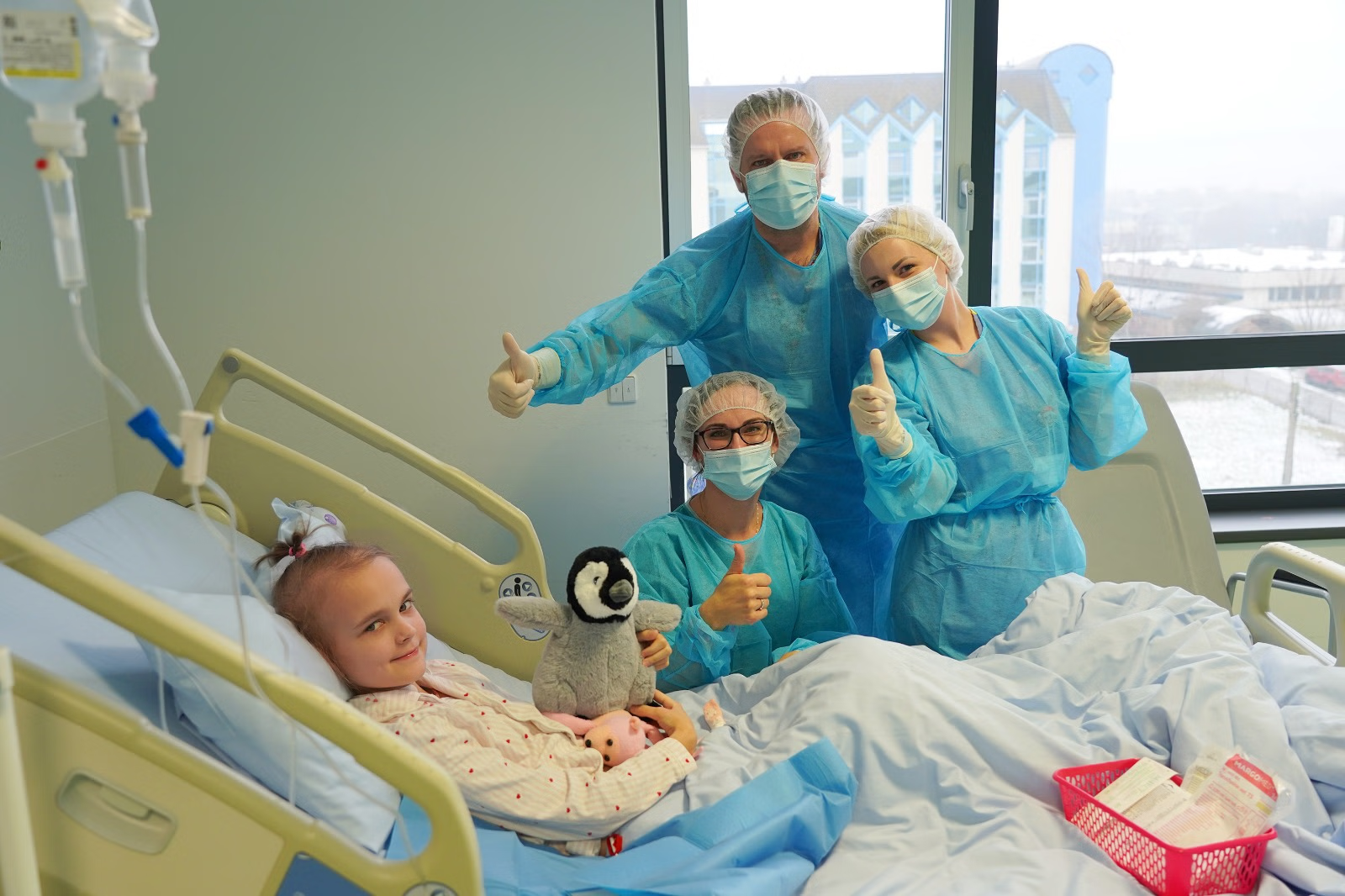
The pediatric program introduced gene therapy for RAG1-SCID and is working toward additional gene-therapy indications. The facility was the fourth hospital in the world, and the first outside the Netherlands, to treat a patient with this groundbreaking therapy.
Heart of Polish Cardiology
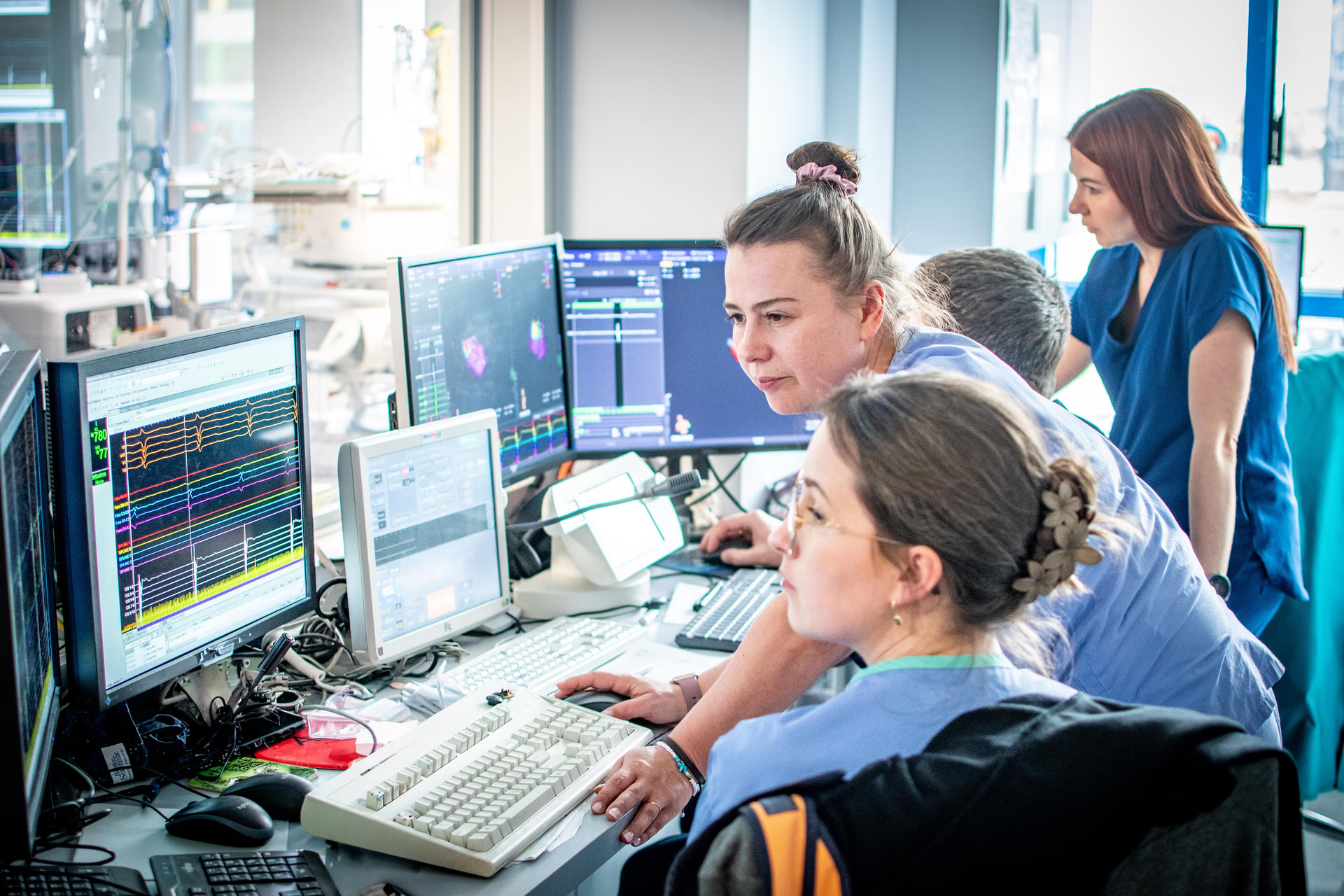
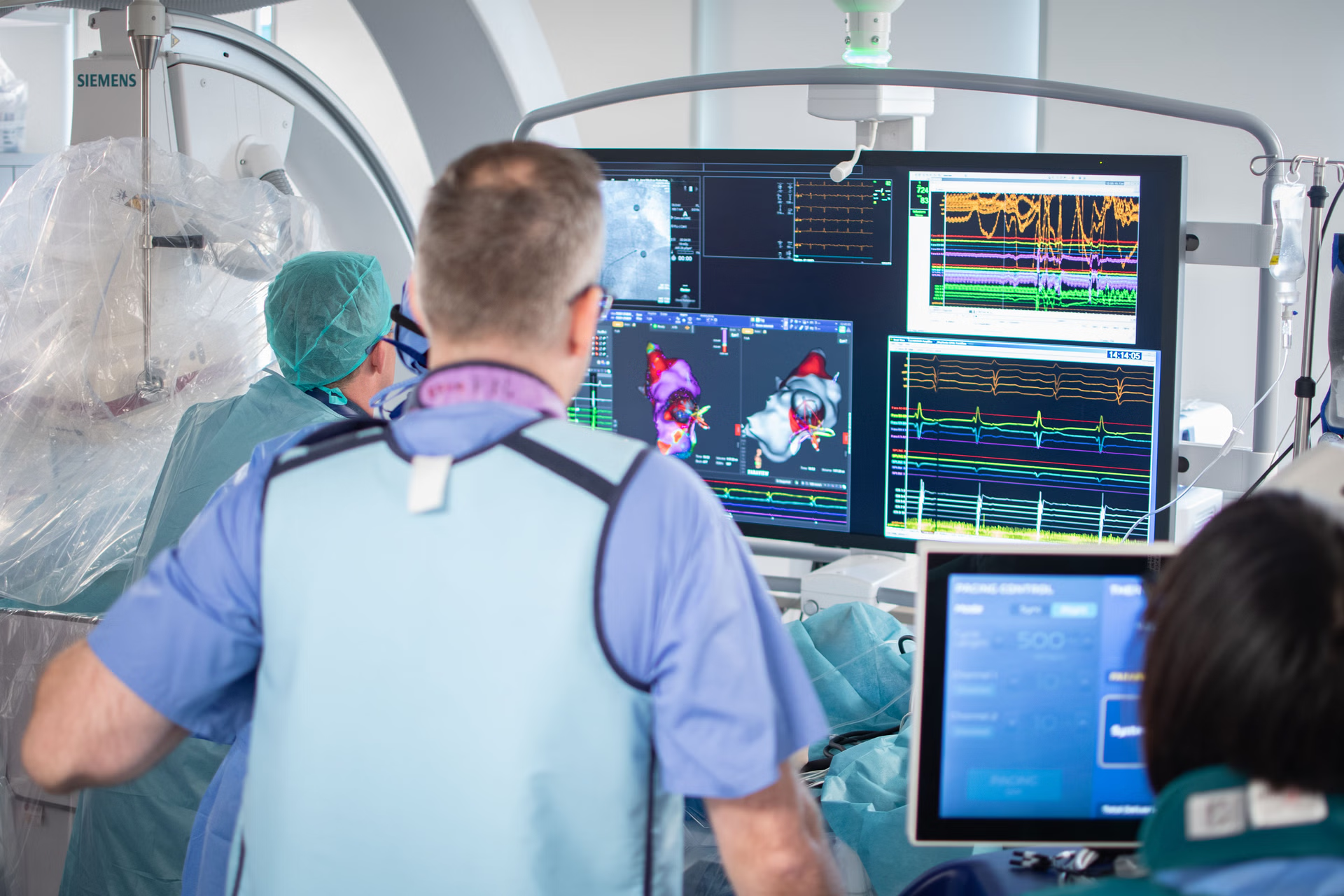
The hospital is one of the most important centers for cardiovascular disease treatment in Poland. As a third-level referral center operating within the National Cardiology Network, it provides care to thousands of patients each year.
Robotic Surgery Offerings
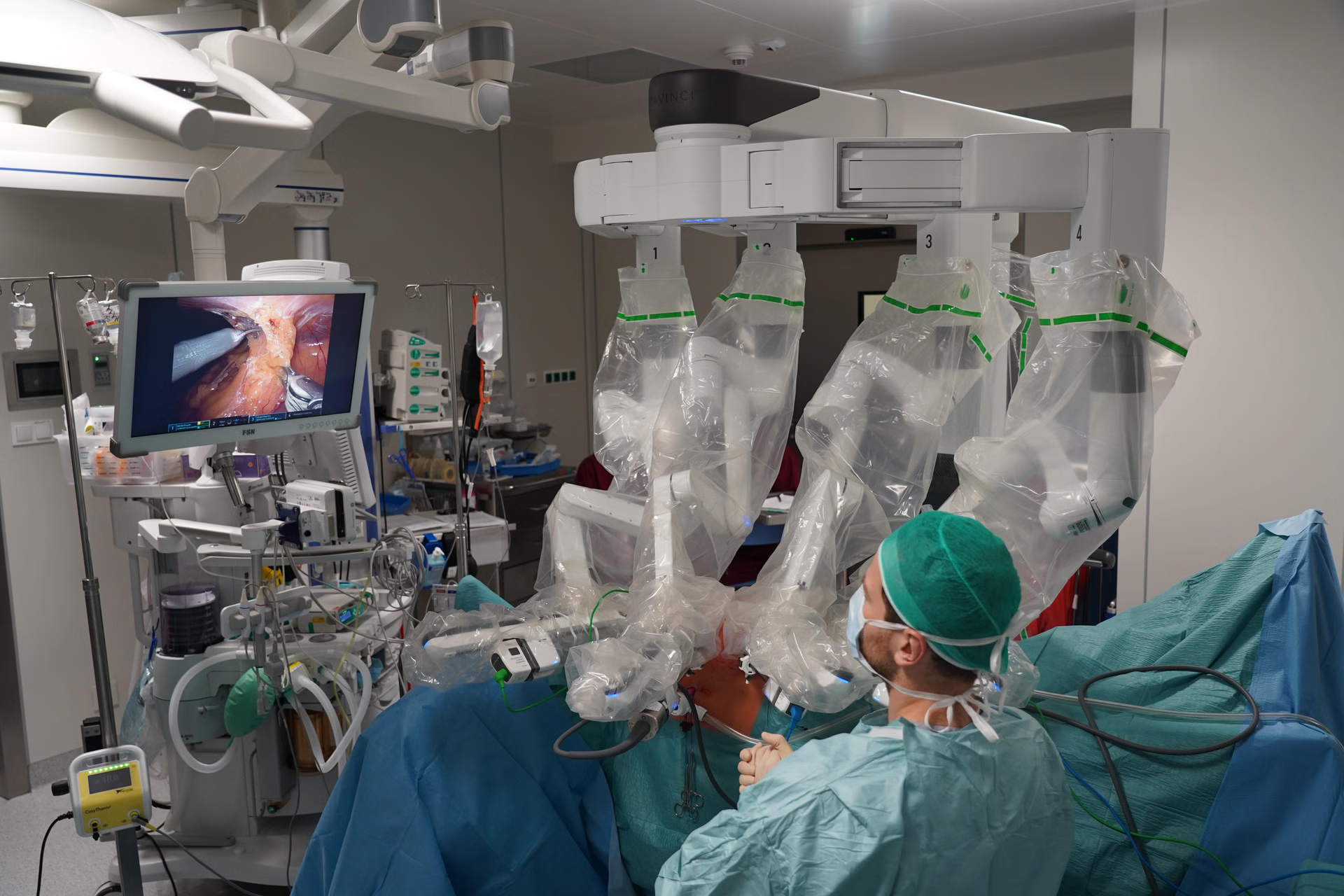
Robotic surgery anchored on a da Vinci 4th-generation platform since 2023, with reported volumes of 400 urologic and 70 colorectal procedures (as of the cited publication).
First-in-Poland Transcatheter Mitral Valve Implantation with Tendyne
The clinic reported the first Polish Tendyne mitral valve implantation (minimally invasive, on a beating heart) with transcatheter delivery introduced via apical puncture.
About the clinic
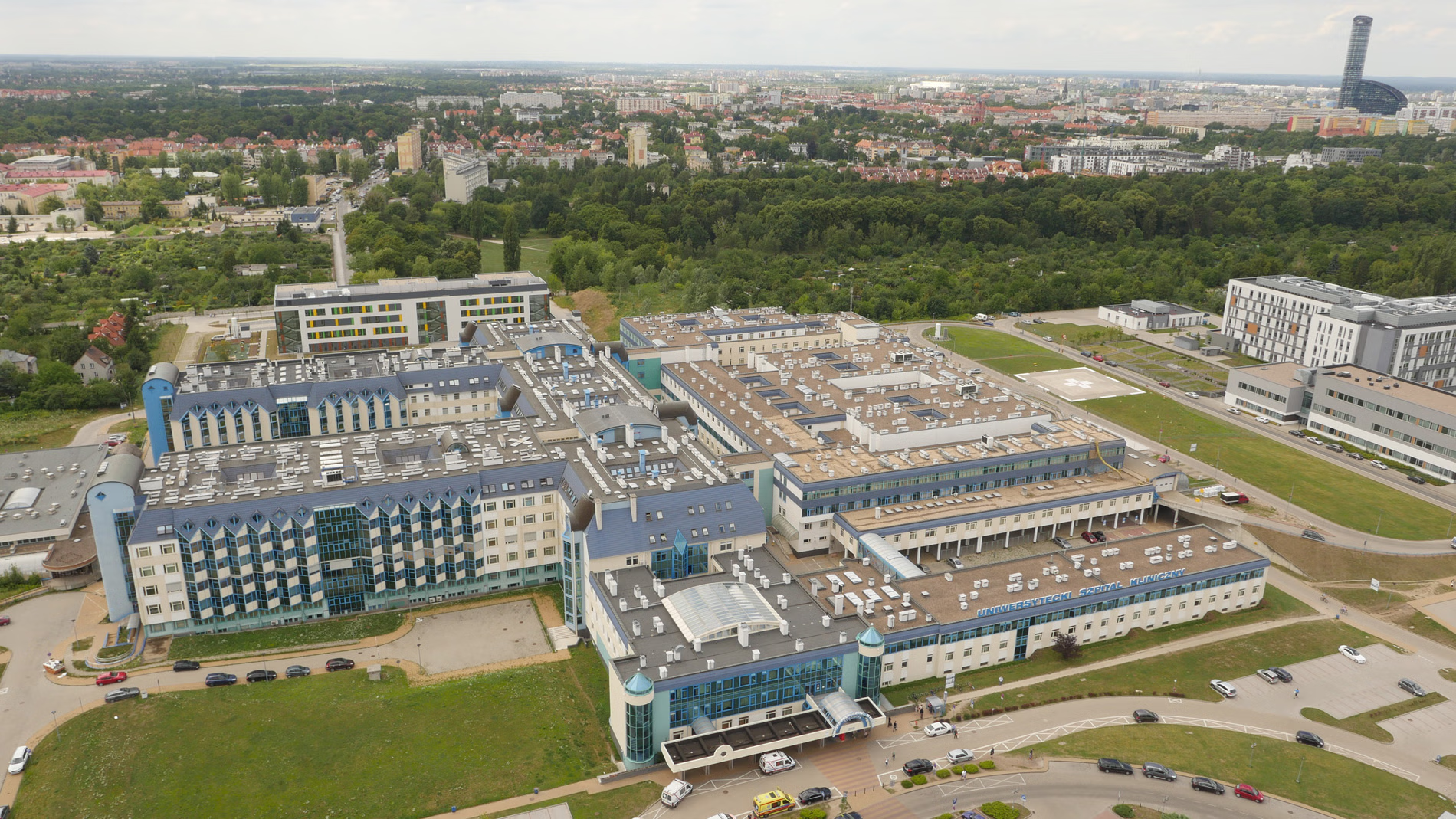
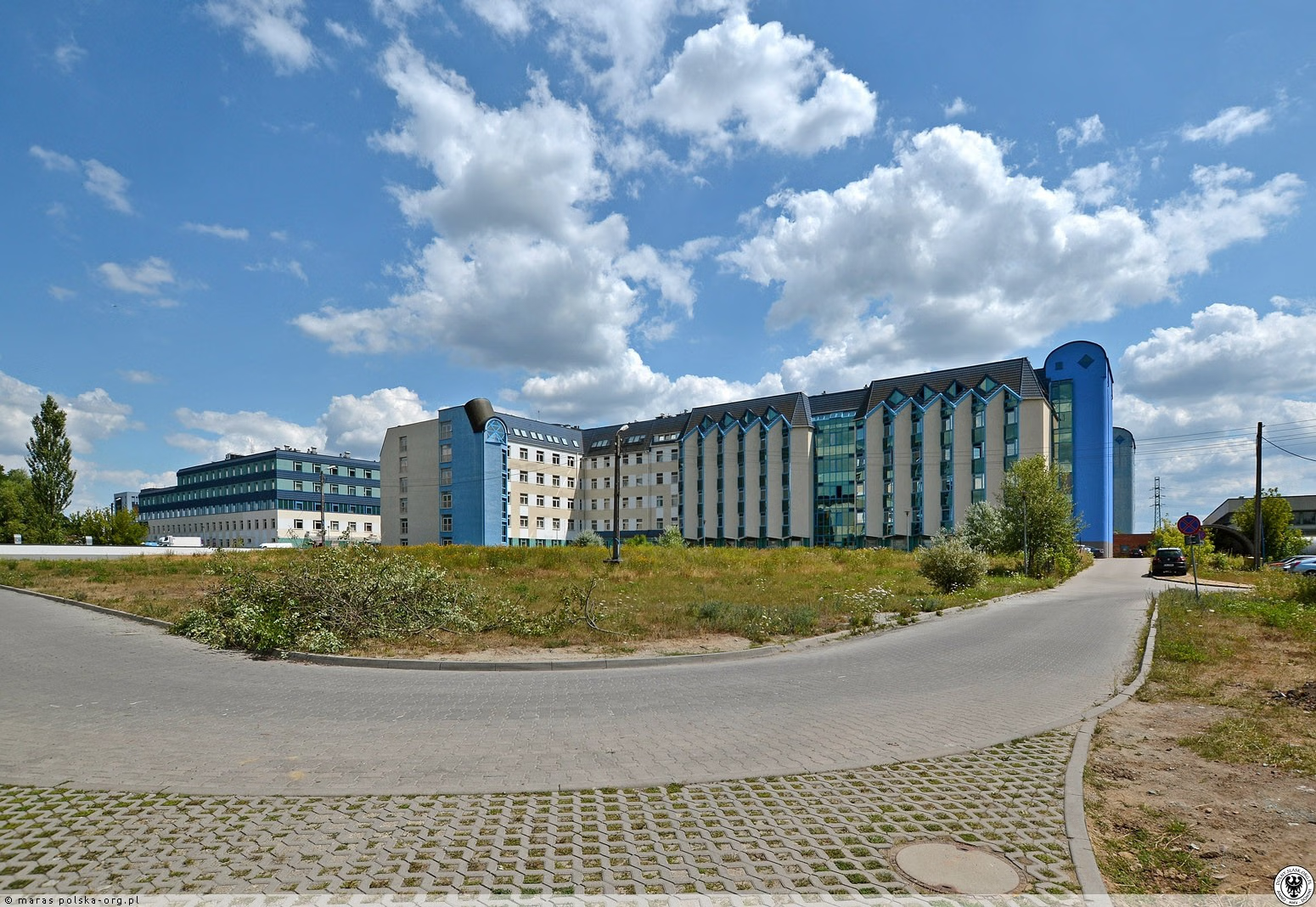
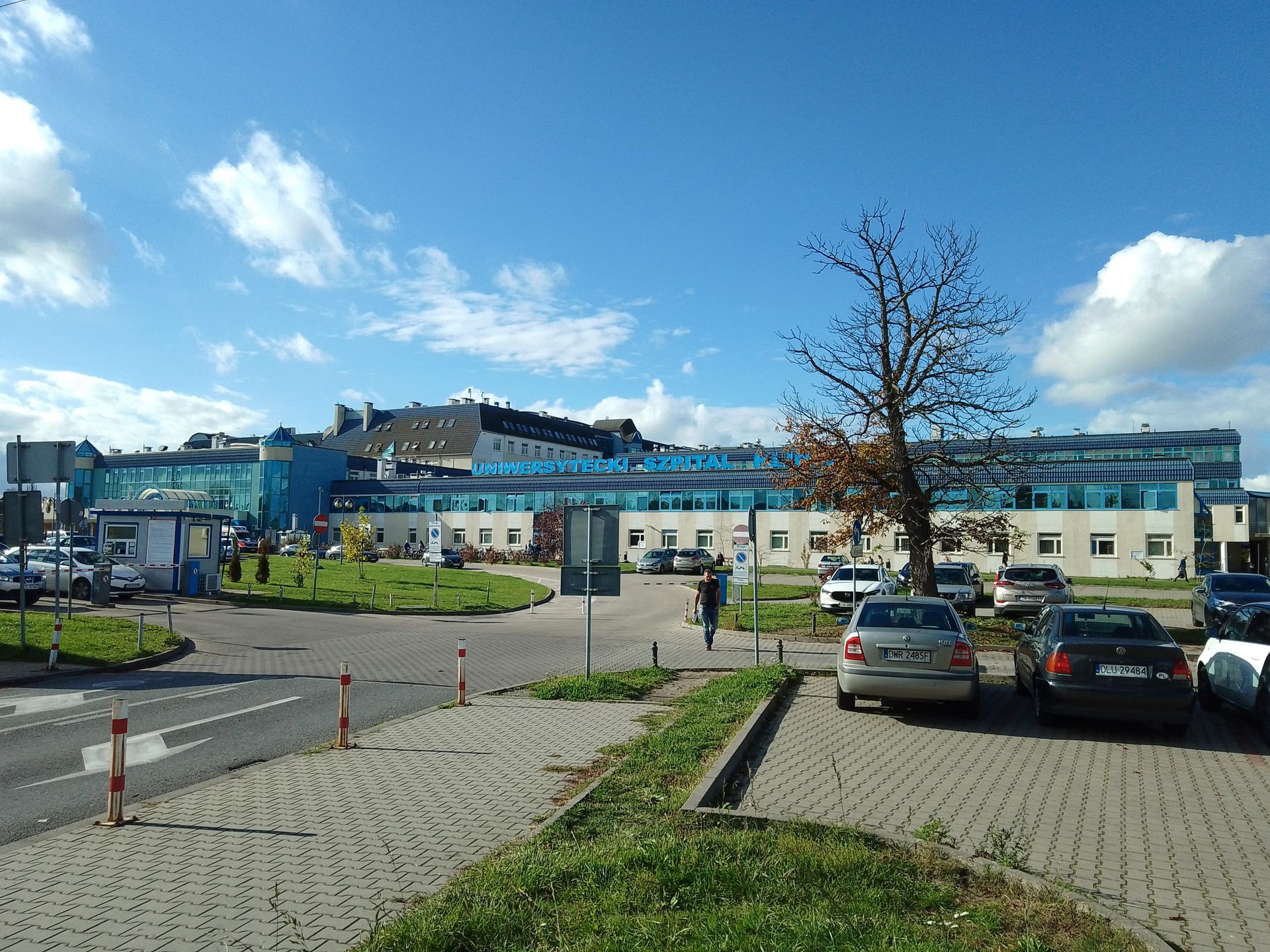
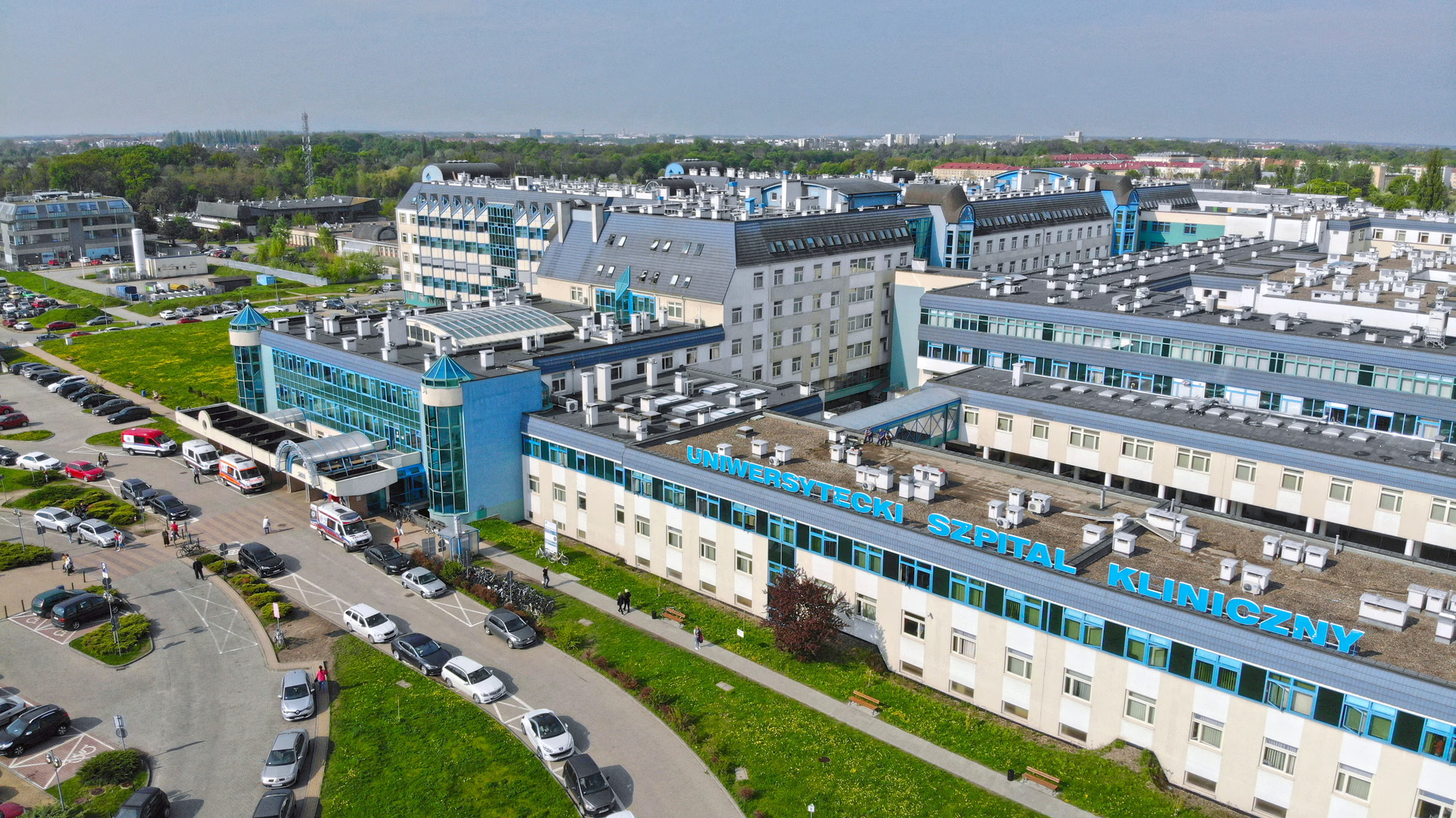
Jan Mikulicz-Radecki University Clinical Hospital in Wrocław is a large academic medical center built around an unusually broad concentration of specialist services. Its clinical structure brings together cardiovascular medicine, internal medicine, transplantation, oncology, neurology and neurosurgery, vascular surgery, urology, ophthalmology, orthopedics, obstetrics and gynecology, pediatrics, rehabilitation, emergency medicine and numerous other disciplines. This breadth allows the hospital to manage patients whose conditions cross conventional specialty boundaries and require coordinated assessment by several clinical teams. A notable feature of the center is the way adult and pediatric highly specialized medicine coexist within the same academic institution. The hospital includes a dedicated pediatric oncology and hematology environment alongside pediatric nephrology, neonatology, pediatric surgery and urology, pediatric gastroenterology, endocrinology, diabetology and infectious diseases. This creates an extensive referral structure for children with complex disorders, while the adult departments provide corresponding specialist pathways for advanced internal medicine, surgery, transplantation and oncology. The pediatric oncology campus, known as Przylądek Nadziei, has become an important national referral environment for children with cancer and serious hematological disorders. The center has treated patients from across Poland and combines pediatric hematology, oncology, and bone marrow transplantation in one specialized clinical setting. Its physicians are also developing the institution's role in treating rare and ultra-rare diseases with cellular therapies, linking specialist pediatric care to the hospital's broader academic and translational infrastructure. Cardiovascular medicine forms another substantial pillar of the facility. The Institute of Heart Diseases incorporates cardiology, cardiac surgery, pediatric cardiology and cardiac surgery, cardiovascular imaging, clinical research and cardiovascular rehabilitation. This structure means that patients can be assessed across several complementary cardiovascular disciplines, with diagnostic imaging, interventional treatment, surgery, and rehabilitation all within the same institutional framework. The surgical profile is similarly diverse. Its services include general and oncological surgery, thoracic surgery, vascular and transplant surgery, head and neck surgery, maxillofacial surgery, pediatric surgery, orthopedic and hand surgery, as well as minimally invasive and robotic urology. The presence of dedicated teams for both conventional and minimally invasive procedures allows treatment strategies to be adapted to the anatomical location, disease complexity, and individual clinical circumstances rather than relying on a single operative approach. Urology is particularly well integrated with the modern surgical infrastructure. The university center of urology includes separate urology and minimally invasive and robotic urology departments, creating a dedicated environment for advanced operative management of urological disease. This is complemented by specialist imaging, pathology, and other diagnostic services available elsewhere in the clinic, supporting the comprehensive evaluation of patients before and after surgery. The University Clinical Hospital in Wrocław also has a strong diagnostic backbone. Its clinical structure includes dedicated radiology, interventional radiology, and neuroradiology, together with pediatric radiology, clinical pathology, and cytology. These services support both routine investigations and complex diagnostic pathways, while interventional radiology adds image-guided procedures to the hospital's therapeutic capabilities. The availability of these disciplines within the same university hospital is particularly valuable for patients whose treatment depends on close coordination between imaging specialists and clinical teams. Neurology and neurosurgery are organized into a dedicated center. The center provides specialist management of neurological disorders alongside operative treatment of neurosurgical conditions, supported by the hospital's radiology and neuroradiology infrastructure. This creates a continuous pathway from neurological assessment and advanced imaging to surgical intervention and, when required, subsequent rehabilitation. The clinic also has an established role in complex trauma and acute medicine. Its emergency department operates as part of a center for treating multiple and multi-organ injuries, with a dedicated emergency medicine service and hospital emergency department. A helicopter landing site further supports the hospital's role in receiving critically injured patients who require rapid access to tertiary specialist care. Another distinguishing feature is the clinic's combination of acute treatment with structured rehabilitation. A dedicated university rehabilitation unit is part of the clinical network, while cardiovascular rehabilitation is integrated into the Institute of Heart Diseases. This allows recovery and functional restoration to remain connected with specialist treatment rather than being treated as a completely separate phase of care. The internal organization also supports a broad range of chronic and complex medical conditions. Dedicated departments cover nephrology and transplant medicine, gastroenterology and hepatology, diabetology and hypertension, endocrinology, rheumatology, geriatrics, angiologic medicine and allergy/internal medicine. Dialysis services are also available, creating additional continuity for patients with advanced renal disease and those undergoing transplant-related care. Its academic character is visible throughout the institution. Many departments operate as university clinics, combining patient care with scientific work and specialist education. The hospital also maintains a dedicated university center for clinical research support, providing an institutional framework for clinical studies and the introduction of new medical approaches. This research orientation is particularly relevant to disciplines such as oncology, hematology, transplantation, cardiology and advanced cellular medicine, where treatment is continually evolving.
Gallery
2025-12-17T17:04:55.000Z
2025-12-17T17:04:55.000Z
2025-12-17T17:04:55.000Z
2025-12-17T17:04:55.000Z
2025-12-17T17:04:22.000Z
2025-12-17T17:03:48.000Z
2025-12-17T17:04:55.000Z
2025-12-17T17:04:55.000Z
2025-12-17T17:04:55.000Z
2025-12-17T17:04:55.000Z
2025-12-17T17:04:22.000Z
2025-12-17T17:03:48.000Z
A novel operation at the University Clinical Hospital
2025-12-17T16:31:47.000Z
A novel operation at the University Clinical Hospital
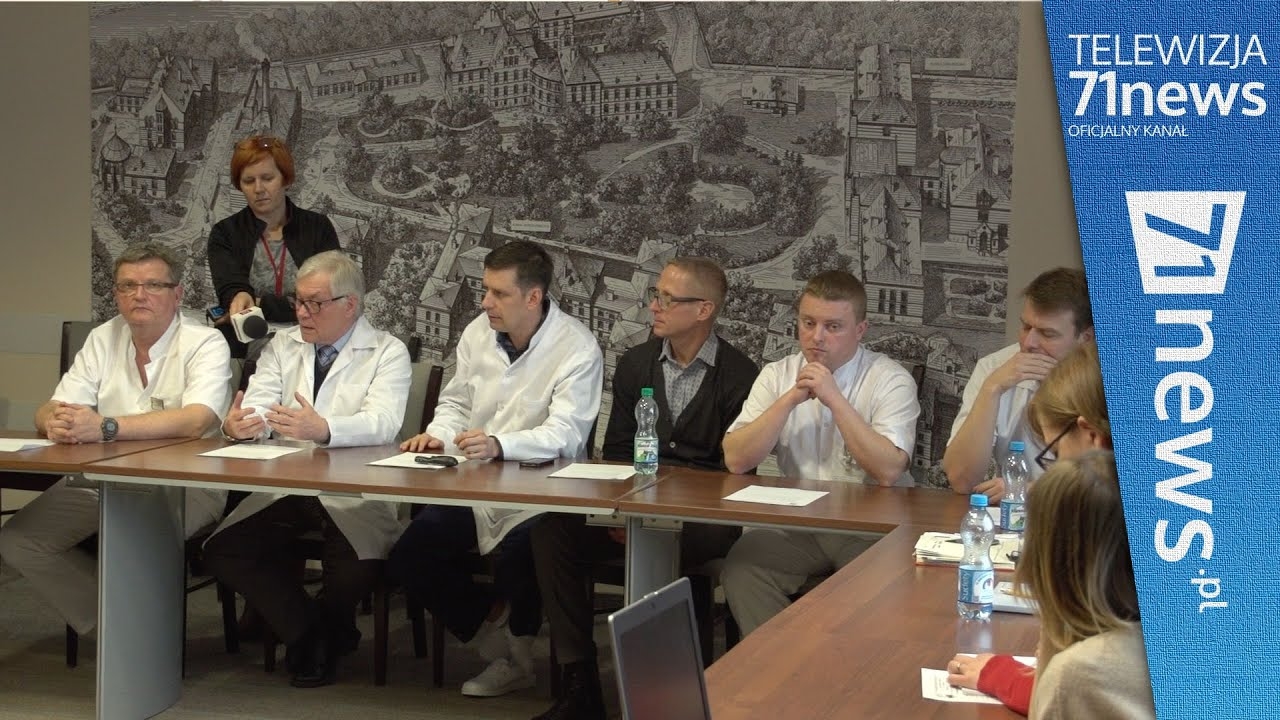
Doctors from Wrocław have transplanted the most hearts among adults in Poland! | Wroclaw TV
2025-12-17T16:30:25.000Z
Doctors from Wrocław have transplanted the most hearts among adults in Poland! | Wroclaw TV
Extra services
Visa Support
Parking Space
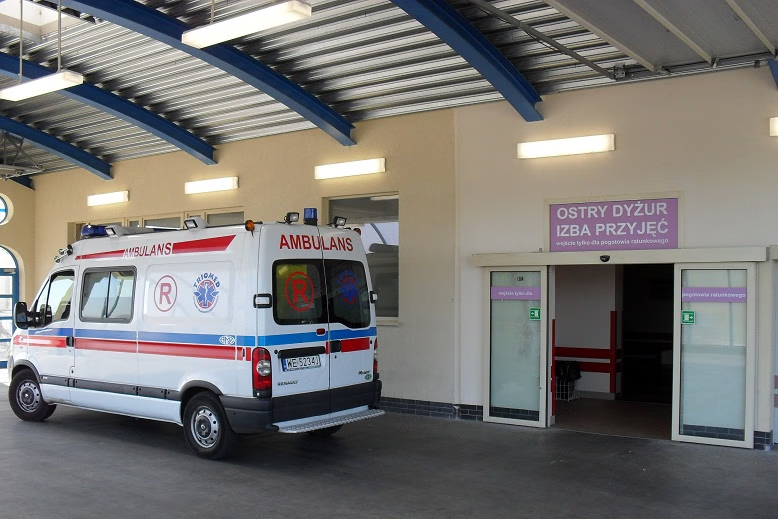
24/7 medical assistance
Pastoral Care
Intensive Care Unit
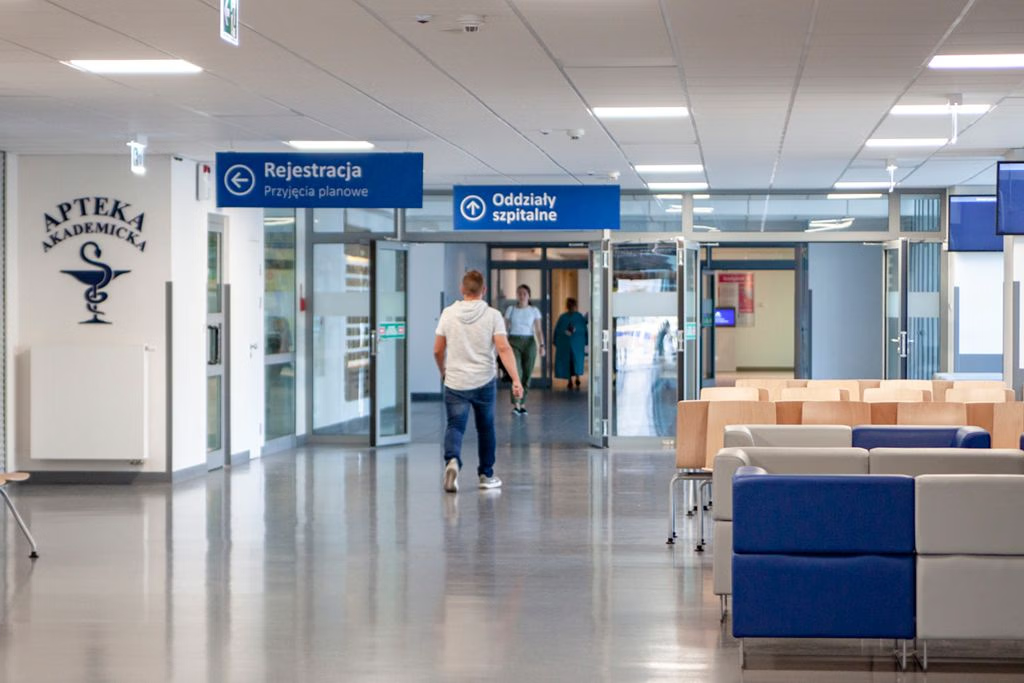
On-Site Pharmacy
Cafeteria
Kids' Play Zone
Accessibility Features
Location
Borowska 213, 50-556 Wrocław, Poland
FAQ
Can I access advanced therapies for pediatric leukemia?
Yes. The hospital’s pediatric hemato-oncology program delivers CAR-T therapy to pediatric patients on a significant scale (including a publicly reported 50th pediatric CAR-T case in 2025).
What modern non-open-chest cardiac procedures are used here?
The Heart Diseases Institute has been using minimally invasive transcatheter valve approaches, including Poland’s first Tendyne transcatheter mitral valve implantation. The institute also performs percutaneous removal of large intracardiac thrombi using AngioVac in selected high-risk cases.
How are congenital pediatric limb and hip deformities managed?
Pediatric orthopedic specialists perform long bone corrective osteotomies and surgical reconstructions for clubfoot and flatfoot deformities. Non-surgical management utilizes serial Ponseti casting for foot anomalies and overhead traction protocols for developmental hip dysplasia.
Does the hospital use AI-assisted diagnostic methods?
Yes. The facility uses an AI-supported FotoFinder wideodermatoscopy system for advanced skin lesion imaging, archiving, and comparative assessment (a total body mapping workflow).
What minimally invasive endocrine and biliary procedures are performed?
Surgeons execute laparoscopic resections for adrenal gland tumors alongside surgical interventions for thyroid and parathyroid pathologies. Therapeutic biliary endoscopies include endoscopic retrograde cholangiopancreatography with stone extraction and biliary stenting, as well as percutaneous endoscopic gastrostomy tube placement.
What complex gastrointestinal oncological operations are performed?
The gastrointestinal surgical service performs radical gastric cancer resections combining gastrectomy with comprehensive lymphadenectomy. Operative pathways also include resections for pancreatic and biliary neoplasms, as well as laparoscopic splenectomies for hematologic disorders.
What is the rating of the clinic?
Jan Mikulicz-Radecki University Clinical Hospital Wrocław is rated as 9.60 by AiroMedical.
What do patients say about Jan Mikulicz-Radecki University Clinical Hospital Wrocław?
The clinic has 1,670 feedbacks at other places. The UserScore of the hospital is 92%.