The data collected based on
1,689
patient reviews on Google
Certificates
Features & Facts
Brazil's Largest Pediatric Hospital
Founded in 1919 by female volunteers, the institution has over a century of history. It is currently recognized as the largest and most comprehensive children's hospital in Brazil.
Extensive Bed Capacity
The facility operates with 370 specialized pediatric beds, including 68 ICU beds, to effectively manage severe medical emergencies and post-operative recovery.
Strong Public Health Commitment
As a philanthropic institution, approximately 60% to 70% of the hospital's capacity is actively dedicated to treating low-income patients entirely through Brazil’s Unified Health System.
National Transplant Reference
The surgical team performed 293 transplants in 2024. It is a national leader in bone marrow transplants, completing over 500 procedures and accounting for 12% of all pediatric BMTs in Brazil.
Pioneering Rare Disease Care
Specializing in rare genetic conditions, the clinic manages over 1,200 annual consultations. It famously pioneered the administration of Zolgensma gene therapy for spinal muscular atrophy.
Comprehensive Medical Scope
Providing an integrated approach to pediatric health, the medical staff delivers specialized clinical and surgical care across 32 specialties for comprehensive patient care.
Integrated Healthcare Complex
The facility operates within the Pequeno Príncipe Complex, a structure that synergizes clinical care with the Pequeno Príncipe College and the internationally renowned Pelé Pequeno Príncipe Research Institute.
Robust Academic & Research Output
Serving as a major teaching and research hub, the complex trained over 2,200 students and published 74 scientific articles in 2024, driving regional innovation in advanced pediatric therapies.
Elite Liver Transplant Unit
The hospital's advanced pediatric liver program achieved a 93% survival rate shortly after its 2020 resumption. It is the only facility in Paraná performing these transplants on children under 10.
Genomic Medicine Integration
In partnership with the Brazil Genomes Project, the hospital uses advanced genetic sequencing to evaluate transplant viability and accurately guide targeted therapies for complex metabolic conditions.
About the clinic
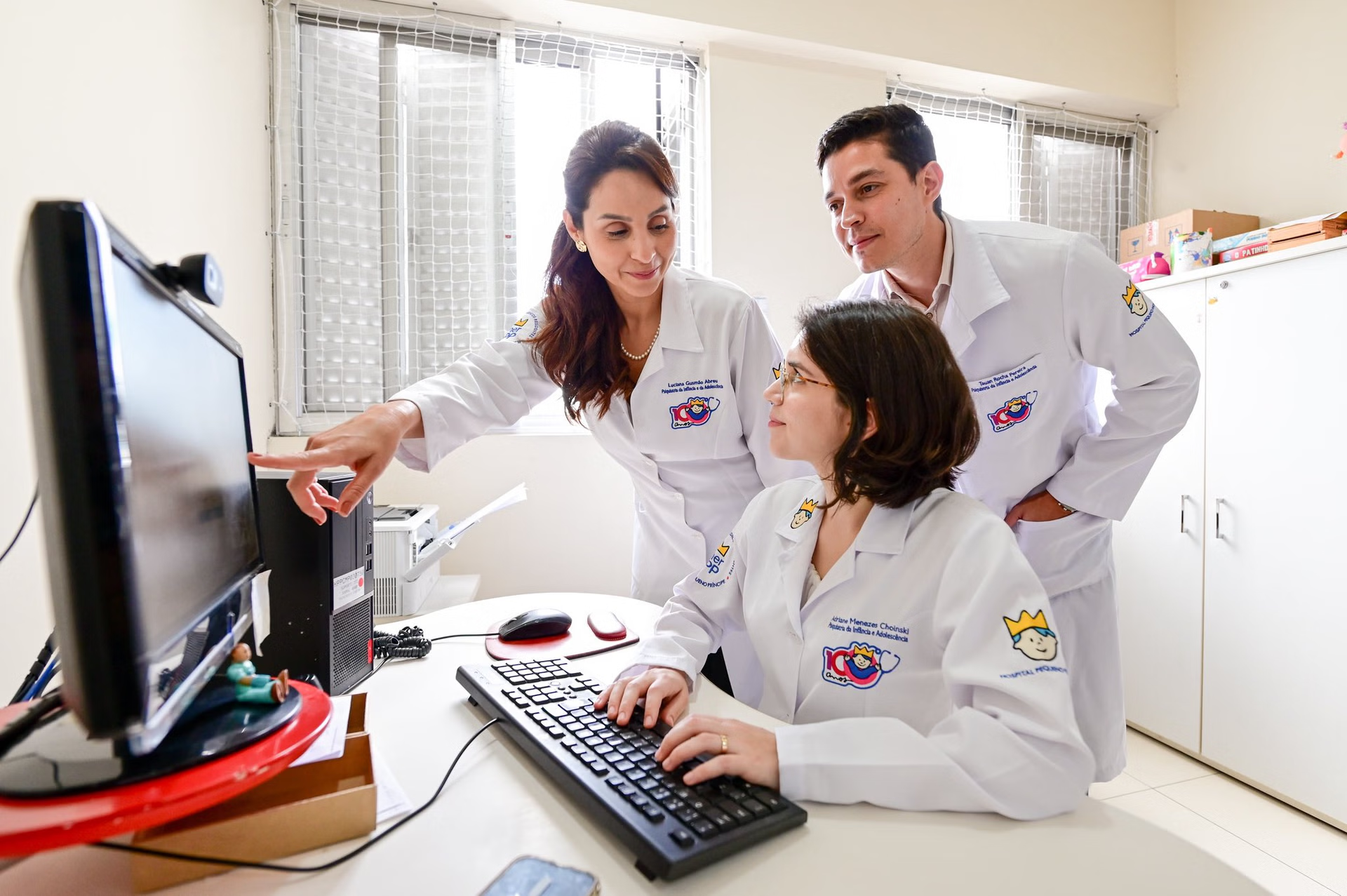
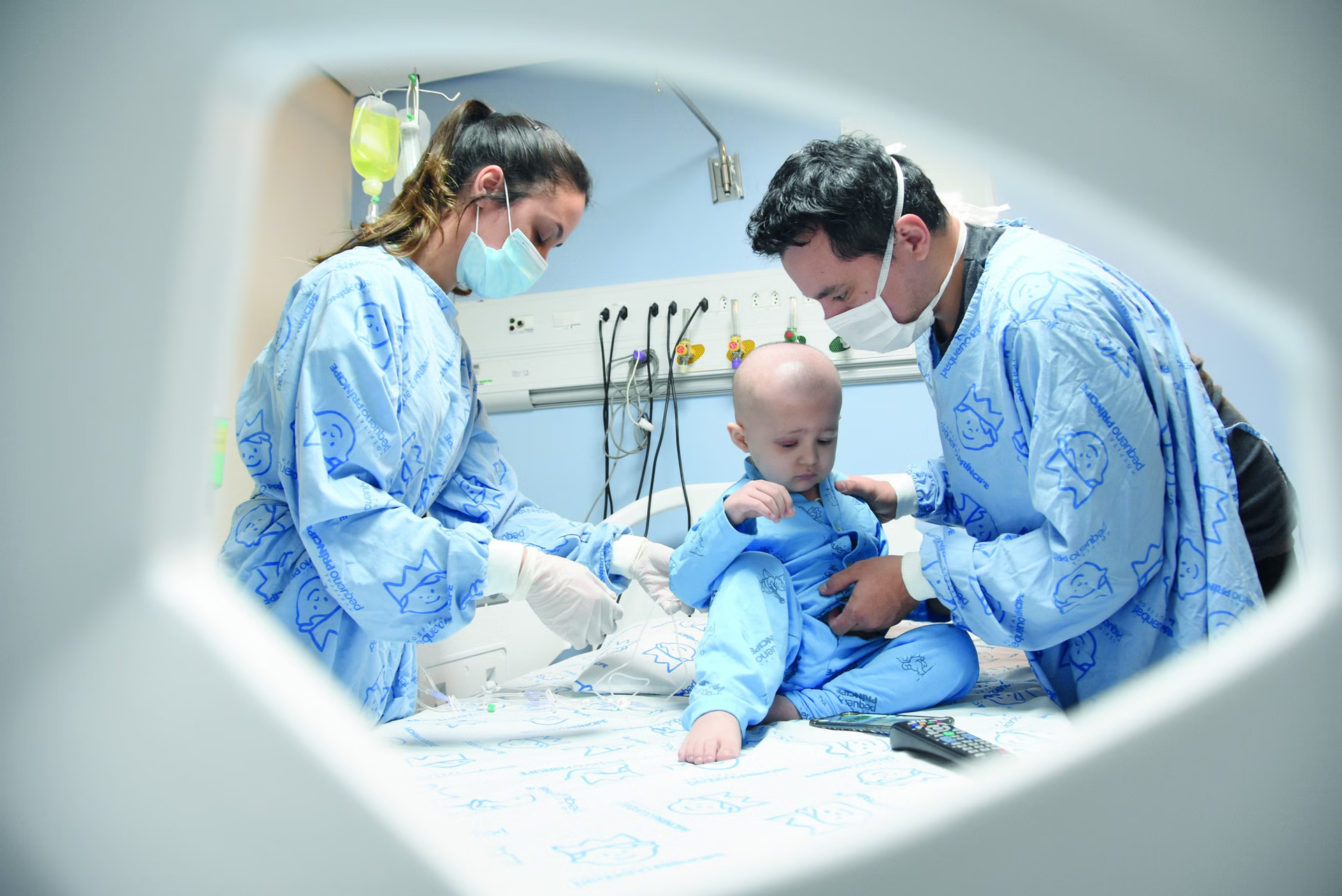
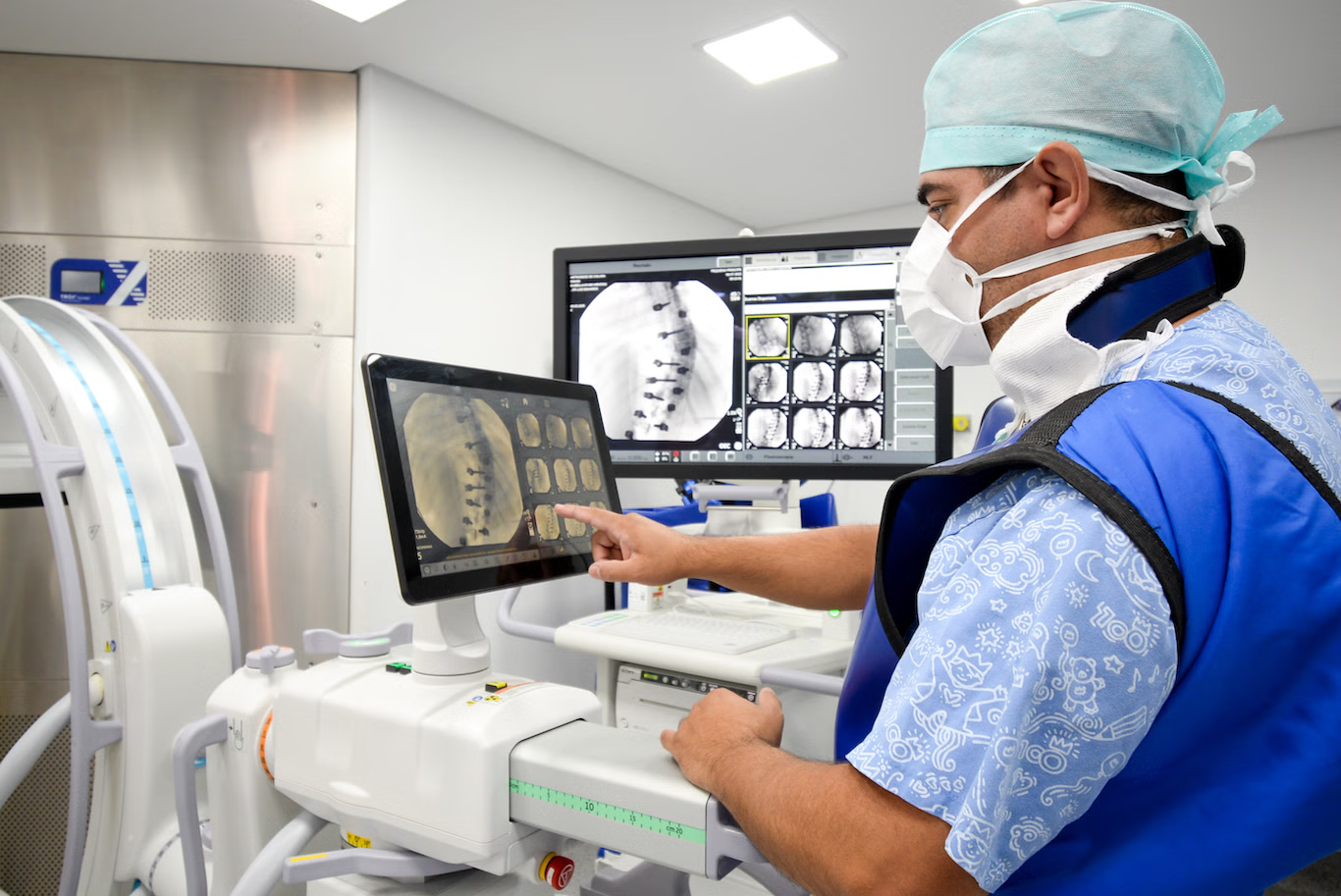
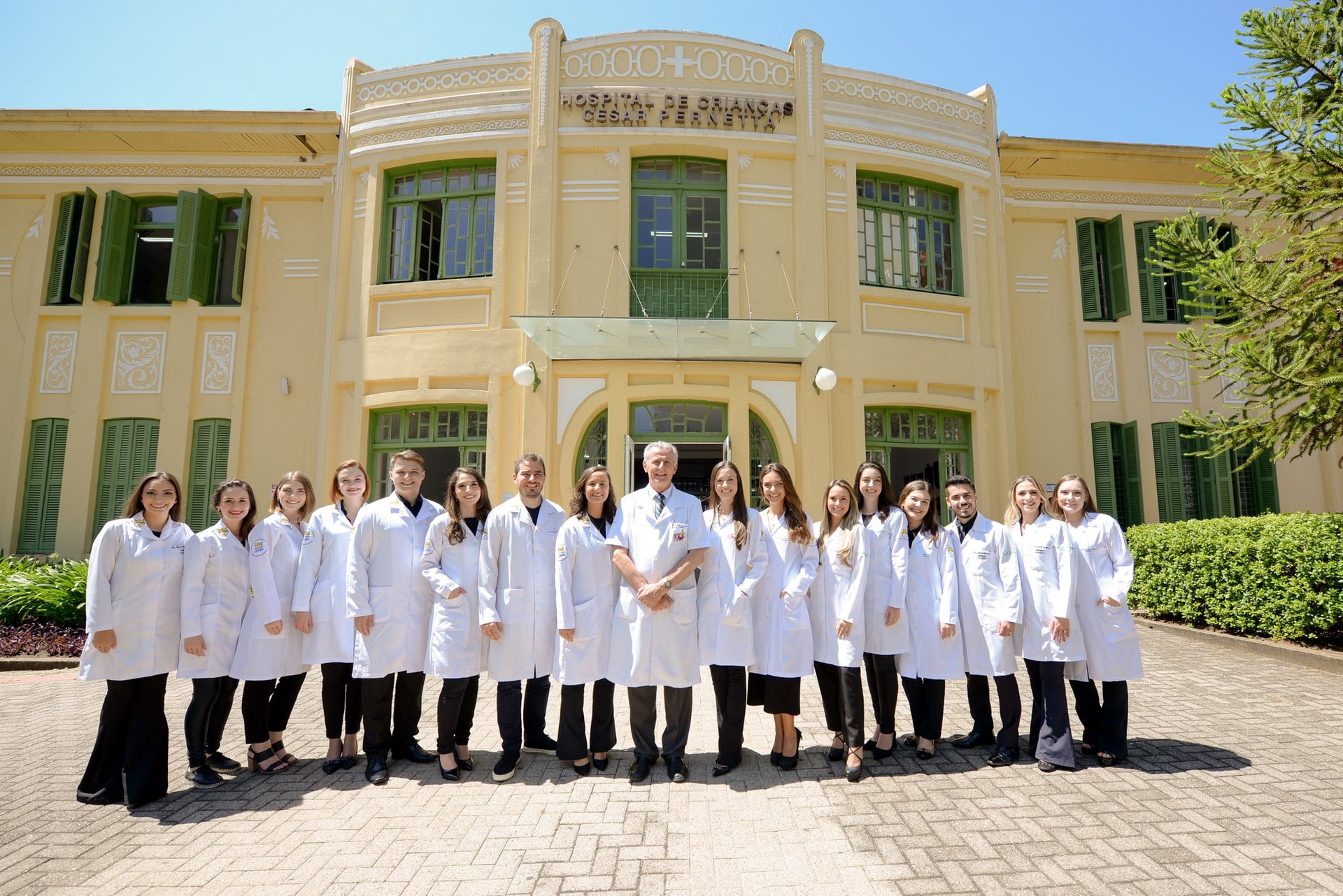
The Pequeno Príncipe Hospital, located in Curitiba, Brazil, stands as a monumental pillar of South American healthcare, holding the distinction of being the largest exclusively pediatric hospital in the country. With a history spanning over a century, this philanthropic institution has evolved from a small clinic into a world-class center of excellence that harmonizes high-complexity medical intervention with a deeply humanized approach to child health. The hospital serves as a national benchmark for pediatric care, dedicating a significant portion of its capacity to patients from the Brazilian Unified Health System, ensuring that cutting-edge medical technology and specialized expertise remain accessible to children from all socioeconomic backgrounds. Furthermore, the institution serves as a teaching hospital, shaping the next generation of pediatricians and specialists through its residency programs and its own dedicated university, the Pequeno Príncipe Faculties. The clinical depth of Pequeno Príncipe is staggering, encompassing over thirty-five medical specialties that address the most intricate health challenges facing infants, children, and adolescents. It is particularly renowned for its prowess in complex procedures, including heart, kidney, liver, and bone marrow transplants, as well as its robust oncology and orthopedics departments. The hospital operates with an interdisciplinary mindset, where surgeons, clinicians, and specialized nursing staff collaborate in real time, supported by a diagnostic infrastructure that rivals that of the world's top medical centers. This concentration of specialized knowledge makes the hospital a primary referral destination for rare diseases and high-risk surgeries that require a level of precision and pediatric-specific equipment found in few other places. Beyond its surgical and clinical capabilities, Pequeno Príncipe is a formidable powerhouse of medical research and education. Through the Pelé Pequeno Príncipe Research Institute, named in honor of the legendary football player, a dedicated patron, the hospital conducts groundbreaking studies in biotechnology, genetics, and molecular biology. This integration of a research institute directly into a clinical setting enables rapid bench-to-bedside translation, turning scientific discoveries in the lab into life-saving treatments for patients. The hospital's philosophy is perhaps best reflected in its commitment to humanization, a term that translates into a physical environment and a care model designed specifically to meet a child's emotional needs. Recognizing that a hospital stay can be a traumatic experience, the facility integrates art, culture, and education into its patients' daily routine. It pioneered the family participant program, which ensures that parents are not just visitors but active members of the care team, staying with their children throughout the recovery process. The corridors are filled with color, and the hospital maintains a dedicated team of educators and hospital clowns to ensure that a child's development and right to play are not paused by their illness. As a non-profit institution, Pequeno Príncipe relies on a sophisticated blend of government funding, corporate partnerships, and individual donations to maintain its vast operations. This philanthropic spirit is woven into the hospital's fabric, driving a culture of social responsibility that extends beyond the clinic walls into public policy advocacy for children’s rights. By balancing the rigors of advanced scientific medicine with the gentle, imaginative spirit of its namesake, The Little Prince, the hospital continues to prove that the most effective way to heal a child is to treat them with the highest level of technical skill while never losing sight of their childhood.
Gallery
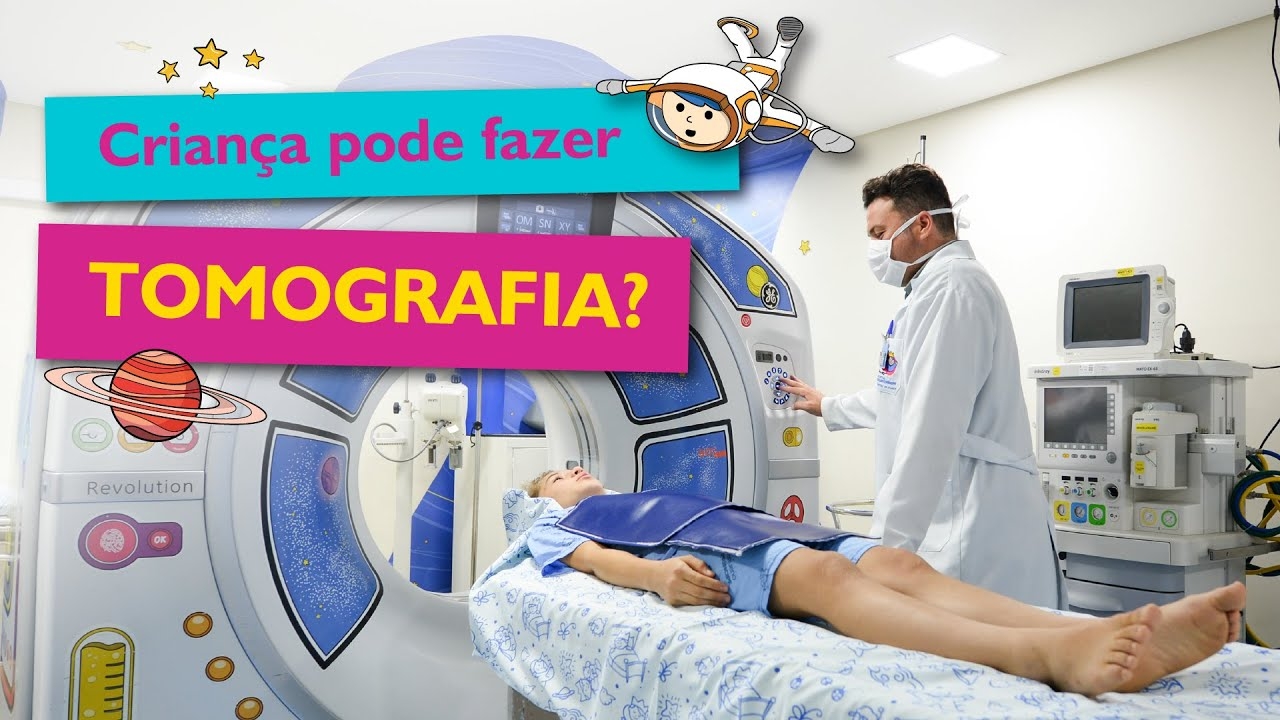
How is a CT scan performed on children?
2026-01-13T14:27:37.000Z
How is a CT scan performed on children?
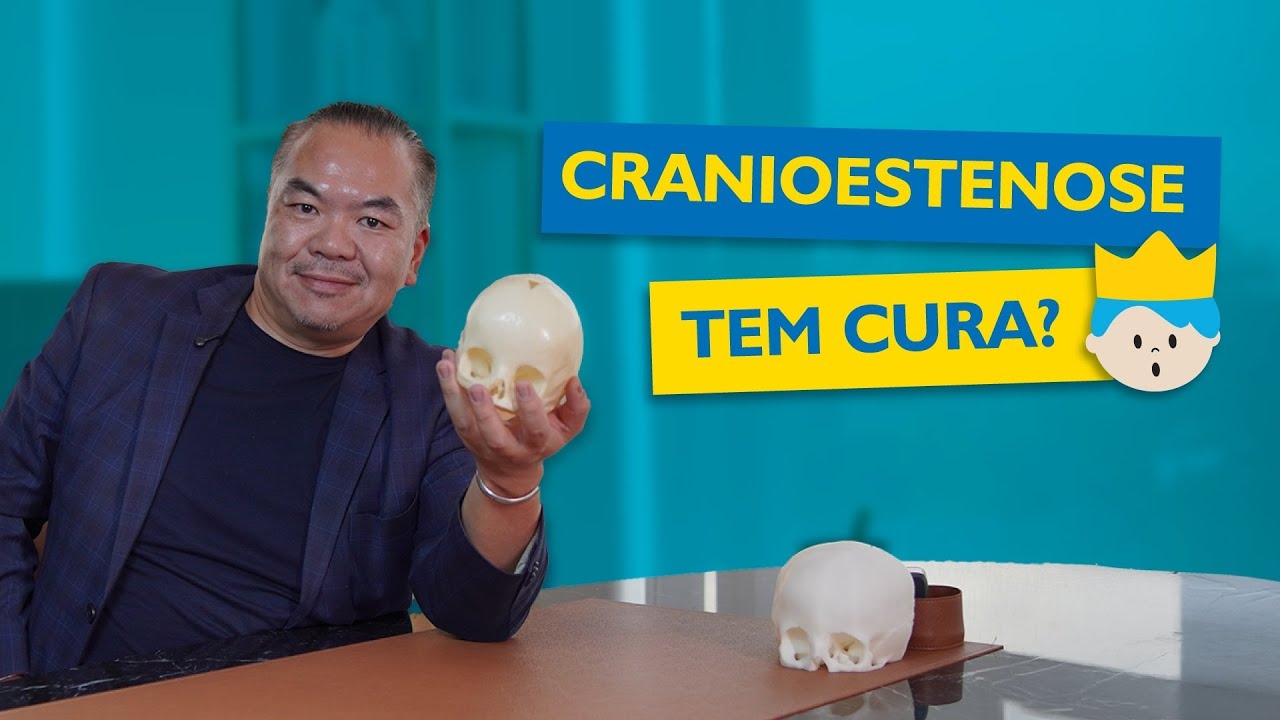
Craniosynostosis: What it is, how to identify it, and treatment!
2026-01-13T14:27:15.000Z
Craniosynostosis: What it is, how to identify it, and treatment!
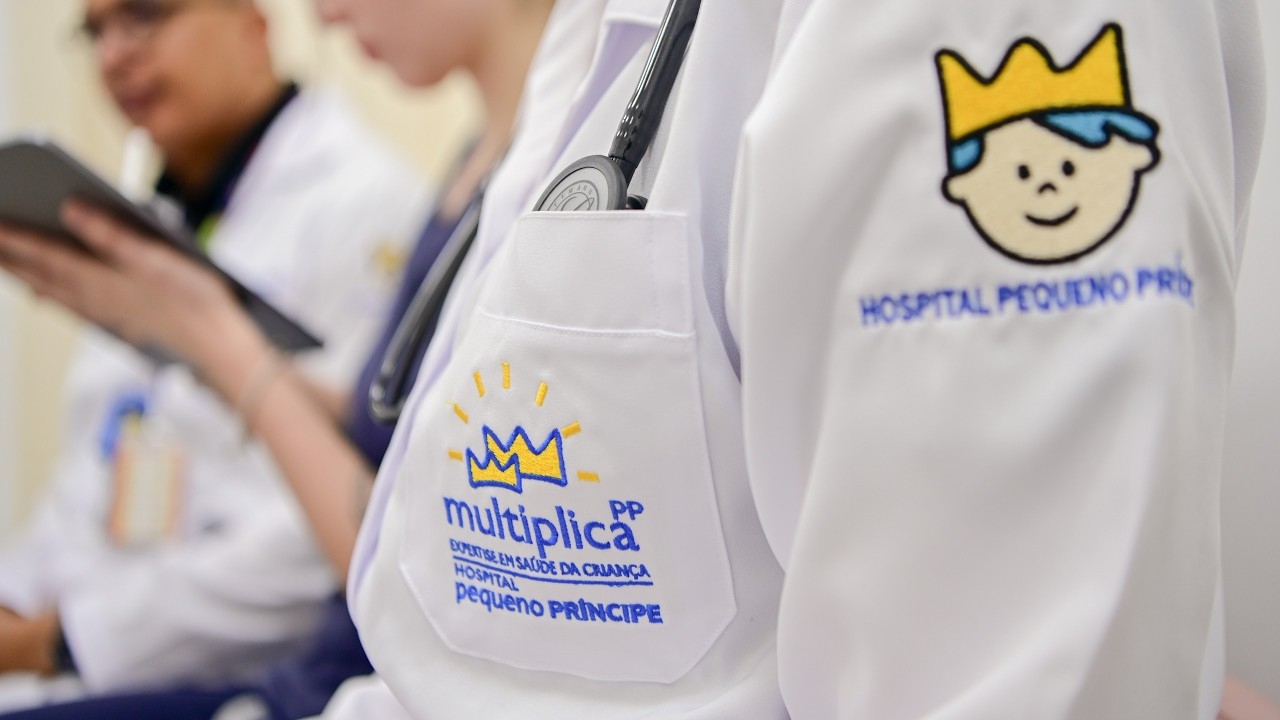
What is it like to be present in the Pequeno Príncipe Hospital routine?
2026-01-13T14:26:29.000Z
What is it like to be present in the Pequeno Príncipe Hospital routine?
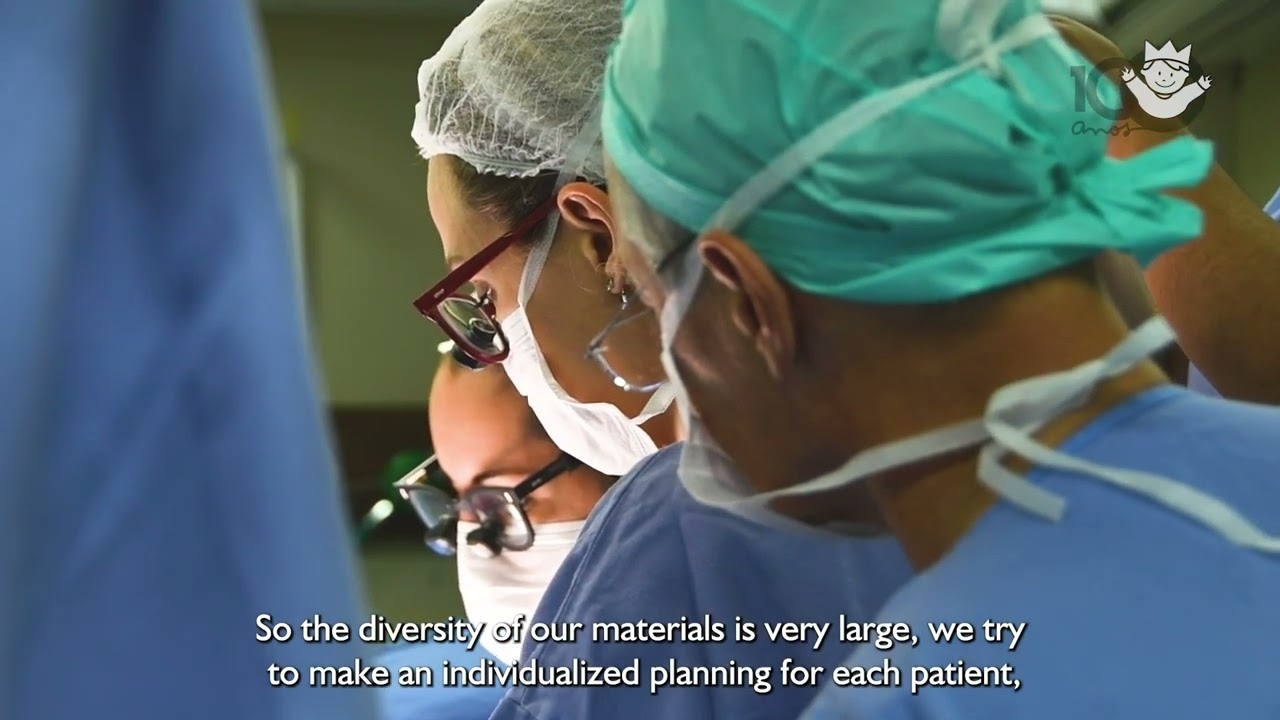
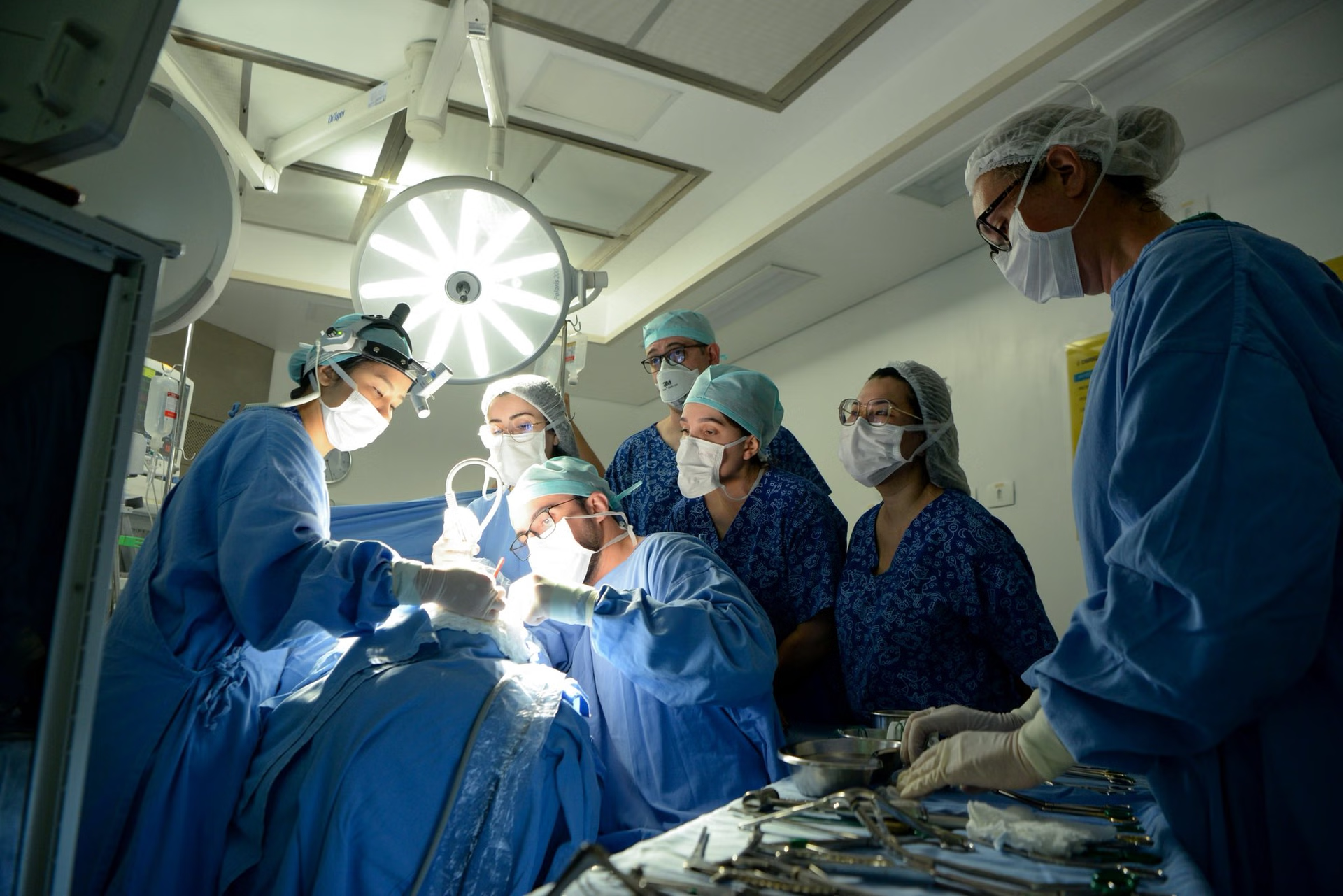
Learn more about the OR of the Pequeno Príncipe Hospital!
2026-01-13T14:26:11.000Z
Learn more about the OR of the Pequeno Príncipe Hospital!
2026-01-13T14:25:47.000Z
2026-01-13T14:25:47.000Z
2026-01-13T14:25:47.000Z
2026-01-13T14:25:47.000Z
2026-01-13T14:25:47.000Z
2026-01-13T14:25:47.000Z
2026-01-13T14:25:47.000Z
2026-01-13T14:25:47.000Z
How is a CT scan performed on children?
2026-01-13T14:27:37.000Z
How is a CT scan performed on children?
Craniosynostosis: What it is, how to identify it, and treatment!
2026-01-13T14:27:15.000Z
Craniosynostosis: What it is, how to identify it, and treatment!
What is it like to be present in the Pequeno Príncipe Hospital routine?
2026-01-13T14:26:29.000Z
What is it like to be present in the Pequeno Príncipe Hospital routine?
Learn more about the OR of the Pequeno Príncipe Hospital!
2026-01-13T14:26:11.000Z
Learn more about the OR of the Pequeno Príncipe Hospital!
Extra services
Parking Space
24/7 medical assistance
Intensive Care Unit
On-Site Pharmacy
Cafeteria
Kids' Play Zone
Accessibility Features
Location
R. Des. Motta, 1070 - Água Verde, Curitiba - PR, 80250-060, Brazil
FAQ
What is the hospital's main medical focus?
The hospital specializes in child and adolescent health, offering 32 pediatric subspecialties. It is specifically known for handling the most complex cases in pediatric oncology, severe orthopedic deformities, and rare genetic diseases that standard hospitals cannot treat.
Does the hospital perform pediatric transplants?
Yes, it operates one of Brazil's most active pediatric transplant centers. The medical team routinely performs complex bone marrow, liver, kidney, heart, and bone transplants. They are particularly recognized for their advanced stem cell transplantation protocols for childhood cancers like neuroblastoma and Ewing sarcoma.
Does it only serve private patients?
No. A major pillar of the hospital is its commitment to Brazil's Unified Health System (SUS). The facility features a fully modernized SUS Emergency Room and allocates a significant portion of its intensive care and surgical beds to public health patients, ensuring equal access to high-tech care.
What is the Pelé Pequeno Príncipe Research Institute?
Connected directly to the hospital, this is an exclusive pediatric research facility supported by the late soccer legend Pelé. The institute uses advanced genomic sequencing, bioinformatics, and Big Data to discover better treatments and precise diagnoses for complex childhood cancers and rare genetic disorders.
What advanced orthopedic treatments are available?
The pediatric orthopedics department is one of the largest in Brazil. Medically, they specialize in complex spine corrections, treating congenital hip defects, and managing "glass bone syndrome" (osteogenesis imperfecta), frequently using advanced bone grafts to restore mobility in children.
Is it a teaching hospital?
Yes. The hospital is part of a larger complex that includes the Pequeno Príncipe College. It is a major educational hub, training hundreds of pediatricians, surgeons, and nurses annually through highly sought-after medical residency and PhD programs in child and adolescent health.
What is the rating of the clinic?
Pequeno Príncipe Hospital is rated as 9.30 by AiroMedical.
What do patients say about Pequeno Príncipe Hospital?
The clinic has 1,689 feedbacks at other places. The UserScore of the hospital is 90%.
What is the overall experience of the facility?
Pequeno Príncipe Hospital has been operating since 1919. It has accumulated over 107 years of clinical background.
Where can I see the hospital's work, interior space, and exterior?