The data collected based on
1,968
patient reviews on Google
Certificates
Features & Facts
High-Volume Transplantation Track Record
The facility reports having performed more than 2,500 liver transplants. It also reports 5,806 kidney transplants performed since 1965, including combined transplants, and 2,867 patients with functioning kidney transplants under follow-up.
National TOP Hospital for Ten Consecutive Years
IASIST’s Hospitales TOP 20 program has recognized Hospital Clínic Barcelona as a national TOP 20 hospital, according to an external institutional report that summarizes the hospital’s profile and benchmarking history.
Extensive Kidney Transplant Expertise
Since 1965, Clínic Barcelona has performed 5,806 kidney transplants, including 637 combined kidney-pancreas, 138 kidney-liver, and 11 kidney-heart procedures. Since introducing robotic kidney transplantation in 2015, Clínic Barcelona has performed 282 robotic procedures: 262 from living donors and 20 from deceased donors.
Best Hospital in Spain & One of the Best in the World
In Newsweek/Statista’s World’s Best Hospitals ranking, Hospital Clínic Barcelona was ranked #1 in Spain. In the global list published with the same ranking, it appears at #21 worldwide—i.e., within the global top 25.
Surgical Procedures & Robotic Operations Number
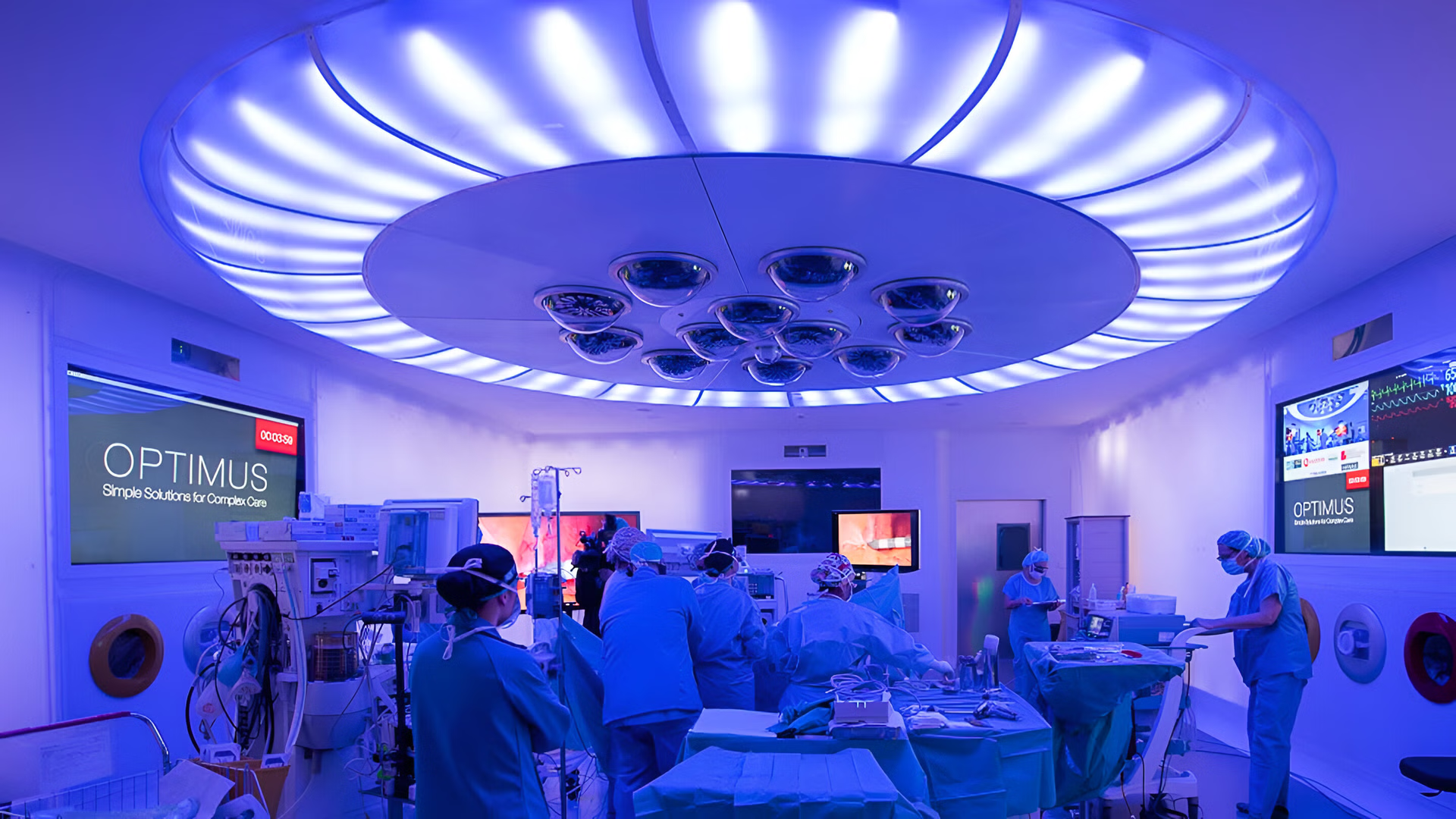
In 2025, Hospital Clínic Barcelona performed 33,554 surgical procedures. This reflects its role as a high-complexity surgical center across multiple specialties. The facility performed 1,060 robotic operations in 2024, up 12% from 944 in 2023. Its robotic platform includes da Vinci Xi, ROSA, CORI, and Neuromate systems.
Documented Liver Transplants Track
By November 2024, Clínic Barcelona had performed 2,605 liver transplants. In 2023, it completed 80 liver transplants, including seven combined kidney-liver procedures.
500+ CAR-T Patients
By April 2025, Clínic-IDIBAPS had treated more than 500 patients with its academic CAR-T therapies. It had developed two academic CAR-T products that received AEMPS regulatory approval.
Robotic Aortic Valve Program
Clínic Barcelona reports having Europe's only robot-assisted aortic valve surgery program. The technique is used for selected patients requiring aortic valve replacement. By May 2024, 21 robotic aortic valve operations had been performed.
First Spanish Endoscopic Glomus Surgery
The facility pioneered endoscopic removal of middle-ear glomus tumors in Spain. The transcanal approach can allow selected patients to leave the hospital the same day, with an average stay under 10 hours.
First Spanish Placenta-Conserving Surgery
In 2024, the maternal-fetal medicine service performed Spain's first conservative surgery for placenta accreta, removing the affected area and reconstructing the uterus rather than removing the uterus.
Multiple Robotic Knee Replacements
By the end of 2024, the hospital had performed 530 robotic knee replacements in three and a half years, using ROSA and CORI systems for total and unicompartmental prostheses.
Parkinson & Epilepsy Operations on Scale
In 2024, Hospital Clínic Barcelona performed 106 operations for Parkinson's disease and epilepsy. These procedures form part of its high-complexity interventional surgical activity.
First Spanish Transorbital Surgery
The clinic was the first in Spain to use a transorbital neuroendoscopic route for skull-base tumor surgery. The minimally invasive approach accesses the skull base via the orbit. The hospital had already performed 20 transorbital skull-base operations by the time it reported introducing the technique. The approach uses a small orbital corridor rather than opening the top of the skull.
About the clinic
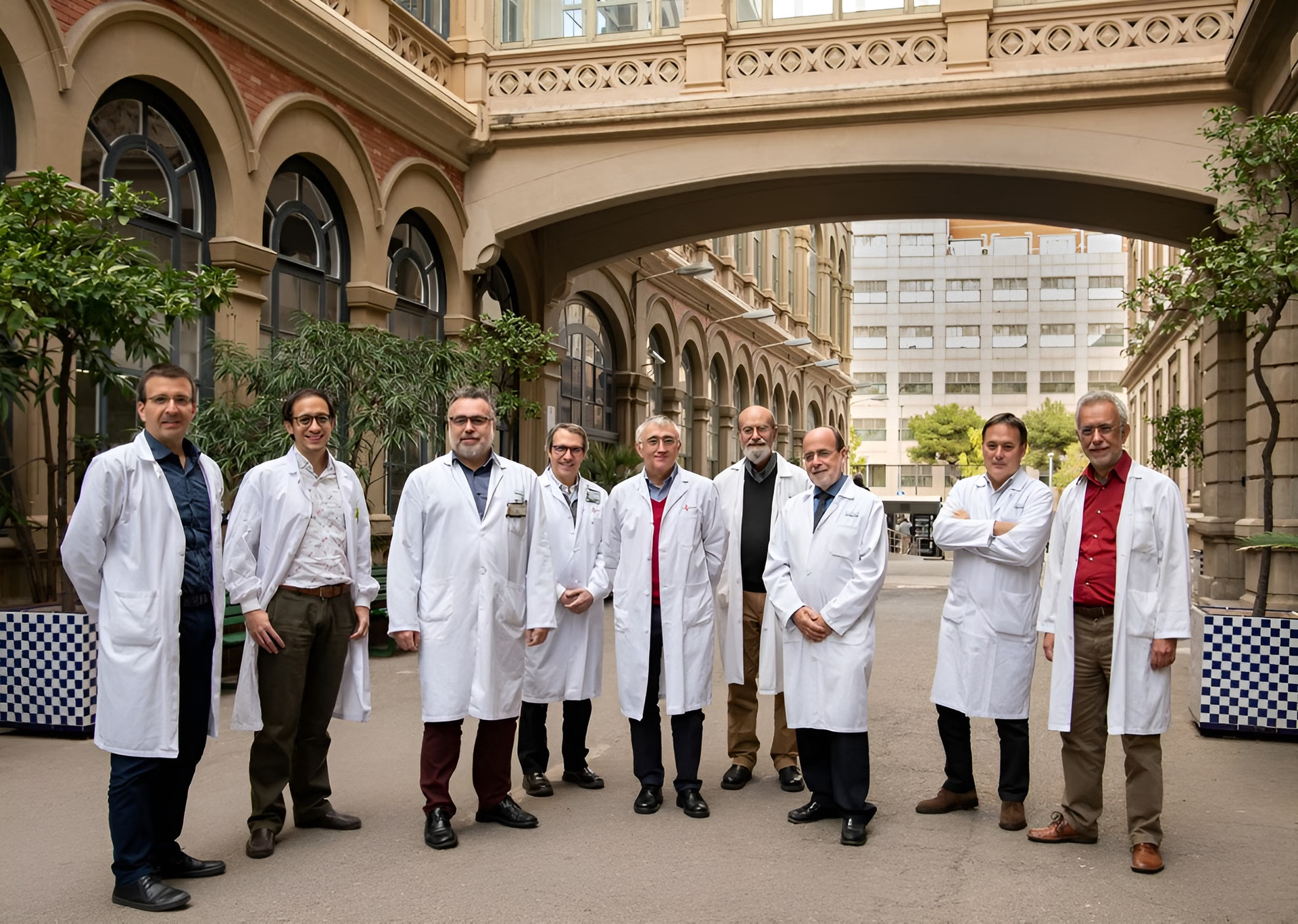
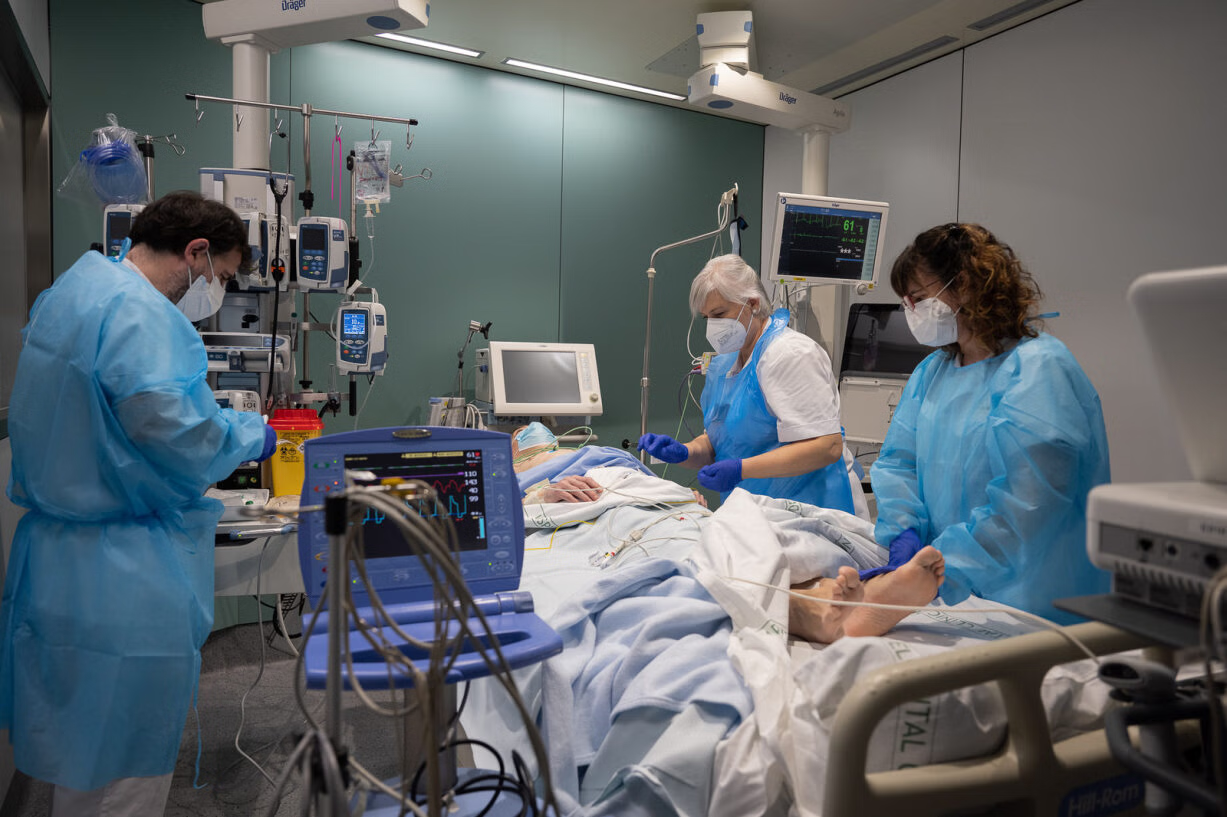
Hospital Clínic Barcelona is a high-complexity university hospital whose distinctive character comes from the way clinical care, biomedical research, education and technological development operate within the same institutional environment. Rather than functioning primarily as a general hospital with a collection of specialist departments, Clínic has developed a strongly academic model in which complex patient care is closely connected with research through IDIBAPS and with the University of Barcelona. The institution has around 7,180 professionals and 101 research groups within IDIBAPS, illustrating the scale of its academic infrastructure alongside its clinical activity. One of the more revealing features of the facility is the breadth of its interventional medicine. Its activity included approximately 5,254 hemodynamic procedures, including cardiac and hepatic interventions, and 570 high-complexity interventional neuroradiology procedures annually. The same records show 985 major cardiac operations and 39 high-complexity fetal surgical procedures. This combination places highly specialized catheter-based medicine, major surgery, and fetal intervention within the clinical activity of the same hospital. The hospital's diagnostic infrastructure is similarly extensive. Its radiology service reports approximately 62,000 CT examinations, 33,000 MRI examinations, 47,000 ultrasound examinations, and 22,000 mammograms annually. It also performs around 4,500 vascular interventional procedures and 6,000 non-vascular interventional procedures. The service is divided into specialist areas, including abdominal and genitourinary imaging, thoracic and cardiac imaging, neuroradiology, breast imaging, and musculoskeletal radiology, allowing diagnostic imaging to be organized around specific clinical disciplines rather than treated as a single, generic service. Cancer care represents another major component of the activity, with the Clínic Barcelona Comprehensive Cancer Center integrating Hospital Clínic Barcelona with IDIBAPS and the University of Barcelona. The center reported more than 6,100 new cancer cases treated annually, approximately 179,000 outpatient visits, and more than 450 active clinical studies. Its care structure is organized around seven tumor-specific functional units and 15 multidisciplinary tumor boards, creating a model that coordinates treatment decisions across oncology disciplines. The medical oncology division itself recorded 2,420 first consultations, 51,399 subsequent consultations, 1,323 inpatient discharges, and 17,355 day-hospital treatment sessions. These numbers provide a more concrete picture of the oncology workload supporting the comprehensive cancer program and highlight the importance of repeated outpatient treatment and follow-up alongside inpatient oncology care. The clinic also maintains a substantial interventional program outside oncology. It included 225 operations for morbid obesity, 106 procedures for Parkinson's disease and epilepsy, 590 knee prostheses, and 504 transplants across its transplant program per year in the recent data. The scale of this activity illustrates how the hospital combines highly specialized programs with procedures performed in significant annual volumes. The academic environment is reinforced by structured postgraduate training. In a recent year, 125 new resident doctors joined the institution, bringing the total to 433 in the hospital's current figures. This continuous training function is closely connected with Clínic's university character and its research infrastructure, creating an environment where specialist services operate alongside teaching and clinical investigation rather than separately from them. Another distinctive element is the increasing use of digital healthcare. Its El Meu Clínic platform had almost 89,000 registered patients, with approximately one in two outpatients using it. The system has been developed beyond basic appointment management to support communication, access to clinical information, and new models of personalized and proactive care. Hospital Clínic Barcelona is therefore characterized not simply by its size, but by the unusually close relationship between high-complexity clinical practice and an academic research ecosystem. Its activity spans advanced diagnostic imaging, interventional medicine, complex surgery, transplantation, oncology, neurology, fetal medicine and advanced therapies, while its research groups, resident training and clinical studies operate within the same institutional framework. The result is a medical center whose identity is strongly shaped by the translation of research and technological development into clinical applications, supported by a large, measurable volume of specialist patient care.
Gallery
2025-12-13T08:02:17.000Z
2025-12-13T07:55:32.000Z
2025-12-13T07:55:32.000Z
2025-12-13T07:55:32.000Z
2025-12-13T07:54:44.000Z
2025-12-13T07:54:44.000Z
2025-12-13T08:02:17.000Z
2025-12-13T07:55:32.000Z
2025-12-13T07:55:32.000Z
2025-12-13T07:55:32.000Z
2025-12-13T07:54:44.000Z
2025-12-13T07:54:44.000Z
The Open Clinic starts to promote healthy habits and do health prevention
2025-12-13T07:25:13.000Z
The Open Clinic starts to promote healthy habits and do health prevention
Fatty Liver explained in first person | PortalClínic
2025-12-13T07:24:17.000Z
Fatty Liver explained in first person | PortalClínic
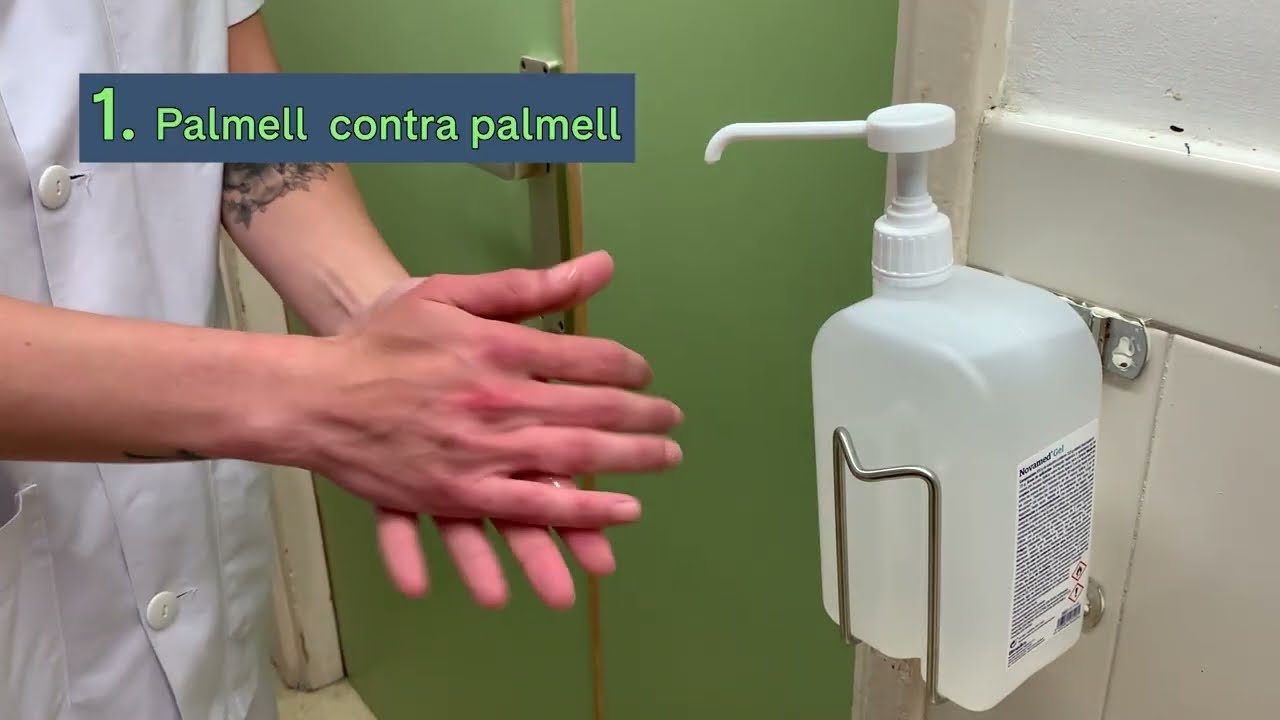
Hand Hygiene Tutorial with hydroalcoholic solution - Hospital Clínic Barcelona
2025-12-13T07:23:54.000Z
Hand Hygiene Tutorial with hydroalcoholic solution - Hospital Clínic Barcelona
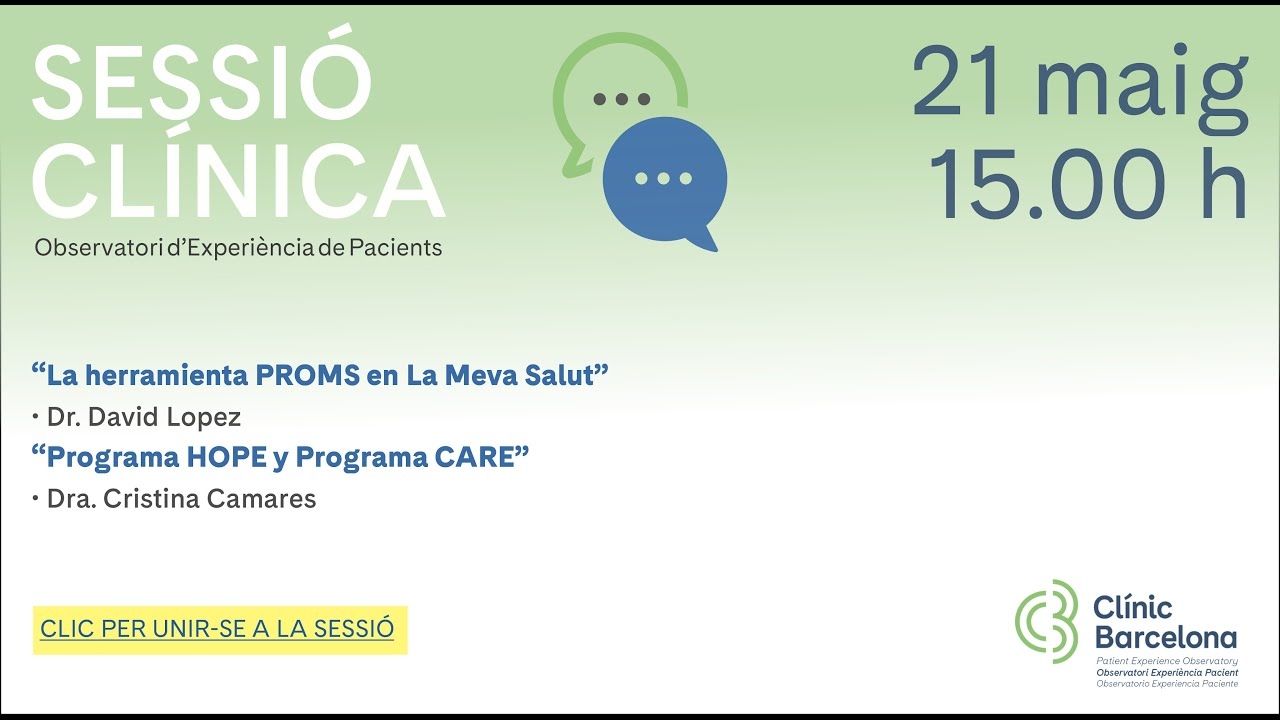
Clinical session 05/24: PROMS Tool in My Health/CARE Program and HOPE Program
2025-12-13T07:23:24.000Z
Clinical session 05/24: PROMS Tool in My Health/CARE Program and HOPE Program
Healthy Cooking with @JorgeSaludable at the Open Clinic May 11, 2024
2025-12-13T07:23:00.000Z
Healthy Cooking with @JorgeSaludable at the Open Clinic May 11, 2024
At the heart of cancer | Impact of personalized medicine on esophagogastric tumors
2025-12-13T07:22:34.000Z
At the heart of cancer | Impact of personalized medicine on esophagogastric tumors
Extra services
Parking Space
Intensive Care Unit
On-Site Pharmacy
Cafeteria
ATM / Banking
Accessibility Features
Location
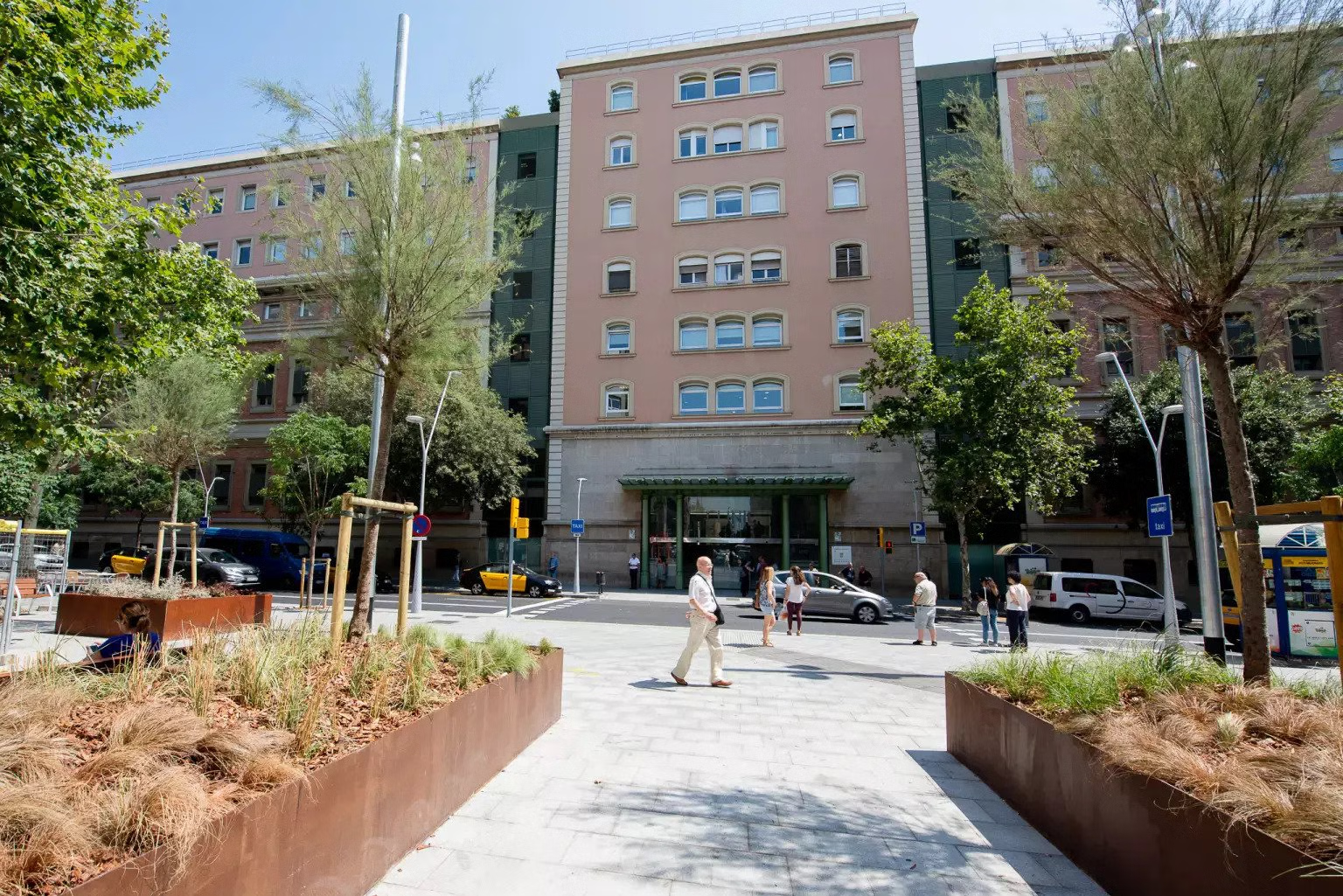
Carrer de Villarroel, 170, Eixample, 08036 Barcelona, Spain
FAQ
What is the capacity of the Villarroel emergency department?
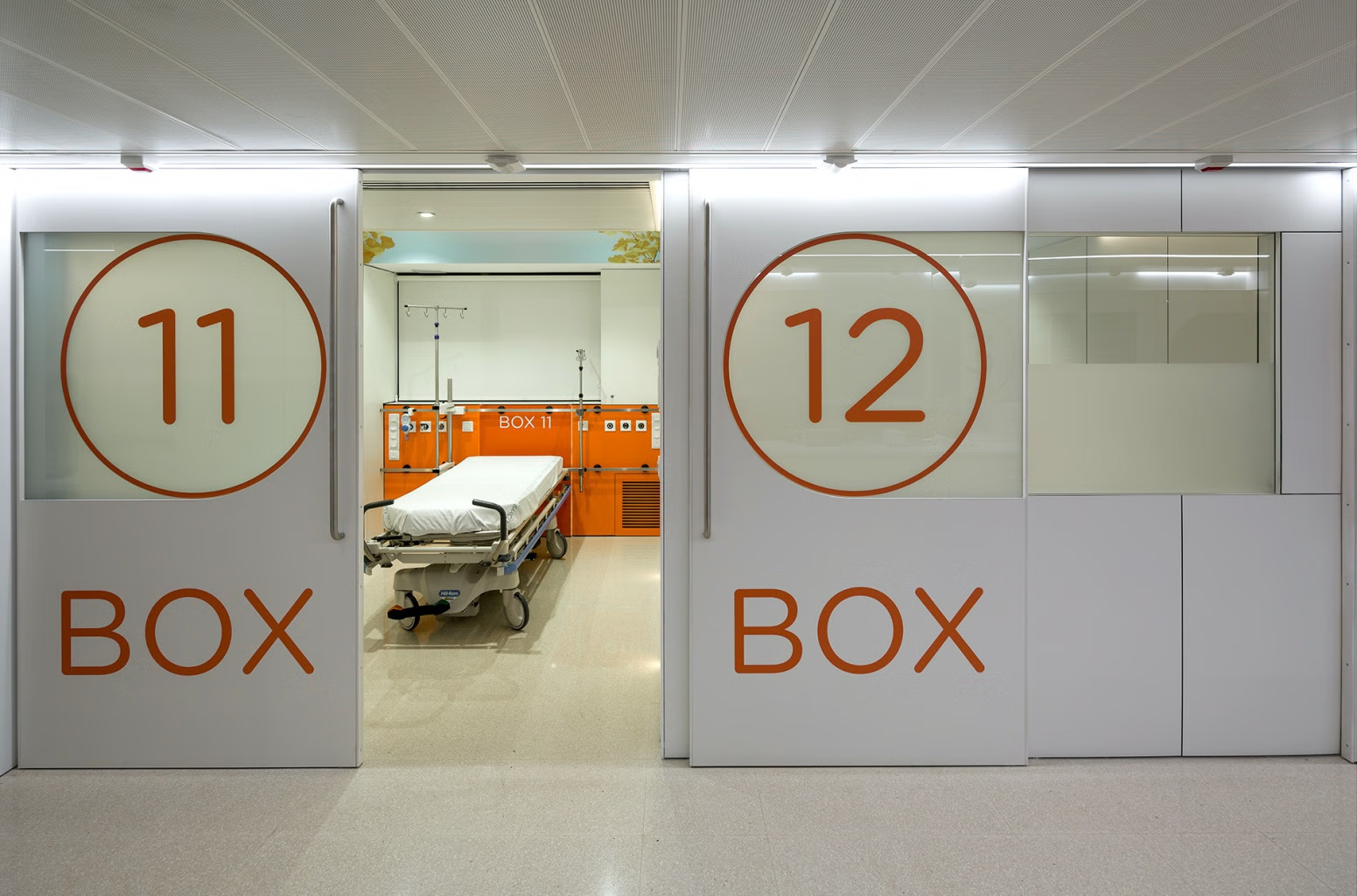
The Villarroel accident and emergency center, located at Stair 1 on Floor 1, operates 86 treatment cubicles, capable of managing up to 112 patients simultaneously.
Which specialized therapies does the hemotherapy unit provide?
The Hemotherapy and hemostasis center performs therapeutic plasmapheresis for blood purification alongside clinical management for hemophilia, thrombotic conditions, and rare erythrocyte pathologies.
How is adolescent-to-adult rheumatology care coordinated?
The rheumatology service runs a joint transition unit with Hospital Sant Joan de Déu to ensure continuous medical care for adolescents with juvenile idiopathic arthritis as they transition into adult healthcare.
What is the rating of the clinic?
Hospital Clínic Barcelona is rated as 9.60 by AiroMedical.
What do patients say about Hospital Clínic Barcelona?
The clinic has 1,968 feedbacks at other places. The UserScore of the hospital is 94%.
What is the overall experience of the facility?
Hospital Clínic Barcelona has been operating since 1906. It has accumulated over 120 years of clinical background.
Where can I see the hospital's work, interior space, and exterior?