The data collected based on
14
patient reviews on Google
Certificates
Features & Facts
Post-Infectious Hub
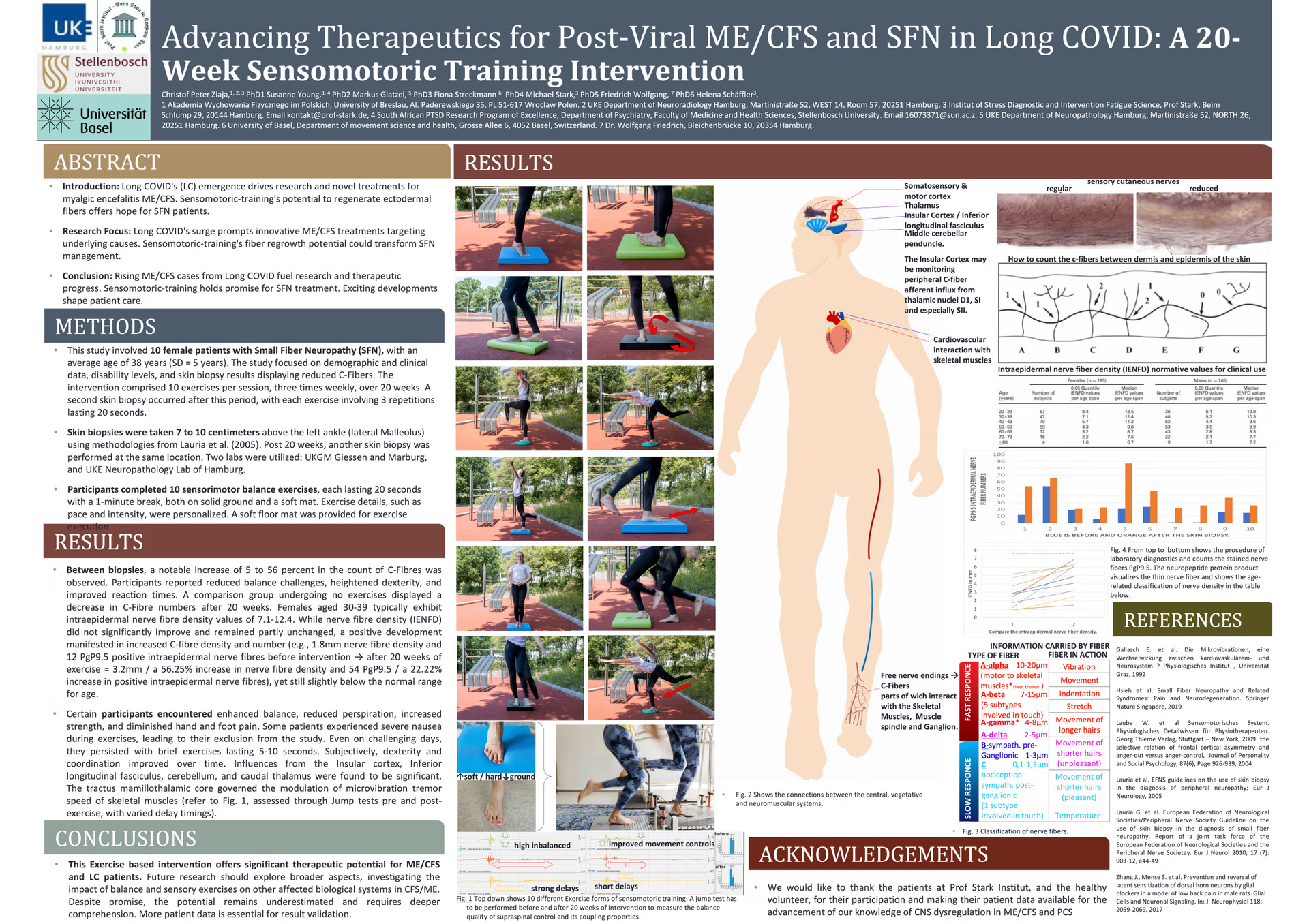
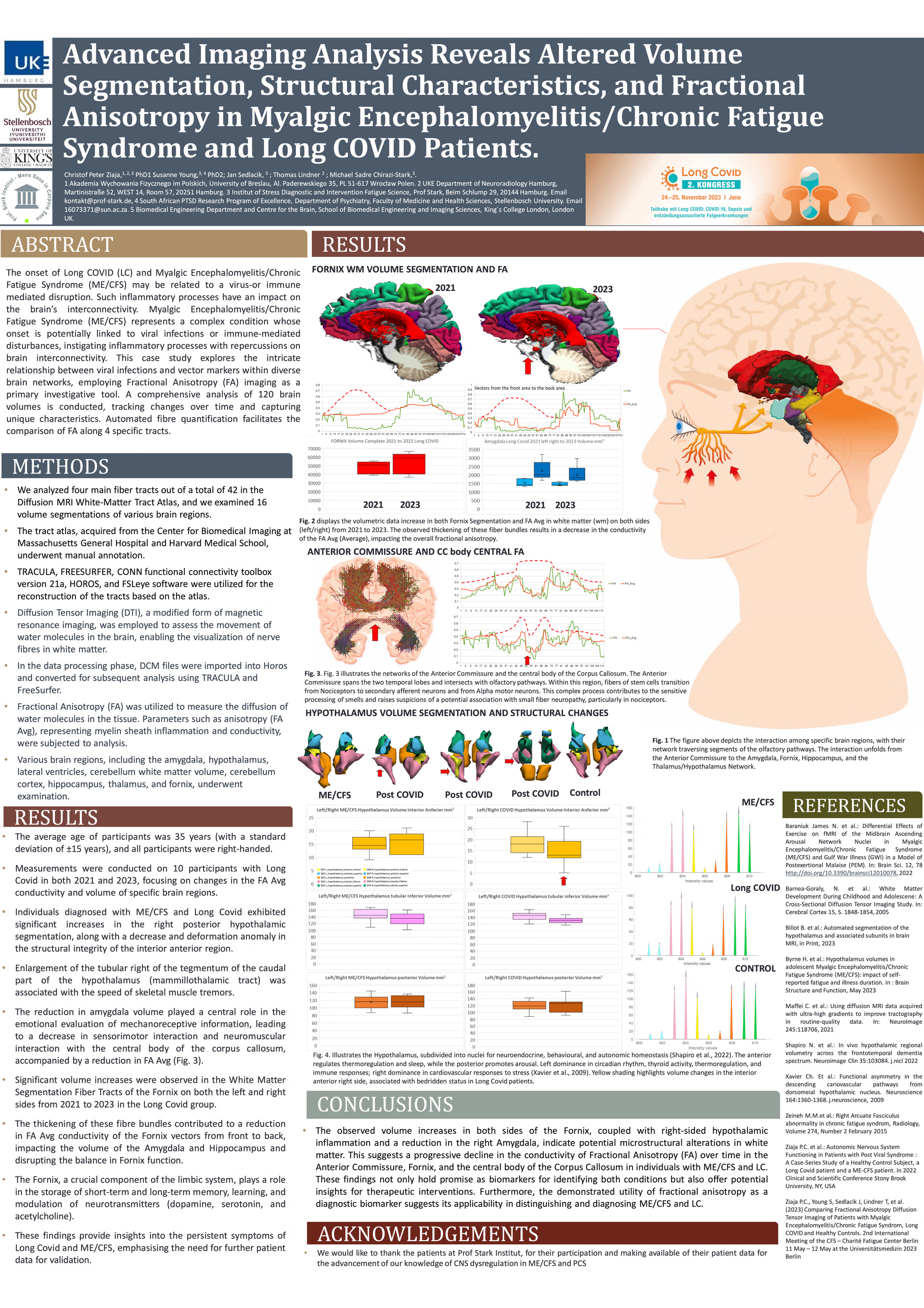
The center specializes in myalgic encephalomyelitis (ME/CFS) and Post-COVID Syndrome. It leads regional efforts to diagnose "long-haul" viral sequelae, focusing on immune dysregulation and vascular dysfunction after infection.
Multimodal Diagnostics
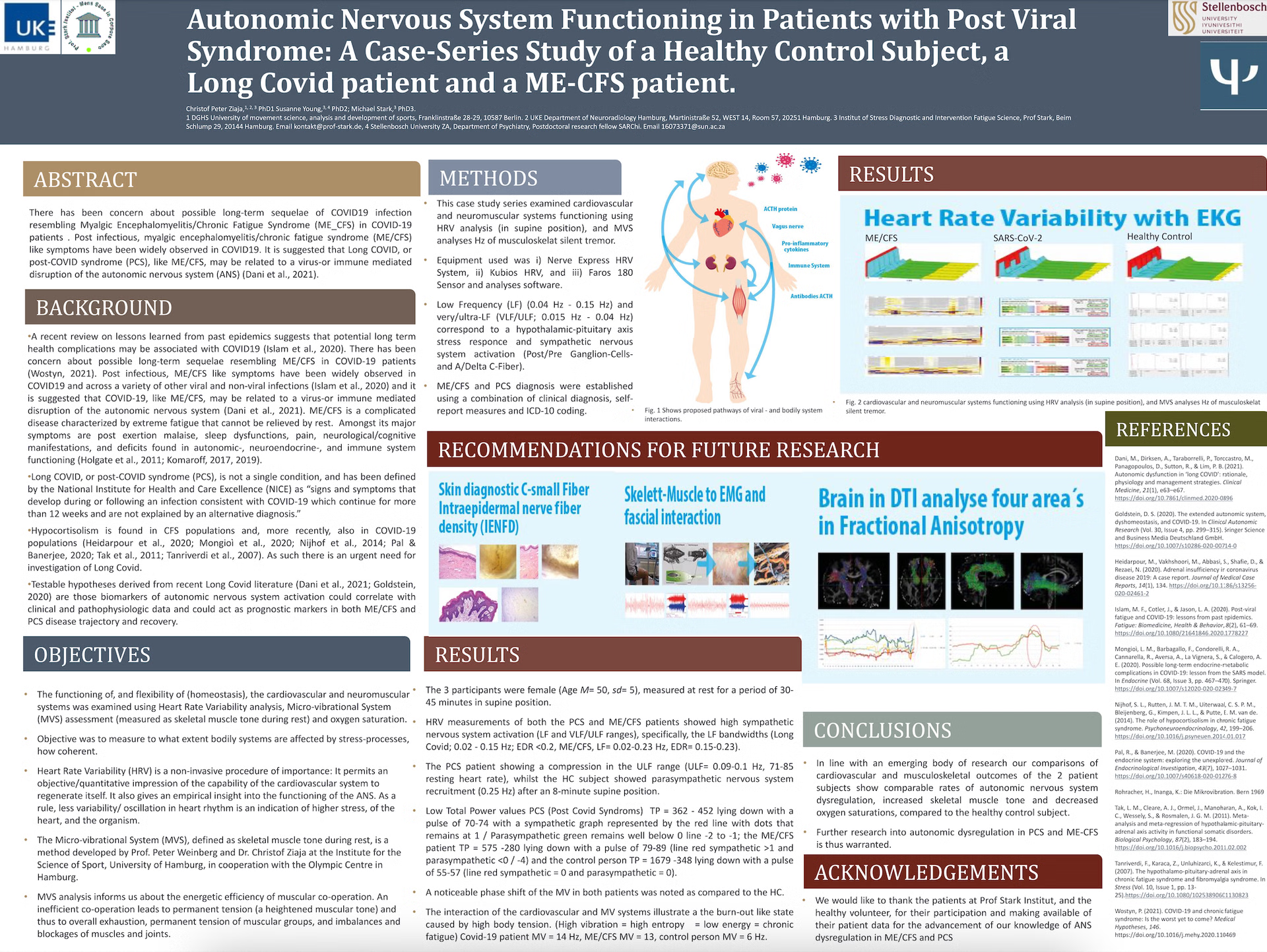
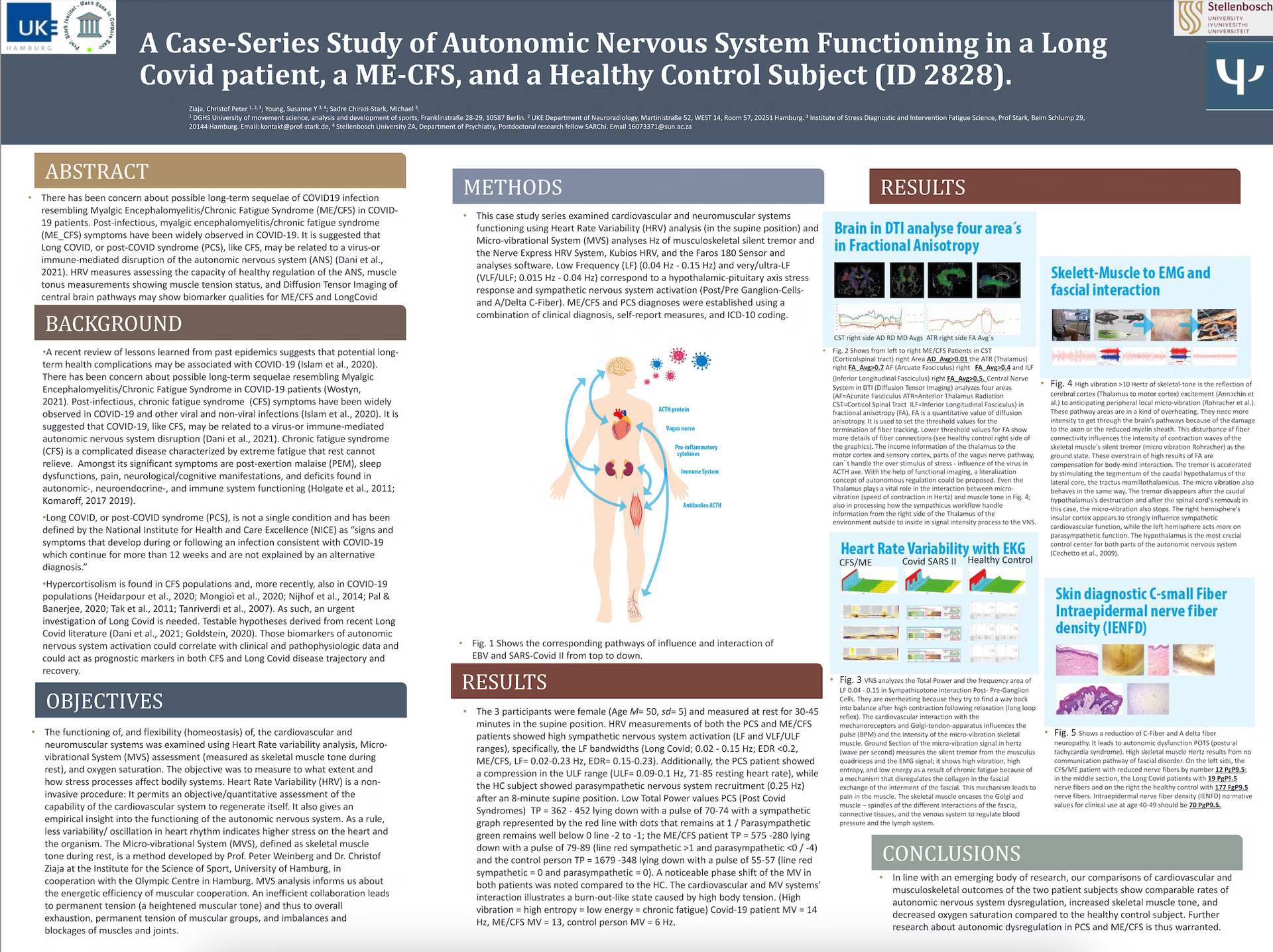
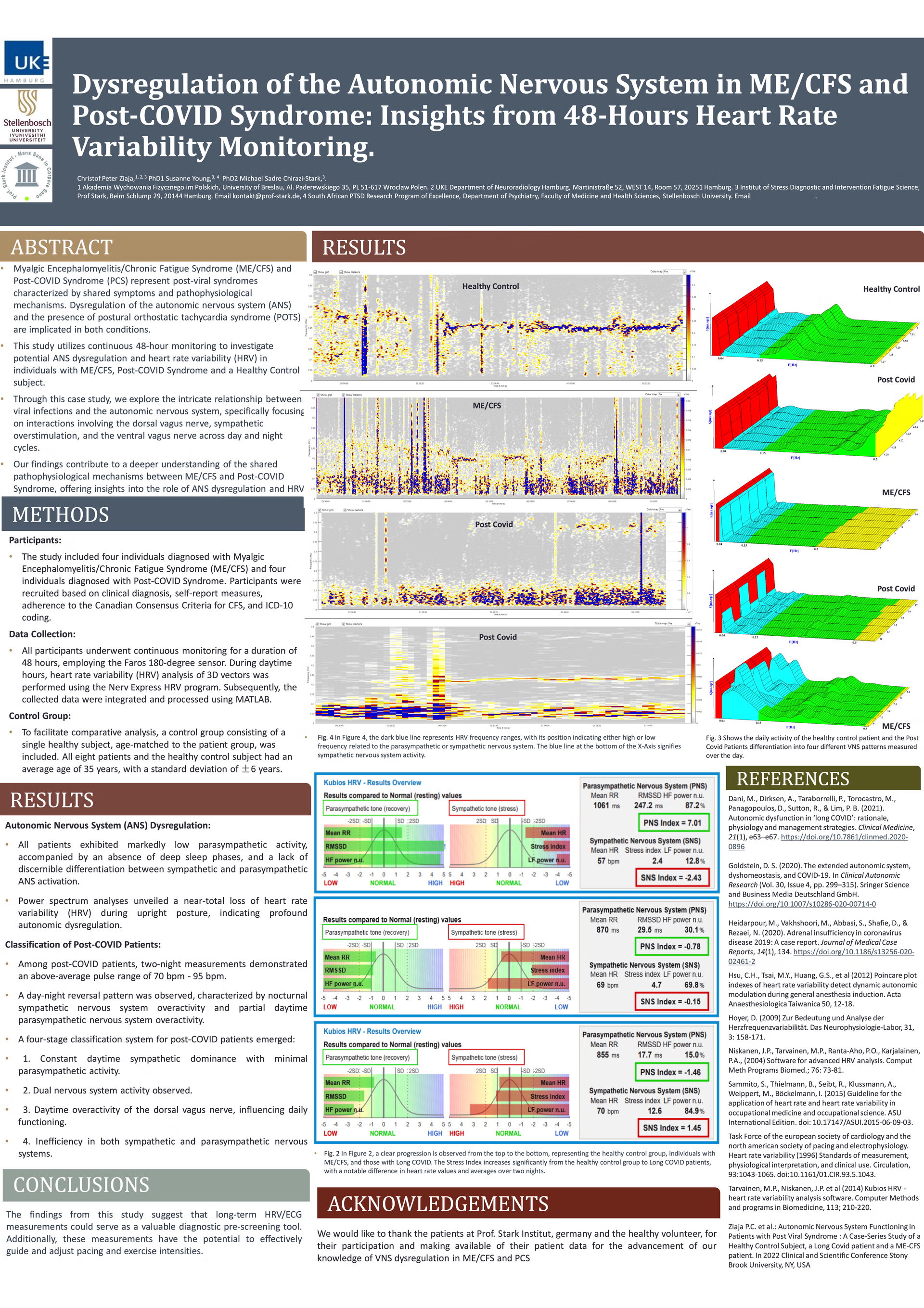
Experts use a specialized biophysical system to measure stress and fatigue. By assessing neuromuscular flexibility and organ-system strain, they identify whether fatigue is a primary biological disorder or a psychosomatic response.
Interdisciplinary Research
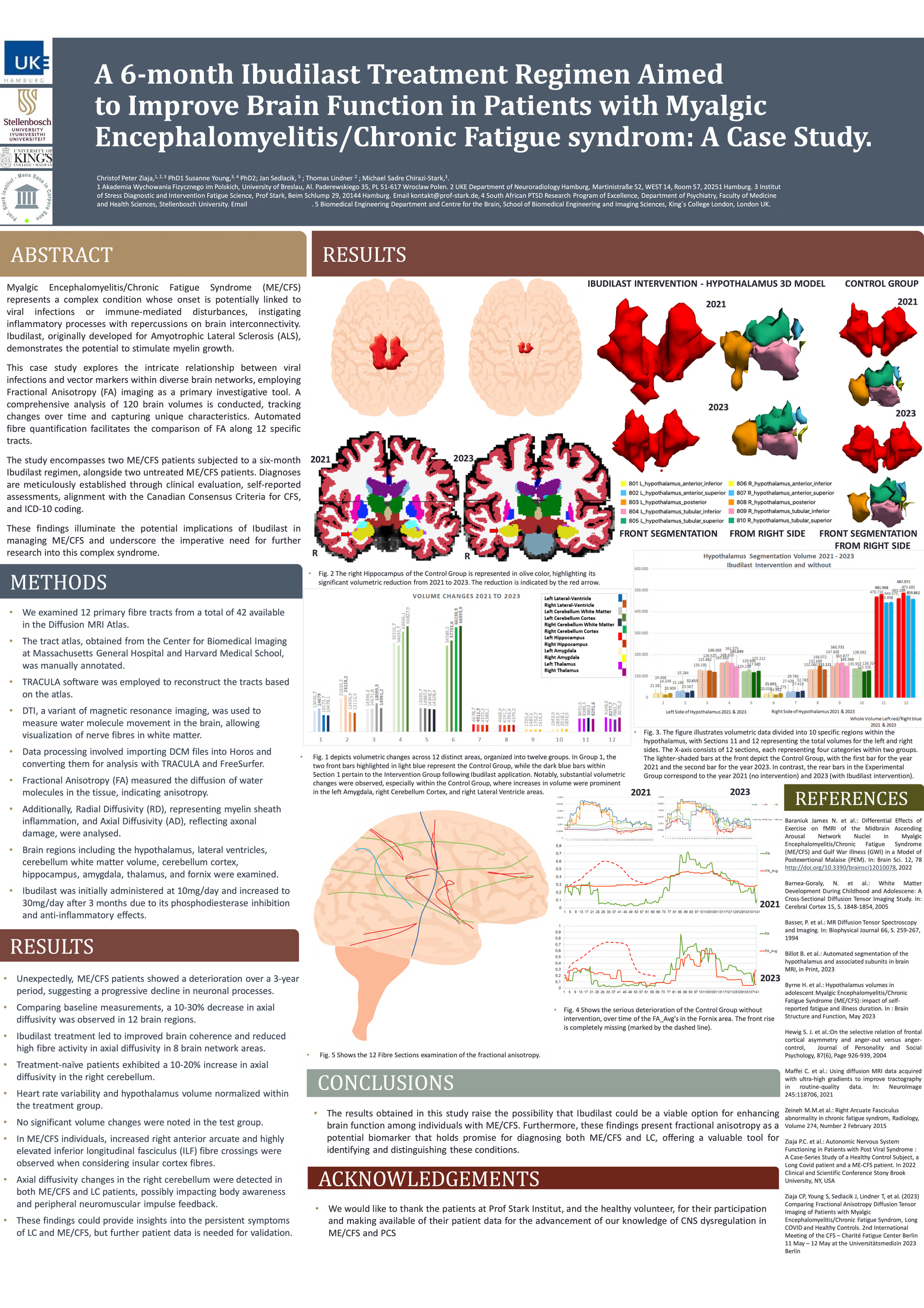
As part of the UKE’s "Center for Inflammation, Infection and Immunity," the facility links laboratory science with clinical care. This approach targets the root causes of fatigue, such as chronic inflammation and T-cell dysfunction.
Personalized Pacing
Treatment centers on "Energy Management" (Pacing). The clinic uses digital wearables to help patients monitor their activity levels, preventing post-exertional malaise (PEM), the severe symptom flare-up common in ME/CFS.
Professor Stark Method
The center is known for the "Prof. Stark" approach, which adapts sports science techniques to restore physical ability. This protocol helps stabilize patients by optimizing the body’s "vibrational potential" and recovery cycles.
Post-COVID Triage
Serving as a primary consultation site for Northern Germany, the center filters complex Post-COVID cases. They use AI-supported screening to differentiate between standard recovery and high-risk cases requiring specialized immunotherapy.
Neuromodulation Trials
The center is exploring non-invasive brain stimulation to treat "brain fog." These clinical trials investigate whether targeting specific neural networks can improve cognitive clarity and information processing in patients with chronic conditions.
Autonomic Marker Research
The center pioneers the use of 48-hour heart rate variability monitoring as a biomarker for ME/CFS. This technology identifies "frozen sympathetic overreactions," differentiating biological fatigue from purely psychological exhaustion.
About the clinic
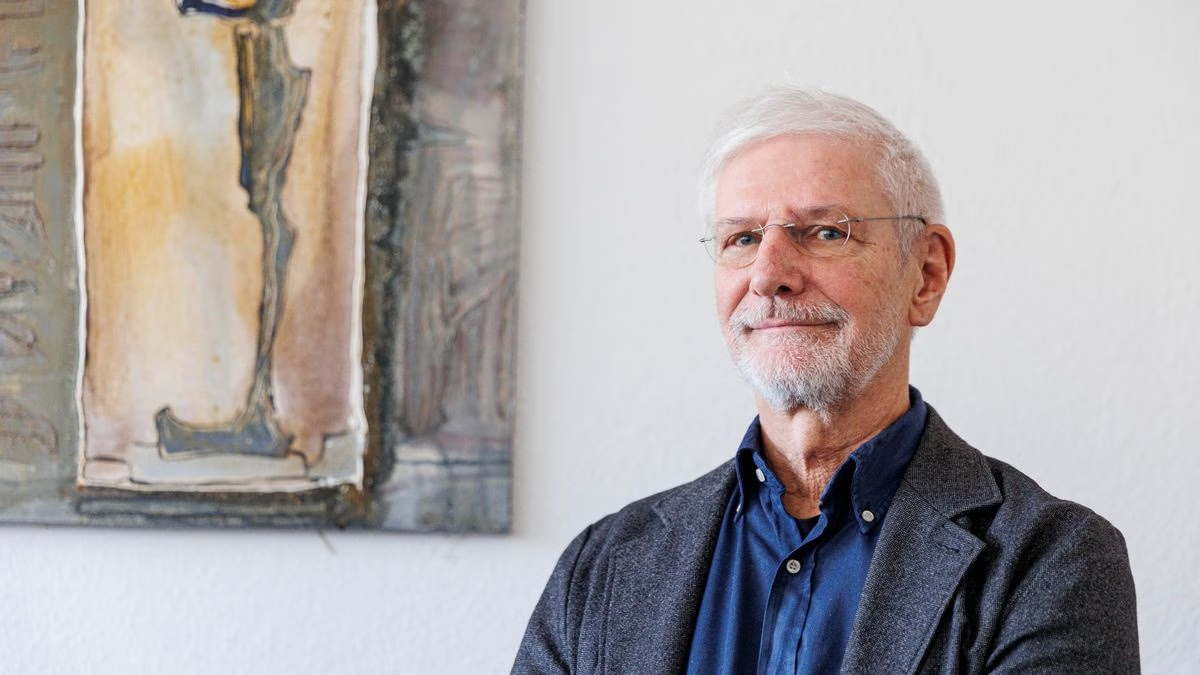
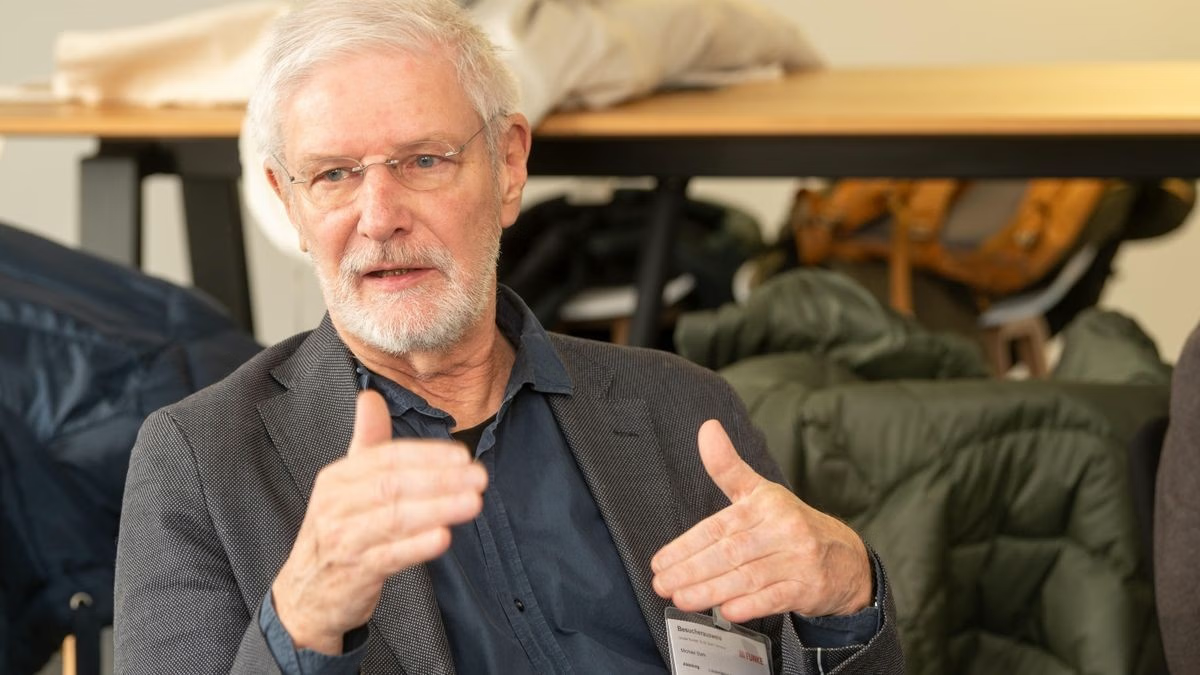
Fatigue Center Hamburg is a specialized private fatigue and stress-disorder care concept in Hamburg built around the practice of Prof. Dr. Michael Stark and his broader fatigue platform for people with ME/CFS, Long Covid fatigue, Post-Vac syndrome, burnout, and related exhaustion states. The Hamburg practice presents itself as a psychotherapeutic center for the treatment of stress-related disorders and fatigue, and is led by Prof. Dr. Michael Stark, whose sites describe him as a physician, psychologist, psychotherapist, researcher, and specialist in exhaustion-related disorders with more than 3 decades of clinical and scientific experience. The center’s philosophy is explicitly interdisciplinary: rather than viewing fatigue only through a psychological lens, it frames chronic exhaustion as a complex interaction of mental, physical, autonomic, and social factors and bases its work on the “Prof. Stark Method,” a holistic psychosomatic model that aims to connect psychotherapy with body-oriented diagnostics and treatment. A defining feature of the center is its two-part diagnostic concept. On the psycho-mental side, the practice and its TestCenter use structured questionnaires and screening tools to assess stress load, burnout risk, anxiety, depression, personality-related patterns, and the patient’s level of tension in everyday life and work, while clearly stating that such questionnaires do not replace a medical or psychological examination. On the bio-physical side, the center describes a coordinated diagnostic system that includes heart rate variability testing, micro-vibration measurement, muscle function and EMG-based load testing, and, in related treatment descriptions, additional assessments such as skin resistance, energy flow in acupuncture meridians, and laboratory markers like cortisol and lactate. Across the sites, this diagnostic work is presented as especially relevant for differentiating severe fatigue syndromes such as ME/CFS and Long Covid fatigue from purely psychological exhaustion and for identifying dysfunction in the autonomic nervous system as a key treatment target. The practice also places strong emphasis on research and on the medical legitimacy of ME/CFS and Long Covid fatigue as disorders with objective bodily correlates rather than conditions that should be dismissed as purely psychosomatic. The center states clearly that ME/CFS is not a psychiatric illness, refers to the WHO classification of ME/CFS as a neurological disease, and describes the syndrome as a neuroimmunological disorder with severe somatic consequences. Fatigue Center in Hamburg combines cognitive behavioral and psychotherapeutic care with body-focused interventions. The practice describes treatment as beginning with detailed diagnostics, an analysis of the current situation, and a review of the patient’s life history, after which therapy is tailored to the individual. In addition to individual psychotherapy, the center offers specialized programs for individuals with specific needs, including executives, high-performance athletes, and patients seeking greater privacy. Its broader treatment framework also includes movement-based therapy developed with sports-science input, relaxation and regulation strategies, acupuncture through network partners when indicated by its assessment model, and preventive or group-based formats. Throughout the material, the clinic emphasizes that its goal is not simply symptom discussion but restoring regulation, improving energy management, and helping patients better understand their own limits, triggers, and recovery capacity. What makes the Hamburg fatigue concept stand out is the strong integration of in-practice care with digital support. Because the sites acknowledge high demand and limited practice capacity, the team has built an online fatigue platform to help patients start supportive work from home without waiting, at their own pace. Fatigue Center Hamburg is a niche Hamburg-based fatigue practice and education platform focused on complex chronic exhaustion disorders, particularly ME/CFS and long Covid-related fatigue. Its identity is built around Prof. Stark’s long-standing work in psychosomatic medicine, stress disorders, and fatigue, a holistic diagnostic and therapeutic model, and a hybrid structure that combines private clinical care with online education and self-management tools for patients who need both specialist guidance and practical day-to-day support.
post-vac syndrome, ME/CFS, long COVID, neuro-immunological overlaps of fatigue, burnout, psychiatry, psychotherapy
Neuroscience research
Sports medicine diagnostics, therapy
Coaching
Gallery
2026-03-16T09:18:32.000Z
2026-03-16T09:18:32.000Z
2026-03-16T09:16:30.000Z
2026-03-16T09:16:29.000Z
2026-03-16T09:16:29.000Z
2026-03-16T09:14:04.000Z
2026-03-16T09:18:32.000Z
2026-03-16T09:18:32.000Z
2026-03-16T09:16:30.000Z
2026-03-16T09:16:29.000Z
2026-03-16T09:16:29.000Z
2026-03-16T09:14:04.000Z
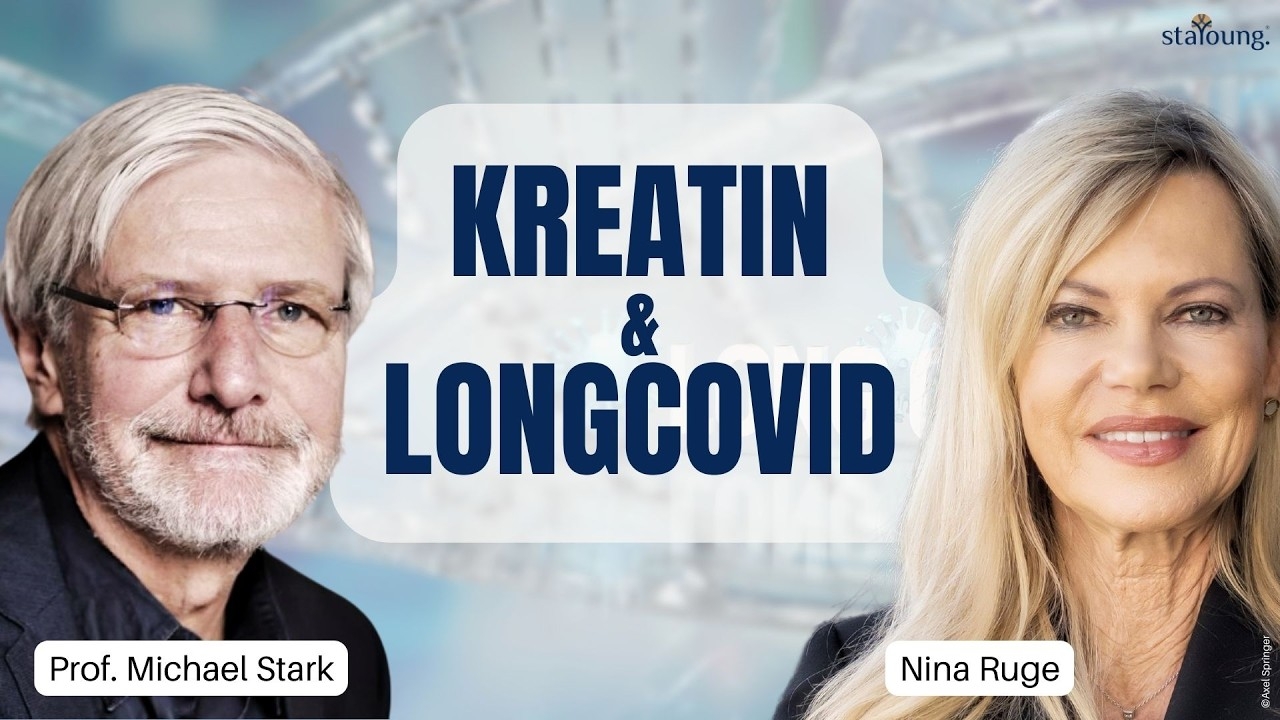
Creatine as a key to energy Prof. Michael Stark on Long Covid, Fatigue and Regeneration
2026-03-16T09:00:57.000Z
Creatine as a key to energy Prof. Michael Stark on Long Covid, Fatigue and Regeneration
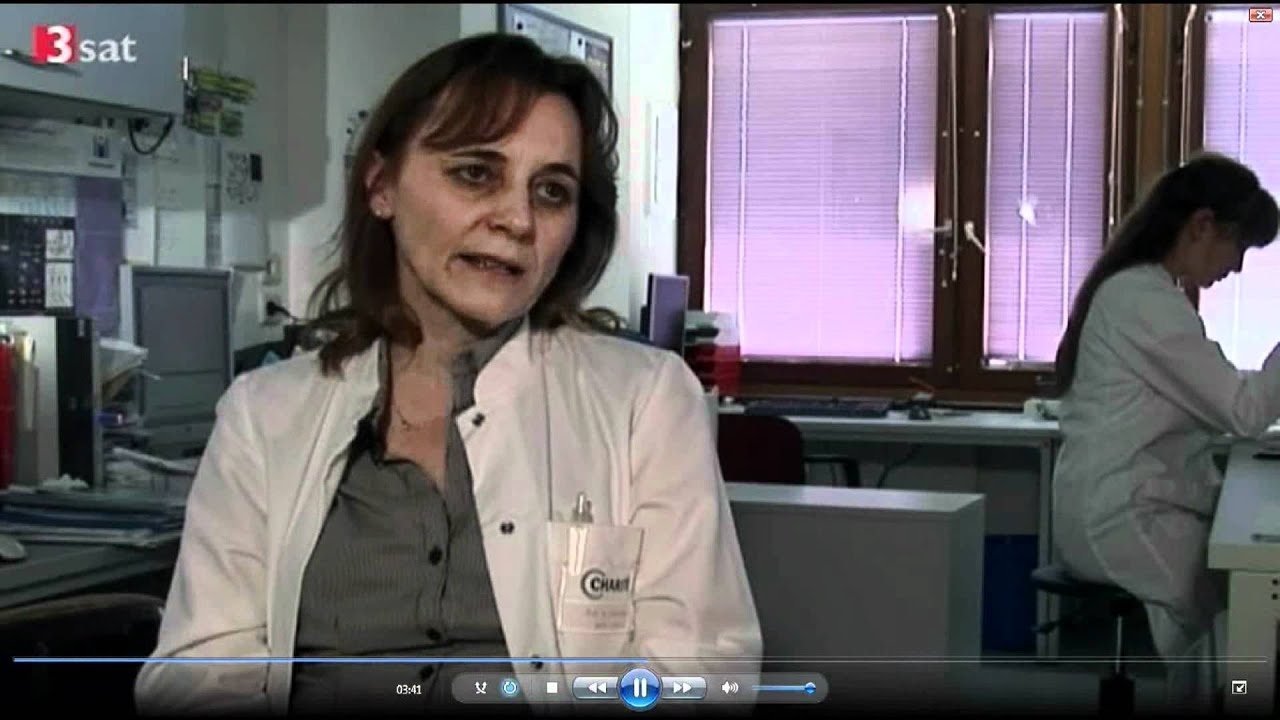
ME/CFS research at Charite Berlin and University of Hamburg
2026-03-16T08:55:30.000Z
ME/CFS research at Charite Berlin and University of Hamburg
ME/CFS and post-Covid conference in Aalen — presentation by Prof. Dr. Michael Sadre Chirazi-Stark
2026-03-15T20:44:42.000Z
ME/CFS and post-Covid conference in Aalen — presentation by Prof. Dr. Michael Sadre Chirazi-Stark
Discussion with Prof Michael Stark about ME/CFS, research and dealing with the disease
2026-03-15T20:44:22.000Z
Discussion with Prof Michael Stark about ME/CFS, research and dealing with the disease
ME/CFS FT 2018: Speech by Prof. Chirazi Sadre-Stark
2026-03-15T20:44:03.000Z
ME/CFS FT 2018: Speech by Prof. Chirazi Sadre-Stark
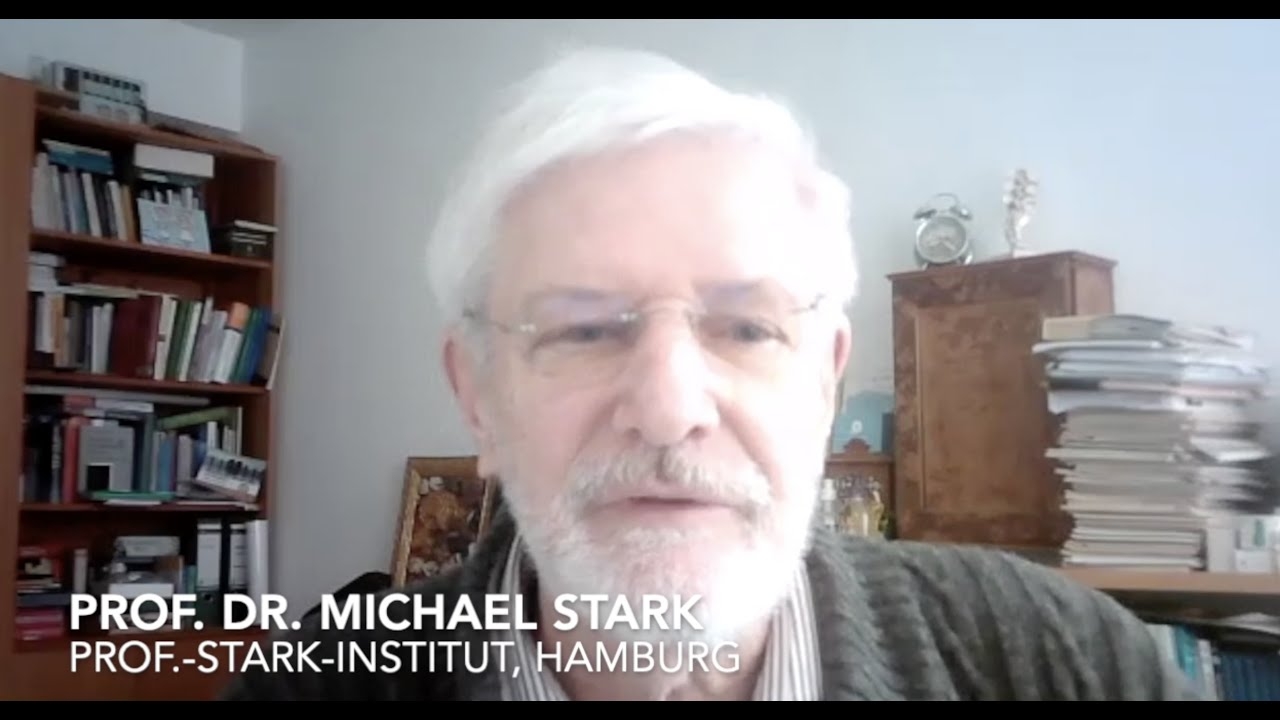
Professor Stark talks about ME/CFS
2026-03-15T20:43:47.000Z
Professor Stark talks about ME/CFS
Extra services
Visa Support
Telemedicine
Support Groups
Location
Beim Schlump 29/2. Stock, 20144 Hamburg-Eimsbüttel, Germany
FAQ
What is the Prof. Stark Method for treating chronic fatigue?
The center utilizes a unique multimodal approach developed by Prof. Dr. Michael Stark. It combines biophysical diagnostics with sports science and psychotherapy. Unlike standard exercise therapy, this method focuses on restoring the body's vibrational potential and stabilizing the autonomic nervous system. The goal is to expand the patient’s energy envelope without triggering a relapse.
How does the center differentiate between ME/CFS and standard depression?
The center uses specialized neuromuscular load testing and electromyography to identify biological markers of fatigue. A key diagnostic criterion used here is post-exertional malaise, a severe worsening of symptoms after minimal exertion. By measuring heart rate variability and microvibrations, the medical team can objectively demonstrate that fatigue is a systemic biological dysfunction rather than a primary psychiatric condition.
What specialized diagnostics are used for Long COVID patients?
The center employs AI-supported screening to triage complex post-viral cases. Diagnostics include measuring vascular dysfunction and T-cell exhaustion markers. This allows the team to identify patients who may benefit from specialized immunotherapies or those who strictly require pacing (energy management) to prevent permanent deterioration of their condition.
How is pacing implemented using modern technology?
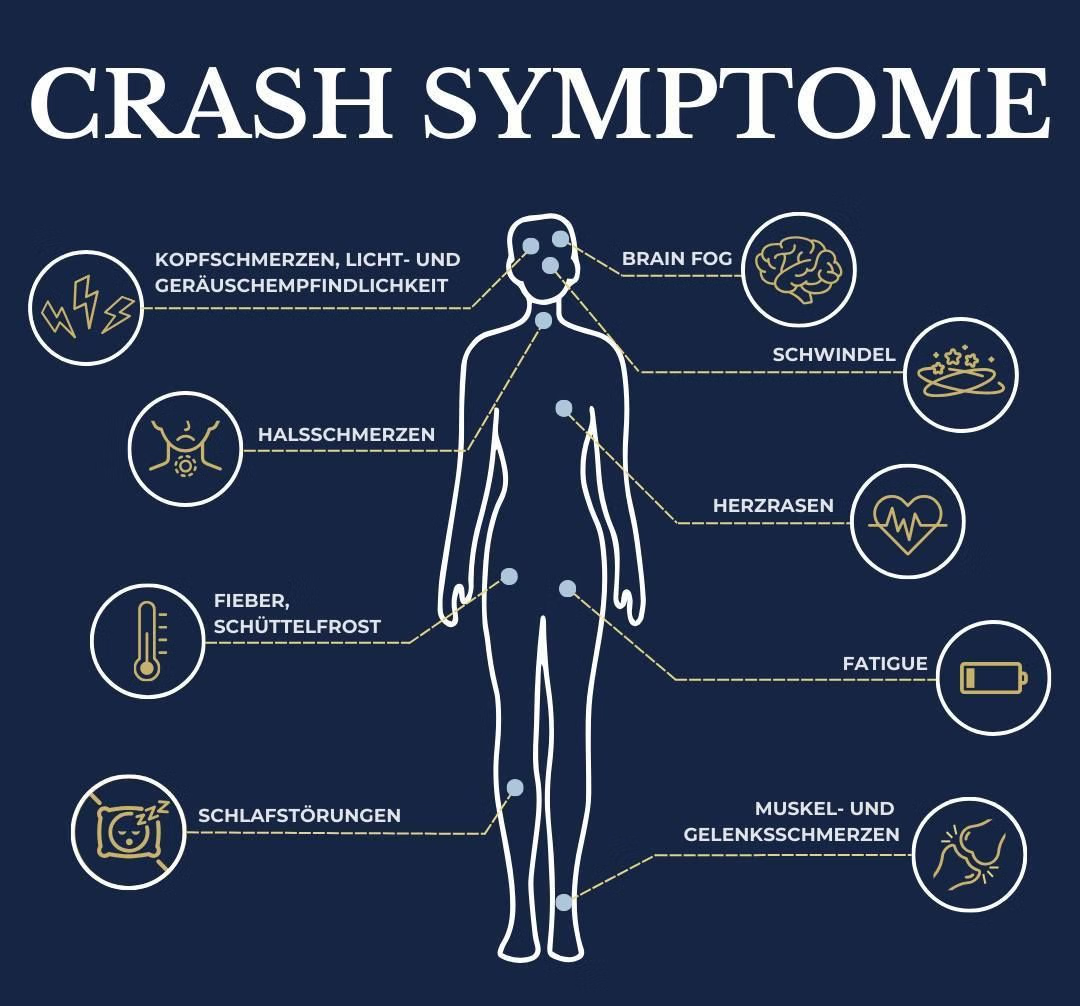
The center integrates digital wearables into the treatment plan. Patients are trained to use real-time data, such as resting heart rate and HRV, to monitor their battery level. This technological support helps patients stay within their aerobic threshold, effectively preventing the crash cycle that is characteristic of ME/CFS and Long COVID.
Does the center offer treatments for post-vac syndrome?
Yes. Fatigue Center Hamburg is one of the few facilities in Germany with a dedicated protocol for post-vaccination syndrome (symptoms following vaccination). The treatment focuses on immunomodulation and stabilization of the autonomic nervous system, addressing the inflammatory and vascular overlaps found between post-vac and Long COVID.
Are virtual consultations and second opinions available?
Yes. Recognizing that many ME/CFS and Long COVID patients are too ill to travel, the center offers comprehensive virtual appointments. This includes a digital review of previous medical reports and a structured video consultation to establish a management plan that can be executed by the patient’s local GP.
What is the role of bio-physical therapy in recovery?
Beyond medication, the center uses body-focused interventions such as micro-vibration therapy and specialized regulation strategies. These are designed to re-tune the nervous system's response to stress, helping to lower the body's baseline state of high alert (sympathetic dominance) which often prevents natural healing in chronic fatigue patients.
What is the rating of the clinic?
Fatigue Center Hamburg is rated as 9.50 by AiroMedical.
What do patients say about Fatigue Center Hamburg?
The clinic has 14 feedbacks at other places. The UserScore of the hospital is 93%.
How can you book a service, and what is the cost?
There are 2 offers & 2 price tags presented on AiroMedical. Select the service needed and proceed with booking. Don’t find a proper deal, contact the clinic to get a custom offer.
What is the overall experience of the facility?
Fatigue Center Hamburg has been operating since 2013. It has accumulated over 13 years of clinical background.
Where can I see the hospital's work, interior space, and exterior?