The data collected based on
326
patient reviews on Google
Certificates
Features & Facts
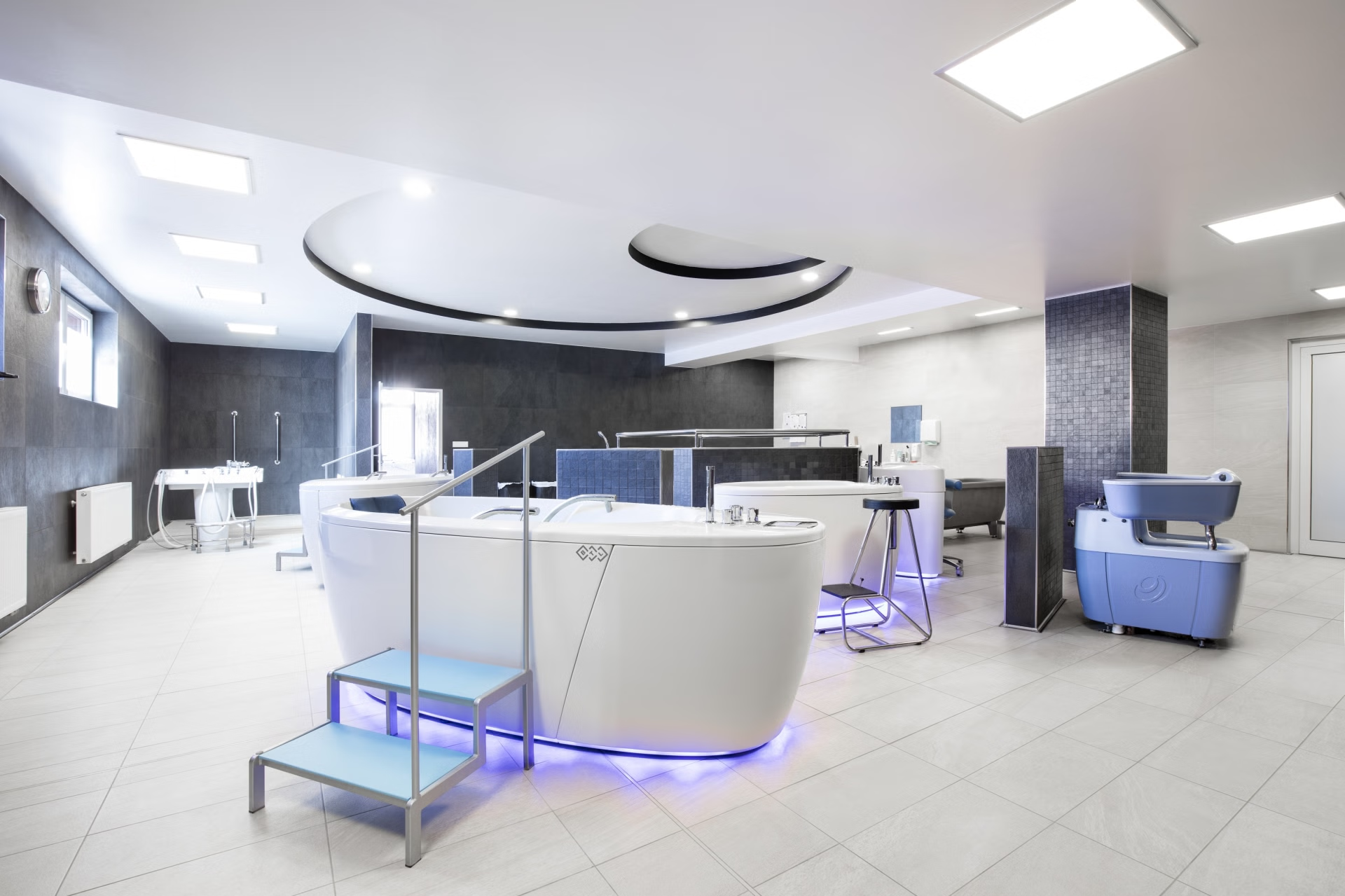
Comprehensive Hydrotherapy
The rehabilitation center includes a purpose-built hydrotherapy section with two pools for group sessions and additional spaces for individual water-based procedures. The main pool is maintained at 28-32°C, has a depth of 120 cm, features a rehabilitation walkway with an adjustable floor, and supports counter-current training.
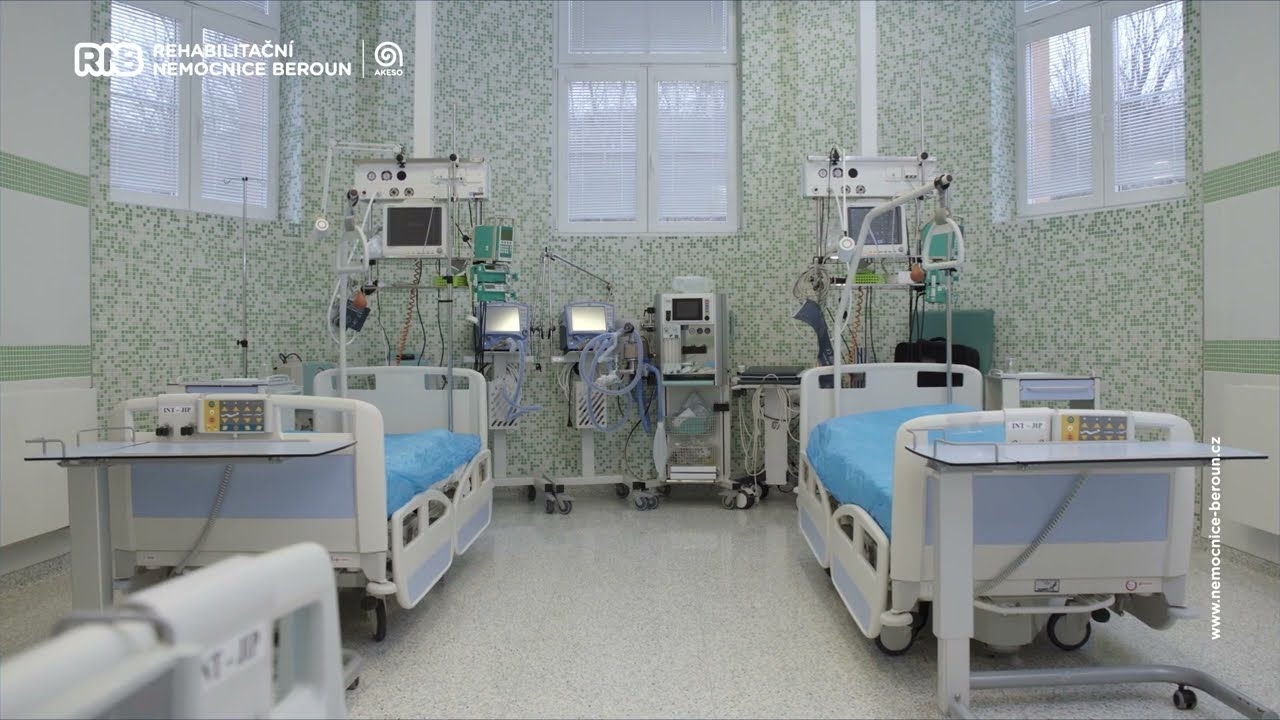
ICU with Monitored-Bed Capacity
The internal medicine ICU provides intensive care using modern monitoring and treatment technology and has seven fully monitored beds for seriously ill internal medicine patients.
Kinesiology Lab with a Stabilometric Platform & Biofeedback
The hospital includes a well-equipped kinesiological laboratory with a stabilometric platform featuring an oscillating plate, connected to a PC/monitor for visual feedback. It is used for both diagnostic and therapeutic purposes in movement disorders.
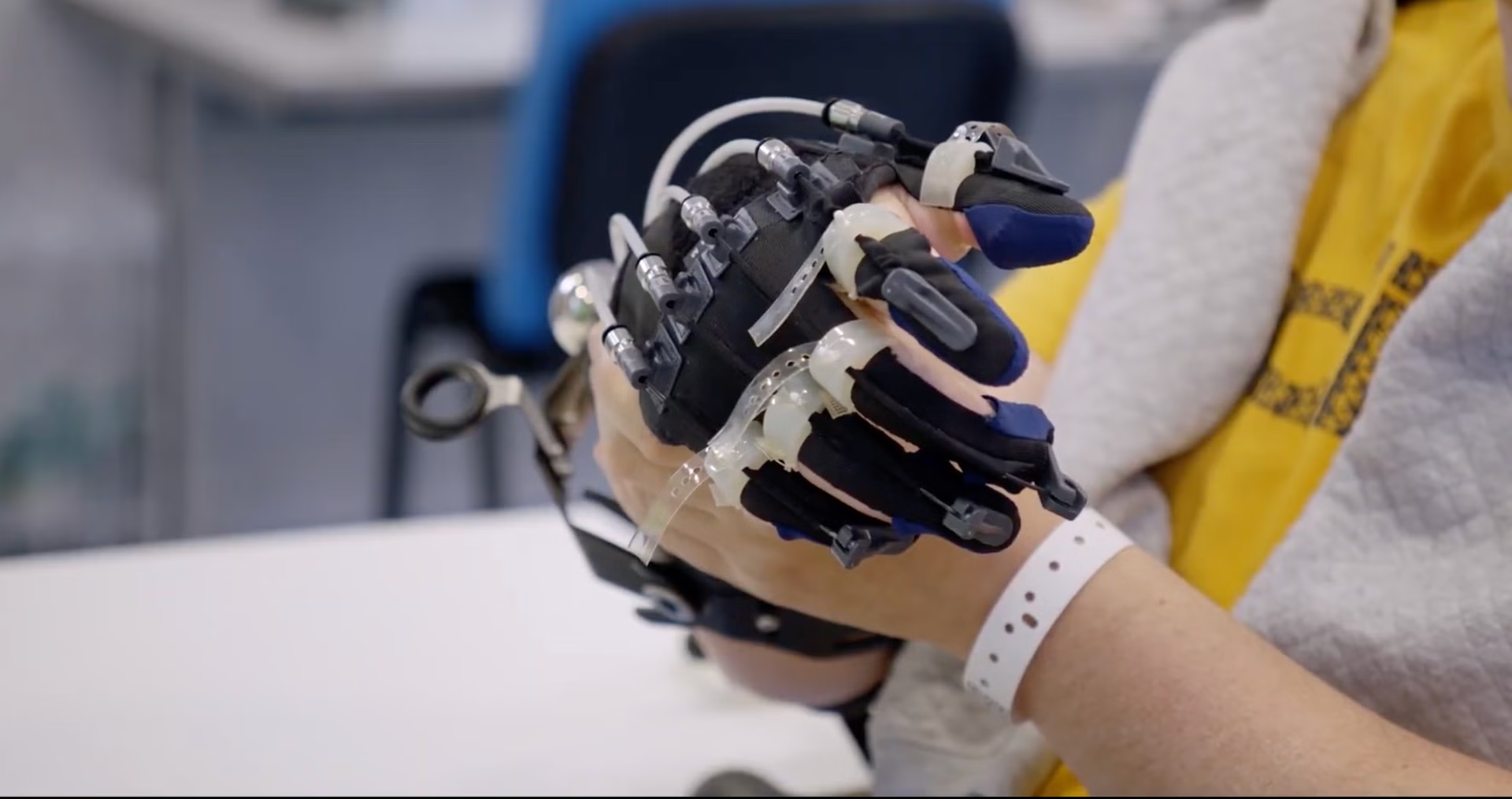
Robotic Hand Therapy System - Gloreha
The rehabilitation program includes a Gloreha robotic hand system that uses a robotic glove to support joint mobility and enable intensive hand/finger training, even when a patient cannot actively move, and is paired with visual feedback and adjustable parameters (range, speed, session length, etc.).
Extensive on-Site Therapy Services
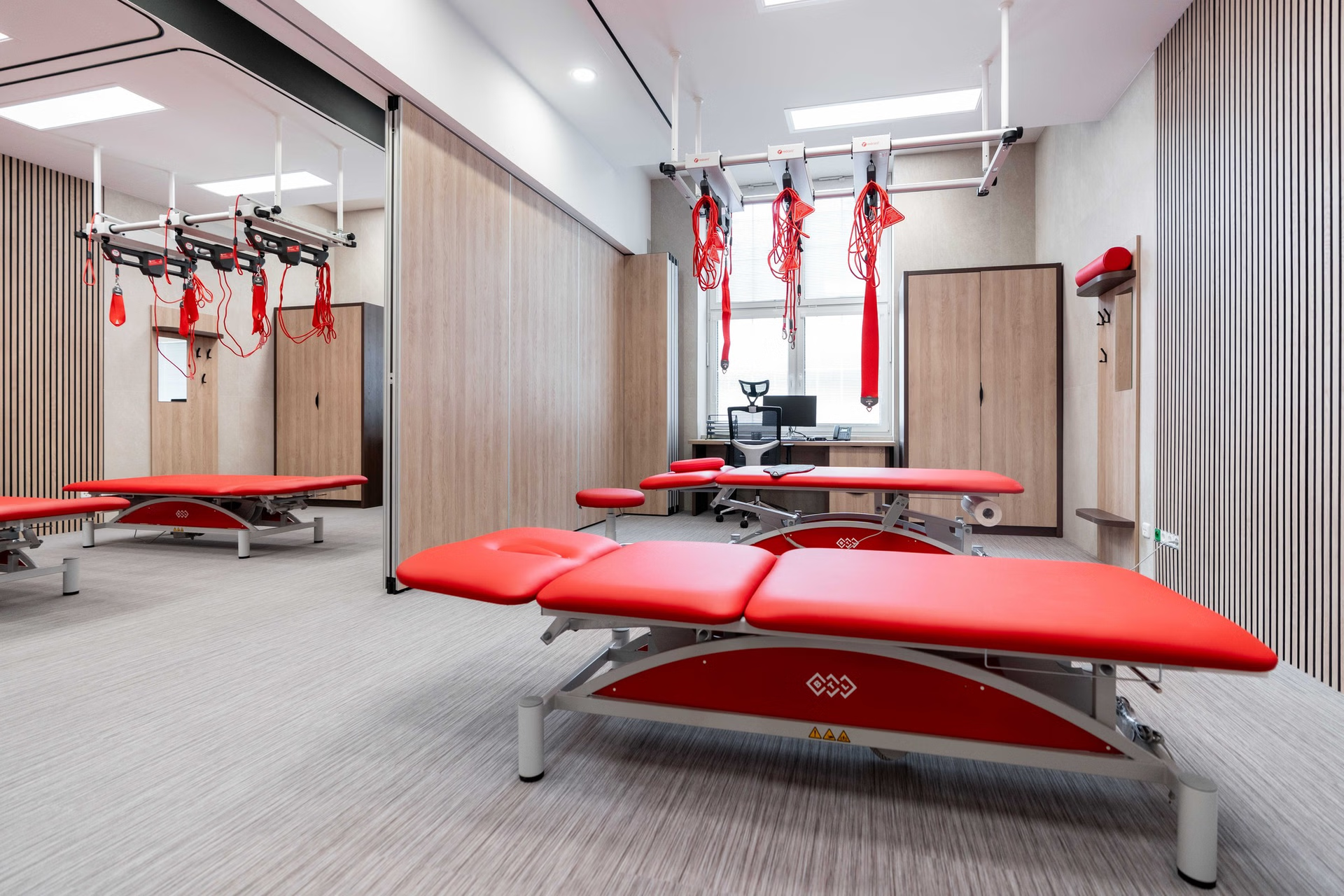
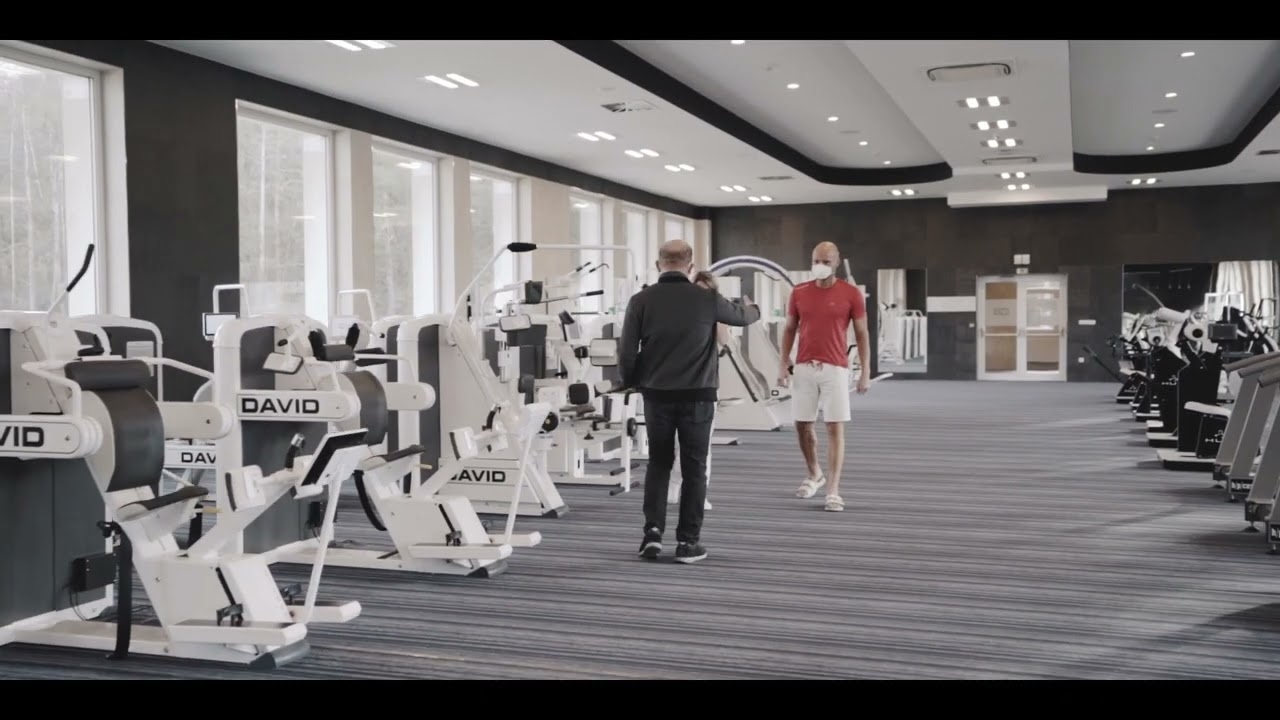
Therapy resources are concentrated within the rehabilitation pavilions and include physiotherapy gyms, physical therapy modalities, massage, sauna, occupational therapy (ergotherapy), and a dedicated prosthetics and orthotics outpatient service.
Imaging Department
The hospital runs an Imaging methods department with a defined pathway for ordering examinations, typically requiring referral documentation to be provided at the time of booking and triage.
Prosthetic Capability Integrated with Rehabilitation
Beroun Rehabilitation Hospital has a prosthetic department as part of its integrated inpatient/outpatient rehabilitation offering.
Advanced Rehabilitation Technologies
The hospital reports use of specialized technologies including a robotic exoskeleton, a virtual-reality rehabilitation system, the Imoove functional rehabilitation device, and spinal decompression (described as automated, precisely controlled cycles).
Clinical Training Connected to Charles University
It is listed as a clinical placement location for Charles University’s 1st Faculty of Medicine for internal medicine training rotations, with stated capacity and supervision arrangements.
About the clinic
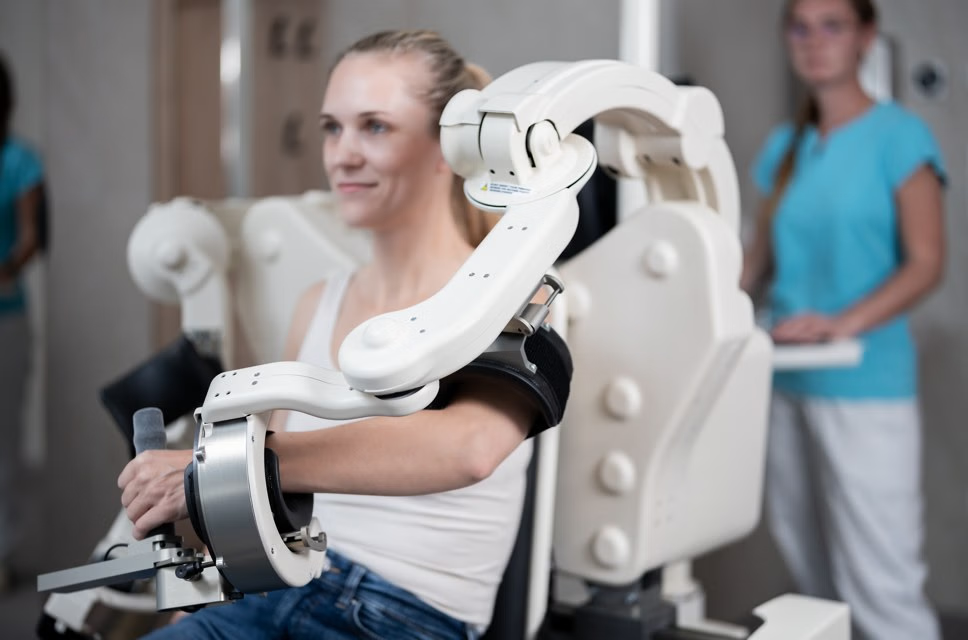
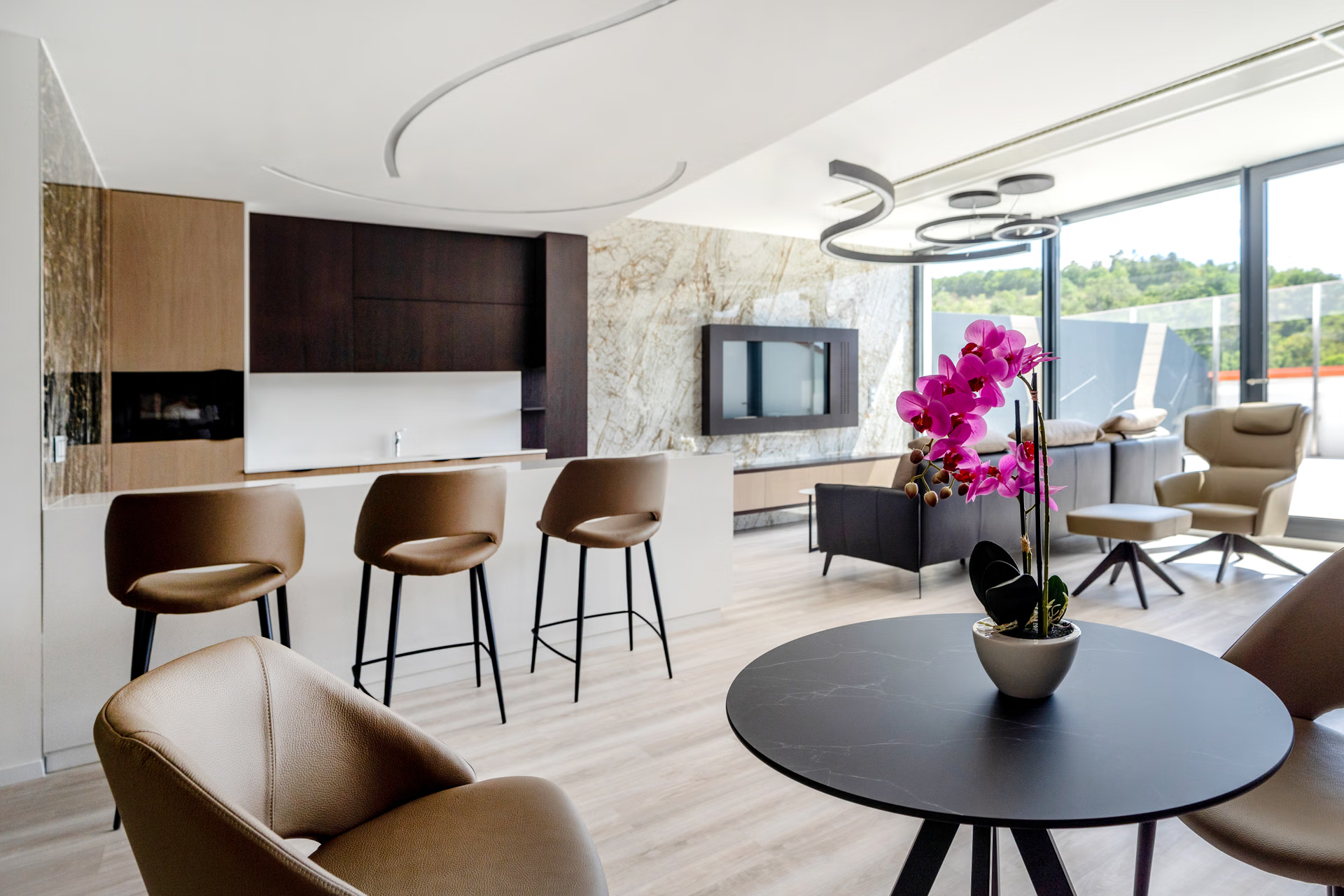
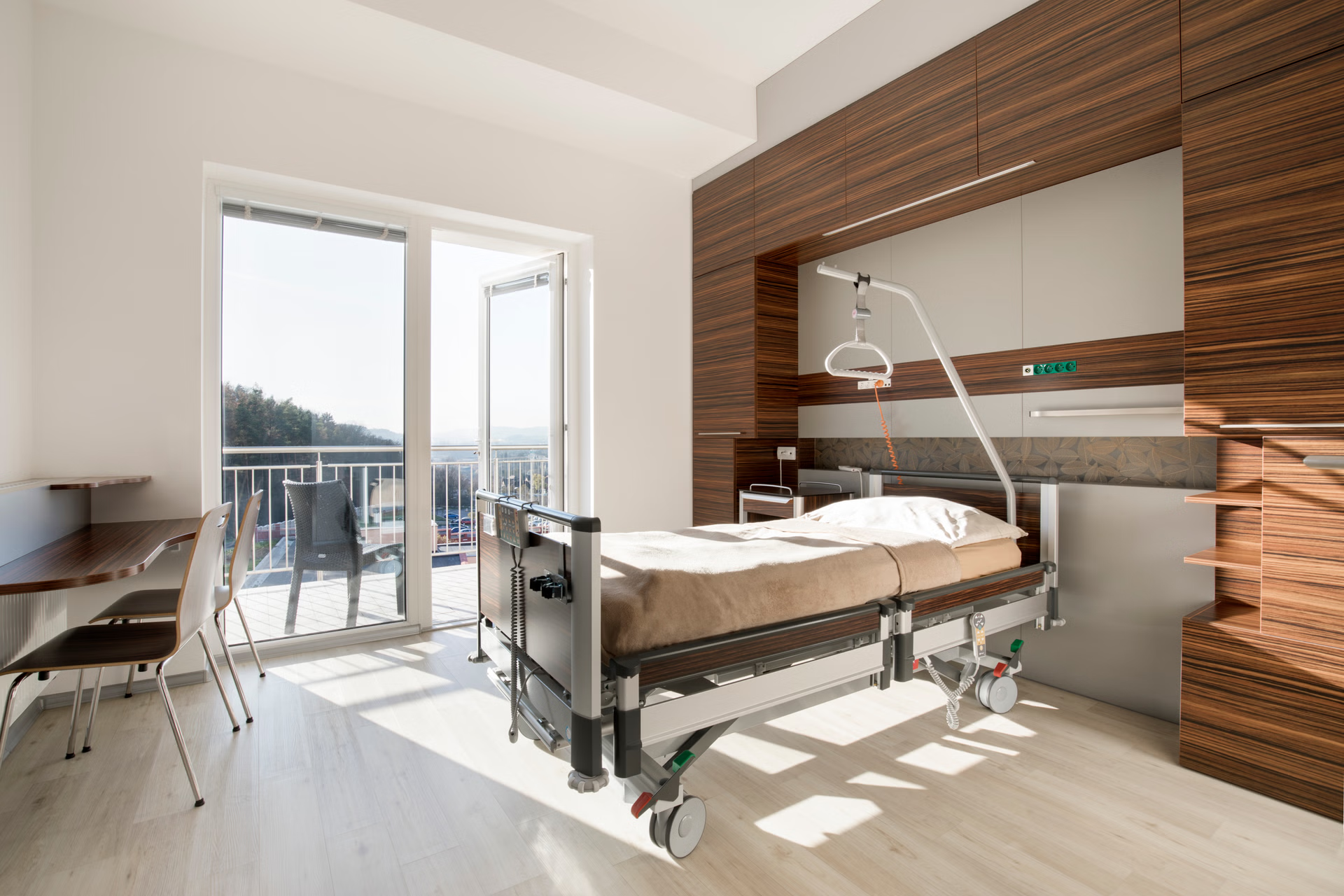
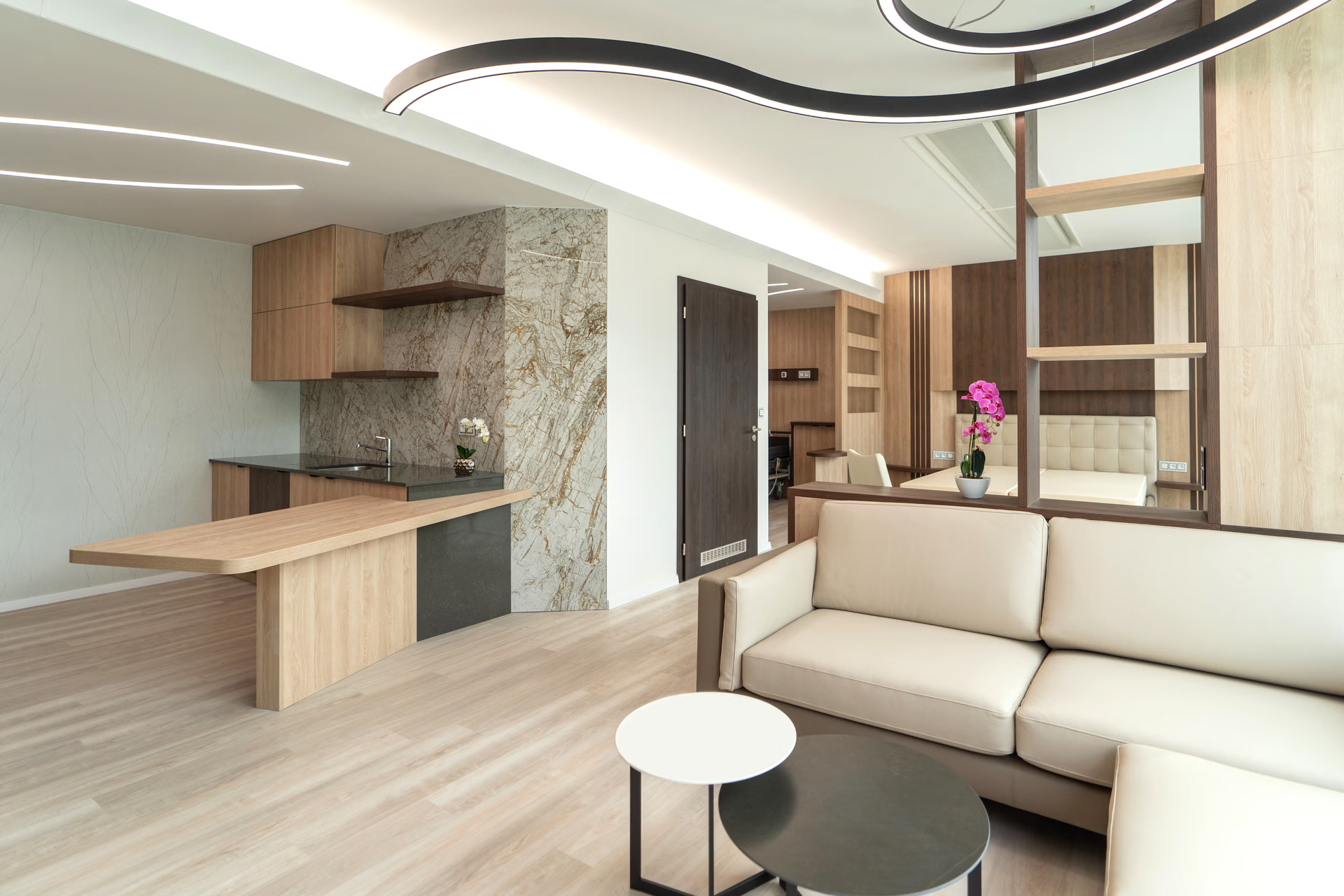
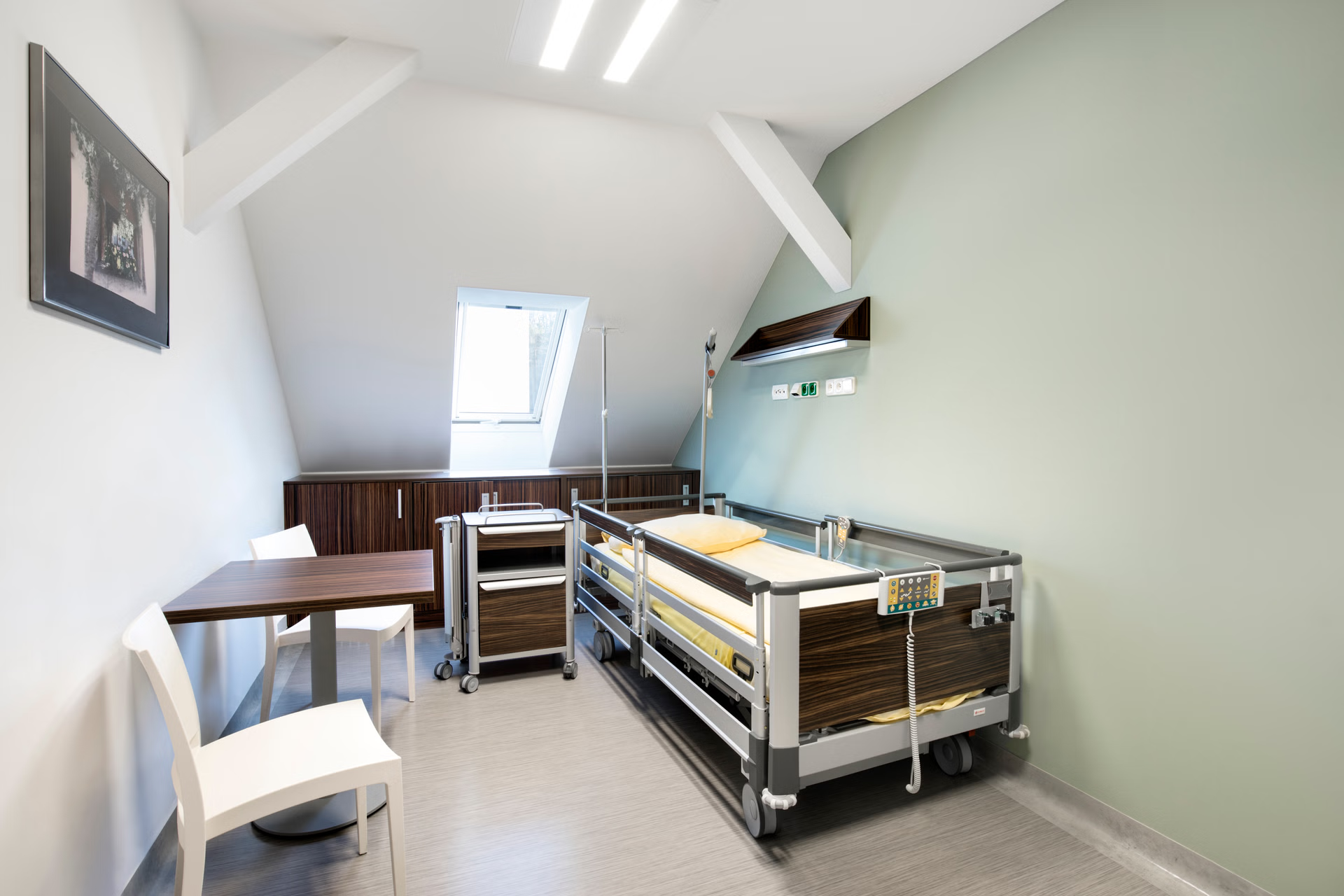
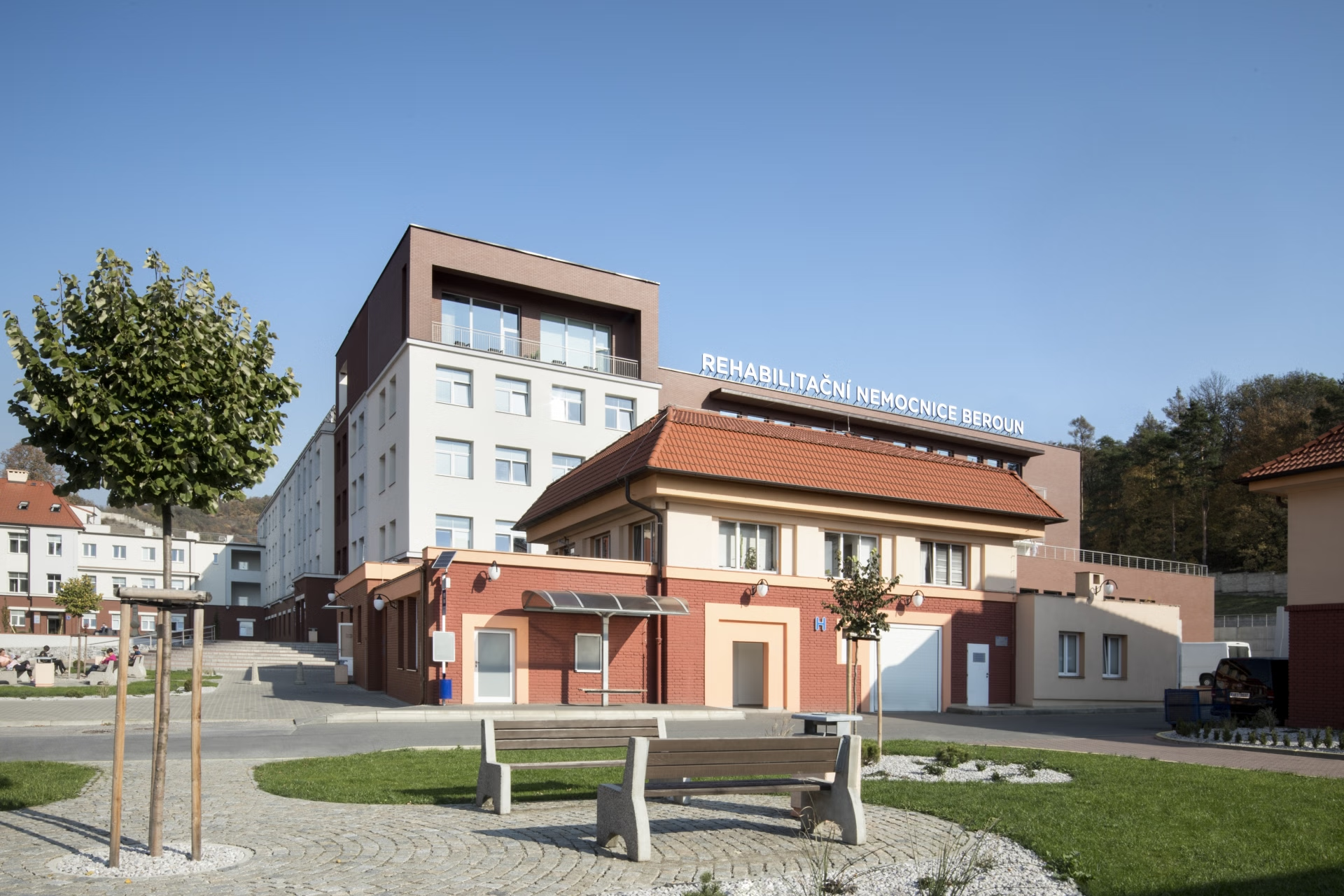
Beroun Rehabilitation Hospital is a specialized facility in Beroun, Czech Republic, focused on rehabilitation medicine and related services. The facility initially opened in 1929 and has been substantially reshaped since its privatization in 2007, with broad upgrades to buildings, equipment, and care capacity, combining modern specialist practice with a strong focus on patient needs and comfort. A central role is played by its rehabilitation center, which provides early, structured therapy and functional limitations in both outpatient and inpatient formats. Its focus is on restoring mobility, strength, coordination, and day-to-day independence after neurological events, orthopedic problems, traumatic injuries, spinal issues, or complex deconditioning. Care is delivered through a multidisciplinary team. The hospital describes collaboration among rehabilitation physicians, physiotherapists, and occupational therapists, with clinical speech therapy, clinical psychology, and prosthetic expertise integrated as needed to match physical recovery with communication, cognition, and practical mobility solutions. Physiotherapy at Beroun Rehabilitation Hospital is supported by an assessment infrastructure intended to make movement problems measurable and trackable. The rehabilitation center describes a kinesiological laboratory with stabilometric evaluation used for objective assessment of posture and balance, and for targeted therapy when gait and stability are impaired. Therapy options here also include a broad set of physical medicine modalities aimed at pain control, tissue healing, and functional readiness for active exercise. The hospital describes interventions such as therapeutic ultrasound, laser applications, and magnetotherapy, alongside other approaches used in routine rehabilitation practice to address musculoskeletal pain and stiffness. In addition, occupational therapy is presented as practical, function-based training rather than abstract exercise. According to the hospital’s program descriptions, occupational therapy can address fine motor skills and performance of everyday tasks. It can also extend to cognitive training and guidance on compensatory aids to make routine activities safer and easier. Beroun Rehabilitation Hospital also emphasizes technology-supported rehabilitation for selected indications. It describes robot-assisted upper-limb therapy, including robotic glove systems designed to guide precise hand and finger movement practice. It reports the use of modern feedback tools to support motor relearning in patients who cannot yet move reliably. For patients whose primary limitation is cognitive performance, the hospital has a dedicated cognitive rehabilitation approach that uses detailed computer-based screening to detect subtle deficits. It also includes movement therapy supported by biofeedback, in which physiological signals are measured and presented in real time to help patients improve control and regulate their effort during therapy tasks. Water-based resources are also part of the therapeutic environment. The hospital notes that pools are used for rehabilitation and therapy, and also as a structured relaxation option within the broader campus services, which can be helpful for patients managing pain, fatigue, or anxiety during longer recovery journeys. Surgical services at Beroun Rehabilitation Hospital are available through its arthroscopy center, a dedicated service for minimally invasive joint procedures. The hospital states that it provides a full spectrum of arthroscopic interventions, from diagnostic and preventive procedures to complex reconstructive procedures, and highlights the practical advantage of a rapid transition to postoperative rehabilitation. Diagnostic support is available through an imaging department that includes MRI services and radiology workflows capable of accommodating both urgent and non-urgent requests under defined rules. This allows rehabilitation planning to be informed by imaging and clinical findings when musculoskeletal or neurological assessment requires confirmation beyond what bedside examination can provide. Everyday support services are designed to reduce friction for patients and families navigating therapy plans. Beroun Rehabilitation Hospital operates an on-site pharmacy to support access to prescribed medications and rehabilitation-related supplies, which can simplify continuity of care as a patient balances therapy appointments with medication adjustments.
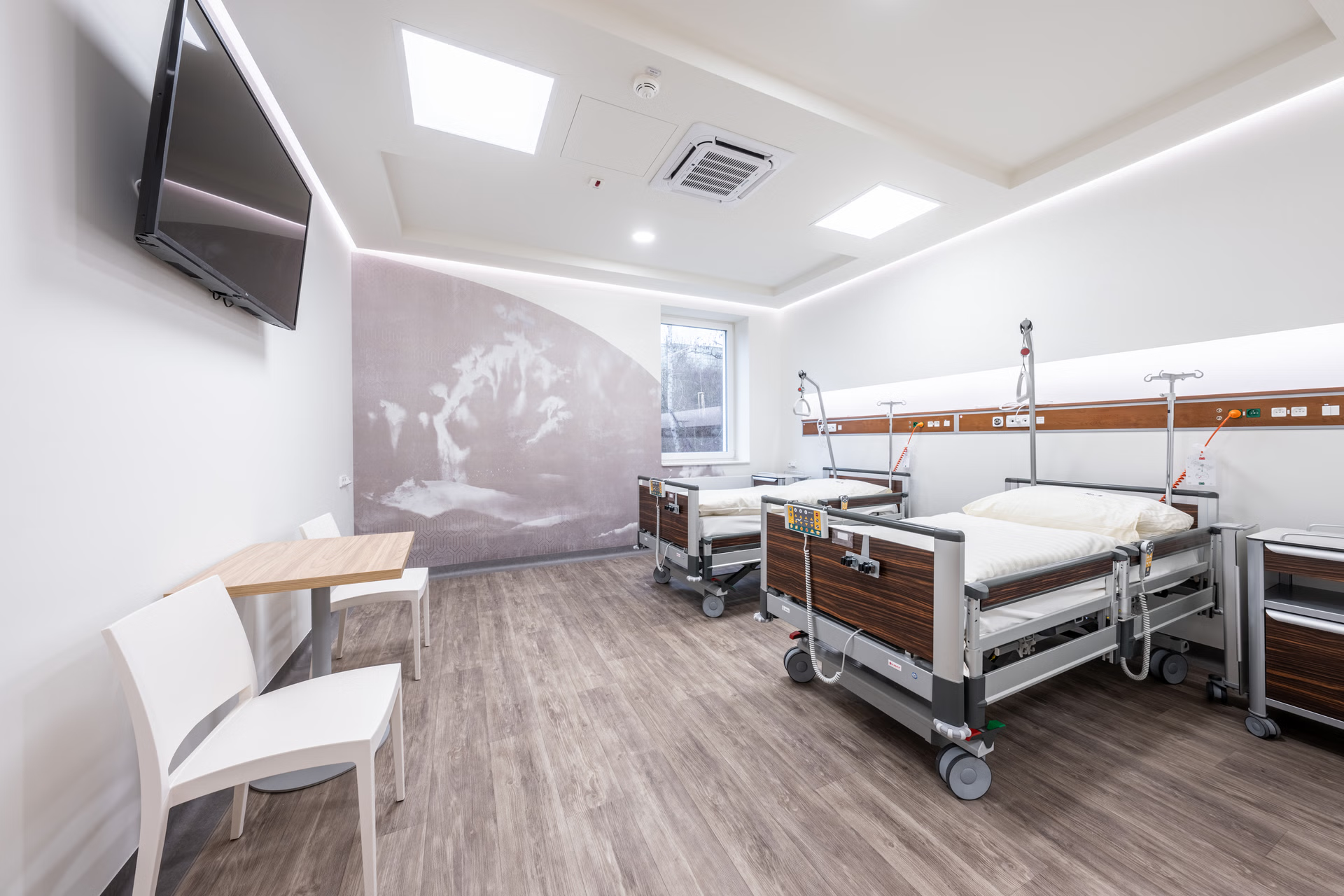
Internal department and ICU | Rehabilitation Hospital Beroun
2025-12-23T19:18:01.000Z
Internal department and ICU | Rehabilitation Hospital Beroun
Pharmacy | Rehabilitation Hospital Beroun
2025-12-23T19:17:45.000Z
Pharmacy | Rehabilitation Hospital Beroun
Extra services
Visa Support
Telemedicine
Stay Arrangements
Parking Space
24/7 medical assistance
Intensive Care Unit
On-Site Pharmacy
Cafeteria
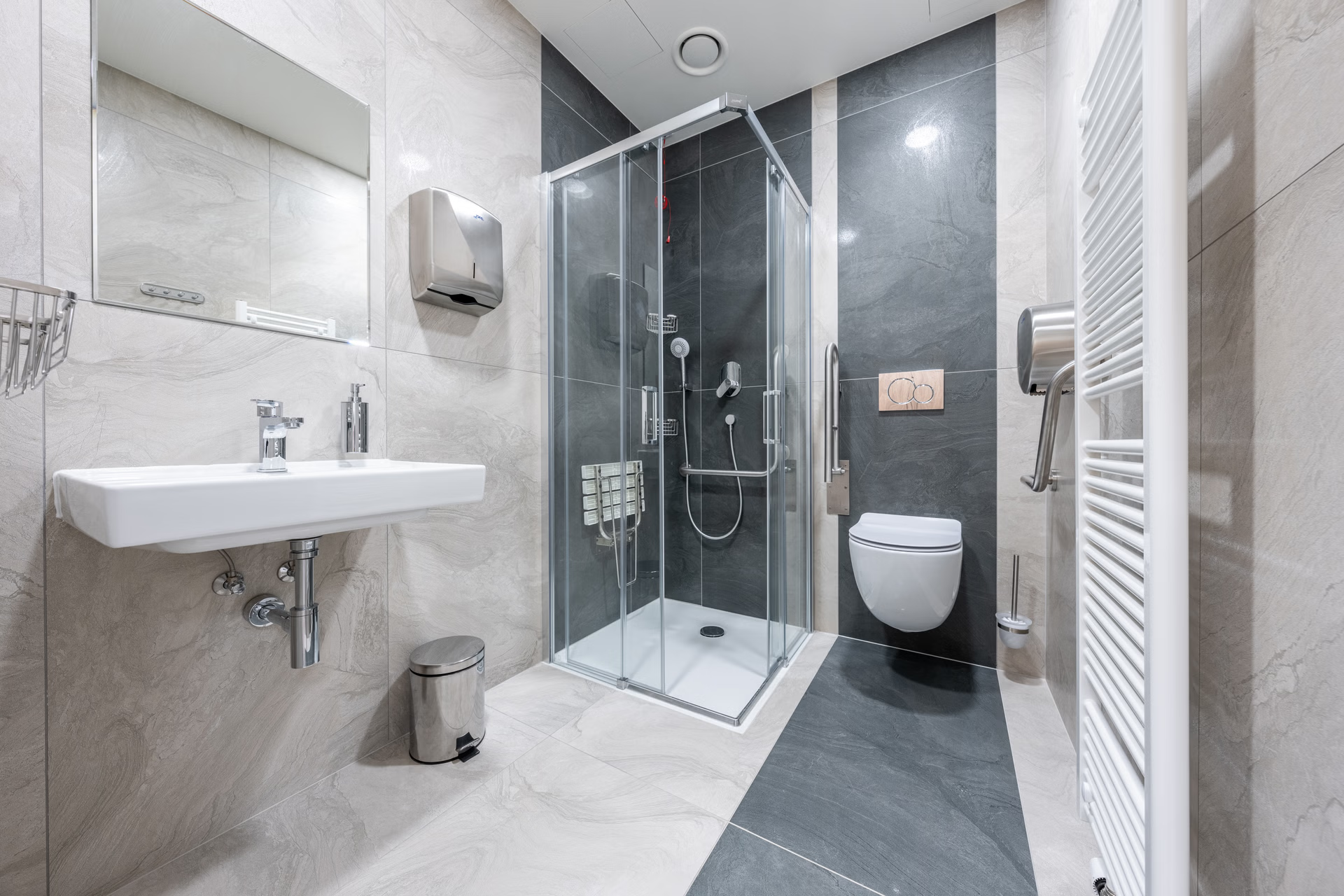
Accessibility Features
Digital Health Records
Location
Prof. Veselého 493, 266 56 Beroun-Beroun 1, Czechia
FAQ
When can relatives visit, and are there any limits?
The patient has the right to receive visits without a fixed limit, subject to health status, unit workflow, and roommates; recommended visiting hours are daily from 13:00 to 18:00. It also notes that children’s visits are not considered suitable in intensive care, and visits may be temporarily restricted due to epidemiological reasons.
Is parking available for visitors and patients?
There is a parking facility below the hospital with a capacity of 358 spaces.
What should I pack for an inpatient stay?
The recommended list of items is as follows: ID and practical personal items, such as comfortable clothing, a sports outfit, nightwear, non-slip indoor shoes, basic toiletries, and a towel.
Can I take my own medication while hospitalized?
You may bring your chronic medication, but you must hand it over to the staff on admission. During your stay, do not take any brought-in medicines without the physician’s order. Medications are prescribed by the treating doctor and administered by nursing staff; brought-in medicines may be used only under specific conditions and are returned at discharge.
How strict is the daily schedule during inpatient treatment?
Daily routines are set by each ward and form part of the treatment program. Patients are informed on admission and are expected to follow the ward’s regimen; persistent noncompliance, unless due to health status, may lead to early termination of care if the patient is not in a life-threatening condition.
What is the rating of the clinic?
Beroun Rehabilitation Hospital is rated as 9.60 by AiroMedical.
What do patients say about Beroun Rehabilitation Hospital?
The clinic has 326 feedbacks at other places. The UserScore of the hospital is 97%.