Logo image

Electrochemotherapy (Reversible Electroporation) for Cancer Treatment at Medias Clinic Burghausen
Electrochemotherapy (Reversible Electroporation) for Cancer Treatment at Medias Clinic Burghausen
9.70

Burghausen, Germany

5
User ScoreRatingMedia Files
99%9.7/105

Overview

Age group

Adults

Type of care

Inpatient

Method

Gentle

About the offer

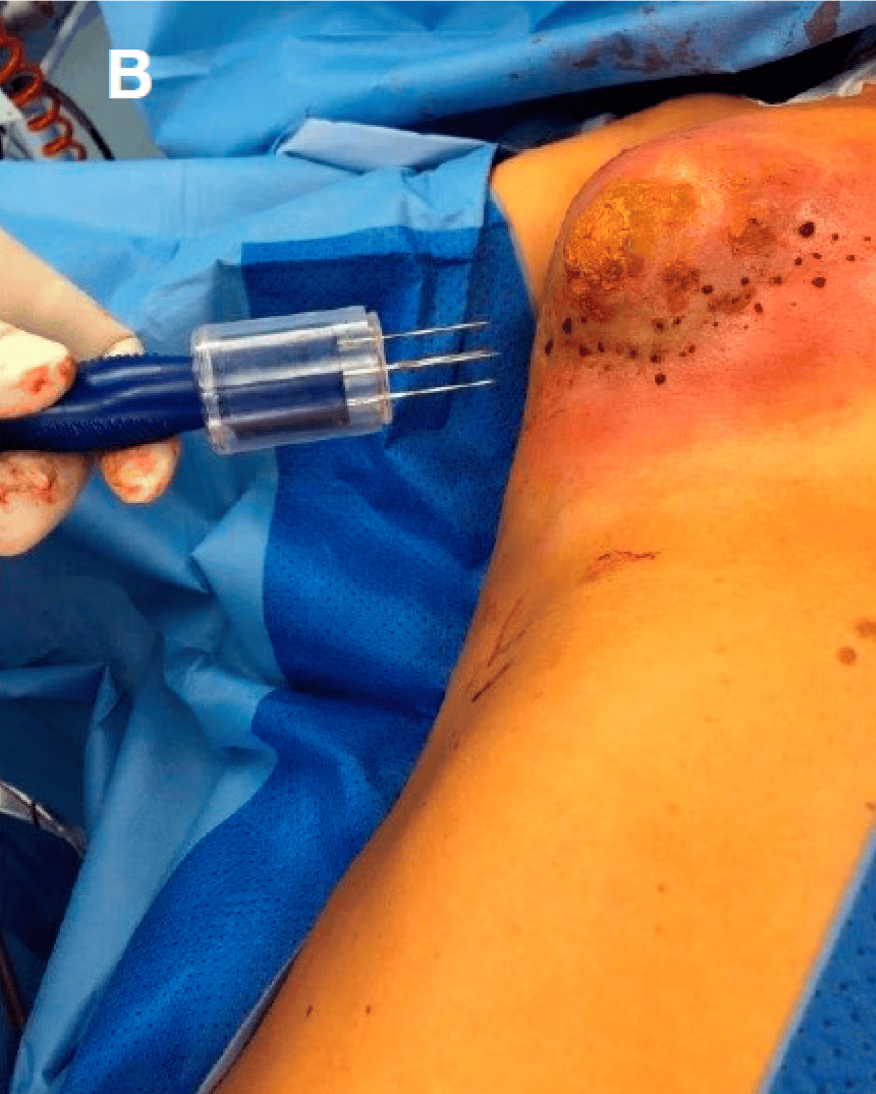
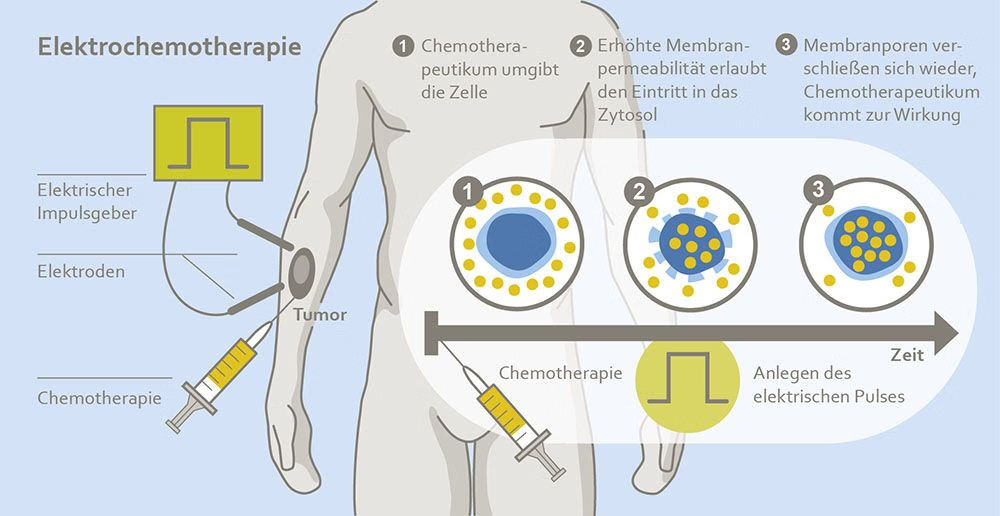
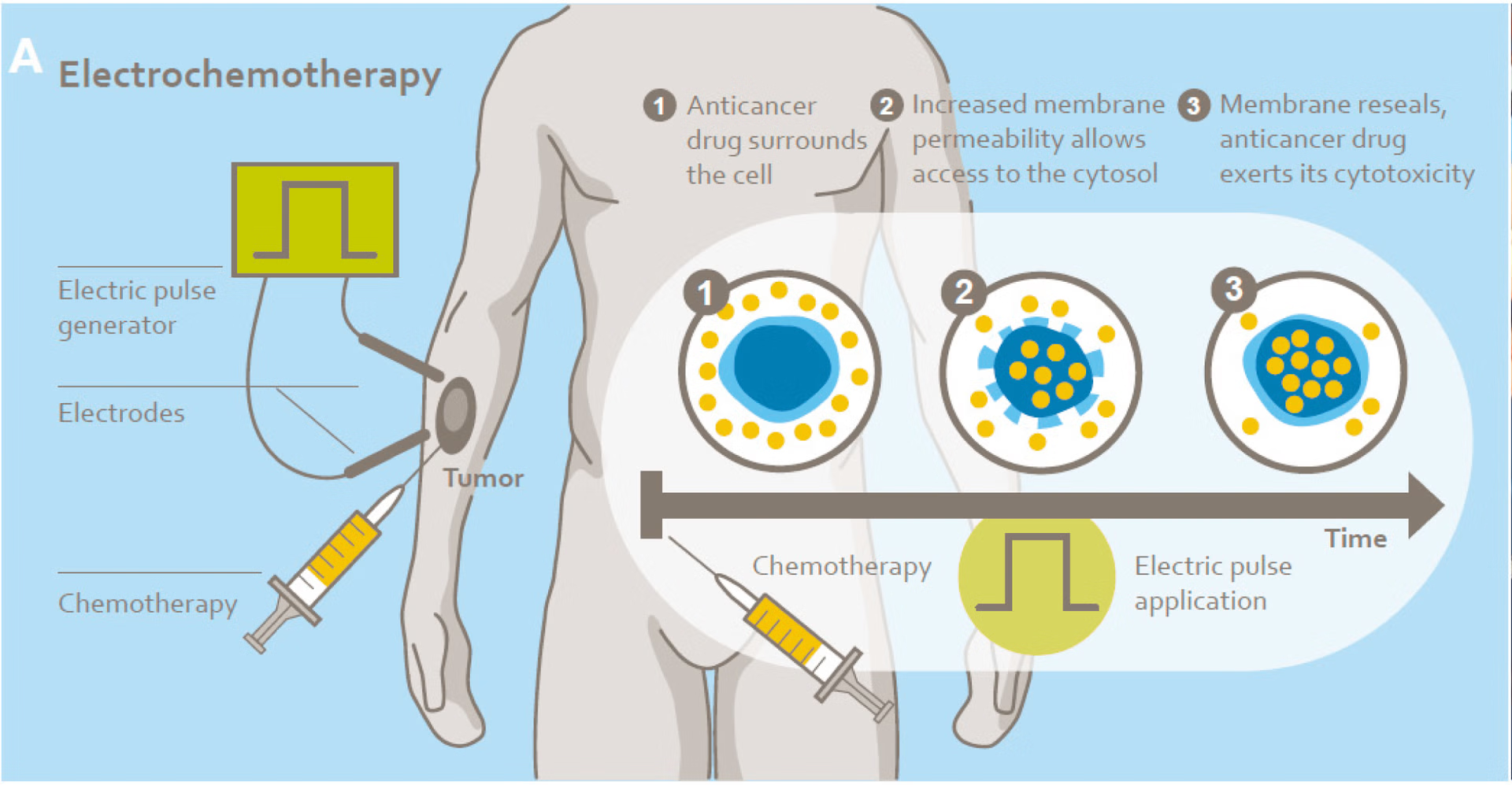
Electrochemotherapy, also known as reversible electroporation, is a targeted cancer treatment that uses electrical pulses to increase the permeability of tumor cell membranes, thereby enabling more effective drug delivery. This technique involves applying a controlled electrical voltage to the tumor cells, making their membranes temporarily permeable. This process enables larger chemotherapeutic agents, such as bleomycin, to enter tumor cells more efficiently, thereby significantly enhancing their effectiveness. By using small doses of these drugs, the therapy minimizes the potential side effects typically associated with chemotherapy. The key advantage of electrochemotherapy is its localized application, which focuses treatment on the tumor region, reducing systemic exposure to chemotherapeutic agents. The process works by inserting electrodes, which act as needles, into the tumor. The electrical voltage applied through these electrodes creates temporary pores in the membranes of the tumor cells. This "poration" lasts only for a few minutes, allowing chemotherapeutic drugs to infiltrate the tumor cells. After treatment, the cell membranes close, minimizing drug loss and ensuring that the therapeutic agents remain inside the cells for maximum efficacy. For certain chemotherapeutic drugs, such as bleomycin and cisplatin, this technique can enhance their cytotoxic effects by up to 1000-fold and 80-fold, respectively. By increasing the concentration of drugs within tumor cells, electrochemotherapy enables more targeted and efficient tumor destruction with lower doses, ultimately reducing the burden on the patient's system. Unlike irreversible electroporation, which uses higher voltages to irreversibly damage cells, reversible electroporation does not directly damage cells but instead facilitates the entry of chemotherapeutic agents. This makes it a valuable adjunct to chemotherapy, as it enhances the drugs' effectiveness without causing additional harm to healthy tissues. The electrical pulses themselves do not damage the blood vessels, making electrochemotherapy a safe and effective localized treatment option for various tumors. The timing of treatment relative to drug administration is crucial; when chemotherapy drugs are administered intravenously, a minimum interval of 8 to 40 minutes is recommended between the infusion and the application of electrical pulses. For intra-arterial infusions, the interval can be as short as 1 minute but should not exceed 40 minutes to ensure treatment effectiveness. One of the significant advantages of electrochemotherapy is that it can be repeated if necessary, especially in cases where the initial treatment did not yield the desired results or if the tumor relapses. A minimum interval of three weeks between treatments is recommended to allow the body to recover and to evaluate the effectiveness of the therapy. This flexibility allows clinicians to adjust treatment based on the patient's response, providing a personalized, adaptive approach to cancer therapy. Electrochemotherapy has been shown to be effective for a wide range of tumors, particularly those located on the skin, such as skin cancers and metastatic tumors. It has also been successfully used to treat tumors in more challenging areas, including breast carcinomas, head and neck cancers, pancreatic tumors, hepatocellular carcinomas, and liver metastases. The therapy's effectiveness in treating these tumors is largely attributed to its ability to deliver chemotherapeutic agents directly to cancer cells, thereby increasing drug potency and enhancing tumor cell destruction. This therapy is suitable for patients over 18 and is generally safe for individuals of all ages, provided they meet the medical criteria for treatment. However, for electrochemotherapy to be effective, the tumor needs to be accessible to the electrodes, either through the skin or after surgical removal. This ensures that the treatment can be localized to the tumor, enabling optimal drug delivery and greater therapeutic benefit.

What’s included

Medical service

Examination
  • clinical history-taking
  • medical records review
  • physical examination
  • consultation with an oncosurgeon
  • consultation with an anesthesiologist
  • consultation with an oncologist
Laboratory tests
  • complete blood count (CBC)
  • blood type test (ABO, Rh)
  • biochemical analysis of blood (kidney and liver function tests, electrolytes, glucose)
  • inflammation blood tests
  • coagulation studies
  • urinalysis
Diagnosis
  • regional staging CT scan (on the indication)
Treatment
  • preoperative patient preparation
  • electrochemotherapy (reversible electroporation)
  • post-procedure care
  • symptomatic treatment
Other
  • chief physician fees
  • accommodation in a private room + 1 companion, all incl.
  • cost of essential medicines
  • cost of essential materials
  • anesthesia
  • nursing service
  • discharge medical records
  • further recommendations

Extra add-ons

Airport transfer
Shared room
Companion hospitalization
Hospital meals
Personal coordinator

AiroCare

AiroMedical support
Payment protection
Patient advocacy
Price match

Meet the provider

Prof. Dr. med. Karl Reinhard Aigner

oncology, regional chemotherapy, oncological surgery

9.70
Excellent

Gallery

Customize this offer

If you're not seeing exactly what you need here, send your custom request. You can discuss the content, specifics, price & timeline to create a personalized plan.

Location

Krankenhausstraße 3a, 84489 Burghausen, Germany

FAQ

What is electrochemotherapy?

Electrochemotherapy is a cancer treatment that uses electrical pulses to increase the permeability of tumor cell membranes, enabling more effective drug delivery. This process enhances the absorption of chemotherapeutic drugs, such as bleomycin, allowing them to enter the tumor cells more efficiently and improve the effectiveness of the treatment.

How does it work?

The procedure involves inserting electrodes into the tumor and applying controlled electrical pulses that temporarily open the cell membranes. This enables chemotherapy drugs to penetrate the tumor cells more effectively. After the treatment, the cell membranes close, ensuring that the drugs remain inside the cells for maximum therapeutic impact.

What types of cancer can be addressed?

Electrochemotherapy is effective for treating skin tumors, breast cancer, head and neck tumors, pancreatic cancer, hepatocellular carcinoma, and liver metastases. It can also be applied to other tumors based on individual medical assessment.
Is it a safe treatment?

Yes, electrochemotherapy is generally considered safe, as it specifically targets the tumor and does not directly damage surrounding healthy tissues or blood vessels. The localized nature of the treatment reduces systemic side effects compared to traditional chemotherapy.

How long does a session last?

The duration of the treatment session depends on the tumor size and type, but generally, the procedure can take anywhere from 30 minutes to an hour. This includes the time needed for the infusion of chemotherapy drugs and the application of electrical pulses.

Can electrochemotherapy be repeated?

Yes, it can be repeated if necessary, particularly if the initial treatment does not yield the desired results or if there is a relapse. It is recommended to wait at least three weeks between treatments to allow the body to recover.

Is there any recovery time after the therapy?

After the procedure, most patients can resume normal activities fairly quickly, as there is minimal downtime. However, some patients may experience mild side effects such as swelling or redness at the treatment site, which typically resolves within a few days.

What is the difference between electrochemotherapy and irreversible electroporation?

The main difference is that reversible electroporation (used in electrochemotherapy) temporarily opens the cell membranes to allow drug penetration, whereas irreversible electroporation causes permanent damage to the cell membranes. Electrochemotherapy uses lower electrical voltages and focuses on delivering chemotherapy drugs to the tumor, making it a gentler option than irreversible electroporation.

How does it enhance the effectiveness of chemotherapy drugs?

By temporarily increasing the permeability of tumor cell membranes, electrochemotherapy allows larger chemotherapy drugs, such as bleomycin, to enter cells more effectively. This can increase the drug's cytotoxicity by up to 1000-fold, making the treatment more effective at lower chemotherapy doses.

What are the side effects?

The side effects of the treatment are typically mild and localized to the treatment area. These can include temporary swelling, redness, or tenderness at the electrode sites. Serious side effects are rare due to the localized nature of the therapy.

Who is eligible for electrochemotherapy?

Electrochemotherapy is suitable for adult patients with accessible tumors that can be treated with electrodes, either through the skin or post-surgically. The treatment is available to a wide range of cancer patients, but its suitability is assessed on a case-by-case basis by a medical professional.

Is it used in combination with other treatments?

Yes, electrochemotherapy can be used alongside other cancer treatments, such as traditional chemotherapy, radiation therapy, or surgery. It may be particularly useful for tumors that are resistant to conventional treatments.

How effective is electrochemotherapy?

Electrochemotherapy has shown promising results, particularly in treating skin tumors and metastases. The technique has demonstrated high efficacy in enhancing the delivery and effectiveness of chemotherapy drugs, often improving cancer treatment outcomes with fewer side effects.

What should I expect during a session?

During the session, you will receive a chemotherapy infusion, followed by electrical pulses delivered through electrodes placed in or near the tumor. The procedure is generally quick, and patients typically experience minimal discomfort, though some temporary redness or swelling may occur in the treated area.

What is the rating of the offer?

Electrochemotherapy (Reversible Electroporation) for Cancer Treatment at Medias Clinic Burghausen is rated as 9.70 by AiroMedical.

Who is offering a deal?

How long does the offer take?

The offer is designed for 5 days.

Does the offer require you to stay in the clinic overnight?

What are the age restrictions?

The offer is eligible only for adults.

Can I customize the content of the offer?

Yes, the components of the deal can be changed. Get in touch with a vendor to create a personalized proposal.

Does the offer include extra services?

Electrochemotherapy (Reversible Electroporation) for Cancer Treatment at Medias Clinic Burghausen has 14 add-ons and unique AiroCare services for AiroMedical users.

Individual cost estimate. Non-binding 100% free assessment.
On request

Similar deals