Logo image

Peptide Radioreceptor Therapy (PRRT) with Lutetium-177 DOTATOC for Neuroendocrine tumor (NETs) | Helios Clinic Berlin-Buch, Germany
Peptide Radioreceptor Therapy (PRRT) with Lutetium-177 DOTATOC for Neuroendocrine tumor (NETs) | Helios Clinic Berlin-Buch, Germany
9.90

Berlin, Germany

5
User ScoreRatingMedia Files
98%9.9/105

Overview

Age group

Adults

Type of care

Inpatient

Method

Non-surgical

About the offer

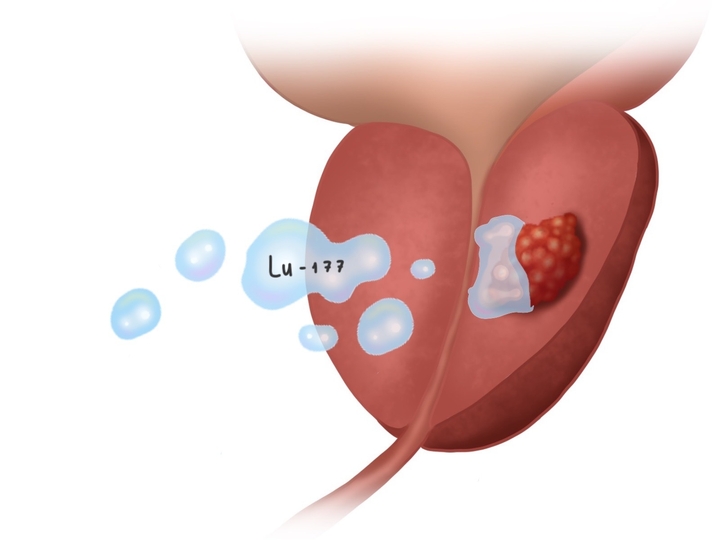
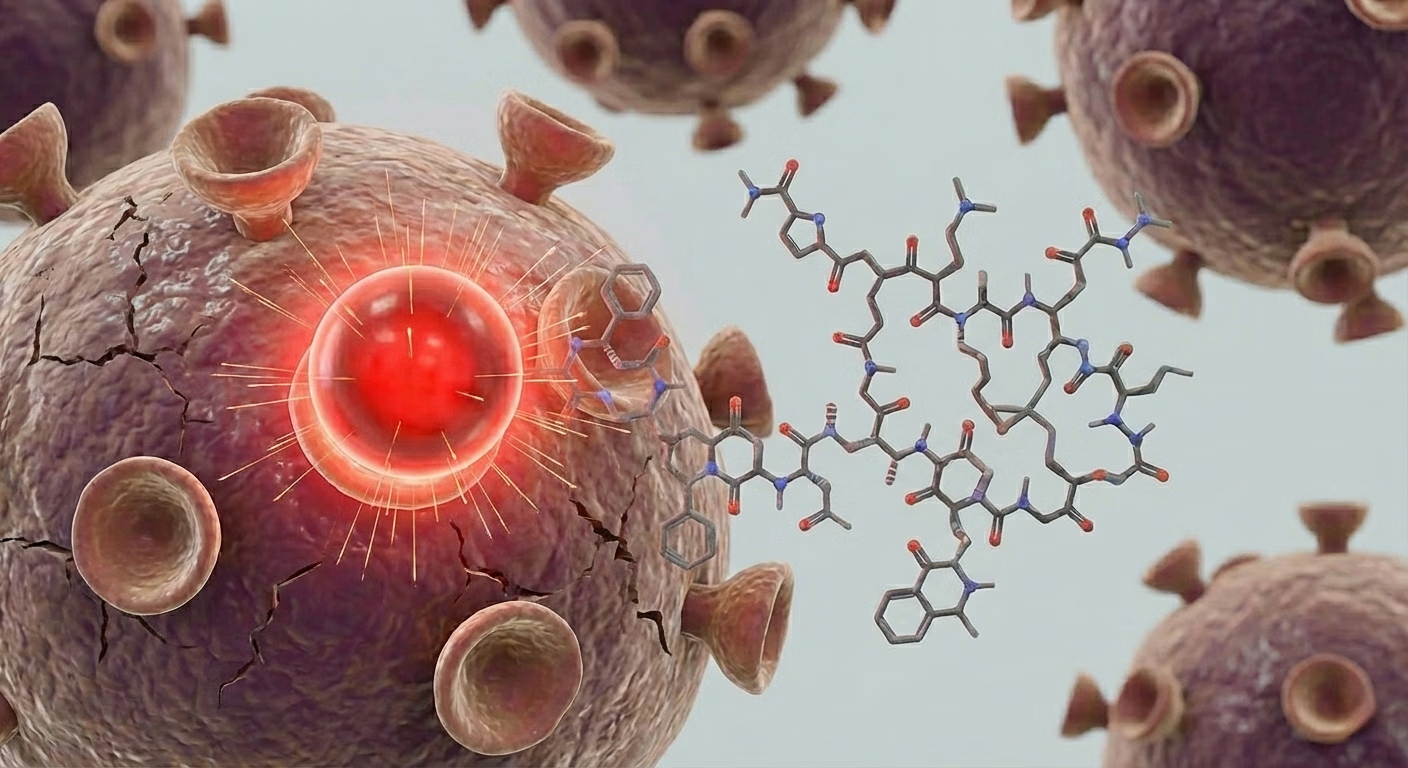
Peptide Receptor Radionuclide Therapy with Lutetium-177 DOTATOC is offered as a targeted nuclear medicine treatment for neuroendocrine tumors (NETs). The idea is simple. A peptide resembling somatostatin is used to detect tumor cells that express somatostatin receptors. A therapeutic radionuclide is attached to the peptide, so radiation is delivered mainly to the receptors. This offer is positioned for patients whose NET tumor deposits show clear receptor expression. That receptor expression is essential for the treatment to bind well and concentrate in the lesions. The patient’s overall condition also matters. Kidney function and bone marrow reserve are especially relevant because they influence safety. The pathway starts with a structured pre-therapy assessment. The clinic reviews the medical history and previous treatments. Imaging is used to confirm receptor-positive disease, including somatostatin-receptor imaging such as Gallium-68 DOTATOC PET/CT. Laboratory testing is used to document baseline blood counts and organ function, including liver and kidney values, as well as tumor markers. Kidney evaluation is presented as a specific requirement before treatment. Renal scintigraphy is used to measure renal function. This helps identify patients at higher risk of renal injury due to radionuclide excretion. The aim is to proceed only when the kidney reserve is sufficient. Treatment is not pursued when tumor uptake of somatostatin analogues is too low. It is also avoided in severe renal impairment and in relevant urinary outflow problems that could increase exposure to the kidneys and bladder. Significant abnormalities in blood counts are another limiting factor. The treatment itself is organized as an inpatient stay. Patients are admitted to a dedicated radiation-protected ward for about 3 days. Visits from relatives are not allowed during this period because of radiation safety rules. Patients are expected to remain on the ward, but they can use personal devices and bring items for comfort. Administration is an intravenous infusion process. A venous line is placed, and the Lutetium-177 DOTATOC is infused slowly, typically over about 30 minutes. Because the radiopharmaceutical is cleared through the kidneys, an amino acid infusion is given before, during, and after the treatment. This infusion is intended to reduce renal radiation dose. Post-treatment imaging is part of the workflow. Whole-body imaging and SPECT/CT are used to document the distribution of the activity. Additional scans are performed over the following days to track the course and support exposure assessment, particularly for the kidneys. This monitoring is framed as both a control measure and a documentation step. After discharge, early laboratory follow-up is recommended, typically within 2 weeks. The focus is on blood count and kidney and liver parameters. If tolerance is good, therapy is usually planned as several cycles with roughly 3-month intervals. The clinic describes repeating key checks before each cycle to confirm ongoing suitability and to assess response.

What’s included

Medical service

Examination
  • clinical history-taking
  • medical records review
  • physical examination
  • consultation with a nuclear medicine specialist
Laboratory tests
  • complete blood count (CBC)
  • biochemical analysis of blood (kidney and liver function tests, electrolytes)
  • inflammation blood tests
  • urinalysis
Diagnosis
  • somatostatin-receptor-scintigraphy
  • gallium-68 DOTATOC PET / CT
  • kidney scintigraphy (Tc-99m MAG-3 and Tc-99m DTPA)
Treatment
  • pre-procedure patient preparation
  • peptide radioreceptor therapy (PRRT) with Lutetium-177 DOTATOC
  • post-procedure care
  • symptomatic treatment
Other
  • cost of radiopharmaceuticals
  • cost of essential medicines
  • cost of essential materials
  • hospitalization
  • nursing service
  • discharge medical records
  • further recommendations

Extra add-ons

Local transportation
Airport transfer
Single room
Hospital meals
Personal coordinator

AiroCare

AiroMedical support
Payment protection
Patient advocacy
Price match

Meet the provider

Prof. Dr. med. Stefan Dresel

nuclear medicine, radiology, radiation therapy, theranostics

9.90
Excellent

Gallery

Customize this offer

If you're not seeing exactly what you need here, send your custom request. You can discuss the content, specifics, price & timeline to create a personalized plan.

Location

Schwanebecker Ch 50, 13125 Berlin, Germany

FAQ

What is the rating of the offer?

Peptide Radioreceptor Therapy (PRRT) with Lutetium-177 DOTATOC for Neuroendocrine tumor (NETs) | Helios Clinic Berlin-Buch, Germany is rated as 9.90 by AiroMedical.

Who is offering a deal?

How long does the offer take?

The offer is designed for 3 days.

What are the age restrictions?

The offer is eligible only for adults.

Can I customize the content of the offer?

Yes, the components of the deal can be changed. Get in touch with a vendor to create a personalized proposal.

Does the offer include extra services?

Individual cost estimate. Non-binding 100% free assessment.

On request

Similar deals