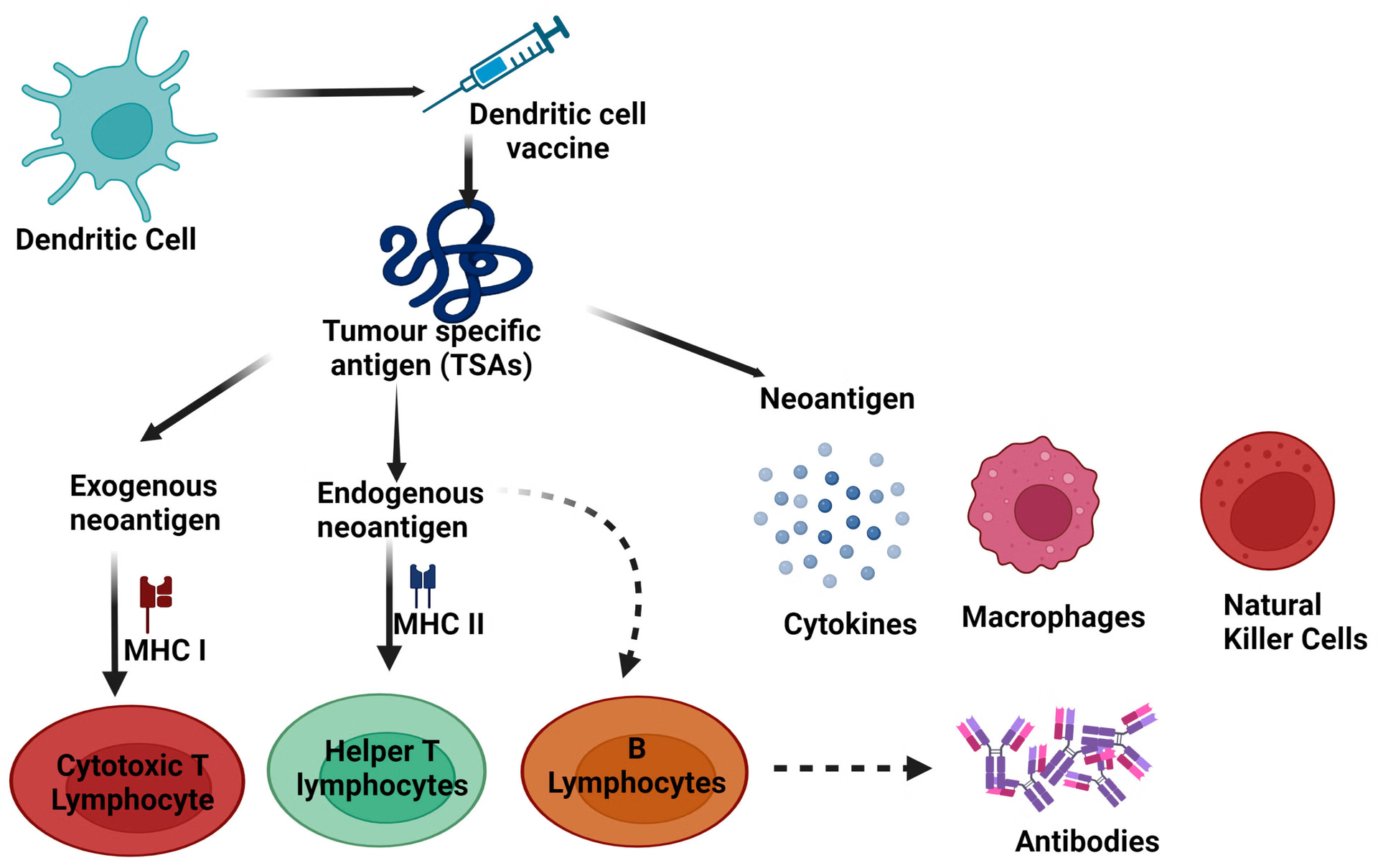
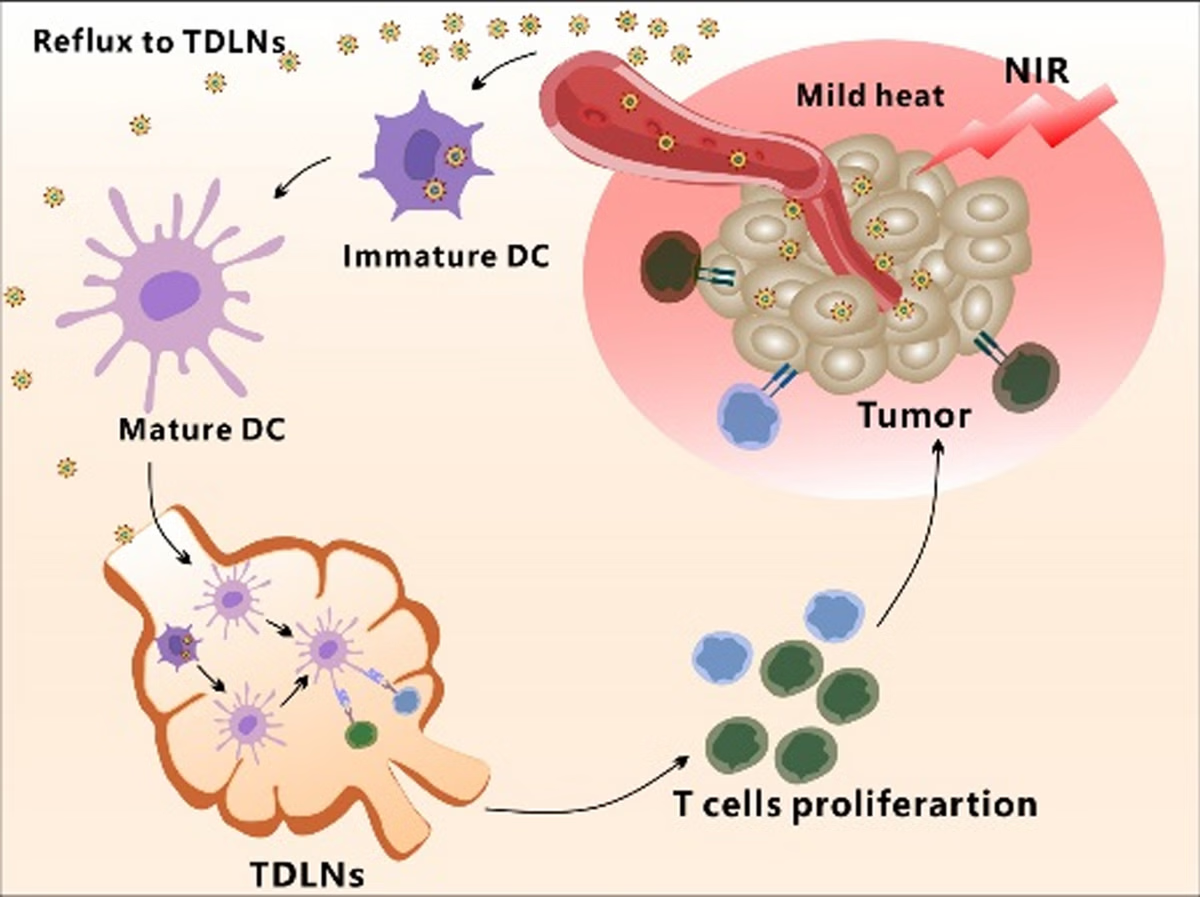
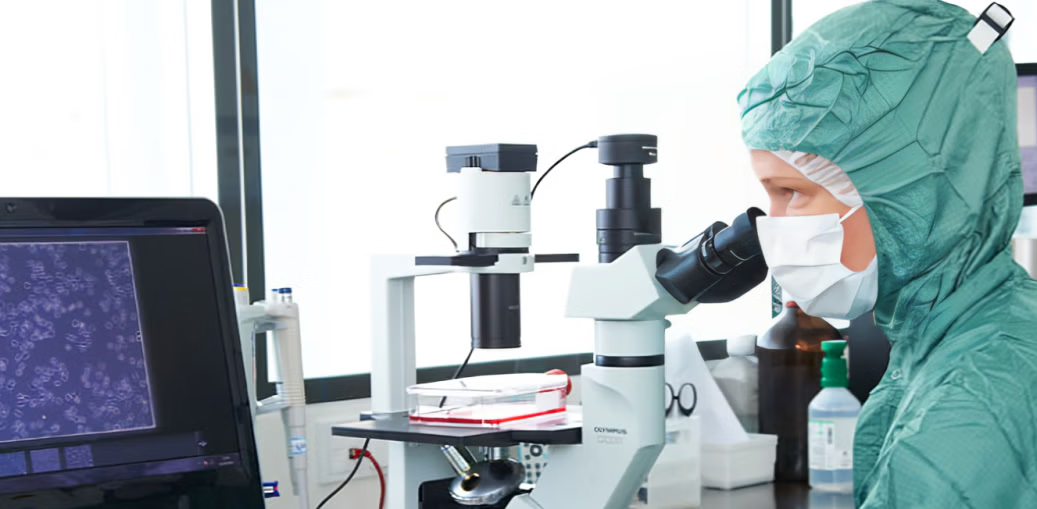
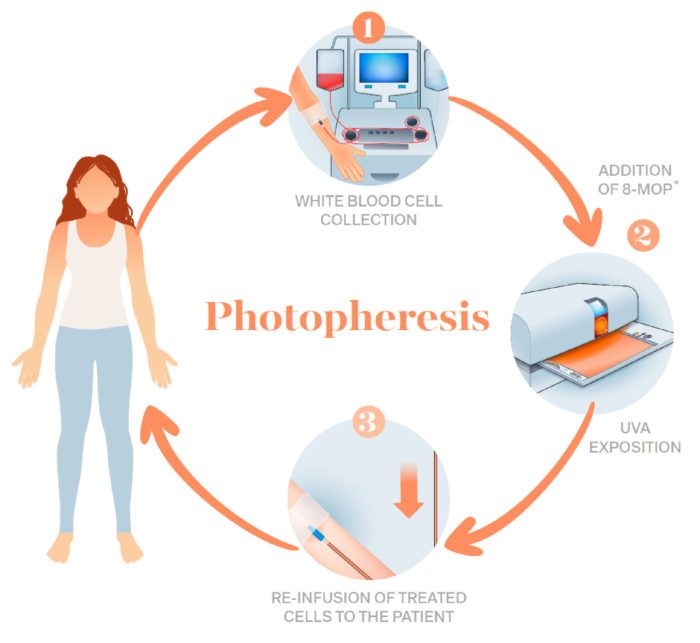
Dendritic cell (DC) immunotherapy is a cutting-edge approach in cancer treatment that harnesses the body’s own immune system to target and eliminate cancer cells. Dendritic cells are immune cells that play a pivotal role in the immune response by acting as messengers between the innate and adaptive immune systems. Their primary function is to capture, process, and present antigens to T-cells, thereby activating a targeted immune response. In cancer, these cells can be used therapeutically to stimulate the immune system to recognize and attack cancer cells more effectively. The process of dendritic cell immunotherapy, also known as dendritic cell treatment (DCT), begins with isolating dendritic cells from the patient’s blood. These cells are then exposed to tumor-associated antigens in the laboratory. Tumor antigens are proteins or molecules expressed on the surface of cancer cells but not on normal cells. When exposed to these antigens, dendritic cells become activated and educated to recognize the specific cancer cells that harbor them. Once the dendritic cells have been prepared, they are reintroduced into the patient’s body via infusion, where they travel to lymph nodes and other immune system sites to present tumor antigens to T cells. This process leads to the activation of T cells, which can then seek out and destroy cancer cells that express those specific antigens. One of the major benefits of DC immunotherapy is its ability to provide highly targeted treatment with minimal damage to surrounding healthy tissues. Unlike traditional cancer therapies, such as chemotherapy and radiation, which can cause widespread damage to healthy cells, DC immunotherapy enhances the body's natural immune response against cancer without the same level of toxicity. Additionally, this treatment can help generate long-lasting immune memory, allowing the body to recognize and respond to cancer cells if they recur. This immunological memory can provide a lasting protective effect, potentially preventing cancer from coming back. The dendritic cells are generated from the patient’s monocytes, which will be harvested by leukapheresis, using a standard cytokine cocktail in a GMP-certified lab. On day 7, the dendritic cells are harvested in physiological salt solution for intradermal application. For each vaccine preparation, the quality of the dendritic cells is assessed by measuring characteristic surface markers using flow cytometry, performing microscopic controls, and performing standard sterility tests. This process is typically repeated multiple times over a set period to reinforce the immune system's ability to fight cancer. The number of treatments and the duration of therapy can vary depending on the type of cancer and the patient’s individual response to the therapy. One of the key advantages of DC immunotherapy is its personalization. Since the treatment is derived from the patient's own immune cells, it is highly specific to the individual’s cancer. The therapeutic approach is tailored to the patient’s unique tumor profile, resulting in more effective and precise treatment. Additionally, as the therapy stimulates the patient’s immune system to recognize and attack cancer cells, it can be combined with other cancer remedies, such as chemotherapy, radiation, and surgery, to enhance their efficacy. There are ongoing studies and clinical trials investigating the effectiveness of dendritic cell immunotherapy in treating various types of cancer, including melanoma, prostate cancer, lung cancer, breast cancer, and glioblastoma. Research has shown promising results in certain cancers, particularly when traditional treatments have not been fully successful. However, as with any emerging treatment, the effectiveness of DC immunotherapy can vary from patient to patient, and more research is needed to fully understand its potential in cancer therapy. While dendritic cell immunotherapy generally has fewer side effects compared to conventional cancer treatments, it is not without risks. Some patients may experience mild side effects, such as flu-like symptoms (fever, chills, and fatigue), following the infusion. These symptoms typically result from immune system activation and usually subside after a few days. Serious side effects are rare but can include an allergic reaction or infusion-related issues. It is important that patients undergoing dendritic cell immunotherapy be closely monitored by their healthcare team during therapy to ensure safety and promptly address any potential issues. Dendritic cell immunotherapy represents an innovative and personalized approach to cancer treatment. By harnessing the patient’s immune system and targeting the specific antigens on cancer cells, this therapy aims to provide a more targeted, less toxic alternative to traditional care. As research continues to evolve, dendritic cell immunotherapy holds the promise of becoming a key component of cancer treatment, particularly for patients with difficult-to-treat cancers or those seeking alternatives to more conventional therapies.
What’s included
Medical service
Examination
clinical history-taking
medical records review
physical examination
consultation with an oncologist
consultation with an immunologist
Treatment
pre-procedure patient preparation
autologous dendritic cell harvesting through leukapheresis
dendritic cells incubation and activation with standard cytokine cocktail in a GMP-certified lab
If you're not seeing exactly what you need here, send your custom request. You can discuss the content, specifics, price & timeline to create a personalized plan.
Location
Hinterstraße 53, 37115 Duderstadt, Germany
FAQ
What is dendritic cell immunotherapy?
Dendritic cell immunotherapy is a treatment that uses the patient’s own dendritic cells, a type of immune cell, to stimulate an immune response against cancer cells. These cells are activated outside the body, exposed to cancer-related antigens, and then reintroduced to the patient to fight cancer.
How does DCT work?
The process begins by isolating dendritic cells from the patient's blood. These cells are then exposed to cancer antigens in the lab. After being activated, the dendritic cells are infused back into the patient, where they help train the immune system to recognize and attack cancer cells.
What types of cancer can be treated with this therapy?
Dendritic cell immunotherapy is being studied for several types of cancer, including melanoma, breast cancer, prostate cancer, lung cancer, colon cancer, kidney malignancies, and glioblastoma. It shows promise in cases where traditional therapies have been less effective.
Is this therapy safe?
The therapy generally has fewer side effects than conventional treatments like chemotherapy or radiation. Some mild side effects, like fever or fatigue, may occur after treatment as the immune system is activated.
How long does the treatment take?
The treatment involves several sessions, usually spaced a few weeks apart. Each session lasts a few hours, during which dendritic cells are infused back into the patient.
Is dendritic cell immunotherapy personalized?
Yes, this therapy is highly personalized because it uses the patient's own dendritic cells and is tailored to the specific cancer antigens present in their body.
Can this treatment be combined with other therapies?
Yes, dendritic cell immunotherapy can be combined with other cancer treatments, such as chemotherapy, radiation, or surgery, to enhance their effectiveness.
Are there any risks involved?
The main risks relate to the infusion process and potential mild side effects, such as flu-like symptoms. Severe reactions are rare but can include allergic responses or other complications.
How many treatment sessions are needed?
The number of sessions varies depending on the individual and the type of cancer. Typically, multiple treatments are required to achieve the desired immune response.
What are the benefits of this therapy?
The key benefits include fewer side effects compared to conventional treatments, the ability to stimulate a targeted immune response, and the potential to provide long-lasting protection against cancer recurrence.
How is the effectiveness of the therapy measured?
Effectiveness is monitored through clinical evaluations, imaging, and lab tests. The patient's immune response to the cancer cells is assessed to determine whether the treatment is working.
How soon can results be seen?
Results vary, but some patients may see benefits after a few treatment cycles. It can take several weeks or even months for the immune system to fully respond to the therapy.
Is this therapy suitable for all patients?
Dendritic cell immunotherapy is suitable for patients who are eligible for immunotherapy and have immunologically targetable cancers. A thorough evaluation by a healthcare provider is necessary to determine eligibility.
Does the therapy cause pain?
The therapy itself does not cause pain, though some patients may experience discomfort or mild side effects after the infusion.
Can this therapy cure cancer?
Dendritic cell immunotherapy is still under research and is not a guaranteed cure for cancer. However, it may help reduce tumor size, prevent recurrence, and improve the patient’s overall immune response.
Dendritic Cell (DC) Therapy + Leukapheresis for Cancer Treatment | Practice Group for Cell Therapy in Duderstadt, Germany is rated as 9.70 by AiroMedical.