Logo image

Percutaneous Vertebroplasty / Osteoplasty - Spine Cement in Osteoporosis, Malignant Bone Tumors & Fractures at University Hospital Frankfurt
Percutaneous Vertebroplasty / Osteoplasty - Spine Cement in Osteoporosis, Malignant Bone Tumors & Fractures at University Hospital Frankfurt
9.90

Frankfurt am Main, Germany

8
User ScoreRatingMedia Files
98%9.9/108

Overview

Age group

Kids, Adults

Type of care

Outpatient

Method

Microinvasive

About the offer

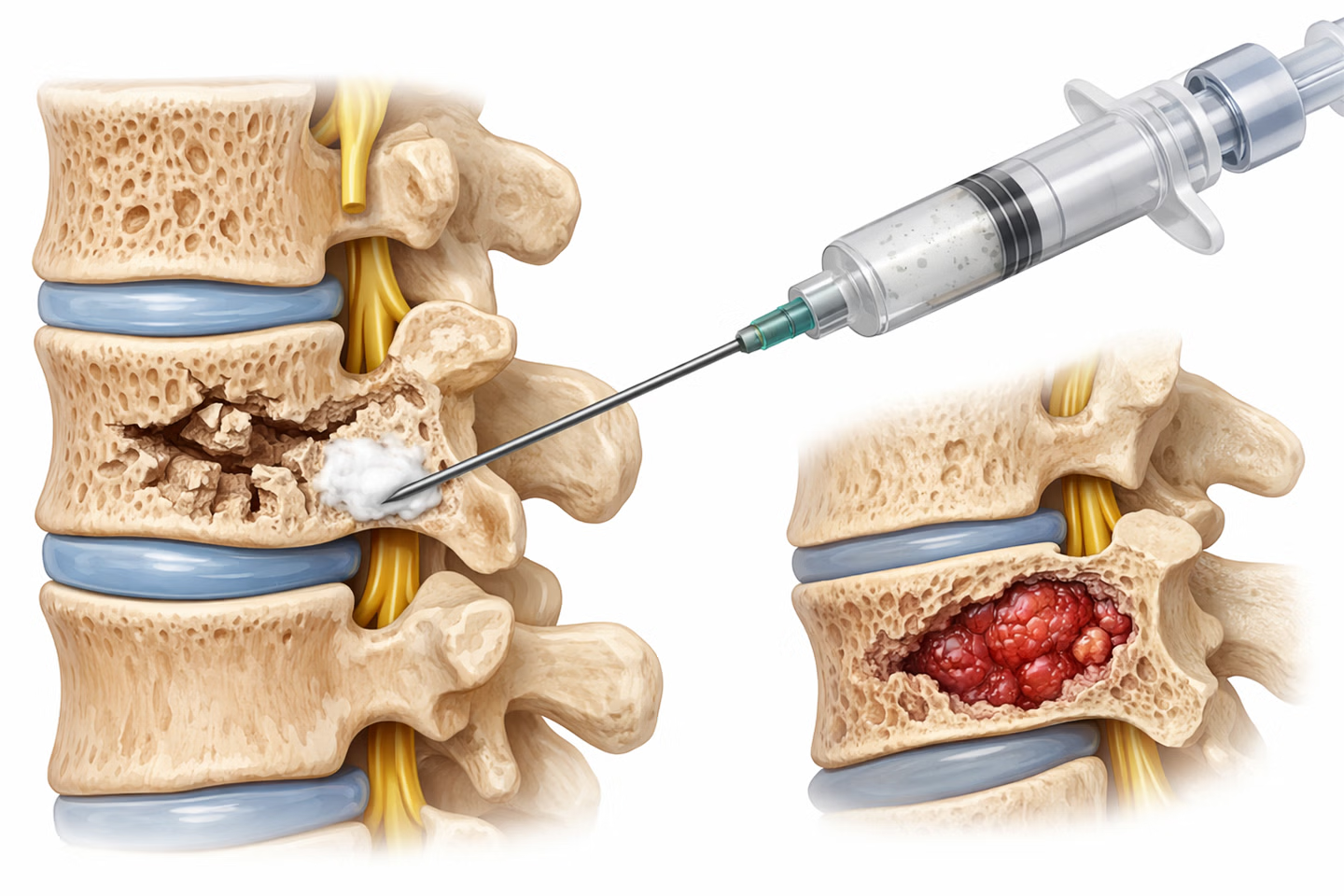
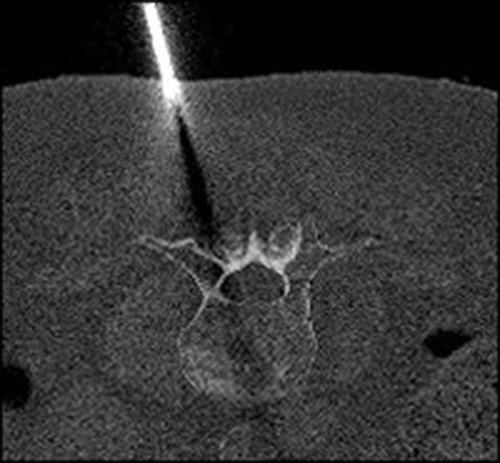
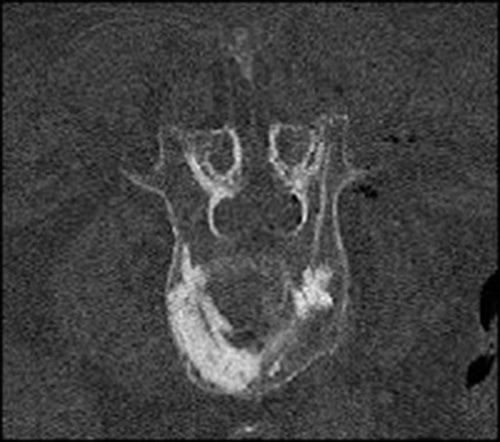
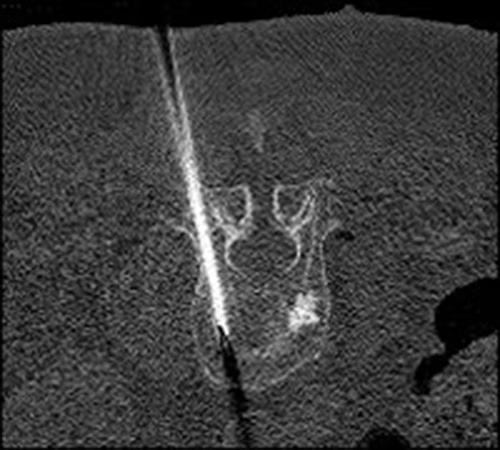
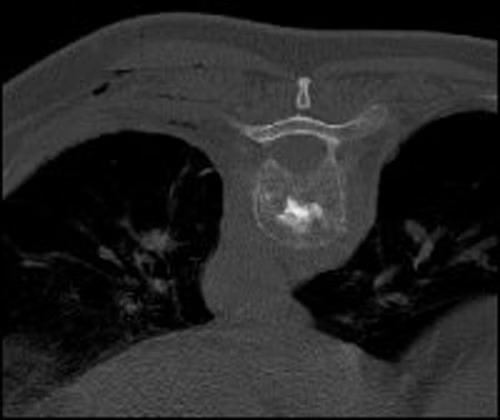
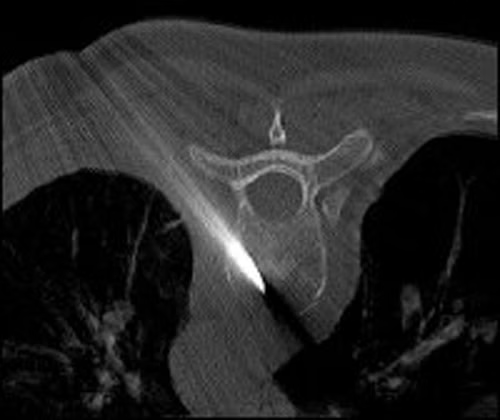
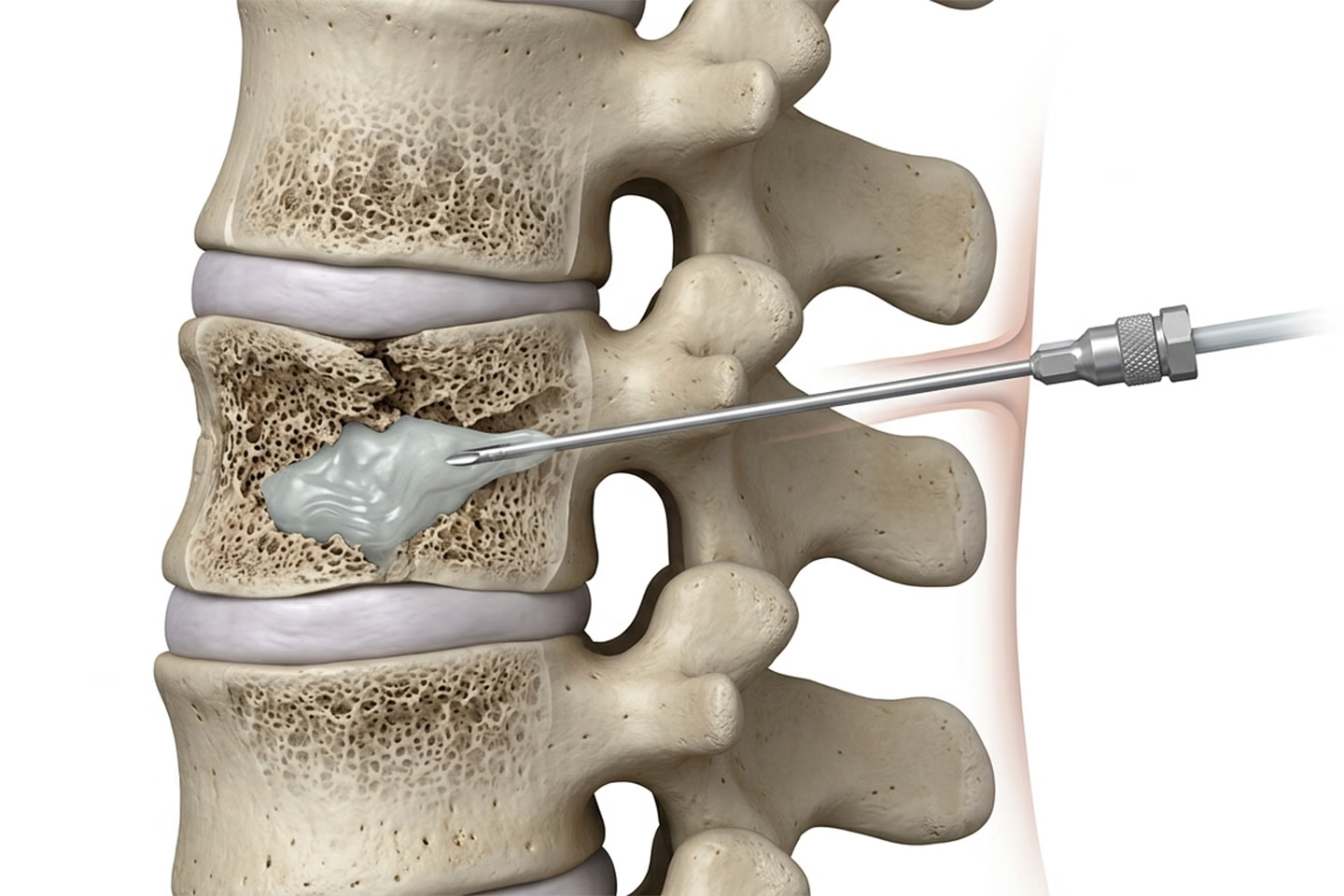
The Interventional Radiology Clinic at the University Hospital Frankfurt offers percutaneous vertebroplasty & psteoplasty as specialized, minimally invasive treatments for patients with painful vertebral body fractures or structural bone instability. This procedure is primarily indicated for patients with advanced osteoporosis, where minor trauma or even daily activities can lead to painful compression fractures. Additionally, it serves as a critical therapeutic option for stabilizing bone structures weakened by malignant tumors, such as spinal metastases or multiple myeloma. Under the leadership of Prof. Dr. Thomas Vogl, the clinic uses high-precision imaging systems, such as the Siemens ARTIS icono, to ensure bone cement is placed with millimeter accuracy, providing immediate pain relief and restoring mechanical stability to the skeletal system. The core objective of percutaneous vertebroplasty is to stabilize a fractured or tumor-infiltrated bone using medical-grade bone cement, typically polymethyl methacrylate (PMMA). In the case of osteoporosis, the vertebral body often collapses or develops micro-fractures that cause debilitating pain and progressive spinal deformity. In oncological cases, primary bone tumors or secondary metastases can "eat away" the bone substance, creating a high risk of pathological fractures. Osteoplasty follows the same technical principle but is applied to non-vertebral bones, such as the pelvis or long bones, where tumor growth has compromised structural integrity. By injecting the cement directly into the porous or hollowed-out sections of the bone, the interventional radiologist creates an internal cast that prevents further collapse and eliminates the painful friction between bone fragments. The procedure is performed under local anesthesia combined with deep sedation or, in complex cases, general anesthesia. Using continuous fluoroscopic or CT guidance, a specialized hollow needle is advanced through the skin and into the affected bone. The University Hospital Frankfurt employs state-of-the-art 3D reconstruction technology to monitor the needle's path in real time, which is vital for avoiding nearby sensitive structures, such as the spinal cord or major blood vessels. Once the needle is correctly positioned, the liquid bone cement is injected under high-pressure monitoring. The cement hardens in approximately 15 to 20 minutes through a chemical reaction that also generates a localized thermal effect, which can further help reduce pain by deactivating sensitive nerve endings within the bone. The University Hospital Frankfurt specifically indicates this procedure for patients with fresh osteoporotic fractures (usually less than six months old) that have not responded to conservative therapies like bracing or medication. It is also highly effective for patients with symptomatic vertebral hemangiomas or painful osteolytic metastases. The primary benefit of interventional radiology-based osteoplasty is the rapid and significant reduction in pain. Most patients report a 70% to 90% reduction in pain within the first 24 hours after the procedure, allowing immediate mobilization and reduced reliance on strong analgesics. By stabilizing the bone, the procedure also helps to maintain the patient's height and spinal alignment, preventing the widow’s hump deformity often associated with multiple osteoporotic fractures.

What’s included

Medical service

Examination
  • clinical history-taking
  • medical records review
  • physical examination
  • consultation with an interventional radiologist
Laboratory tests
  • complete blood count (CBC)
  • blood type test (ABO, Rh)
  • biochemical analysis of blood (kidney and liver function tests, electrolytes)
  • coagulation/INR/PTT
Diagnosis
  • MRI or CT to assess fracture age and morphology
Treatment
  • preoperative patient preparation
  • percutaneous vertebroplasty/osteoplasty procedure with application of medical-grade bone cement (Polymethyl methacrylate - PMMA)
  • high-resolution 3D imaging guidance (Siemens ARTIS icono or CT-fluoroscopy)
  • postoperative care with pain level evaluation (Visual Analog Scale - VAS)
  • symptomatic treatment
Other
  • doctor's fee
  • cost of essential medicines
  • cost of essential materials
  • deep sedation/general anesthesia
  • nursing service
  • discharge medical records
  • further recommendations

Extra add-ons

Airport transfer
Personal coordinator
HealthDocs translate
Visa Support
Telemedicine

AiroCare

AiroMedical support
Payment protection
Patient advocacy
Price match

Meet the provider
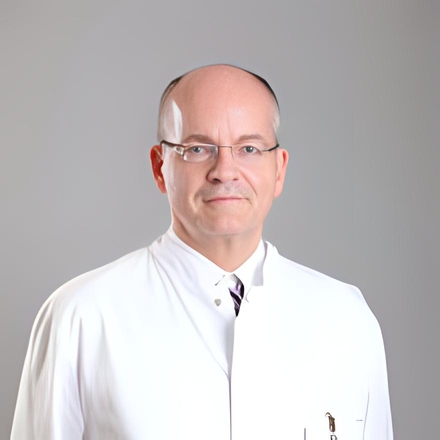
Prof. Dr. med. Tho­mas Vogl

interventional radiology, interventional oncology, chemoembolization (TACE) & chemoperfusion (TACP)

9.90
Excellent

Gallery

Customize this offer

If you're not seeing exactly what you need here, send your custom request. You can discuss the content, specifics, price & timeline to create a personalized plan.

Location

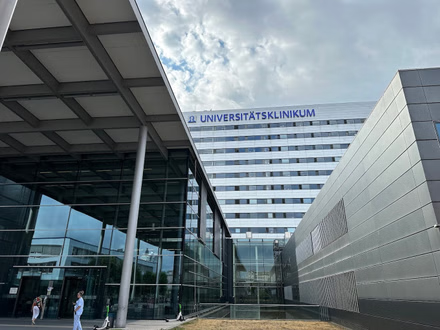
Theodor-Stern-Kai 7, 60596 Frankfurt am Main, Germany

FAQ

What is the rating of the offer?

Percutaneous Vertebroplasty / Osteoplasty - Spine Cement in Osteoporosis, Malignant Bone Tumors & Fractures at University Hospital Frankfurt is rated as 9.90 by AiroMedical.

Who is offering a deal?

How long does the offer take?

The offer is designed for 4 days.
What are the age restrictions?

The offer is eligible for both adults and kids.

Can I customize the content of the offer?

Yes, the components of the deal can be changed. Get in touch with a vendor to create a personalized proposal.

Does the offer include extra services?

Individual cost estimate. Non-binding 100% free assessment.

On request

Similar deals