Logo image

Transcranial Pulse Stimulation (TPS) for Alzheimer’s / Dementia / Parkinson’s / Stroke at Centre of Advanced Medicine, Frankfurt, Germany
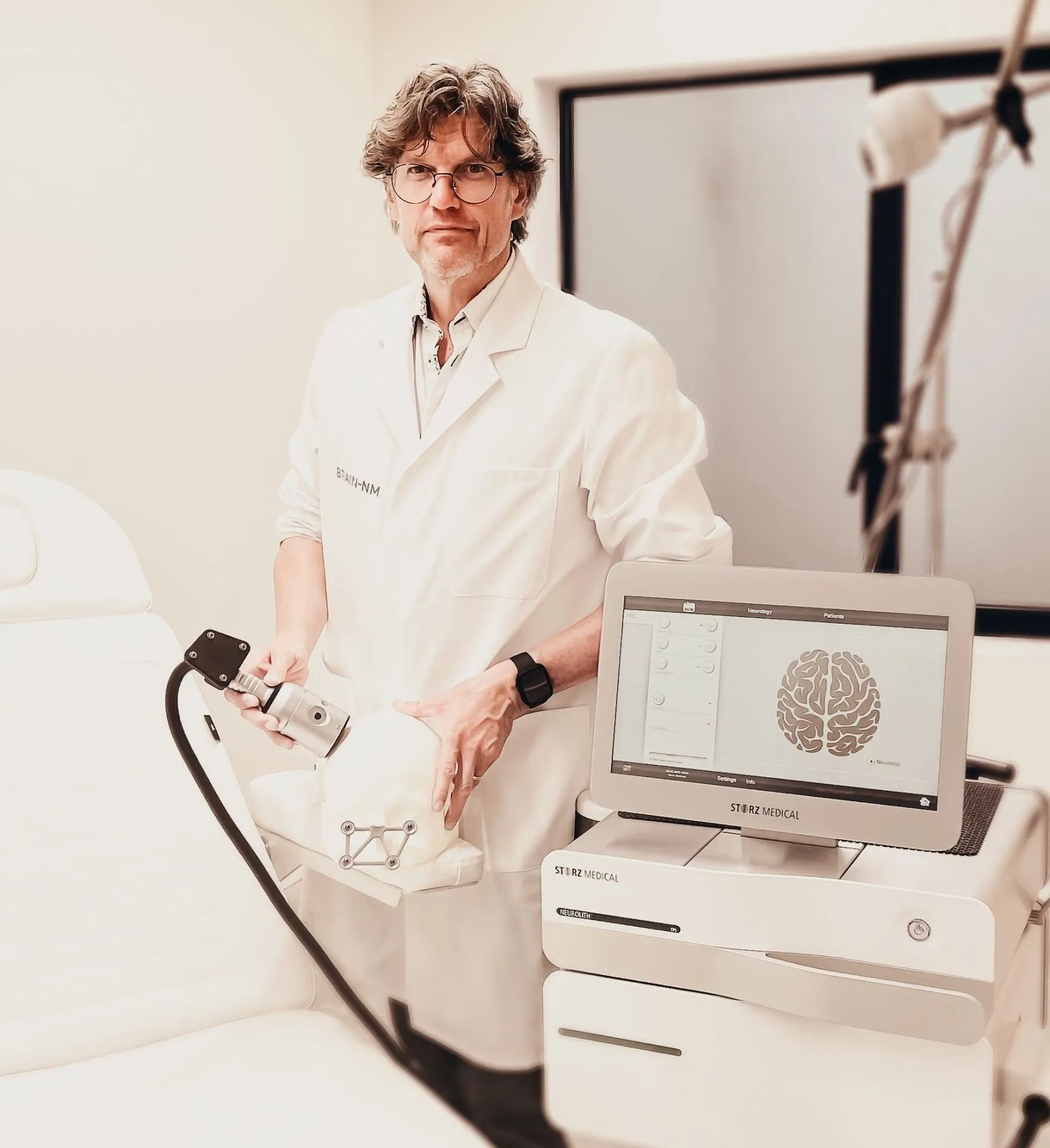
Transcranial Pulse Stimulation (TPS) for Alzheimer’s / Dementia / Parkinson’s / Stroke at Centre of Advanced Medicine, Frankfurt, Germany
9.30

Frankfurt am Main, Germany

5
User ScoreRatingMedia Files
94%9.3/105

Overview

Age group

Adults

Type of care

Outpatient

Method

No surgery

About the offer

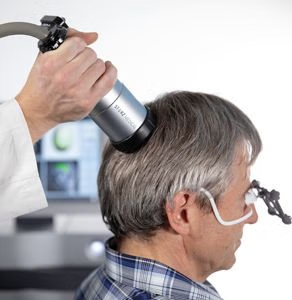
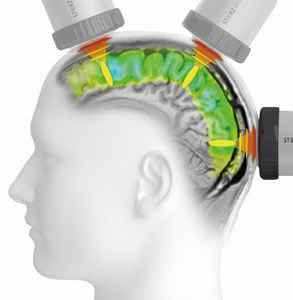
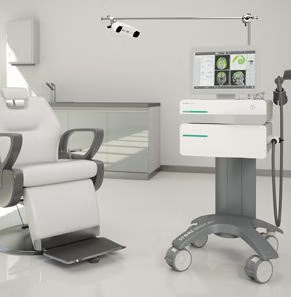
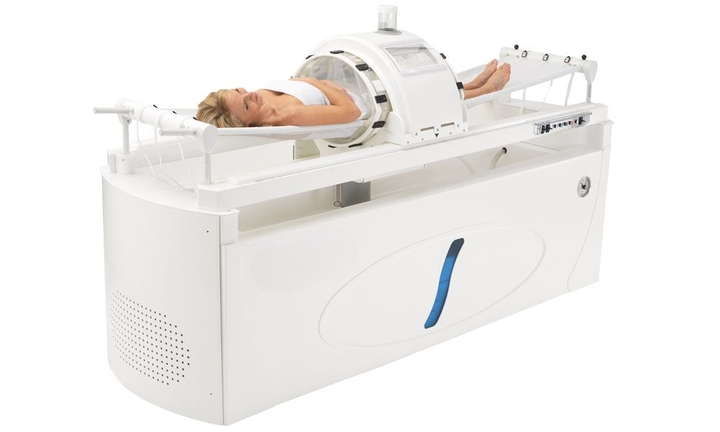
Transcranial pulse stimulation (TPS) is an innovative and groundbreaking treatment method developed to address neurological conditions, particularly Alzheimer's disease. This non-invasive therapy uses shock waves to stimulate specific regions of the brain, offering a novel approach to improving brain function and quality of life for individuals affected by cognitive decline. The therapy has been carefully researched and refined over several years, with the first clinical applications starting in 2014 and approval for treating Alzheimer's dementia in 2018. TPS represents a significant advancement in the medical field, offering new hope to individuals with Alzheimer's and similar neurodegenerative conditions. At its core, transcranial pulse stimulation uses highly focused shock waves that penetrate the brain without damaging tissue. These shock waves can reach depths of up to 8 cm within the brain, targeting affected areas with precision. By using short pulses, the therapy minimizes the risk of overheating or damaging healthy brain tissue, ensuring maximum therapeutic effect with minimal risk. During treatment, patients sit comfortably in a treatment chair, where stimulation is delivered through the skull. This process is completely non-invasive, and no head shaving or surgical procedures are required. Each TPS session lasts about 30 minutes, allowing patients to remain relaxed and at ease throughout the procedure. The treatment's non-invasive nature makes it an attractive option for those seeking a less disruptive alternative to traditional interventions like surgery or medication. The procedure is designed to be easy to incorporate into patients' daily routines, as it does not require hospitalization or any extended recovery time. The treatment is typically administered as a series of six sessions over two weeks, after which ongoing sessions may be recommended depending on individual patient needs. The primary benefit of the therapy is its ability to improve cognitive functions and alleviate symptoms in patients with Alzheimer's disease, particularly in the early to moderate stages. Research and clinical studies have shown that TPS can improve memory recall, enhance communication skills, and reduce cognitive impairments in individuals with Alzheimer's dementia. Patients have reported significant improvements in their ability to remember conversations and locate misplaced items, as well as improvements in planning, organization, and general cognitive function. In addition to cognitive improvements, the treatment has shown promise in reducing symptoms of depression, which is common among individuals with Alzheimer's disease. The therapy has also been shown to enhance patients' quality of life by improving their independence in daily activities. For those in the moderate stages of Alzheimer's, the therapy aims to slow the progression of cognitive decline, allowing patients to retain greater autonomy and better interact with their environment. As part of a holistic treatment approach, TPS offers a promising avenue to improve both mental and emotional well-being, with significant potential for long-term benefits. The therapy's success has been supported by clinical evidence, including specialized tests such as the CERAD (Consortium to Establish a Registry for Alzheimer's Disease) test, which assesses cognitive decline. In clinical trials, TPS has shown improvements in test results, demonstrating its efficacy in reducing the severity of Alzheimer’s symptoms. More than 1,500 treatment sessions have been carried out, and the results so far have been encouraging, with no significant side effects reported. This makes TPS a safe and effective alternative for patients looking to manage Alzheimer’s and related conditions. The treatment cycle for TPS typically begins with an initial series of six sessions over two weeks. After this, additional sessions may be required, with 6 to 9 further treatments recommended over the next 12 months to maintain and optimize the benefits. However, each patient's treatment plan is personalized based on their individual condition, symptoms, and response to therapy. The non-invasive nature of TPS allows for frequent applications, which is particularly important for managing the progressive nature of Alzheimer's disease. Transcranial pulse stimulation is not just limited to Alzheimer's disease; its applications are expanding into other neurological conditions. Early research suggests that TPS could potentially benefit individuals suffering from Parkinson's disease, stroke, and spinal cord injuries. As clinical research continues, these conditions are becoming areas of focus for further development and application of this promising treatment.

What’s included

Medical service

Examination
  • clinical history-taking
  • medical records review
  • physical examination
  • consultation with a regenerative medicine doctor
  • consultation with a neurologist (on the indication)
Diagnosis
  • assessment of cognitive status
Treatment
  • pre-procedure patient preparation
  • 6 sessions of Transcranial Pulse Stimulation (TPS)
  • post-procedure care
  • control examinations
  • symptomatic treatment
Other
  • doctor's fee
  • cost of essential materials
  • outpatient admission
  • nursing service
  • discharge medical records
  • further recommendations

Extra add-ons

Airport transfer
Personal coordinator
HealthDocs translate
Language Assistance
Visa Support

AiroCare

AiroMedical support
Payment protection
Patient advocacy
Price match

Meet the provider

Dr. med. Gerhard Siebenhuner

holistic and regenerative medicine, biological cancer therapy and complementary oncology, anti-aging

9.30
Excellent

Gallery

Customize this offer

If you're not seeing exactly what you need here, send your custom request. You can discuss the content, specifics, price & timeline to create a personalized plan.

Location

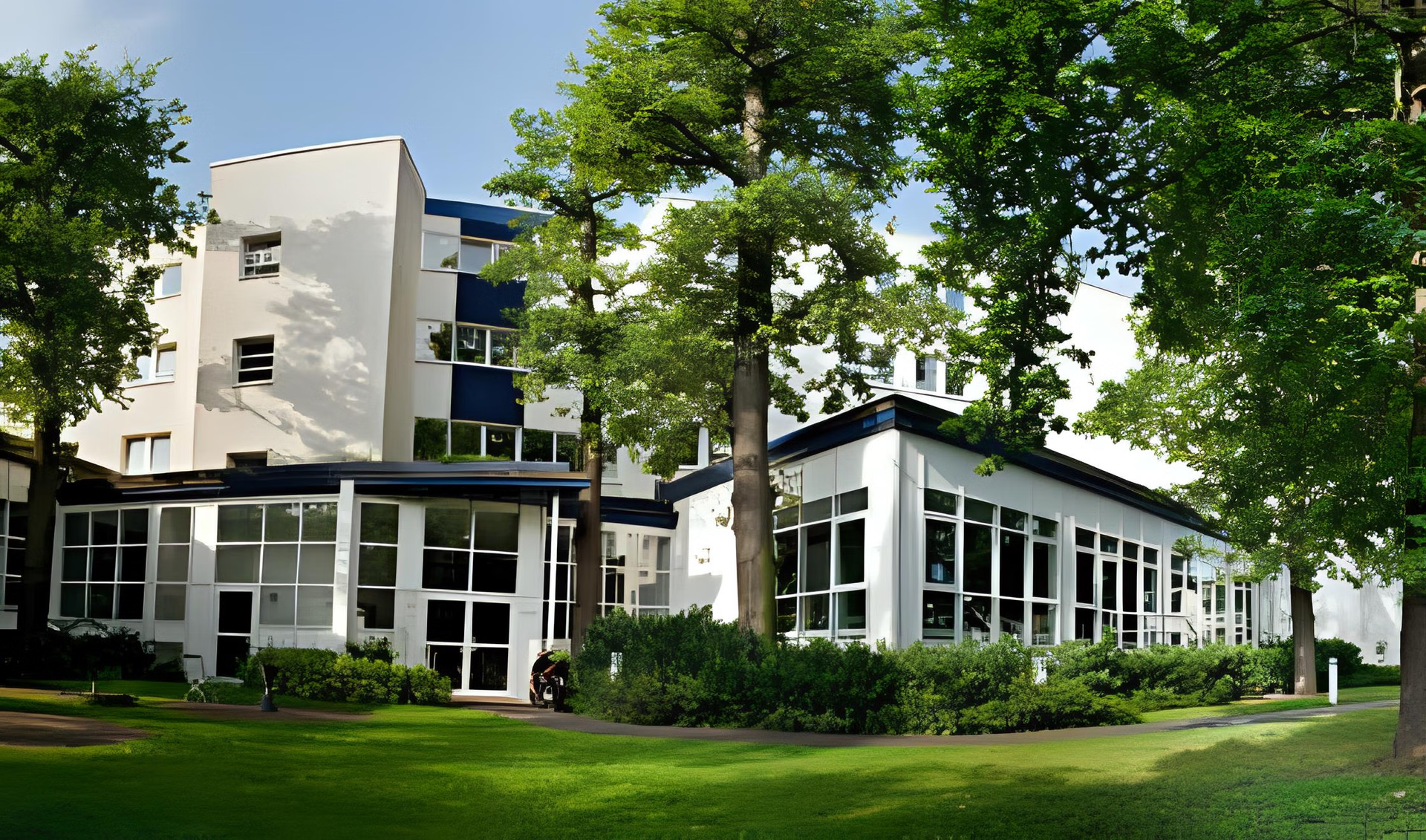
Vilbeler Landstraße 45B, 60388 Frankfurt am Main-Bergen-Enkheim, Germany

FAQ

What is transcranial pulse stimulation?

Transcranial pulse stimulation is a non-invasive therapy that uses shock waves to stimulate specific regions of the brain. It is primarily used to improve cognitive function and alleviate symptoms in individuals with Alzheimer’s disease, as well as other neurological conditions. The therapy has been developed and refined over years of research and is approved as a treatment for Alzheimer’s dementia.

How does the therapy work?

It works by delivering focused shock waves that penetrate the brain to a depth of up to 8 cm. These shock waves stimulate targeted brain regions without causing any damage to healthy tissue. The therapy uses short pulses to avoid overheating, ensuring maximum effectiveness while minimizing risks. The treatment is non-invasive, and patients remain seated comfortably during the session.

Is the treatment painful?

No, TPS is typically a painless treatment. Patients sit comfortably during the session, which lasts about 30 minutes. There is no head shaving or invasive procedure involved, and patients do not experience discomfort during the therapy. After the session, patients can resume their normal activities without any recovery time.
How long does each session last?

Each transcranial pulse stimulation session lasts around 30 minutes. Patients are seated in a treatment chair, and the shock waves are applied through the skull. The therapy is designed to be quick and efficient, allowing patients to maintain a sense of relaxation throughout the treatment.

What conditions can be treated?

TPS is primarily used to treat Alzheimer's disease, particularly in its mild to moderate stages. It helps improve memory, cognitive function, and communication skills. Transcranial pulse stimulation has also shown potential in treating other neurological conditions such as Parkinson's disease, stroke, and spinal cord injuries, although these applications are still under clinical investigation.

How many sessions are needed?

A typical treatment cycle consists of six sessions over the course of two weeks. After the initial cycle, additional sessions may be recommended, typically 6 to 9 more within the following 12 months, depending on the individual patient's condition and response to treatment. The treatment plan is personalized based on each patient's specific needs.

Is transcranial pulse stimulation safe?

Yes, the therapy is considered to be a safe treatment. It has been extensively tested, and over 1,500 treatment sessions have been carried out without significant side effects. The therapy is non-invasive, so it avoids many of the risks associated with traditional surgical or pharmacological treatments. However, as with any therapy, individual responses may vary.

Are there any side effects?

There are no significant side effects associated with TPS. The procedure is well-tolerated, and patients typically experience no discomfort during or after treatment. Some individuals may experience mild redness or swelling at the treatment site, but these side effects are rare and typically subside quickly.

How soon will I see results?

Improvements from the treatment vary from patient to patient. Some individuals may experience noticeable improvements in cognitive function, memory, and overall quality of life after just a few sessions. For many patients, significant improvements become more evident after completing the full treatment cycle. Results are often seen over time, as the therapy continues to support brain function.

Can TPS be combined with other treatments?

Yes, transcranial pulse stimulation can be combined with other therapies, such as medication or physical therapy, to enhance its effectiveness. It can be part of a comprehensive treatment plan for Alzheimer's disease or other neurological conditions. However, it's important to discuss the best treatment approach for your individual situation with your healthcare provider.

Is the therapy effective for all stages of Alzheimer's?

TPS is most effective for individuals with mild to moderate Alzheimer's disease. The therapy has shown promising results in improving cognitive function, memory, and communication skills in these stages. In more advanced stages, the treatment may still offer benefits, but the results could be less pronounced. It is best to start treatment as early as possible for optimal results.

How does it help with depression in Alzheimer's patients?

TPS has shown promise in reducing symptoms of depression in Alzheimer's patients. By stimulating key brain regions, the therapy can enhance overall neurological function, including mood regulation. By improving brain activity and cognitive abilities, TPS can help alleviate depressive symptoms often seen in individuals with Alzheimer's disease.

Is there a recovery period after TPS?

No, there is no significant recovery period after the therapy. Since the procedure is non-invasive, patients can resume their normal activities immediately after the treatment. Some individuals may experience mild side effects, such as redness or slight swelling, but these typically resolve on their own without further intervention.

What should I expect during a session?

During a TPS session, you’ll be seated comfortably in a chair while the therapist applies focused shock waves to targeted areas of your brain. The procedure is non-invasive, and there’s no need for head shaving or any invasive measures. You’ll remain relaxed throughout the 30-minute session, and there’s no discomfort involved. Most patients describe the experience as completely painless.

Do I need to prepare for the treatment?

No special preparation is required for TPS treatment. However, you may be advised to avoid caffeine or certain medications that could interfere with the therapy. It’s always a good idea to check with your doctor before the treatment to ensure you’re fully prepared.

Will TPS cure my Alzheimer's disease?

While transcranial pulse stimulation is not a cure for Alzheimer's disease, it has been shown to significantly improve symptoms, including memory, cognitive function, and communication abilities. Many patients experience a better quality of life, enhanced mental clarity, and improved mood after completing a cycle of TPS treatment.

Is it safe for people with other health conditions?

Transcranial pulse stimulation is generally safe for most patients, including those with other health conditions. However, as with any medical treatment, it’s important to consult with your doctor beforehand to ensure TPS is appropriate for you, especially if you have other neurological or cardiovascular conditions.

How soon will I notice results?

Results vary from patient to patient, but many individuals begin to notice improvements in memory, cognitive skills, and mood after a few sessions. For most patients, the benefits become more noticeable after completing the full treatment cycle. Over time, TPS continues to support brain function, leading to further improvements.

How does TPS compare to other Alzheimer's treatments?

Unlike medications, which primarily focus on slowing the progression of Alzheimer's, transcranial pulse stimulation works by stimulating specific brain areas, improving cognitive function, and potentially reducing symptoms like depression. It is non-invasive and can be used alongside other treatments like medication or therapy, making it a valuable addition to a comprehensive treatment plan.

Can TPS help with other neurological conditions, such as Parkinson’s or stroke?

Yes, TPS has shown promise in treating a variety of neurological conditions, including Parkinson’s disease, stroke, and even spinal cord injuries. Clinical research is ongoing to explore its effectiveness for these and other neurological disorders, but initial findings are promising for improving motor skills, cognitive function, and quality of life in individuals with these conditions.

Is TPS covered by insurance?

TPS may not be covered by all insurance providers, as it is still considered a specialized therapy. It’s important to check with your insurance company to see whether they cover TPS and whether any out-of-pocket costs may apply. Some centers may offer payment plans or financing options to help with costs.

How many treatments will I need to see results?

A typical treatment cycle consists of six sessions over the course of two weeks. Afterward, additional sessions may be recommended over the next 12 months to maintain and build on the improvements. Your doctor will tailor the treatment schedule based on your specific condition and progress.

What are the potential side effects?

Transcranial pulse stimulation is well-tolerated, with very few side effects reported. Some patients may experience mild redness, swelling, or a slight tingling sensation in the treated area, but these effects are typically temporary and resolve on their own shortly after treatment. No severe side effects have been associated with TPS, making it a safe option for most patients.

Can I continue my daily activities after a session?

Yes, you can resume your normal activities immediately after a TPS session. There is no downtime or recovery period, so you won’t need to change your routine. This makes TPS a convenient treatment option for individuals who don’t want to disrupt their daily lives.

How long will the benefits last?

The benefits of TPS can last for several months, and some patients experience long-term improvements in cognitive function and mood. Follow-up treatments and maintenance sessions are often recommended to sustain these benefits. Your healthcare provider will work with you to create a plan for continued support based on your individual needs.

Is the therapy suitable for people with advanced Alzheimer's disease?

Transcranial pulse stimulation is most effective in the early to moderate stages of Alzheimer's disease. While the therapy can still offer some benefits for individuals with advanced Alzheimer's, the results may be less pronounced. It’s best to start treatment as early as possible for optimal outcomes.

What are the chances that TPS will work for me?

Every patient responds differently to treatment, but many individuals with mild to moderate Alzheimer’s disease have experienced significant improvements in memory, cognitive function, and overall quality of life after completing a course of TPS. While there are no guarantees, the therapy has shown promising results for a wide range of patients.

How do I know if the treatment is right for me?

If you're struggling with memory, cognitive issues, or depression related to Alzheimer's or other neurological conditions, TPS could be a good treatment option to consider. The best way to determine if it’s right for you is to consult with a healthcare provider who specializes in Alzheimer's disease or neurological treatments. They can evaluate your condition and discuss whether it might be beneficial.

Are there any lifestyle changes I should make while undergoing the treatment?

No specific lifestyle changes are required during TPS treatment. However, maintaining a healthy diet, exercising regularly, and engaging in mental exercises can support the therapy and further enhance its effects. Your healthcare provider may also recommend other complementary therapies or changes to optimize your treatment results.

What is the rating of the offer?

Transcranial Pulse Stimulation (TPS) for Alzheimer’s / Dementia / Parkinson’s / Stroke at Centre of Advanced Medicine, Frankfurt, Germany is rated as 9.30 by AiroMedical.

Who is offering a deal?

How long does the offer take?

The offer is designed for 14 days.

What are the age restrictions?

The offer is eligible only for adults.

Can I customize the content of the offer?

Yes, the components of the deal can be changed. Get in touch with a vendor to create a personalized proposal.

Does the offer include extra services?

Individual cost estimate. Non-binding 100% free assessment.
On request

Similar deals