
Logo image

Peptide-Based Anti-Cancer Vaccine - 16 Doses | Cellthera Clinic, Brno, Czechia

Peptide-Based Anti-Cancer Vaccine - 16 Doses | Cellthera Clinic, Brno, Czechia
9.50

Brno, Czechia

6
User ScoreRatingMedia Files
96%9.5/106

Overview

Age group

Kids, Adults

Type of care

Outpatient

Method

Non-surgical

About the offer

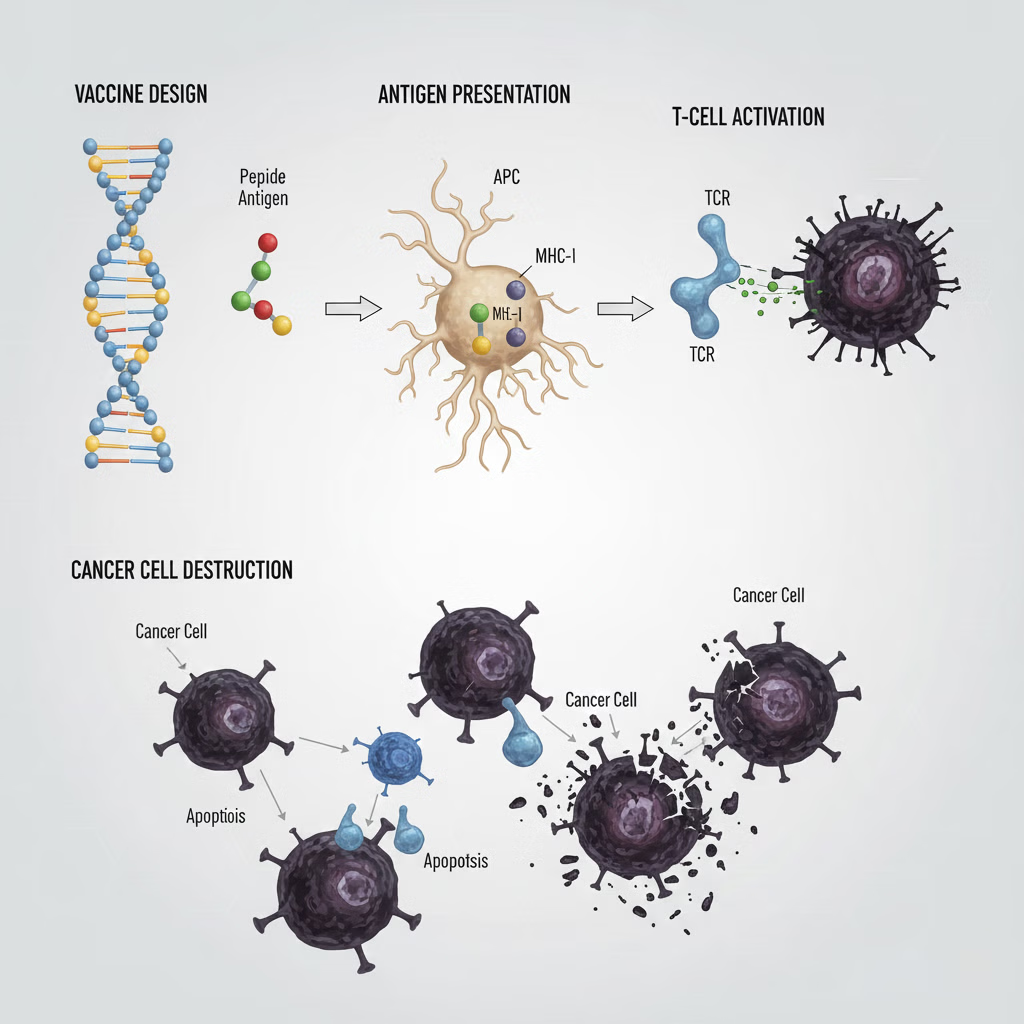
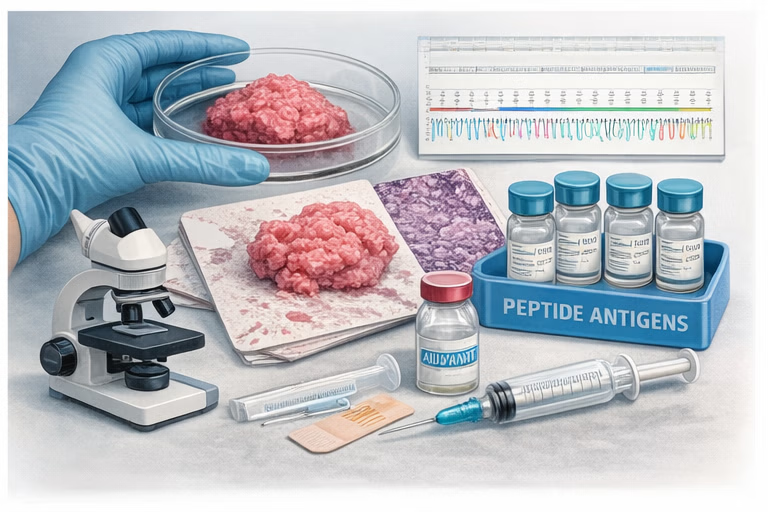
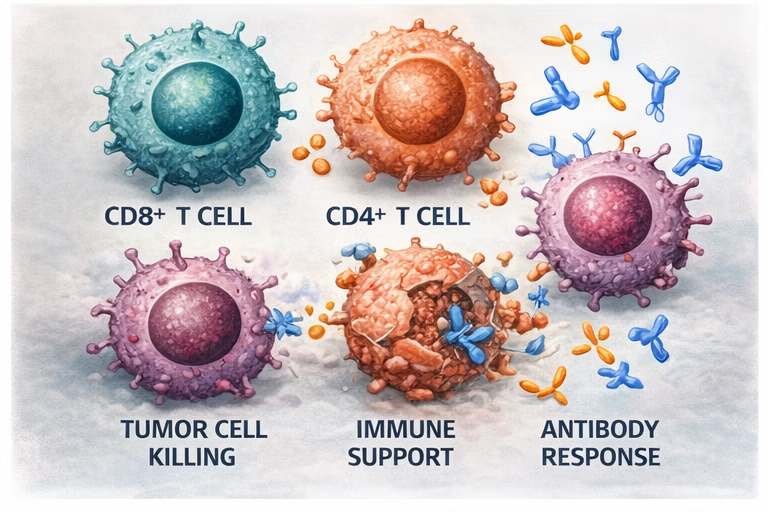
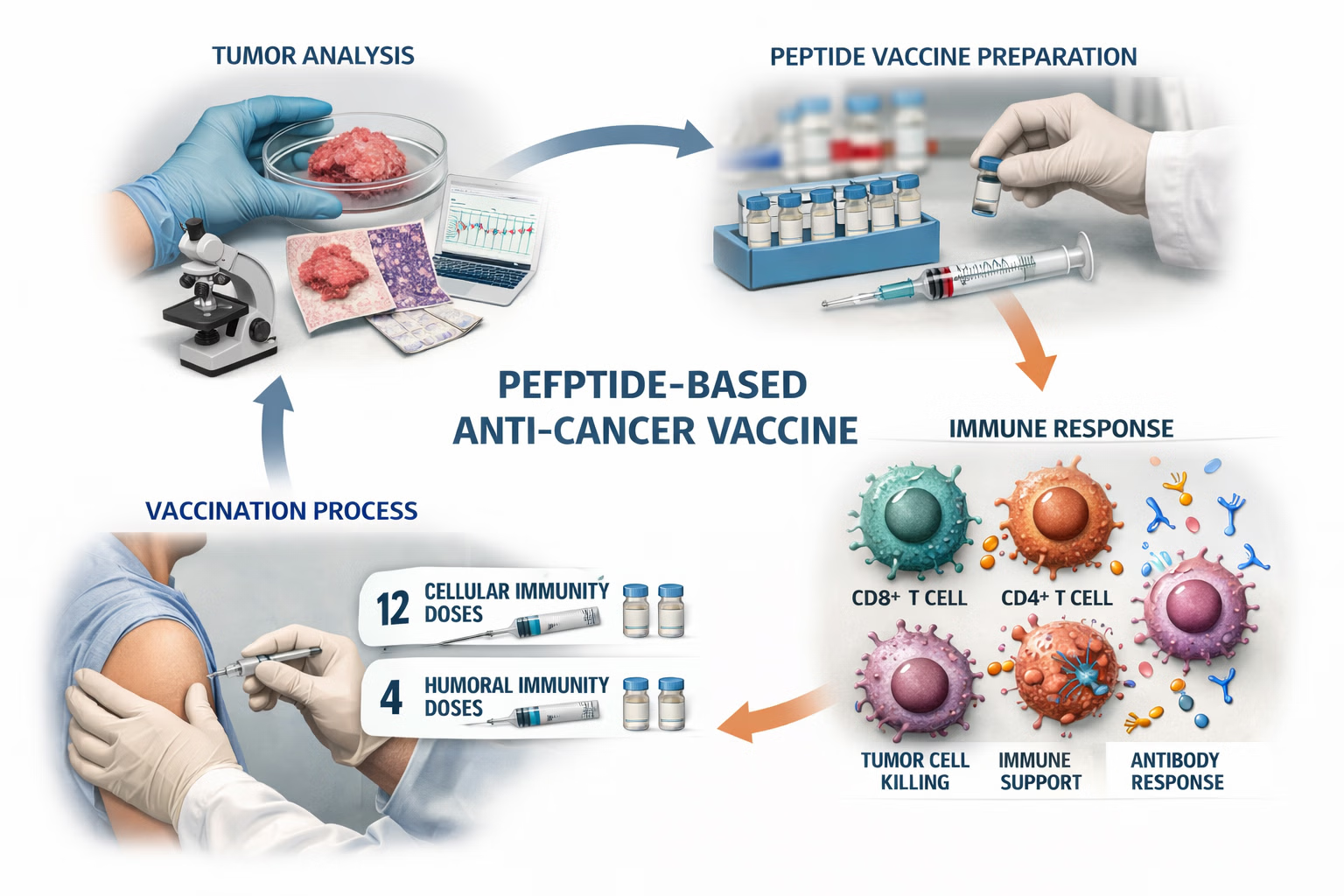
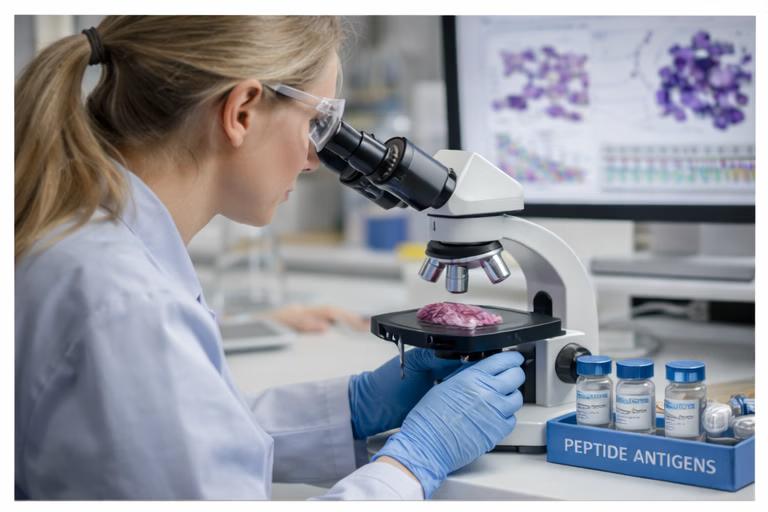
A peptide-based anti-cancer vaccine is a form of immunotherapy intended to educate the immune system to recognize and attack malignant cells. It uses short, synthetically produced amino acid sequences that correspond to specific regions of proteins found in or on tumor cells. By exposing the immune system to these defined fragments, the vaccine aims to elicit an immune response focused on cancer-associated targets rather than broadly stimulating the immune system. In a typical clinical workflow, the process starts with studying the patient’s histology. Tumor tissue obtained from biopsy or surgery is reviewed by pathology to confirm diagnosis, define tumor type and grade, and characterize the tumor microenvironment. Immunohistochemistry and, when available, molecular profiling are used to evaluate expression of relevant tumor-associated antigens and other features that influence immunogenicity, such as immune-cell infiltration patterns and markers of immune evasion. This histologic and biomarker assessment helps select peptide targets that are meaningfully present in the patient’s tumor and supports decisions about whether the vaccine should emphasize cellular (T-cell) immunity, humoral (antibody) immunity, or both. After administration, the peptides are taken up by antigen-presenting cells, particularly dendritic cells, which process and display peptide fragments on major histocompatibility complex molecules. This presentation is the key “instructional” step that enables T cells to recognize the peptide as a target. If the peptide is presented on MHC class I, it can prime cytotoxic CD8+ T cells capable of directly killing tumor cells that display the same epitope. If the peptide is presented on MHC class II, it can activate CD4+ helper T cells that coordinate and sustain the immune response through cytokine production, support of CD8+ function, and the development of immunologic memory. A key advantage of peptide-based vaccines is precision: targets can be selected to match tumor-associated antigens shared across patients or to personalize “neoantigens” derived from a patient’s unique tumor mutations.

What’s included

Medical service

Examination
  • clinical history-taking
  • medical records review
  • physical examination
  • consultation with an oncologist-immunologist
Diagnosis
  • studying of the patient's histological findings
  • selection of the individual tumor-specific peptides
Treatment
  • production of individual peptide anti-cancer vaccination (PAV) prepared based on the tumor histology details - 16 doses: cell-mediated immunity (12 doses) and for humoral immunity (4 doses)
  • individual instruction
Other
  • cost of immunotherapy drugs and production cycle
  • cost of essential materials
  • nursing service
  • further recommendations
Distant service
  • distant consultations during the treatment course
  • distant questionnaire, and follow-up

Extra add-ons

Local transportation
Airport transfer
Personal coordinator
HealthDocs translate
Language Assistance

AiroCare

AiroMedical support
Payment protection
Patient advocacy
Price match

Meet the provider

Prof. MUDr. Jaroslav Michalek, Ph.D

clinical oncology, allergology, clinical immunology, pediatrics, and regenerative medicine

9.50
Excellent

Gallery

Customize this offer

If you're not seeing exactly what you need here, send your custom request. You can discuss the content, specifics, price & timeline to create a personalized plan.

Location

Vídeňská 101/119, 619 00 Brno-Brno-jih, Czechia

FAQ

What is a peptide-based anti-cancer vaccine treatment?

It is an immunotherapy that uses short synthetic protein fragments from tumor-associated targets to train the immune system to recognize cancer cells and mount a targeted response.

How is this different from chemotherapy or radiation?

Chemotherapy and radiation primarily kill rapidly dividing cells directly. At the same time, a peptide vaccine aims to stimulate the patient’s immune system to identify and attack tumor cells, often with a different side-effect profile and a slower onset of measurable effect.

Why do you study my tumor histology before starting?

Histology confirms the diagnosis and helps determine whether the tumor expresses relevant antigens and has immune features that make vaccination more likely to be effective, which informs peptide selection and treatment planning.

How are the peptides selected for my vaccine?

Peptides are typically selected based on tumor antigen expression from pathology and biomarker testing, and sometimes on genomic findings, to target proteins present on the patient’s tumor and plausibly immunogenic.

What does “cell-mediated immunity” mean in this context?

It mainly refers to the activation of T cells, especially cytotoxic CD8+ T cells, which can directly kill tumor cells presenting the target peptide on MHC class I molecules, with support from CD4+ helper T cells.

What does “humoral immunity” mean in this context?

It mainly refers to the activation of B cells and antibody production, where antibodies may help mark tumor cells for immune attack or interfere with tumor-supporting signaling, depending on the target.

Why are there twelve doses for cell-mediated immunity?

A multi-dose schedule is commonly used to prime T cells and then repeatedly boost and expand them over time to build a stronger, more durable cellular immune response and immune memory.

Why are there four doses for humoral immunity?

Fewer doses may be used when the goal is to prime and boost antibody responses, supporting affinity maturation and more effective antibody production without an overly prolonged schedule.

How long does it take to see results?

Immune-based responses often take weeks to months to develop; some patients may show delayed benefit, and clinicians may use immune-aware response criteria alongside standard imaging and laboratory monitoring.

Is this treatment personalized?

It can be, especially when peptides are selected based on the patient’s tumor histology, antigen expression, and sometimes tumor-specific mutations, although some vaccines target shared antigens across many patients.

What cancer types are suitable for a peptide vaccine?

Eligibility depends on whether your tumor expresses the target antigen (or has suitable neoantigens). Most commonly studied and enrolled cancers include melanoma and several solid tumors such as non-small cell lung cancer, colorectal cancer, renal cell carcinoma, hepatocellular carcinoma, pancreatic cancer, ovarian cancer, and high-grade gliomas (including glioblastoma), when biomarker and clinical criteria are met.

Is this used alone or with other treatments?

It is often used in combination with other therapies, such as checkpoint inhibitors, surgery, radiation, or targeted therapy, because tumors can suppress immune responses, and combination regimens may improve effectiveness.

What are common side effects?

Typical effects include injection-site pain, redness or swelling, mild fever, fatigue, headache, muscle aches, and transient flu-like symptoms; severity varies with the adjuvant and the patient’s baseline condition.

How do you monitor whether it is working?

Monitoring typically includes periodic imaging, tumor markers when relevant, clinical assessment, and sometimes immune assays that measure vaccine-specific T-cell or antibody responses.

What happens if I miss a dose?

The clinic usually adjusts the schedule rather than stopping treatment; maintaining the overall dosing pattern is generally preferred, but specific decisions depend on timing, side effects, and clinical status.

Who is not a good candidate?

Patients with uncontrolled autoimmune disease, severe immunodeficiency, specific organ transplant histories, or rapidly progressive disease requiring immediate cytoreduction may not be ideal candidates, depending on the protocol and physician judgment.

What is the rating of the offer?

Peptide-Based Anti-Cancer Vaccine - 16 Doses | Cellthera Clinic, Brno, Czechia is rated as 9.50 by AiroMedical.

Who is offering a deal?

How long does the offer take?

The offer is designed for 14 days.

Does the offer require you to stay in the clinic overnight?

Where can I see the media files?

What are the age restrictions?

The offer is eligible for both adults and kids.

Can I customize the content of the offer?

Yes, the components of the deal can be changed. Get in touch with a vendor to create a personalized proposal.

Does the offer include extra services?

Peptide-Based Anti-Cancer Vaccine - 16 Doses | Cellthera Clinic, Brno, Czechia has 13 add-ons and unique AiroCare services for AiroMedical users.

Individual cost estimate. Non-binding 100% free assessment.
On request

Similar deals