The data collected based on
138
patient reviews on Google
Certificates
Features & Facts
Recognized Center for Rehab Activities
The clinic was certified by TUV Hessen in 2020 and received a high quality score from DAS REHAPORTAL. Each patient receives personalized care from an expert team that helps him improve his social and professional capabilities.
Highly Specialized Rehabilitation
VITREA Rehabilitation Clinic Bad Grönenbach receives over 3,000 patients annually. It focuses on cardiology aftercare and treats patients undergoing orthopedic interventions, gastrointestinal surgery, and hearing disorders, as well as those with dizziness.
Experts in Orthopedic Care
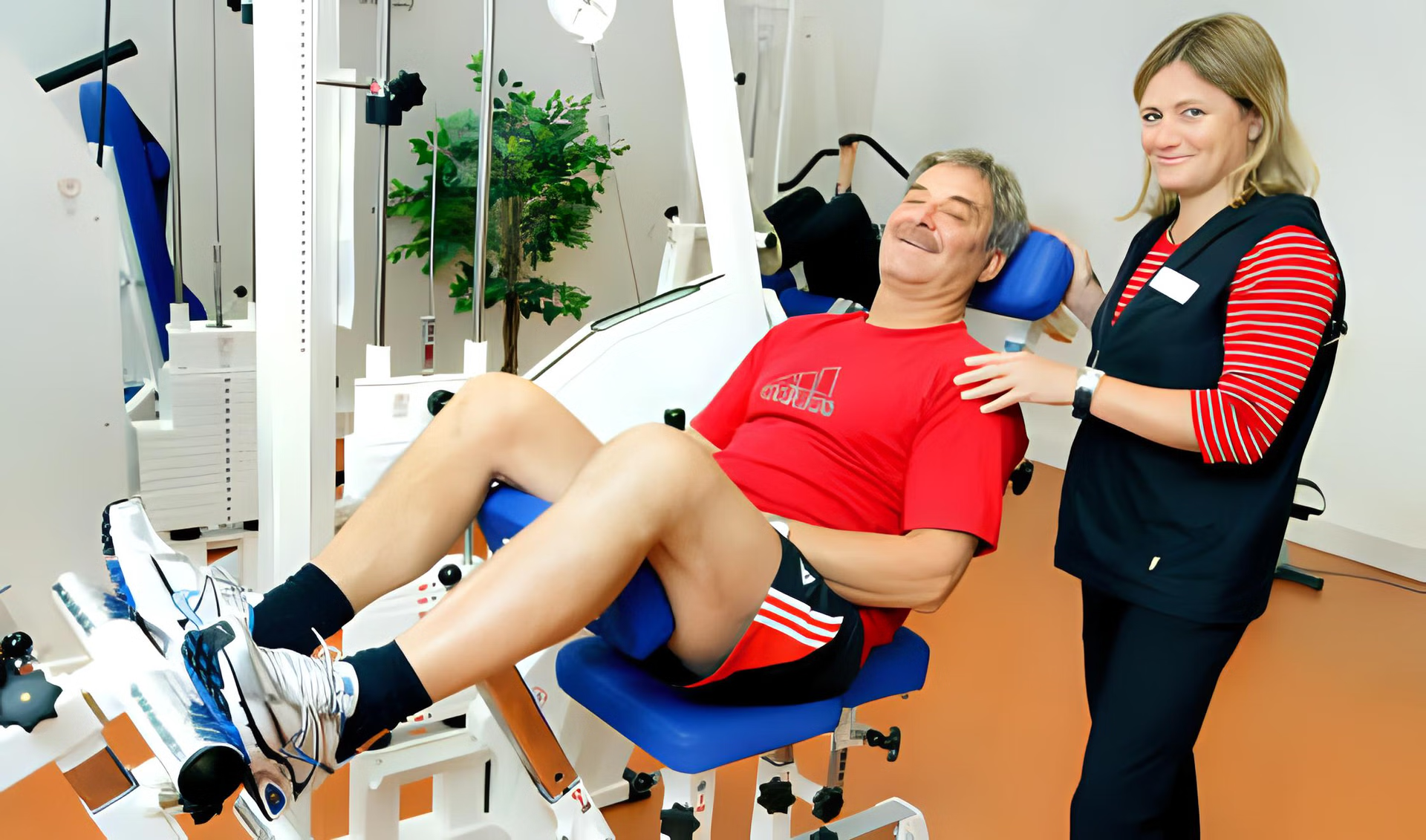
For over 30 years, the clinic has provided rehabilitation services to patients with accident-related and sports injuries, as well as those undergoing spinal and joint surgeries. Additionally, the clinic offers IRENA and T-RENA programs for postoperative care.
Qualified Recovery After Heart Surgery
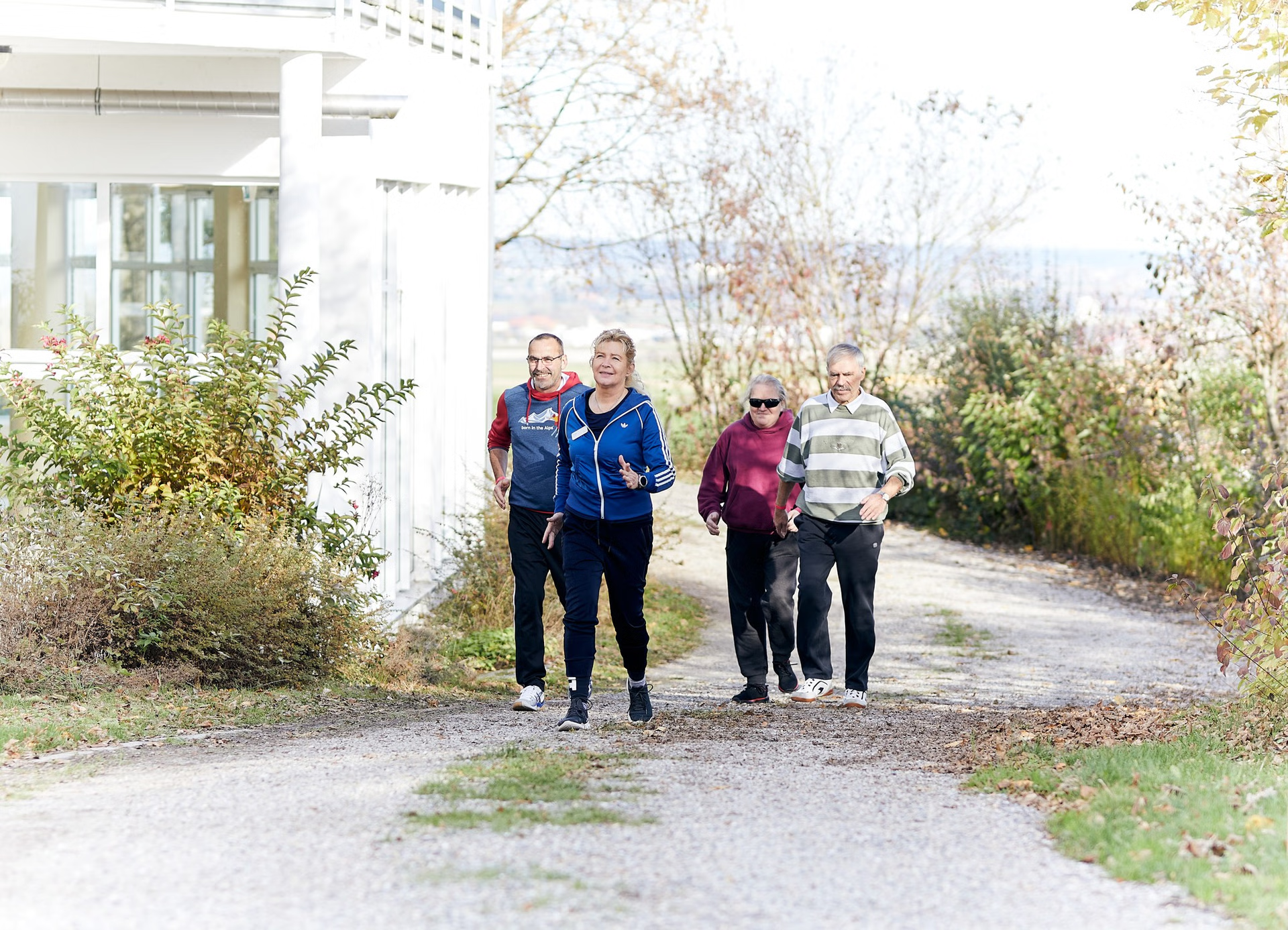
The center annually returns 739 patients to their usual lives after valve replacement or acute cardiovascular disease. Various methods, such as therapeutic gymnastics, cycling, swimming, and Nordic walking, are used to improve their health.
Special Programs for Cochlear Rehabilitation
The facility stands out for its excellent results in treating hearing disorders, tinnitus, and dizziness. Almost 94% of cochlear implant patients reported successful adaptation to new sounds with personalized auditory and speech training.
Quality Management Implementation
The clinic operates a continuously certified clinical quality management framework implemented in two thousand and eight to systematically track medical successes.
Monitored Bicycle Ergometry Matrices
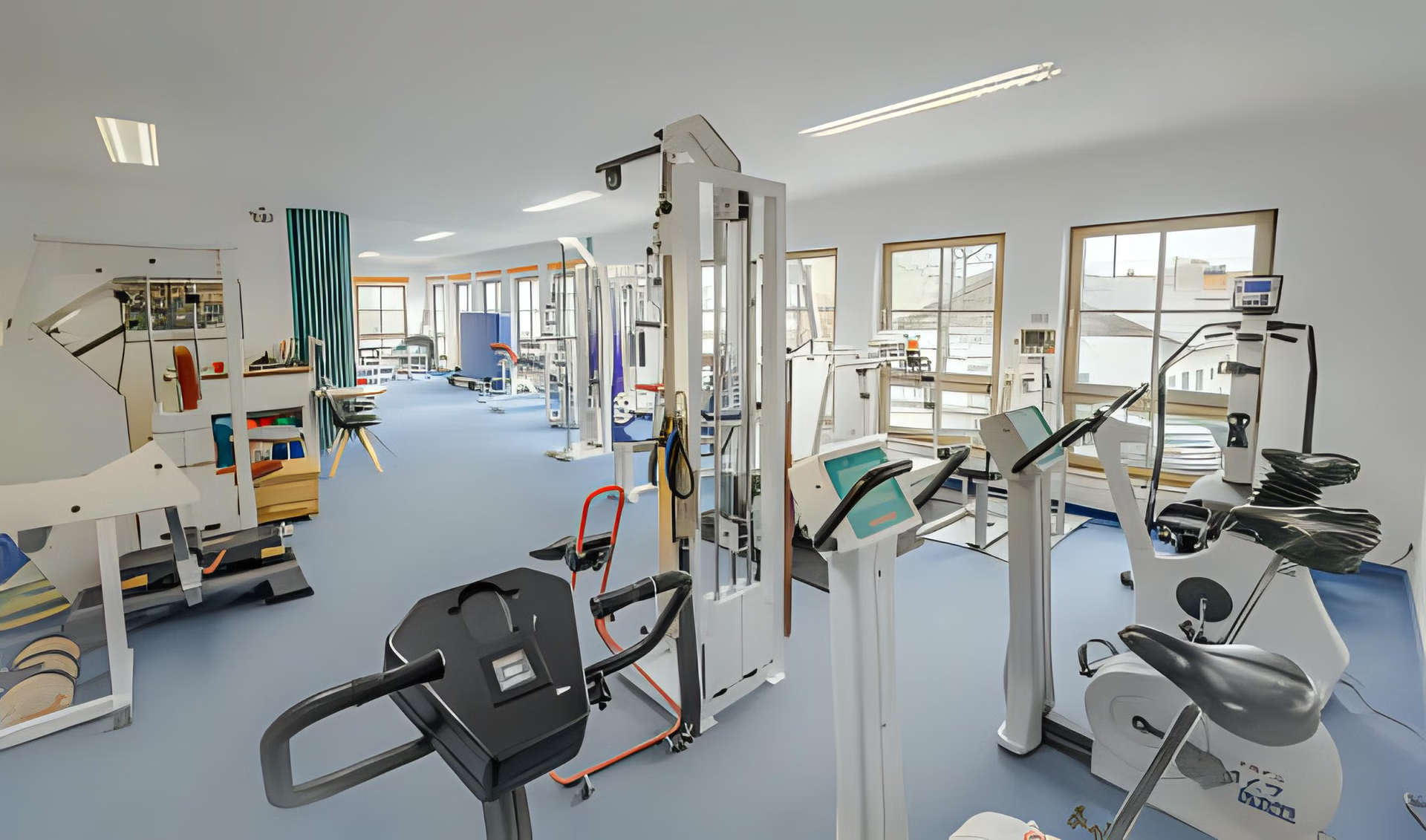
The sports department conducts advanced bicycle ergometry training, integrated with continuous EKG monitoring, to safely rebuild cardiovascular capacity.
About the clinic
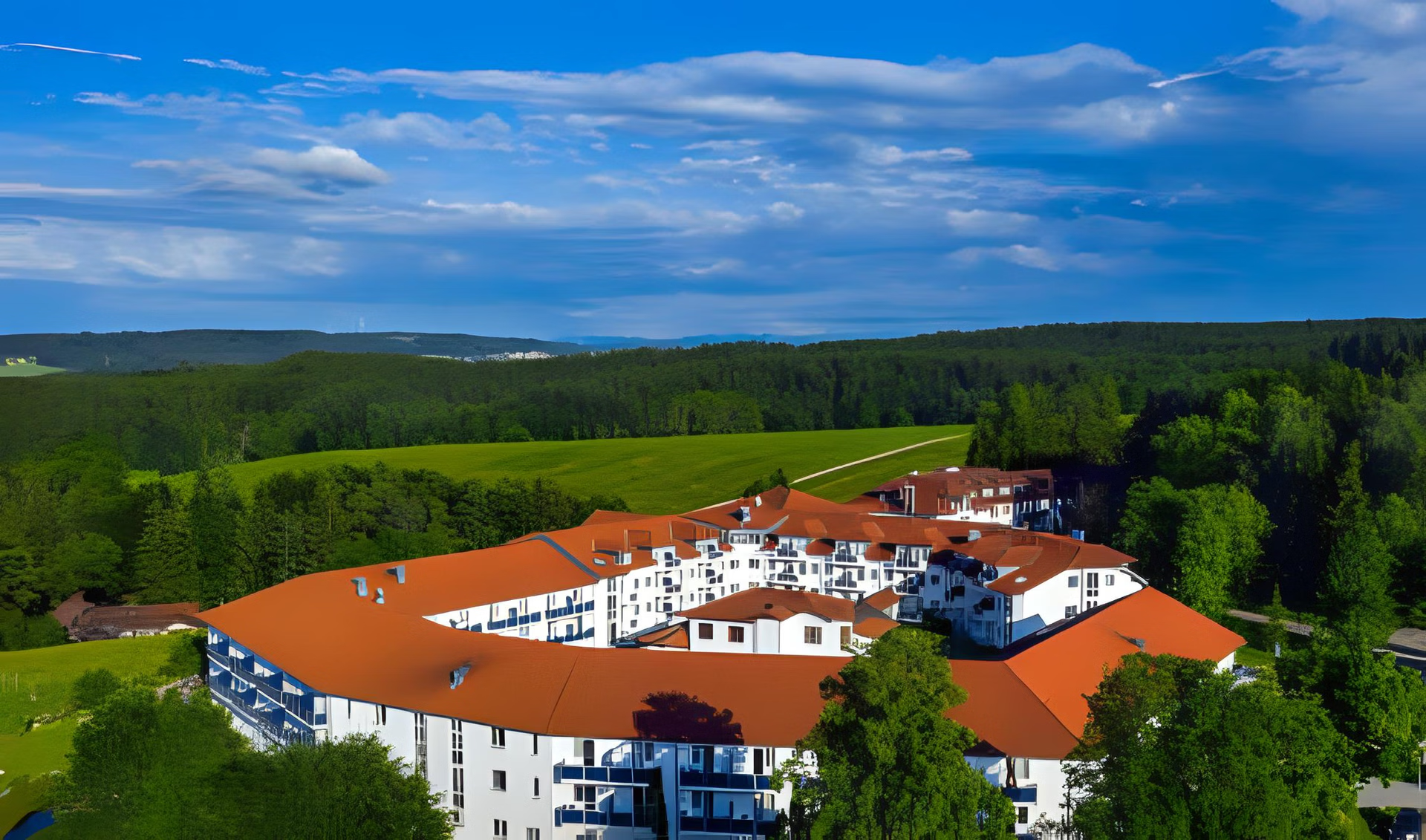
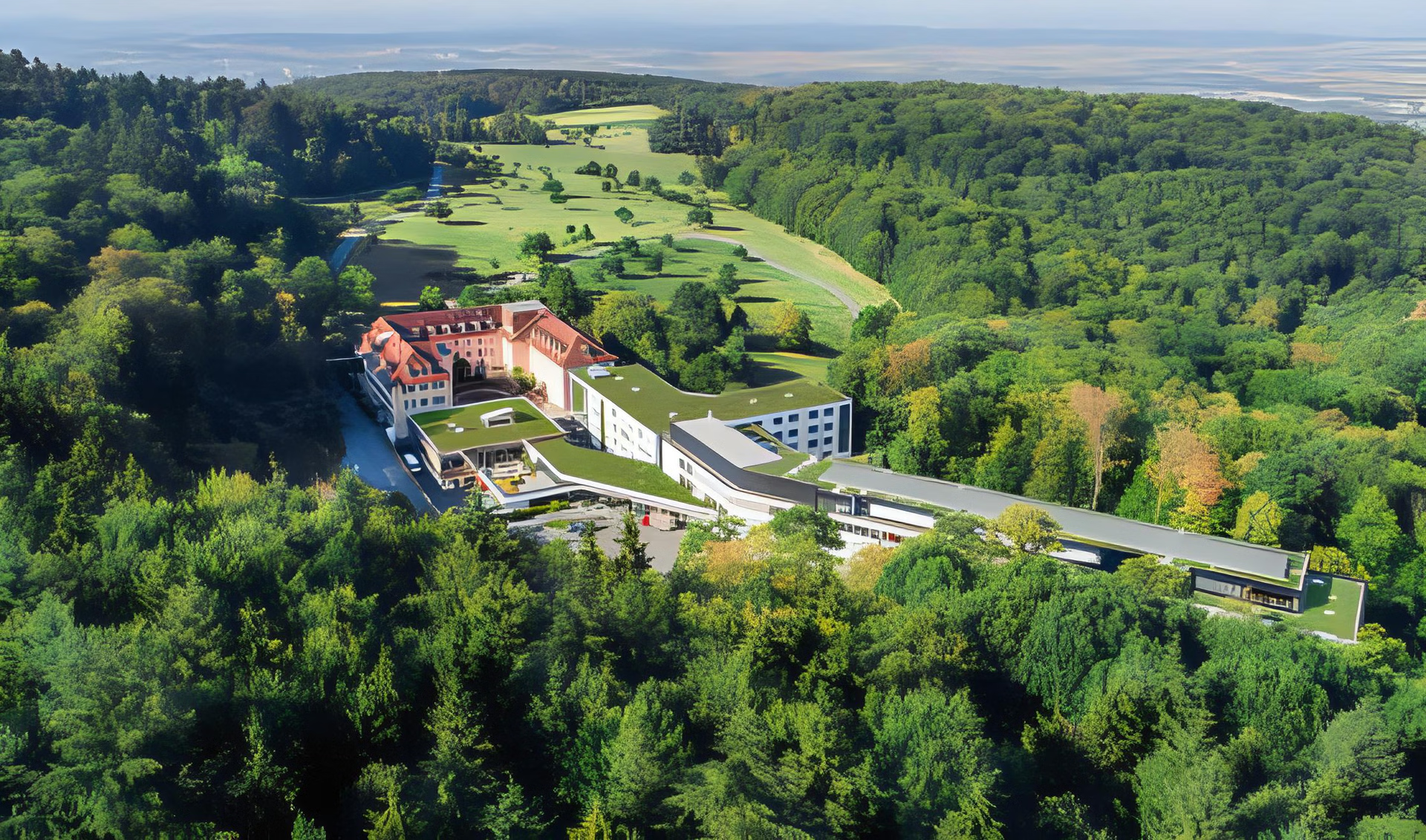
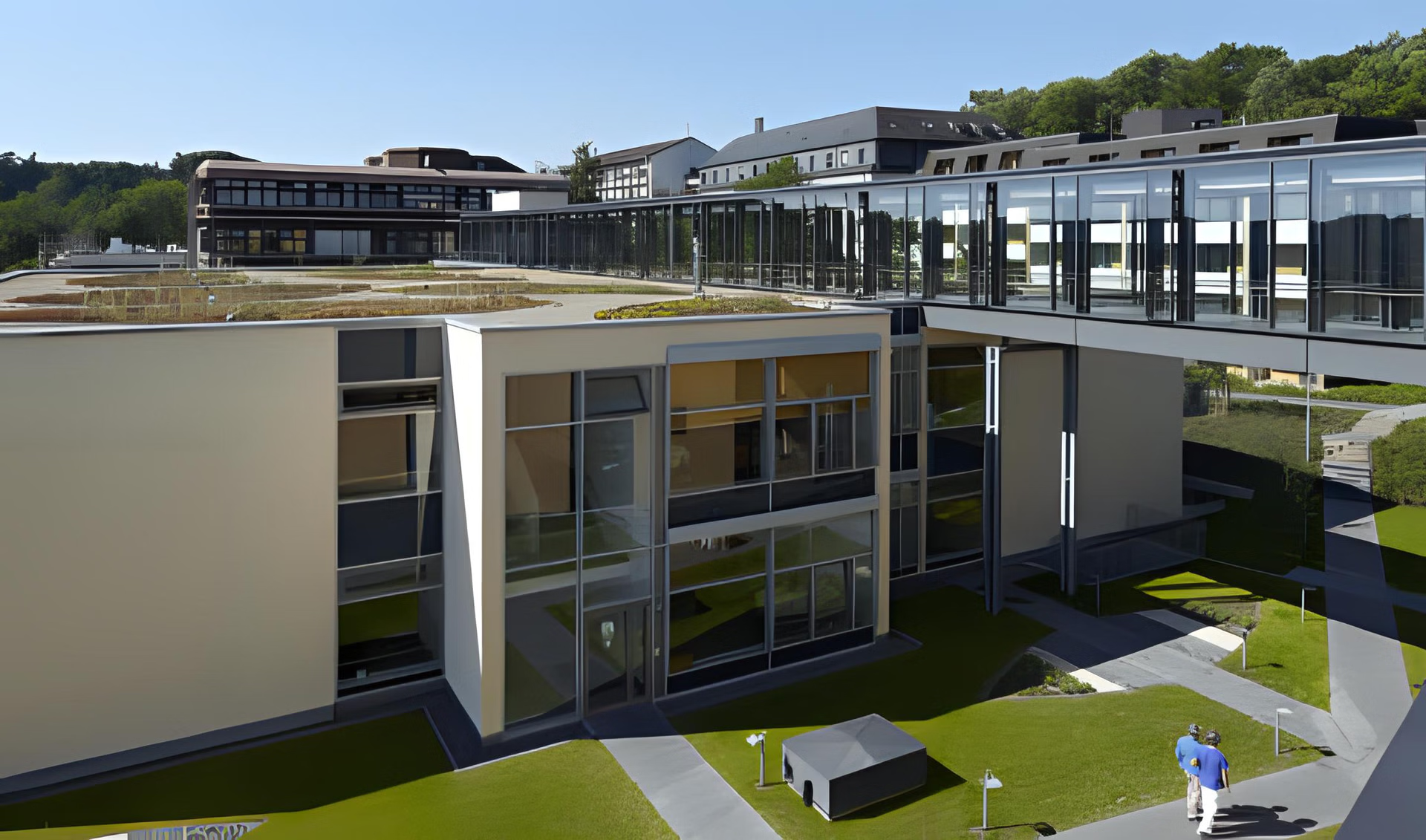
Situated within the rolling elevations of the Allgäu foothills in southern Germany, the VITREA Rehabilitation Clinic Bad Grönenbach is a highly specialized, multi-disciplinary sanctuary where subalpine climatic therapy meets advanced somatic and psychosomatic reconstruction. Located in a historic Bavarian town recognized for its certified healing traditions, this facility trades the rigid, clinical atmosphere of traditional metropolitan medical complexes for an expansive, nature-integrated recovery framework. The local environment, characterized by low-allergen alpine air currents, a soothing subalpine microclimate, and a gentle topography situated between 680 and 790 meters above sea level, is actively treated as a primary therapeutic agent. The architectural design deliberately encourages natural movement, allowing patients to seamlessly transition from indoor clinical zones to external terrain-training pathways that harness the region's natural physics to stimulate cardiovascular and respiratory recovery. The facility is structured around a powerful, dual-engine somatic vanguard that bridges internal medicine, cardiology, and orthopedic trauma surgery. Under expert clinical guidance, the cardiology division serves as a high-tier regional destination for patients recovering from myocardial infarctions, complex heart valve surgeries, and chronic cardiovascular insufficiencies. This center specializes in the delicate intersection of cardiac rehabilitation and musculoskeletal reconstruction. Patients who have undergone total hip or knee arthroplasties or suffered severe polytrauma are treated with highly specialized kinetic therapies that systematically rebuild motor patterns without compromising cardiorespiratory safety, utilizing advanced diagnostic monitoring to tailor exertion levels with mathematical precision. Bone and joint operations, chronic musculoskeletal diseases, and injuries are also considered. Such services enable complex patients to achieve the best results across different areas in a single course of rehabilitation. During the patient's stay at the rehabilitation center, trust between the patient and the doctor was established through additional psychological work. This approach exposes all existing symptoms and works them out as much as possible. Also, education on exercise and training, proper symptom control, a healthy diet, and care is available. Patients with hearing and balance disorders are an important area of rehabilitation. A sign language interpreter is provided at every stage. Intensive balance training, trampoline training, and psychotherapeutic treatment of symptoms of vertigo and anxiety disorder are priorities in vertigo treatment and Ménière's disease rehabilitation. Through therapeutic trampoline training, patients should feel that balance function is mostly restored outside acute vertigo attacks and that they can rely on it. Doctors pay a lot of attention to cardiac patients after operations, heart attacks, myocarditis, endocarditis, and pulmonary embolism. A thorough individual rehabilitation plan is developed after high-precision diagnosis, which includes ECG, Holter monitoring, and ultrasound examinations of the heart, vessels, and abdominal organs, as well as TEE, stress echocardiography, pulmonary function tests, and X-ray. In addition, it is evaluated for additional treatment of diverticulosis, intestinal obstruction, and pancreatitis. What definitively isolates this Bavarian clinic as a specialized institution is its forward-thinking integration of neuro-auditory therapeutics and structured, multi-system post-COVID rehabilitation. The facility hosts a dedicated track for patients navigating the destabilizing effects of chronic tinnitus, severe hearing impairments, and vestibular vertigo, employing specialized auditory and balance coaches to retrain neural spatial awareness. This specialized framework directly informs the clinic’s advanced, dual-track long-COVID recovery program. Recognizing that the long-term aftermath of viral infection demands a simultaneous assault on both physical and psychological fronts, the clinic deploys a coordinated cardiological and psychosomatic rehabilitation track. These protocols target severe chronic fatigue, exercise intolerance, and panic disorders through customized breathing mechanics, cognitive behavioral therapy, and individualized pacing models.
Gallery
2026-05-22T10:59:36.000Z
2026-05-22T10:59:36.000Z
2026-05-22T10:59:36.000Z
2026-05-22T10:59:36.000Z
2026-05-22T10:59:36.000Z
2026-05-22T10:59:36.000Z
2026-05-22T10:59:36.000Z
2026-05-22T10:59:36.000Z
2026-05-22T10:59:36.000Z
2026-05-22T10:59:36.000Z
2026-05-22T10:59:36.000Z
2026-05-22T10:59:36.000Z
Extra services
Visa Support
Parking Space
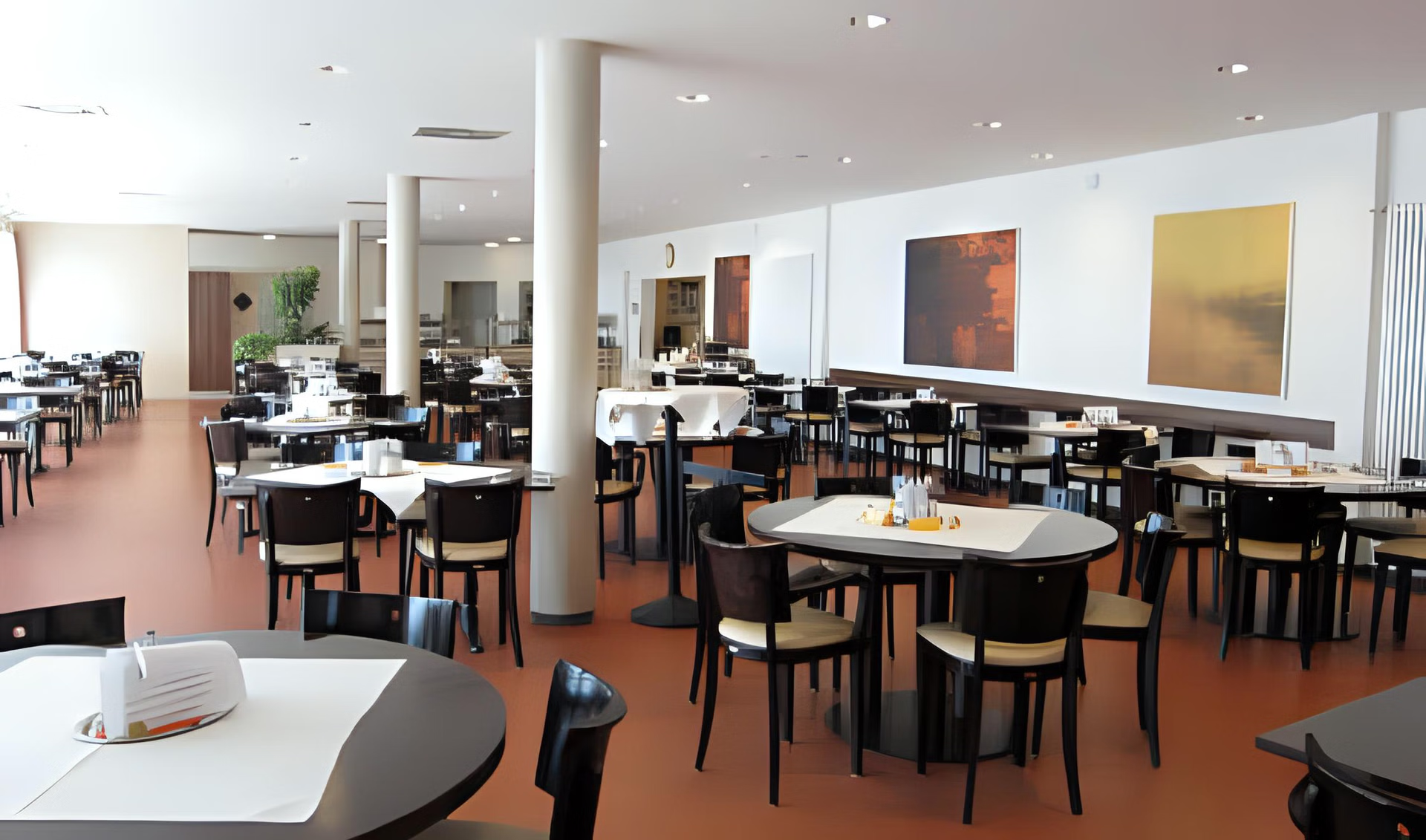
Cafeteria
Accessibility Features
Support Groups
Location
Sebastian-Kneipp-Allee 3-5, 87730 Bad Grönenbach-Thal, Germany
FAQ
Is the center suitable for hearing-impaired people?
The medical center provides training on using and adjusting the cochlear implant, psychological support to overcome communication barriers, and training on drawing attention to oneself in emergencies. Doctors are trained in deaf language, which makes patients feel more confident.
Should I choose a medical center for rehabilitation after a heart attack?
The rehabilitation facility pays special attention to cardiac patients. Intensive preparation for everyday life, strength and endurance training, bicycle ergometry, electrical stimulation, and hydrotherapy are the basis of restoring everyday life and preventing new cases.
What psychological and psychiatric diseases are available for rehabilitation in the clinic?
Functional disorders of all organ systems, chronic sleep disorders, depression, bipolar disorders, social phobia, obsessive-compulsive disorders, chronic pain, PTSD, and personality disorders are on the list of rehabilitation opportunities at the medical center.
How is chronic tinnitus managed here?
The audiology team designs therapies strictly in accordance with the current German S3 Guidelines for chronic tinnitus. Instead of attempting surgical cures, the clinical focus relies on cognitive habituation, training the brain's auditory pathways to actively filter out and suppress phantom noises in daily life.
What strict rules apply to psychosomatic patients?
Patients admitted to the psychosomatic wing must adhere to an absolute zero-alcohol policy for the entirety of their clinical stay. Their recovery is tracked via formalized psychological test diagnostics, which are administered at admission and discharge to quantify improvements in burnout and depressive symptoms.
Are the pool and sauna freely accessible?
No. Although the clinic features a hydrojet system, saunas, and an indoor pool, access is tightly medically regulated. Patients must receive explicit written clearance from their ward physician, and safety protocols mandate that wet areas may be used only in groups of at least three people.
What is the rating of the clinic?
VITREA Rehabilitation Clinic Bad Grönenbach is rated as 8.90 by AiroMedical.
What do patients say about VITREA Rehabilitation Clinic Bad Grönenbach?
The clinic has 138 feedbacks at other places. The UserScore of the hospital is 87%.