The data collected based on
291
patient reviews on Google
Certificates
Features & Facts
The main Heart Center in Poland
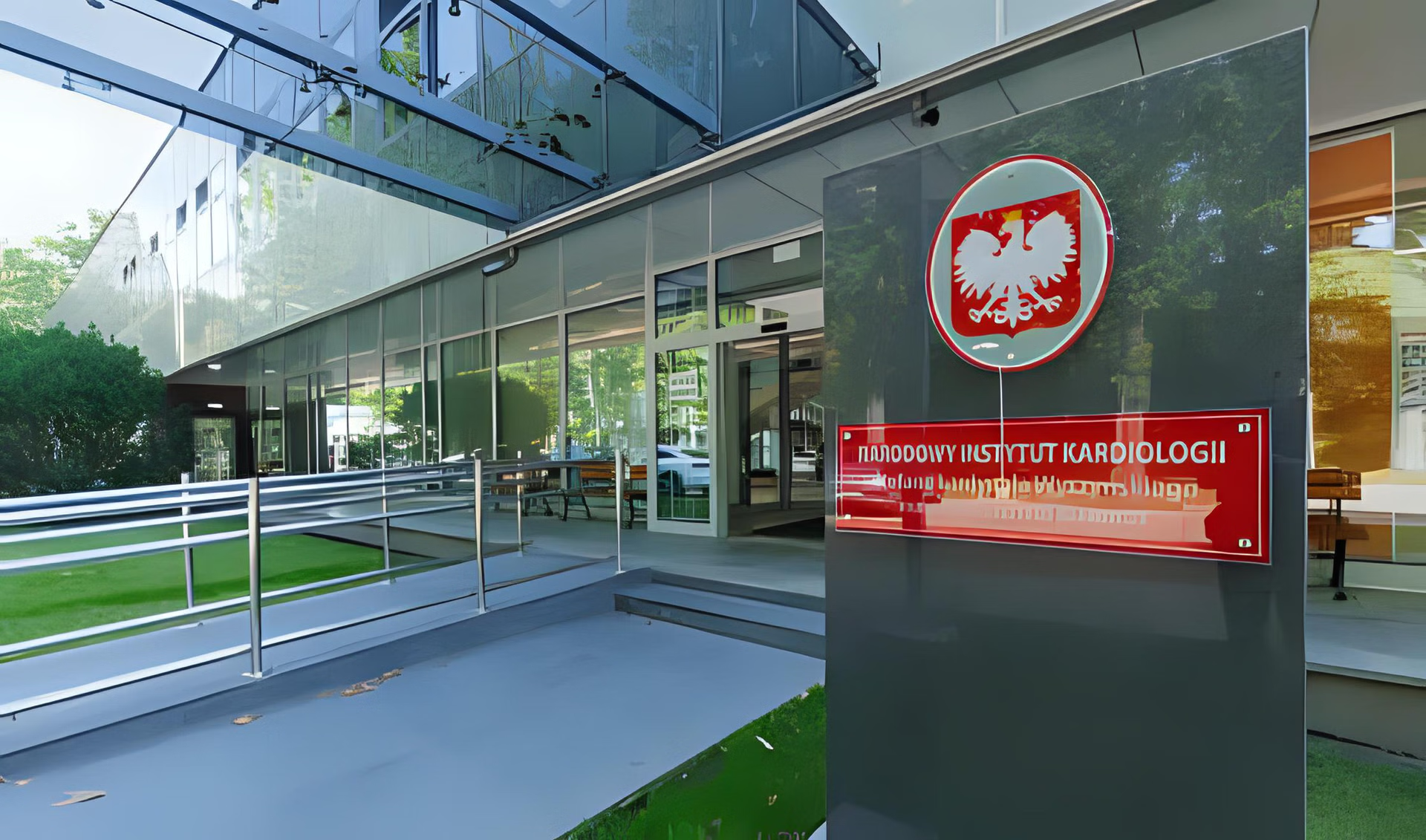
Stefan Cardinal Wyszyński National Institute of Cardiology in Warsaw has the highest reference score in Poland and is recognized as the leading Polish clinical center of cardiosurgery and cardiology. Most of the best cardiologists and cardiac surgeons in Poland work here.
Numbers Confirm the Experience
Annually, the hospital hospitalizes 15,900+ patients, performs 2,100+ surgeries, and handles 62,300+ outpatient cases (including surgical procedures). So, naturally, patients receive the help of well-trained doctors.
Vast Contribution to Medical Science
Stefan Cardinal Wyszyński National Institute of Cardiology was founded in 1979. Thanks to 45+ years of practical and theoretical studies, the Heart Institute’s doctors contribute to science, propose new treatment methods, and train new specialists.
Electrophysiological Laboratory & Workshops
The Institute’s electrophysiological laboratory performs 360+ ablations annually. They also organize International Warwas Ablation Workshops annually to show their new achievements and showcase interesting cases with their colleagues.
Clinical Trials: Ongoing, Recent, & Future
The center conducts and funds 50+ studies in various areas of cardiology. Patients might check their eligibility and receive an experimental treatment and a chance to save their lives.
Cumulative Heart Transplant Volume
Since introducing its elite organ replacement program, the facility has successfully completed over six hundred and fifty life-saving orthotopic heart transplantations.
66 Million PLN Investment
The center expanded its specialized healthcare delivery by opening a state-of-the-art clinical wing valued at over sixty-six million PLN.
Advanced Transcatheter Valve Standard
Interventional cardiology units regularly perform highly complex transcatheter aortic valve implantations to permanently treat severe degenerative structural stenoses without open surgery.
Zero-Fluoroscopy Catheter Ablation
The heart rhythm disorders center achieves massive clinical success by utilizing advanced electroanatomical mapping to eliminate radiation exposure during arrhythmia treatments.
About the clinic
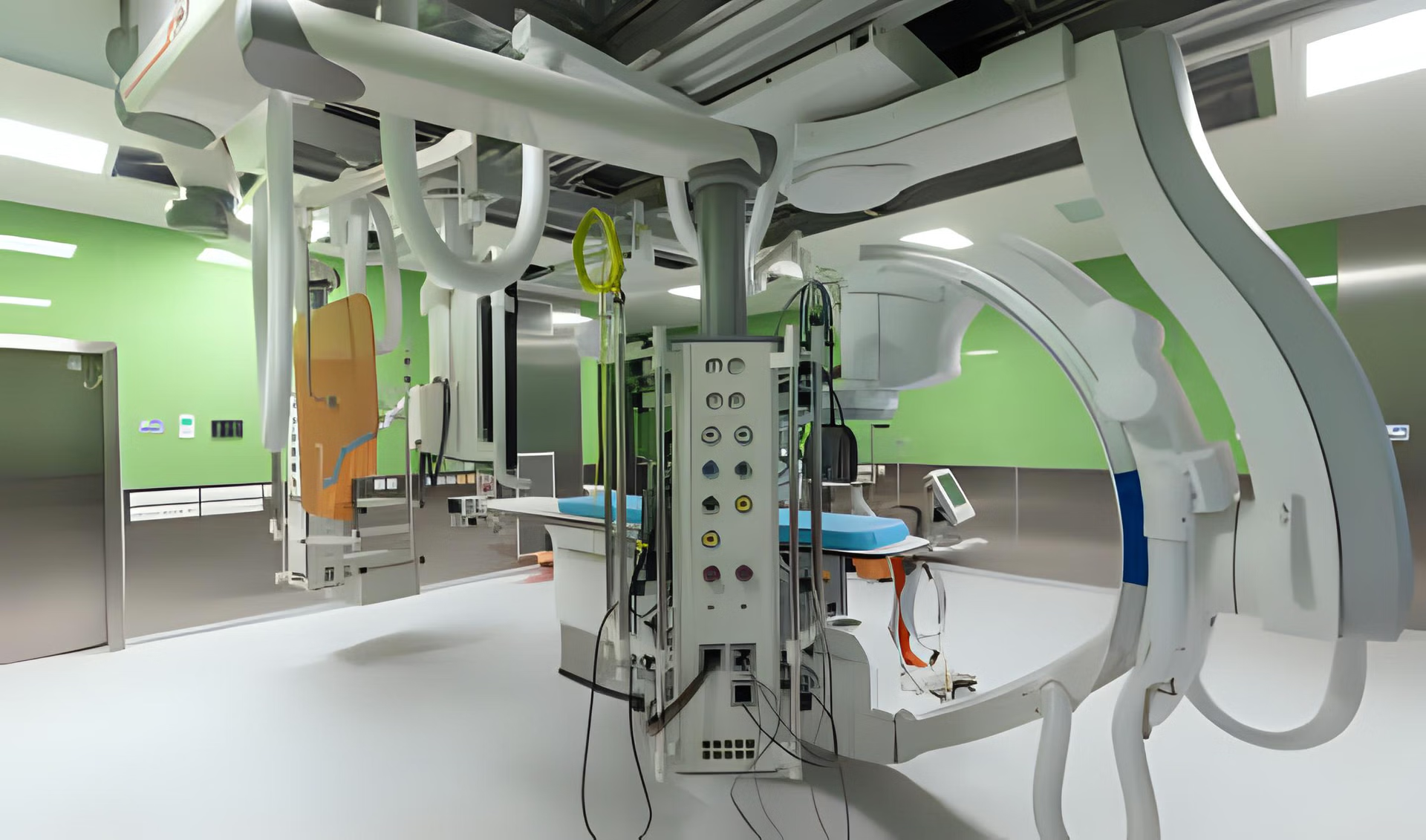
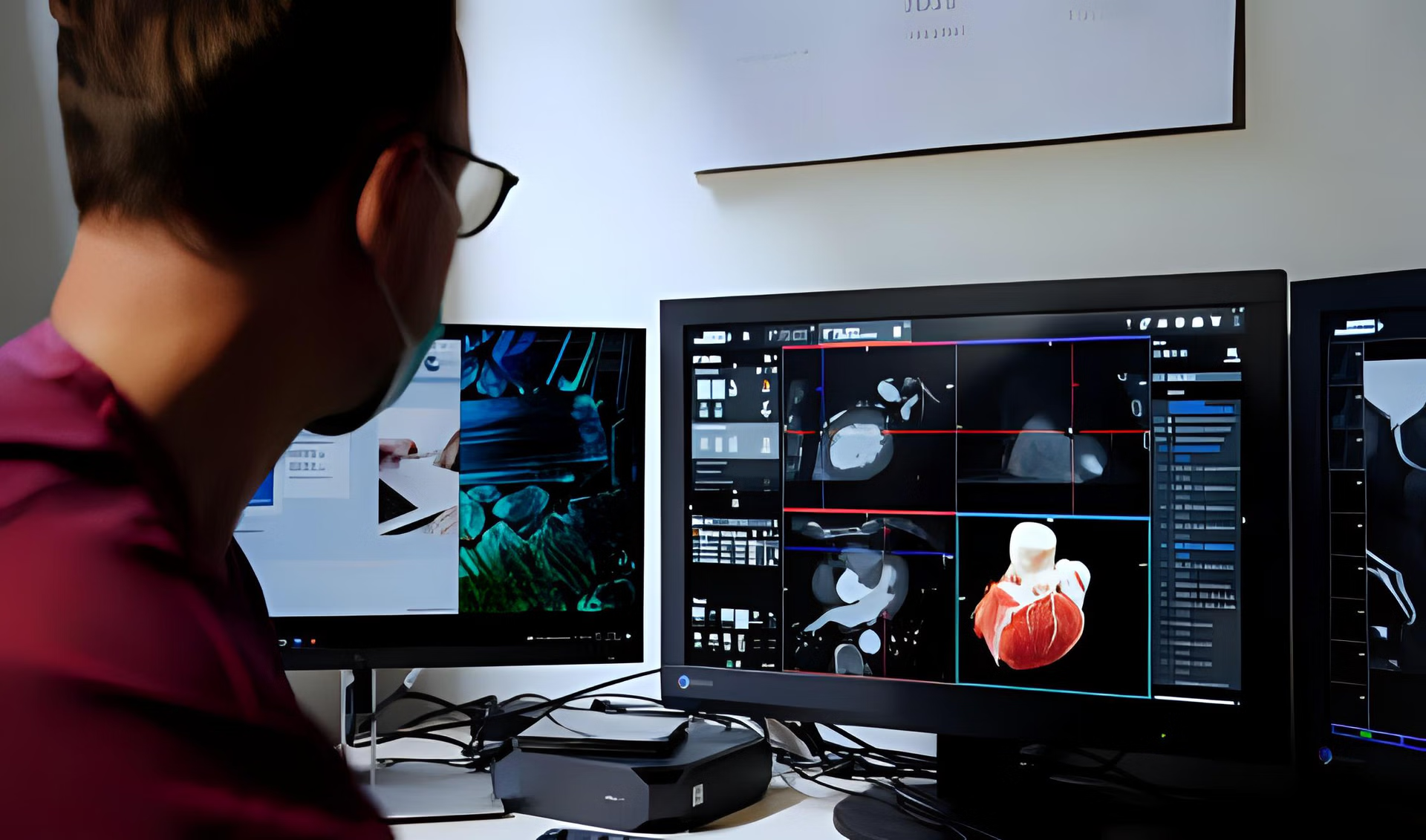
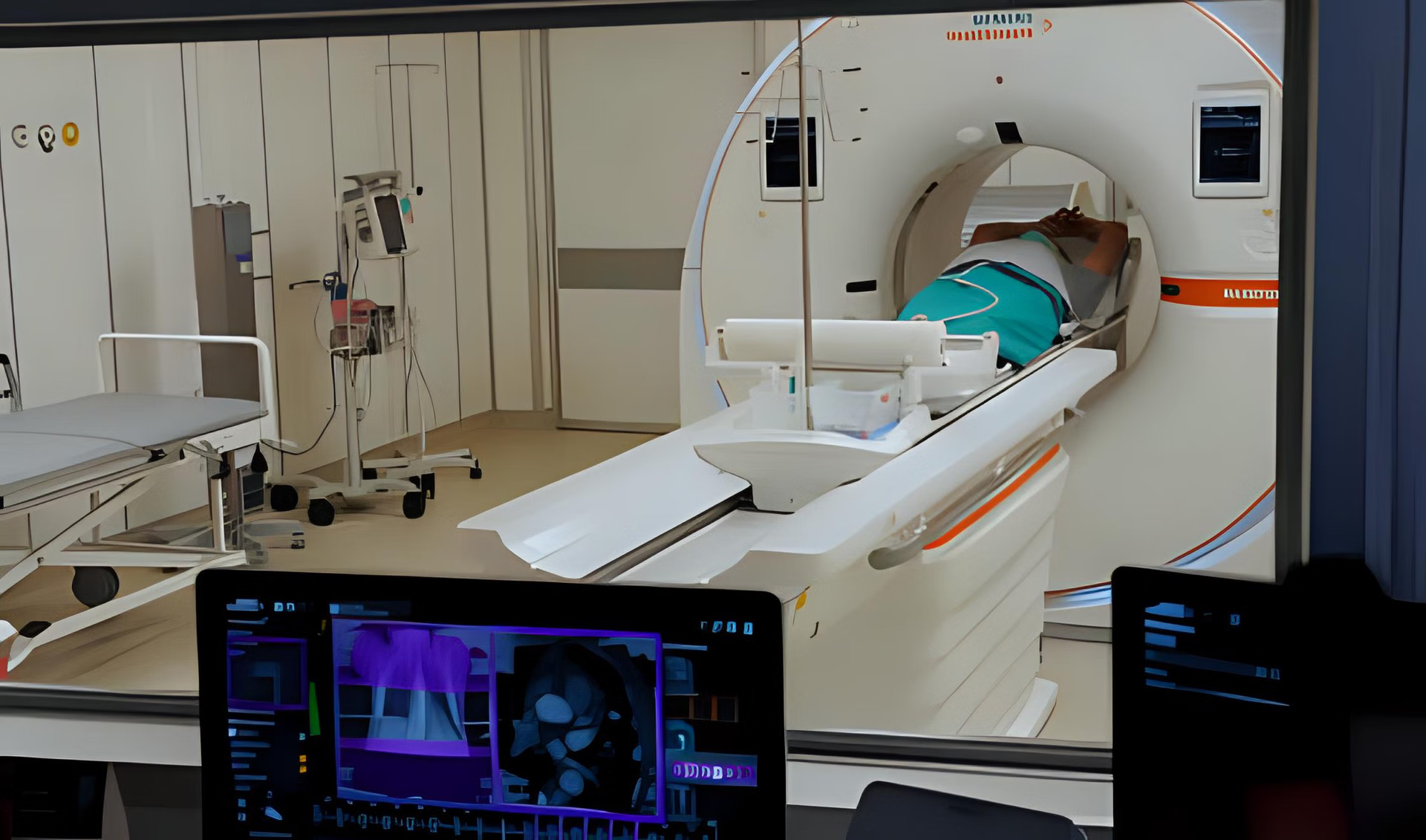
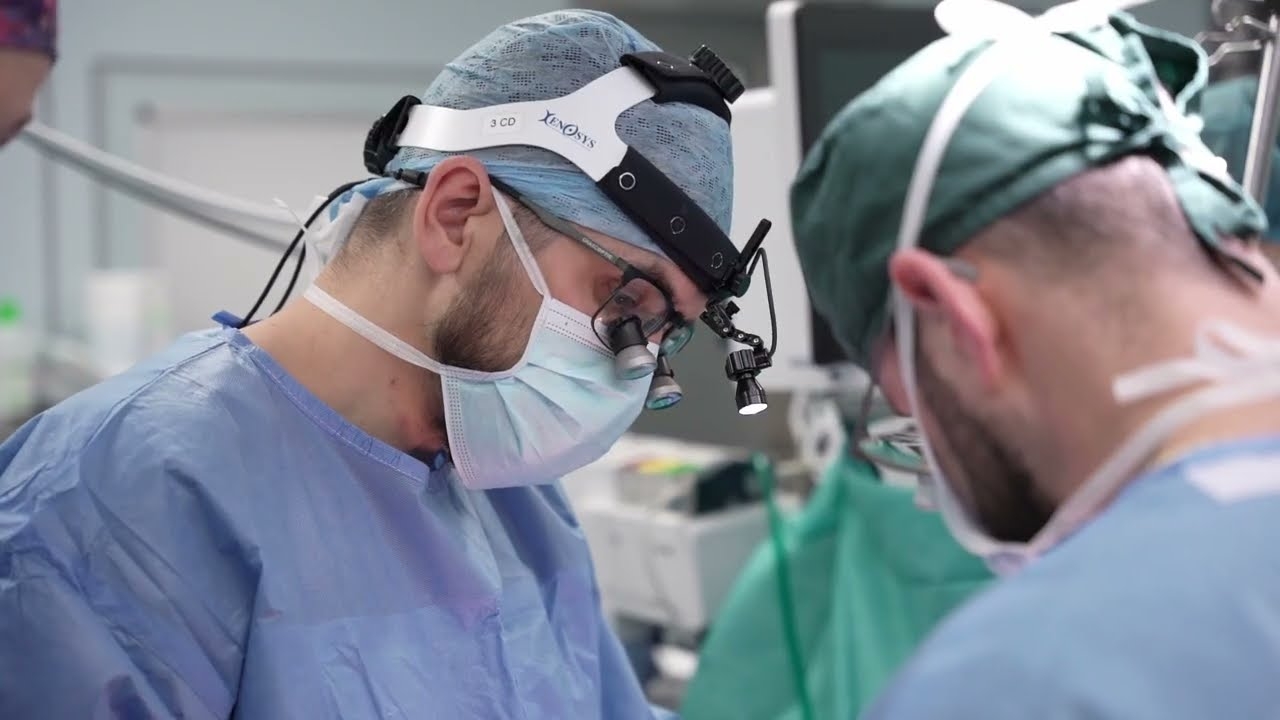
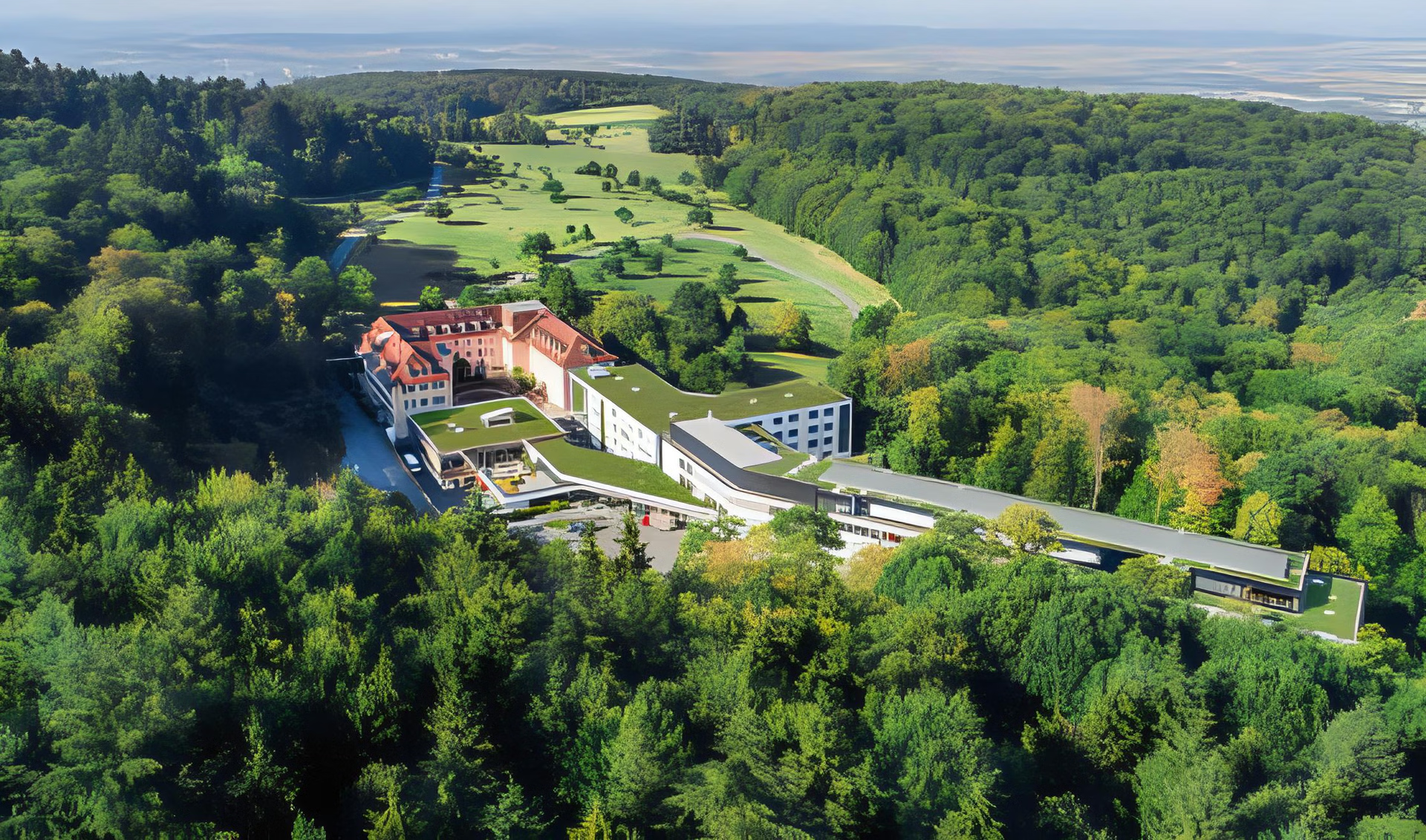
The Stefan Cardinal Wyszyński National Institute of Cardiology serves as the central command and primary clinical epicenter of cardiovascular medicine in Poland. Founded in 1979, this prestigious state-directed National Research Institute completely transcends the profile of a standard civic hospital, operating instead as a premier European brain trust holding the elusive national A+ research category ranking. As a result, 40% of all transplants in Poland are performed here, with a high survival rate compared to the average at other centers. The clinic meets the high-quality criteria of ISO 9001:2000. More than 16,000 patients receive services in inpatient departments, and 63,000 consult outpatients. About 2,100 operations per year are sufficient to maintain the necessary experience and proper development of the cardiac surgical field. In addition, the hospital became the first to use telemedicine to consult patients worldwide. This approach is especially relevant for foreign patients who can maintain contact with the doctor after discharge. The tranquil, wooded microclimate surrounding the campus provides an intentional, low-stimulus physiological anchor for patients, creating a striking contrast to the high-velocity, intellectually intense clinical engineering taking place within its walls, where the entire nation's most complex hemodynamic and electrophysiological failures are caught, analyzed, and reversed. The institute is uniquely built around the total, uncompromised orchestration of advanced cardiac surgery, complex electrophysiology, and mechanical circulatory support. As Poland’s premier reference center, the facility manages an extraordinary annual workflow, pioneering the deployment of transcatheter aortic valve implantations (TAVI), high-density 3D mapping for complex arrhythmia ablations, and the surgical management of advanced adult congenital heart defects. Its specialized intensive care blocks and cardiac theaters function as an aggressive engineering laboratory where failing myocardial systems are stabilized using state-of-the-art ventricular assist devices and extracorporeal life support, bridging critically ill patients to definitive heart transplantation. This technical precision is profoundly balanced by the institute’s foundational, deeply internalized clinical philosophy, captured by its iconic institutional motto: “It is not enough to approach a patient with expertise, experience, care, and conscientiousness. You must show them, heart!” The medical center has high-tech equipment for quick, precise diagnosis of disorders, including 384-multislice CT, MRI, nuclear medicine imaging, SPECT-CT, Echo, and ultrasound diagnostic devices. The availability of arrhythmia and hemodynamic monitoring, artificial respiration devices, and bedside renal replacement therapy enables the facility to provide emergency and intensive care in the most challenging cases. The additional use of therapeutic hypothermia and mechanical cardiac support is a significant measure to save a patient's life during cardiac arrest and significantly reduces the risk of complications. A significant achievement of the medical center was the use of robotics in electrophysiology with the Genesis magnetic navigation robotic system from Stereotaxis. Thanks to modern technologies, the clinic provides gentle, organ-preserving treatment for arrhythmias, with no analogs in the country. Patients also have access to unique treatments owing to numerous clinical studies conducted at the medical center, including studies of genetic mutations in cardiomyopathies, use of 64-slice CT scans for non-invasive coronary angiography, treatment of valvular disease with non-stent valves and homografts, and many others. Stefan Cardinal Wyszyński National Institute of Cardiology provides cardiological, vascular, and coronary heart disease treatment; congenital and valvular defect treatment; cardiomyopathy treatment; arrhythmia control; heart transplantation; and rehabilitation. The development of molecular biology technologies in diagnostics and minimally invasive treatment methods allows the clinic's doctors to achieve positive treatment outcomes. In addition, the low risk of complications, high survival rates, and remote patient support at home make the medical center the institution of choice for treatment. This humanistic guiding principle is seamlessly integrated into the highly active clinical research support center, which organizes dozens of pioneering commercial and non-commercial clinical trials in partnership with international networks such as the European Clinical Research Infrastructure Network (ECRIN). What firmly isolates this Warsaw titan as an irreplaceable monument of public health is its macro-level mandate to monitor, evaluate, and shape the epidemiological landscape of cardiovascular survival across the entire Polish state. Rather than focusing solely on individual bedside outcomes, the institute operates a vast national epidemiological matrix that tracks cardiovascular morbidity and hospital mortality nationwide, translating massive datasets into active public health policies and modern post-graduate medical education. In its specialized molecular biology and genomics laboratories, scientists investigate the microscopic underpinnings of arterial hypertension, cardiomyopathy, and rare inherited cardiovascular syndromes, constantly bridging the gap between genetic code and clinical pharmacology.
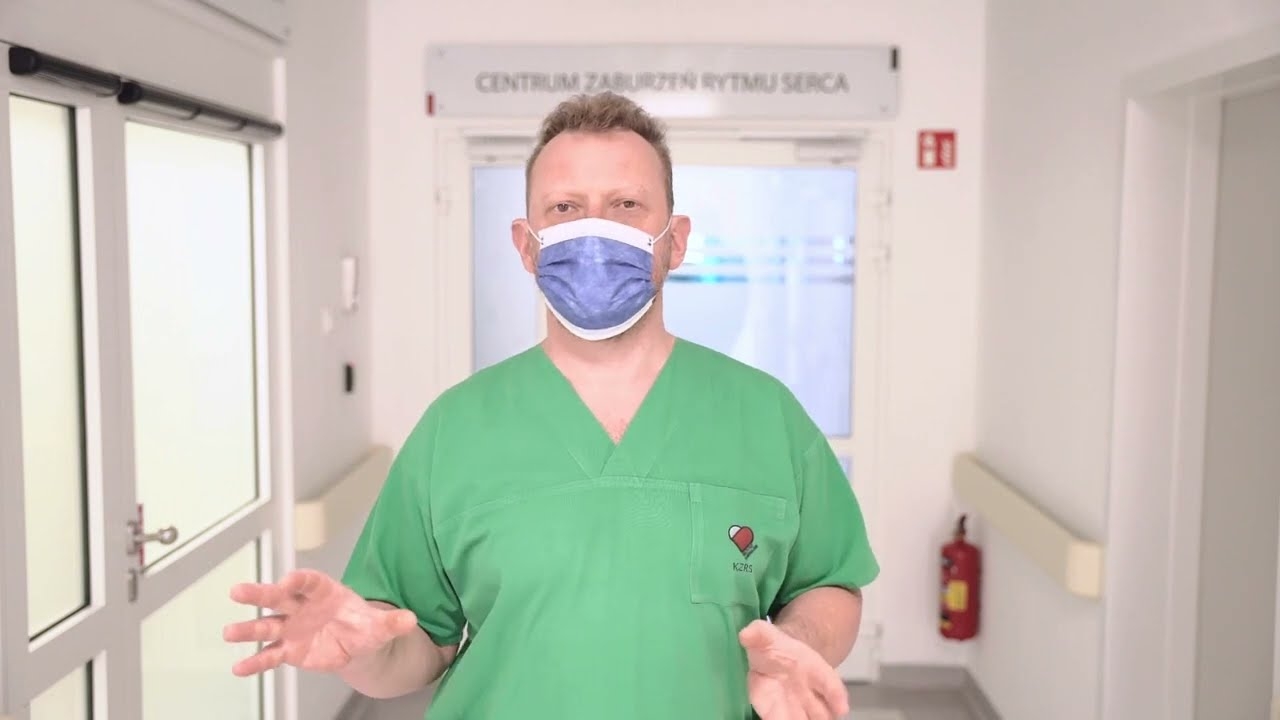
The first electroporation ablation procedures in Poland at the National Institute of Cardiology
2026-05-31T20:26:59.000Z
The first electroporation ablation procedures in Poland at the National Institute of Cardiology
Transcutaneous pulmonary valve implantation in a patient with a complex congenital heart defect in NiKaRD
2026-05-31T20:26:48.000Z
Transcutaneous pulmonary valve implantation in a patient with a complex congenital heart defect in NiKaRD
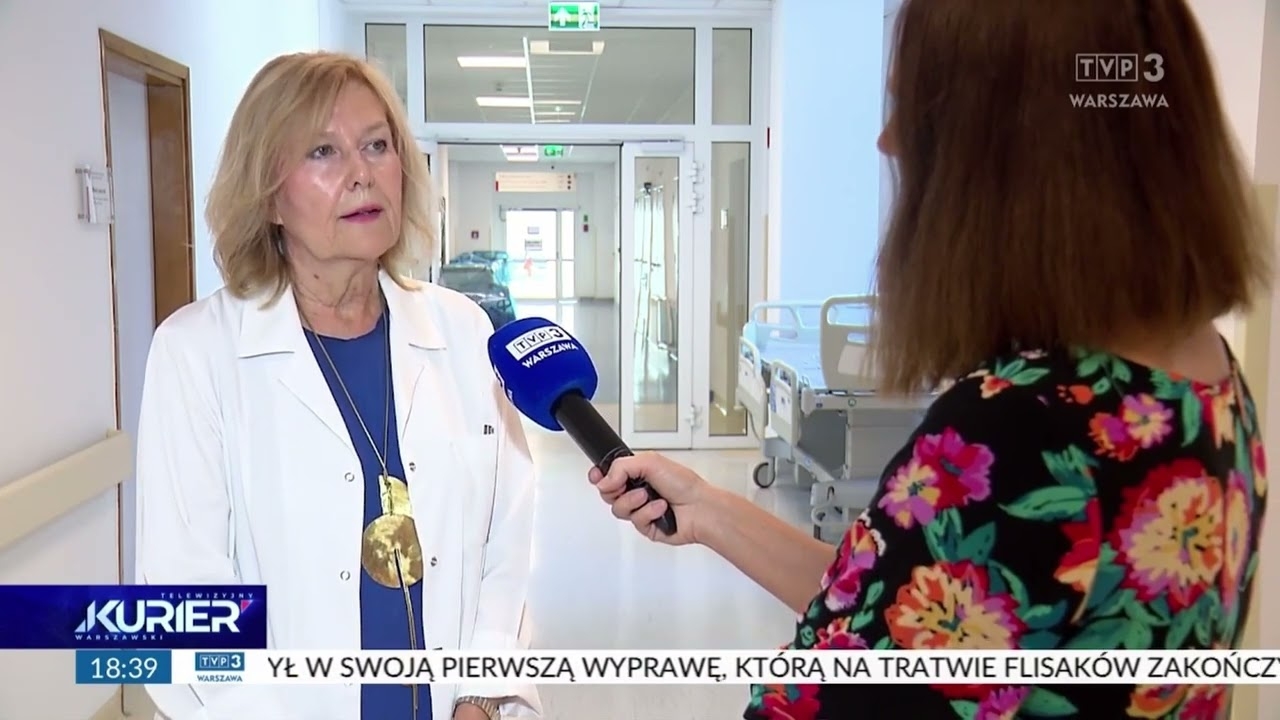
National Institute of Cardiology a leader in the field of mechanical heart support
2026-05-31T20:26:36.000Z
National Institute of Cardiology a leader in the field of mechanical heart support
2026-05-31T20:24:50.000Z
2026-05-31T20:24:50.000Z
2026-05-31T20:24:50.000Z
2026-05-31T20:24:50.000Z
2026-05-31T20:24:50.000Z
2026-05-31T20:24:50.000Z
2026-05-31T20:24:50.000Z
2026-05-31T20:24:50.000Z
2026-05-31T20:24:14.000Z
The first electroporation ablation procedures in Poland at the National Institute of Cardiology
2026-05-31T20:26:59.000Z
The first electroporation ablation procedures in Poland at the National Institute of Cardiology
Transcutaneous pulmonary valve implantation in a patient with a complex congenital heart defect in NiKaRD
2026-05-31T20:26:48.000Z
Transcutaneous pulmonary valve implantation in a patient with a complex congenital heart defect in NiKaRD
National Institute of Cardiology a leader in the field of mechanical heart support
2026-05-31T20:26:36.000Z
National Institute of Cardiology a leader in the field of mechanical heart support
Extra services
Visa Support
Parking Space
24/7 medical assistance
Pastoral Care
Intensive Care Unit
Cafeteria
Kids' Play Zone
Accessibility Features
Support Groups
Location
Alpejska 42, 04-628 Warszawa, Poland
FAQ
Should I choose the facility for the treatment of arrhythmia?
The clinic became the only cardiology center in Poland to use the Genesis magnetic navigation robotic system for catheter ablation of arrhythmias. This approach yields high success rates in normalizing heart rhythm without additional incisions.
Is the hospital suitable for a heart transplant?
The clinic is one of the largest providers of heart transplantation services in the country. Many interventions and compliance with post-transplantation treatment and rehabilitation, in line with world medical standards, contributed to international recognition.
Will I be able to get rehabilitation after heart surgery?
The special rehabilitation department offers patients recovery support after long-term treatment, including gym sessions and work with psychologists. In addition, proper physical support and rehabilitation planning at home help reduce cardiovascular disease risk and improve heart function.
What robotic ablation techniques are used here?
The cardiac arrhythmias unit utilizes the Stereotaxis robotic navigation system. The electrophysiology team leveraged this system to perform Poland's first transaortic ablation for atrial fibrillation in a patient with a completely occluded inferior vena cava, establishing a new national alternative to traditional transseptal access.
What unique device implants are engineered at this site?
The electrotherapy team specializes in custom device configurations for anatomically complex or highly sensitive patients. Recent milestones at this location include the nation's first implantation of a new-generation leadless pacemaker into a post-heart transplant patient, as well as the specialized deployment of an anti-allergic, gold-coated implantable cardioverter-defibrillator.
What structural valve procedures are done via transcatheter?
Interventional cardiologists operate high-volume hybrid theaters focused on advanced percutaneous reconstructions. The department performs transcatheter aortic valve implantation, percutaneous transcatheter pulmonary valve implantation, transcatheter mitral valve replacement, and the closing of complex paravalvular leaks without requiring traditional open-heart surgery.
How is end-stage heart failure managed surgically?
The cardiac surgery and transplantology division runs an active mechanical circulatory support and heart transplant program originally pioneered at this site by Prof. Zbigniew Religa. For terminal heart failure patients awaiting transplantation, surgeons regularly implant long-term left ventricular assist devices (LVAD), stabilizing the patient's hemodynamics for outpatient home care.
What unique endocrine-cardiovascular testing is conducted here?
The institute is the leading center in Poland performing routine adrenal vein sampling as a standardized clinical protocol to differentiate subtypes of primary aldosteronism. Additionally, the diagnostic wing acts as a high-throughput reference hub for non-invasive coronary computed tomography angiography paired with advanced computational fluid dynamics.
How are inherited cardiovascular conditions evaluated?
The Warsaw-Anin campus operates the specialized screening center for hereditary cardiovascular diseases. This specific unit conducts family-wide genetic cascade testing and advanced arrhythmogenic risk stratification for patients carrying mutations associated with channelopathies, hypertrophic cardiomyopathy, and arrhythmogenic right ventricular cardiomyopathy.
What is the rating of the clinic?
Stefan Cardinal Wyszyński National Institute of Cardiology is rated as 9.60 by AiroMedical.
What do patients say about Stefan Cardinal Wyszyński National Institute of Cardiology?
The clinic has 291 feedbacks at other places. The UserScore of the hospital is 93%.
What is the primary focus of the hospital?
The medical center is an expert at valve, implantation, heart, hypertension, and artery.