The data collected based on
17
patient reviews on Google
Certificates
Features & Facts
Lokomat Pro System
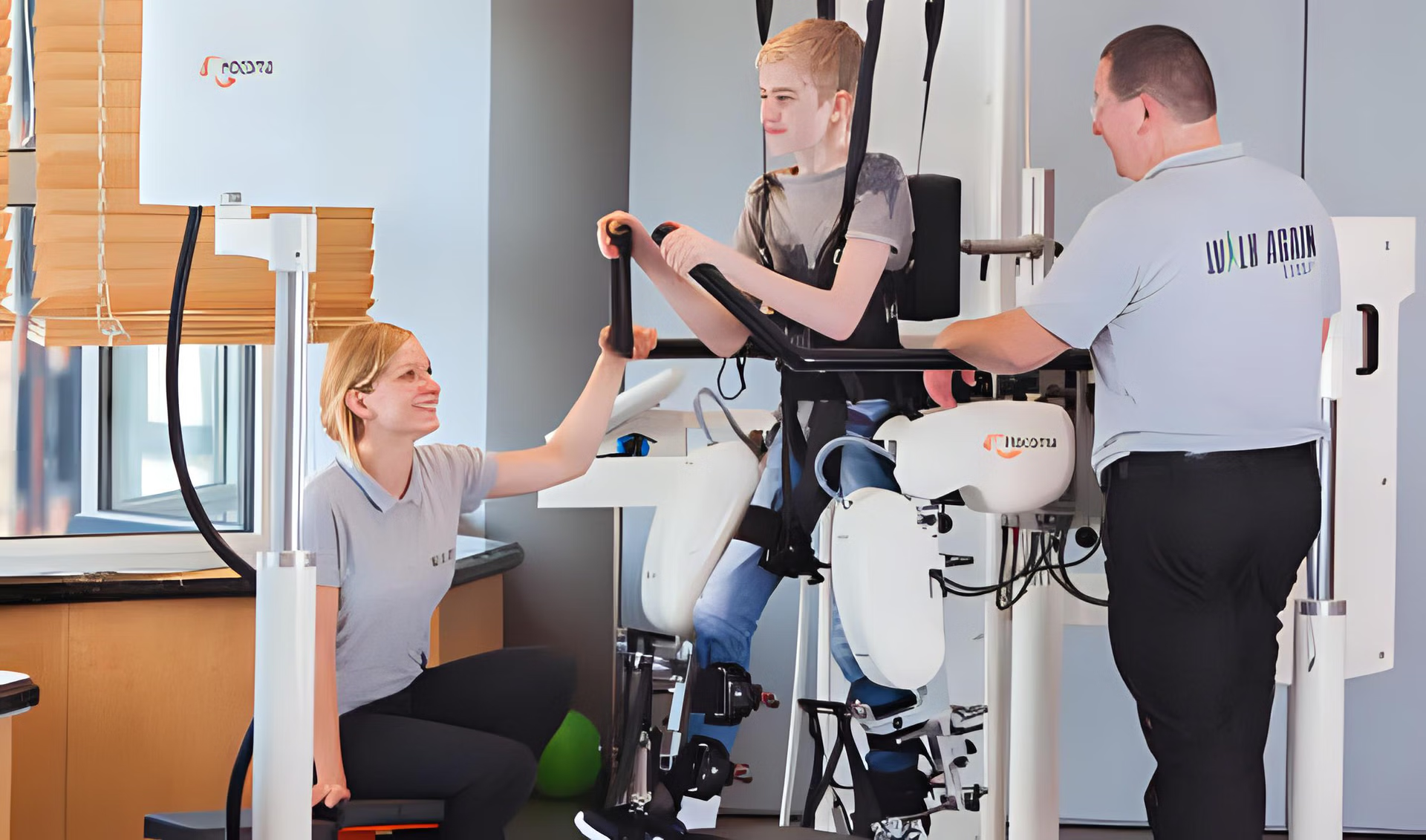
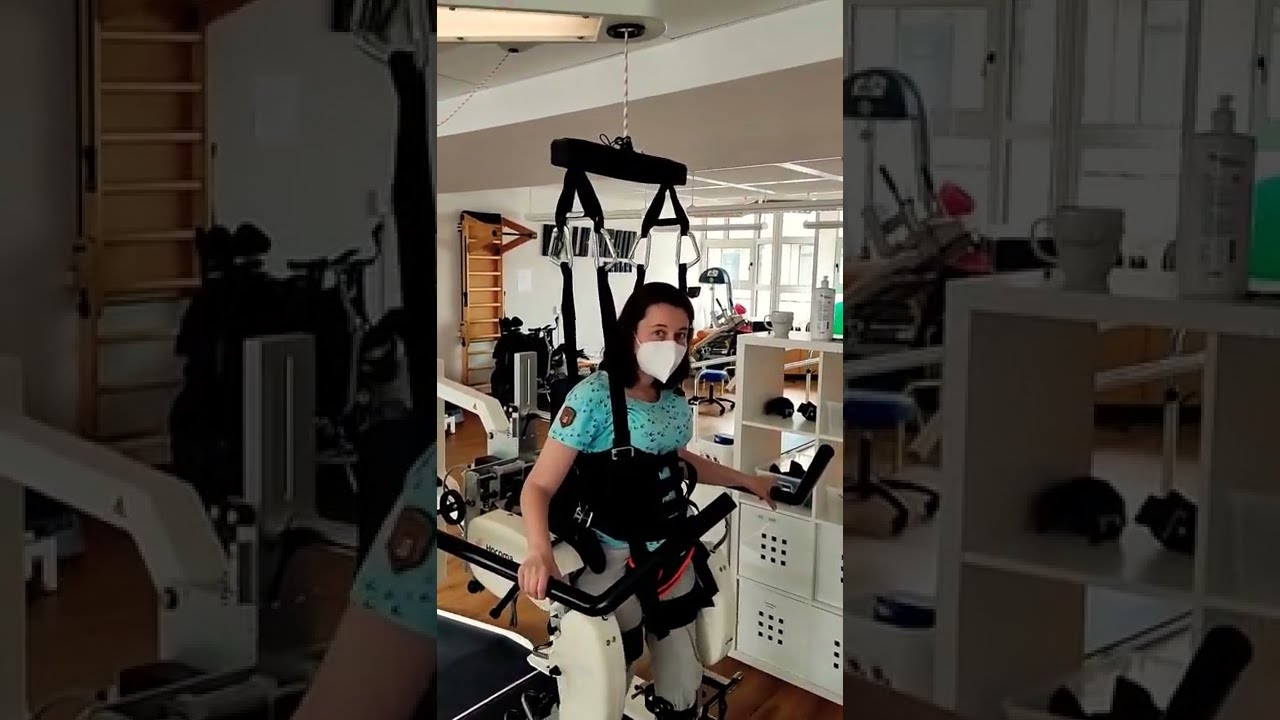
The WALK AGAIN Center in Berlin has the Lokomat Pro therapeutic system, a robotic orthosis that helps patients learn to walk, with an in-built FreeD module to activate patients’ balance function.
HAL Rehabilitation
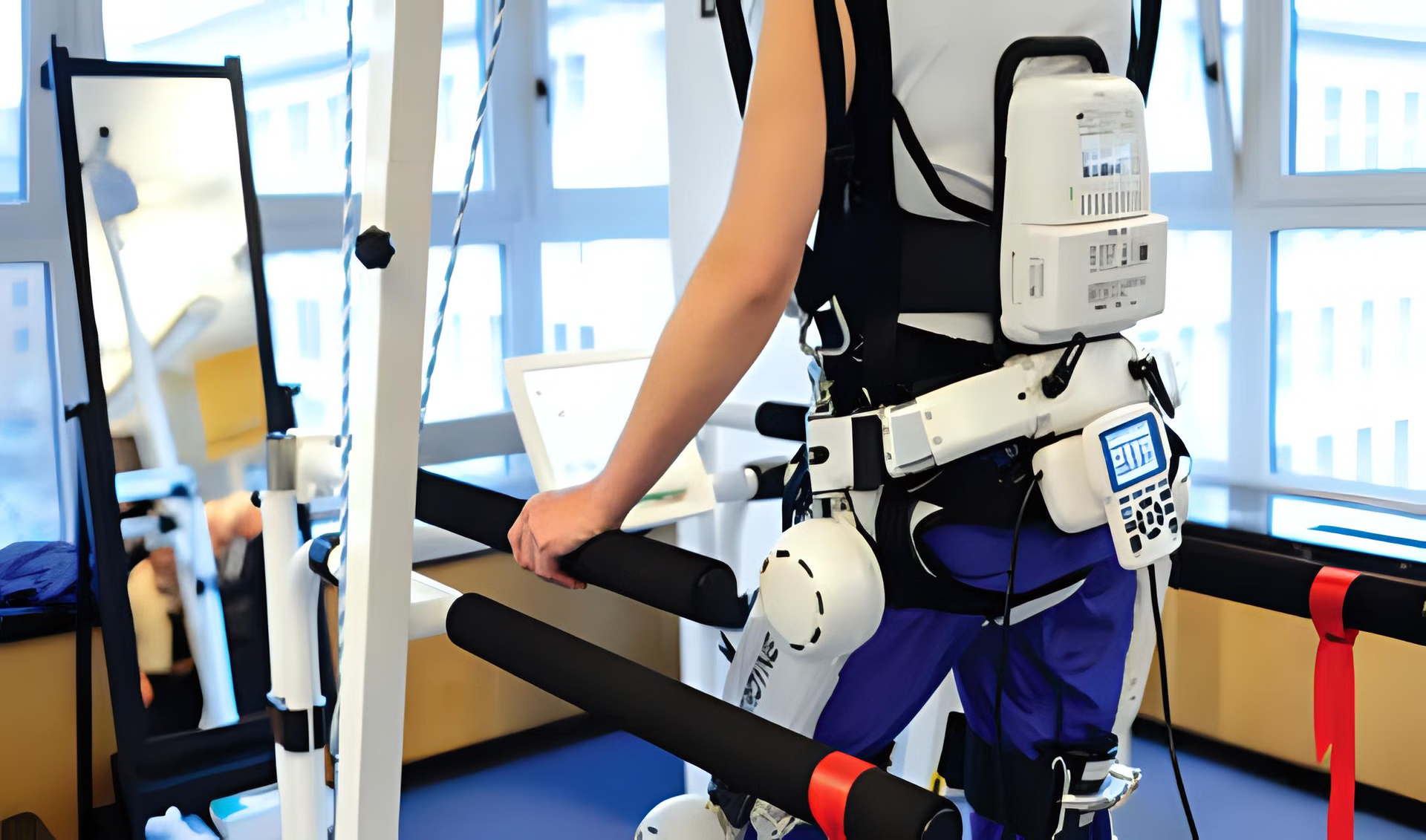
Patients might try the HAL (Hybrid Assistive Limb) system from Japanese manufacturer Cyberdine, which consists of an exoskeleton and a system of muscle-to-brain feedback to increase the speed and efficiency of rehabilitation.
Fast & Reliable Results
The WALK AGAIN Center provides all the necessary conditions to achieve positive results. For example, most patients achieve noticeable results only after 5 times a week training with the HAL system for 12 weeks.
Rehabilitation for Kids
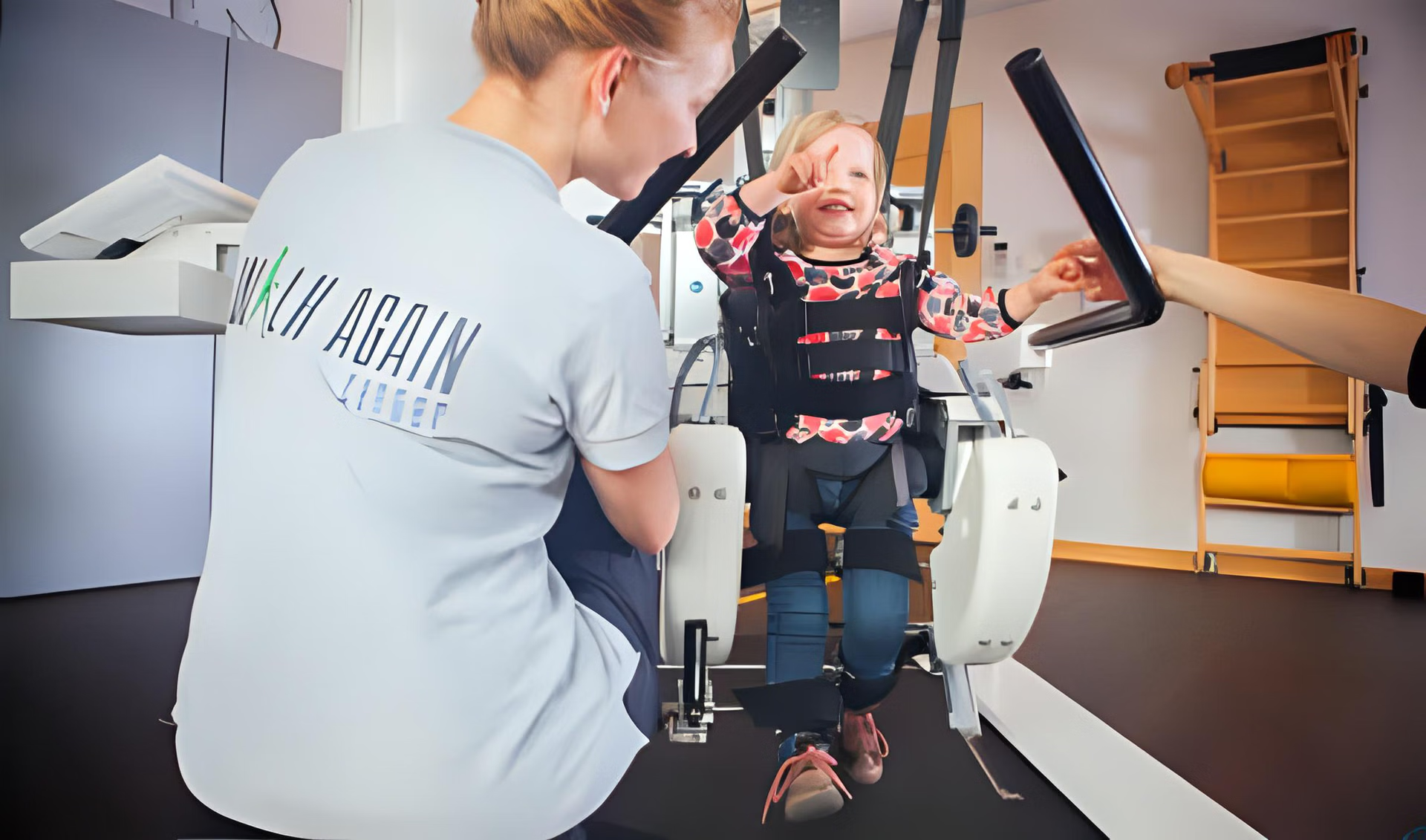
The center provides various kids' size orthoses for the Lokomat, gaming, and interactive programs. So children with сerebral palsy, brain injuries, and strokes can also effectively undergo rehabilitation.
Armeo Spring for Upper Limbs
At the WALK AGAIN Center, patients with upper limb dysfunction might try the Armeo Spring system, which uses a spring mechanism to compensate for the weight of the affected upper limb, pick suitable exercises, and improve range of motion.
Intensive Therapy Success
While conventional rehab often plateaus, WALK AGAIN utilizes intensity-based protocols. Data from similar high-intensity robotic programs indicate a significantly higher responder rate (e.g., 53% vs. 22% in conventional therapy) for achieving independent walking in subacute stroke patients.
Neuroplasticity-Driven Outcomes
The methodology is built on the scientific fact that the brain can reorganize itself (neuroplasticity). Studies associated with their robotic systems show that functional gains are often visible within just 3 to 6 weeks of intensive training.
Elite Medical Affiliation
The center operates in close cooperation with Meoclinic Berlin, providing patients access to over 50 specialized doctors across 30 medical branches, ensuring that neurological rehab is supported by top-tier internal medicine and radiology (including 3D/4D brain vessel sonography).
Multilingual Global Reach
As an international reference site, the center serves patients from across the globe, offering a fully integrated concierge medical service that handles visa logistics and translation to ensure a seamless recovery journey.
Cardiovascular & Metabolic Activation
Beyond motor recovery, the center uses MOTOmed to stimulate the circulatory system and bone metabolism. Regular training at the facility is designed to counteract the chronic fatigue and lack of movement consequences common in long-term wheelchair users.
About the clinic
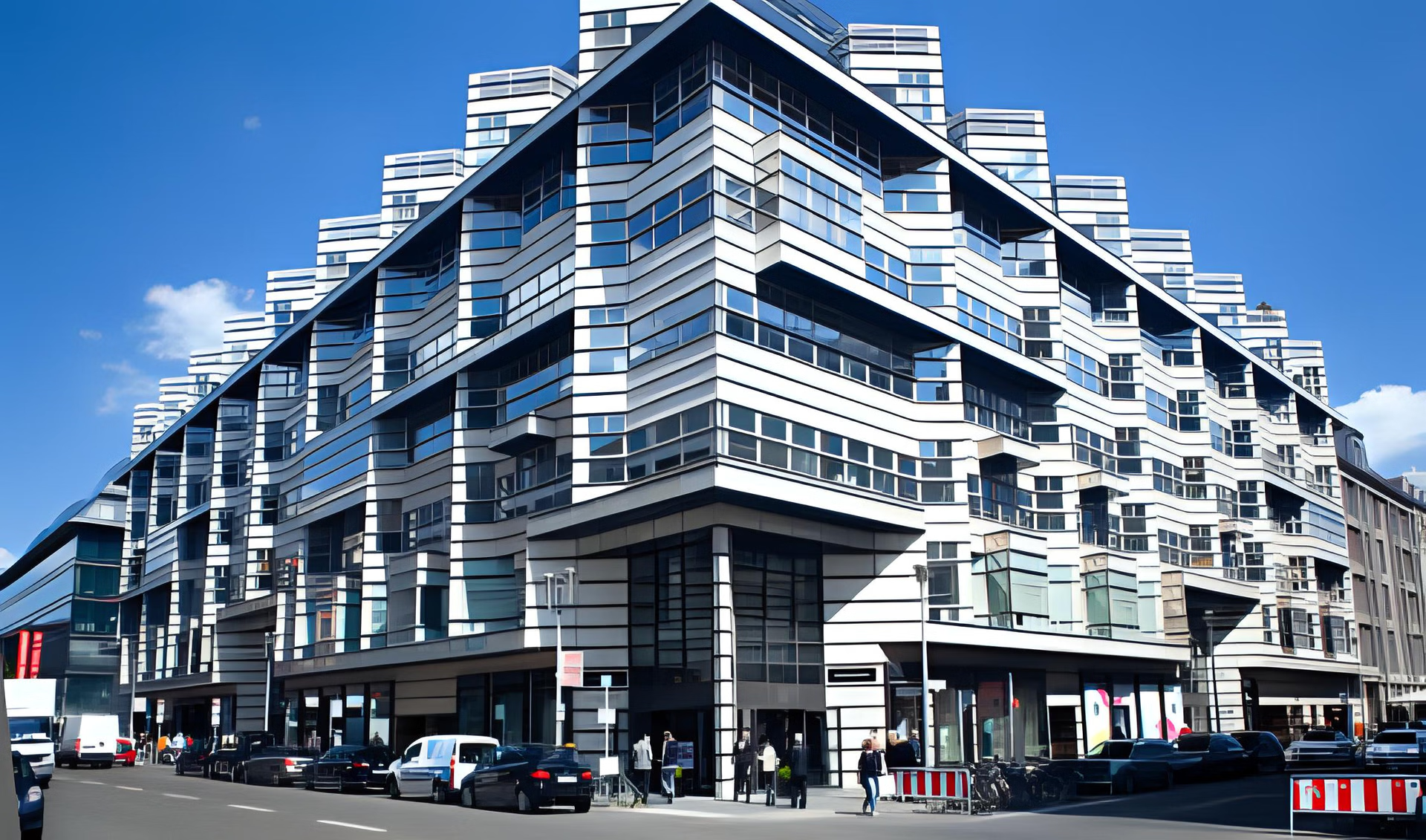
Located in the cosmopolitan heart of Berlin at Friedrichstraße 71, the WALK AGAIN Center represents a paradigm shift in neurorehabilitation, moving away from conventional clinical settings toward a futuristic, high-tech sanctuary for mobility restoration. Situated within the prestigious Quartier 206 and operating in close synergy with the MEOCLINIC, the center is architecturally and philosophically designed to treat patients not as subjects of a medical process, but as individuals embarking on a high-intensity journey toward physical independence. It is world-renowned as the first private facility to unify the two most advanced robotic gait systems, the Lokomat Pro and the HAL (Hybrid Assistive Limb) exoskeleton, under one roof. The medical center combines medicine and technology to create the most advanced robotic mechanisms. The clinic was founded primarily to treat neurological and neuromuscular problems such as stroke, spinal cord injury, and multiple sclerosis. Every year, thousands of patients seek rehabilitation to improve the mobility of the musculoskeletal system after illness or trauma and return to their previous quality of life. The clinical core of the WALK AGAIN Center is its pioneering application of neuro-robotic feedback therapy. Unlike traditional physical therapy, which relies on passive movement, the center’s use of the Japanese-engineered HAL exoskeleton creates a cybernetic loop between the patient's brain and the machine. The suit’s sensors detect faint bio-electrical signals on the skin’s surface as the patient intends to move; the exoskeleton then translates these impulses into motorized assistance. This process utilizes the principle of neuroplasticity, essentially teaching the brain and spinal cord to rewire and bypass damaged pathways by reinforcing the feedback loop between the muscle and the central nervous system. This technology is particularly transformative for those with incomplete spinal cord injuries, stroke survivors, and patients with multiple sclerosis. For upper extremity rehabilitation, the center employs the Armeo Spring system, a robotic exoskeleton for the arms and hands that uses a weight-support mechanism to augment the patient's remaining strength. This allows for intensive, repetitive training through gamified virtual reality environments, which have been shown to accelerate the recovery of motor skills far more effectively than standard manual exercises. The therapy programs are characterized by their extreme intensity and customization, with each patient’s progress monitored by a multidisciplinary "Board of Five," including leading neurologists, specialized physiotherapists, and medical engineers who adjust robotic parameters in real time based on biometric data. The pediatric division at WALK AGAIN is a sanctuary of specialized care designed to transform the lives of children with congenital or acquired neurological conditions, including cerebral palsy, spina bifida, and pediatric stroke. Recognizing that a child’s brain has a unique level of neuroplasticity, the center uses the Lokomat Pro Pediatric, a robotic gait trainer specifically engineered for smaller orthopedic braces and a high-resolution virtual reality interface. Instead of a clinical exercise, the therapy is presented as an immersive game: as the child walks in the robotic suit, they navigate a digital world that keeps them engaged and motivated for high-repetition training. This intensive feedback loop is crucial for establishing correct gait patterns and improving trunk stability during the critical developmental years. The pediatric team emphasizes a family-centered approach, ensuring that parents are integrated into the small steps, big gains journey. Physiotherapy at the center functions as the bedrock of the "WALK AGAIN" methodology, bridging the gap between robotic assistance and independent movement. Far from traditional massage or stretching, the neuro-physiotherapists here specialize in proprioceptive neuromuscular facilitation (PNF) and the Bobath concept. These manual techniques prepare the body for the rigors of robotic training by normalizing muscle tone and improving joint mobility. The sessions focus on functional training, where therapists work one-on-one with patients to translate the patterns learned in the exoskeleton into real-world movements, such as sitting-to-standing transitions and unassisted balance. By combining manual guidance with intensive gait-training cycles, the physiotherapy department ensures that the nervous system is constantly challenged to reorganize and heal. The Ergotherapy (Occupational Therapy) unit focuses on the science of daily living, aiming to restore the fine motor skills and cognitive functions necessary for a patient to return to their professional and personal life. Utilizing the Armeo Spring and Amadeo robotic systems, the ergotherapists target the complex mechanics of the hand and arm. These devices provide weight support and sensitive feedback, allowing patients with minimal muscle activity to practice grasping, reaching, and manipulation in a digital environment. Beyond physical movement, the ergotherapy sessions incorporate activities of daily living training, where patients relearn tasks such as dressing, using a computer, or eating independently. The goal is a complete restoration of autonomy, ensuring that the patient not only walks again but also regains the ability to interact with the world with confidence and precision. The experience at the WALK AGAIN Center is defined by an uncompromising commitment to luxury medical hospitality. The patient suites are designed to the standards of a five-star boutique hotel, featuring high-end aesthetics, soundproofing, and integrated digital systems that ensure a restorative, stress-free stay in the center of Berlin. By removing the psychological weight of a hospital environment, the center aims to keep patients motivated during their rigorous daily training sessions. For international guests, the center provides a comprehensive concierge service, including multilingual medical translation and administrative support, solidifying its status as a global destination for those seeking the absolute frontier of robotic-assisted healing. The WALK AGAIN Center specializes in treating and rehabilitating various neurological diseases, such as spinal cord injuries, stroke, traumatic brain injury, multiple sclerosis, Friedreich's ataxia, and other neurodegenerative and neuromuscular disorders. Unlike standard rehabilitation, the medical team offers an individual, holistic, and innovative approach, combined with high-intensity therapy. Physicians and medical engineers work together to develop treatment approaches using the latest technology.
Lokomat running training at the Walk-Again Center Berlin
2023-11-23T15:05:27.000Z
Lokomat running training at the Walk-Again Center Berlin
Walk Again Center Berlin - Report
2023-11-23T14:44:44.000Z
Walk Again Center Berlin - Report
Euronews hi-tech - Hi-tech robot to restore limb movement
2023-11-23T14:40:06.000Z
Euronews hi-tech - Hi-tech robot to restore limb movement
Extra services
Language Assistance
Visa Support
Travel Assistance
Stay Arrangements
Accessibility Features
Digital Health Records
Location
Friedrichstraße 71, 10117 Berlin, Germany
FAQ
Is the clinic the best in rehabilitation in Germany?
The hospital offered the largest selection of robotic equipment for musculoskeletal system rehabilitation and was the first to use Lokomat therapy for gait training. In addition, obtaining ISO 9001 confirms the high quality and efficiency of the services provided.
Should I choose the WALK AGAIN Center in Berlin for post-stroke recovery?
The clinic uses MOTOmed and ARMEO Spring for recovery after strokes, severe injuries, and neurological diseases. The patient effectively and quickly achieves high results in restoring movements. Robotic technology creates personalized programs by recording progress and analyzing improvements.
What additional treatment methods does the hospital offer?
In addition to robotic rehabilitation, the clinic offers functional electrical stimulation (FES), the Bobat approach, vestibular training, and proprioceptive neuromuscular facilitation (PNF). All methods are combined to achieve better results and a faster patient return to everyday life.
What is the core medical specialization of the WALK AGAIN Center?
The center is a highly specialized facility focused on advanced neurological and orthopedic rehabilitation, particularly for patients with severe gait impairments. It integrates robotic-assisted therapy with traditional physiotherapy to treat conditions such as stroke, spinal cord injuries, multiple sclerosis, and Parkinson’s disease.
How does the center use robotic exoskeleton technology to support spinal cord injury recovery?
The center employs wearable robotic exoskeletons that provide motorized assistance to the hip and knee joints, enabling paralyzed or paretic patients to perform high-quality, repetitive walking patterns. This intensive locomotor training is medically designed to trigger neuroplasticity, encouraging the central nervous system to reorganize and potentially regain functional movement.
What is the significance of the Locomat system in the center's rehabilitation protocols?
The Locomat is a treadmill-based robotic gait orthosis that automates walking therapy, ensuring precise, symmetrical movements that would be impossible to achieve manually with a therapist alone. By providing real-time biofeedback and adjustable weight support, the system allows the medical team to gradually increase the patient's physical load as their strength and coordination improve.
How is non-invasive brain stimulation integrated into the treatment of stroke patients?
The center uses specialized techniques, such as transcranial magnetic stimulation (TMS), to modulate cortical excitability in the brain's motor centers. When combined with intensive physical exercise, this stimulation helps prime the brain for recovery, making the neural pathways more receptive to the motor learning required to regain limb control.
What role does functional electrical stimulation play in treating foot drop?
For patients with localized paralysis, the center uses FES devices that deliver timed electrical pulses to the lower leg nerves during the swing phase of walking. This stimulation forces the foot to lift at exactly the right moment, preventing tripping and allowing the patient to practice a more natural, fluid gait during their clinical sessions.
How does the center manage the transition from robotic assistance to independent mobility?
The rehabilitation process follows a graduated assistance model, where robotic support is systematically reduced as the patient's muscle activation increases. The medical team uses advanced gait analysis, utilizing pressure-sensitive plates and motion sensors, to identify specific biomechanical weaknesses, which are then targeted through high-intensity strength and balance training in the center’s specialized gym.
What specific medical benefits does the Vector Gait and Safety System offer?
The Vector system is an overground gait and safety system that uses a dynamic body-weight support ceiling track. It allows patients to practice walking, stepping over obstacles, and climbing stairs without the fear of falling, enabling the therapist to focus entirely on the patient's posture and movement quality while the system provides a customized safety net.
How does the WALK AGAIN Center address the psychological and nutritional aspects of long-term recovery?
Recognizing that neurological rehabilitation is a long-term process, the center integrates clinical psychology to manage post-traumatic stress or depression and provides specialized nutritional counseling to support muscle hypertrophy and bone density. This holistic approach ensures that the patient’s body and mind are optimized to handle the high metabolic demands of intensive robotic therapy.
What is the rating of the clinic?
WALK AGAIN Center is rated as 9.60 by AiroMedical.
What do patients say about WALK AGAIN Center?
The clinic has 17 feedbacks at other places. The UserScore of the hospital is 98%.
What is the primary focus of the hospital?
The medical center is an expert at surgery, cerebrospinal fluid, joint, muscle, and rehabilitation.
What is the overall experience of the facility?
WALK AGAIN Center has been operating since 2009. It has accumulated over 17 years of clinical background.
Where can I see the hospital's work, interior space, and exterior?