The data collected based on
2,131
patient reviews on Google
Certificates
Features & Facts
Unique Device for Ophthalmology
Try GazeLab, an all-in-one ophthalmological device for measuring ocular motility developed by Sant Joan de Déu Barcelona Hospital doctors in collaboration with BCN Innova.
Worldwide Partnership & With EU Organizations
The facility collaborates closely with the European Children’s Hospitals Organization, the Boston Children’s Hospital, and the Children’s Hospital of Philadelphia.
Europe’s Top 5 Pediatricians
The hospital is officially ranked among the top five children's medical facilities in Europe for its immense volume of treatments and its high degree of clinical specialization.
14,000 Annual Surgeries
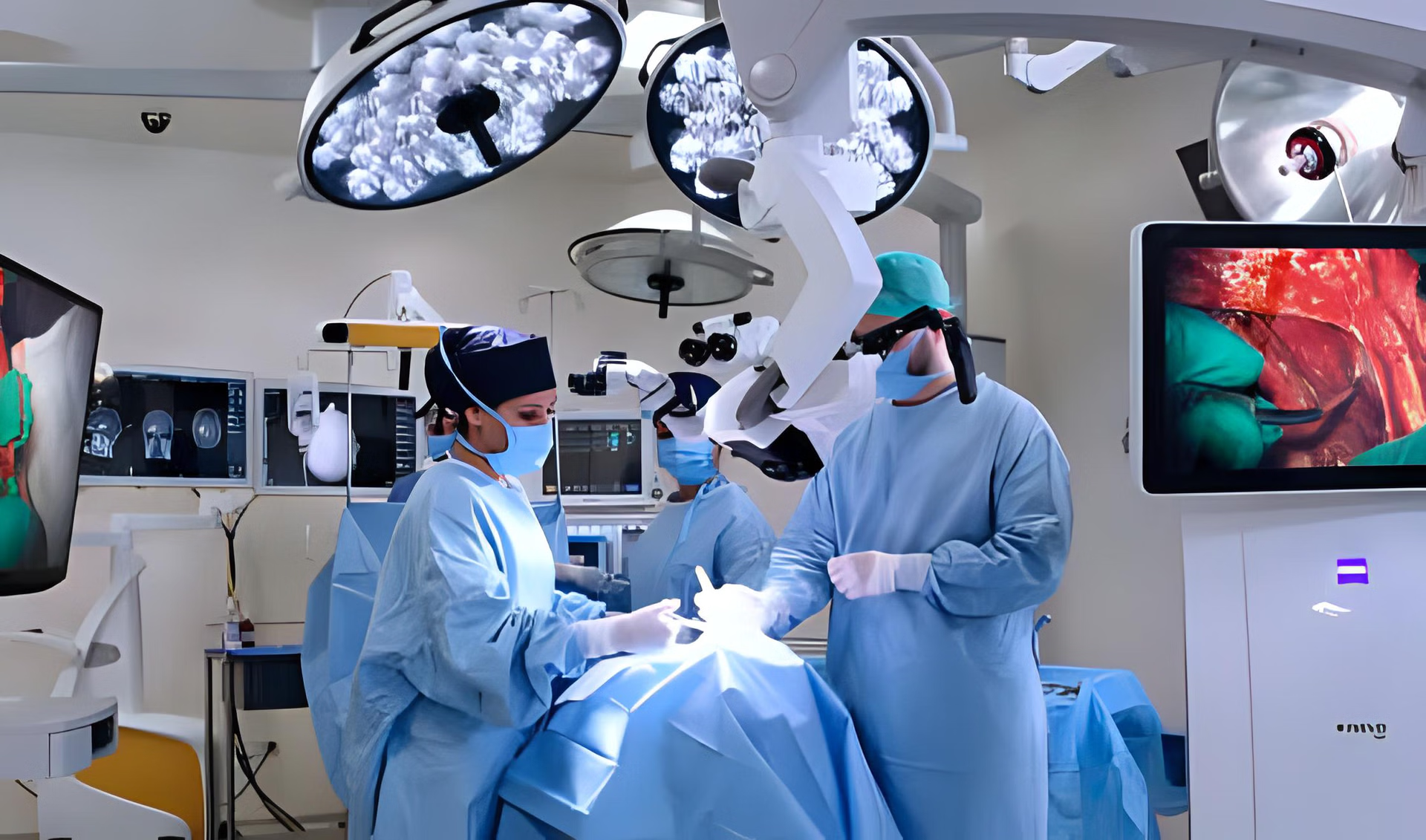
Expert medical teams perform more than 14,000 surgical procedures every year, ranging from routine pediatric interventions to highly complex neonatal and cardiac repairs.
Participate in Research & Clinical Trials
In collaboration with the Research Institute of San Juan de Deu and the Research Foundation, the hospital helps to join hundreds of researchers focusing on infections, children's diseases, fetal diseases, and fetal cancer.
Artificial Placenta for Premature Babies
Neonatologists here developed an artificial placenta that can help increase the survival rate of premature babies weighing less than 1,000g and plan to implement the method widely.
Holders of the Biggest Tumors’ Bank
The hospital is the biggest Spanish pediatric tumor bank. They have gathered tumor samples (4,200+ to date) over the past 15 years to boost research efficiency and develop new treatment options.
Pediatric Cancer Center Barcelona
This facility is the first of its kind in Europe dedicated exclusively to childhood cancer, serving as a global referral hub for precision research and advanced immunotherapy.
400+ New Oncology Cases
The clinic treats over 400 new pediatric cancer patients annually, maintaining some of the highest survival rates globally for developmental and solid childhood tumors.
Europe’s Largest Rare Disease Hub
The hospital manages over 25,000 children with rare diseases, the highest volume in Europe, and participates in 14 distinct European Reference Networks for expert care.
100+ Fetal Surgeries Yearly
Surgeons perform more than 100 life-saving fetal interventions annually, utilizing minimally invasive techniques to treat complex pathologies before the child is born.
98% Cardiac Survival Rate
The cardiology department conducts over 300 heart surgeries annually, achieving an exceptional 98.2% survival rate for the most complex congenital heart disease cases.
95 International Markets Served
In 2024, the hospital treated over 1,000 international patients from 95 countries for specialized second opinions and tertiary care.
70% Epilepsy Seizure-Free Rate
The specialized neurosurgery unit achieves a 70% seizure-free success rate for pediatric patients suffering from refractory epilepsy through precise cortical resection.
CAR-T Therapy Pioneer
It was the first facility in Spain authorized to produce its own CAR-T cell therapy, providing a life-saving cellular option for children with resistant B-cell leukemia.
200+ 3D-Planned Operations
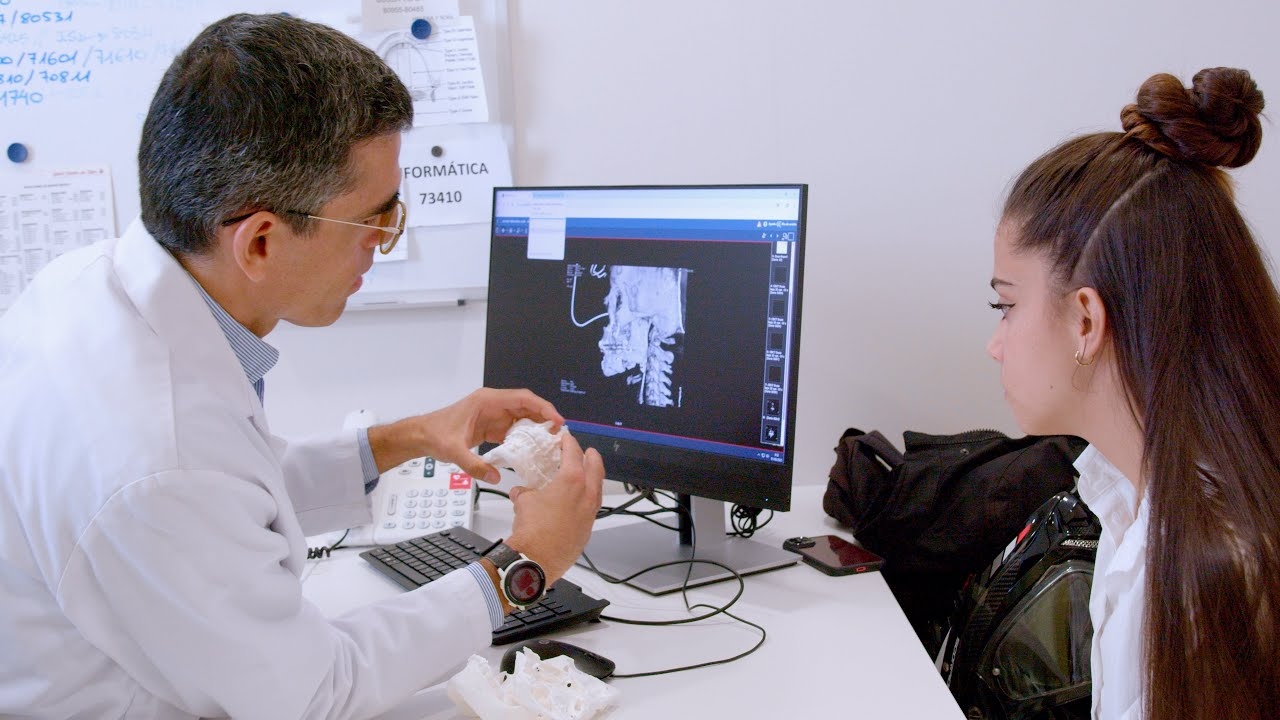
Surgeons utilize 3D-printed anatomical models for over 200 complex surgeries annually to improve precision and reduce time spent inside the operating theater.
200,000 Annual Consultations
The clinic handles more than 200,000 outpatient appointments per year, ensuring highly specialized monitoring for children with chronic and complex medical conditions.
Advanced Precision Neonatology
Sant Joan de Déu Barcelona Hospital manages over 7,000 births annually through its BCNatal program, which leads the world in integrated maternal-fetal research and high-risk pregnancy management.
Multimodal Brain Monitoring
As a global pioneer, the clinic uses real-time multimodal brain monitoring during cardiac surgery to eliminate nerve damage and central nervous system complications in infants.
About the clinic
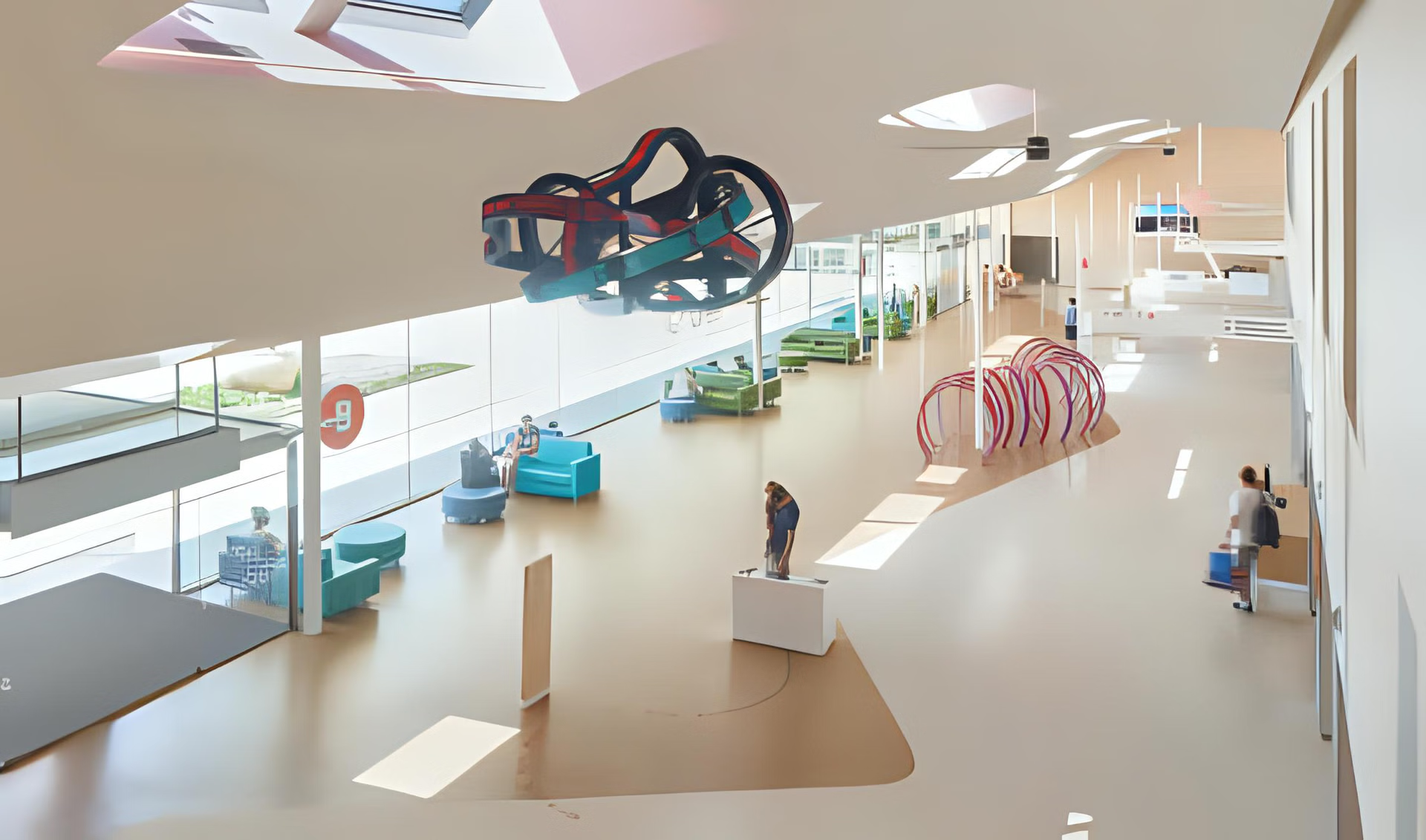
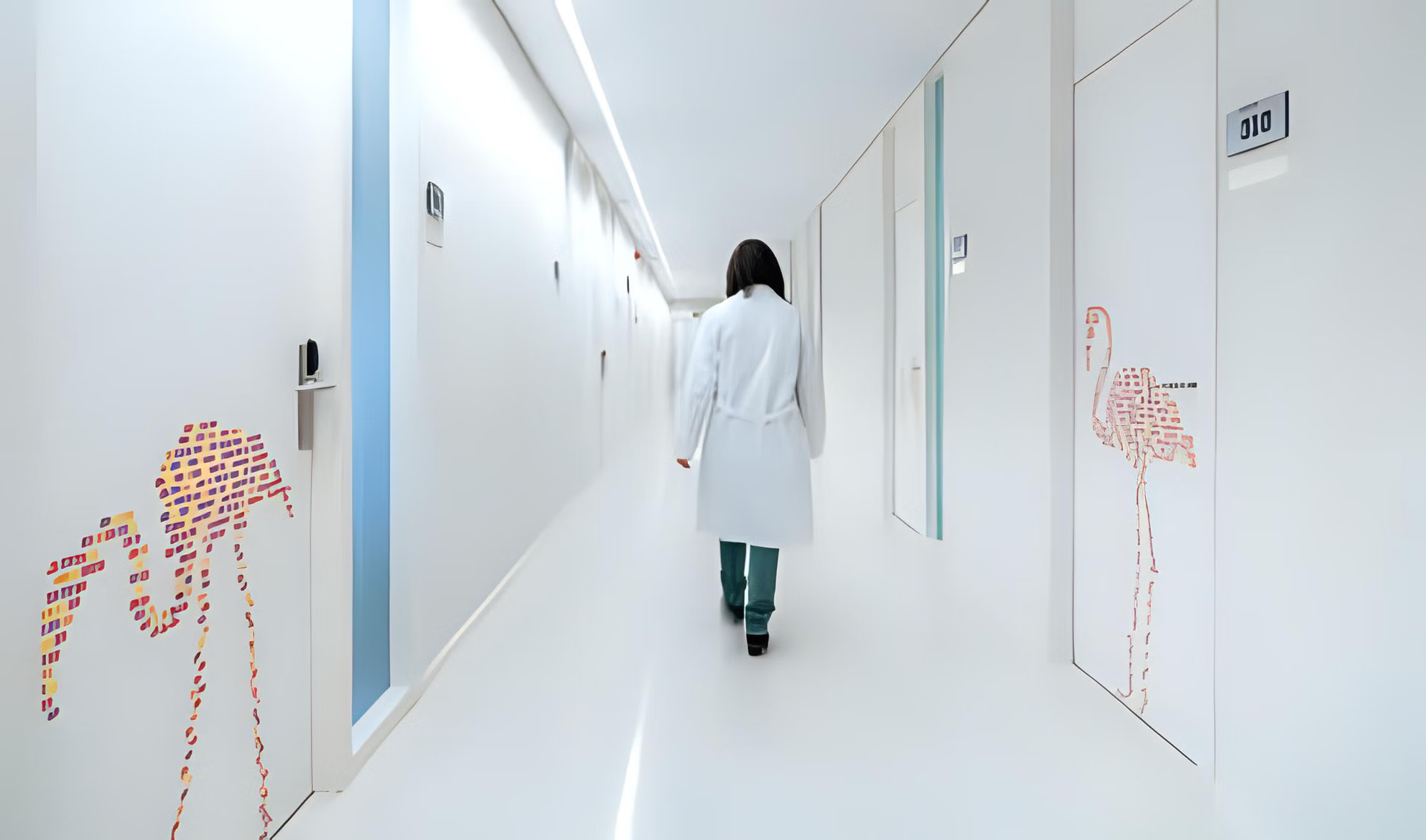
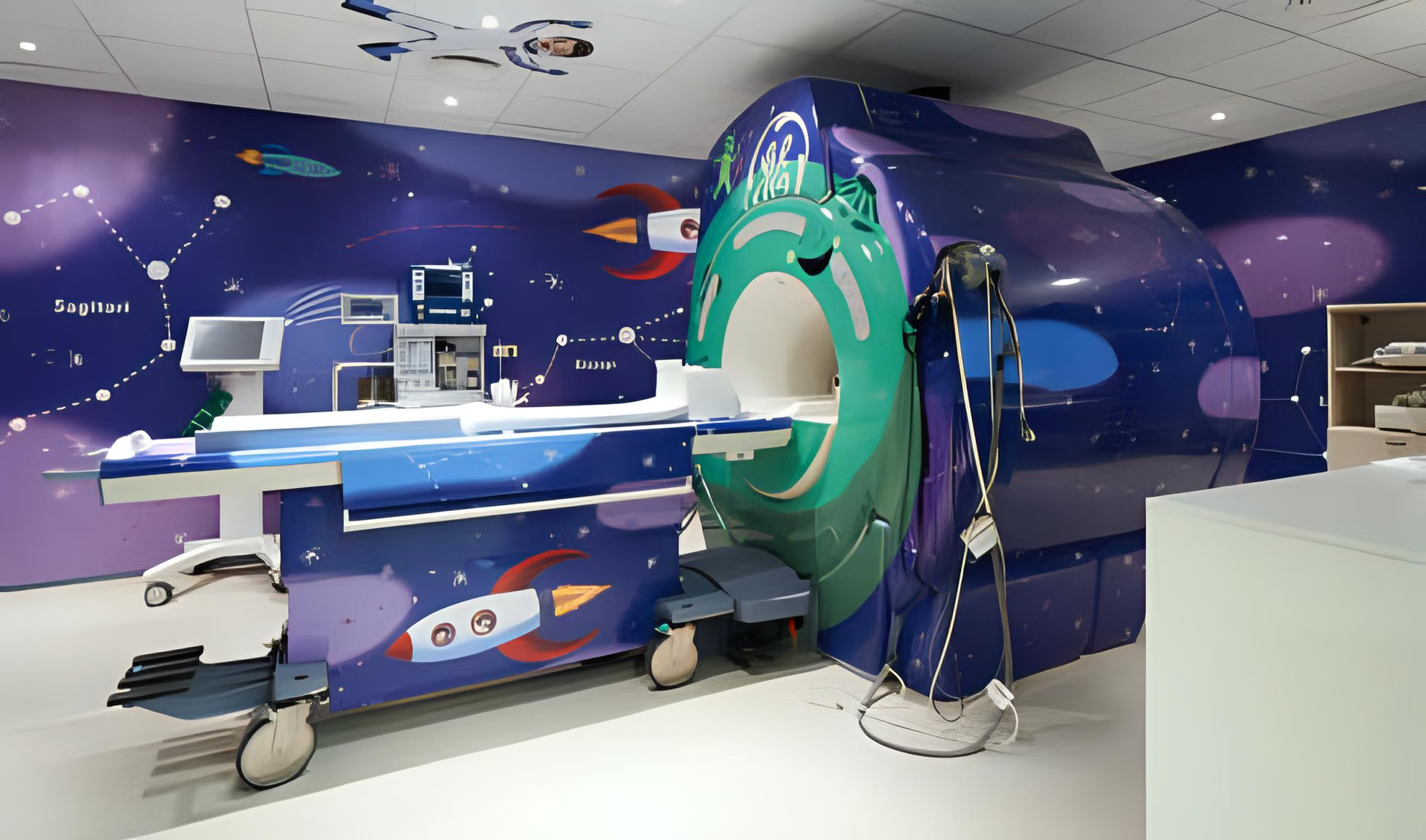
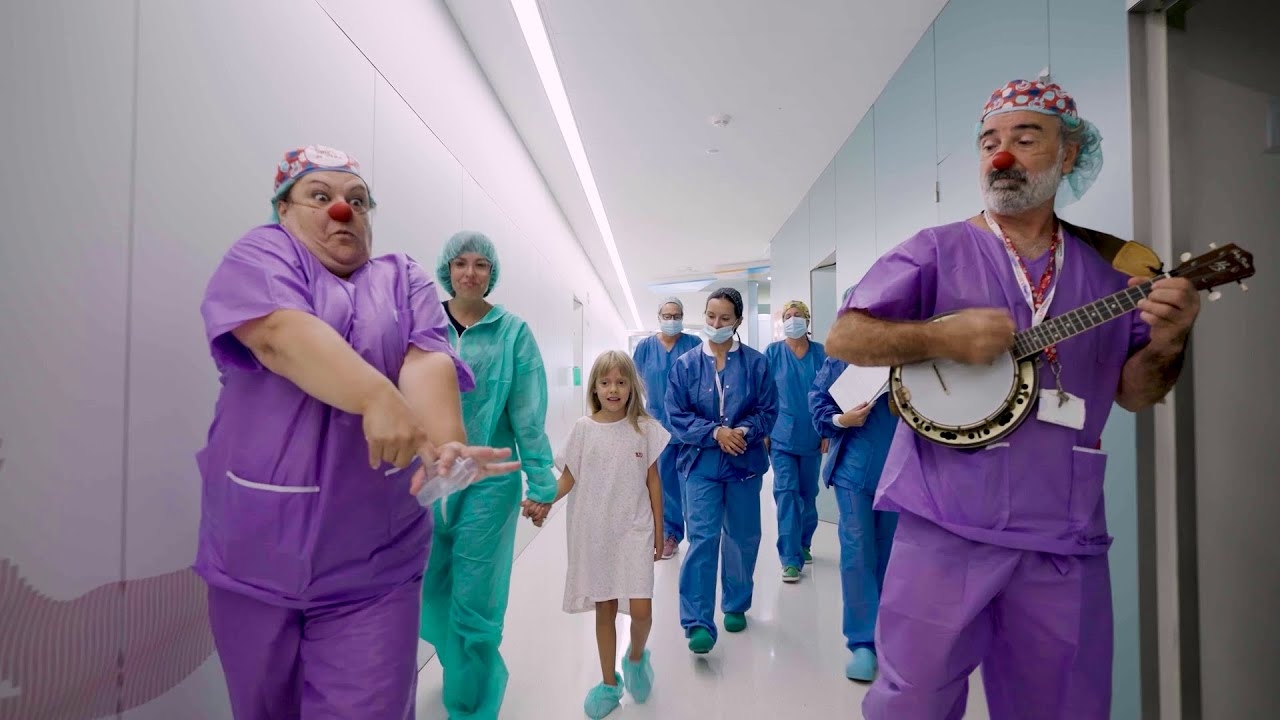
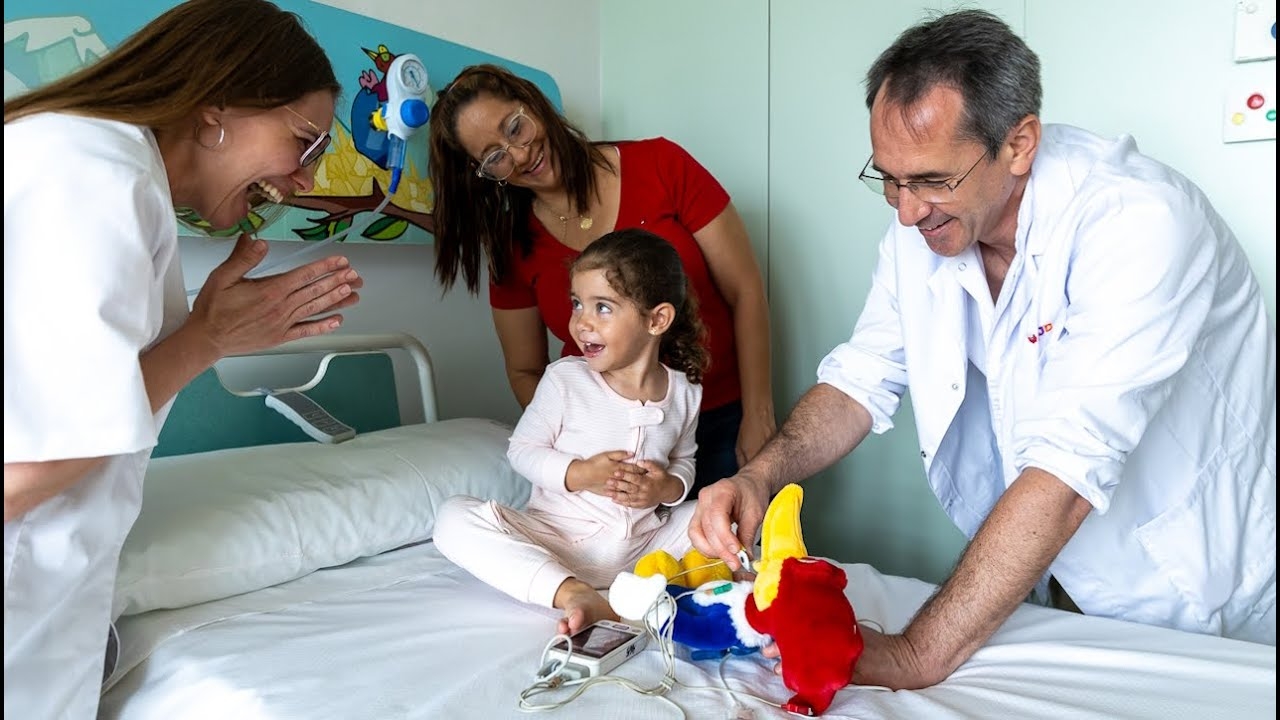
Located on the sun-drenched slopes overlooking the Mediterranean, Sant Joan de Déu Barcelona Hospital (SJD) functions as a world-leading epicenter for maternal, neonatal, and pediatric medicine. Unlike traditional multi-specialty hospitals that treat children as smaller versions of adults, this institution is built upon the foundational belief that children require a completely distinct biological, psychological, and architectural universe. As a primary teaching hospital for the University of Barcelona, it has evolved into a global liquid hospital, a concept where clinical care transcends the physical walls of the building through advanced digital connectivity, while simultaneously providing a high-touch, humanized environment that prioritizes the emotional well-being of the family unit. The clinic opened in 1867 and provided services for the most complex pediatric cases and for the primary care of children and pregnant women. Also, the university pediatric hospital conducts the most pediatric clinical research in Spain. The medical center collaborates with the Institute of Neuromedicine, the Institute of Biomedicine of the University of Barcelona, and the Center of Engineering Biomedicine of the Polytechnic University. All parts of this cooperation are focal points at various stages of biomarker, treatment, and drug research and development, covering the entire research process. As a result, the hospital has numerous awards and accreditations for high-quality medical discoveries. The clinical core of SJD is anchored by the SJD Pediatric Cancer Center Barcelona, one of the most significant and specialized pediatric oncology projects in Europe. Within this facility, the fight against childhood cancer is waged with the precision of genomic medicine and the power of advanced immunotherapy. Because the hospital focuses exclusively on young patients, its research focuses on the unique molecular signatures of pediatric tumors, which often differ significantly from those of adult malignancies. This specialization extends into the realm of rare diseases; with over 10,000 patients treated annually for orphan conditions, teh clinic serves as a vital international hub where the rarest genetic anomalies are diagnosed and managed by multidisciplinary teams who view every case as a unique scientific frontier. Technological sophistication at Sant Joan de Déu Hospital is uniquely adapted to the delicate scale of childhood. The hospital’s "Cortex" functions as a NASA-style digital command center, utilizing real-time big data and artificial intelligence to monitor patient vitals, manage hospital flow, and predict clinical complications before they manifest. In operating theaters, the integration of 3D printing technology enables surgeons to create anatomical replicas of a child’s heart or bone structure, allowing them to rehearse complex procedures on a bespoke model before the first incision. This high-tech infrastructure is further complemented by the BCNatal center, a world-class unit for fetal medicine where life-saving interventions are performed on patients while they are still in the womb, representing the absolute vanguard of prenatal surgery and neonatal intensive care. The clinic is a pioneer in fetal surgery and has one of the world's most complete experiences in this field. The Barcelona Children's Hospital is the first center in Europe to test treatments for Duchenne muscular dystrophy, transplant two kidneys from the same donor to two identical twin children, and implant a bionic arm into a child. Real international stars work in the hospital. One of them is Brugada, who described the heart syndrome of the same name. His experience has made him a world leader in radiofrequency ablation, having performed more than 30,000 such procedures with outstanding results. The hallmark of the Sant Joan de Déu experience, however, is its radical commitment to humanizing care. The hospital environment is a masterclass in child-friendly design, featuring interactive installations, animal-assisted therapy dogs that accompany children to the doors of the operating room, and a permanent staff of therapeutic clowns and music therapists. These are not merely distractions; they are clinical tools used to lower cortisol levels and minimize the trauma of hospitalization. By ensuring that a child remains a child even as a patient, the hospital fosters a resilience essential to recovery.
pediatric thoracic and digestive surgery, minimally invasive surgery
Gallery
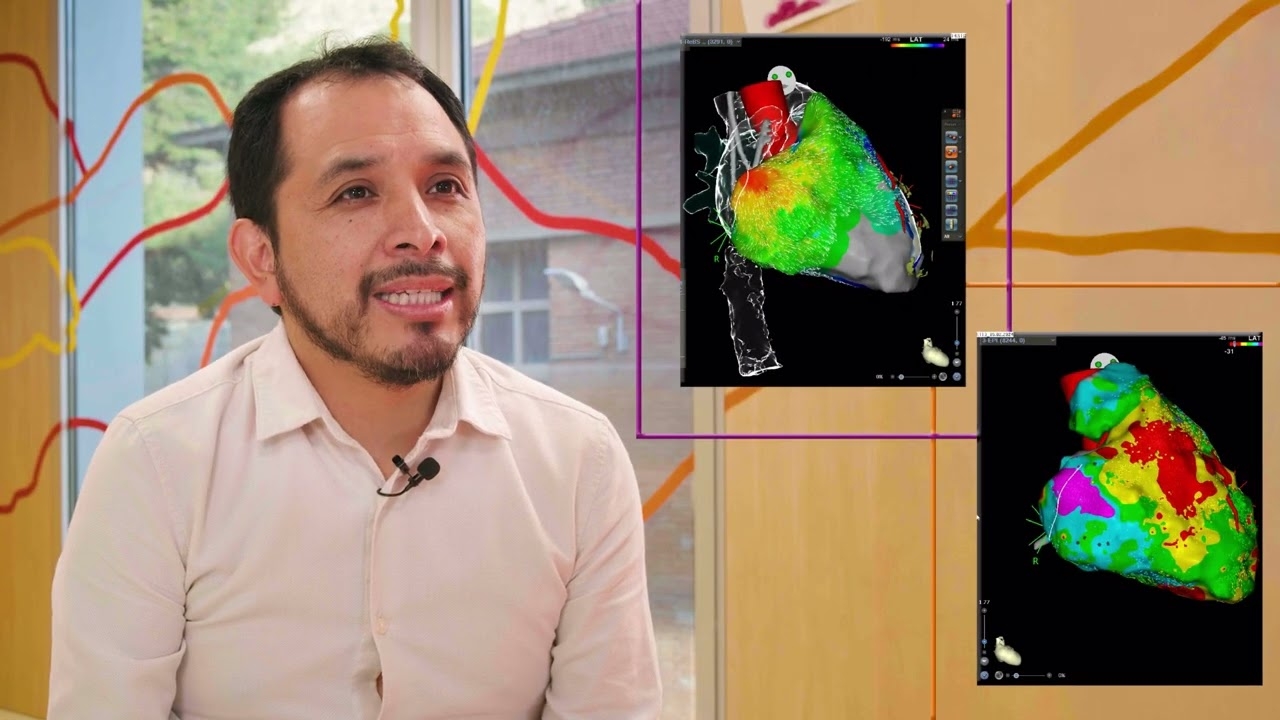
New ablation techniques to treat cardiac arrhythmias in pediatrics
2026-04-24T19:30:34.000Z
New ablation techniques to treat cardiac arrhythmias in pediatrics
Surgical approach to anorectal malformation in pediatrics
2026-04-24T19:30:24.000Z
Surgical approach to anorectal malformation in pediatrics
Innovation with purpose: SJD Barcelona Children's Hospital
2026-04-24T19:30:12.000Z
Innovation with purpose: SJD Barcelona Children's Hospital
The SJD 3D Unit, the first of its kind in Spain, affirms its position after 10 years of work
2026-04-24T19:29:59.000Z
The SJD 3D Unit, the first of its kind in Spain, affirms its position after 10 years of work
SJD Barcelona Children's Hospital: we cure and care for patients from all over the world
2026-04-24T19:27:39.000Z
SJD Barcelona Children's Hospital: we cure and care for patients from all over the world
2026-04-24T19:23:40.000Z
2026-04-24T19:23:40.000Z
2026-04-24T19:23:40.000Z
2026-04-24T19:23:40.000Z
2026-04-24T19:23:40.000Z
2026-04-24T19:23:39.000Z
2026-04-24T19:23:39.000Z
New ablation techniques to treat cardiac arrhythmias in pediatrics
2026-04-24T19:30:34.000Z
New ablation techniques to treat cardiac arrhythmias in pediatrics
Surgical approach to anorectal malformation in pediatrics
2026-04-24T19:30:24.000Z
Surgical approach to anorectal malformation in pediatrics
Innovation with purpose: SJD Barcelona Children's Hospital
2026-04-24T19:30:12.000Z
Innovation with purpose: SJD Barcelona Children's Hospital
The SJD 3D Unit, the first of its kind in Spain, affirms its position after 10 years of work
2026-04-24T19:29:59.000Z
The SJD 3D Unit, the first of its kind in Spain, affirms its position after 10 years of work
SJD Barcelona Children's Hospital: we cure and care for patients from all over the world
2026-04-24T19:27:39.000Z
SJD Barcelona Children's Hospital: we cure and care for patients from all over the world
Update on the treatment of patients with AF
2023-10-01T17:04:06.000Z
Update on the treatment of patients with AF
Extra services
Language Assistance
Visa Support
Telemedicine
Travel Assistance
Stay Arrangements
Parking Space
24/7 medical assistance
Clinic Coordinator
Pastoral Care
Post-Travel Follow-up
Intensive Care Unit
On-Site Pharmacy
Cafeteria
Kids' Play Zone
ATM / Banking
Accessibility Features
Support Groups
Home Care
Digital Health Records
Location
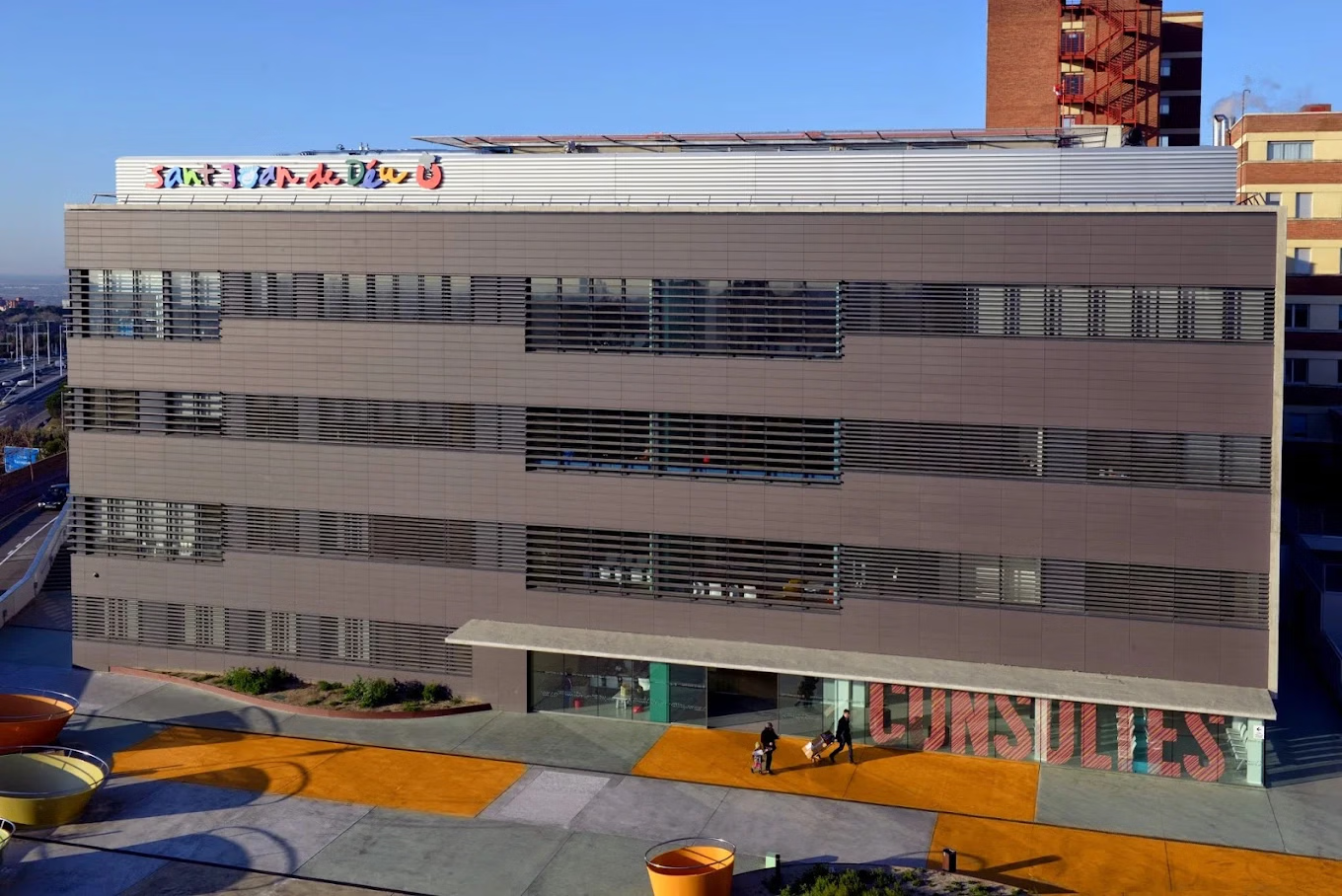
Pg. de Sant Joan de Déu, 2, 08950 Esplugues de Llobregat, Barcelona, Spain
FAQ
Is pediatric neuroblastoma therapy available at Sant Joan de Déu Barcelona Hospital?
The clinic offers the most modern treatment of pediatric neuroblastoma in the country. By investigating anti-GD2 antibody immunotherapy in high-risk patients, an incredible success rate of over 90% was achieved without requiring further transplantation or high-dose chemotherapy.
Should I choose the clinic for the treatment of intrauterine diseases?
Real surgical geniuses have developed a unique 3D mapping of a placenta using ultrasound and MRI to determine the best access to the fetus. Thanks to the endoscope and 3D navigation, doctors can perform effective operations on the fetus without the risk of terminating the pregnancy.
What is the success rate of bone marrow transplants in kids at the hospital?
The clinic offers various types of transplantation with a high level of success: almost 100% survival rate for autologous transplants or from a related donor, and 70-80% for transplants from an unrelated donor. Such indicators are higher than international ones and attest to high professionalism.
Can I apply for surgical treatment of epilepsy?
The hospital provides a broad range of surgical services, including functional neuroimaging and the placement of intracranial electrodes. Doctors perform focal removal, parietal-temporal-occipital hemispherectomy, callosotomy, laser ablation, and vagus stimulation without unnecessary trauma and minor complications.
What is the focus of the SJD Pediatric Cancer Center Barcelona (PCCB)?
The PCCB is a monographic center dedicated exclusively to developmental cancer, offering advanced treatments like CAR-T cell therapy and oncolytic viruses for pediatric tumors. It integrates molecular oncology labs to deliver personalized therapies based on each child’s tumor's specific genetic signature.
How does the hospital manage highly complex rare diseases?
Through the Únicas Network, the hospital leads an ecosystem of 30 Spanish hospitals that share data and genomic diagnostic tools to ensure every child receives expert care regardless of their location. We also house the Pediatric Institute for Rare Diseases, which coordinates multidisciplinary teams and case managers for families.
What technologies are used in the hospital’s 3D printing and planning unit?
Our 3D Unit uses additive manufacturing to create anatomical prototypes and surgical guides, allowing surgeons to practice complex procedures, such as scoliosis surgery or tumor removals, before entering the operating room. This technology has successfully reduced the duration of certain complex surgeries by over 50%.
Is fetal surgery performed at the clinic?
Yes, through BCNatal, our specialists perform highly advanced intrauterine surgeries to treat conditions like spina bifida, congenital diaphragmatic hernia, and twin-to-twin transfusion syndrome. This allows us to treat the fetus as a patient, correcting life-threatening malformations before the baby is even born.
What is the CORTEX control center?
CORTEX is a pioneering hospital control center that leverages Big Data and AI to monitor patient safety and hospital operations in real time. It enables our medical teams to predict clinical deteriorations and optimize the flow of critical care resources across all pediatric wards.
Are there specialized facilities for children with complex chronic illnesses?
La Casa de Sofia is Spain’s first social-healthcare facility designed specifically for children with complex chronic conditions or those requiring palliative care. It serves as a bridge between the hospital and home, providing families with the training and support needed to manage medical technologies such as mechanical ventilation.
How does the liquid hospital concept improve patient care?
The liquid hospital is a digital health initiative that extends care beyond our walls through telemedicine, mobile apps, and online communities for patients and their families. This ensures continuous medical monitoring and support for chronic patients without the need for frequent physical visits.
Does the clinic offer specialized care for extremely premature babies?
Our neonatology unit features a high-complexity unit with over 2,000 square meters of space designed to facilitate family-centered care for newborns as small as 500 grams. We utilize advanced life-support technology and private cubicles that allow parents to stay with their babies 24/7 during their recovery.
What is the rating of the clinic?
Sant Joan de Déu Barcelona Hospital is rated as 9.90 by AiroMedical.
What do patients say about Sant Joan de Déu Barcelona Hospital?
The clinic has 2,131 feedbacks at other places. The UserScore of the hospital is 97%.
What is the primary focus of the hospital?
The medical center is an expert at children, ablation, fibrillation, atrial fibrillation, and pediatric.