Logo image

University Hospital Magdeburg

University Hospital Magdeburg
9.80

Magdeburg, Germany

16
User ScoreTotal ReviewsRatingPrice RangeMedia FilesCertificatesFounded InBedsPatientsDepartmentsOwnershipClinical trialsIs University HospitalAge GroupClinic TypeType of CareSizeOnline Consultations
95%6559.8/10$$$16401891113029500029 medical unitsState hospitalConduct clinical trialsYesKids, AdultsGeneralInpatient, OutpatientLargeYes

Overview

Size & Capacity

Large, 1,130 beds

Clinic type

General

Type of care

Inpatient, Outpatient

Age group

Kids, Adults

3.0 on Google

The data collected based on 655 patient reviews on Google

Certificates

Features & Facts

Pioneering Center for Brain Health
Launched in 2026, the interdisciplinary Center for Brain Health integrates the largest memory clinic in Saxony-Anhalt with the DZNE to provide elite early detection and antibody therapies for Alzheimer’s and Parkinson’s.

National Immunotherapy Leader
The newly established Magdeburg department for cell and immunotherapies leads in CAR-T cell applications, famously achieving an international breakthrough by treating therapy-resistant autoimmune diseases.
Advanced Robotic Neurosurgery
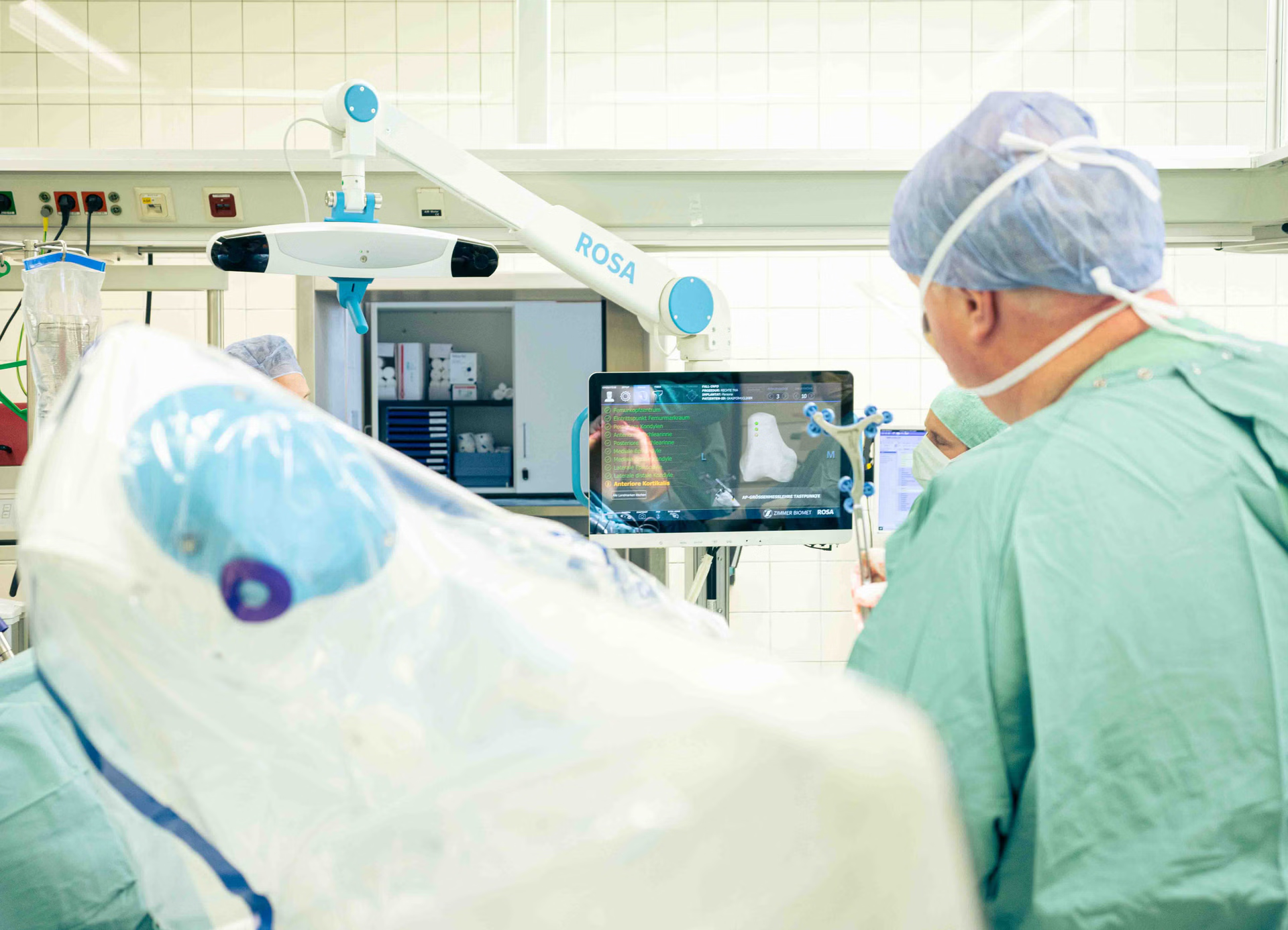
The clinic utilizes next-generation surgical robots for brain and spinal cord operations, achieving sub-millimeter precision in biopsies and tumor resections through real-time integration with high-field MRI imaging.
Innovation in Sepsis Care
The hospital will co-lead the €7.5 million "optiSEP" project, using Next-Generation Sequencing (NGS) and AI-driven data to identify life-threatening pathogens significantly faster than traditional culture methods.
Bionic Exoskeleton Integration
UMMD is a primary test site for BionicBack passive exoskeletons, which reduce lumbar strain by up to 20% during patient transfers for medical staff, thereby significantly decreasing musculoskeletal fatigue in daily clinical work.

About the clinic

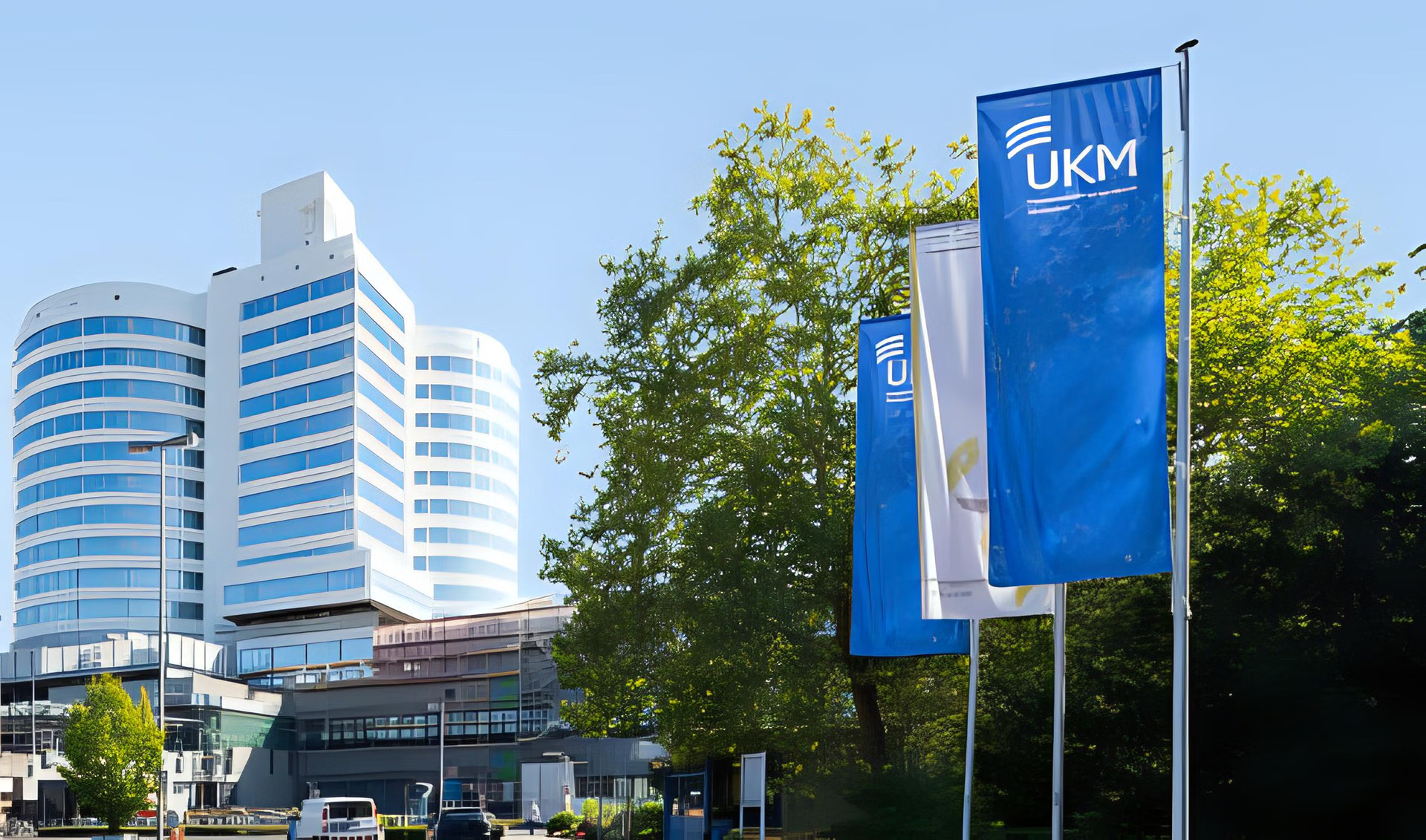
University Hospital Magdeburg is a premier center of medical excellence and the largest maximum-care provider in northern Saxony-Anhalt. Established in 1891, the institution forms a powerful synergy with the Medical Faculty of the Otto von Guericke University, creating a university medical center where high-end patient care, academic education, and groundbreaking research are inextricably linked. As a regional healthcare anchor, the hospital manages an extensive volume of both inpatient and outpatient cases annually, supported by a dedicated workforce of over 4,100 professionals. The hospital is internationally recognized as a global leader in neuroscience and immunology. In close collaboration with the Leibniz Institute for Neurobiology, Magdeburg has evolved into a top-tier hub for brain research and the study of molecular inflammation. This commitment to innovation was solidified by the opening of a unique European scientific center for applied brain research and medical technology. Notably, the clinic was the first in Europe to install a 7-Tesla magnetic resonance tomograph, a high-field imaging system that provides unparalleled insights into the human body. This technological edge allows the medical team to maintain a world-class focus on neurodegenerative diseases, particularly dementia and systems biology. In 2007, the institution’s excellence in immunological and cell biology research earned it the prestigious designation as one of only four national centers for systems biology. This research-driven approach ensures that patients, both adults and children, benefit from the most advanced diagnostic protocols and experimental therapies. The clinical philosophy at University Hospital Magdeburg prioritizes personalized medicine; specialists consistently favor conservative treatment paths whenever possible, transitioning to surgical intervention only when necessary. When surgery is required, the teams employ "sparing" minimally invasive techniques to reduce recovery times and maximize patient safety. By training over 1,000 future physicians annually and maintaining a constant flow of innovation from the laboratory to the bedside, University Hospital Magdeburg remains a benchmark for professional competence and human-centered medical progress. The medical spectrum is exceptionally comprehensive, with over 25 specialized departments. These include high-performance units for general, abdominal, vascular, and transplant surgery, as well as elite centers for cardiology, cardiac surgery, and orthopedics. The facility also offers specialized expertise in gynecology and obstetrics, ophthalmology, otorhinolaryngology, and plastic and aesthetic surgery.

Primary focus

cancer
carcinoma
brain
surgery
prostate
liver
children
prostate cancer
tumor
schizophrenia
hepatocellular carcinoma
kidney
infection
breast
metastases
brachytherapy
artery
inflammation
thyroid
cell carcinoma
breast cancer
sclerosis
stroke
muscle
deep brain stimulation
radioembolization
leukemia
thrombectomy
lung
multiple sclerosis
renal cell
mutation
melanoma
noonan syndrome
arthroplasty
injury
lymphoblastic leukemia
hematology
aneurysm
depression
psychiatry
smooth muscle
nephropathy
hypertension
liver metastases
cardiology
transplantation
lesions
gene
mechanical thrombectomy
bone
parkinsons
neurosurgery
oncology
knee
glaucoma
mri
heart
neurons
ablation
mental
ischemic stroke
focal therapy
skin
vascular
thyroid cancer
skeletal muscle
fibrillation
bladder
asthma

Departments & Doctors

Ophthalmology
Otolaryngology, head, neck surgery
Dermatology
Prof. Dr. med. Thomas Tuting

skin and venereal diseases, allergology, dermatohistology

Gallery

Extra services

Visa Support
Telemedicine
Parking Space
24/7 medical assistance
Pastoral Care

Location

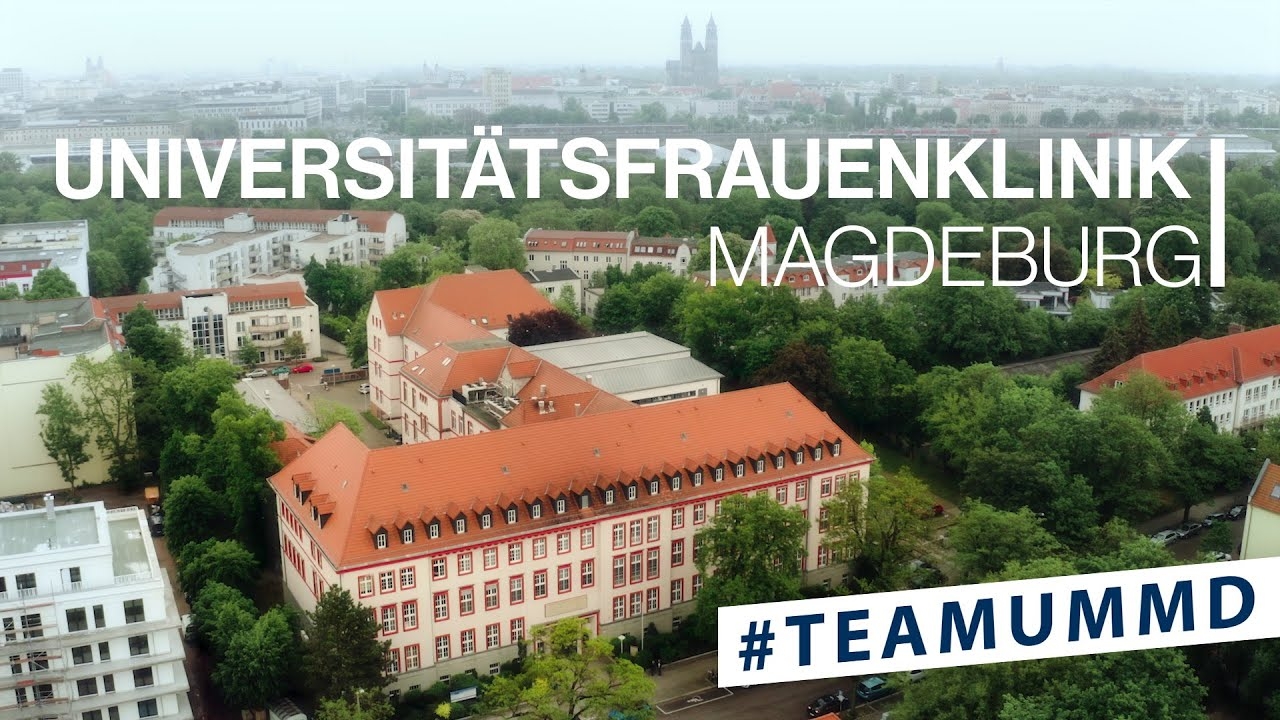
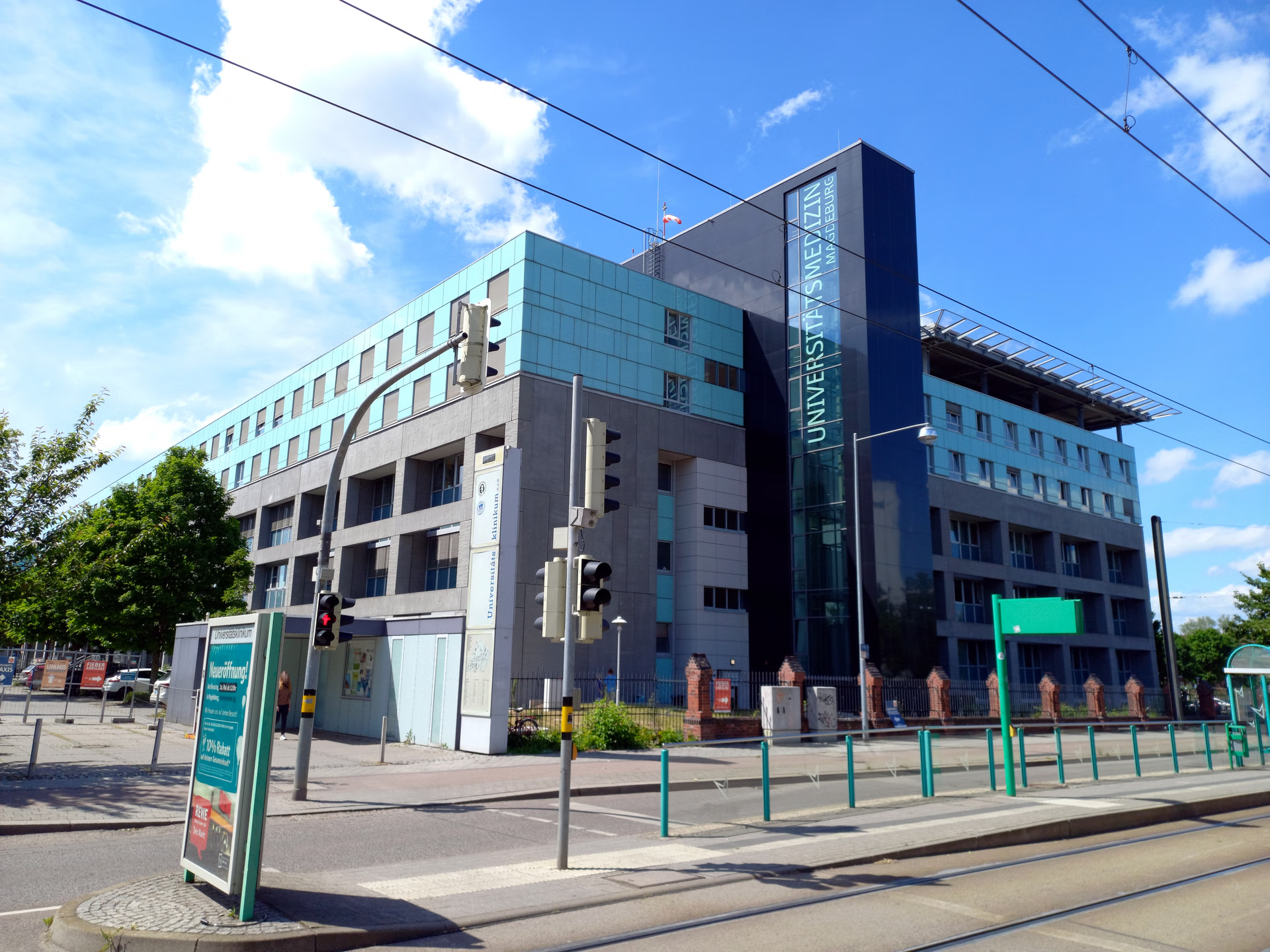
Leipziger Str. 44, 39120 Magdeburg, Germany

FAQ

What are the ​​treatment areas at University Hospital Magdeburg?

Molecular medicine of inflammation and neurodegenerative disorders is a focal point in the clinic and prevents extreme complications and the subsequent need for a severe cure. Innovative methods are quickly introduced into clinical practice through collaboration with research centers.

Is it considered suitable for surgical operations?

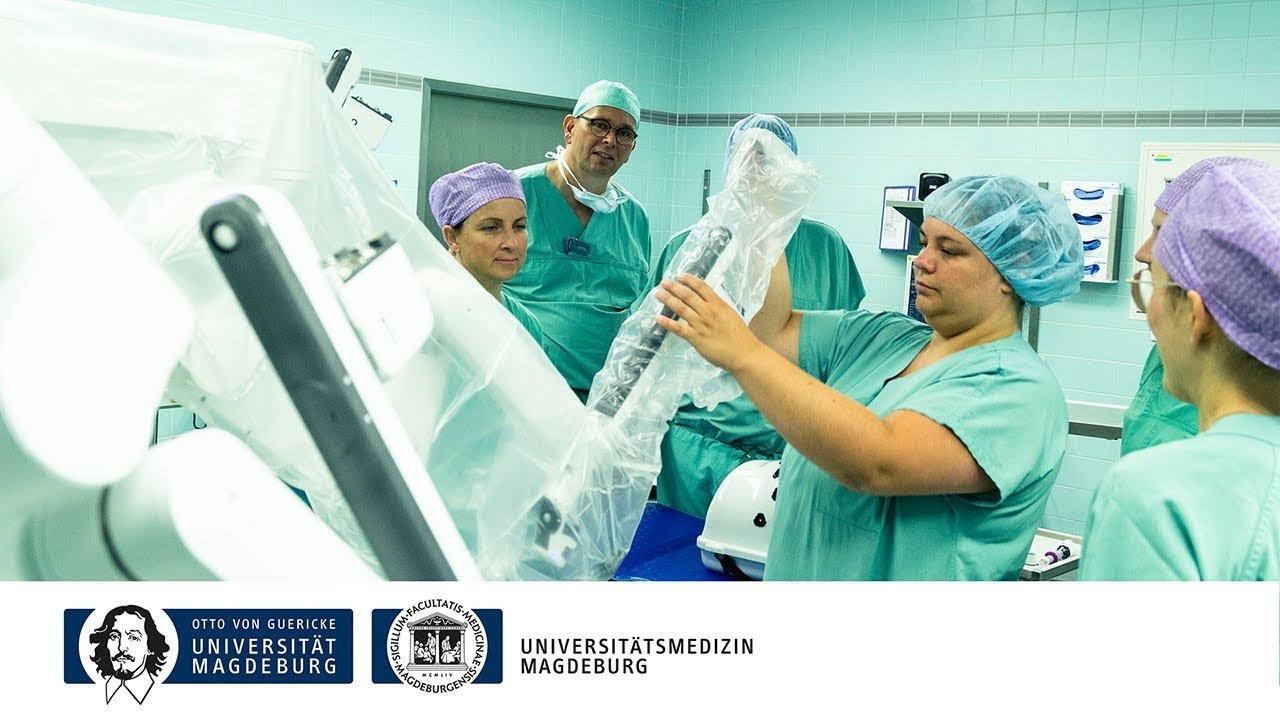
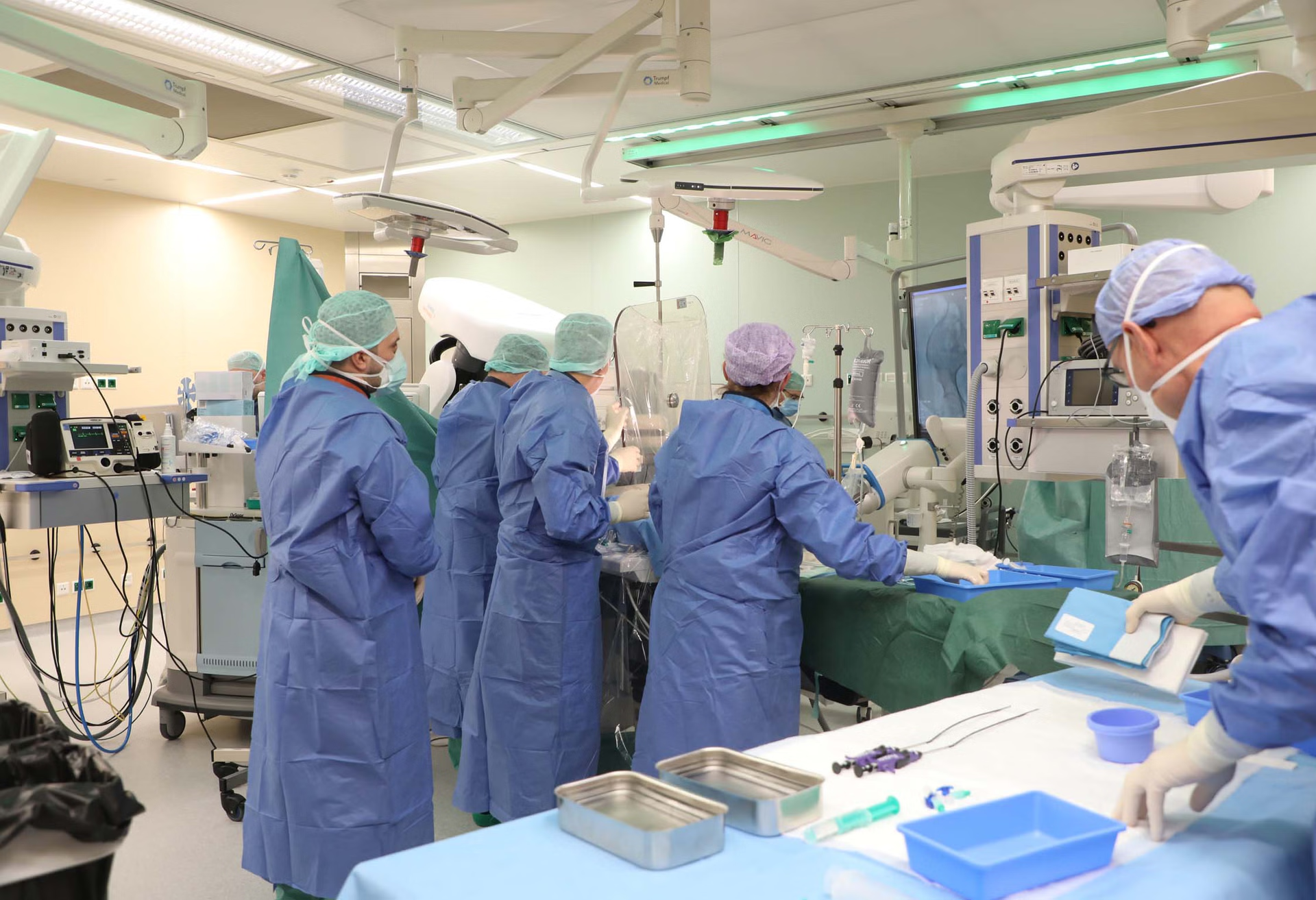
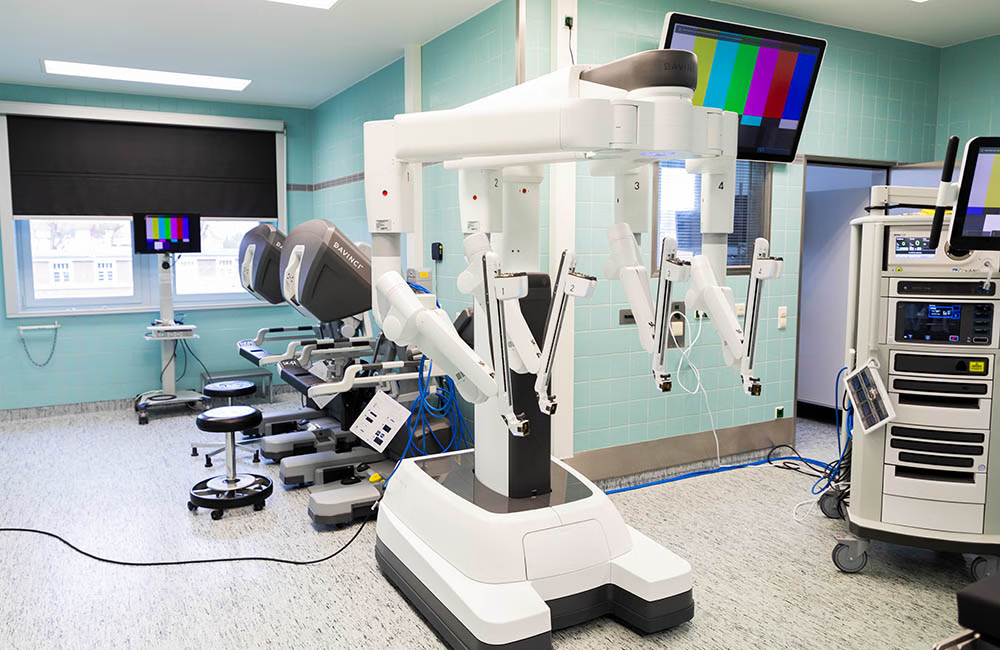
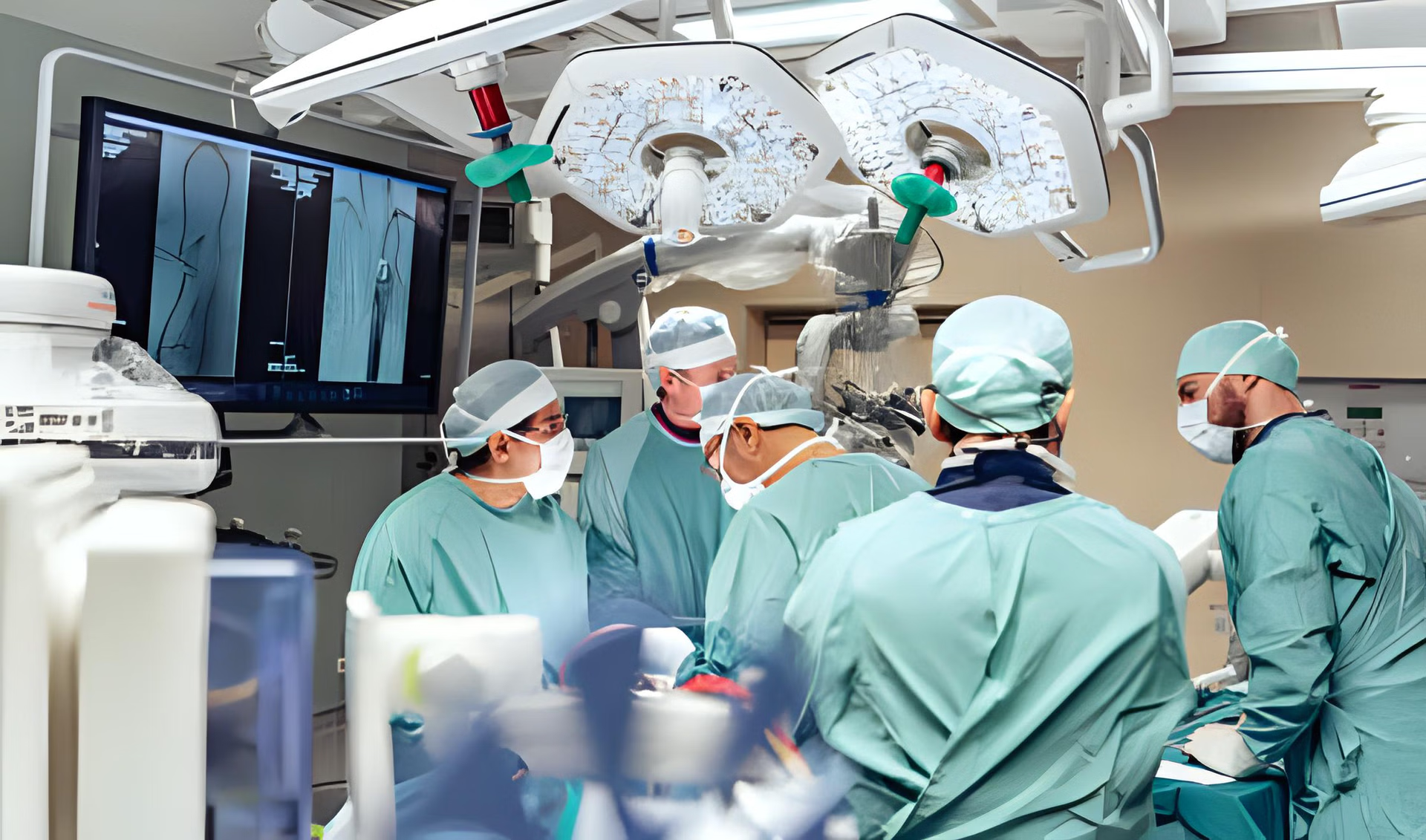
The hospital has a robotic center jointly managed by surgeons from the general and visceral surgery, urology, and gynecology departments. Three-dimensional images from the camera and high-precision surgical instruments make it even easier to perform complex operations on lung tumors or near the heart.

Does the medical center treat neurological diseases?

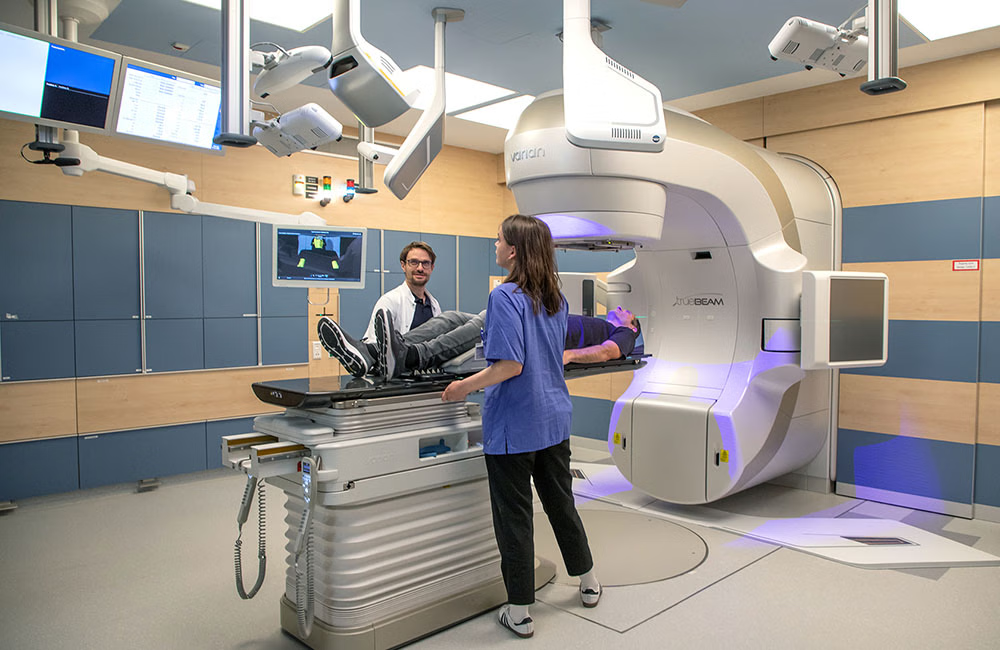
The neurosurgery department uses the minimally invasive surgery of stereotaxis, thanks to which it is possible to get every part of the brain with high precision, followed by high-dose radiation, and treat Parkinson's disease using brain stimulation with a high success rate.

What makes Magdeburg a European leader in Brain Health?

The hospital is a core part of a world-renowned neuroscience cluster. The newly established Center for Brain Health integrates the region's largest memory clinic with the German Center for Neurodegenerative Diseases. It specializes in early detection and experimental antibody therapies for Alzheimer’s and Parkinson’s, using advanced 7-Tesla MRI imaging, some of the most powerful diagnostic tools available globally.



How is the hospital advancing precision immunotherapy?

Magdeburg recently launched the Magdeburg unit for cell and immunotherapies. This center focuses on CAR-T cell therapy not just for cancer, but also for severe autoimmune and infectious diseases. This bench-to-bedside approach enables patients with previously untreatable conditions to access next-generation cell-based drugs that reprogram their own immune systems.

What advanced heart valve treatments are performed here?

The heart center is a high-volume site for transcatheter aortic valve implantation. The clinic has expanded its lifetime management protocol, which uses 3D simulators to plan valve replacements for younger, low-risk patients and the elderly. This ensures the chosen valve is optimized for the patient's long-term anatomy, reducing the need for future re-interventions.

How does the hospital utilize robotic surgery in urology?

The urology department uses the da Vinci Xi robotic system for high-precision tumor removal. A key specialty here is nerve-sparing radical prostatectomy and organ-preserving kidney surgery. The surgeons use 10x magnification and tremor-filtering technology to operate in millimeter-thin areas, significantly improving the preservation of urinary and sexual function.

What is the single-port technique used in general surgery?

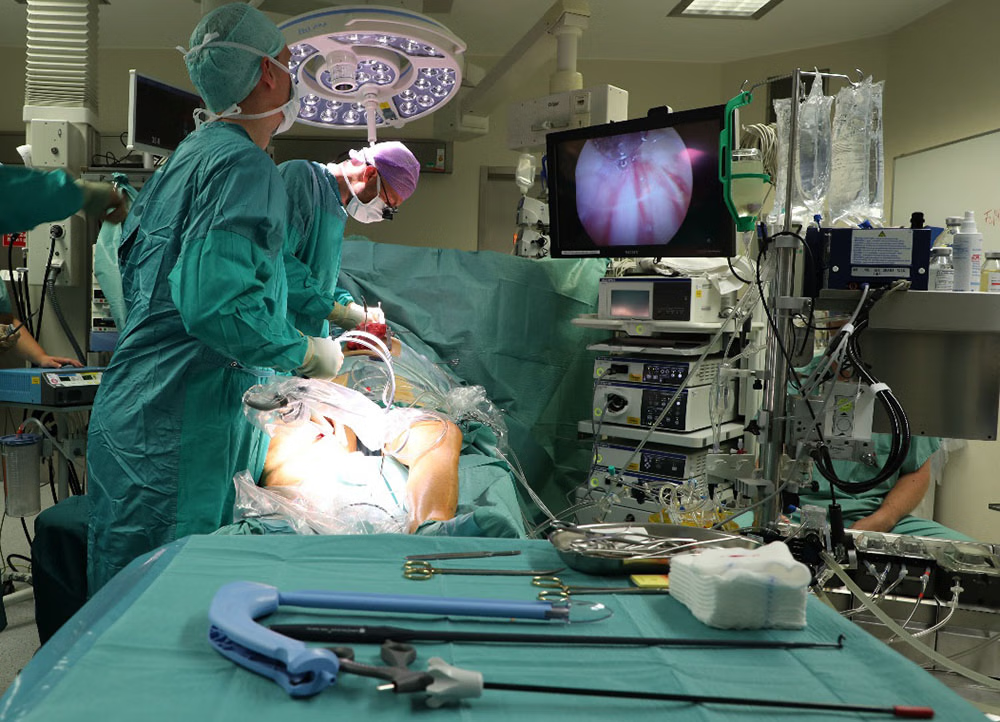
The clinic for visceral surgery is a pioneer in single-port laparoscopy. Unlike standard "keyhole" surgery that requires 3–5 incisions, surgeons can perform gallbladder or appendix removals through a single 2cm incision hidden inside the navel. This results in an almost invisible scar and a significantly faster return to daily activities.

Does the hospital have a specialized liver transplant program?

Yes. As part of the liver transplant center in central Germany, Magdeburg provides comprehensive care for acute and chronic liver failure. The team uses advanced ex vivo machine perfusion, which keeps donor livers "alive" and functioning outside the body. This allows doctors to assess and improve organ quality before transplantation, thereby improving long-term outcomes.

How is sepsis (blood poisoning) treated with new technology?

Magdeburg is a key partner in the optiSEP project, which uses next-generation sequencing for pathogen detection. Instead of waiting days for traditional methods, the test can identify bacterial or viral genetic material in hours. This allows for "ultra-fast" targeted antibiotic therapy, which is life-saving in critical intensive care scenarios.

What is the rating of the clinic?

University Hospital Magdeburg is rated as 9.80 by AiroMedical.

What do patients say about University Hospital Magdeburg?

The clinic has 655 feedbacks at other places. The UserScore of the hospital is 95%.

What is the primary focus of the hospital?

The medical center is an expert at cancer, carcinoma, brain, surgery, and prostate.

What is the overall experience of the facility?

University Hospital Magdeburg has been operating since 1891. It has accumulated over 135 years of clinical background.

Where can I see the hospital's work, interior space, and exterior?

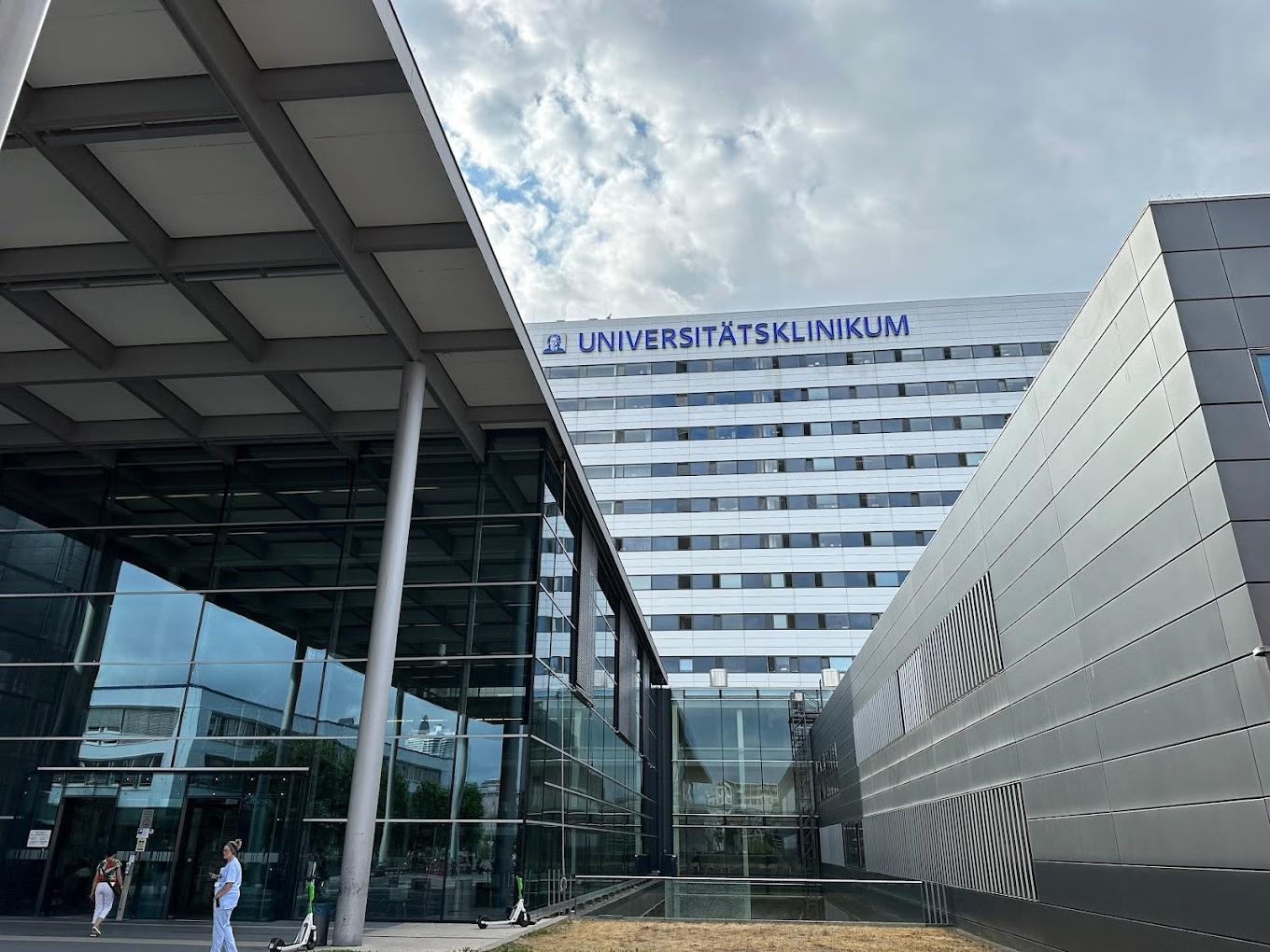
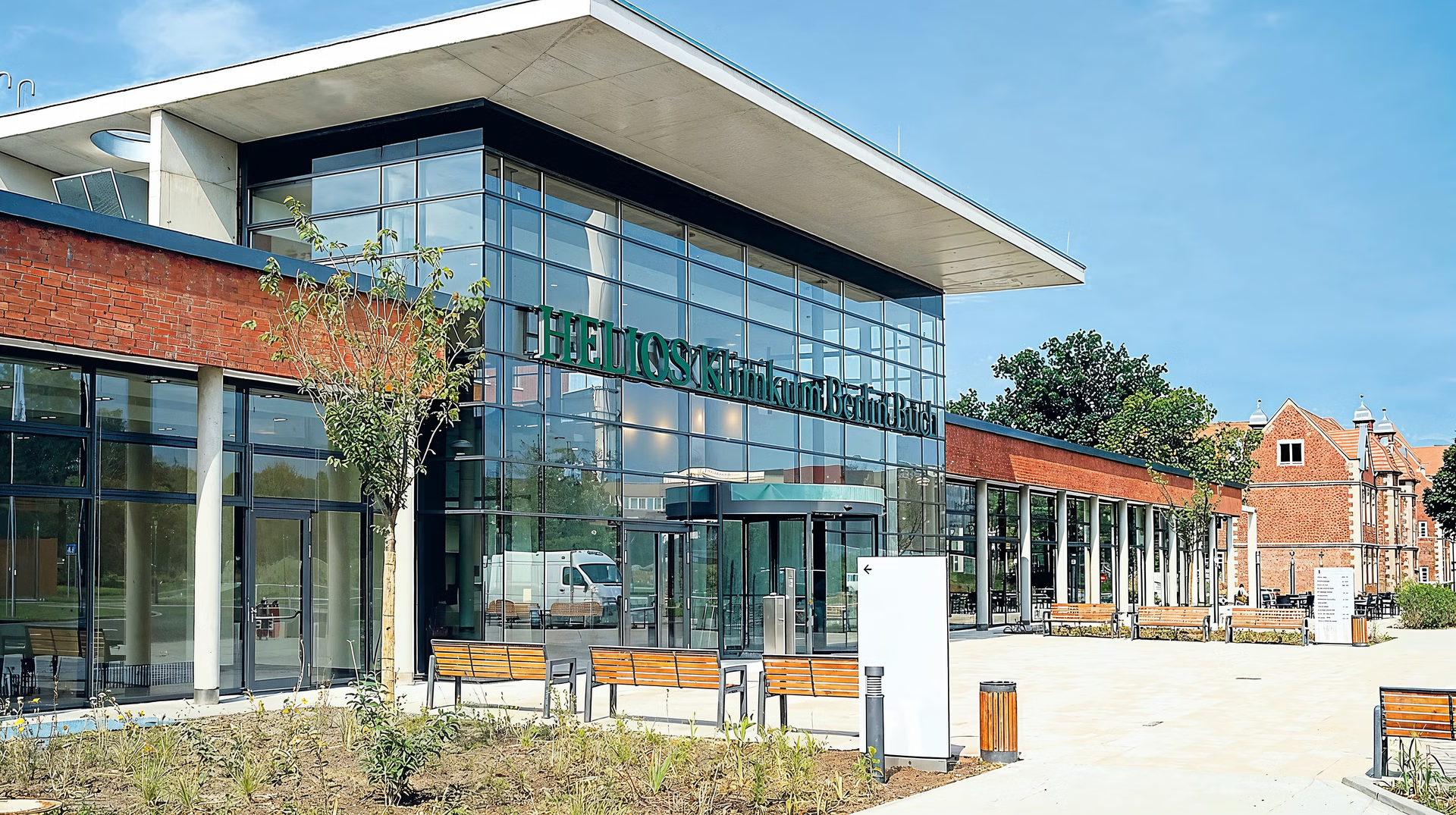
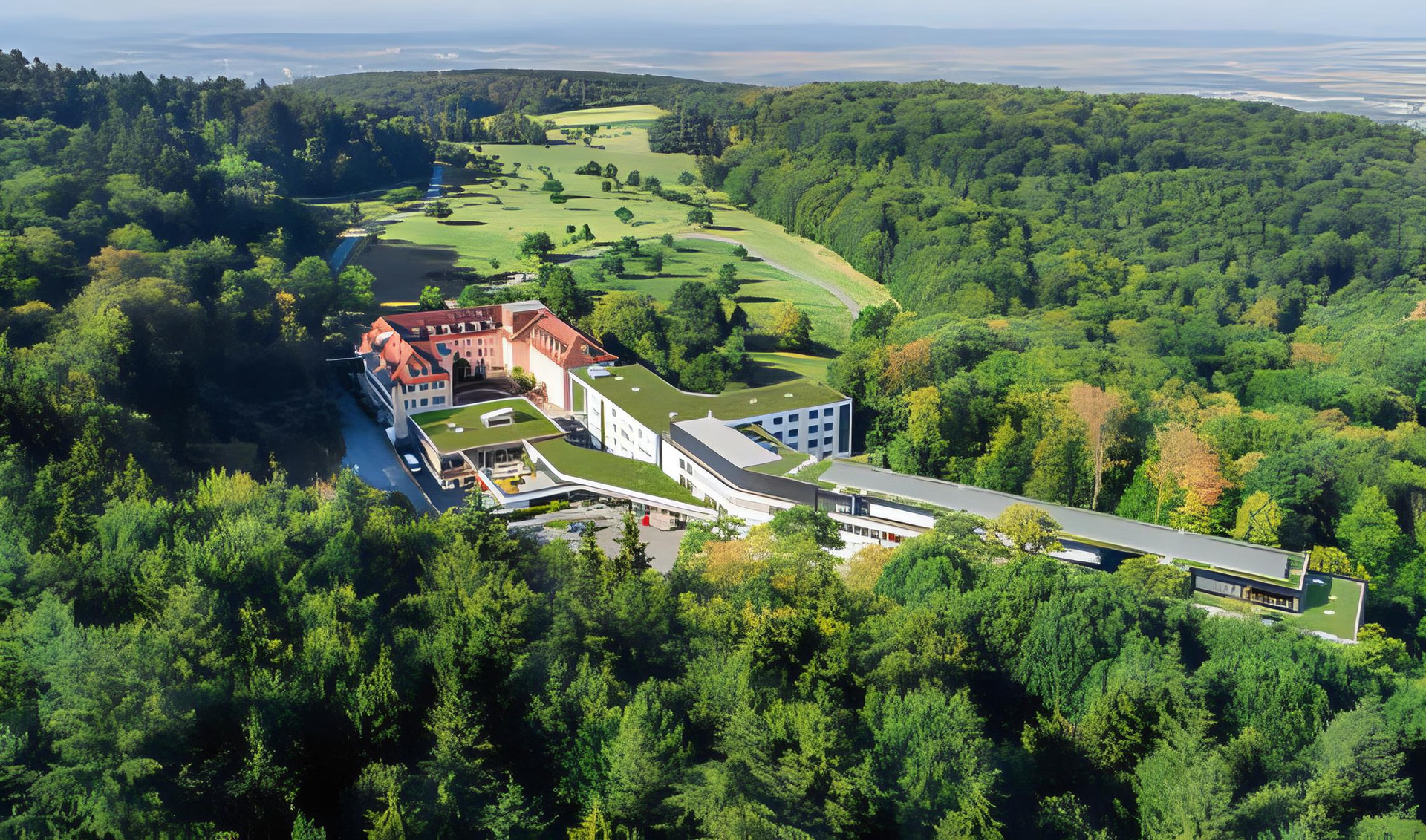
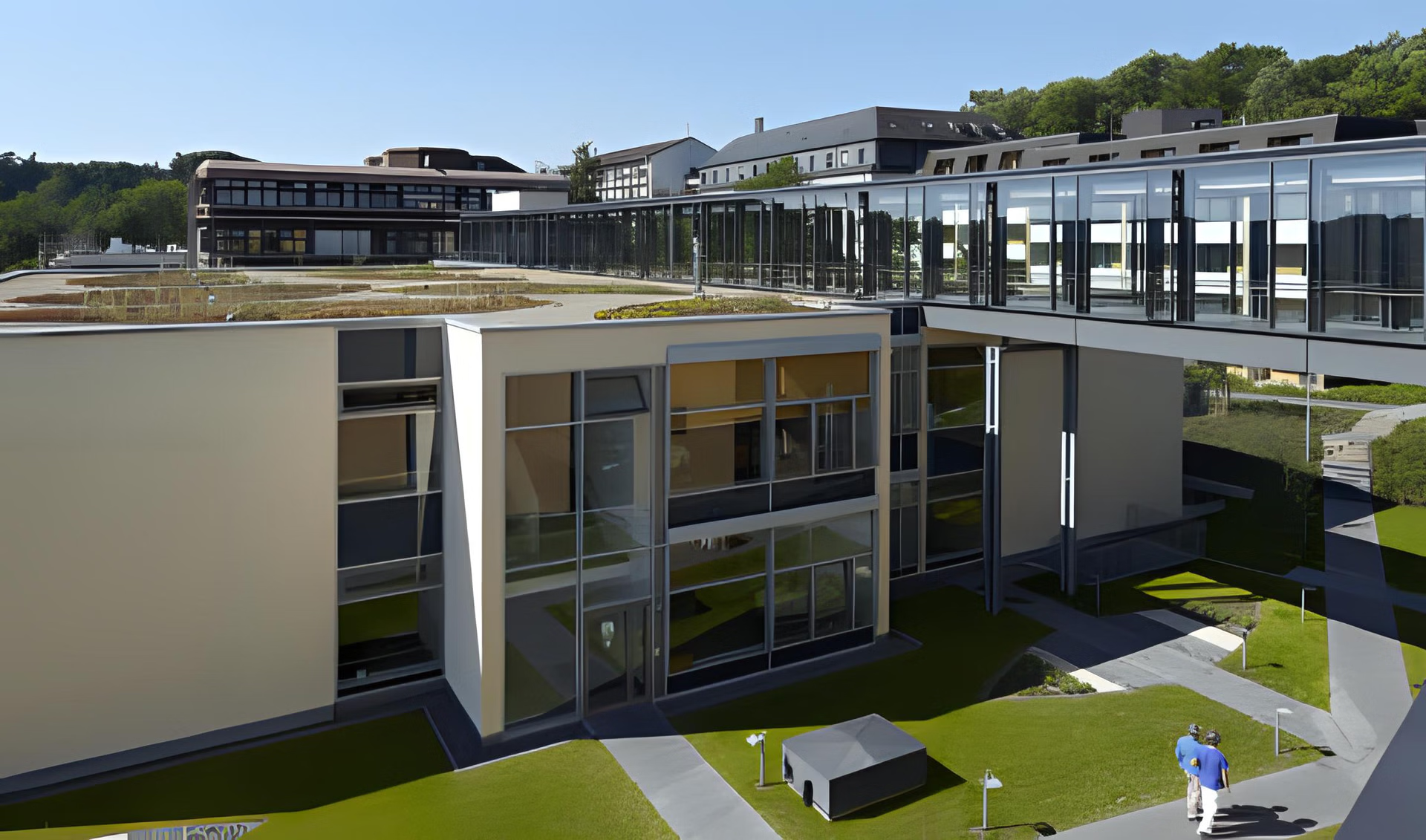
AiroMedical gallery has 14 photos & 2 videos related to University Hospital Magdeburg.

Does the clinic have certification or recognition?

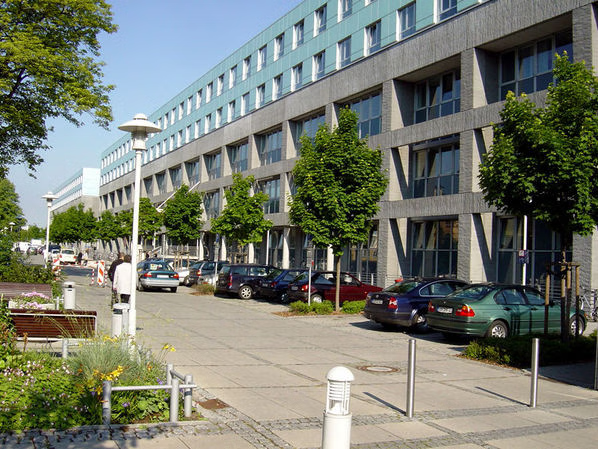
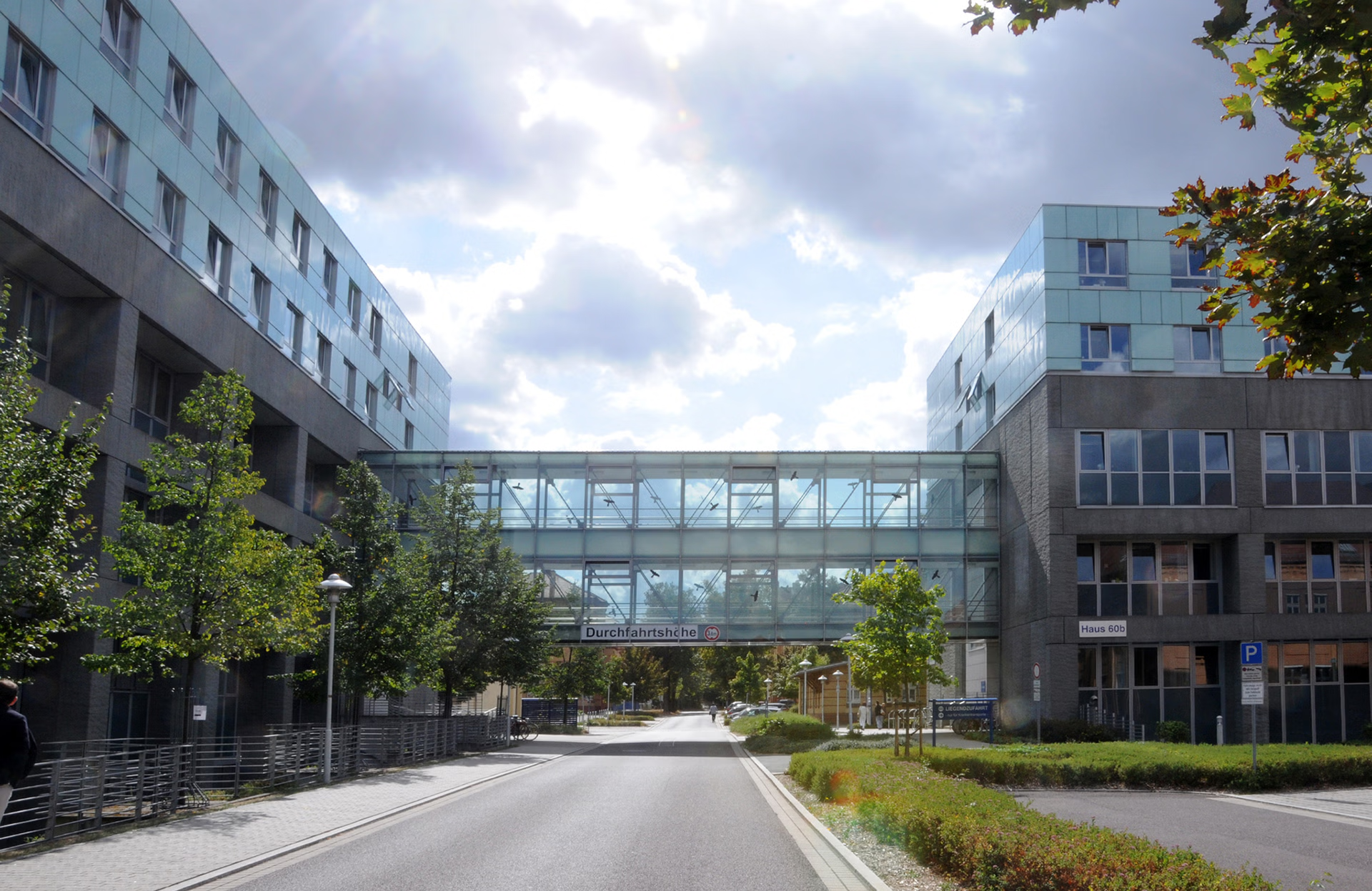
What is the structure of the hospital?

Where is the clinic located?

The address of the facility is Leipziger Str. 44 39120, Magdeburg, Germany.

Does the hospital offer online consultations?

Yes, University Hospital Magdeburg performs virtual appointments and offers a second medical opinion service.

What age range of patients can be admitted to the clinic?

The hospital accepts patients of all ages.

What type of stay is offered at University Hospital Magdeburg?

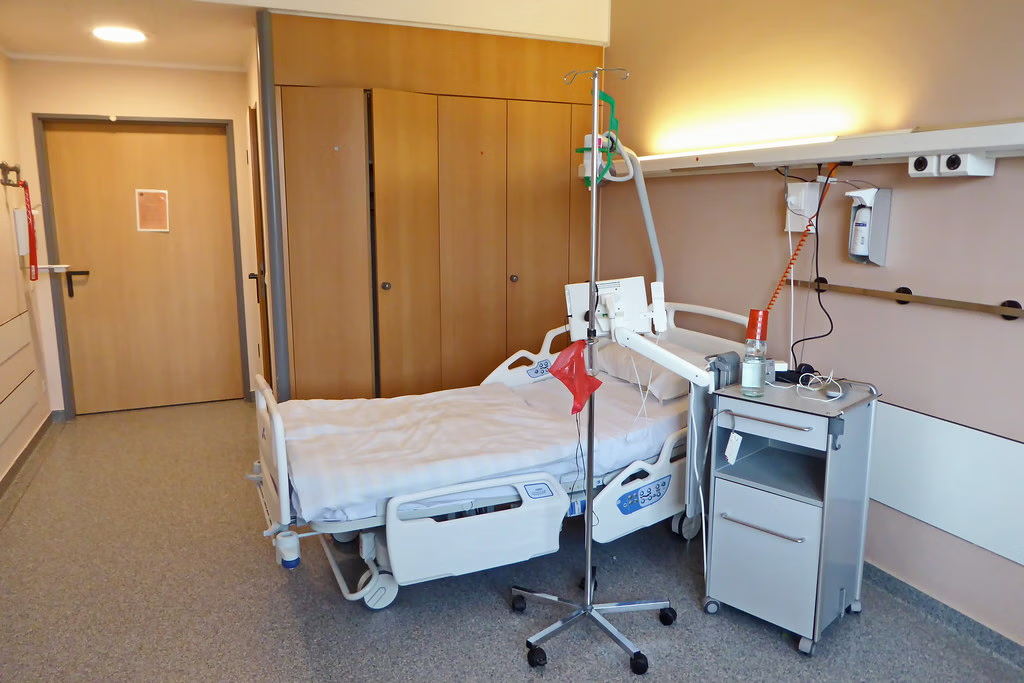
The clinic offers both inpatient and outpatient services, so you can be hospitalized (if indicated).

University Hospital Magdeburg

Get individual treatment plan and cost estimate. Non-binding 100% free assessment.

© University Hospital Magdeburg
Similar clinics