The data collected based on
888
patient reviews on Google
Certificates
Features & Facts
Impressive Expertise in Cancer Research & Treatment
For over 30 years, the European Oncology Institute in Milan has been cooperating with the University of Milan and the IFOM Experimental Oncology Campus. It allows the clinic's patients to access cutting-edge cancer therapies.
Advances in Thoracic Surgery
In recent years, the mortality rate after surgery for lung cancer has significantly decreased. The European Institute of Oncology reports that it settled at about 6% for pneumectomy, 3% for lobectomy, and less than 1% for less common resections.
Highest Tumor Surgeries Number in Italy
The institute is proud to be the 1st in Italy to offer endoscopic larynx operations, which now exceed 250 procedures per year, and to be a pioneer in functional tongue surgery, providing an almost normal quality of life after it.
One of The Best Radiotherapy Centers Worldwide
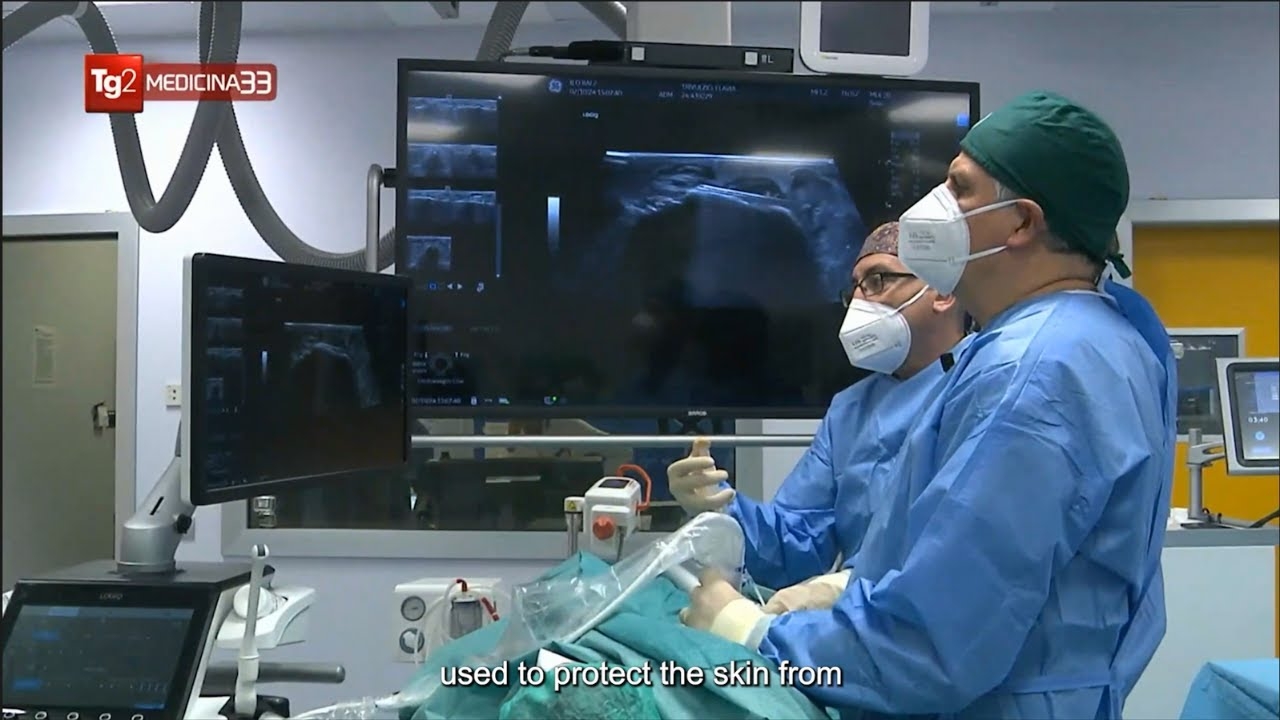
Advanced radiotherapy technologies benefit over 4,500 patients annually. With stereotactic systems, treatment is safe and effective, with minimal risk of complications. Exposure accuracy of up to 1 mm ensures that healthy tissues remain unaffected.
Global Breast Authority
The facility executes over 3,600 breast cancer operations annually, the highest volume worldwide. This massive caseload allows surgeons to master specialized techniques like nipple-sparing mastectomy and immediate reconstruction.
Annual Surgical Throughput
Medical teams successfully perform 14,930 surgical procedures each year across multiple oncological specialties. This high frequency ensures that every surgical team maintains elite proficiency in complex cancer resections.
High-Volume Robotic Center
The institute conducts roughly 1,300 robot-assisted surgeries annually using the Da Vinci system. These minimally invasive procedures focus on urology and gynecology, leading to significantly shorter recovery times.
Massive Research Productivity
Scientists at the institute published 1,091 peer-reviewed papers in seven years with a high average impact factor. This research directly translates into early access to life-saving therapies for patients.
ELIOT Survival Statistics
The Electron Intraoperative Therapy (ELIOT) technique shows a 96.5% survival rate at five years for early-stage breast cancer. This procedure replaces weeks of traditional radiation with a single session during surgery.
Proprietary ROLL Technique
The institute developed the Radioguided Occult Lesion Localization (ROLL) method, now an international gold standard. It allows for the hyper-precise removal of non-palpable breast tumors while minimizing tissue loss.
Active Clinical Trials
The clinic manages a robust portfolio of 698 active clinical trials, offering patients access to the latest experimental drugs. This provides therapeutic options for advanced cancers that have proven resistant to standard treatments.
Rapid Day Surgery
The hospital pioneered cancer day surgery, performing approximately 5,000 such procedures every year. This model allows patients to return home the same day while maintaining a 98% satisfaction rate for recovery safety.
Access to Innovative Methods
Doctors at the European Institute of Oncology offer advanced radiation. Adrotherapy (radiation therapy with protons or carbon ions) has effectively treated salivary gland neoplasms and tumors in anatomically sensitive or surgically challenging locations.
About the clinic
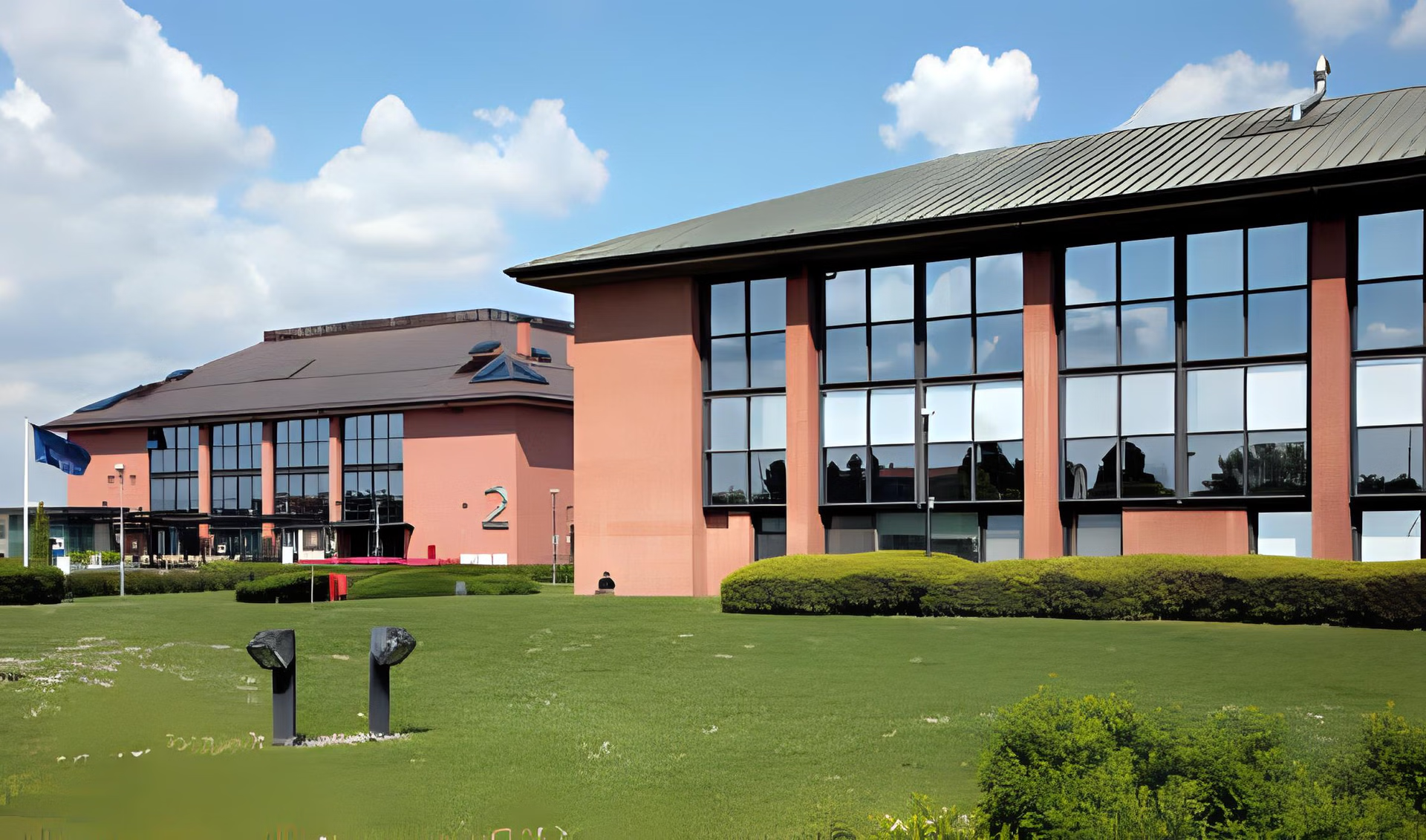
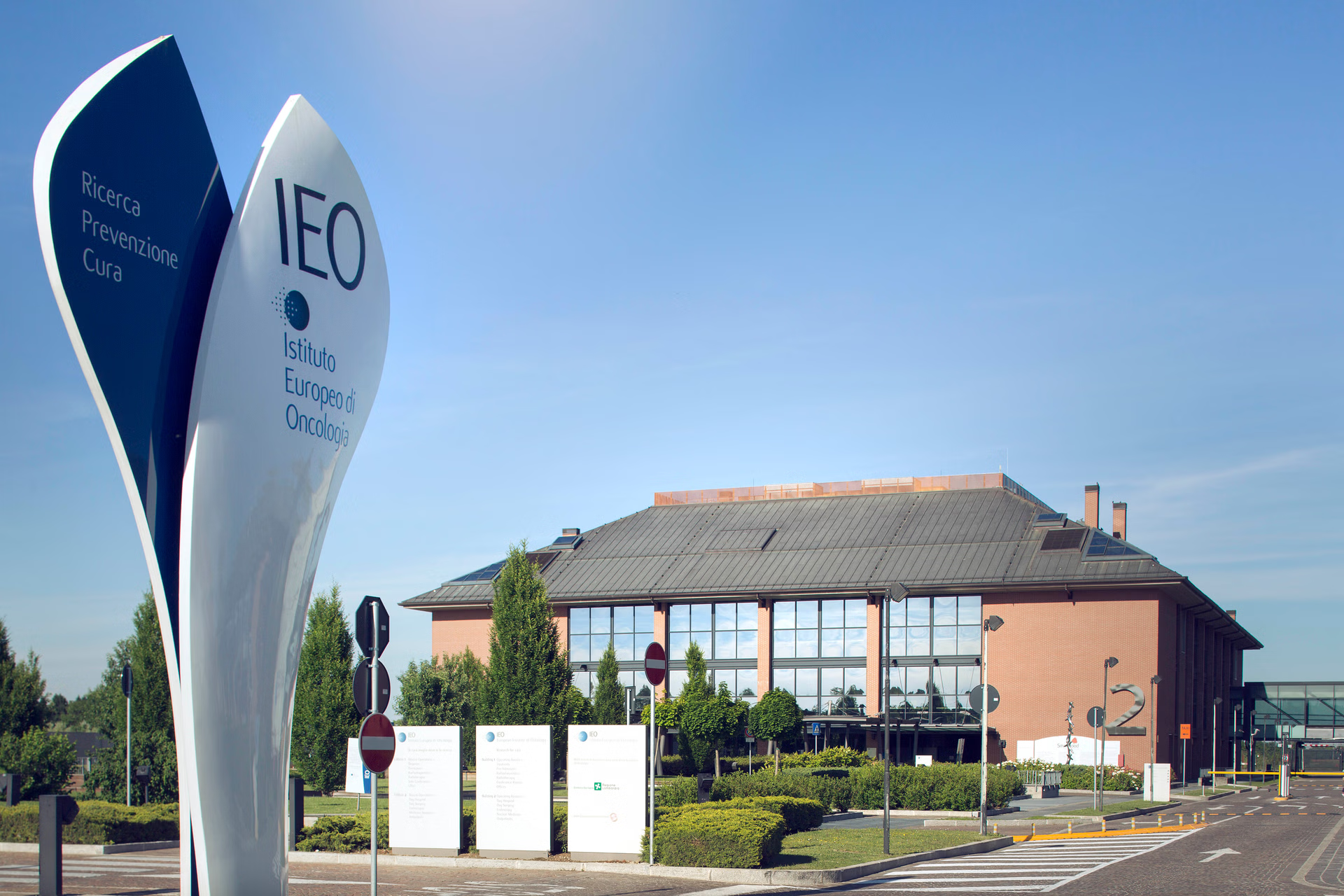
Rising from the southern outskirts of Milan, the European Institute of Oncology, known internationally as the IEO, stands as a singular monument to the life and vision of its founder, Professor Umberto Veronesi. Unlike massive general hospitals that manage a broad spectrum of pathologies, the IEO is a hyper-specialized comprehensive cancer center where every square meter of the campus is dedicated exclusively to the eradication of oncological disease. The clinic is a member of EU-LIFE, an alliance of leading life science research centers in Europe, and cooperates with the University of Milan and IFOM Experimental Oncology Campus. As a result, cancer professionals see patients from all over the world: from the Middle East, Central and Eastern Europe, South America, and Saudi Arabia. It operates under a unique private non-profit status, a rare organizational model in the European healthcare landscape, which mandates that all financial surpluses are immediately reinvested into clinical and experimental research. This financial circularity creates an environment of perpetual modernization, where the transition from a laboratory hypothesis to a life-saving bedside treatment is executed with a speed and agility that few other institutions can match. The medical identity of the IEO is deeply rooted in the philosophy of minimal effective treatment, a concept pioneered by Veronesi himself when he revolutionized breast cancer care with the introduction of the quadrantectomy. This legacy of surgical restraint and biological precision continues to define the institute today, particularly within its world-leading breast program. As one of the highest-volume centers globally, the IEO has moved beyond simple tumor removal to the sophisticated preservation of the patient’s physical and psychological integrity. This is achieved through the integration of intraoperative radiotherapy (IORT) and the widespread use of sentinel lymph node biopsy, techniques that minimize surgical trauma while maximizing oncological outcomes. This commitment to reducing the invasiveness of cancer care is mirrored in the institute’s mastery of robotic surgery, where the da Vinci system is deployed across urological, gynecological, and gastrointestinal disciplines to perform microscopic dissections with superhuman accuracy. Technological dominance at the European Institute of Oncology has reached its current zenith with the inauguration of the IEO Proton Center, the most advanced form of high-precision radiotherapy available in modern medicine. Using proton beams that can be calibrated to deliver their maximum destructive energy precisely within the tumor mass while sparing surrounding healthy tissue, the clinic can treat complex or deep-seated cancers that were once considered inoperable or resistant to conventional radiation. This technological prowess is supported by a massive digital research engine focused on radiomics and artificial intelligence. Within the IEO’s experimental oncology departments, AI algorithms are trained on vast datasets of diagnostic images to detect the subtle, invisible signatures of malignancy long before they become apparent to the human eye, effectively shifting the battle against cancer from reactive treatment to proactive, ultra-early prevention. The facility is at the forefront of all critical advances in breast surgery and performs more than 3,600 surgeries annually. Over the years, doctors have developed original techniques and minimally invasive approaches, available only at the Institute of Oncology, thanks to the high professionalism of the staff, to improve the oncological and functional outcomes of interventions with minimal surgical impact. Head and neck surgeons perform more surgeries for malignant tumors annually than any other center. Specialists were the first in Italy to offer conservative thyroid surgery, endoscopic non-surgical laryngeal surgery, and functional tongue surgery. Beyond the sterile precision of its laboratories and operating theaters, the IEO is defined by a deeply humanistic hospital without pain initiative and an architectural layout that prioritizes the patient’s quality of life. The institute is divided into specialized zones, such as the IEO 2 Day Center, which separates diagnostic workflows from therapeutic ones to reduce patient stress and clinical burden. The environment is designed to be one of clinical transparency, where multidisciplinary teams, comprising surgeons, medical oncologists, geneticists, and psychologists, converge around the patient rather than the patient navigating through various departments. This holistic integration ensures that the person is never lost within the complexity of their diagnosis.
Via Giuseppe Ripamonti, 435, 20141 Milano MI, Italy
FAQ
Is the European Institute of Oncology the best hospital?
The clinic is the first European medical institution to be included on the list of the six best hospitals in the world and to receive the Hospital Benchmarking Award. The quality of service and treatment meet world standards. Global recognition promotes ongoing investment.
Can I get surgical treatment for prostate cancer?
Doctors use the DaVinci telemanipulation system to treat prostate cancer and other tumor diseases. Thanks to the minimally invasive technique, the treatment achieves high efficiency in the shortest time, without additional effort or lengthy rehabilitation.
Does the clinic provide treatment for bowel cancer?
The hospital treats intestinal cancer at all stages and across all levels of complexity. Robotic, endoscopic, laparoscopic, and microsurgery offer advantages in minimal tissue trauma, and their effectiveness can be augmented by interventional radiology and neuromonitoring.
Is the institute a leader in the treatment of head and neck cancer?
Regarding the number of interventions, the surgical department for head and neck cancer is the largest in Italy. Doctors first introduced transoral robotic surgery at Milan's European Institute of Oncology. Also, microsurgical laser surgery gives the hospital the title of an advanced oncology center.
What is the significance of the new IEO Proton Center?
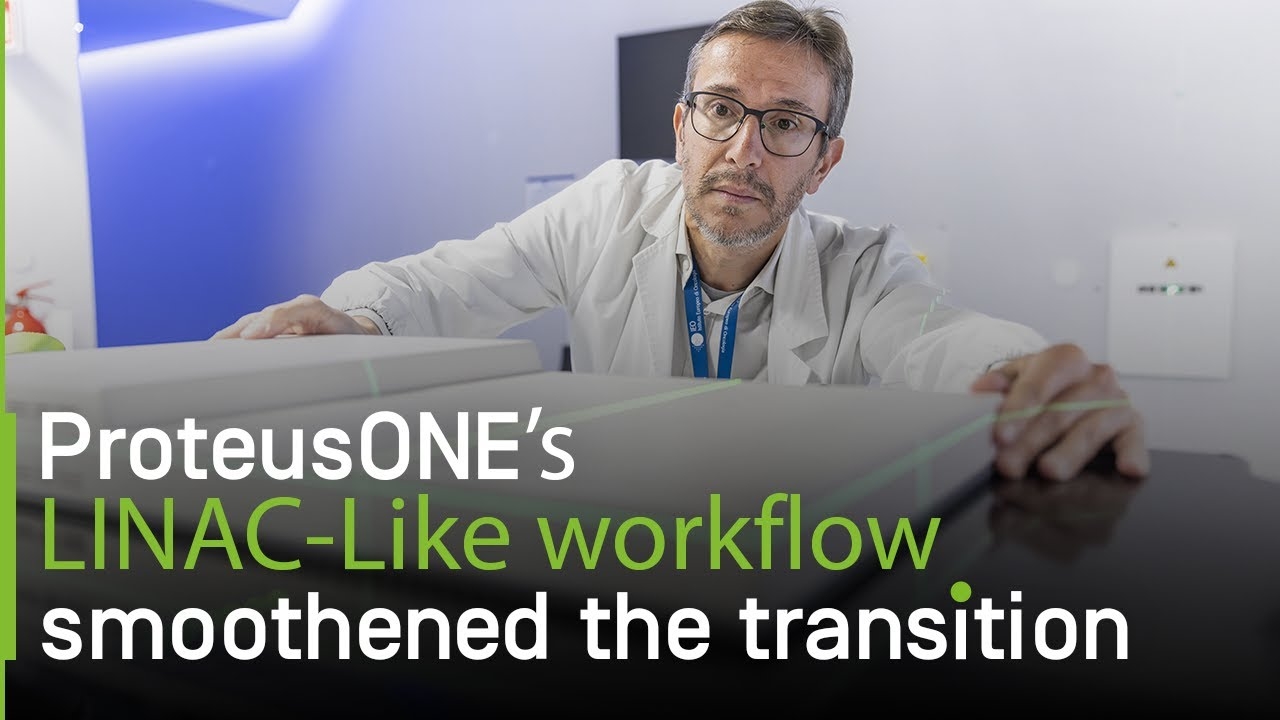
Opened in late 2023, this center offers the most advanced form of high-precision radiotherapy, using proton beams to destroy tumors while sparing surrounding healthy tissues and reducing long-term side effects. It is particularly effective for tumors located near critical organs and for pediatric oncological cases.
How does the IEO specialize in breast cancer treatment?
The institute is a global pioneer in conservative breast surgery and the sentinel node technique, ensuring that surgical interventions are as minimally invasive as possible while maintaining high oncological safety. We offer integrated pathways that combine surgery, reconstruction, and personalized genomic testing to determine the need for chemotherapy.
What robotic surgical systems are used at the institute?
Our surgeons utilize multiple Da Vinci Xi robotic platforms across urology, gynecology, and thoracic surgery to perform complex tumor removals with extreme precision. These master-slave systems allow for smaller incisions, significantly reduced blood loss, and a much faster return to daily activities.
Does the clinic have a specialized program for neuroendocrine tumors (NETs)?
Yes, the IEO is certified as a Center of Excellence by the European Neuroendocrine Tumor Society (ENETS), providing highly specialized medical and surgical care for these rare neoplasms. We utilize specific diagnostic tracers and radioligand therapy (PRRT) to target and treat NET cells systemically.
What is the men’s health checkup program?
This is a comprehensive, personalized prevention course designed to detect early oncological and cardiovascular diseases in men, tailored to individual risk factors and family history. The checkup includes advanced imaging, laboratory tests, and specialist consultations, all completed within a single dedicated lounge visit.
How does the IEO utilize precision medicine in oncology?
We employ advanced molecular profiling and liquid biopsies to analyze a patient's tumor-specific genetic mutations from a simple blood sample. This information allows our multidisciplinary team to select targeted biological drugs and immunotherapies most likely to be effective for that individual.
What advanced lung cancer screening options are available?
The institute offers low-dose computed tomography (LDCT) for high-risk individuals, which is currently the most effective method for detecting lung cancer at its earliest, most curable stage. Our thoracic team integrates these screenings with minimally invasive robotic surgery for a complete, state-of-the-art care loop.
What is the rating of the clinic?
European Institute of Oncology is rated as 9.70 by AiroMedical.
What do patients say about European Institute of Oncology?
The clinic has 888 feedbacks at other places. The UserScore of the hospital is 91%.
What is the primary focus of the hospital?
The medical center is an expert at cancer, breast, breast cancer, radiotherapy, and prostate.