The data collected based on
70
patient reviews on Google
Certificates
Features & Facts
Genetic Test Menu
Patients have access to a massive catalog of over 400 specialized genetic tests. These cover everything from prenatal screening to hereditary cancer syndromes and rare cardiac conditions, ensuring no mutation goes unnoticed.
First Turkish ISO Accredited Lab
It is the first university-affiliated laboratory in Turkey to hold the ISO 15189 Medical Laboratories Accreditation certificate. This validates its global quality and technical accuracy for every genetic test performed.
Diseases Single Test
Yeditepe University Genetic Diseases Evaluation Center implemented molecular karyotyping and chromosome microarray analysis. So, by taking one test at the center, patients can confirm or rule out 140+ genetic disorders.
WES Diagnostic Yield
The center achieves a significant diagnostic yield of approximately 51.25% for rare disorders using Whole Exome Sequencing. This high success rate is essential for accurately diagnosing complex pediatric neurodevelopmental issues.
Research Programs
Patients may participate in complex research and trials for genetic diseases, often involving collaboration with other Yeditepe University medical facilities.
24 Hour Prenatal Results
The lab utilizes rapid QF-PCR technology to deliver critical results for common chromosomal trisomies within 24 to 48 hours. This provides immediate, life-changing clarity for expectant parents during high-risk pregnancies.
Automatic FISH Analysis System
The facility features an automated FISH and visual analysis system that processes more cells in shorter timeframes. This ensures extreme precision and faster turnaround in cancer genetics and prenatal diagnostic reporting.
Precision Oncology Profiling
Specialists perform deep DNA analysis on paraffin-embedded tumor tissue sections to identify specific cancer mutations. This allows the selection of personalized, targeted therapies with much higher chances of clinical success.
Carrier Screening Expertise
Expanded carrier screening tests detect genes associated with a wide range of mutations, such as those causing sickle cell anemia. This helps couples understand their potential genetic risks before they even start a family.
Micro-array Molecular Karyotyping
This technology detects micro-deletions and duplications that are completely invisible under a traditional microscope. It provides a high-definition view of the entire genome for more accurate pediatric and neonatal diagnosis.
Multidisciplinary Genetic Board
All complex genetic findings are evaluated in collaboration with the oncology, neurology, and pediatrics departments. This holistic approach ensures integrated and patient-specific treatment plans.
Early Cancer Syndrome Detection
The lab specializes in identifying susceptibility genes for breast, ovarian, and thyroid cancers. Early detection of these hereditary markers enables proactive, life-saving clinical monitoring for at-risk family members.
Non-Invasive Prenatal Testing
Advanced molecular techniques are used for non-invasive screening of fetal DNA from maternal blood samples. This provides a safe and highly accurate alternative for detecting common chromosomal abnormalities without any risk to the fetus.
100% International Sample Compatibility
The lab is fully equipped to process and report on genetic samples received from international medical centers. It adheres to strict global standards, making it a key regional hub for complex genetic evaluation and consultation.
About the clinic
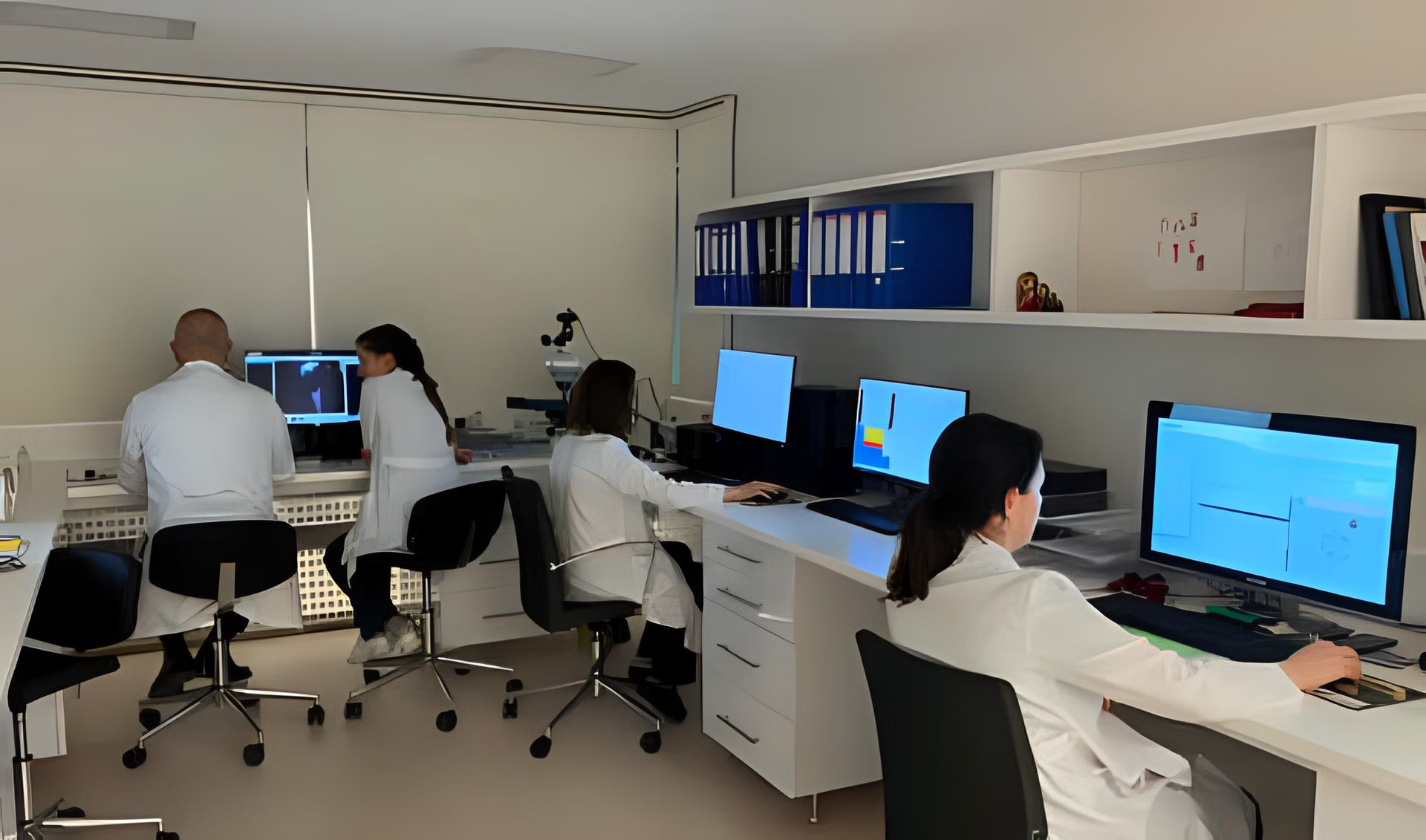
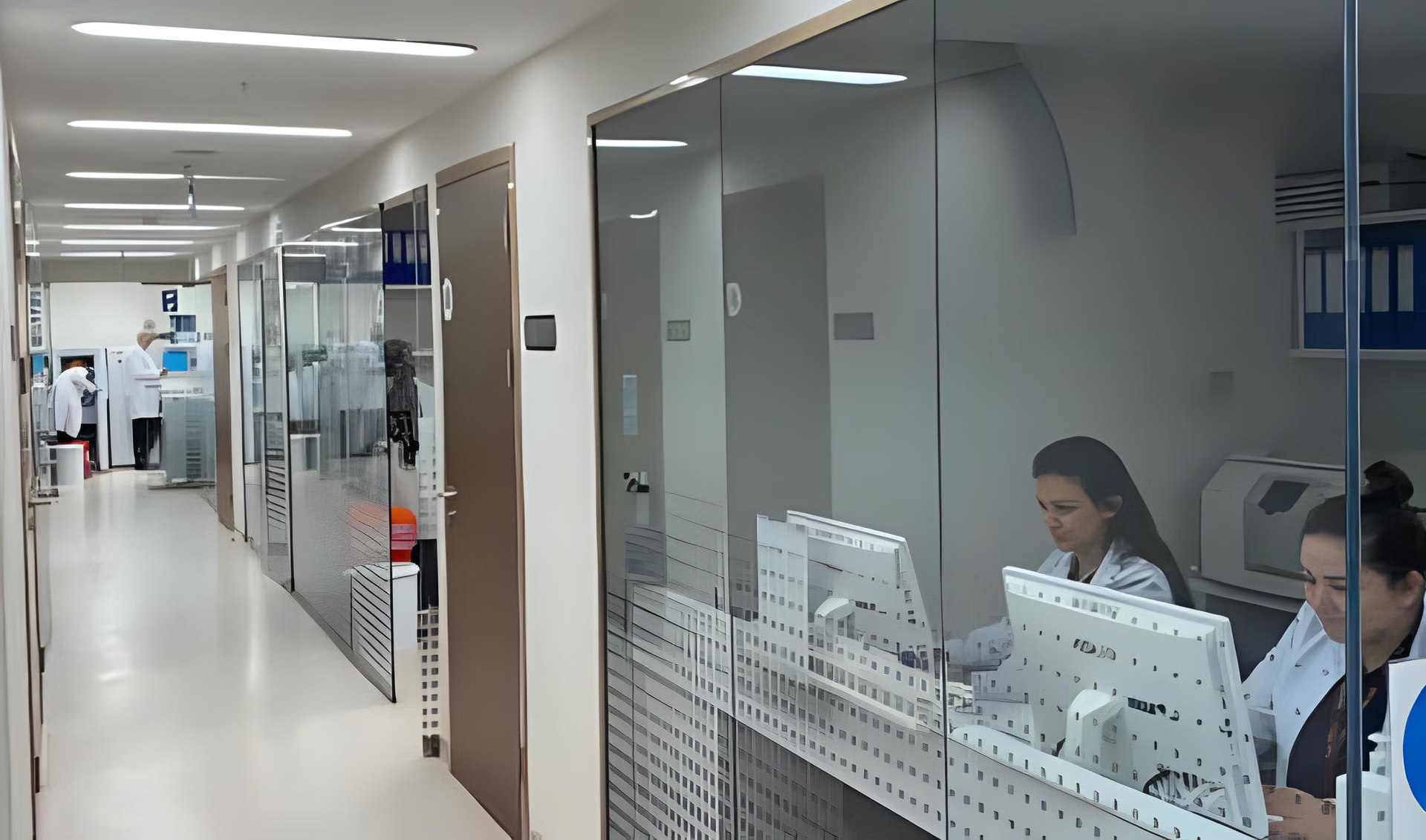
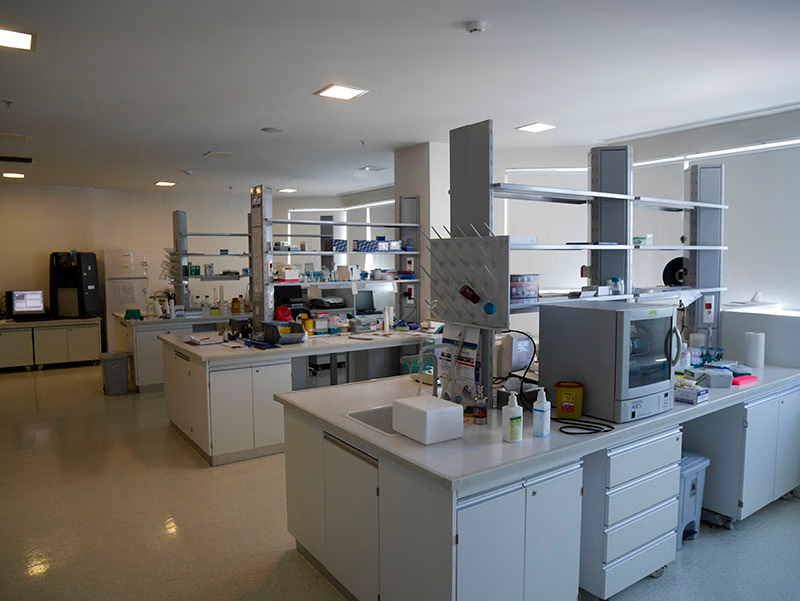
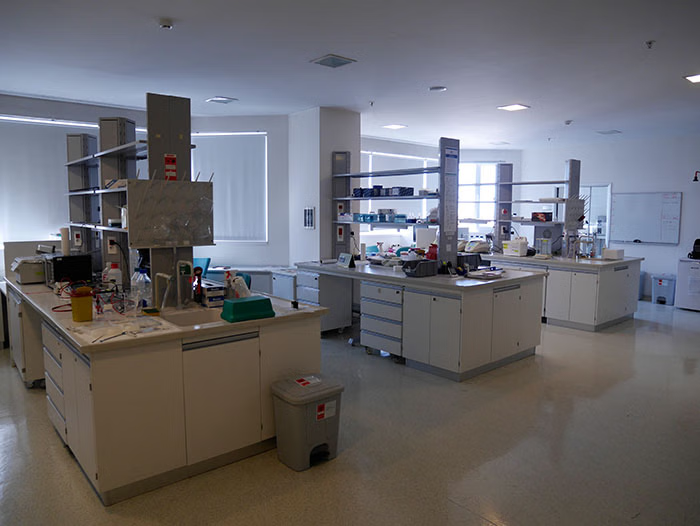
The Genetic Diseases Evaluation Center (YÜGETAM) serves as a high-precision observatory of the human genome. This facility is far more than a diagnostic laboratory; it is a sophisticated molecular fortress where the abstract data of the biological alphabet is decoded into actionable clinical intelligence. The center is closely associated with the medical genetics department at Yeditepe University Faculty of Medicine and operates in an 800 m2 building on the campus in Koshuyolu. As a center licensed by the Ministry of Health and internationally accredited, it operates at the bleeding edge of omics sciences, utilizing genomic cartography to navigate the complex landscape of rare diseases, hereditary predispositions, and personalized oncology. By bridging the gap between theoretical molecular biology and bedside medical intervention, the center serves as a definitive guardian of the genetic code, ensuring that the healthcare provided is not merely reactive but fundamentally predictive. The scientific engine of the facility is driven by a massive investment in next-generation sequencing (NGS) and microarray technologies, enabling high-velocity analysis of the entire human exome or specific multi-gene panels. This technological density enables the center’s specialists to identify microscopic structural variations and single-nucleotide polymorphisms that traditional diagnostics would overlook. In the realm of reproductive medicine, the center is a regional pioneer in preimplantation genetic testing (PGT), enabling screening of embryos for chromosomal abnormalities and single-gene disorders before transfer. This capability transforms the center into a sanctuary of hope for families with a history of genetic conditions, providing a scientifically rigorous path to ensuring the health of future generations through the most advanced molecular forensic techniques available nowadays. A pillar of Yeditepe University Genetic Diseases Evaluation Center is its sophisticated bioinformatics infrastructure, which acts as a digital translator for the immense volume of data generated by genomic sequencing. Raw genetic sequences are useless without the intellectual capacity to interpret them; therefore, the center employs a multidisciplinary team of molecular biologists, geneticists, and bioinformaticians who utilize proprietary algorithms and global databases to filter out benign variations and isolate truly pathogenic mutations. This is particularly vital in the center’s precision oncology wing, where the genetic profile of a tumor is mapped to identify specific molecular targets. This allows oncologists to bypass standard one-size-fits-all chemotherapy in favor of targeted biological therapies that attack the cancer’s specific genetic driver, effectively turning the patient’s own DNA into a roadmap for their cure. Beyond the sterile, automated rows of sequencers, the center is anchored by a profound commitment to genetic counseling, a humanistic discipline that ensures patients are never left alone with their data. This service functions as a specialized bridge, where complex risk assessments and hereditary patterns are communicated with clarity and empathy. The center's architecture supports its dual mission of high-tech analysis and high-touch care, featuring secure, specialized zones for sample processing alongside private consultation suites. By integrating its role as a research-intensive academic hub with its function as a frontline diagnostic center, the Yeditepe University Genetic Diseases Evaluation Center remains a premier architect of personalized medicine, proving that the future of health lies in our ability to listen to, understand, and ultimately master the instructions written within our own cells.
Gallery
2026-04-28T21:16:41.000Z
2026-04-28T21:16:41.000Z
2026-04-28T21:16:41.000Z
2026-04-28T21:16:41.000Z
2026-04-28T21:16:41.000Z
2026-04-28T21:16:41.000Z
2026-04-28T21:16:41.000Z
2026-04-28T21:16:41.000Z
2026-04-28T21:16:41.000Z
2026-04-28T21:16:41.000Z
2026-04-28T21:16:41.000Z
2026-04-28T21:16:41.000Z
Extra services
Language Assistance
Visa Support
Travel Assistance
Stay Arrangements
Clinic Coordinator
Cafeteria
Location
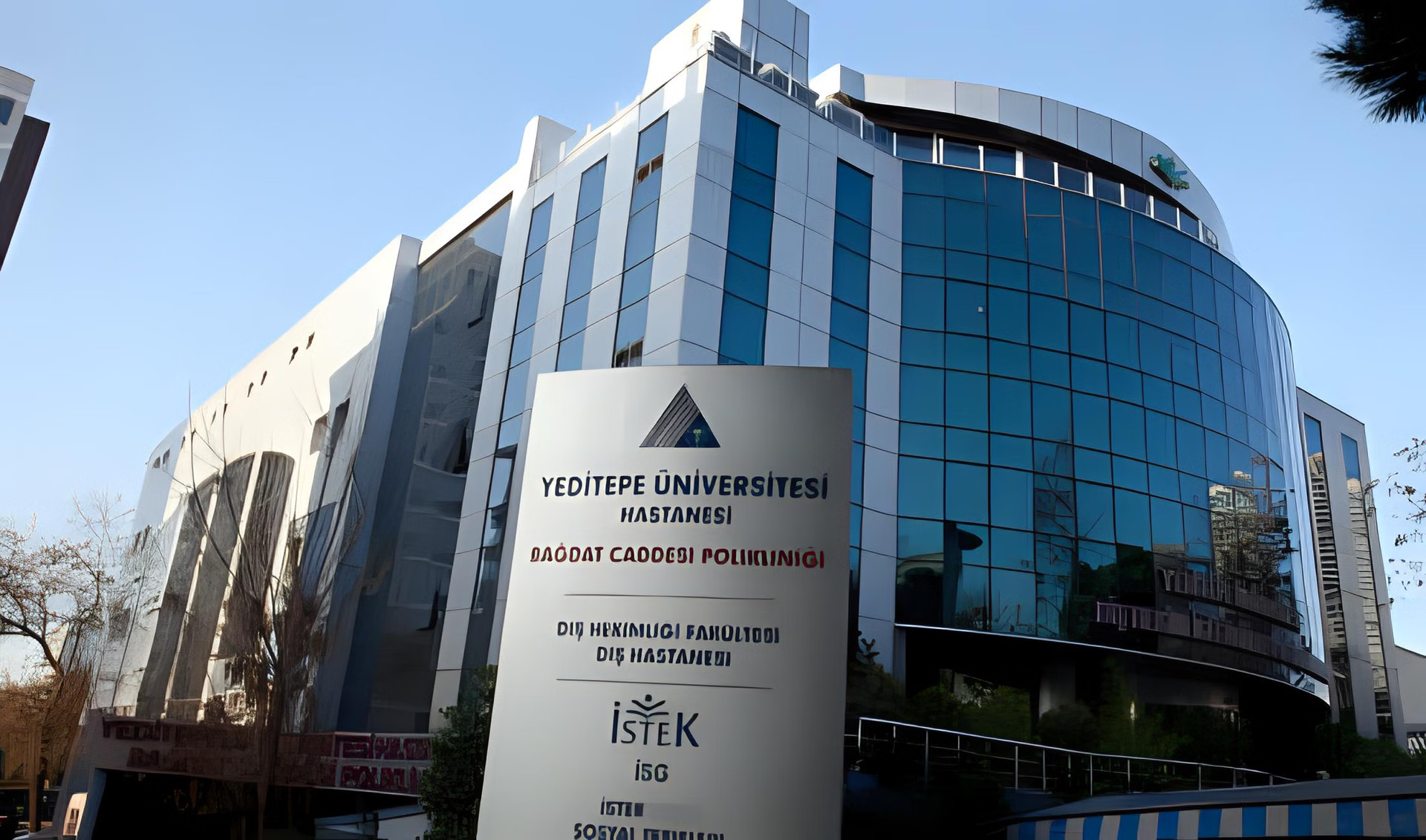
Acıbadem, 34718 Kadıköy/İstanbul, Türkiye
FAQ
Does Yeditepe University Genetic Diseases Evaluation Center perform chromosome testing?
Thanks to the CGH array method, a new technology now used in genetic laboratories worldwide, changes in the number of copies of all genomes and genetic disorders can be detected at the medical center. A computer program, using appropriate software, analyzes a large amount of data.
What sample should I give for genetic analysis?
Depending on the type of genetic test, a sample of the patient's blood, skin, amniotic fluid, or other tissue will be taken. A blood sample is taken for newborn screening tests by pricking the baby's heel. Sometimes, a swab sample is taken from the inside of the cheek for genetic testing.
Is the clinic good for prenatal testing?
Tests that detect specific gene abnormalities in a child are available at the hospital. For example, Down syndrome and trisomy 18 are two genetic disorders often tested for in prenatal testing. In addition, doctors offer genetic tests for embryos prepared for in vitro fertilization.
How does the center utilize molecular karyotyping (Array-CGH) in prenatal diagnosis?
We use Array-CGH technology to screen for over 200 distinct genetic disorders and microdeletion syndromes simultaneously with a single test. This method offers much higher resolution than traditional chromosome analysis, allowing us to detect sub-microscopic chromosomal imbalances that would otherwise remain hidden during standard prenatal screenings.
What specific role does the center play in clinical cancer genetics?
Our oncology laboratory focuses on determining the genetic "molecular fingerprint" of tumors using FISH and DNA analysis on paraffin-embedded tissue. By identifying specific gene changes in breast, ovarian, and colorectal cancers, we help oncologists select targeted biological therapies and predict how a patient will respond to certain chemotherapy agents.
How is preimplantation genetic testing (PGT) integrated into IVF services?
We perform high-precision PGT-A and PGT-M to screen embryos for chromosomal abnormalities or specific single-gene disorders before they are transferred during IVF. This specialized service is crucial for couples who are known carriers of genetic diseases, significantly increasing the likelihood of a healthy pregnancy and reducing the risk of miscarriage.
What makes your approach to pharmacogenetics unique?
Our pharmacogenetics department analyzes a patient’s genetic variations to predict how their body will metabolize specific medications. This enables precision dosing in fields such as psychiatry and cardiology, ensuring that patients receive the most effective drug at the safest dose while avoiding potentially life-threatening adverse reactions.
What specialized research is being conducted on cellular immunotherapy?
The center is actively engaged in advanced bioengineering to develop natural killer (NK) cell therapies for treating aggressive tumors, such as chordomas. Our research involves genetically modifying these immune cells to recognize and attack specific proteins on cancer cells, representing a frontier in personalized cancer treatment that goes beyond traditional surgery or radiation.
How does the center manage diagnostics for rare genetic diseases?
In addition to our standard test menu, we design and perform custom molecular tests for ultra-rare disorders based on the patient's specific clinical findings. This flexible diagnostic approach is supported by our close collaboration with the university’s clinical departments, which allows us to find answers for complex cases that have not been diagnosed through routine testing.
What does the genetic counseling service entail following a positive test?
Our clinical geneticists provide structured counseling to explain the medical implications of test results for both the patient and their extended family. We focus on risk assessment for future generations and coordinate with other hospital specialties, such as neurology or pediatrics, to create a long-term, multidisciplinary management plan based on the patient's genetic profile.
What is the rating of the clinic?
Yeditepe University Genetic Diseases Evaluation Center is rated as 8.30 by AiroMedical.
What do patients say about Yeditepe University Genetic Diseases Evaluation Center?
The clinic has 70 feedbacks at other places. The UserScore of the hospital is 81%.