The data collected based on
55
patient reviews on Google
Certificates
Features & Facts
Documented LASIK Success
Refractive surgery teams achieve a 99% success rate in correcting myopia and astigmatism. Utilizing WaveLight EX500 technology ensures personalized treatment with minimal recovery time and extreme precision in vision correction.
First Private Eye Bank
The facility houses one of Turkey's first private eye banks specifically for corneal transplants. This reduces waiting times and ensures the highest-quality tissue for patients undergoing keratoplasty, significantly improving visual outcomes.
SMILE Laser Technology
They utilize the Zeiss VisuMax SMILE laser for flapless, minimally invasive vision correction. This advanced procedure allows for faster healing and is ideal for patients with high-activity lifestyles or those with thin corneas.
Numerous Annual Cataract Surgeries
Surgeons perform more than 1,500 cataract procedures annually using high-tech phacoemulsification. The use of premium intraocular lenses ensures patients regain high-definition vision at all distances with a very low complication rate.
Scientific Research in Ophthalmology
The center conducts clinical trials to improve glaucoma treatment through stem cell therapies, gene therapy, global prevention programs, diagnostic imaging, and safer surgical methods.
Diabetic Retinopathy Therapy
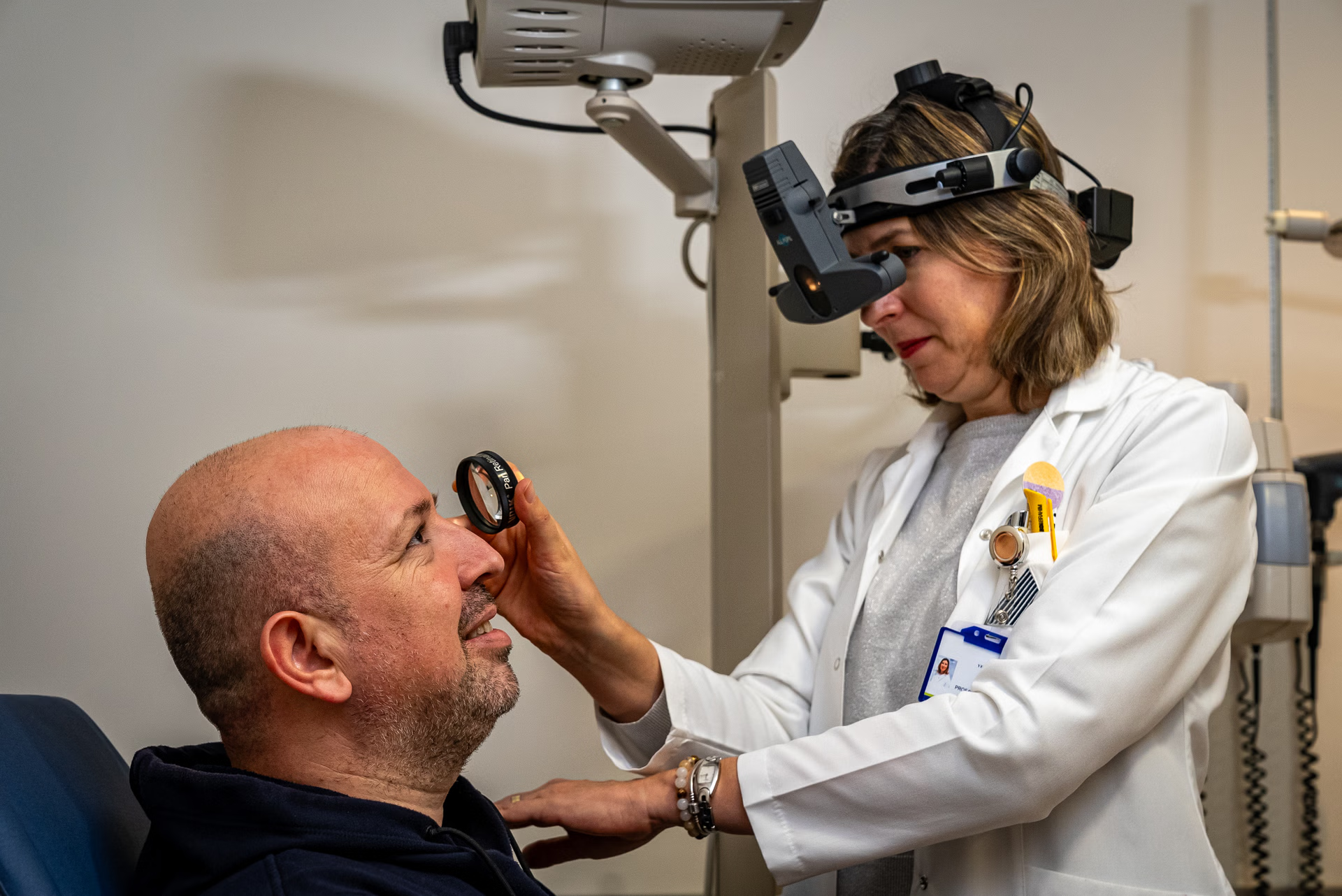
The eye center utilizes FFA and OCT angiography for diagnosis. OCT angiography offers 3D visualization without requiring intravenous injection. Treatment options include argon laser, intraocular injections, and vitrectomy for severe cases.
Minimally Invasive Cataract Surgery
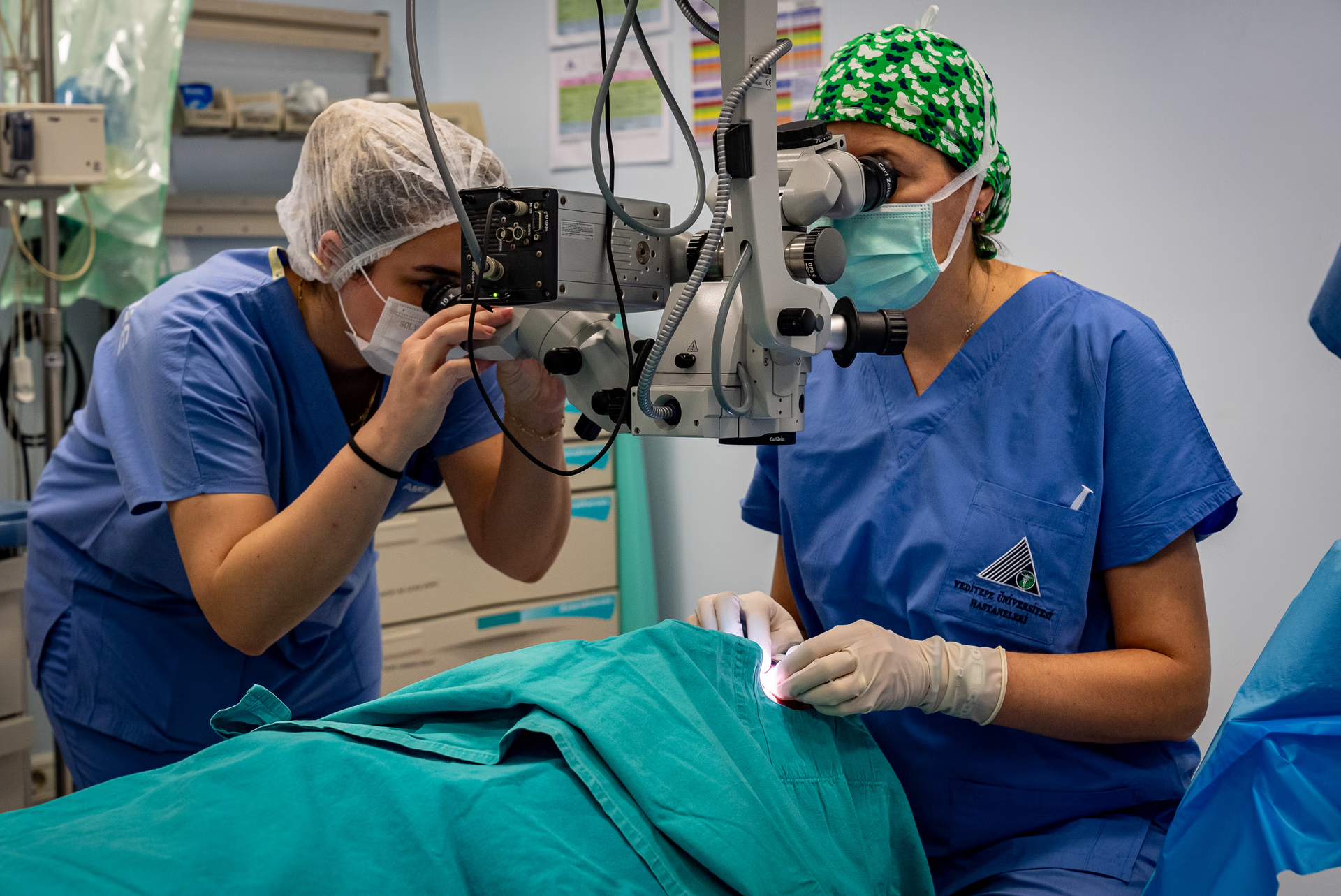
The LENSX femtosecond laser accurately removes cataracts without harming healthy tissues. Yeditepe University Eye Center, Istanbul, uses multifocal intraocular lenses and Aqualase technology, which delivers micro-pulses of liquid under high pressure rather than traditional ultrasound.
Non-Surgical Aesthetics of the Eye Contour
The clinic uses a Plexr device to tighten sagging skin around the eyes, eliminate layers, stretch tissues, remove neoplasms and spots, and treat tumors and hemangiomas of the skin with a 92% success rate.
High Retina Surgery Success
Vitreoretinal specialists maintain a 95% success rate in treating complex retinal detachments and macular holes. Advanced micro-incisional surgery minimizes trauma and speeds up the visual rehabilitation process for chronic retina patients.
Pediatric Eye Expertise
The dedicated pediatric unit specializes in the early detection of amblyopia and strabismus in infants. Highly trained academic staff manage over 2,000 pediatric cases yearly with specialized child-friendly equipment and diagnostic tools.
Advanced Keratoconus Center
The clinic is a regional leader in cross-linking treatments to stop the progression of keratoconus. This procedure has a success rate of over 90% in stabilizing the corneal structure and preventing the future need for a transplant.
Trifocal Smart Lenses
Thousands of "Smart Lens" implantations are performed to eliminate the dependency on reading glasses. These lenses provide seamless vision transitions from near to far, significantly enhancing patients' quality of life and daily function.
Elite Academic Staff
The medical team is composed entirely of professors and associate professors from Yeditepe University. This academic depth ensures that even the most complex eye pathologies are treated with the latest, verified global medical protocols.
Glaucoma SLT Laser
Selective laser trabeculoplasty lowers eye pressure without the need for daily drops. This painless procedure is highly effective for 80% of patients and can be repeated safely to prevent permanent optic nerve damage.
Uveitis Specialist Clinic
It is one of the few centers in the region with a dedicated unit for the treatment of complex uveitis and ocular inflammation. They provide multidisciplinary care in coordination with the university’s rheumatology and immunology departments.
Argon Laser Treatment
Diabetic retinopathy is managed with precision Argon laser treatment to prevent vision loss from hemorrhages. Regular screening and laser intervention reduce the risk of severe blindness by over 50% in the hospital's high-volume diabetic patient group.
Intraoperative Microscope Technology
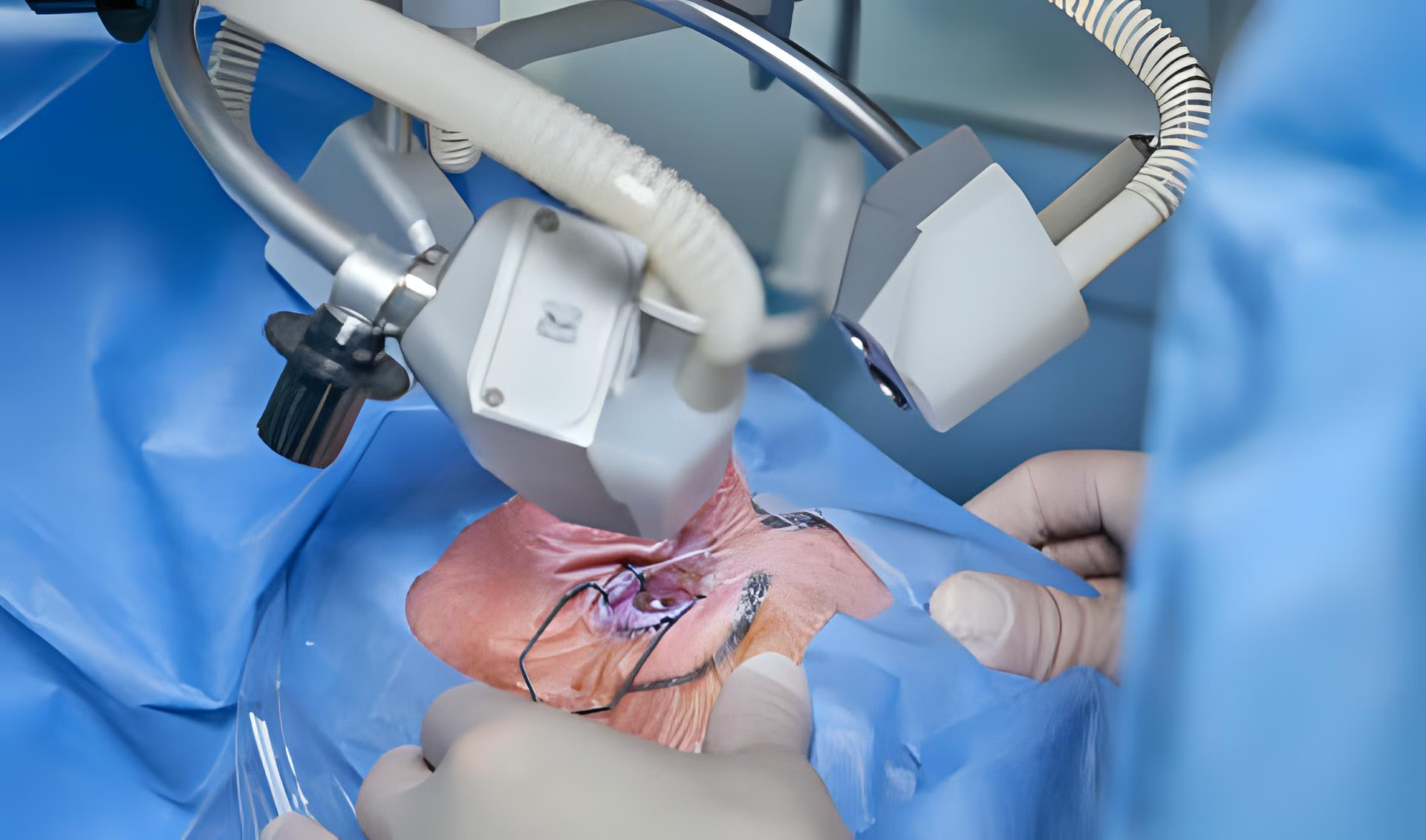
Surgeons use high-definition intraoperative microscopes with integrated OCT for real-time surgical guidance. This allows for microscopic precision during delicate maneuvers in both the anterior and posterior segments of the eye.
About the clinic
The Yeditepe University Eye Center functions as an elite academic observatory dedicated exclusively to the preservation and restoration of human vision. Spanning a meticulously engineered 2,250-square-meter campus, this institution was conceptualized not merely as an outpatient clinic but as a hyper-specialized extension of Yeditepe University’s formidable medical faculty. Since its inauguration, it has operated under a mandate of uncompromising scientific rigor, achieving full system accreditation from the JCI, a testament to its flawless integration of advanced clinical protocols and absolute patient safety. The facility serves as a translational hub, where the pedagogical mission of educating the next generation of ophthalmological surgeons is seamlessly woven into the delivery of frontline ocular healthcare, providing patients with access to optical therapies validated by rigorous academic scrutiny rather than commercial trends. The center is defined by its extreme structural segmentation, offering highly specialized mastery across 15 distinct ophthalmological branches. In the realm of refractive and anterior segment surgery, the hospital operates as a high-precision digital theater. Surgeons utilize the vanguard of femtosecond laser technology, including advanced INTRALASE platforms, to perform completely blade-free vision correction, effectively remodeling the cornea with microscopic exactitude. This technical dominance extends into its advanced cataract surgical suites, where sutureless phacoemulsification is performed under topical drop anesthesia, turning a historically invasive procedure into a frictionless, rapid-recovery experience. Furthermore, the institution houses a dedicated neuro-ophthalmology department, functioning as a critical diagnostic bridge that investigates complex visual disturbances rooted in central nervous system pathologies, recognizing that the eye is fundamentally a direct anatomical extension of the human brain. Yeditepe University Eye Center offers services from specialists working in accordance with the latest global medical recommendations, supported by high-tech equipment. When a disease is detected, a concilium of doctors is convened, and specialists from other fields are involved through cooperation with network clinics. Comprehensive treatment is provided with an impact on the cause of the disease, and rehabilitation is used to return to everyday life without glasses and pain as soon as possible. In the center, the most modern excimer lasers change the curvature of the cornea and treat common vision disorders such as myopia, farsightedness, and astigmatism, as well as some degenerative diseases. There are several options for laser refractive surgery. One of them is LASIK, which is used in various techniques and is the most well-known and frequently performed method. In addition, the center closely monitors all developments in new approaches to glaucoma treatment, including stem cell research, gene therapy, global glaucoma prevention programs, improved diagnostic imaging, and enhanced safety of glaucoma surgery. Beyond standard optical correction, the facility acts as a high-level sanctuary for complex, sight-threatening ocular pathologies. The center features specialized units dedicated to the management of Uvea and Behçet’s disease, a critical necessity in the Euro-Asian corridor, that utilize sophisticated immunosuppressive protocols and targeted biologics to halt aggressive intraocular inflammation. Its vitreoretinal surgery and macular diseases wing operates with sub-millimeter precision, addressing severe diabetic retinopathy and macular degeneration through highly calibrated intraocular injections and microscopic vitrectomies. Additionally, the center’s ocular oncology and orbital trauma departments provide comprehensive, multidisciplinary management for tumors and structural damage affecting the eye socket. This ensures that life-saving oncological and reconstructive interventions are perfectly balanced with the highest possible degree of cosmetic and functional visual preservation. The architectural and operational ethos of the Yeditepe University Eye Center is profoundly anchored in sensory empathy and ethical transparency. Recognizing the immense psychological vulnerability associated with visual impairment, the facility is designed to provide a deeply calming, navigationally intuitive environment that mitigates the cognitive stress of the patient. Every diagnostic sequence and therapeutic intervention is governed by an unwavering commitment to informed consent and biological respect, ensuring that the individual is an active participant in their visual rehabilitation rather than a passive recipient of care. Through its specialized low-vision rehabilitation unit, the center even provides advanced optical and electronic aids to patients with irreversible damage, demonstrating its dedication to maximizing quality of life at every stage of the visual spectrum.
Gallery
2026-05-02T06:57:36.000Z
2026-05-02T06:57:36.000Z
2026-05-02T06:57:36.000Z
2026-05-02T06:57:36.000Z
2026-05-02T06:57:35.000Z
2026-05-02T06:57:35.000Z
2026-05-02T06:57:36.000Z
2026-05-02T06:57:36.000Z
2026-05-02T06:57:36.000Z
2026-05-02T06:57:36.000Z
2026-05-02T06:57:35.000Z
2026-05-02T06:57:35.000Z
Extra services
Language Assistance
Visa Support
Travel Assistance
Stay Arrangements
Clinic Coordinator
Cafeteria
Location
Balmumcu Mah. Şakir Kesebir Cad, Balmumcu, Gazi Umur Paşa Sk. No:28, 34349 Beşiktaş/İstanbul, Türkiye
FAQ
What eye diseases can the clinic treat with laser techniques?
The medical center treats vision disorders related to age-related macular degeneration (also known as a macular disease), diabetic retinopathy, retinal vein occlusion, and retinopathy of prematurity with high efficiency using laser or needle-based techniques.
Why does Yeditepe University Eye Center prefer the LASIK method?
The LASIK method is quite popular because it significantly improves the eye tissue by precisely removing a thin layer. NASA approves the technique for cosmonauts because it is effective. In addition, doctors guarantee 100% vision after the intervention in almost all cases.
Can I treat glaucoma in the hospital?
Stem cells are being researched for the treatment of glaucoma because they can help prevent further damage to the optic nerve and vision loss. With the power of a clinic-based research center, patients can receive experimental treatments that may sometimes be the only reasonable option.
What distinguishes the center’s approach to refractive surgery, like SMILE and Intralase?
The center utilizes the latest small-incision lenticule extraction (ReLEx SMILE) technology, a bladeless, flapless laser procedure performed through a tiny 2mm to 4mm incision. Unlike traditional LASIK, this procedure preserves more corneal nerve fibers and biomechanical strength, making it the preferred medical option for patients with high degrees of myopia or thin corneas who previously were not candidates for laser correction.
How does the center manage Behçet's disease and uveitis from a multidisciplinary perspective?
Given the high prevalence of Behçet’s in the region, the center hosts a dedicated Uvea-Behçet unit that works in immediate coordination with the university’s rheumatology and neurology departments. This specialized unit focuses on preventing irreversible vision loss by implementing aggressive immunomodulatory therapies and targeted biological agents, moving beyond simple steroid management to address the systemic nature of the disease.
What is the specific technique used for stitchless cataract surgery?
Our surgeons perform cataract removal using the advanced phacoemulsification (Phaco) method through a microscopic self-sealing incision that typically requires no sutures. The procedure is performed under topical drop anesthesia, without needles or general sedation, and the center uses premium Trifocal or Toric intraocular lenses (IOLs) to simultaneously treat astigmatism and presbyopia, often restoring clear vision at all distances.
How does the laminar flow system in the operating rooms impact surgical safety?
To achieve near-zero postoperative infection rates, the center’s operating theaters are equipped with laminar-flow air purification systems. This technology creates a continuous, unidirectional stream of filtered air that sweeps away airborne contaminants from the surgical field, providing a sterile environment that is critical for delicate procedures such as corneal transplants and vitreoretinal surgeries.
What advanced options are available for patients with keratoconus?
As a primary reference center for corneal ectasia, we offer a layered treatment approach that starts with corneal cross-linking to halt disease progression. For visual rehabilitation, the center specializes in the surgical implantation of intracorneal ring segments (INTACS) and performs advanced lamellar corneal transplants, such as deep anterior lamellar keratoplasty (DALK), which replace only the diseased outer layers while preserving the patient’s healthy endothelium.
What role does the center play in the treatment of ocular oncology?
The ocular oncology unit is one of the few specialized departments in Turkey equipped to manage intraocular tumors such as uveal melanoma and retinoblastoma. The center focuses on eye-sparing treatments, using high-precision diagnostic imaging and specialized local therapies to target tumors while minimizing damage to surrounding visual tissues, always in consultation with the hospital’s general oncology board.
How are pediatric eye conditions, such as strabismus, addressed at this academic center?
Our pediatric ophthalmology unit focuses on the early correction of strabismus (eye misalignment) and amblyopia (lazy eye) through both medical and surgical interventions. Surgeons use specialized adjustable suture techniques in complex strabismus cases, allowing fine-tuning of eye alignment shortly after the procedure to ensure the highest level of binocular vision and cosmetic symmetry for growing children.
What is the rating of the clinic?
Yeditepe University Eye Center is rated as 9.30 by AiroMedical.
What do patients say about Yeditepe University Eye Center?
The clinic has 55 feedbacks at other places. The UserScore of the hospital is 87%.