The data collected based on
132
patient reviews on Google
Certificates
Features & Facts
Oriented Rehabilitation for Specific Groups
VITREA Rehabilitation Clinic Schwedenstein Pulsnitz helps people with various mental diseases and issues, prevent relapses, and improve their quality of life, focusing mainly on providing rehabilitation and prescribed treatment.
Awarded as a TOP Rehabilitation Clinic
Focus magazine added the rehabilitation clinic to its list of the top rehabilitation clinics in Germany for patients with mental health issues in 2022.
Helps to Optimize Medication Intake & Habits
VITREA Rehabilitation Clinic Schwedenstein Pulsnitz offers numerous programs to reduce and optimize medication use, regain control over destructive behaviors, and create and maintain new healthy habits.
Specialized Wellness Packages
Every visitor can try the clinic's various wellness offerings to relax and regain inner comfort. The main focus of wellness services is multiple massages. Visitors can choose between 10 massage options or create a personal combination of services.
Social Rehabilitation Methods
This clinic aims to return patients with chronic or post-acute mental issues to an active social life. So, they use nine methods involving social or cognitive interaction with other people: speech therapy, social counseling, psychology, etc.
Tailored Psycho-Oncological Care
The clinic features a highly distinct therapeutic core focused on providing psycho-oncological counseling to help cancer patients overcome chronic disease trauma.
Certified PsyRENA Aftercare
The therapeutic division provides structured outpatient group therapy sessions to ensure a sustainable psychological transition into daily work life post-discharge.
Specialized Trauma Therapy Infrastructure
Experienced psychotherapists utilize advanced trauma-centered psychotherapy protocols to systematically rehabilitate patients suffering from severe PTSD.
Chronic Pain Modulation Focus
The multimodal therapy framework combines specialized psychological care with gentle physical interventions to alleviate somatoform disorders and persistent pain.
Burnout Intervention Programs
The clinical team applies tailored cognitive-behavioral modules, combined with tension-release tracking, to help professionals reverse deep psychological exhaustion.
About the clinic
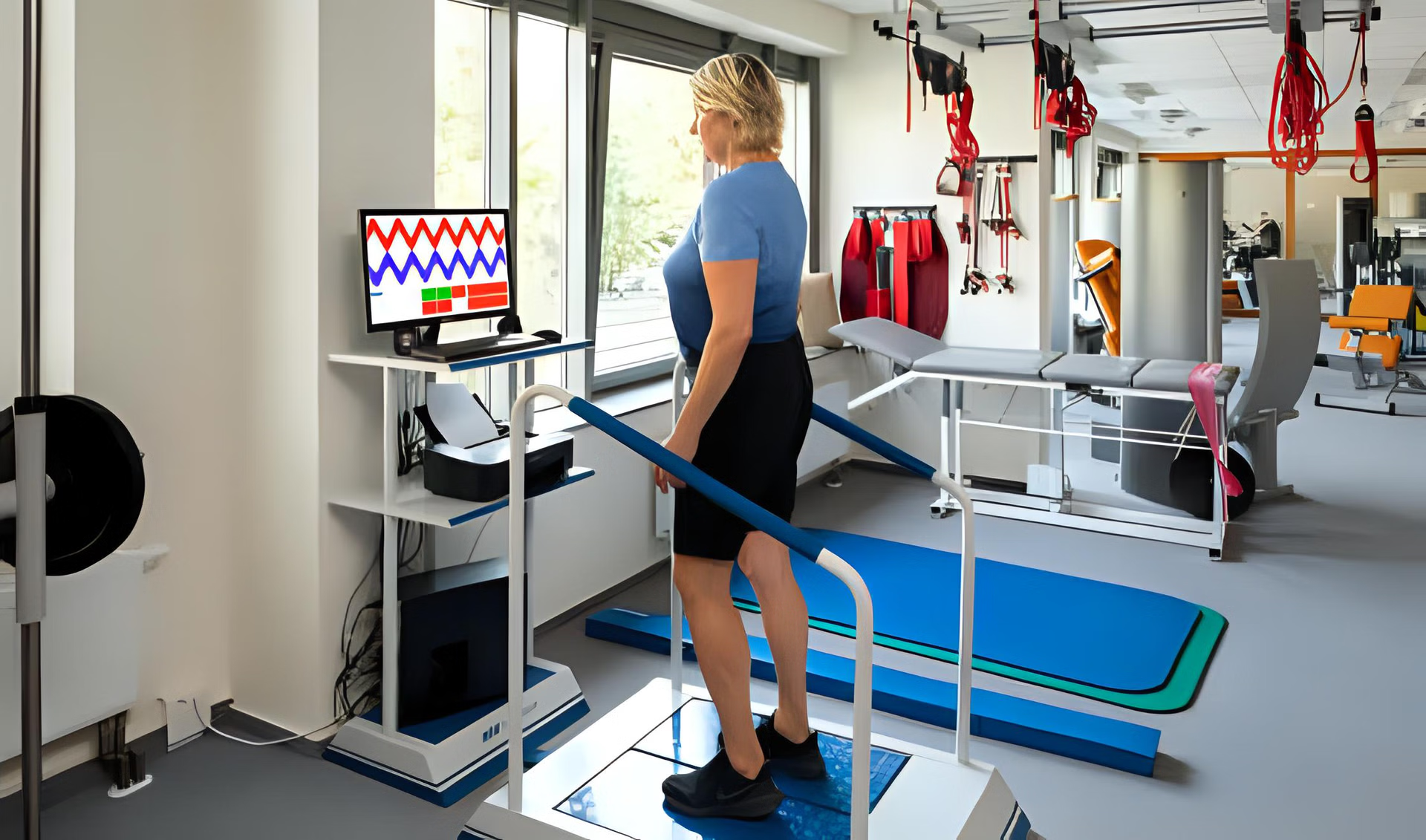
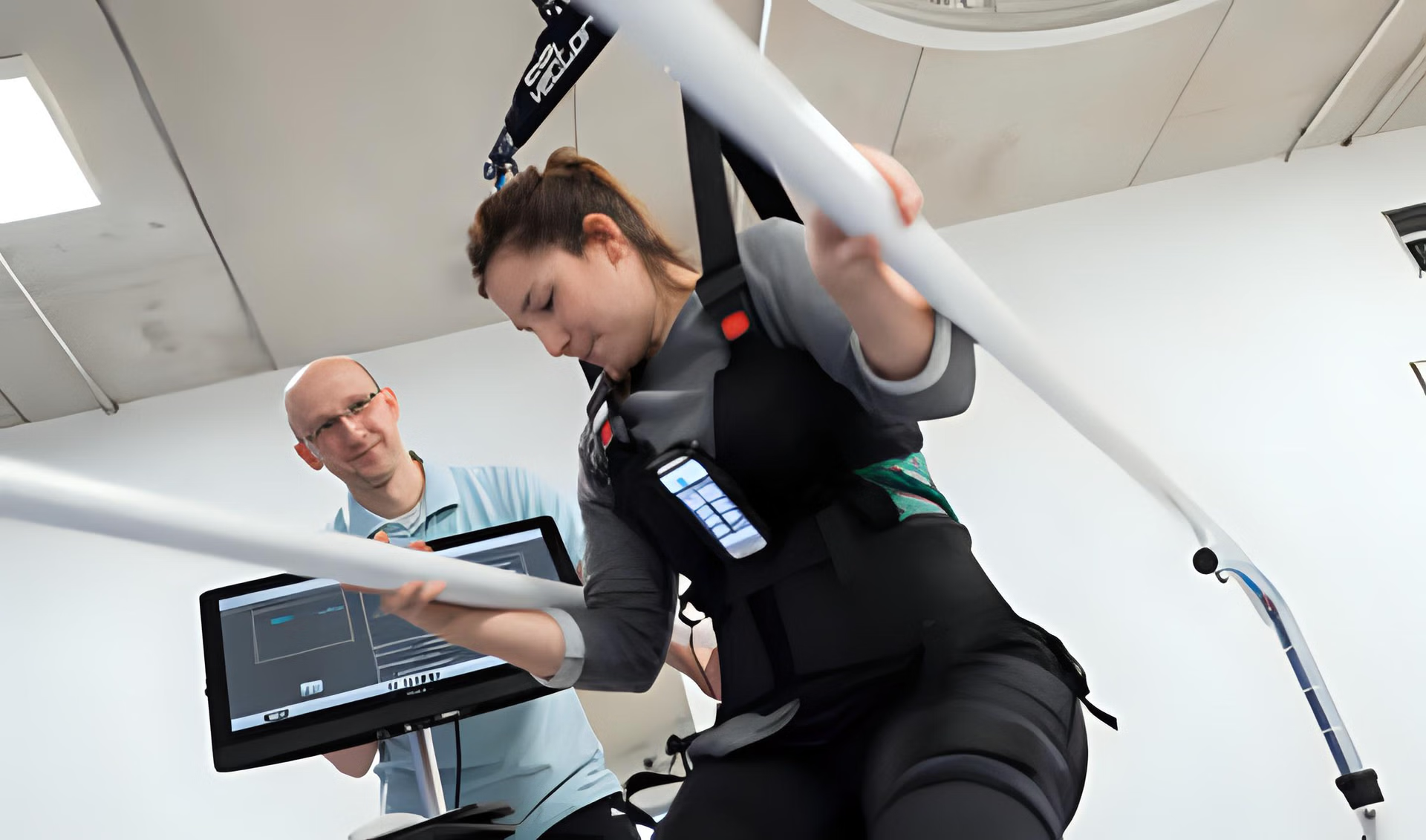
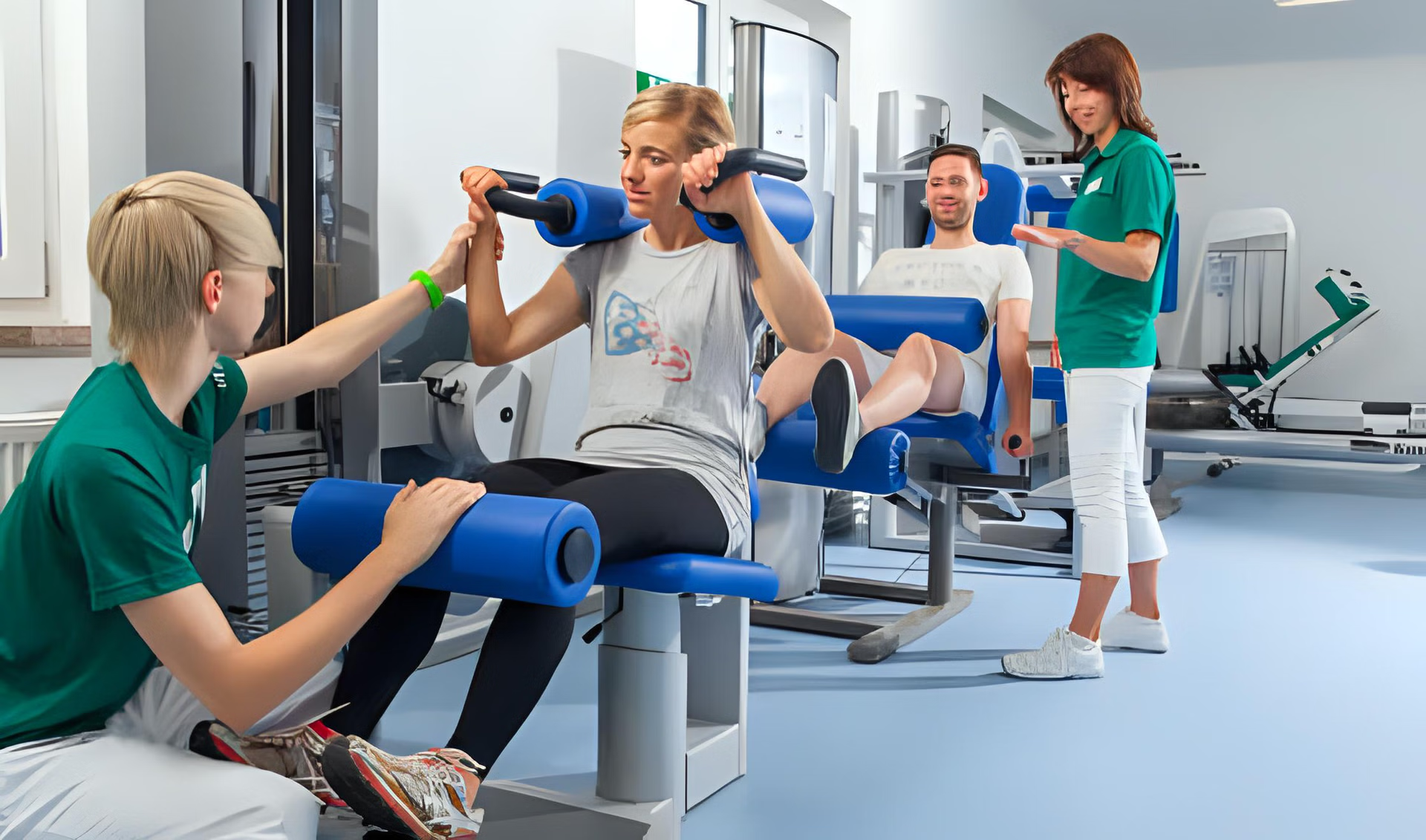
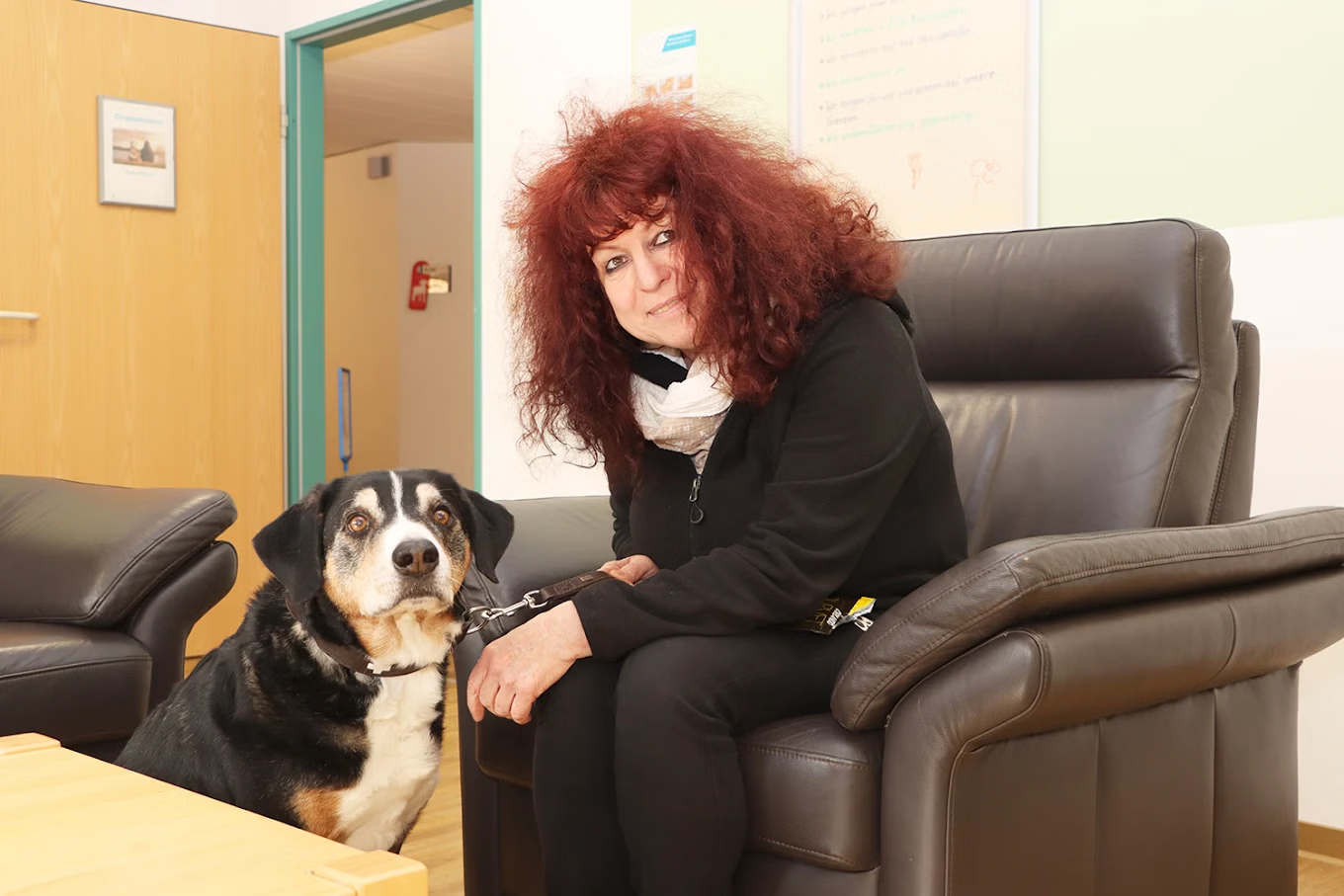
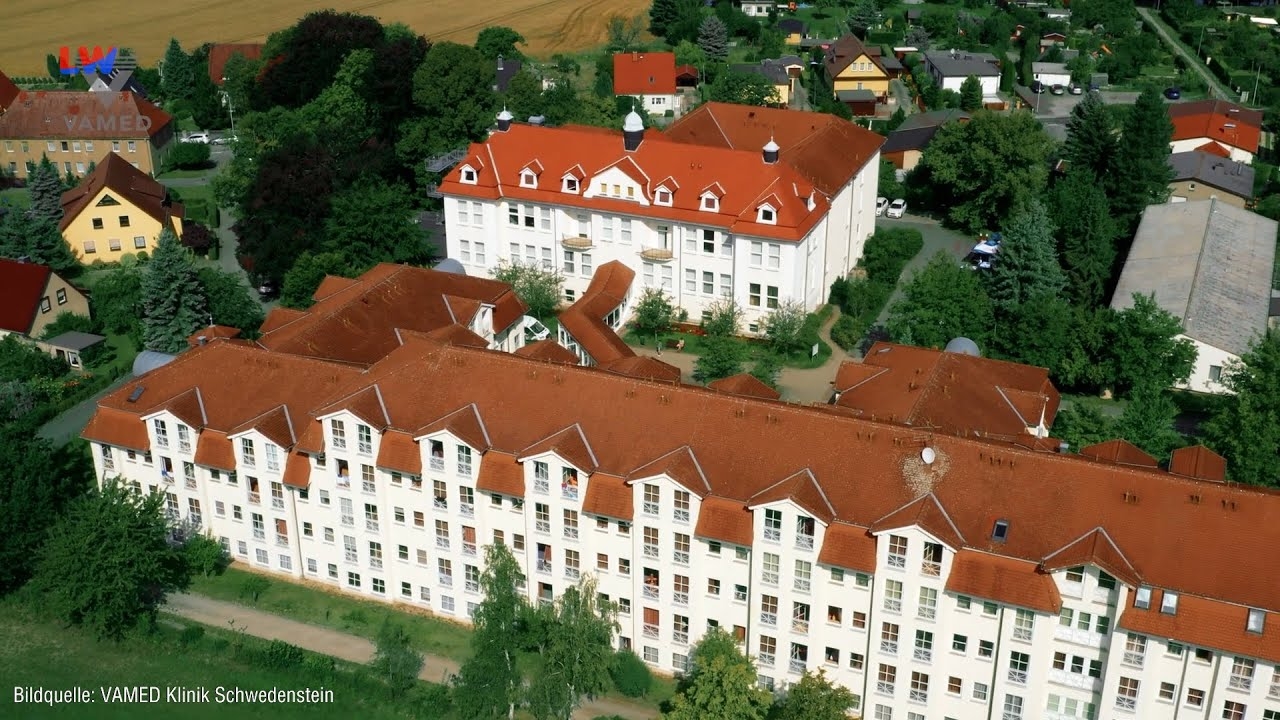
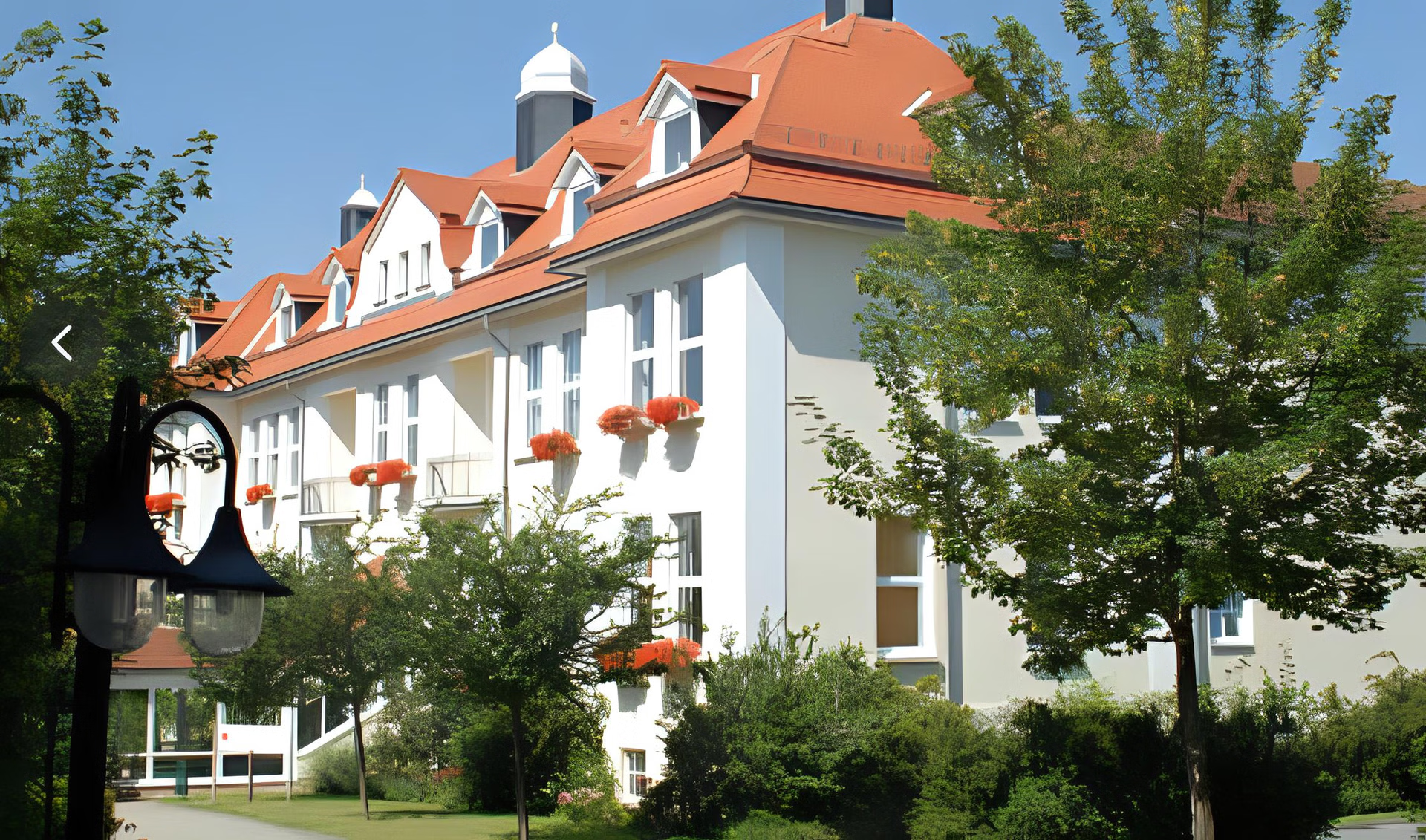
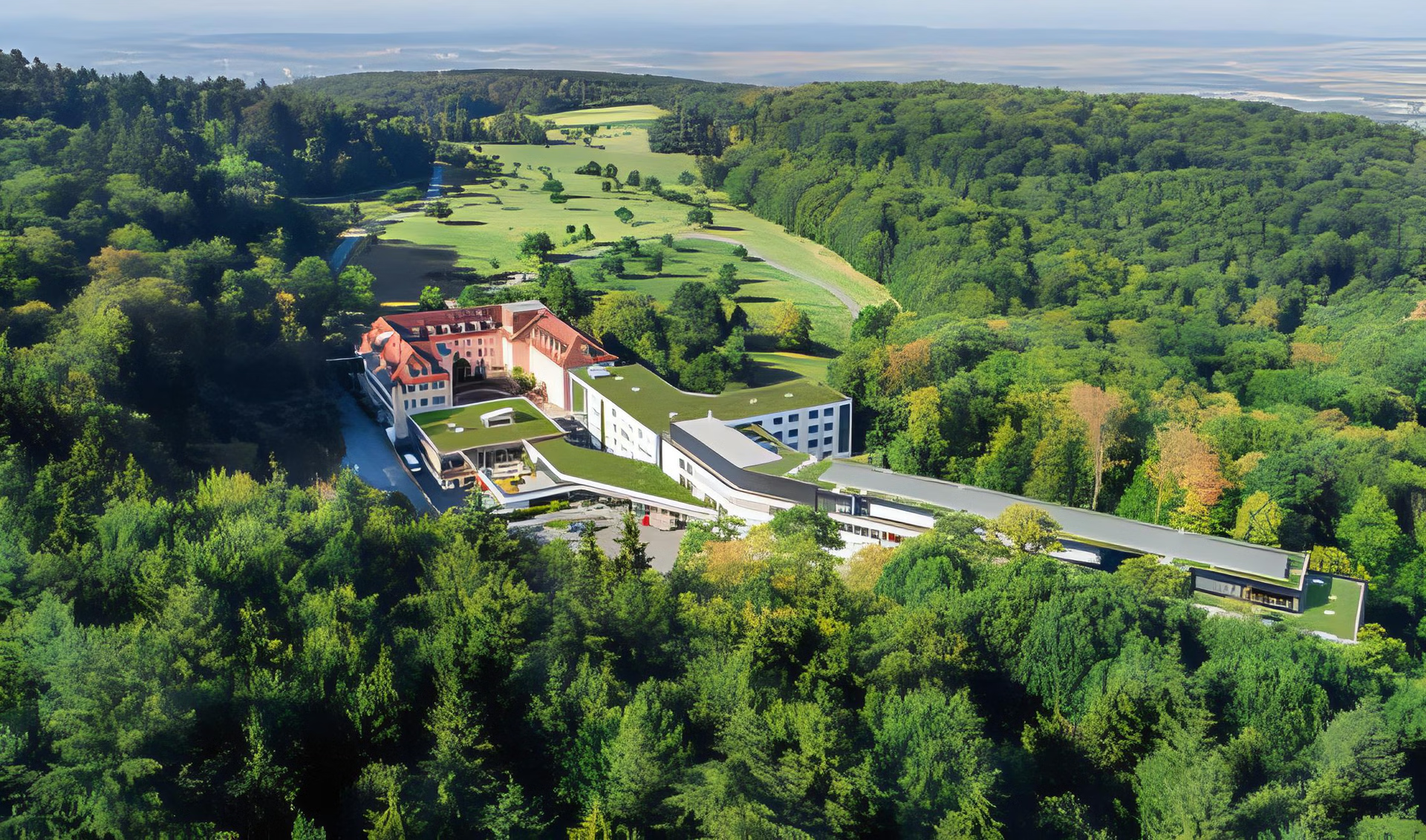
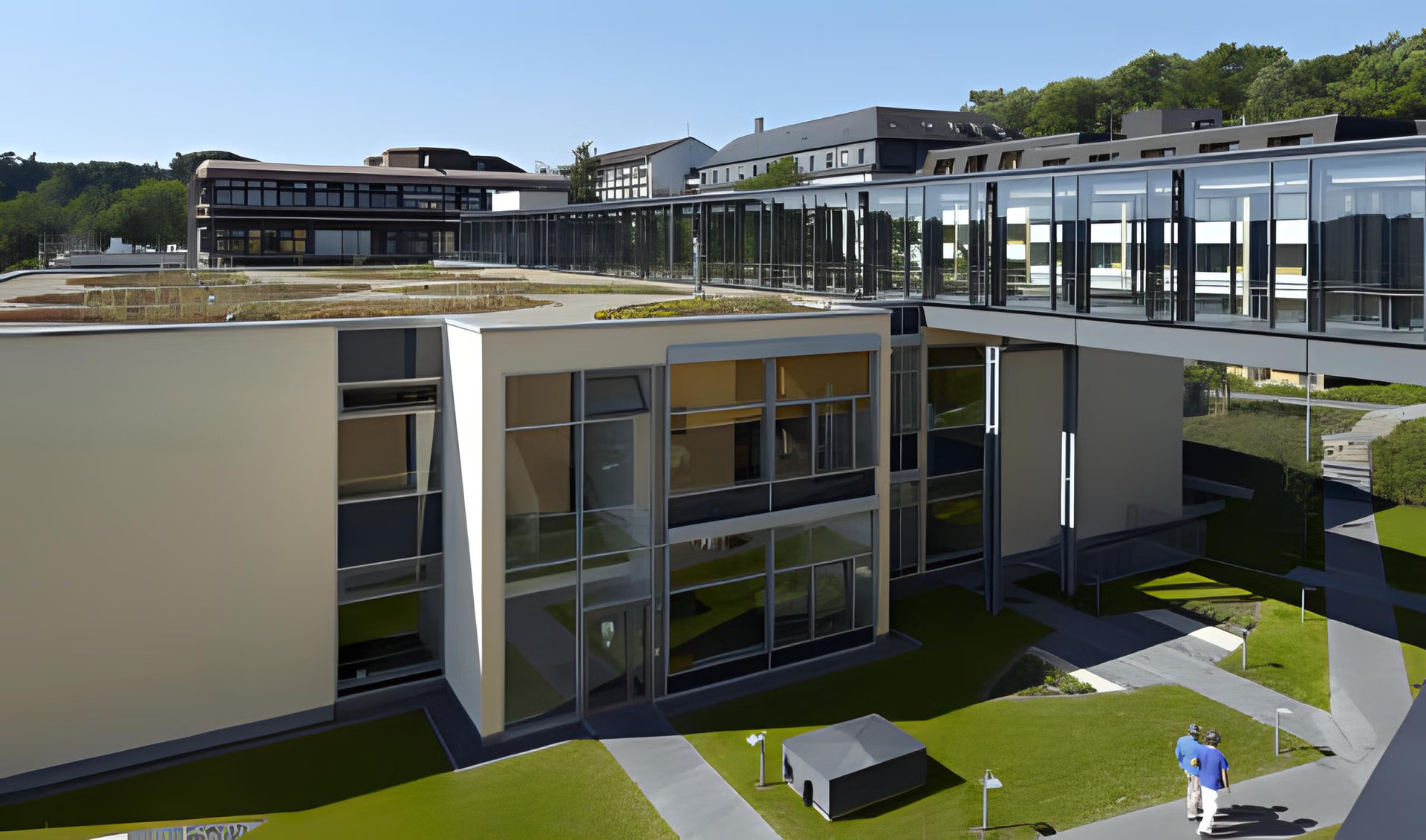
VITREA Rehabilitation Clinic Schwedenstein Pulsnitz is a highly specialized 140-bed inpatient center for psychosomatic medicine and intensive psychotherapy. Unlike its high-acuity neurological counterpart in the same town, this intimate facility rejects the sterile, machine-dominated atmosphere of post-operative wards to establish a deeply familiar, psychologically restorative environment. As an official academic teaching hospital of the Technical University Dresden, the institution acts as a vital bridge between cutting-edge clinical research and compassionate, human-centric behavioral science. The geographic setting in the undulating West Lusatian hill country is an intentional component of the healing blueprint; the low-stimulus woodland surroundings and proximity to tranquil Saxon lake landscapes provide a natural, sensory-grounding buffer that helps to downregulate chronically overstimulated sympathetic nervous systems and break the cyclical feedback loops of deep psychic distress. The cognitive and behavioral architecture of the facility is strictly optimized for the treatment of complex affective disorders, severe burnout, anxiety and panic syndromes, obsessive-compulsive disorders, and chronic somatoform pain. The clinic deploys a hyper-focused array of advanced psychological modalities. Rather than relying on generic counseling, the interdisciplinary teams of psychotherapists, specialized physicians, and art therapists integrate highly sophisticated interventions. These include eye movement desensitization and reprocessing, imaginative rescripting and reprocessing therapy, dialectical behavior therapy for emotional dysregulation, and high-precision biofeedback protocols. Furthermore, the clinic incorporates a highly specialized track for chronic tinnitus sufferers, adhering to the strict medical guidelines of the German Tinnitus-Liga and teaching patients to neurologically habituate to auditory stress. Psychotherapy is the primary method of treating patients. Doctors offer a variety of options and several individual sessions. Aquafitness, therapeutic archery, Nordic walking, or MTT (Medical Exercise Therapy) are adjunctive therapies that improve overall condition and promote a healthy lifestyle. Garden and work therapy helps people work with natural elements - earth, stones, wood, and plants- and find harmony and balance. Nutrition education addresses metabolic deficits and helps patients become more organized and healthier. Furthermore, the course includes different "Healthy nutrition" lectures and cooking classes. Joint music lessons in a singing-and-dancing group complement all of this. Music therapy is especially effective with speech therapy classes for organic and psychogenic speech disorders. In addition, patients can comprehensively master techniques for future self-treatment at home with the KAHA system in 10 courses: yoga, qigong, and haka. Different practices are also available separately. Spinal gymnastics and PowerYoga have a holistic effect on the body and soul. Joint stays with babies, swimming for children, and mom fitness for women who have recently given birth or are nursing are available. Since 2015, the clinic has also offered a comprehensive program for oncology patients. A defining operational pillar that sets this Saxon institution completely apart from traditional German psychosomatic clinics is its highly sophisticated psychooncology track and its pioneering approach to domestic inclusion. The facility serves as a critical national refuge for cancer survivors who, having completed their acute oncological interventions, find themselves grappling with profound existential trauma, body-image disruptions, and post-tumor psychological exhaustion. This specialized processing is supported by unique familial accommodations, including a dedicated parent-child sector and a famous, highly progressive pet-inclusive therapy infrastructure. Recognizing that separation from a companion animal can trigger severe situational anxiety and stall therapeutic progress, the clinic allows patients to undergo intensive multi-week psychological restructuring alongside their dogs or cats. To prevent the therapeutic gains from evaporating upon discharge, the recovery continuum is digitally extended directly into the patient's domestic life through integrated aftercare frameworks like the LiVi-RENA and PsyRENA systems.
Gallery
2026-05-28T20:05:24.000Z
2026-05-28T20:05:24.000Z
2026-05-28T20:05:24.000Z
2026-05-28T20:05:24.000Z
2026-05-28T20:05:24.000Z
2026-05-28T20:05:24.000Z
2026-05-28T20:05:24.000Z
2026-05-28T20:05:24.000Z
2026-05-28T20:05:24.000Z
2026-05-28T20:05:24.000Z
2026-05-28T20:05:24.000Z
2026-05-28T20:05:24.000Z
Pulsnitz: 30 years of rehabilitation clinic in Schwedenstein
2026-05-28T20:01:45.000Z
Pulsnitz: 30 years of rehabilitation clinic in Schwedenstein
Extra services
Visa Support
Parking Space
Pastoral Care
Cafeteria
Accessibility Features
Support Groups
Location
Obersteinaer Weg, 01896 Pulsnitz, Germany
FAQ
Should the facility be chosen for psychological support after crises?
The clinic is an excellent place to recover after intense stress and powerful experiences. Various physiological effects on the body and psychotherapeutic sessions will help provide proper support and motivation.
Is the rehabilitation center the best in Germany?
The clinic is on Focus magazine's list of the best rehabilitation clinics. The center has a high rating based on the assessment of treatment safety and effectiveness. Numerous positive patient reviews will confirm this.
Does the clinic accept refugees?
Refugees can receive appropriate psychological outpatient care at a rehabilitation center. Easy access to services and early treatment reduces the risk of complications and contributes to faster normalization after exacerbations.
What advanced trauma therapies are utilized?
Psychologists and trauma therapists employ highly targeted, evidence-based confrontation methods to process deep-seated psychological trauma. Treatment protocols regularly integrate eye movement desensitization and reprocessing, imagery rescripting and reprocessing therapy, and dialectical behavior therapy.
Is there a dedicated psycho-oncology track?
Yes, the facility provides comprehensive psycho-oncological rehabilitation to help cancer survivors emotionally process their diagnoses. In cooperation with regional cancer societies, therapists focus on resolving existential anxiety, severe fatigue, and the reactive depressive episodes associated with heavy tumor treatments.
How are chronic tinnitus disorders managed?
The clinic delivers an integrated therapeutic track for chronic, distressing ear noises based on the official guidelines of the German Tinnitus League. Audiometric testing is combined with biofeedback, relaxation techniques, and cognitive-behavioral adjustments to help the brain filter out internal noise.
Are post-viral mental health conditions treated?
Yes, the facility operates a specialized post-COVID psychosomatic department. The clinical team addresses the complex neurological and mental health long-term consequences of the infection, focusing on severe cognitive fog, chronic exhaustion, and secondary anxiety states.
What is the rating of the clinic?
VITREA Rehabilitation Clinic Schwedenstein Pulsnitz is rated as 9.10 by AiroMedical.
What do patients say about VITREA Rehabilitation Clinic Schwedenstein Pulsnitz?
The clinic has 132 feedbacks at other places. The UserScore of the hospital is 82%.