The data collected based on
112
patient reviews on Google
Certificates
Features & Facts
Narrow Specialization
VITREA Clinic Kipfenberg offers specialized treatment for neuroimmunological diseases of the brain, such as multiple sclerosis, motor disorders like Parkinson's syndrome, and rehabilitation after strokes, traumatic brain injuries, and operations.
Decades of Experience
The medical team at the clinic's paraplegic center has treated congenital and acquired paralysis caused by injuries, tumors, inflammation, or circulatory disorders of the spinal cord or spine for over 30 years.
Scientific & Clinical Research
The facility collaborates with multiple research groups to develop new VR methods for restoring motor and neuropsychological disorders, including attention and memory, speech disorders (aphasia), and problems with action planning (apraxia).
New Therapy for Hand Dysfunction after Brain Damage
VITREA Clinic Kipfenberg develops approaches to electrophysiological treatment, transcranial magnetic stimulation, and robotics to treat motor and functional disorders.
Daily Updating of the Individual Therapy Plan
Physiotherapists use treatment concepts such as Bobath, Affolter Model, or PNF, depending on patients' needs and abilities. Clinical neuropsychologists provide psychotherapeutic interventions to help patients to overcome diseases.
Advanced Phase B Rehabilitation
The facility functions as a prime regional hub for complex phase B early-onset neurological rehabilitation, managing severe brain injuries immediately after neurosurgery.
Comprehensive Dysphagia Management
Speech therapists conduct specialized diagnostic evaluations of swallowing to treat post-stroke swallowing disorders and safely guide patients back to independent oral nutrition.
Specialized Bariatric Care Equipment
The infrastructure features customized examination devices and reinforced therapeutic patient hoist machinery explicitly certified for severely overweight and bariatric individuals.
Integrated Rooming-In Family Infrastructure
The ward design includes dedicated rooming-in accommodations that allow family members to stay on-site, significantly enhancing emotional support and pediatric recovery.
Targeted Post-COVID Syndrome Recovery
Specialized medical teams deploy customized respiratory, cognitive, and physical training tracks to help long-COVID patients systematically overcome chronic fatigue and breathing issues.
About the clinic
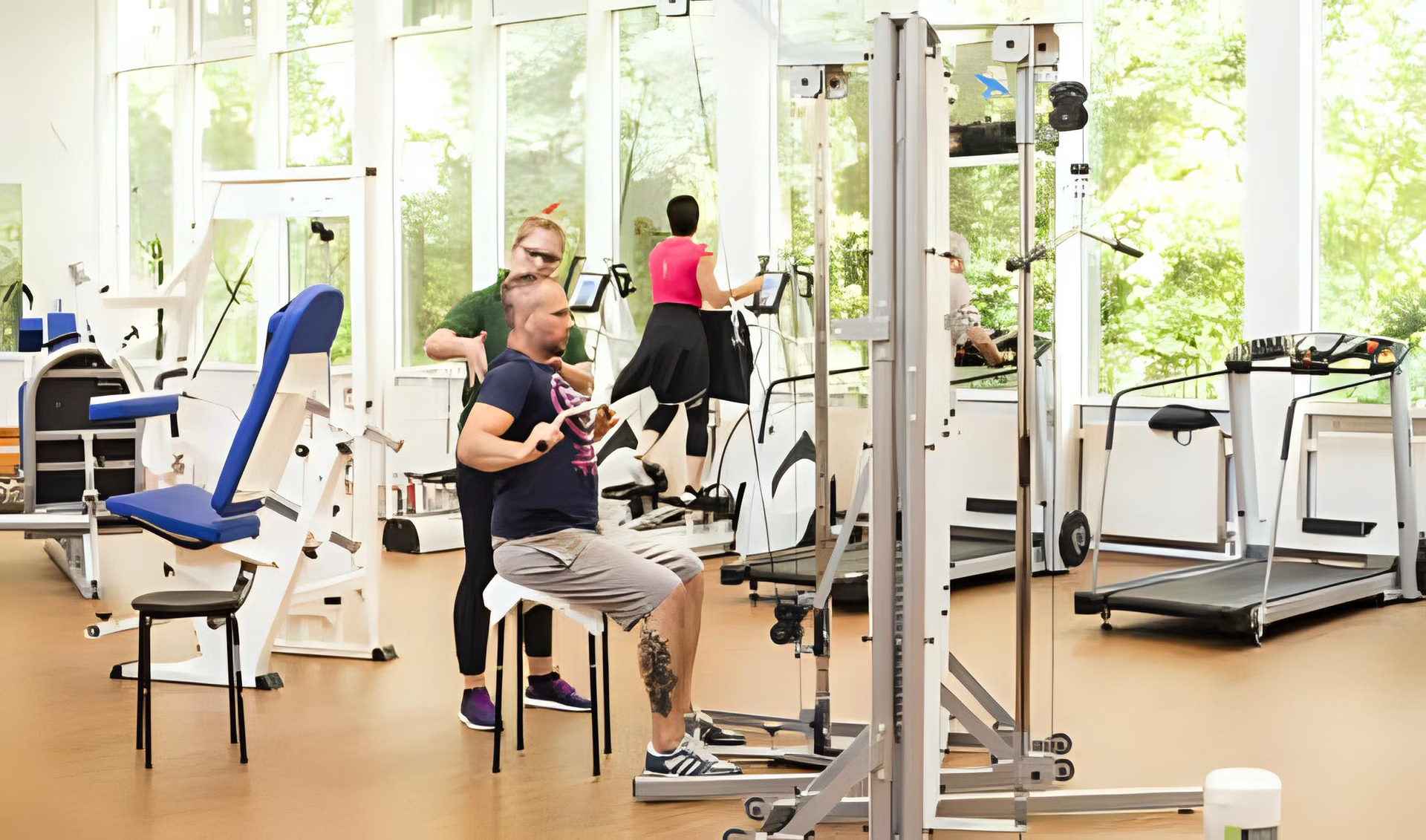
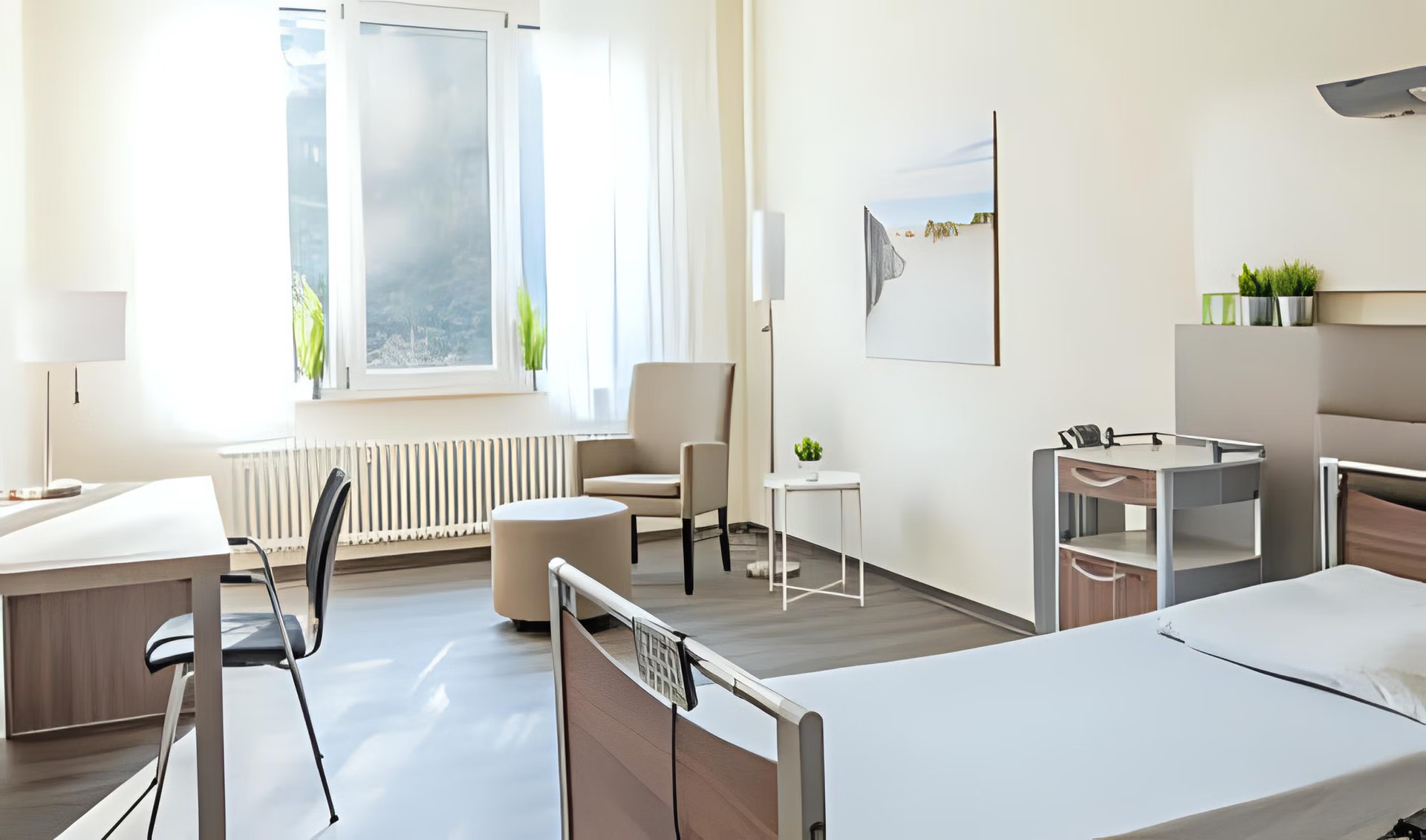
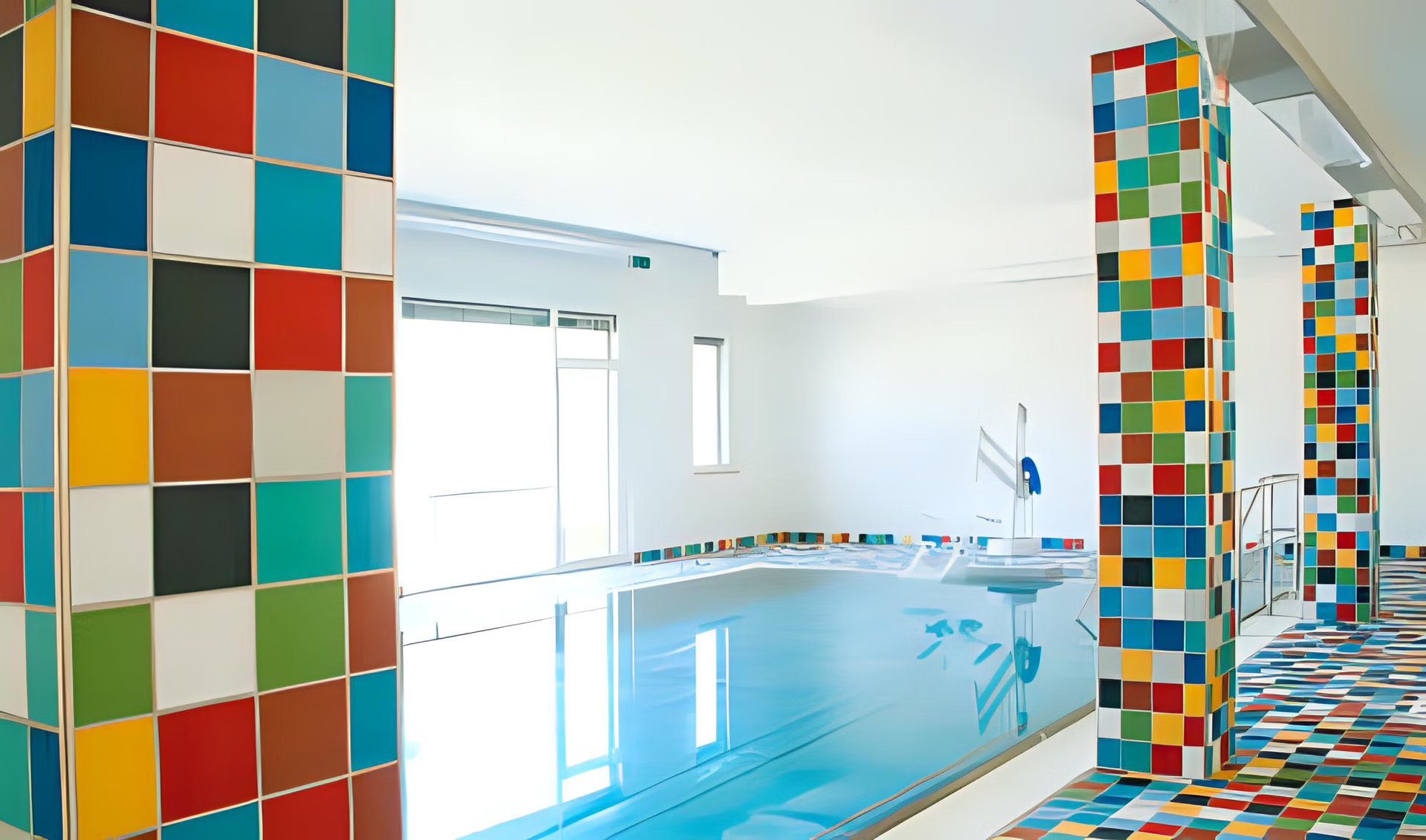
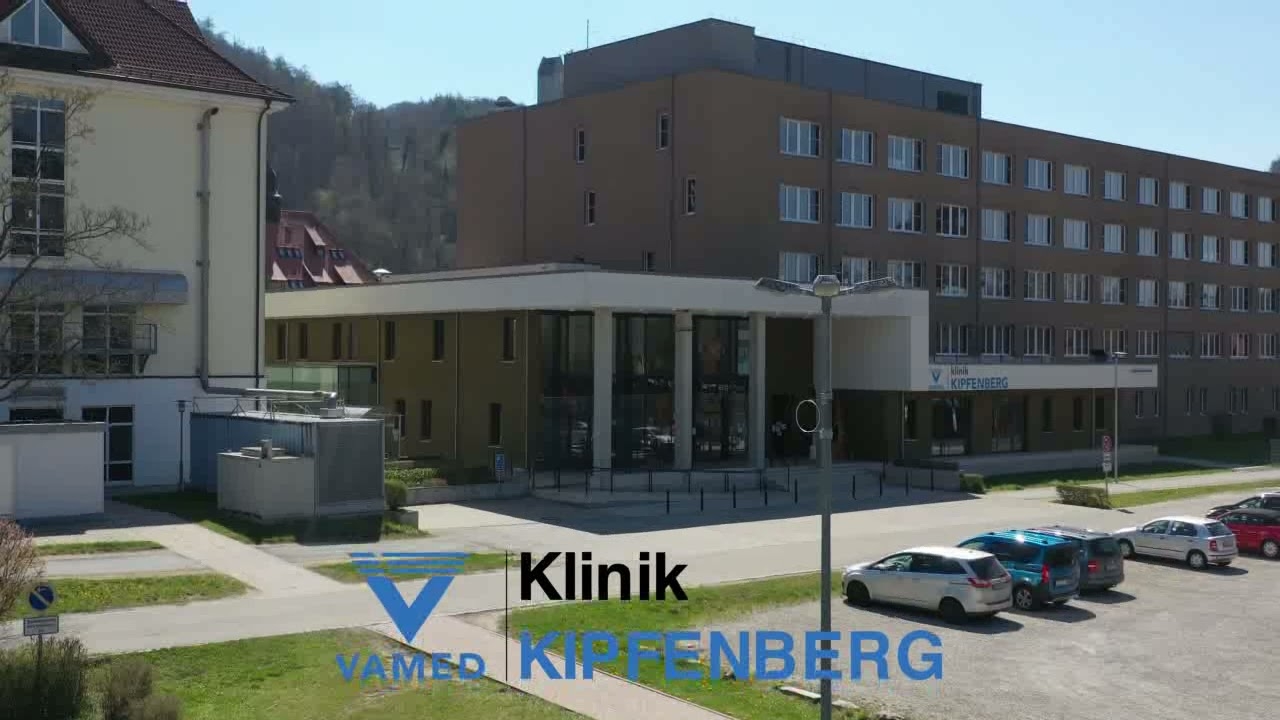
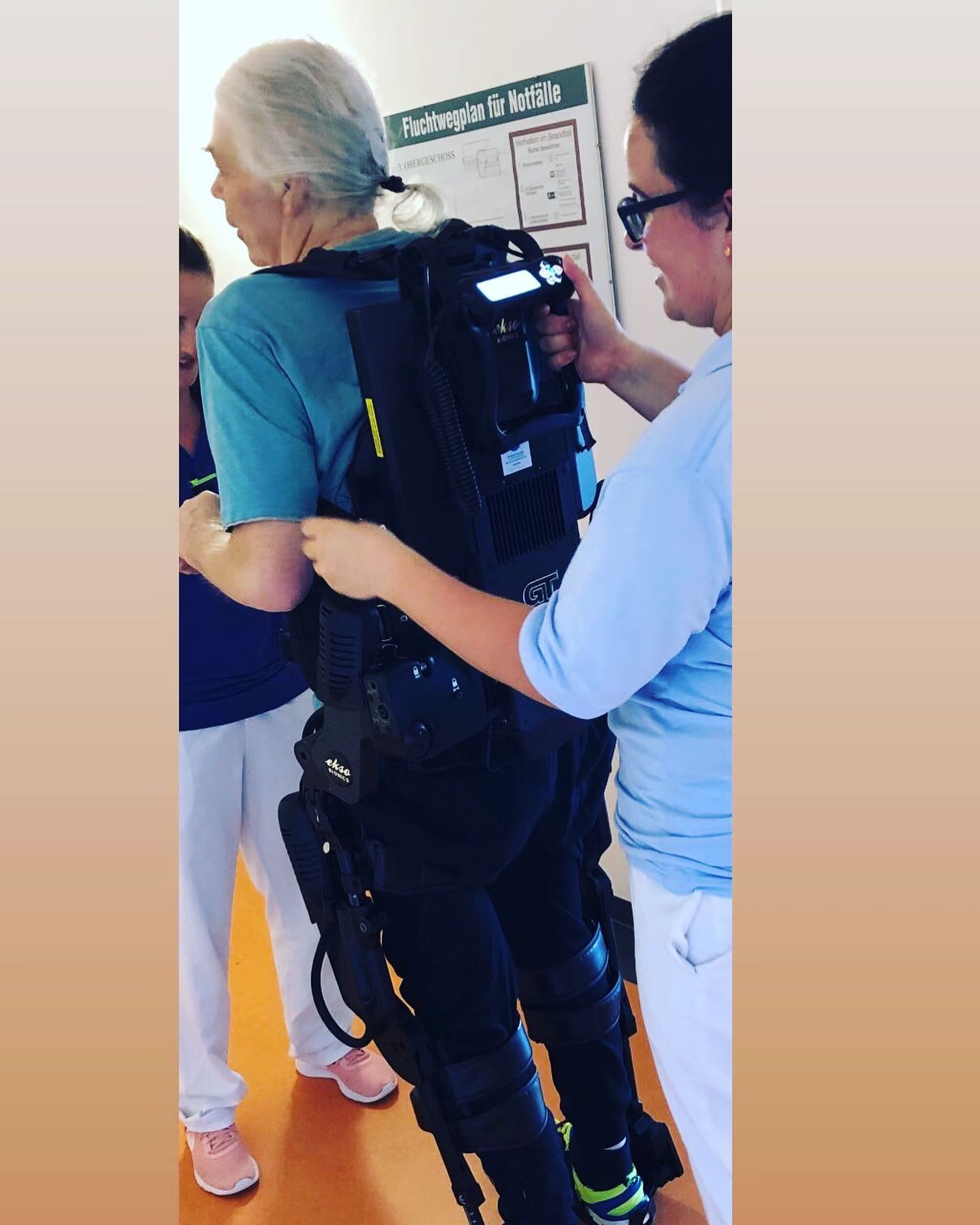
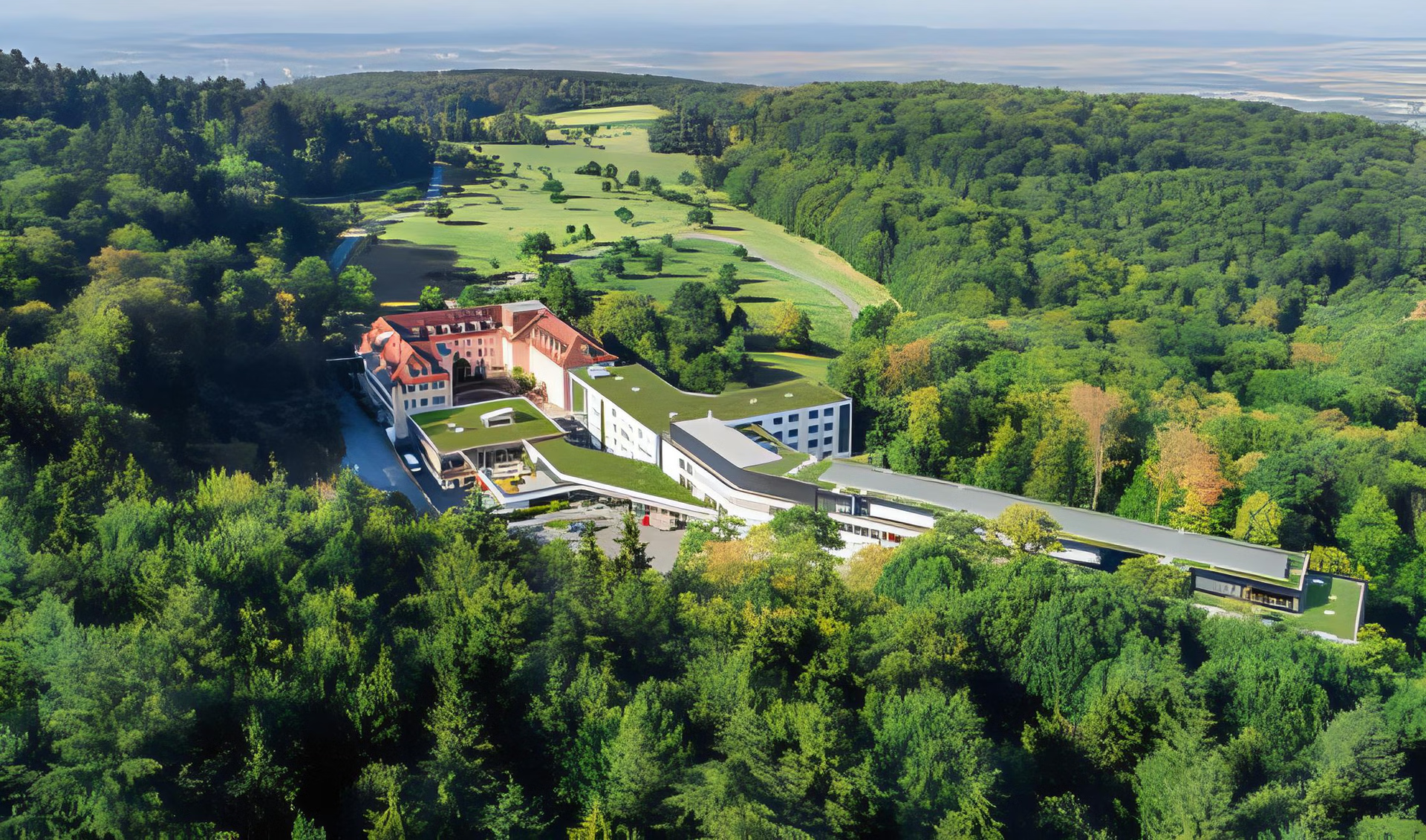
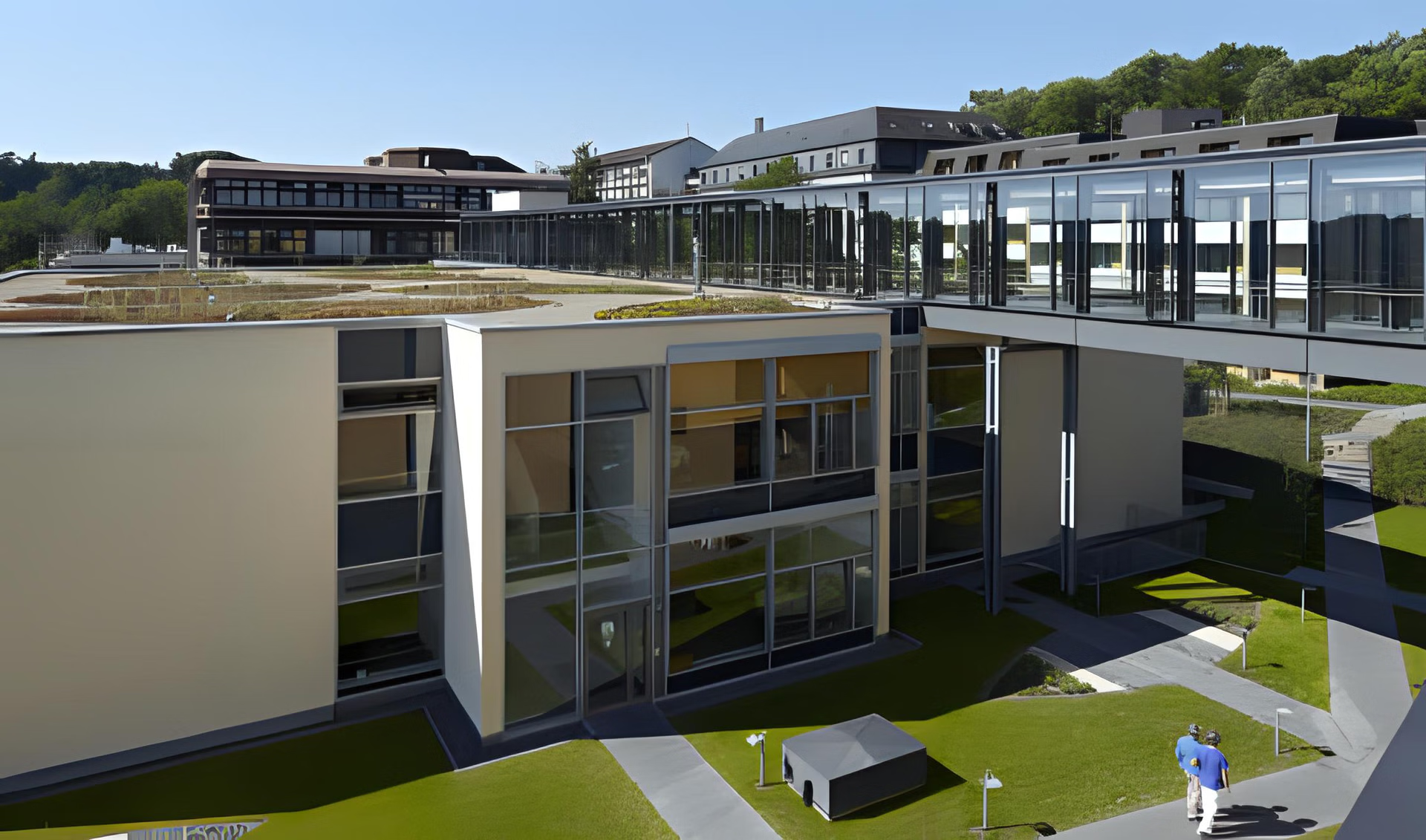
VITREA Clinic Kipfenberg serves as an intensive, ultra-specialized center for high-acuity neurological and orthopedic-traumatological rehabilitation. It completely abandons the low-intensity, conversational atmosphere of standard health resorts to function as a vital regional life-support and neuroplastic reconstruction hub. The facility serves as a massive clinical filter for the state of Bavaria, capturing patients at their lowest points of physiological vulnerability, frequently straight from intensive care units, neurosurgical theaters, and stroke centers. The calm, grounded presence of the surrounding Altmühl landscape acts as a steady baseline against which the clinic deploys an aggressive, highly technical medical strategy designed to rewire damaged neural pathways and stabilize shattered musculoskeletal structures. The facility is uniquely anchored by its comprehensive phase B neurological rehabilitation department, which includes a highly advanced, fully integrated specialized weaning unit for patients dependent on artificial respiration. Under the rigorous clinical direction of a multi-disciplinary medical team, the center specializes in navigating the extreme complexities of severe traumatic brain injuries, hypoxic brain damage, massive intracranial hemorrhages, and early-stage spinal cord lesions. The clinical protocol bridges the gap between acute medicine and rehabilitative retraining, utilizing early-mobilization frameworks to stimulate consciousness and motor responses while managing continuous monitoring and ventilation adjustments. This intensive neuro-vanguard is seamlessly balanced by an advanced orthopedic trauma sector that reconstructs functional mobility for patients suffering from severe multiple trauma, complex pelvic fractures, and complicated joint replacements, ensuring that structural alignment is maintained alongside neurological stabilization. The modern building, with panoramic views of the Altmühl Valley, accommodates over a hundred beds for high-acuity rehabilitation patients. Therapists and physicians have everything required to treat patients with severe illnesses in the early neurological phase shortly after the acute crisis. In addition, a specialized early rehabilitation unit equipped with 24 ventilation beds and continuous bedside monitoring stations helps clinicians respond quickly to changes in patients' physiology and work intensively on weaning patients from mechanical ventilators. Each patient has the opportunity to undergo a high-precision examination of the brain, spine, and nervous system. Intracranial and extracranial Doppler and duplex sonography are available for stroke diagnosis and prevention, as well as endoscopy, CCT, CT, ECG, Echocardiography, and kinematic analysis of arm and gait functions, all under one roof. Special rehabilitation has developed a patient-centered treatment model together with the University of Eichstätt-Ingolstadt. The program provides the use of various directions at the same time. Physiotherapists use Bobath, Affolter, or PNF according to patients' needs and abilities. Also, an essential component is therapeutic baths with various additives. These include hydroelectric baths and the Stanger bath. Parallel electrotherapy, in combination with ultrasound, improves metabolism and reduces pain. In addition, laser therapy helps to accelerate the healing of bedsores, ulcers, and all other types of skin damage. Thanks to the ongoing search for innovative treatment methods, music therapy and art therapy are also components of treatment aimed at developing cognitive function and the nervous system's plasticity. Also, rehabilitators work to reduce pain sensations and strive to minimize medication use. To do this, doctors teach patients the correct and prudent use of drugs and determine the lowest effective dose and the optimal dosing schedule. A true powerhouse of modern neuro-rehabilitation is its pioneering mastery over advanced robotic-assisted movement therapies and intensive neuro-dysphagia management. The facility features a world-class kinetic laboratory equipped with specialized exoskeleton frameworks, computerized gait trainers, and robotic arm rehabilitation devices that perform thousands of high-precision repetitions to drive cortical reorganization in the human brain. This biomechanical infrastructure is tightly coupled with a highly specialized clinic-wide dysphagia program, where speech therapists and radiologists use fiberoptic endoscopic evaluations of swallowing to safely retrain paralyzed throat musculature, allowing patients to regain basic nutritional autonomy.
Gallery
Kipfenberg Clinic
2026-05-28T10:29:31.000Z
Kipfenberg Clinic
2026-05-28T10:29:05.000Z
2026-05-28T10:29:05.000Z
2026-05-28T10:29:05.000Z
2026-05-28T10:29:05.000Z
2026-05-28T10:29:05.000Z
2026-05-28T10:29:05.000Z
2026-05-28T10:29:05.000Z
2026-05-28T10:29:05.000Z
2026-05-28T10:29:05.000Z
2026-05-28T10:29:05.000Z
2026-05-28T10:29:05.000Z
Kipfenberg Clinic
2026-05-28T10:29:31.000Z
Kipfenberg Clinic
Extra services
Visa Support
Parking Space
Cafeteria
Accessibility Features
Support Groups
Location
Konrad-Regler-Straße 1, 85110 Kipfenberg, Germany
FAQ
Should I choose VITREA Clinic Kipfenberg for chronic pain?
A physiotherapeutic approach, including electro- and hydrotherapy, as well as massages and special exercises, helps reduce pain in neurological and orthopedic patients. Also, doctors use the most gentle medicines of recent generations to reduce harm to health.
Will I be able to reduce the symptoms of Parkinson's in the hospital?
Bobath, Affolter, or PNF helps restrain unnecessary impulse conduction along the nerve endings. In addition, a special assessment of the gait and its correction contributes to greater patient confidence. In this way, tremors and the risk of falls are reduced, and quality of life improves.
What is the uniqueness of the rehabilitation center?
The clinic offers early rehabilitation almost immediately after treating an acute condition. This approach contributes to better, faster recovery and prevents patients from being on ventilators for too long. Self-feeding and tube weaning are also available.
What early-stage neurological care is provided?
The clinic serves as a specialist center for early neurological and neurosurgical rehabilitation in phase B. Neurologists stabilize and treat acute patients who have just emerged from critical brain injuries, hypoxic brain damage, or massive strokes but still require intensive medical monitoring.
What specialized care does the paraplegic center offer?
Recognized by the German Medical Society for Paraplegic Care, the on-site paraplegic center treats patients with traumatic and congenital spinal cord injuries. The interdisciplinary team delivers acute care, manages spinal shock conditions, and builds customized adaptation tracks for both complete and incomplete paralysis.
What clinical technology supports gait rehabilitation?
The therapeutic department incorporates robotic-assisted gait analysis and advanced biomechanical devices into its movement programs. Clinicians use the Hunova sensorized robotic platform to provide patients with real-time visual and acoustic biofeedback, enabling them to correct weight-bearing distribution and core-tracking errors during trunk and ankle training.
What is the rating of the clinic?
VITREA Clinic Kipfenberg is rated as 8.70 by AiroMedical.
What do patients say about VITREA Clinic Kipfenberg?
The clinic has 112 feedbacks at other places. The UserScore of the hospital is 92%.
What is the overall experience of the facility?
VITREA Clinic Kipfenberg has been operating since 1993. It has accumulated over 33 years of clinical background.
Where can I see the hospital's work, interior space, and exterior?