The data collected based on
196
patient reviews on Google
Certificates
Features & Facts
Certified for Rehabilitation Services
VITREA Clinic Hattingen has been granted the seal of quality by the Association of Private Hospitals in Schleswig-Holstein, ensuring outstanding quality services and patient safety.
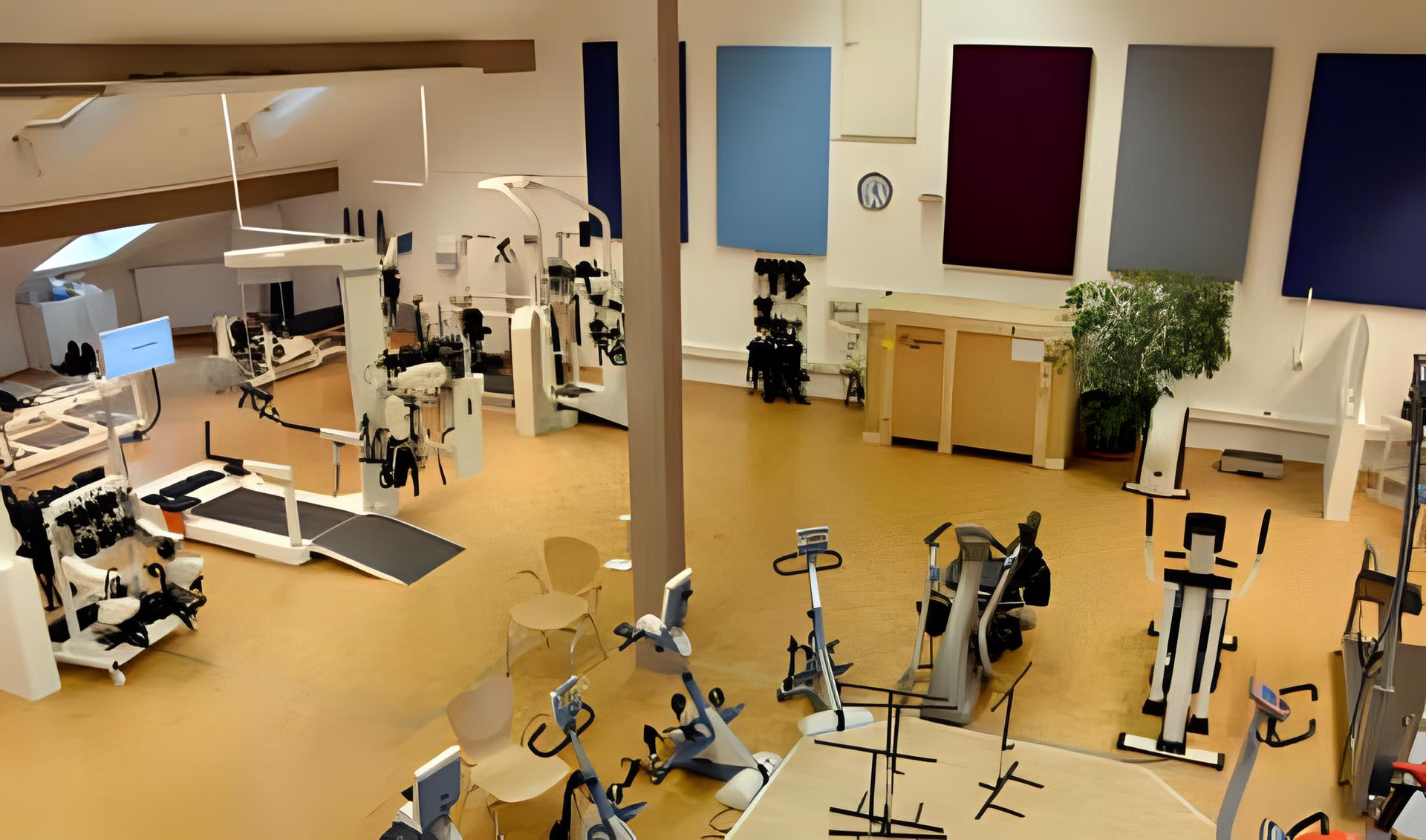
Wide Range of Rehabilitation Methods
Patients with neurological diseases who undergo rehabilitation in the center can try one of 11 big groups of rehabilitation methods, including garden, music, and robotic-assisted therapy.
The Facility Contains a Closed Station
Patients suffering from organic brain psycho syndromes often require additional attention and observation. The rehabilitation clinic provides closed wards for these patients with sheltered gardens.
Two Lokomat Systems on Board
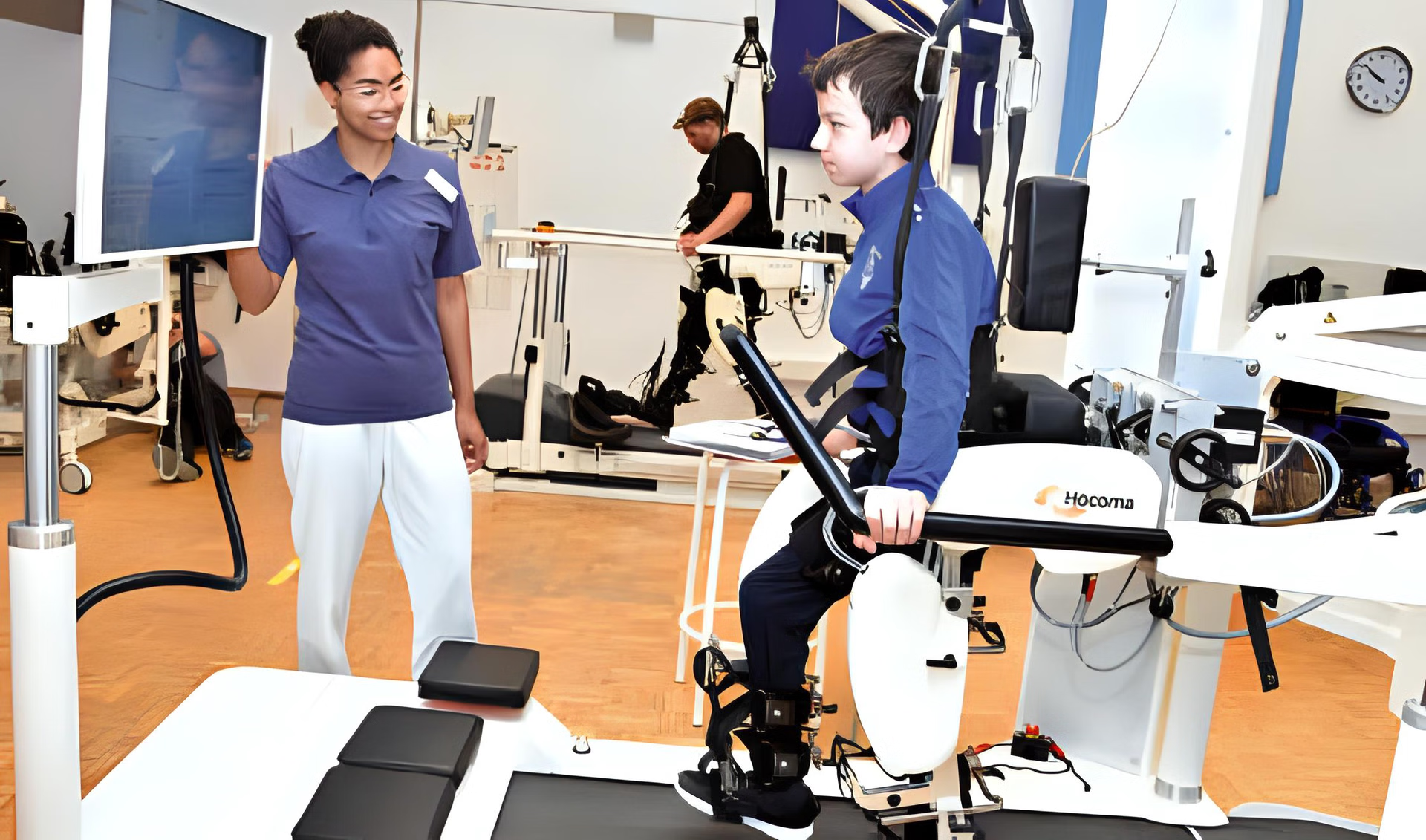
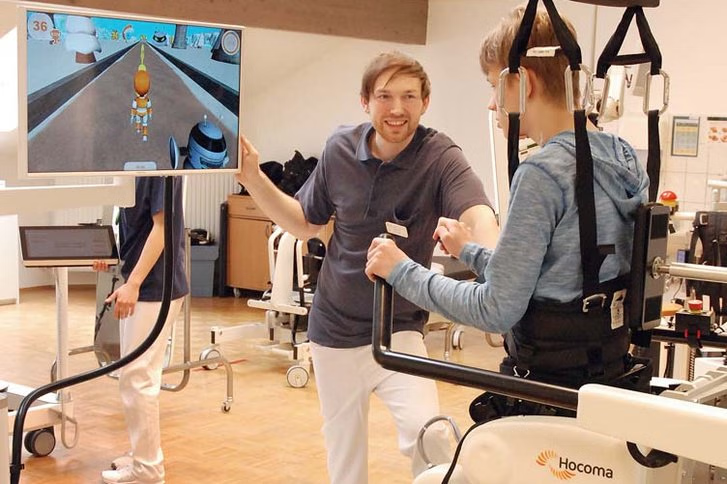
The specialized locomotion department uses two advanced Lokomat robotic gait orthoses to conduct highly repetitive, automated treadmill walking trials.
Two Erigo Devices
Therapists utilize two innovative Erigo tilt-table systems to safely verticalize severely affected patients while inducing automated leg movements to stabilize blood pressure.
Advanced C-Mill Treadmill
The clinic utilizes a C-Mill treadmill tracking system that uses auditory cues and augmented reality projections to simulate complex real-life walking challenges.
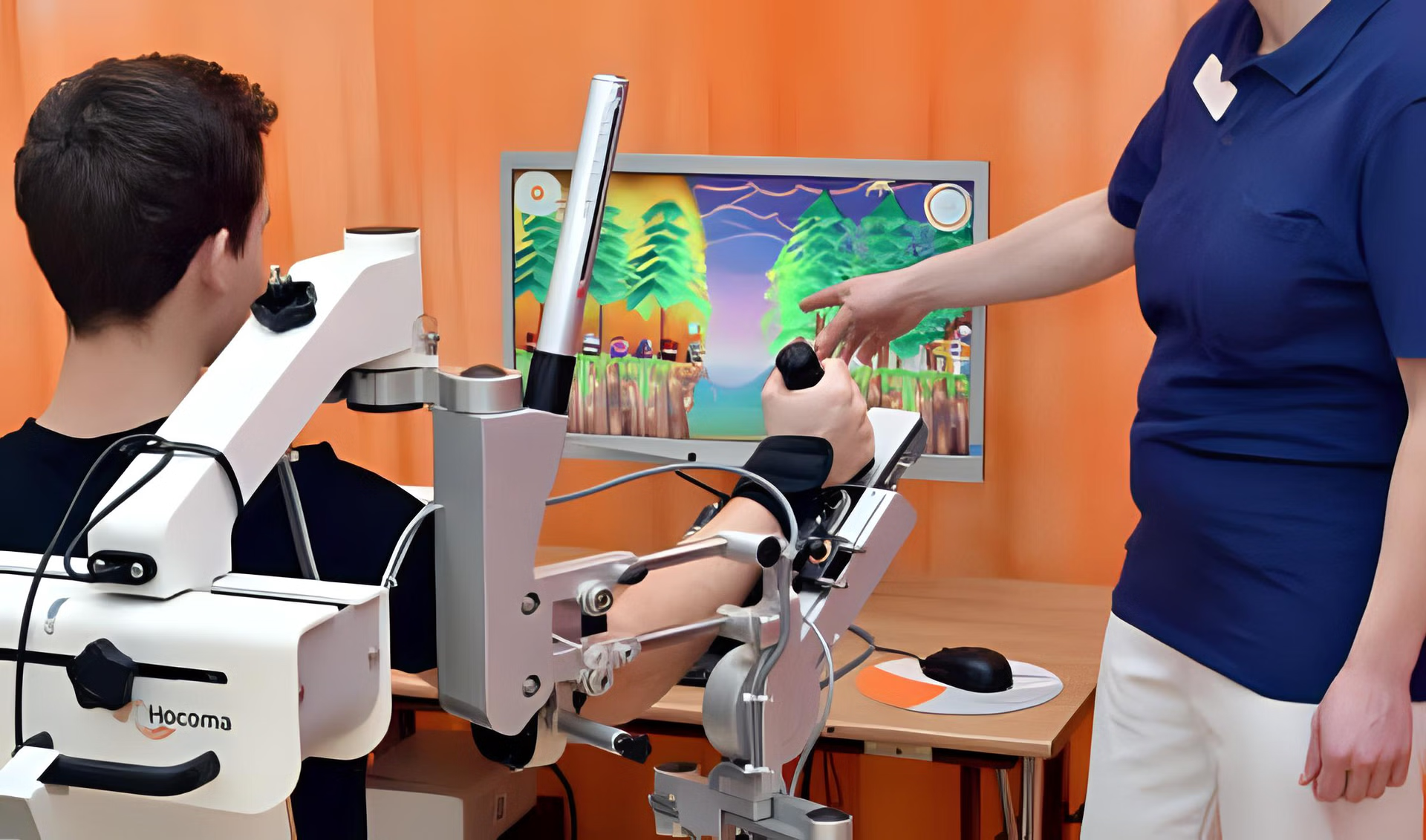
Armeo Spring Training
The occupational therapy unit deploys specialized Armeo Spring upper-limb exoskeletons, including pediatric configurations, to restore motor skills via gamified tasks.
Comprehensive Phase B
The hospital is officially integrated into the North Rhine-Westphalia state hospital plan to deliver early-stage Phase B neurological rehabilitation.
Closed Neuropsychiatric Ward
A secure, closed neuropsychiatric rehabilitation ward operates within the center to safely manage and treat patients with severe cognitive and behavioral deficits.
On-Site Clinic School
The pediatric wing runs its own certified clinic school, allowing long-term young patients to keep pace with standard educational curricula during recovery.
About the clinic
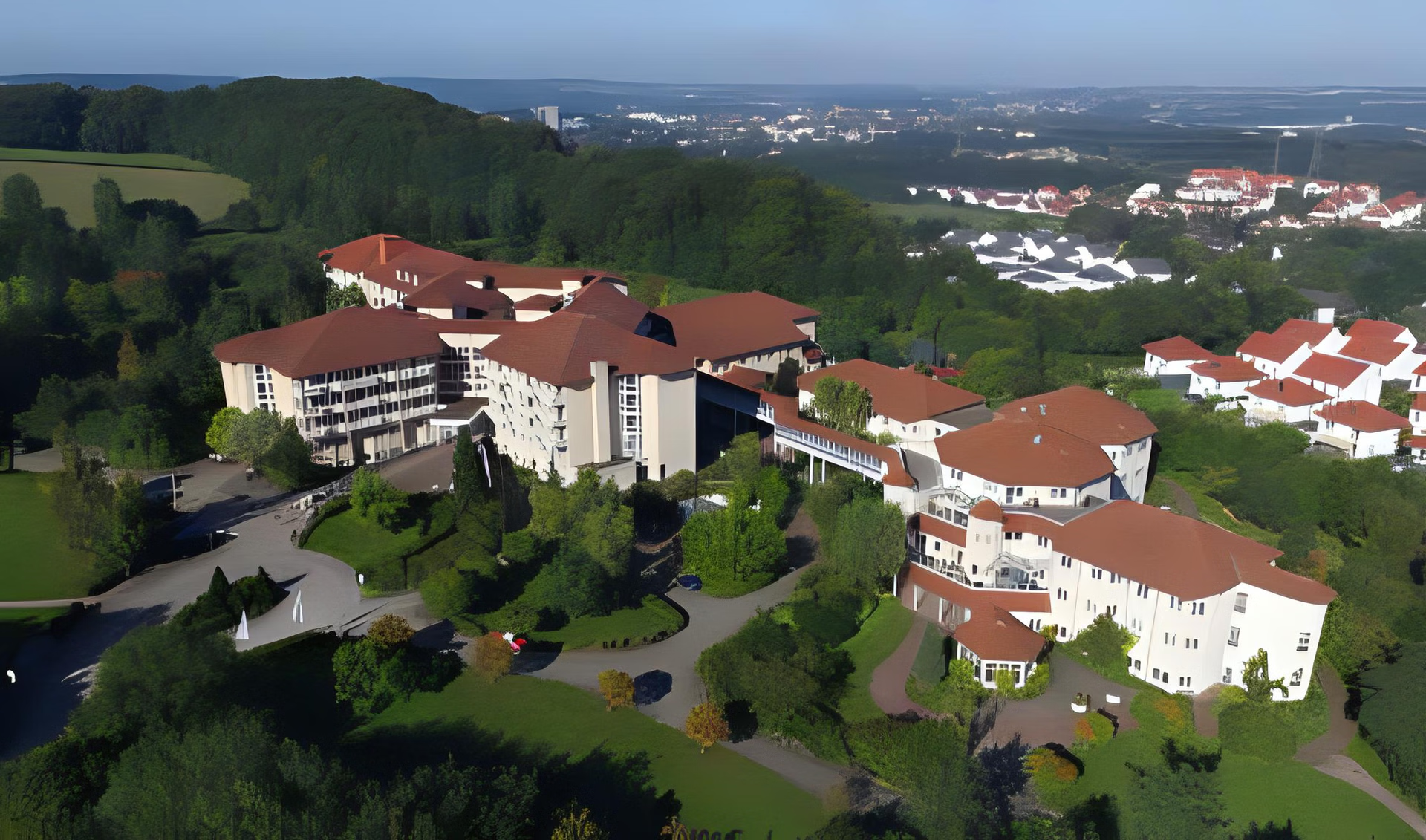
VITREA Clinic Hattingen commands a reputation as a heavy-hitting neurological and neurosurgical rehabilitation sanctuary that masterfully untangles the complexities of the human nervous system across the entire lifespan. Following its transition into the expansive European VITREA network, the facility manages an optimized 270-bed framework that intentionally balances the needs of 210 adult patients with a highly specialized 60-bed pediatric and youth contingent. The physical setting in Hattingen-Holthausen acts as a vital therapeutic lever; the surrounding rolling hills, crisp forest air, and quiet field paths are deeply woven into the clinic’s mobility therapies, transforming the natural topography of North Rhine-Westphalia into an expansive, open-air laboratory for gait correction, neurological pacing, and sensory grounding. Clinically, the institution acts as a high-tier intervention hub for neurological early rehabilitation, systematically steering patients through phases B, C, and D of recovery following cataclysmic events like ischemic strokes, severe craniocerebral trauma, spinal cord lesions, or complex brain tumor resections. A cornerstone of the mechanical edge is its massive investment in robot-assisted therapies, deploying advanced robotic exoskeletons and digitized end-effector systems that automate thousands of high-precision motor repetitions to aggressively fire up neural plasticity and rewire broken synaptic pathways. This biomechanical intensity is counterbalanced by a deeply protective neuropsychiatry department, which utilizes a secure, closed ward concept to safely stabilize patients dealing with profound post-traumatic cognitive changes, behavioral dysregulation, or severe post-encephalitic states with uncompromised human dignity. A multidisciplinary team of therapists, neuropsychologists, psychiatrists, and nurses provides high-quality round-the-clock care. Supervision options include the full spectrum of neurosurgical and neurological intensive rehabilitation, including mechanical ventilation. Also, high-precision diagnostics are available thanks to X-rays, color dopplerography of cerebral vessels, and magnetic resonance imaging. With the help of bedside monitors, pulse, blood pressure, and oxygen intake are monitored. In the specialized department of neuropsychiatric rehabilitation, patients with organic cerebral psychosyndromes of all degrees of severity are treated, especially in severe states of disorientation and confusion, severe memory disorders, and psychomotor restlessness. The most significant advantage and uniqueness of VITREA Clinic Hattingen is its robotic therapy: Erigo (to improve blood circulation and muscle function), Lokomat (to improve gait clarity, stability, and speed), and Andago (to reduce the risk of falling). In addition, Armeo Spring and Armeo Spring pediatric for arms training allow the brain to adapt through intensive, repetitive robotic exercises. Thus, thanks to numerous work simulators, the medical center has the opportunity to receive patients with paralysis, after strokes and brain injuries, with multiple sclerosis, Parkinson's disease, and cerebral palsy. The bed exercise bike also restores lower-limb function, strengthens lung function, activates metabolism, and reduces complications such as bedsores caused by the lying position. Garden therapy is integral to the concept of therapy in neurology, neurosurgery, and neuropediatric rehabilitation centers. Injured people returning to life after accidents or serious illnesses can feel a bit of nature again after weeks or months in clinics. The soul of the campus lies in its acclaimed children and youth house, a vibrant, specialized pediatric pavilion that rejects clinical sterility in favor of developmental play, milestone recovery, and specialized pediatric epileptology. Here, families are treated as core therapeutic partners rather than mere visitors, moving into custom-designed Eltern-Kind-Apartments where parents undergo structured training courses to master complex home-care techniques long before official discharge.
Gallery
2026-05-19T16:39:25.000Z
2026-05-19T16:39:25.000Z
2026-05-19T16:39:25.000Z
2026-05-19T16:39:25.000Z
2026-05-19T16:39:25.000Z
2026-05-19T16:39:25.000Z
2026-05-19T16:39:25.000Z
2026-05-19T16:39:25.000Z
2026-05-19T16:39:25.000Z
2026-05-19T16:39:25.000Z
2026-05-19T16:39:25.000Z
2026-05-19T16:39:25.000Z
Extra services
Visa Support
Parking Space
Cafeteria
Accessibility Features
Support Groups
Location
Am Hagen 20, 45527 Hattingen, Germany
FAQ
What is the uniqueness of the center?
The medical center is a hub of modern medical rehabilitation. Doctors use six different robots that improve gait and function of the lower and upper limbs and facilitate recovery of physical activity through active leg movements, even for lying patients.
Is VAMED Rehabilitation Clinic Hattingen the best in Germany?
The medical center has been repeatedly evaluated by Focus and Stern magazine as the best rehabilitation clinic in the country in rehabilitation neurology and neurosurgery. It is highly recommended for the recovery of the most challenging patients.
Does the clinic offer training for relatives in caring for patients?
Given the complexity of caring for neurological patients and the importance of preventing complications, doctors conduct special training courses for relatives and nurses. This approach reduces the need for rehospitalization and builds confidence among relatives.
How is robotic therapy used for bedridden patients?
The clinic utilizes a specialized bed bicycle for patients in the earliest phases of neurological injury. This device allows bedbound individuals to perform passive or active limb exercises, which clinically improve cardiovascular stability, prevent muscle atrophy, and increase patient alertness.
How does the C-Mill system aid gait rehabilitation?
The physiotherapy department employs the C-Mill treadmill system, which projects visual obstacles and uses auditory rhythms onto the walking surface. This specialized setup is clinically targeted to improve step variability, cognitive focus, and real-world walking mechanics for Parkinson’s and stroke patients.
Does the clinic manage severe behavioral neuro-trauma?
The neuropsychiatric rehabilitation department features a dedicated secure closed ward (geschlossene Station). This specialized environment allows clinicians to safely stabilize and rehabilitate patients who experience profound cognitive, behavioral, or psychological disruptions following severe brain injuries.
What specific neurological conditions are treated here?
The medical teams deploy targeted therapies for stroke recovery, traumatic brain injuries, spinal cord lesions, multiple sclerosis, Parkinson’s disease, and infantile cerebral palsy. These clinical pathways span from acute early rehabilitation through to advanced functional recovery.
Are family members integrated into the medical care?
The facility provides structured medical training courses specifically designed for relatives and caregivers. These clinical teaching blocks prepare family members for the practical, day-to-day nursing and mobilization requirements of the patient prior to their official discharge home.
What is the rating of the clinic?
VITREA Clinic Hattingen is rated as 9.70 by AiroMedical.
What do patients say about VITREA Clinic Hattingen?
The clinic has 196 feedbacks at other places. The UserScore of the hospital is 98%.
What is the overall experience of the facility?
VITREA Clinic Hattingen has been operating since 1993. It has accumulated over 33 years of clinical background.
Where can I see the hospital's work, interior space, and exterior?