The data collected based on
159
patient reviews on Google
Certificates
Features & Facts
Narrow Specialization
The clinic is a renowned rehabilitation center in Gesthakhte that specializes in neurological and neuro-orthopedic treatments for children and young adults aged 0 to 25 years with cerebral palsy or traumatic brain injuries and speech disorders.
Pediatric Ventilation Weaning Center
The clinical team provides specialized artificial lung ventilation and weaning programs for complex pediatric patients with Undine syndrome or muscular dystrophy.
Motor Skills Restoration Tools
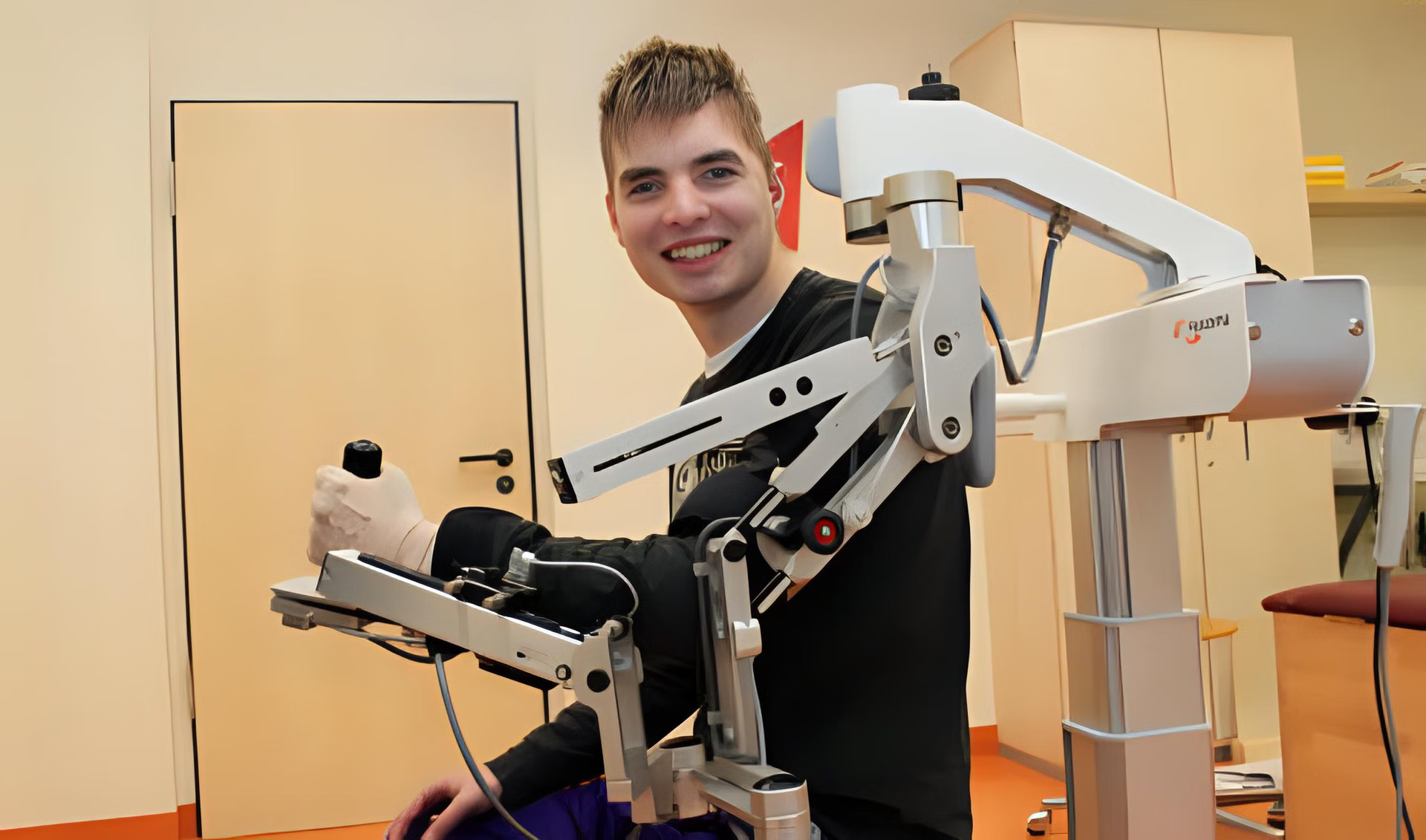
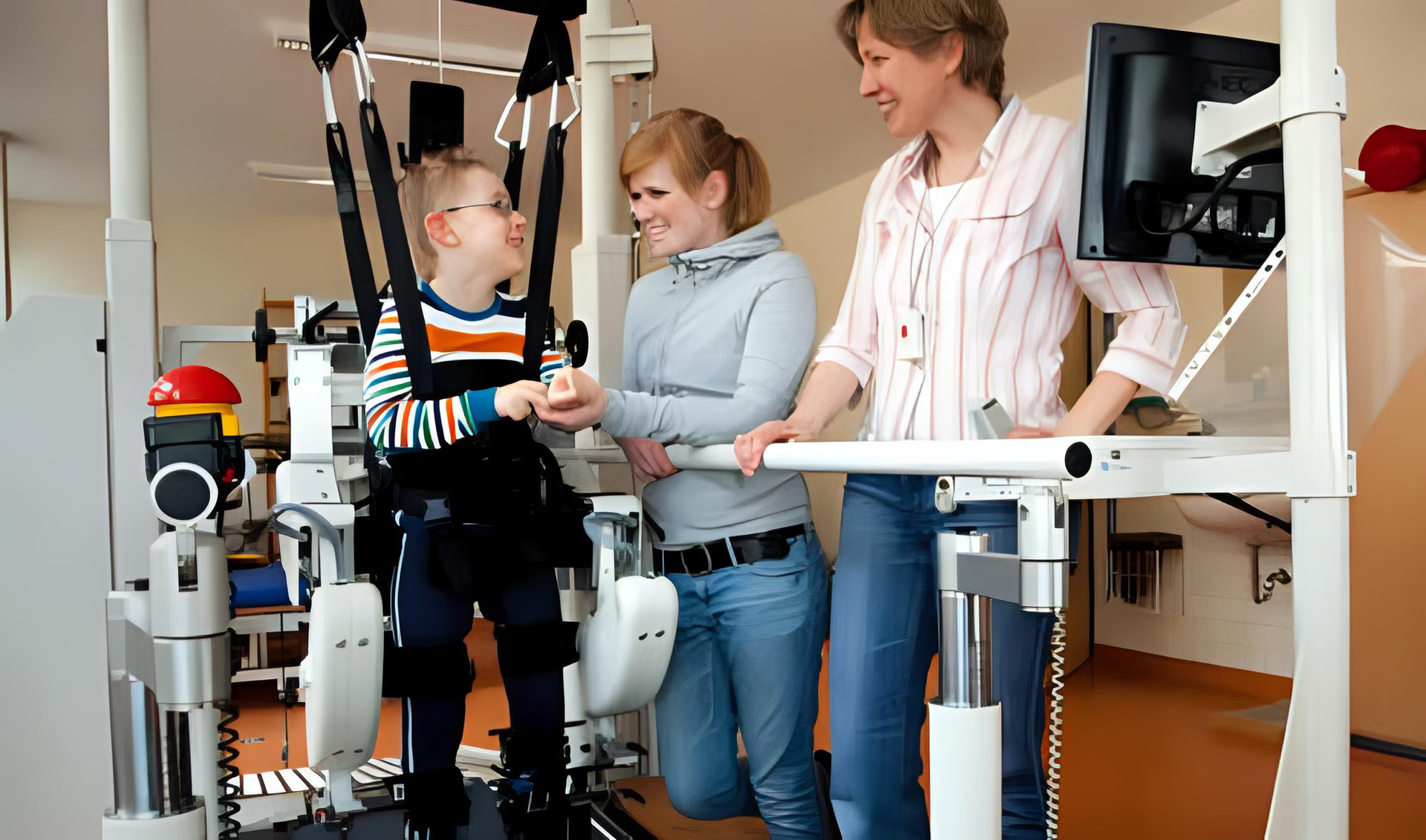
The facility is proud to be the only facility in Northern Germany to use the groundbreaking Locomat system for walking rehabilitation. They also employ the Armeo Spring exoskeleton and the SAEBO wrist and finger orthosis to restore functionality.
Innovative Therapy Concepts
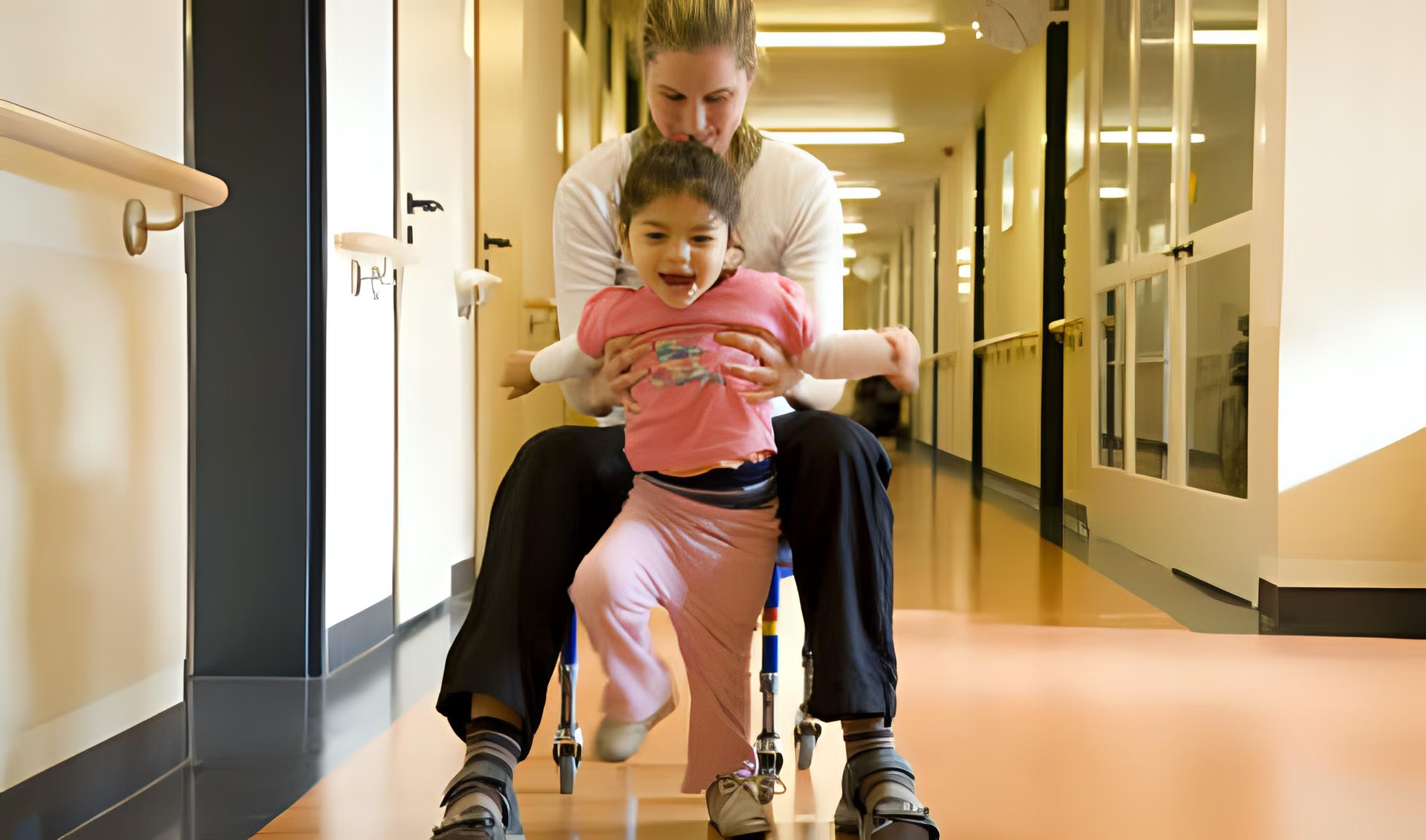
Clinic patients receive a personalized plan that includes group therapy, Bobath, Galileo training, aquatic physiotherapy, and walking simulation. These options provide patients with diversity and motivation throughout their treatment.
Comprehensive Cerebral Palsy Care
The center is internationally recognized as a leading European hub for treating complex pediatric cerebral palsy through tailored physical recovery programs.
Elite Animal-Assisted Therapy Tracks
Specialized therapeutic programs integrate certified animal-assisted therapy and mental training to maximize patient motivation and rehabilitation outcomes.
Aquatic Physiotherapy Programs
The department conducts specialized water-based physical therapy sessions to reduce weight-bearing stress while safely expanding a child's joint range of motion.
About the clinic
VITREA Clinic Geesthacht is an internationally recognized vanguard for pediatric, adolescent, and young adult neurological rehabilitation. Operating in the Herzogtum Lauenburg district of Schleswig-Holstein, just southeast of Hamburg, this highly specialized facility breaks entirely away from standard adult-centric orthopedic or geriatric paradigms. It is engineered from the ground up to address the complex neuro-developmental challenges of vulnerable young minds and bodies, acting as a critical lifecycle bridge that guides patients through the painstaking spectrum of neurological recovery. From early-stage post-acute neuro-rehabilitation to absolute social, educational, and vocational reintegration, the clinic serves as a life-altering anchor where developing nervous systems are systematically mapped, nurtured, and structurally reconstructed. The clinical core is sharply divided into two highly collaborative, interdisciplinary divisions that approach neuro-regeneration across different biological milestones. The neuropediatric sector focuses on the delicate treatment of infants, children, and teenagers recovering from catastrophic brain injuries, childhood strokes, brain tumors, and severe cases of meningitis or encephalitis. Concurrently, the adult and young adult neurological division specializes in bridging the gap for young individuals transitioning into adulthood who are navigating complex cerebral palsy, early-stage multiple sclerosis, and progressive neuromuscular disorders. This multi-generational focus allows medical teams to deliver seamless care from phase B through phase E, transforming early-stage vegetative or minimally conscious states into real-world functional independence, preparing young patients to re-enter schools, universities, and the workforce. Applying evidence-based methods with high efficiency in complex treatment provides opportunities to treat the youngest patients. The neuropediatric field is trendy, especially for children with general developmental disorders, epilepsy, cerebral palsy, and after injuries. Encephalitis, surgeries, brain hemorrhages, cancers, and spina bifida are also considered for treatment. Inhibition, movement stiffness, and spasticity are well treated with physical therapy methods (Bobat). The Armeo Spring robot simulator develops the hand even with minor movements. The SAEBO orthosis reduces finger seizures and helps the child learn to grasp objects. Therapeutic swimming, wheelchair training, and classes in the gym under an exceptional program help restore movement and increase accuracy and strength. Impaired swallowing and pronunciation are also frequent problems of neurological patients, so parallel speech therapy is quite popular. Rehabilitators consider the patient's age and use game methods of neuropedagogy for children. For more complex patients with Undine syndrome, muscular dystrophy, bronchopulmonary dysplasia, or severe cerebral palsy, artificial lung ventilation and weaning are available, as well as intensive care. Therapeutic bronchoscopy, respiratory therapy, and cough support are also used as needed. After improving the condition, the patient can start a regular diet with the support of highly experienced doctors after long-term tube or parenteral nutrition. VITREA Clinic Geesthacht is a premier Northern German destination for treating profound speech and language development disorders, deploying massive squads of specialized logopedists to reconstruct communication pathways in developing brains. For children navigating hemiparesis following a stroke or traumatic injury, the clinic utilizes advanced forced-use therapy alongside cutting-edge robotic-assisted devices like the Ameo kinetic framework to intentionally force neuroplastic adaptation and functional limb recovery.
Should VITREA Clinic Geesthacht be chosen for developmental disabilities?
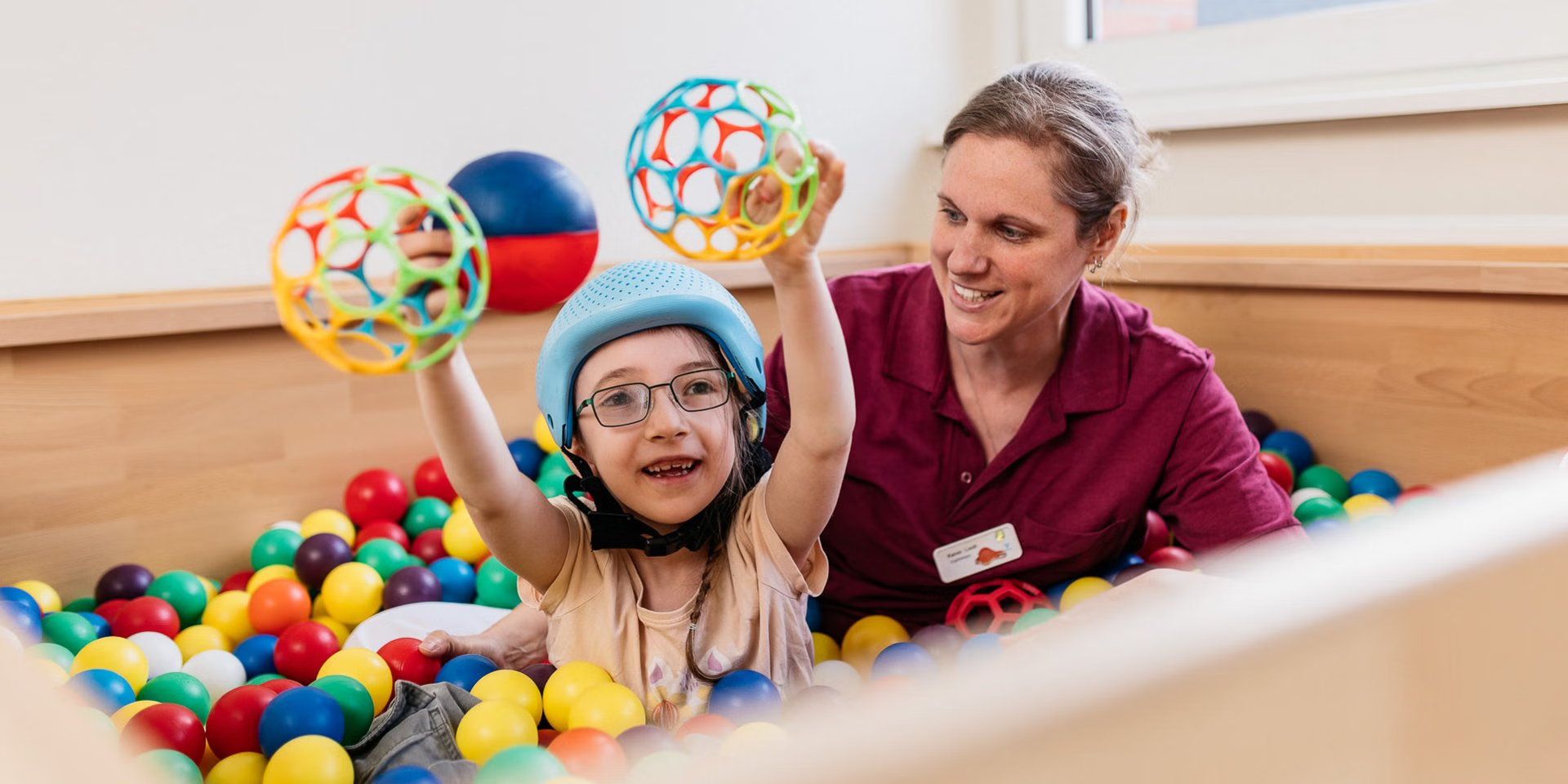
Specialists use specialized methods in neuropedagogy and neuropsychology to provide an individualized approach to a child. Knowing the child's characteristics, doctors are highly motivated in their daily activities and contribute to better development.
Is intensive care available at the center?
Doctors use high-precision diagnostic and treatment methods in accordance with global recommendations, including mechanical ventilation, parenteral nutrition, and tube feeding. The clinic makes it possible to take the first independent steps towards normalizing breathing and eating without aids.
Do the doctors of the clinic help to restore the function of the hand?
The clinic uses Armeo Spring robotic training for faster recovery of fine motor skills and hand movements after surgery. In addition, physical and occupational therapy methods help develop movements for dressing, washing, and making handmade items.
What is the core patient demographic here?
The clinic exclusively treats children, adolescents, and young adults. The medical focus is strictly on neuropediatrics and neurological rehabilitation, targeting young patients recovering from severe traumatic brain injuries, cerebral palsy, childhood strokes, and the aftereffects of brain tumors or meningitis.
Are pediatric speech development disorders treated on-site?
Yes, the facility runs dedicated inpatient and outpatient rehabilitation tracks specifically for severe speech delays and aphasia. The clinical goal is to intensively correct language mechanics in children up to 12 years old, ensuring they can successfully integrate into standard schooling or kindergarten environments.
What neurological recovery phases are covered?
The medical center is equipped to handle the entire recovery spectrum, from the early post-acute neurological rehabilitation phase B through to the advanced school and occupational reintegration phase E. For young patients with permanent, severe neurological deficits requiring continuous care, the campus operates a specialized children's unit dedicated entirely to phase F long-term clinical nursing.
How are patients with severe sensory unresponsiveness managed?
Clinicians utilize a specialized therapeutic room designed for young patients suffering from traumatic sensory overload or those in minimally conscious states. Therapists use deep, controlled sensory stimulation, such as large water beds that transmit musical vibrations directly into the body, to safely establish neurological contact with heavily impaired patients.
Can parents stay with their child during inpatient therapy?
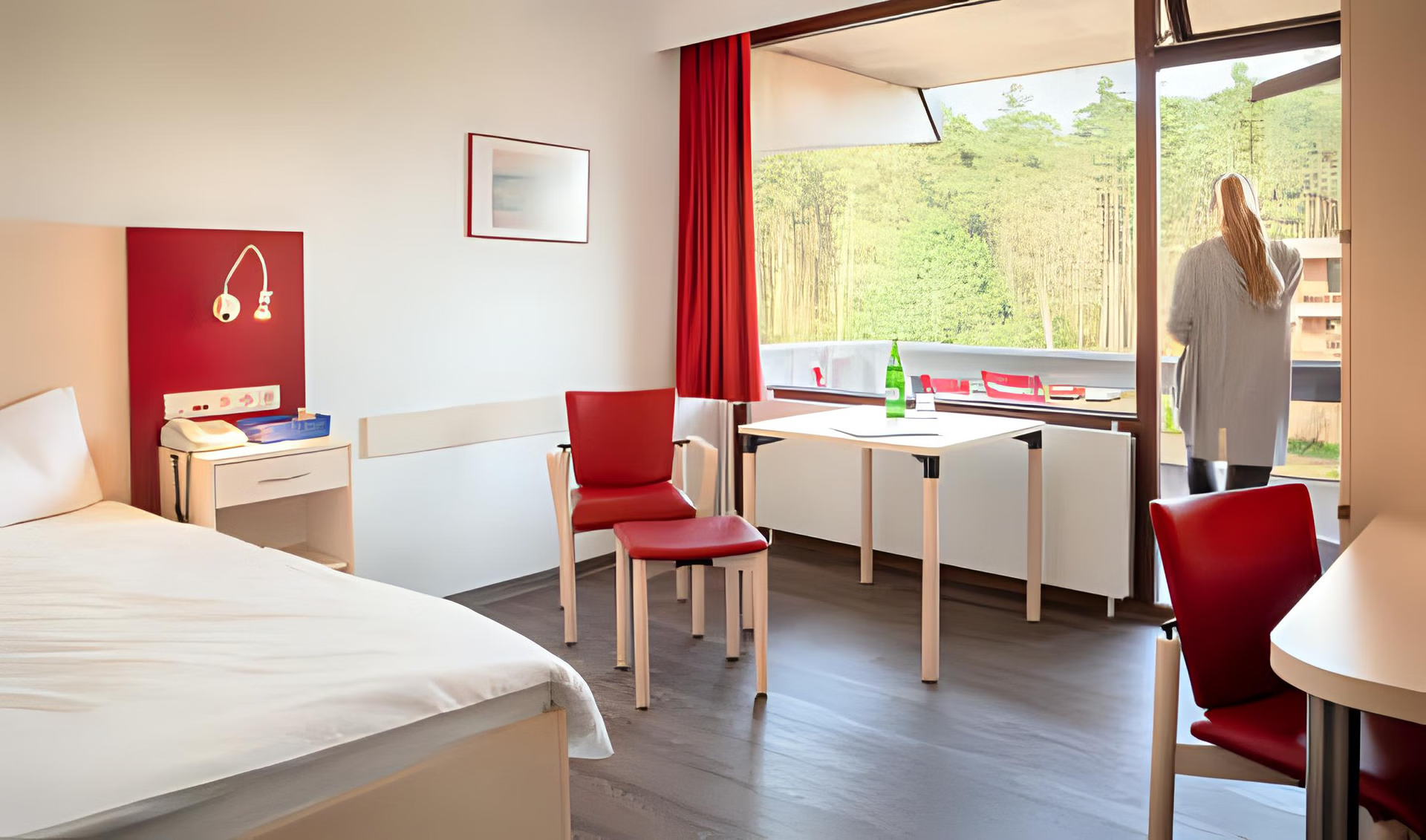
Yes, the clinical infrastructure is designed to fully support parental integration. The facility maintains barrier-free inpatient rooms explicitly equipped for structured rooming-in. This allows parents to live continuously on the ward, providing vital emotional stability while actively learning necessary long-term medical care routines directly from the therapeutic staff.
What is the rating of the clinic?
VITREA Clinic Geesthacht is rated as 9.20 by AiroMedical.
What do patients say about VITREA Clinic Geesthacht?
The clinic has 159 feedbacks at other places. The UserScore of the hospital is 95%.
What is the overall experience of the facility?
VITREA Clinic Geesthacht has been operating since 1912. It has accumulated over 114 years of clinical background.
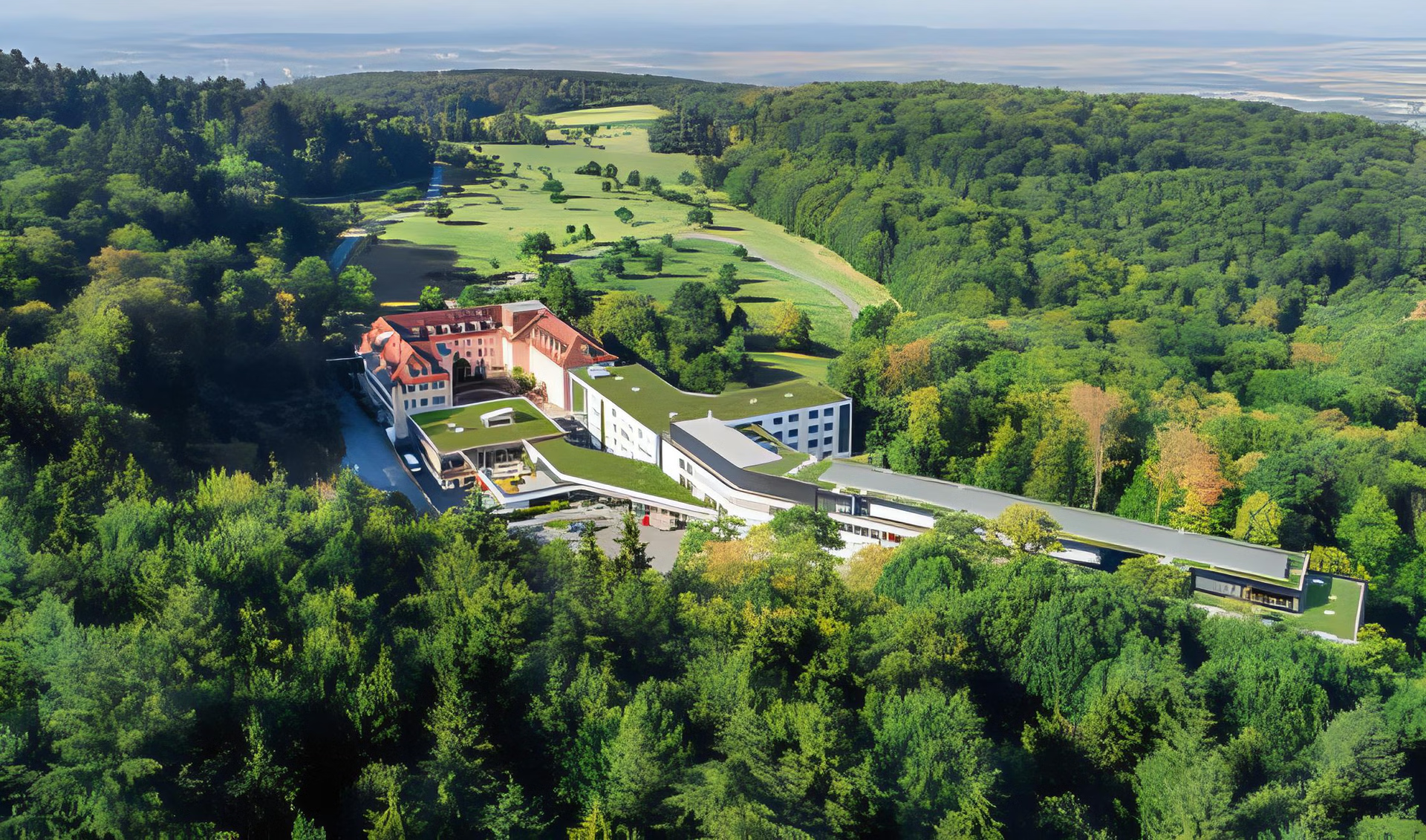
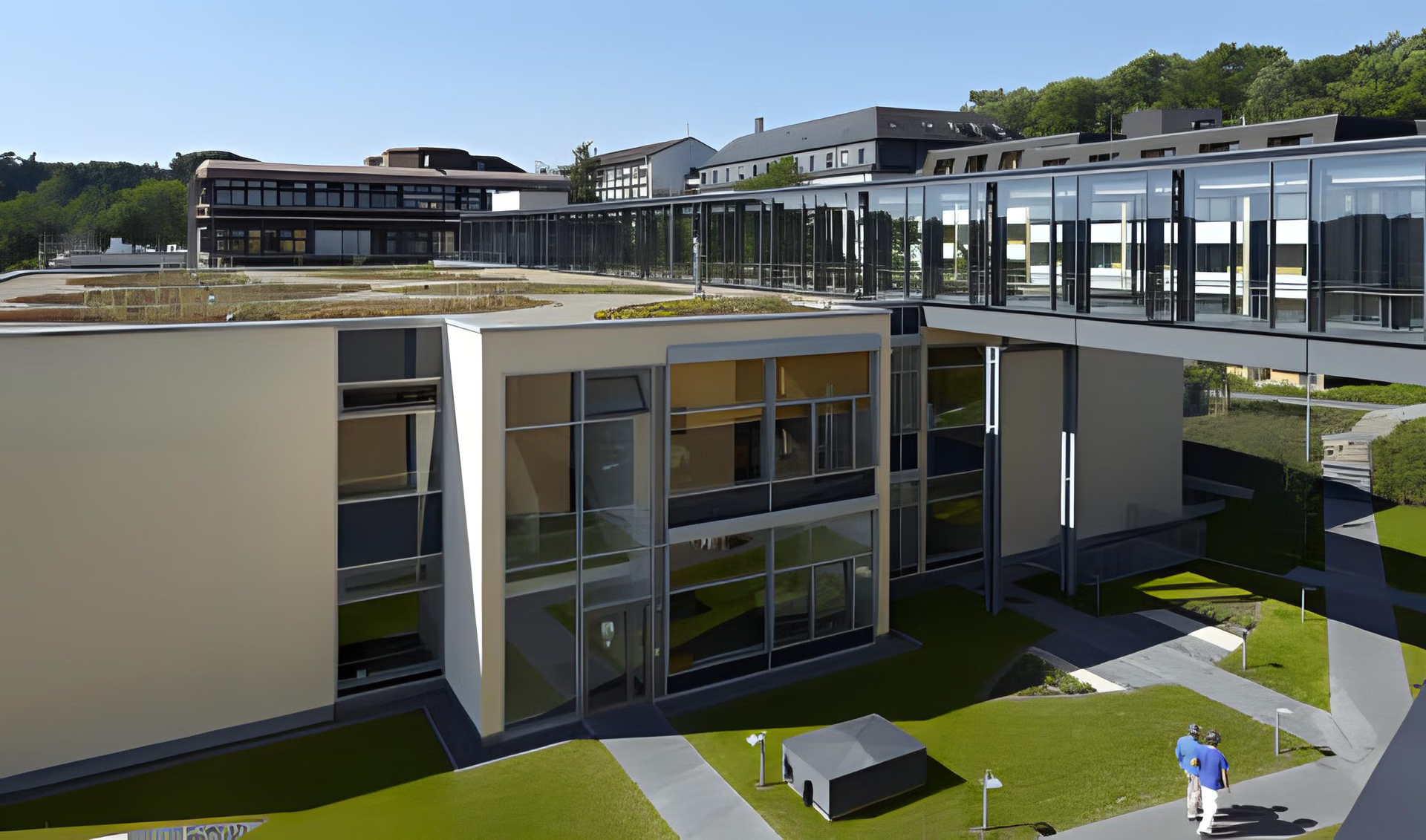
Where can I see the hospital's work, interior space, and exterior?