The data collected based on
131
patient reviews on Google
Certificates
Features & Facts
Protect Disoriented Patients
VITREA Clinic Schloss Pulsnitz has specialized wards for patients with memory disorders and disorientation following brain damage.
Certified Rehabilitation for Patients with MS
The German Multiple Sclerosis Society certifies the rehabilitation center for patients with multiple sclerosis.
Extended Experience
VITREA Clinic Schloss Pulsnitz was established in 1947 and has almost 80 years of experience providing rehabilitation services to local patients.
Narrow Range of Applicable Patients
The clinic offers rehabilitation services for patients with neurological diseases and those undergoing neurosurgery, ensuring the most suitable rehabilitation methods.
Boost Mental Performance
Patients might use various neuropsychology methods to boost their cognitive performance, including therapeutic conversations, relaxation therapy, and various forms of cognitive therapy.
Cranial CT Procedures
The medical diagnostic department performs exactly 592 native computed tomography scans of the skull annually to continuously monitor cerebral changes.
Endoscopic Swallowing Evaluations
Clinical speech specialists execute exactly four hundred and sixty-two fiberoptic endoscopic evaluations of swallowing to diagnose and track complex dysphagia.
Routine EEG Procedures
The neurophysiological diagnostics department conducts exactly 101 routine electroencephalography procedures annually to monitor localized cerebral electrical activity.
About the clinic
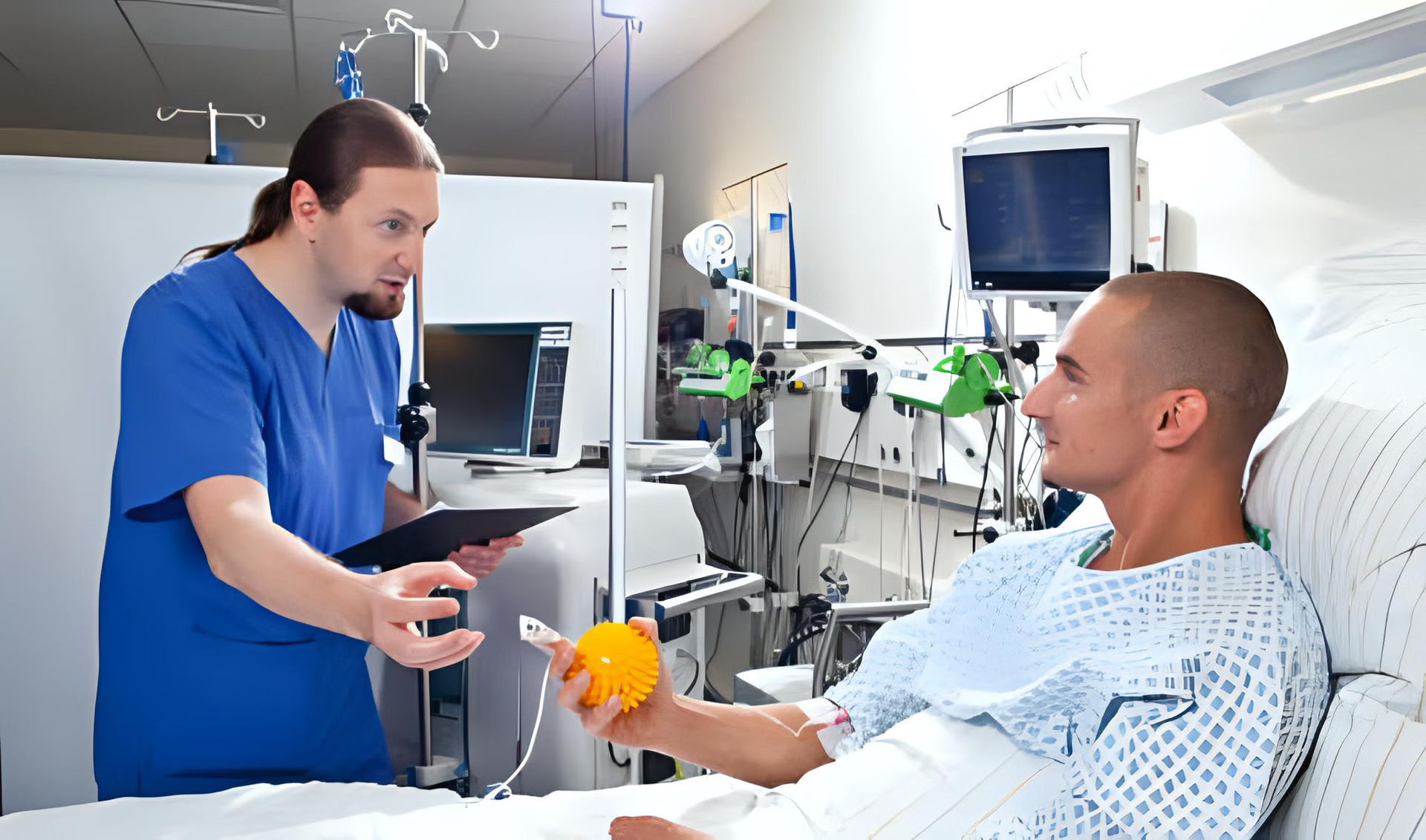
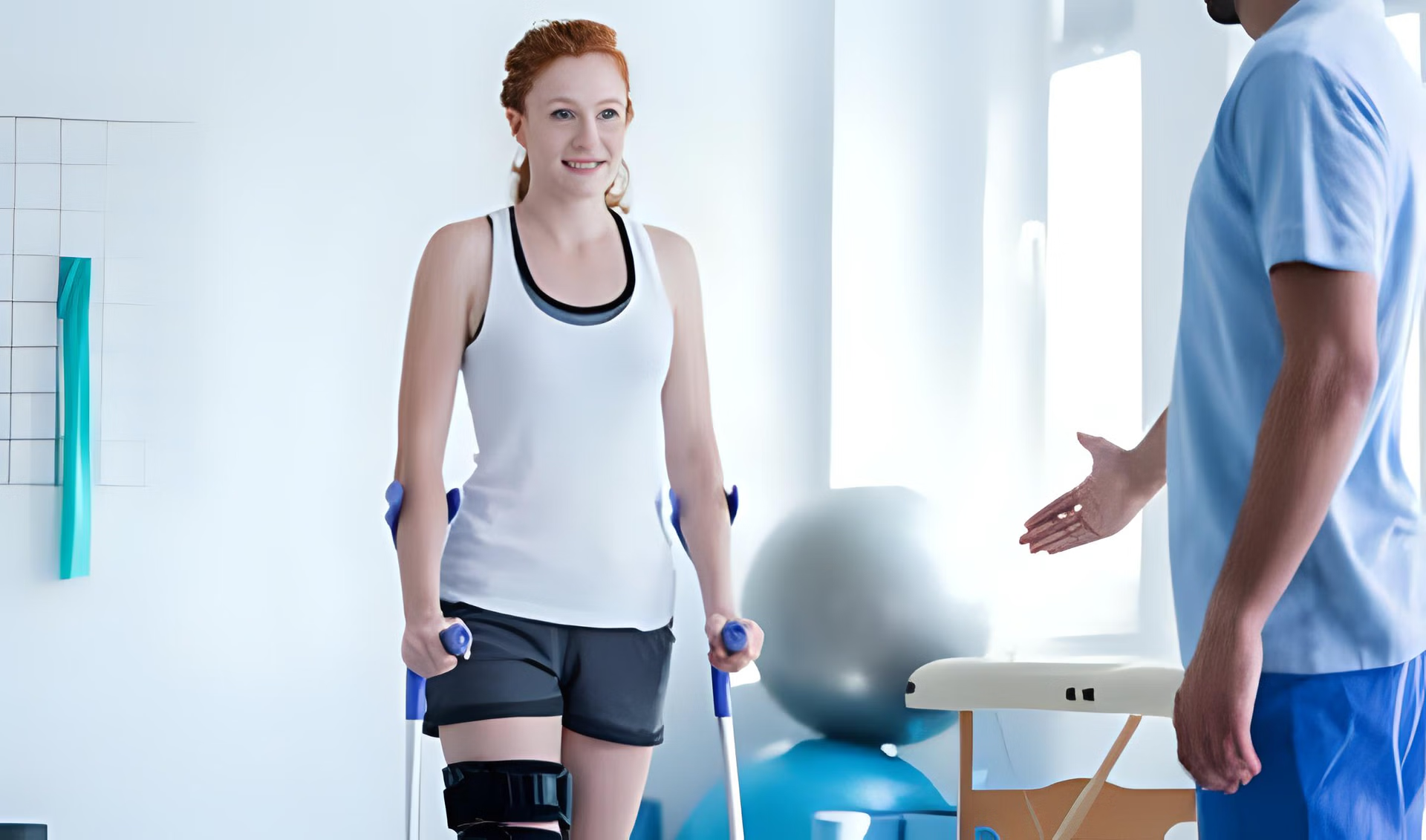
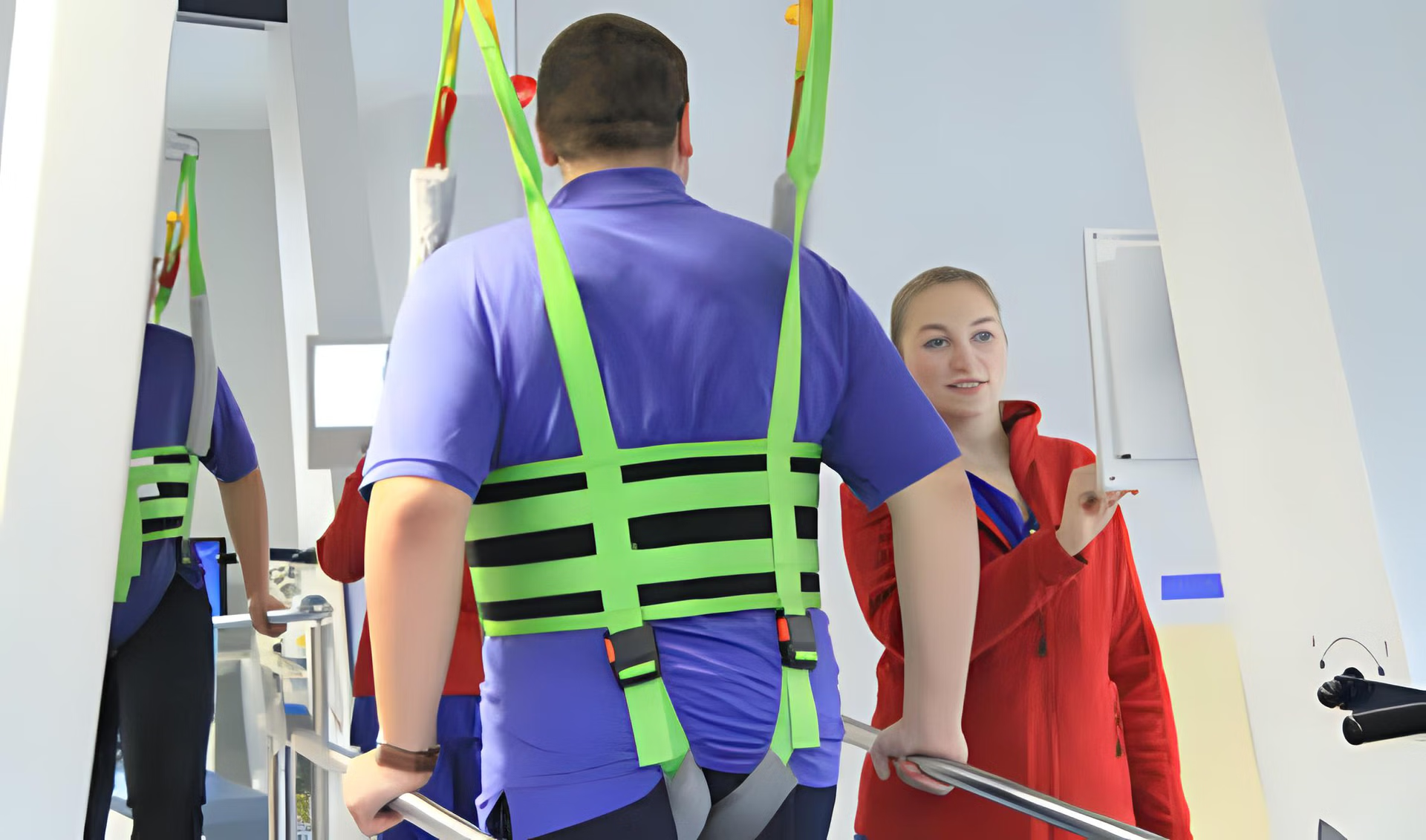
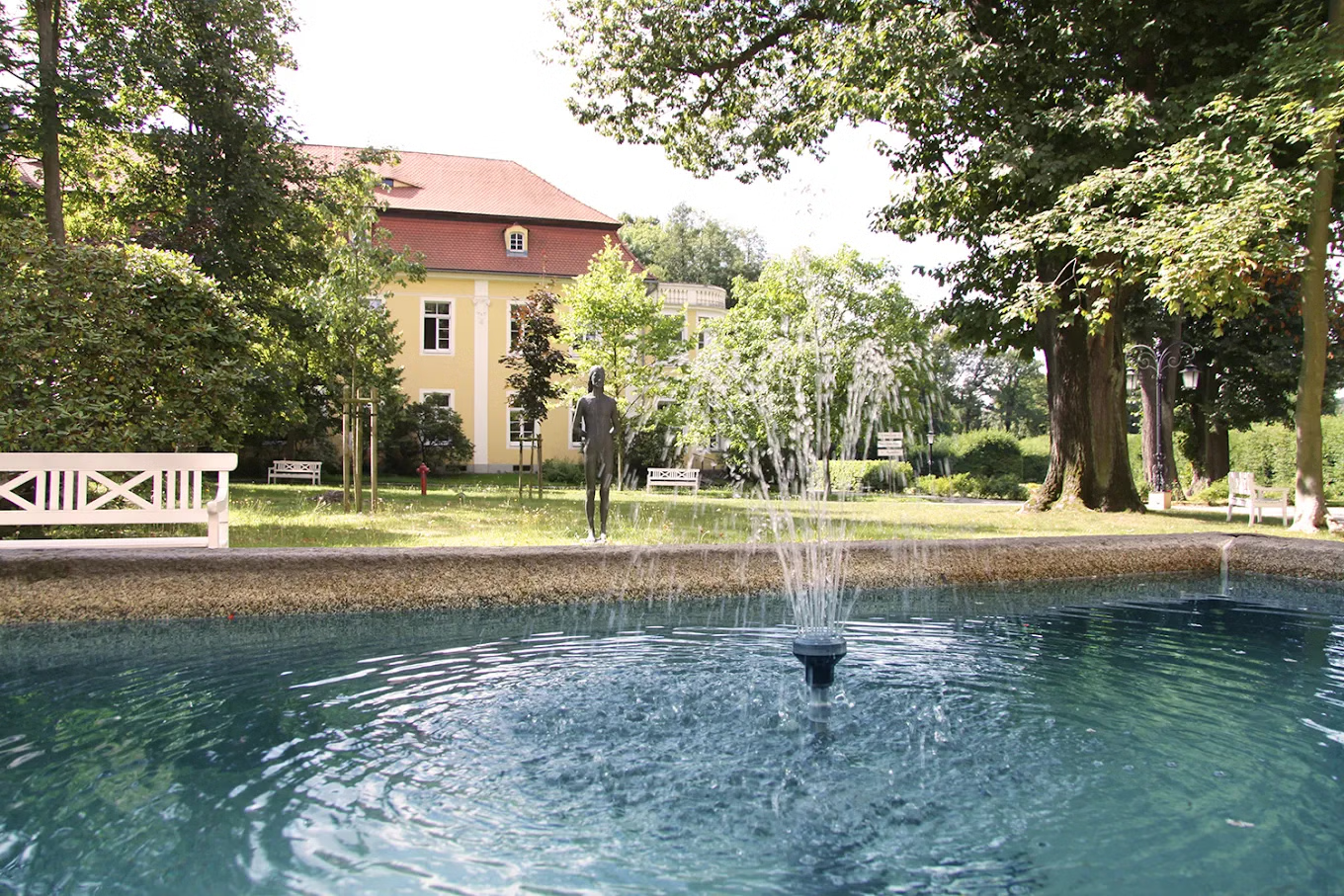
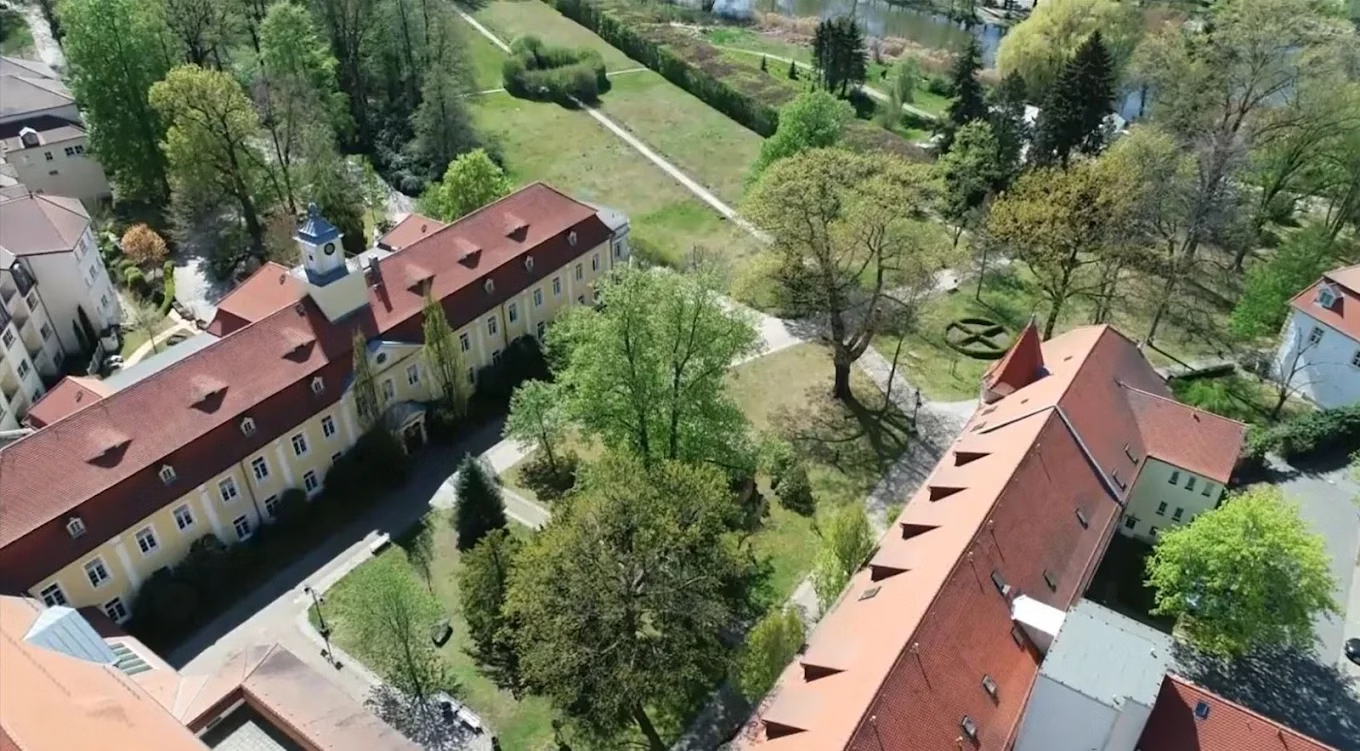
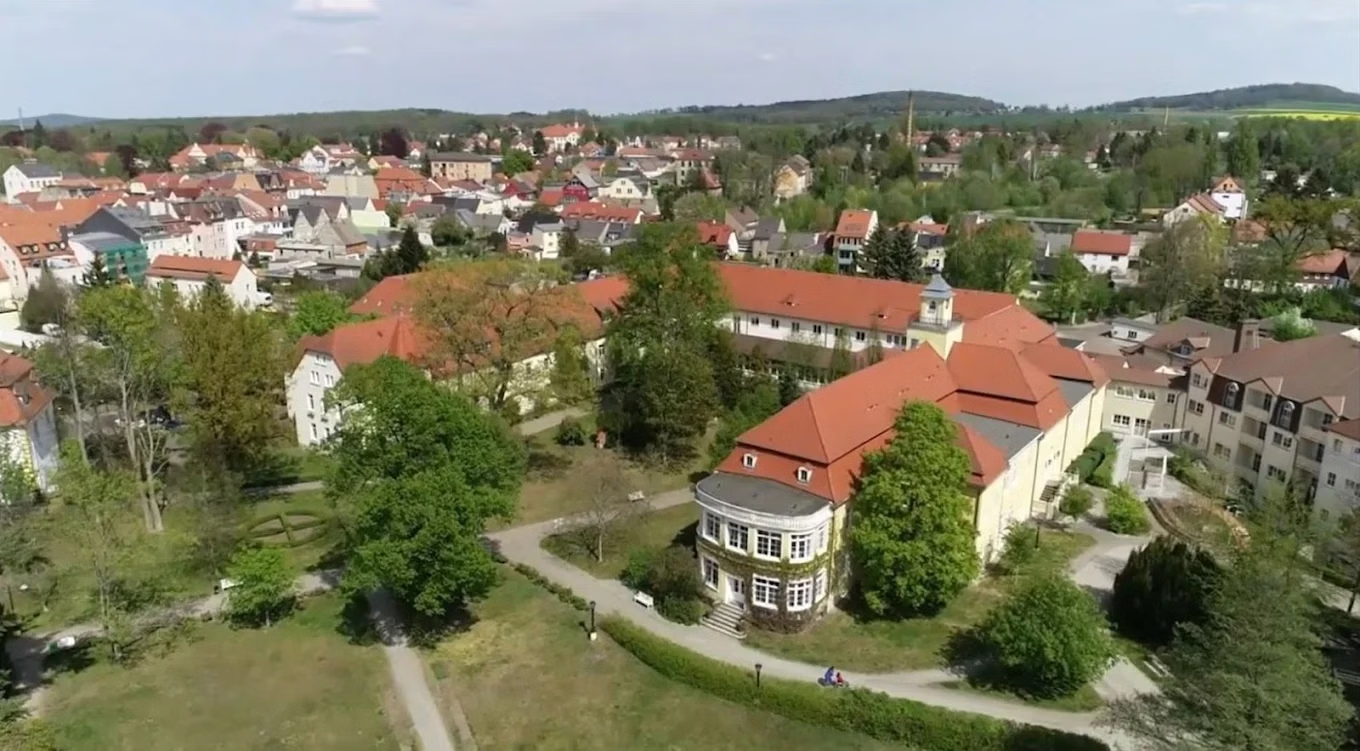
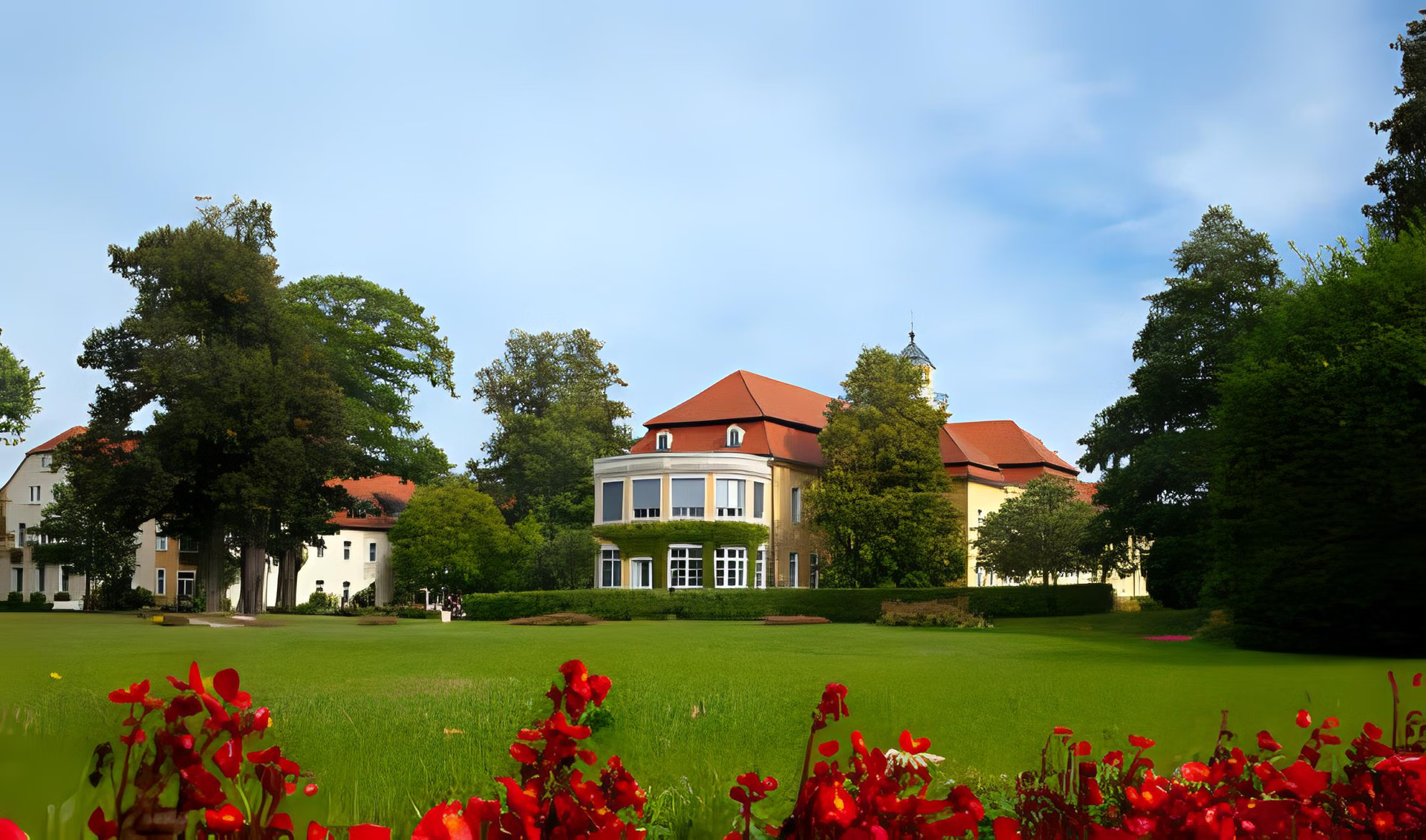
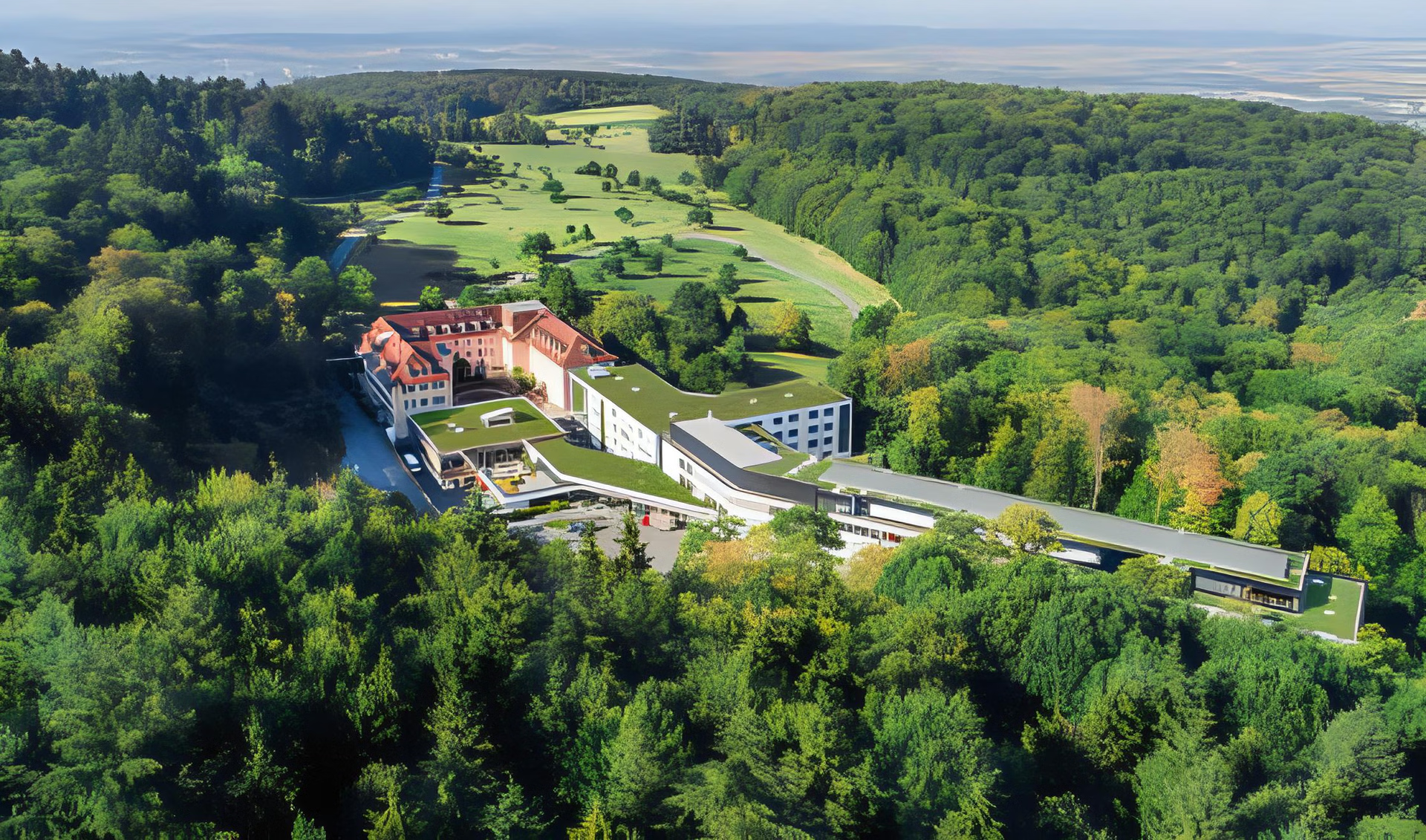
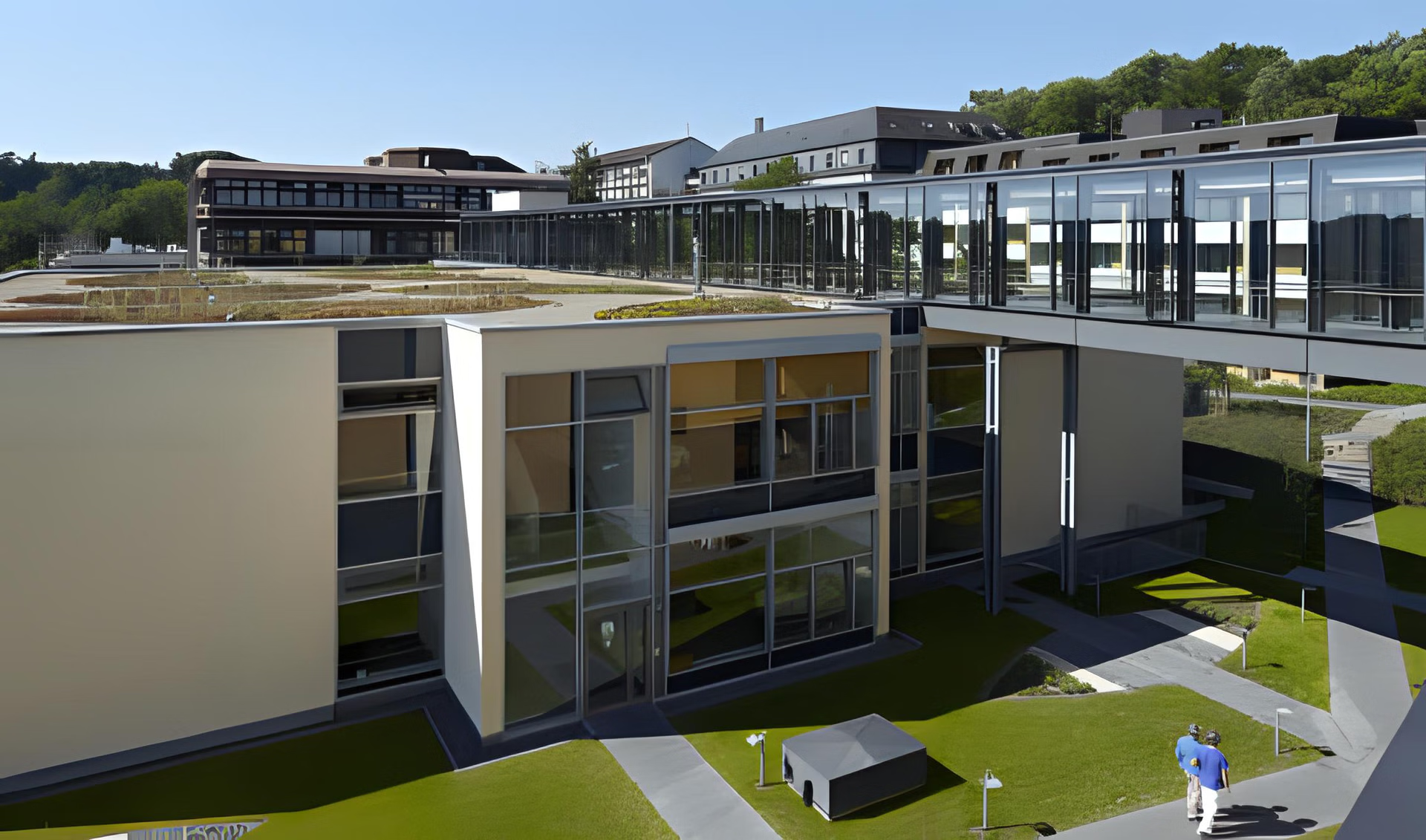
Situated in the historic, culturally rich town of Pulsnitz, VITREA Clinic Schloss Pulsnitz is a monumental elite center for neurological and neurosurgical rehabilitation. The physical blueprint of this institution presents a remarkable architectural marvel; it weaves modern, high-tech intensive care pavilions seamlessly around the majestic backdrop of a historic castle estate, transforming an old symbol of aristocratic governance into a contemporary bastion of biological recovery. Tucked away in the scenic West Lusatian hills of Saxony, a region globally celebrated for its traditional gingerbread craftsmanship, the clinic provides an incredibly peaceful, grounding environment. This historic, low-stimulus landscape acts as a deliberate neurological stabilizer, isolating fragile brains and disrupted nervous systems from the chaotic sensory overloads of massive metropolitan medical complexes while delivering some of the most advanced clinical interventions in Central Europe. The clinical framework of the Schloss Pulsnitz complex is organized to manage the entire continuum of neurological trauma, treating patients from the earliest stages of post-acute fragility through to complete cognitive and motor independence. The facility functions as a high-capacity regional hub specializing in phase B, C, and D neurological rehabilitation. The center features a highly specialized hospital division containing 137 intensive early rehabilitation beds equipped with state-of-the-art bedside monitoring, tailored to accept individuals straight from acute neurosurgical operating rooms and stroke intensive care units. Here, interdisciplinary teams of neurologists, neurosurgeons, and intensive care nurses manage patients navigating deep comas, minimally conscious states, severe cranial traumas, and the complex aftermath of malignant brain tumor resections. For post-stroke patients, multicomponent rehabilitation therapy is available to help restore lost function and reduce disability. Occupational therapy and art therapy contribute to improving psychological well-being and restoring independent living skills. Also, sports therapy offers various forms of employment and patient involvement in an active lifestyle. Archery, rock climbing, water training, bicycle ergometry, and Nordic walking help patients understand sports not as a forced part but as a hobby and exciting recreation. This approach promotes a more athletic lifestyle outside of therapy. Increasing healing and reducing tension in the body is achieved through massages, electrotherapy, hydro-electrophysiotherapy, and heat programs (fango, red light). The clinic departments are equipped with various gait rehabilitation equipment (a gait trainer and a treadmill with unloading) and specially trained therapeutic horses, in line with the main profile of the rehabilitation direction. Riding stimulates the motor impulses that form the "I go" information by absorbing the impulse through the pelvis to the brain. Reorganization of the brain and regulation of muscle tension have high results and numerous positive patient feedback. To help patients gain greater self-confidence, doctors also offer speech therapy courses to improve pronunciation, increase vocal volume, and reduce swallowing disorders. Music therapy is one way to improve speech function and has been incredibly effective in combating stuttering. VITREA Clinic Schloss Pulsnitz also provides care for patients with severe head injuries and provides adequate care for mechanical ventilation and tube feeding. Also, detailed analysis and rehabilitation contribute to the earliest return to independent nutrition and breathing. What completely isolates this Saxon institution from conventional rehabilitation centers is its aggressive investment in neuroplastic technology and comprehensive neuro-dysphagia therapies. The facility houses an elite kinetic laboratory where advanced robotic exoskeletons and computerized gait trainers provide thousands of precise, repetitive movement inputs to stimulate cortical reorganization and retrain paralyzed limbs. This mechanical framework is tightly coupled with an intensive, highly structured speech and swallowing therapy program. Using advanced fiberoptic endoscopic evaluations, specialized logopedists retrain damaged cranial nerve pathways, helping stroke and trauma survivors safely regain vocal articulation and nutritional independence.
Gallery
2026-05-28T16:38:11.000Z
2026-05-28T16:38:11.000Z
2026-05-28T16:38:11.000Z
2026-05-28T16:38:11.000Z
2026-05-28T16:38:11.000Z
2026-05-28T16:38:11.000Z
2026-05-28T16:38:11.000Z
2026-05-28T16:38:11.000Z
2026-05-28T16:38:11.000Z
2026-05-28T16:38:11.000Z
2026-05-28T16:38:11.000Z
2026-05-28T16:38:11.000Z
Extra services
Parking Space
Cafeteria
Accessibility Features
Location
Wittgensteiner Str. 1, 01896 Pulsnitz, Germany
FAQ
Should I choose VITREA Clinic Schloss Pulsnitz for multiple sclerosis?
The clinic is a certified leading center for treating multiple sclerosis. The quality mark guarantees high treatment efficiency in line with the world's gold standards. In addition, the rehabilitator's work contributes to the overall improvement of all body systems.
Is recovery of functions available in a rehabilitation hospital after severe brain injuries?
Help for seriously ill patients is provided in the intensive care unit. Highly qualified doctors have the skills to wean from ventilators and tube feeding. Also, rehabilitators use methods of passive performance of movements, which reduce the risk of bedsores and disability.
Is a medical center suitable for gait improvement?
Doctors use various simulators and horse riding to retrain the body and make structural changes in the brain. Frequent repetition of correct movements rewires neural pathways. Therefore, the patient consolidates the positive experience of not falling.
What is the primary medical specialty?
The clinic operates as a highly specialized center exclusively for neurological and neurosurgical rehabilitation. The clinical teams manage comprehensive recovery tracks for patients affected by severe strokes, traumatic brain injuries, brain tumors, and advanced central nervous system diseases.
Is intensive care provided on-site?
Yes, the facility maintains a dedicated post-primary intensive care unit comprising specialized early-rehabilitation beds. This ward is designed for highly vulnerable neurological patients, providing mechanical ventilation weaning and continuous vital monitoring directly following acute brain traumas.
How are MS patients treated?
The location operates an officially certified multiple sclerosis rehabilitation unit recognized by the DMSG. Neurologists deliver targeted neuro-immunological interventions, localized spasticity management, and advanced physiotherapeutic tracking to stabilize functional independence.
What is the rating of the clinic?
VITREA Clinic Schloss Pulsnitz is rated as 8.70 by AiroMedical.
What do patients say about VITREA Clinic Schloss Pulsnitz?
The clinic has 131 feedbacks at other places. The UserScore of the hospital is 81%.