The data collected based on
311
patient reviews on Google
Certificates
Features & Facts
Home of Four Different Tissue Facilities
The hospital houses the locomotor system, hematology-oncology unit, center of reproductive assistance, and neurological clinic tissue facilities that keep growing. In 2022, the reproduction tissue facility worked with 3,325 new oocytes and 2,362 embryos.
Lots of Officially Accredited Centers
The hospital houses 20 certified and accredited highly specialized centers for diagnosing and treating various pathologies, including the Breast Cancer Screening Center, AIDS Center, Transplant Center, and more.
Science Development
The hospital has been a research organization since 2010. It collaborates with medical institutions in Germany, Poland, and the USA across 15 medical disciplines.
Outstanding Satisfaction Rates
In 2022, University Hospital in Plzeň achieved a 94,72% satisfaction rate, including 97,24% for emotional and anxiety relief and 97,23% for discharge and continuation of care.
Quality Seals
The facility holds multiple accreditations, including those based on ISO requirements: ISO 9001 (most recently obtained in 2019) and ISO 15189 (most recently obtained in 2012).
Surgical Procedures Performance
Specialized medical teams across all pavilions successfully executed 30,174 surgical operations in 2025 to manage acute and elective conditions.
Kidney Transplant Success
The highly specialized transplant unit in Plzeň successfully restored renal health by performing 35 complex kidney transplantations within a single annual cycle.
About the clinic
Spanning two physically distinct and philosophically contrasting municipal complexes: the historic Bory campus on Edvarda Beneše and the hyper-modern Lochotín megastructure on Alej Svobody, the University Hospital Plzeň serves as the absolute, undisputed healthcare sovereign of Western Bohemia. Functioning as the essential clinical bedrock for the Faculty of Medicine in Pilsen of Charles University, this massive institution commands the medical fate of both the Plzeň and Karlovy Vary regions. Rather than mimicking the single-site concentration of newer metropolitan hubs, the Plzeň system thrives on its unique geographic duality, balancing Bory's late-19th-century pavilion-style, park-enclosed sanctuary with Lochotín's sprawling, high-acuity blocks. The hospital needs to seamlessly decouple long-term care, psychiatric therapy, and nuclear medicine from the relentless, high-velocity trauma streams of its newly consolidated, million-dollar emergency departments. Today, the clinic is the largest in southwestern Bohemia and meets CSN EN ISO safety and quality standards. In addition, the hospital has numerous federally certified centers, including those for IVF, bone marrow transplantation, and liver, prostate, and kidney operations. Furthermore, the urology department has the prestigious European Council of Urology accreditation. The clinical and academic vanguard of the Plzeň facility is anchored by specialized fields that hold distinct global monopolies, particularly within its highly celebrated department of gynecology and obstetrics. The center has achieved a prominent international reputation as a leading European authority on the management and reconstruction of childbirth-related perineal trauma, driving the pioneering research of the global PEERS group. This specific team has established international standards for episiotomy and manual perineal protection, and conducts world-class workshops that draw surgical specialists from across the continent. In parallel with this maternal science, the hospital’s Institute of Clinical Biochemistry and Hematology operates as one of only six federally accredited hemophilia treatment centers in the Czech Republic, integrating extensive outpatient services with advanced coagulation laboratories to provide a vital regional lifeline for patients managing complex bleeding and thrombophilic conditions. Doctors in each unit strive to use modern technologies to cure patients. In particular, dermatologists use powerful vascular and erbium lasers for congenital vascular defects (nevus flammeus). The ENT department also has a fully equipped operating room with surgical microscopes, a CO2 laser, a Celon radiofrequency thermoablation device, and experimental Waterlase and IDAS lasers. In addition, oncologists provide targeted therapy, immunotherapy, and biological treatments to deliver the most effective, fastest-acting remedy to patients. Also, highly specialized operations to remove a tumor or the entire organ are available. In particular, this includes ultra-complicated "replace" the bladder or remove kidney stones using a minimally invasive method through a flexible ureteroscope. It is also worth noting that the urogynecology department collaborates with universities in many European countries and with the Faculty of Applied Sciences at ZCU. Such strong ties contributed to the expansion to one of the largest scales in the country in reconstructive operations for pelvic floor defects using laparoscopic methods. In addition to classical treatment, Plzeň University Clinic is the largest provider of transfusion services and one of the seven crisis blood transfusion centers. The clinic is also included in the Czech National Register of bone marrow donors and has separate accreditation for treating malignant blood diseases. Deep inside its diagnostic core, the hospital drives a sophisticated translational medicine engine through its specialized department of immunochemical diagnostics and its advanced biobanking infrastructure. This facility operates at the absolute frontier of personalized medicine, utilizing high-throughput immunoassay platforms to map individual biomarker profiles, analyze complex cerebrospinal fluids, and predict therapeutic drug pharmacokinetics with mathematical precision. This molecular focus is reinforced by recent monumental capital expansions, including the commissioning of a state-of-the-art psychiatric pavilion designed to integrate modern, low-stimulus mental health therapy with community reintegration frameworks.
Is the clinic suitable for the treatment of penile cancer?
Doctors offer treatment of precancerous diseases, glossectomy, grinding, and laparoscopic removal of inguinal nodes for penile tumors (VEILND with fluorescent ICG nodal labeling). Such a range of services makes the medical center one of the leading cancer centers.
What does the new rehabilitation center offer?
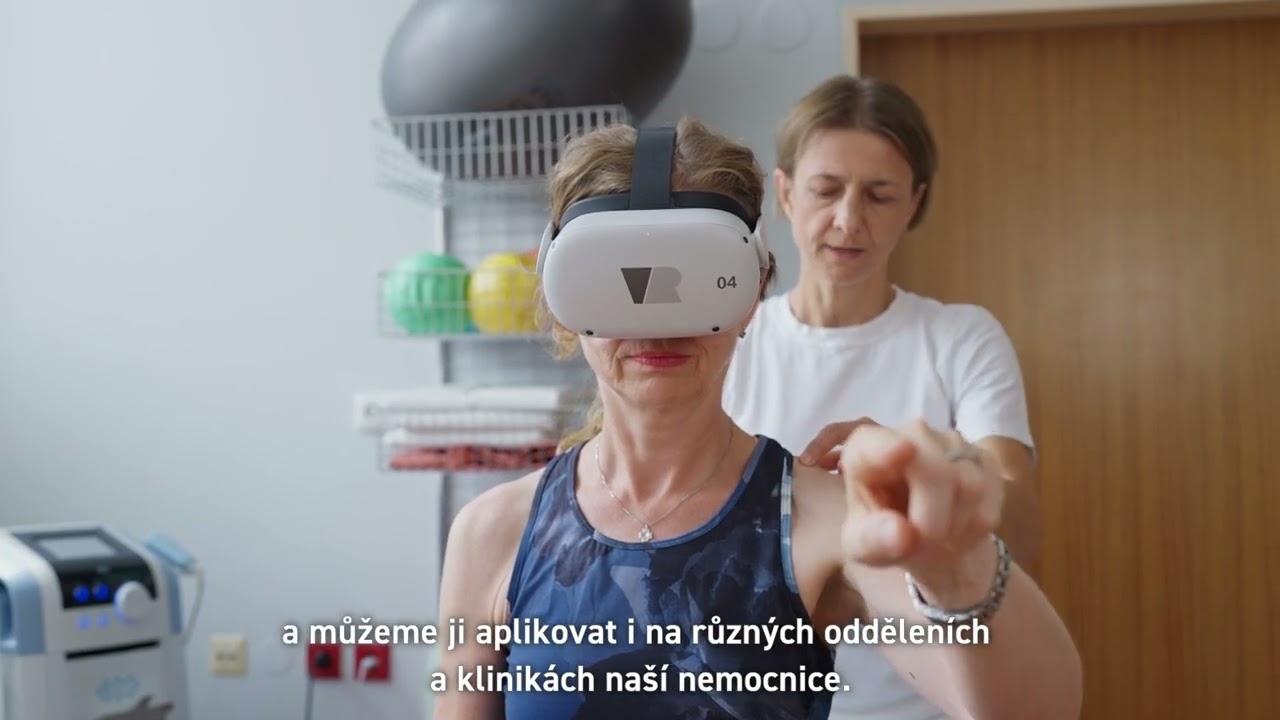
Launched in 2026, the robotic rehabilitation center at the Bory campus internal medicine department features the state-of-the-art Lokomat Pro FreeD system. This complex robotic matrix utilizes adjustable outer orthoses and real-time sensory feedback loops to actively retrain the central nervous system of post-stroke and spinal trauma patients.
Would it be appropriate to treat a high-risk pregnancy at University Hospital Plzeň?
The medical center has special accreditation to look for congenital heart defects in fetuses during high-risk pregnancies. In addition, doctors are qualified to care for mothers, fetuses, and those suffering from arrhythmia or inflammatory heart disease.
How was robotic surgery expanded?
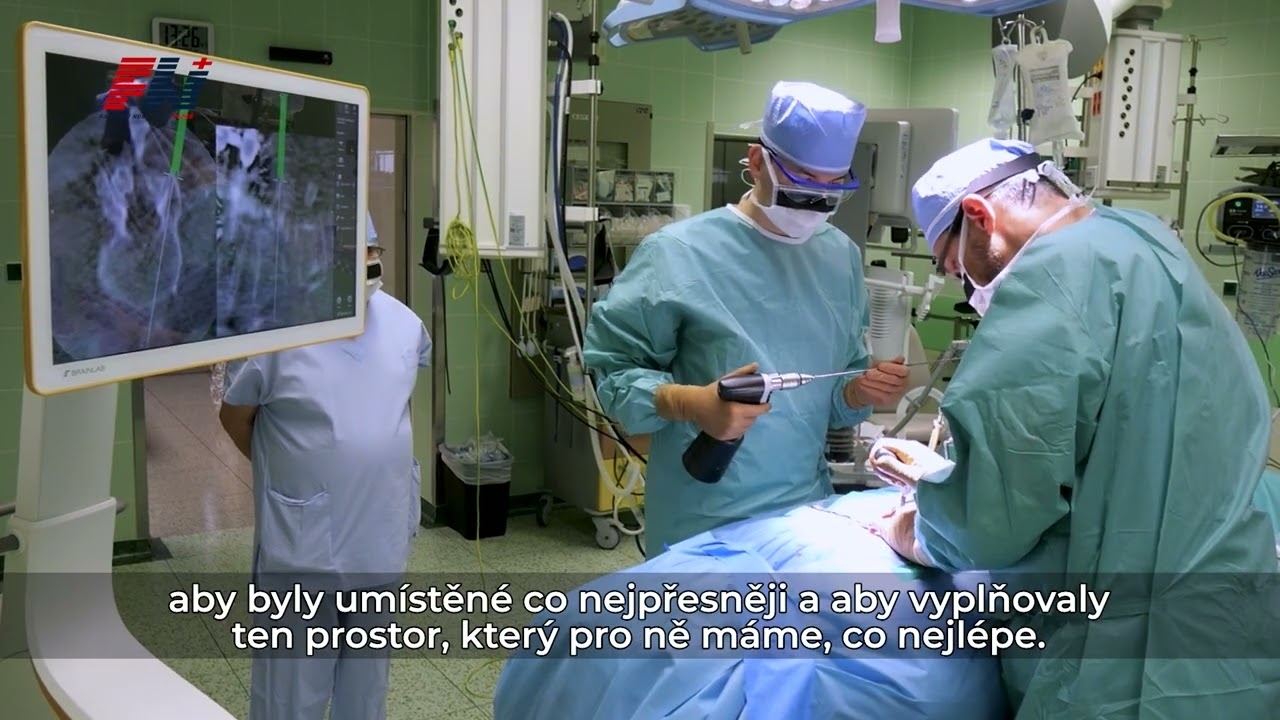
The facility inaugurated its second specialized robotic surgery suite in Pavilion 22 at the Bory campus. Utilizing a new da Vinci Xi platform, the hospital expanded its high-volume urological and gynecological oncology programs while establishing a completely new robotic thoracic surgery clinical track.
What is the specialty of the medical center?
The hospital performs over 800 surgical interventions and is a leader in cardiac catheterization through the wrist. Also, the clinic is one of the largest transplant centers and cooperates with numerous European hospitals and universities in Vienna, Graz, Groningen, Madrid, and Warsaw.
Does the hospital conduct clinical research?
The medical center conducts numerous qualitative clinical studies, particularly in liver cancer and regeneration, and the etiopathogenesis of abdominal aortic aneurysms. In addition, biological drugs and chemotherapy of the last generations are being studied.
What is the Cloud facility?
Opened in late 2025, The Cloud is a modern steel-and-glass rooftop extension built atop the highest pavilion. This specialized unit expands the hemato-oncology unit by providing sterile isolation zones and therapeutic beds dedicated exclusively to bone marrow donors and patients with severe blood disorders.
What is unique about the hospital's CT fleet?
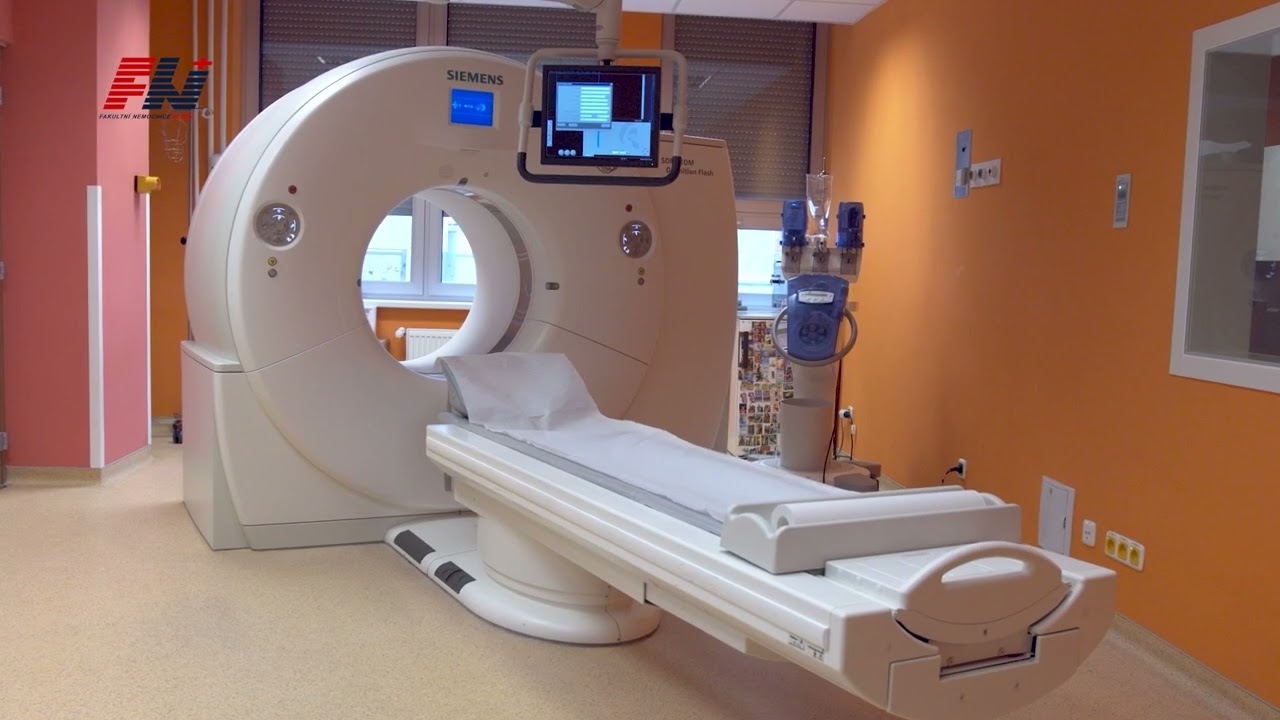
University Hospital in Plzeň is a global rarity for operating three advanced photon-counting CT scanners simultaneously. This imaging array provides sub-millimeter tissue resolution at drastically reduced radiation doses, allowing radiodiagnosticians to track early-stage oncological anomalies and complex vascular plaques with unparalleled clarity.
How was pediatric endoscopy upgraded?
The department of pediatrics integrated next-generation, ultra-slim endoscopic imaging technology. This high-definition equipment enables gastroenterologists to perform micro-invasive mucosal mapping and safe foreign-body extractions in newborns and toddlers without requiring aggressive open surgery.
What is the rating of the clinic?
University Hospital Plzeň is rated as 9.60 by AiroMedical.
What do patients say about University Hospital Plzeň?
The clinic has 311 feedbacks at other places. The UserScore of the hospital is 92%.
What is the primary focus of the hospital?
The medical center is an expert at cancer, carcinoma, renal cell carcinoma, renal cell, and surgery.
What is the overall experience of the facility?
University Hospital Plzeň has been operating since 1902. It has accumulated over 124 years of clinical background.
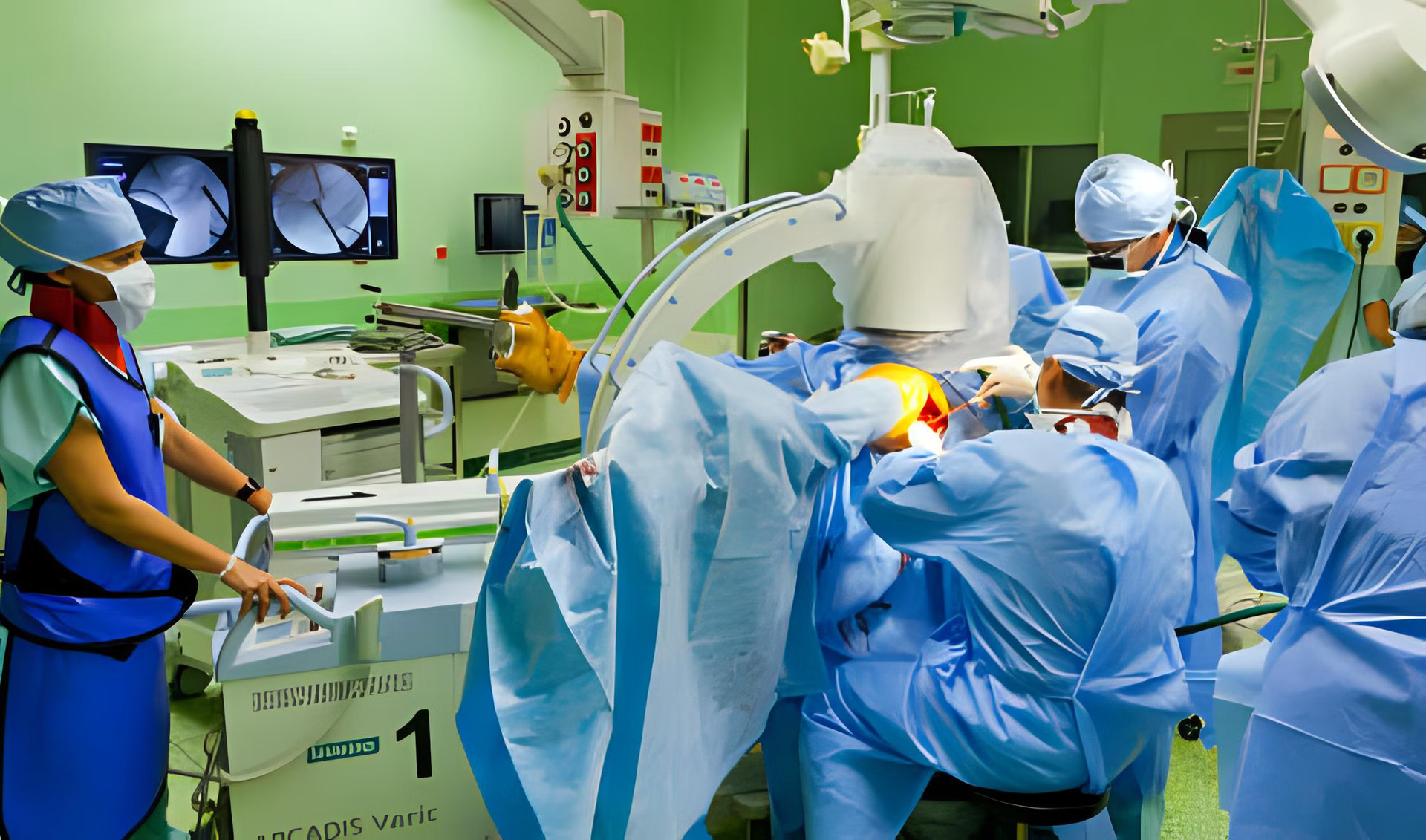
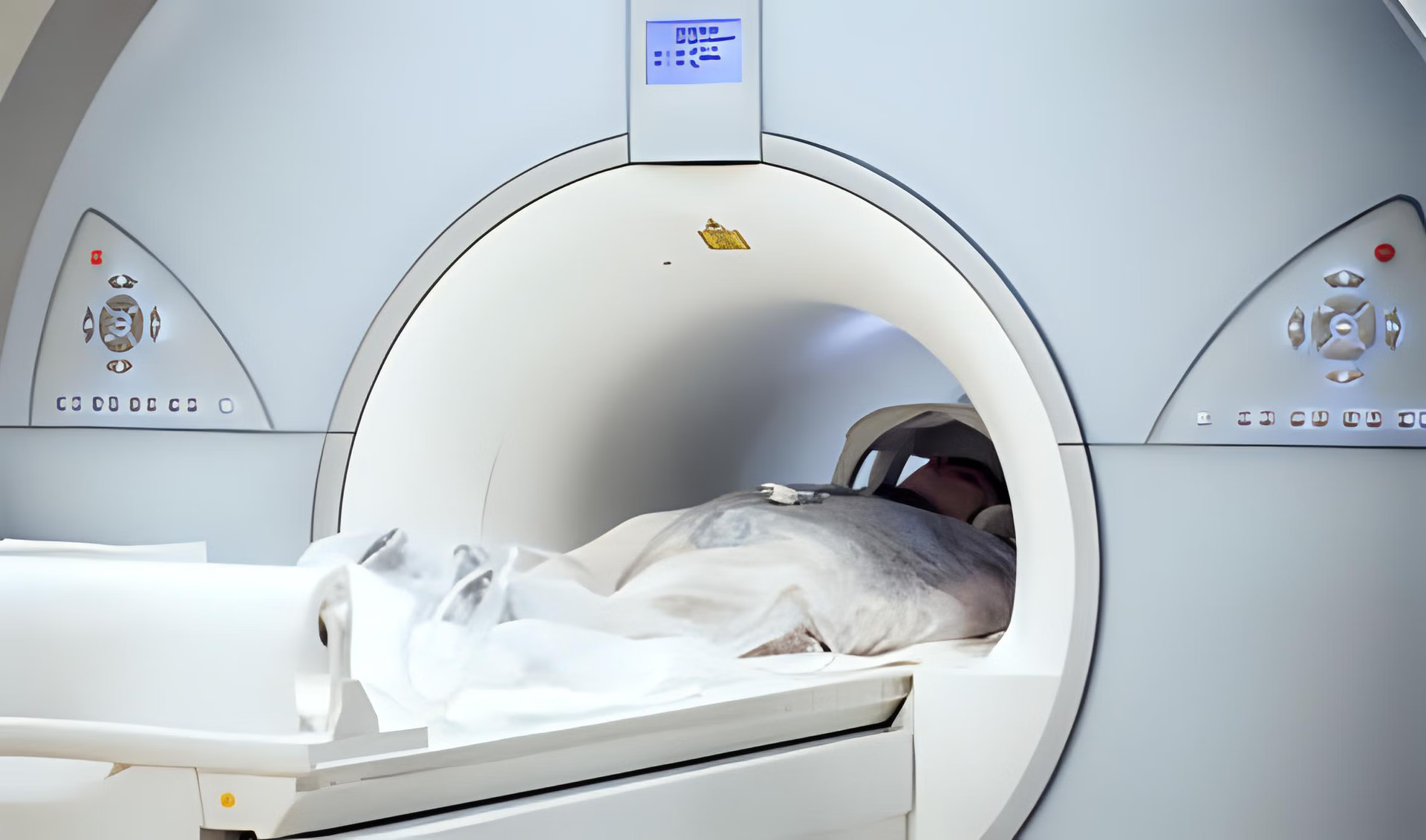
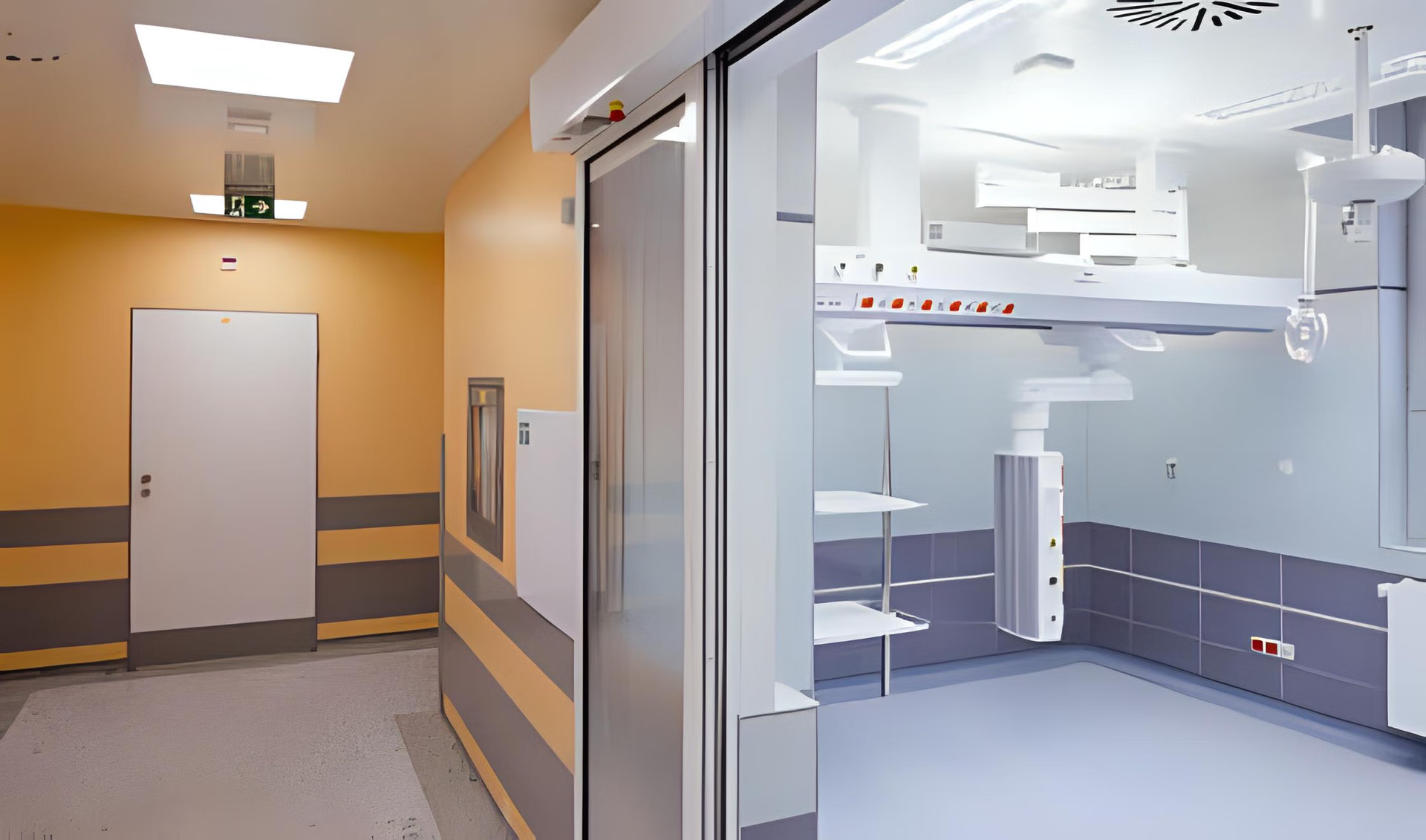
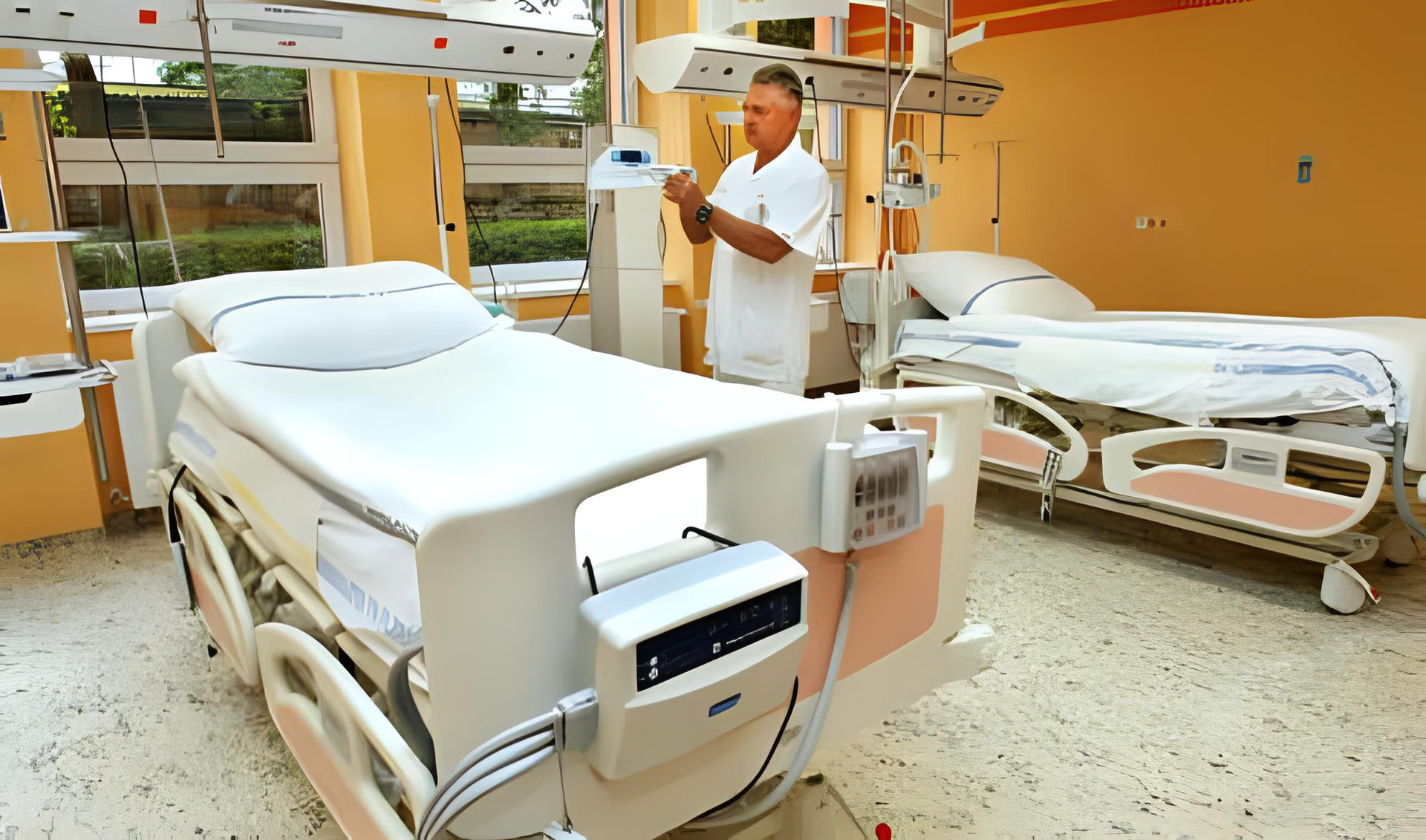
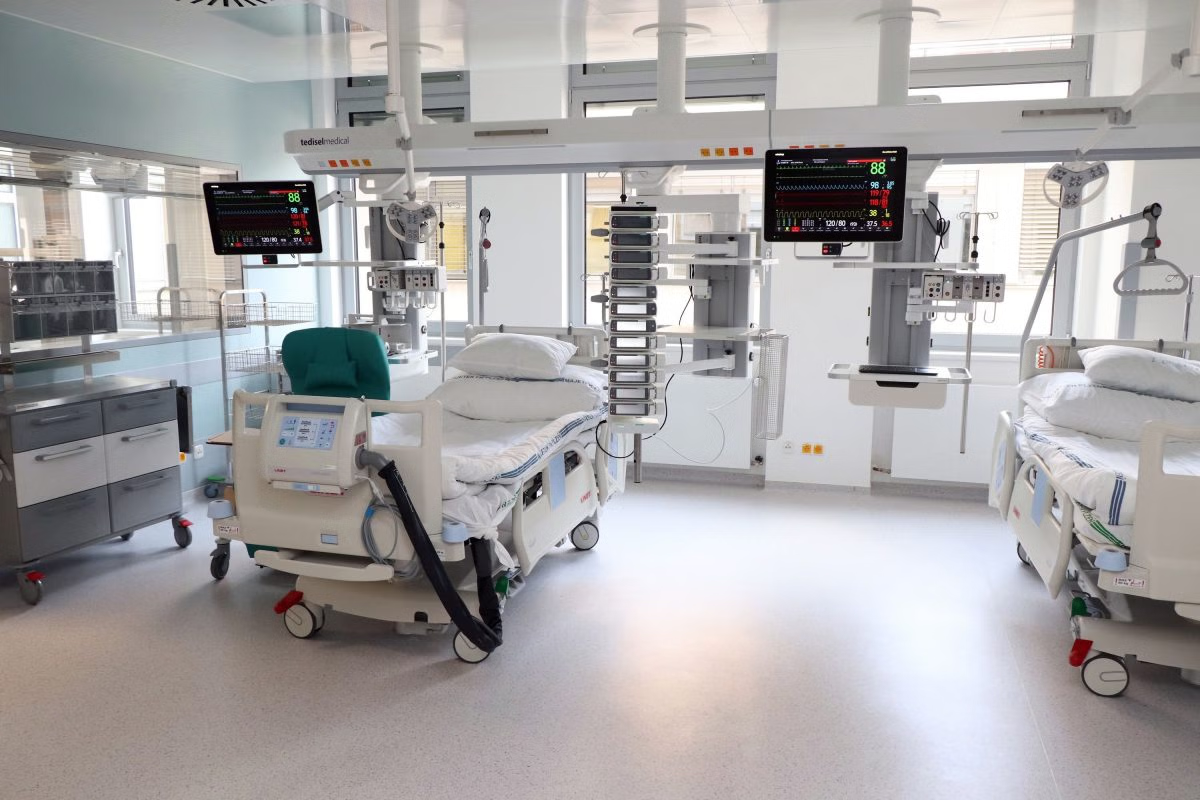
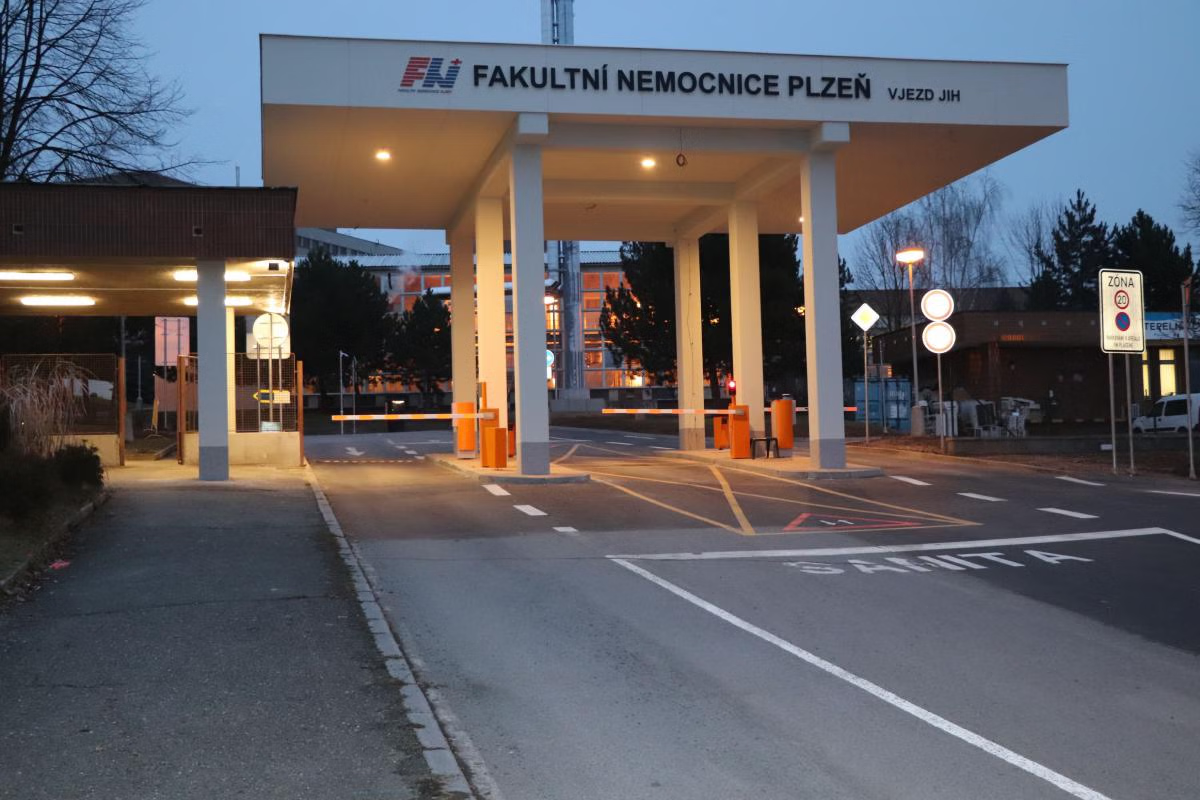
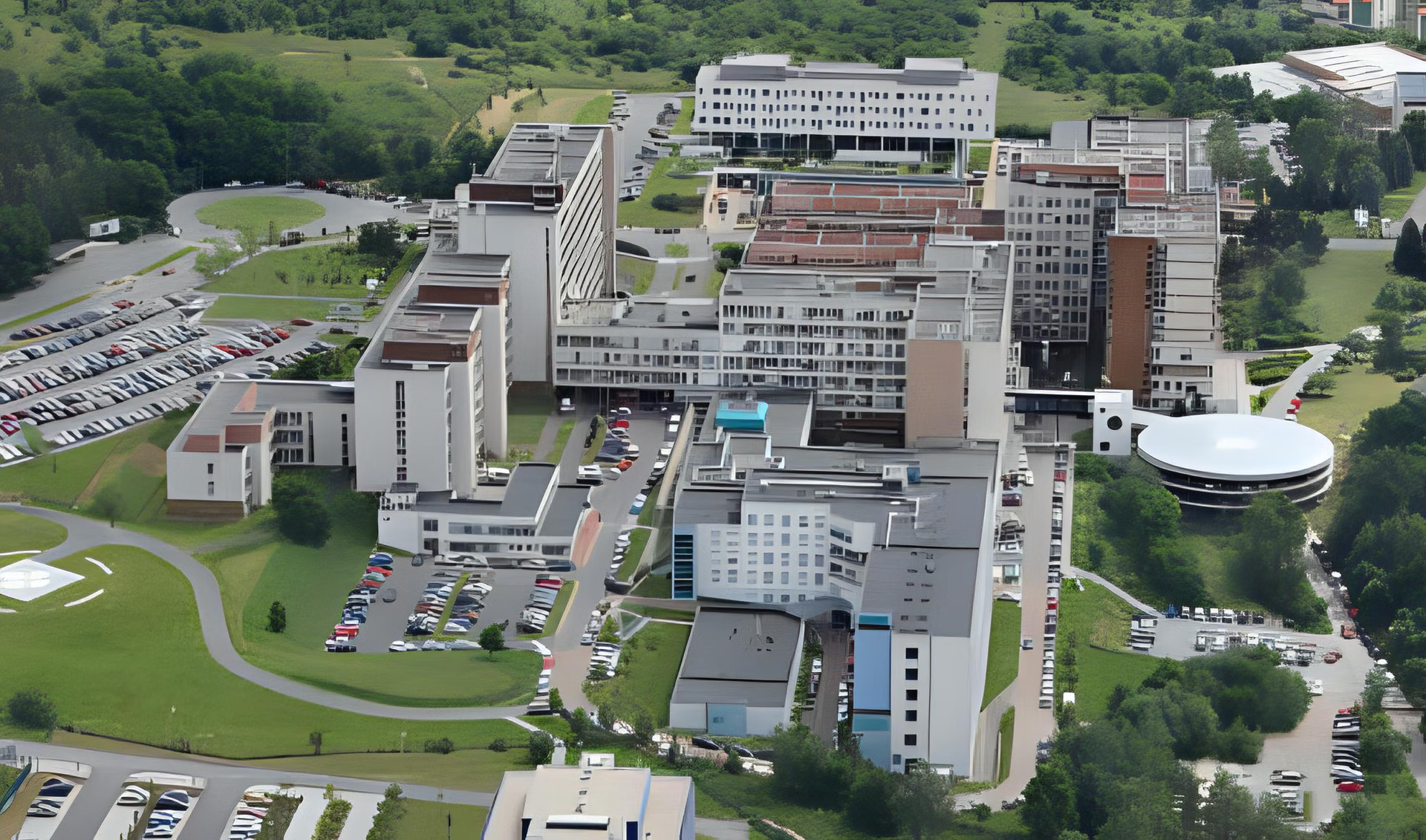
Where can I see the hospital's work, interior space, and exterior?