Logo image

University Hospital Ludwig-Maximilians Munich

University Hospital Ludwig-Maximilians Munich
9.80

Munich, Germany

436
User ScoreTotal ReviewsRatingPrice RangeMedia FilesCertificatesFounded InBedsPatientsDepartmentsOwnershipClinical trialsIs University HospitalAge GroupClinic TypeType of CareSizeOnline Consultations
97%5729.8/10$$$$4365114722062532621108 medical unitsState hospitalConduct clinical trialsYesKids, AdultsGeneralInpatient, OutpatientLargeYes

Overview

Size & Capacity

Large, 2,062 beds

Clinic type

General

Type of care

Inpatient, Outpatient

Age group

Kids, Adults

3.3 on Google

The data collected based on 572 patient reviews on Google

Certificates
Features & Facts

World-Class Medical Excellence
Newsweek World's Best Hospitals report, LMU Klinikum ranks 17th globally, making it one of the top 20 medical institutions worldwide and a leader in European healthcare.
Germany’s Premier Transplant Center
As a leading European transplant hub, the hospital performs 250+ organ transplants annually, including specialized programs for heart, lung, and liver, with survival rates exceeding 90%.

Revolutionary CAR-T Cell Therapy
The clinic uses genetically modified immune cells to target tumors, with breakthroughs enabling CAR-T cells to successfully infiltrate and destroy solid tumors such as pancreatic and bowel cancers.
Vast Clinical Trial Network
With 2,300+ ongoing clinical studies and 700+ interventional trials, LMU Klinikum offers patients the earliest possible access to next-generation therapies in oncology, neurology, and cardiology.
High-Volume Cardiac Leadership
The cardiology unit performs 2,500+ complex surgeries and interventions annually, maintaining a 98% technical success rate for minimally invasive heart valve replacements (TAVI).

About the clinic

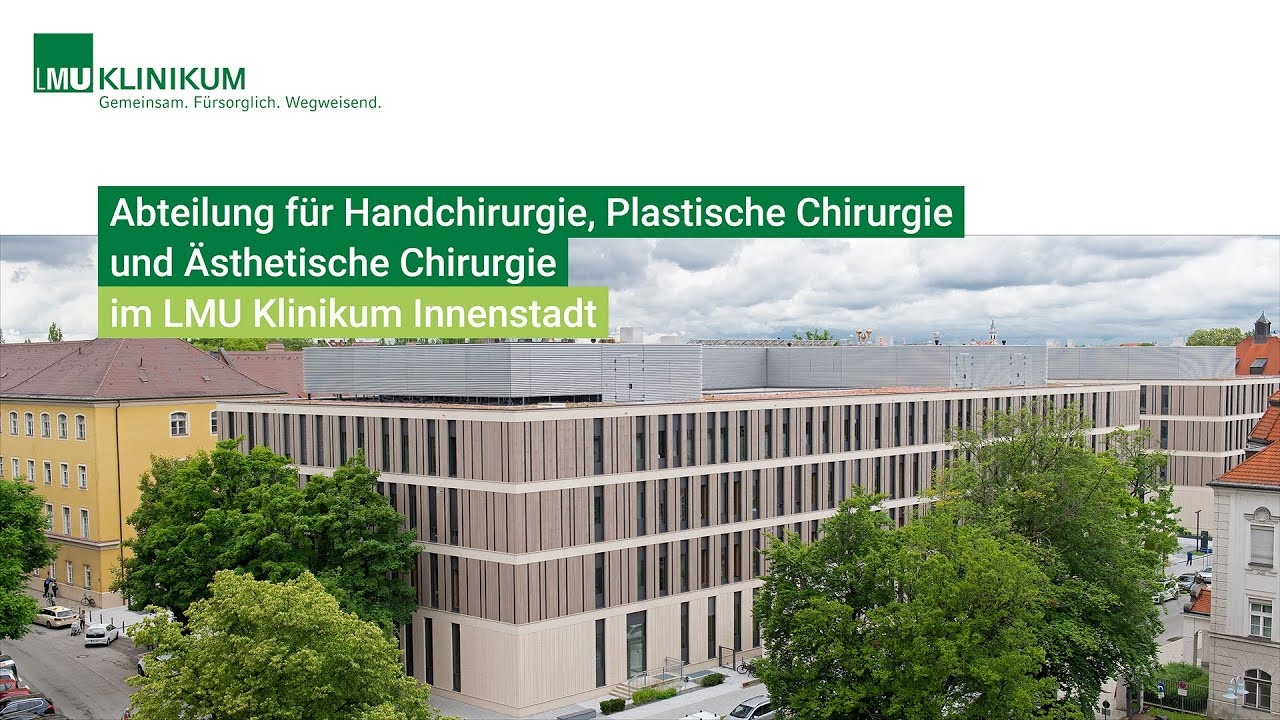
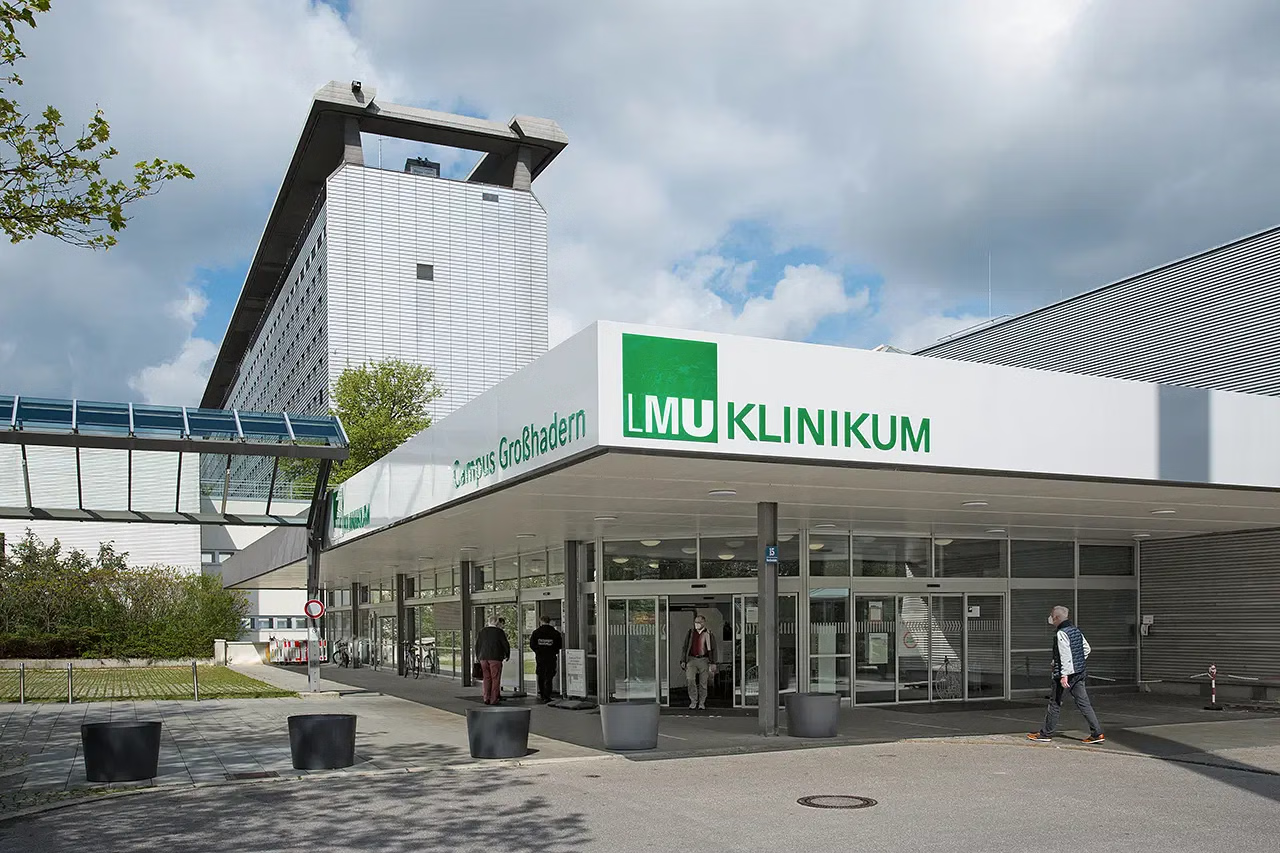
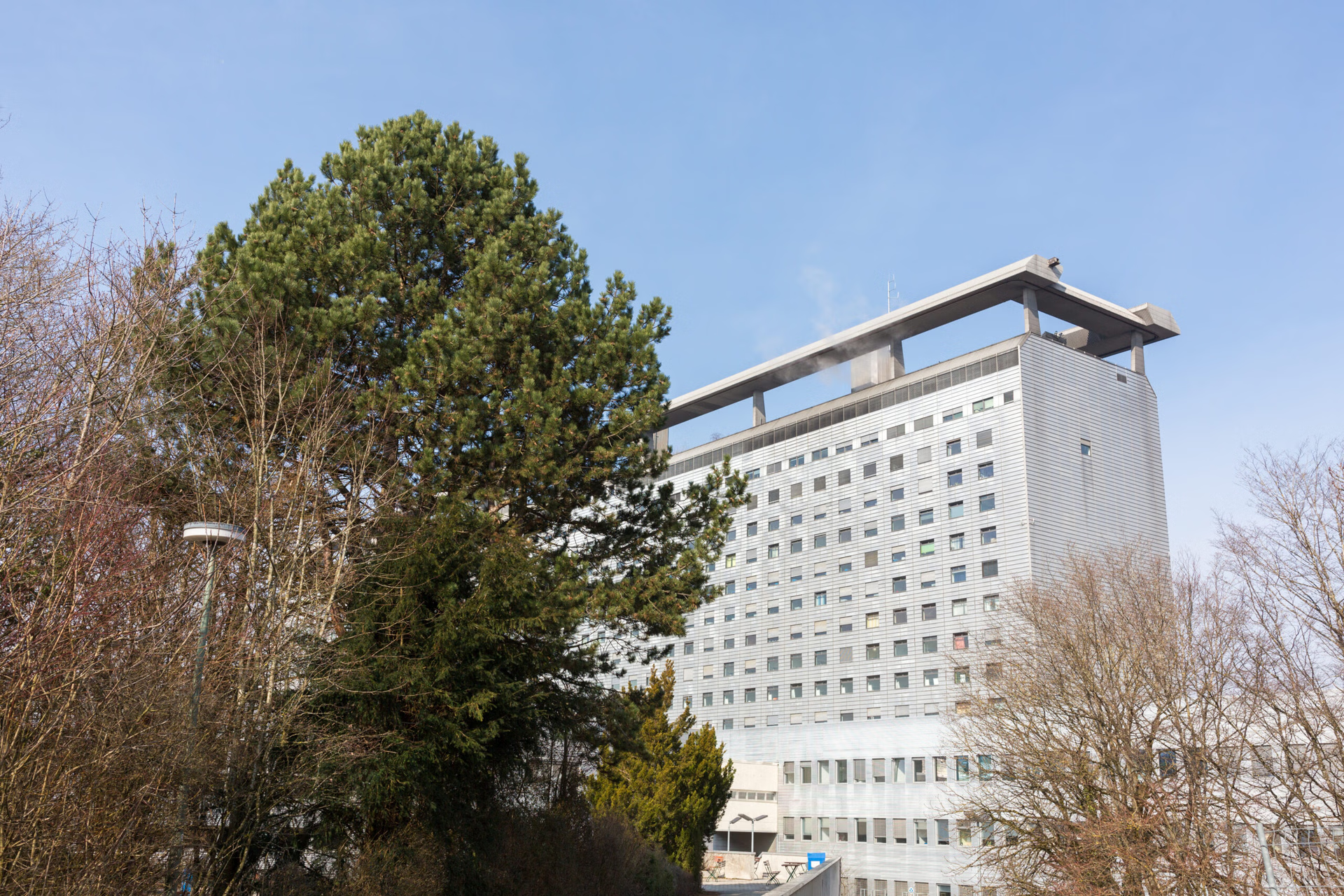
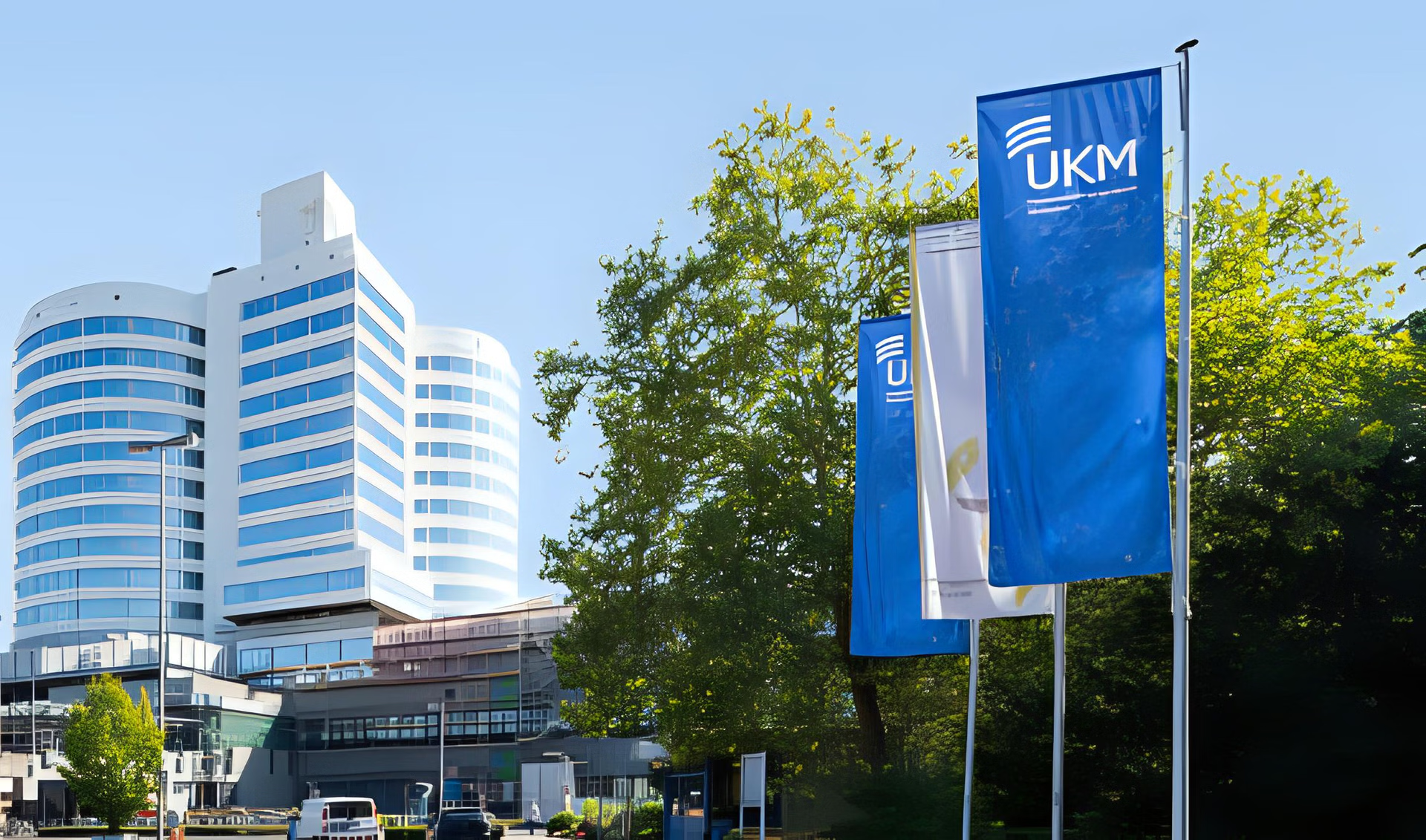
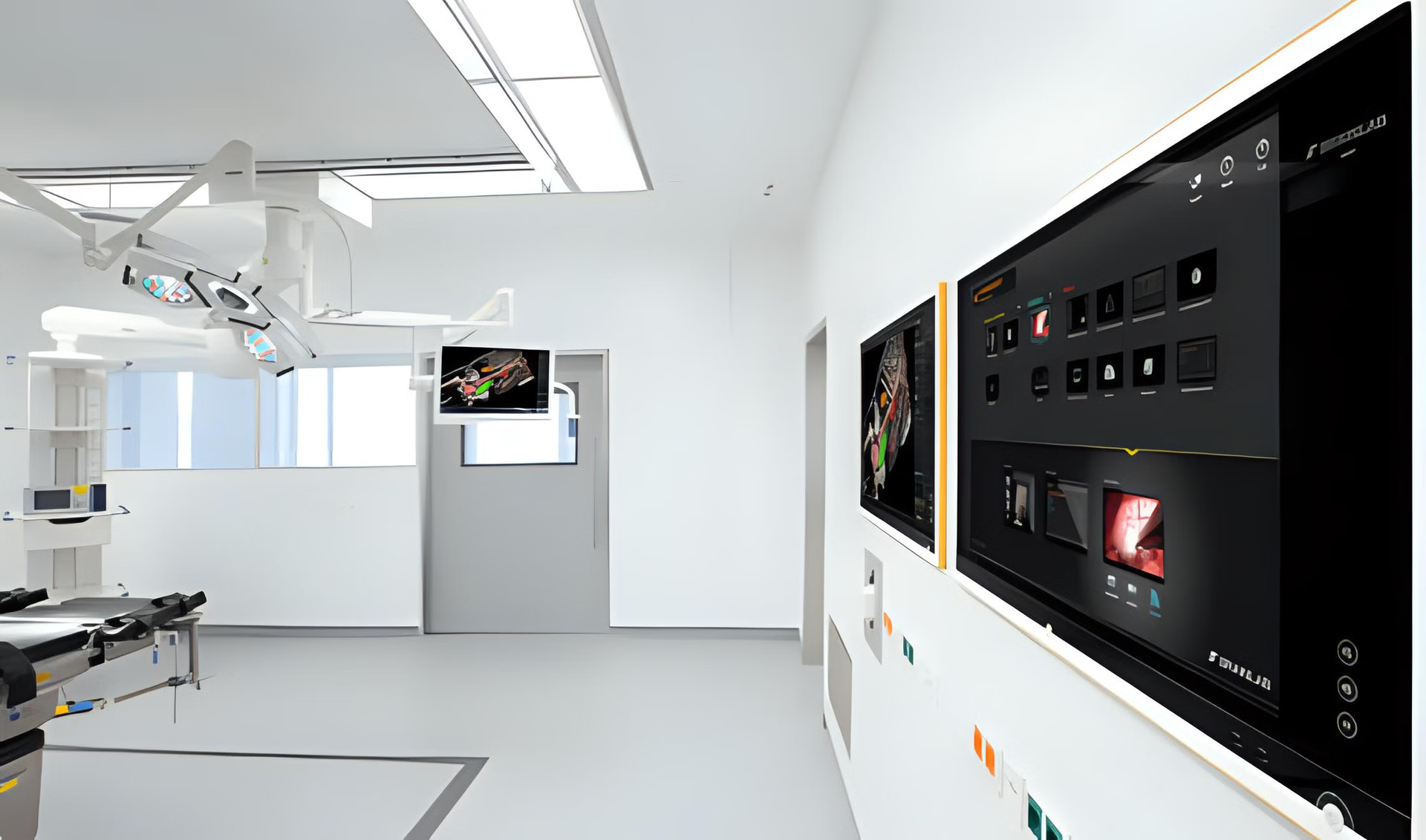
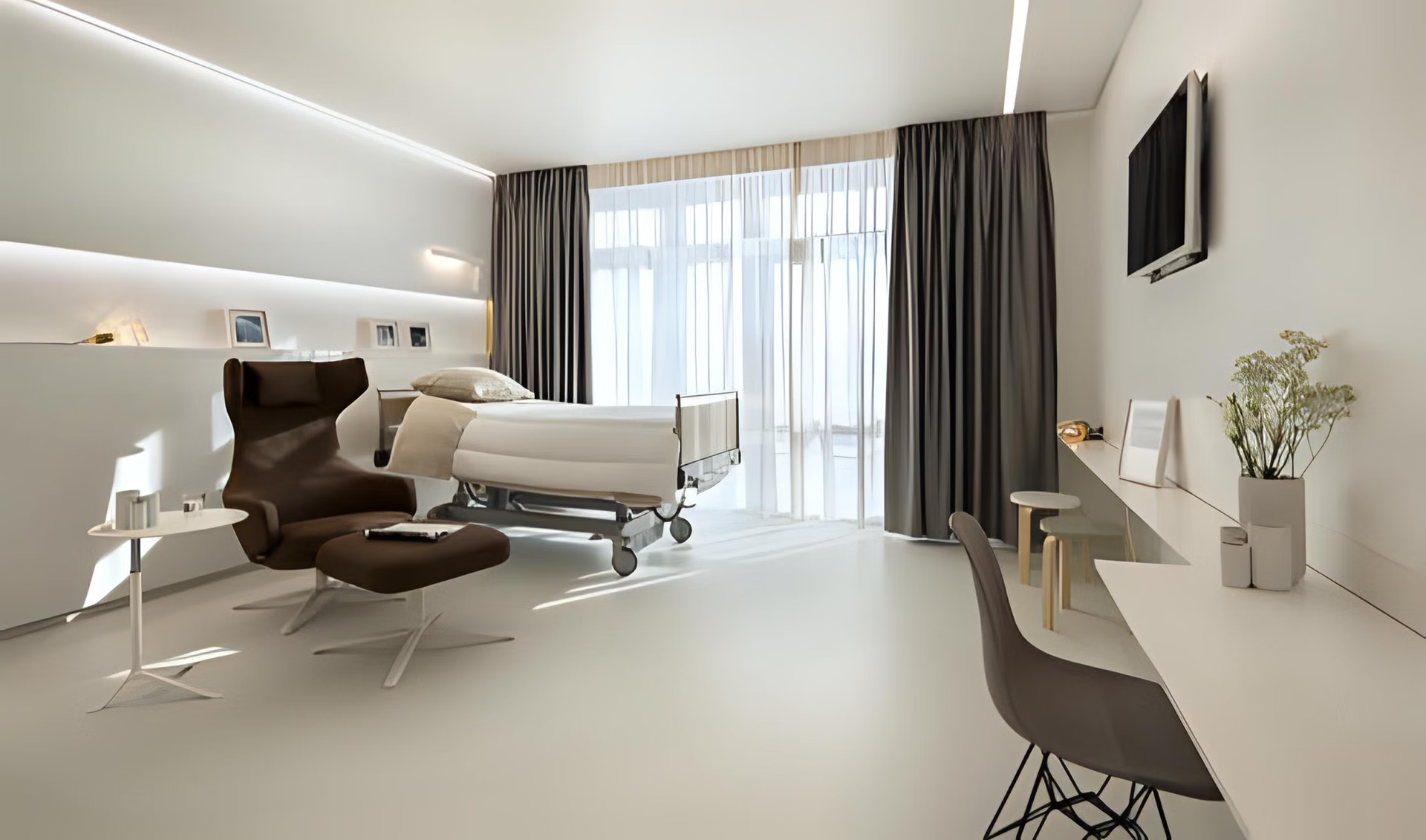
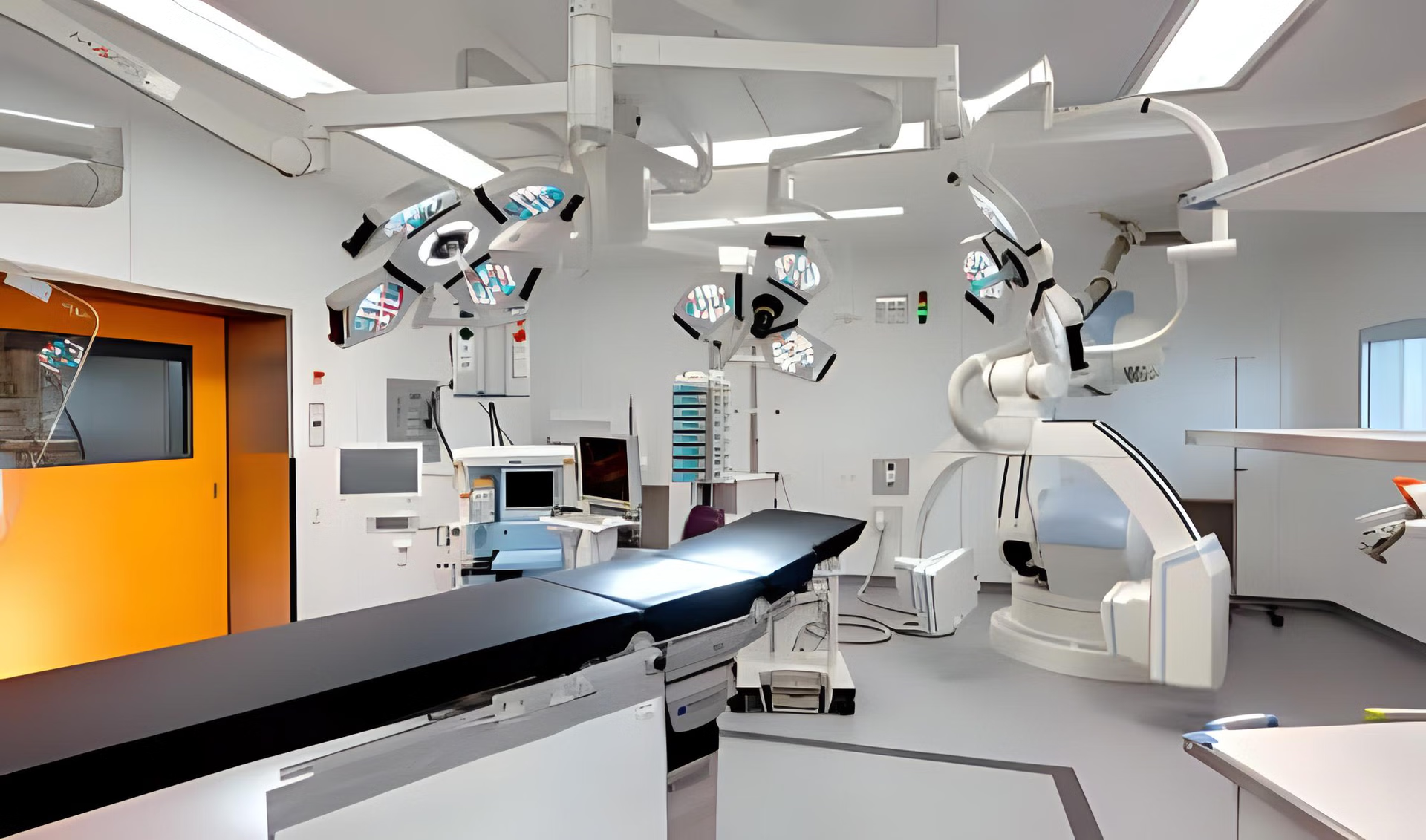
University Hospital of the Ludwig-Maximilians-University (LMU) Munich (LMU Klinikum) is one of the largest and most renowned university hospitals in Germany and Europe. Founded in 1472 as Bavaria’s first university hospital, it now treats 500,000+ patients per year across two major locations in Munich: Campus Innenstadt (City Center) and Campus Großhadern (Hadern). LMU Klinikum is known for medical milestones and clinical innovation. In 1969, Germany’s first heart transplant was performed on the downtown campus (Nußbaumstraße). In urology, extracorporeal shock wave lithotripsy - the use of shock waves to break kidney stones - was pioneered in Munich, marking a historic shift away from open renal surgery. The hospital is also home to the German Center for Vertigo and Balance Disorders, an interdisciplinary referral and research center for complex dizziness and balance conditions. The university comprises two campuses. The 1st one is the Campus Innenstadt (City Center). It is located in central Munich, Campus Innenstadt concentrates many specialist outpatient services and university medicine in the heart of the city. It is historically significant (including the 1969 heart transplant milestone) and continues to expand modern interdisciplinary inpatient and emergency care structures in the city center. The second one is the Campus Großhadern (Hadern). It is the large, modern clinical campus in southwest Munich and a key site for high-acuity, technology-intensive care. It includes major surgical and emergency infrastructure, including a surgery center with 32 operating rooms, outpatient surgery pathways, and a central sterile supply, which support efficient perioperative care and shorter recovery times for many procedures. The university hospital comprises 28 specialist clinics, thirteen institutes, seven departments, and 52 interdisciplinary centers. In addition to outpatient care facilities, approximately 2,000 beds are available for partial- and full-inpatient treatment (currently reported at 2,062). More than 70,000 inpatients are treated each year, supported by approximately 1,800 physicians and 3,300 nursing staff who provide direct patient care. The hospital operates a highly developed surgical platform with state-of-the-art operating rooms, a central emergency department, an outpatient surgery center, and a centralized sterile goods supply, enabling many procedures to be performed on an outpatient basis where clinically appropriate. As a university hospital, LMU clinicians participate in numerous clinical research projects and translate new diagnostic and therapeutic methods into real-world treatment, especially for complex and rare conditions. At the University Hospital of the Ludwig Maximilian University of Munich, patients can choose single or double comfortable rooms with a modern design. The standard room includes a TV, Wi-Fi, a telephone, a toilet, and a shower. Patients are offered a daily menu choice, including vegetarian options. Social services, pastoral care, psychosocial counseling, a library, and additional supportive services are available to patients. LMU offers the full range of diagnostic and treatment services across major specialties, including thoracic, neurosurgical, and cardiac surgery. Radiology, interventional radiology, and nuclear medicine support advanced oncological therapies. The University Hospital of Ludwig-Maximilians-University is well known for extensive experience in transplantation and cellular therapy. There are also comprehensive departments in internal medicine, ophthalmology, dermatology, traumatology, and more.
Primary focus

cancer
aortic
surgery
carcinoma
tumor
pancreatitis
transplantation
vestibular
ovarian
valve
ovarian cancer
aldosteronism
care
endovascular
liver
breast
transcatheter
adrenal
metastases
palliative
heart
primary aldosteronism
lung
hepatocellular carcinoma
brachytherapy
repair
osteonecrosis
pancreatic cancer
aortic valve
prostate
coronary
breast cancer
glioblastoma
cushings
glioma
pediatric
cardiac
imaging
chronic pancreatitis
bone
brain
skin
mitral
pet
platelet
radical prostatectomy
ablation
cushings syndrome
adenocarcinoma
aortic valve implantation
prostate cancer
valve replacement
colorectal
chemotherapy
pulmonary
plastic surgery
fractures
adrenocortical
regurgitation
malignant
hepatocellular
lymphoma
head
children
internal radiation therapy
neck
tricuspid regurgitation
squamous cell carcinoma
tricuspid
liver metastases

Departments & Doctors

Neurovascular center
Prof. Dr. med. Günter U. Höglinger, FEAN

neurology, neurodegenerative diseases

Endocrinology, rheumatology, nephrology
Prof. Dr. med. Nicole Reisch

internal medicine, endocrinology

Allergy center
Prof. Dr. med. Martin Canis

otolaryngology, head and neck surgery

Musculoskeletal center
Prof. Dr. med. Wolfgang Böcker

orthopaedics and trauma surgery, special trauma surgery and emergencies

Urology
Prof. Dr. med. Christian Stief

urology, urological surgery and prostate cancer

Gallery

Extra services

Language Assistance
Visa Support
Telemedicine
Parking Space
Pastoral Care

Location

Ziemssenstraße 5, 80336 München, Germany

FAQ

What is the treatment range of University Hospital Ludwig-Maximilians?

The hospital offers the full range of required treatments across chest, brain, and spinal cord surgery, ophthalmology, urology, and skin disease. Radiological and interventional radiology procedures are equally performed. It is well-known for its extensive experience in oncology, transplantation, and cellular therapy.

Can I have minimally invasive cardiac surgery at the hospital?

The new equipment enables low-traumatic procedures, including cardiac surgery, e.g., TAVI. More than 2,500 operations are performed per year. Standard procedures are heart transplantation, bypass surgery, valve repair, and operations on the aorta and other vessels.

Does the clinic offer radionuclide therapy?

The department proposes a full range of nuclear medicine diagnostics and treatment on 17 cameras, including Lutetium-177, Actinium, Radium, and radioactive iodine. One focus is preclinical research, where doctors analyze the new radiopharmaceutical therapy.
Is the hospital good for treating kidney stones?

Today, the LMU Urology Clinic is one of the leading surgical urology university hospitals in Europe and worldwide, based on the number of urological operations. Doctors use shock wave lithotripsy, ureterorenoscopy, and percutaneous nephrolithotomy.

What makes the LMU transplant unit a global leader?

The hospital operates one of the most active transplant centers in the world, specializing in heart, lung, liver, kidney, and pancreas transplants. It is a pioneer in ex vivo organ perfusion, in which donor organs are kept functioning in a specialized machine outside the body. This technology allows doctors to assess and even "repair" organs before transplantation, significantly increasing the success rate and the number of available organs.

How is precision oncology used to treat advanced cancer?

Through the Comprehensive Cancer Center (CCC Munich), patients have access to molecular tumor boards. Specialists sequence the genetic code of a patient's specific tumor to identify rare mutations. This allows the use of targeted therapies and CAR-T Cell Therapy, in which a patient’s own immune cells are genetically reprogrammed to recognize and destroy cancer cells that have failed to respond to chemotherapy.

Is there a specialized center for complex heart valve repair?

Yes. The medical clinic is a leading center for interventional cardiology, specializing in TAVI (aortic valve), MitraClip, and TriClip (tricuspid valve) procedures. These treatments are performed via a catheter without opening the chest, making them a life-saving option for high-risk or elderly patients who are ineligible for traditional open-heart surgery.

What advanced technology is available for neurosurgery?

The beurosurgery unit utilizes intraoperative MRI and high-precision neuronavigation. By performing MRI scans during the operation, surgeons can verify in real-time if a brain tumor has been completely removed. This GPS-guided surgery protects eloquent areas of the brain responsible for speech and movement, allowing for more aggressive tumor removal with lower risk.

How does the hospital treat rare and undiagnosed diseases?

LMU is home to the Munich Center for Rare Diseases (MZSE). This interdisciplinary unit brings together geneticists, pediatricians, and internal medicine specialists to solve "medical mysteries." By using Whole Exome Sequencing, they can identify rare genetic conditions that have remained undiagnosed for years, providing patients with access to experimental orphan drugs and specialized clinical trials.

What is the New Hauner specialty in pediatric medicine?

The Dr. von Hauner Children’s Hospital is a world-class pediatric center focusing on rare childhood diseases and neonatal surgery. It is the first in Germany to use the Senhance Robotic System specifically for children. With extra-small 3mm instruments, surgeons can perform delicate abdominal and thoracic "keyhole" surgeries on infants and toddlers with unprecedented precision.

Can patients receive specialized treatment for pulmonary hypertension?

Yes. The hospital is an international reference center for chronic thromboembolic pulmonary hypertension. It is one of the few sites globally that performs pulmonary endarterectomy, a highly complex surgery to remove chronic blood clots from the lung arteries, which can effectively cure a condition that was previously considered terminal.

What is the rating of the clinic?

University Hospital Ludwig-Maximilians Munich is rated as 9.80 by AiroMedical.

What do patients say about University Hospital Ludwig-Maximilians Munich?

The clinic has 572 feedbacks at other places. The UserScore of the hospital is 97%.

What is the primary focus of the hospital?

The medical center is an expert at cancer, aortic, surgery, carcinoma, and tumor.

What is the overall experience of the facility?

University Hospital Ludwig-Maximilians Munich has been operating since 1472. It has accumulated over 554 years of clinical background.

Where can I see the hospital's work, interior space, and exterior?

Does the clinic have certification or recognition?

What is the structure of the hospital?

Where is the clinic located?

The address of the facility is Ziemssenstraße 5 80336, Munich, Germany.

Does the hospital offer online consultations?

Yes, University Hospital Ludwig-Maximilians Munich performs virtual appointments and offers a second medical opinion service.

What age range of patients can be admitted to the clinic?

The hospital accepts patients of all ages.

What type of stay is offered at University Hospital Ludwig-Maximilians Munich?

The clinic offers both inpatient and outpatient services, so you can be hospitalized (if indicated).

University Hospital Ludwig-Maximilians Munich

Get individual treatment plan and cost estimate. Non-binding 100% free assessment.

© University Hospital Ludwig-Maximilians Munich
Similar clinics