The data collected based on
695
patient reviews on Google
Certificates
Features & Facts
Public & Government-Owned Center
The Singapore General Hospital is a non-profit institution owned by the government, a member of the SingHealth cluster of healthcare institutions, and a teaching facility for Yong Loo Lin, Lee Kong Chian, and Duke-NUS Schools of Medicine.
Major Liver Experience
Since 2000, SGH has completed more than 4,000 major liver surgeries, making it one of Southeast Asia's most experienced hepatobiliary surgical centers.
Unique Research Strategy Framework
The staff devised a strategic plan to keep running all research and trials in a way that would develop the facility as a whole. They slightly adjust the framework’s roadmap every 5-10 years to keep it effective.
Extensive Laparoscopic Surgery
HPB surgeons have completed over 1,200 laparoscopic liver resections, with an annual volume of approximately 140–150 procedures.
3D Printing for Medical Needs
The Singapore General Hospital is a global center of excellence for 3D design and printing of implants for clinical care, certain surgeries, and anatomical models based on medical imaging data.
Pancreatic Expertise
The hospital has performed nearly 2,000 major pancreatic surgeries since 2000, reflecting decades of experience managing highly complex pancreatic diseases.
Robotic Whipple Experience
SGH performed 229 minimally invasive Whipple procedures from 2014 to 2025, of which 118 were completed robotically, demonstrating advanced pancreatic surgery capabilities.
Annual HPB Caseload
The facility performs around 400 major hepatopancreatobiliary operations each year, including over 200 liver and 100 pancreatic procedures.
Numerous Reputable Accreditations
The clinic passes the Joint Commission Internation (JCI) audits every three years. Lately, the facility has received certifications for overall quality and the Academic Medical Center from JCI, and Baby-Friendly Hospital from BFUSA.
High Surgical Volume
The hospital performs around 10,000 day and inpatient surgeries annually, giving its surgical teams extensive experience across complex specialties and contributing to consistently strong clinical outcomes.
Outstanding Liver Survival
The liver transplant program reports 97.4% one-year survival after deceased donor transplantation and 100% after living donor transplantation, exceeding international benchmark results.
Large Liver Resection Series
Between 2006 and 2025, SGH performed 3,623 partial hepatectomies, representing one of the region's largest single-center experiences in liver surgery.
Ultra-Low Mortality
The 30-day mortality following major minimally invasive hepatopancreatobiliary surgery is below 0.5%, matching outcomes from leading international centers.
About the clinic
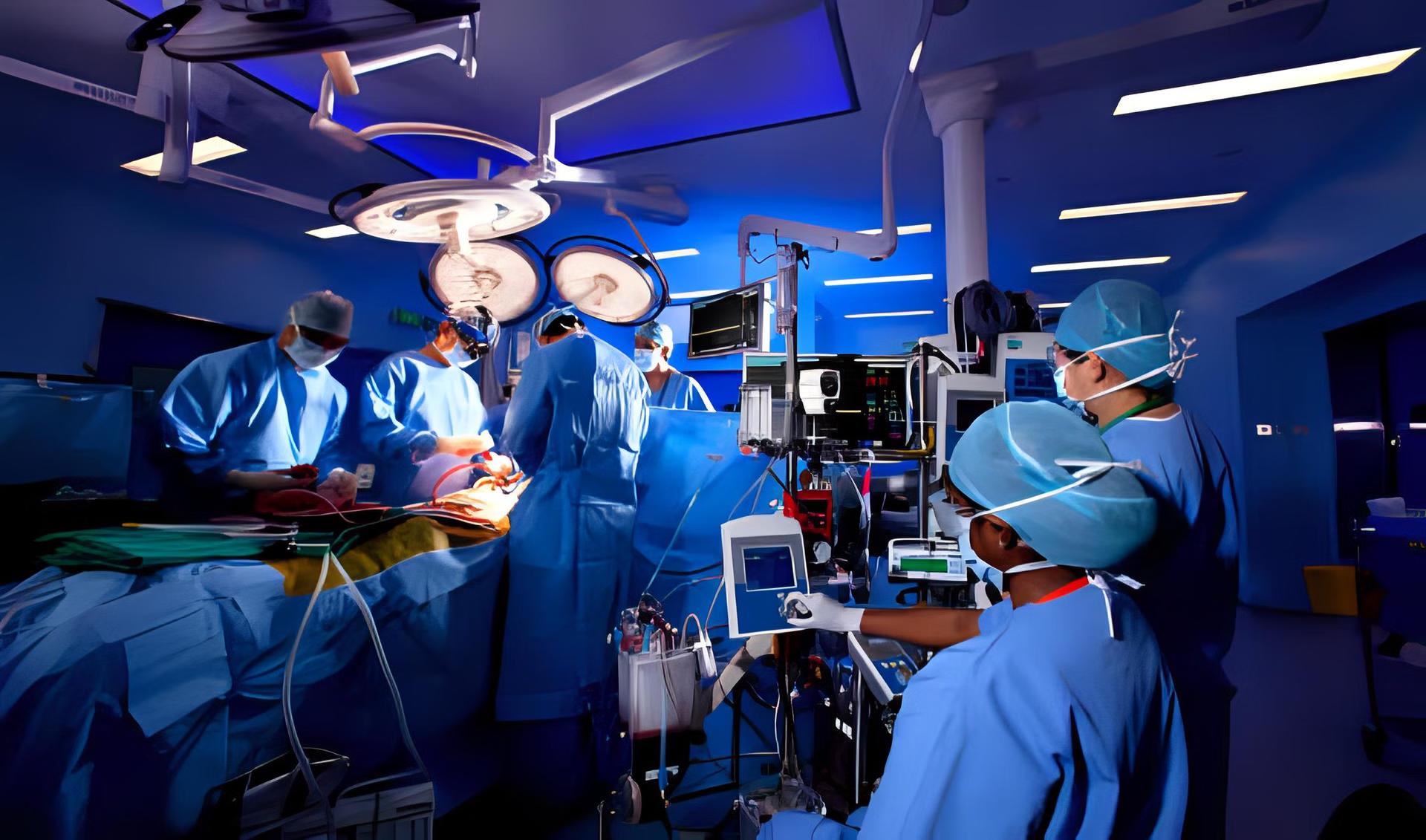
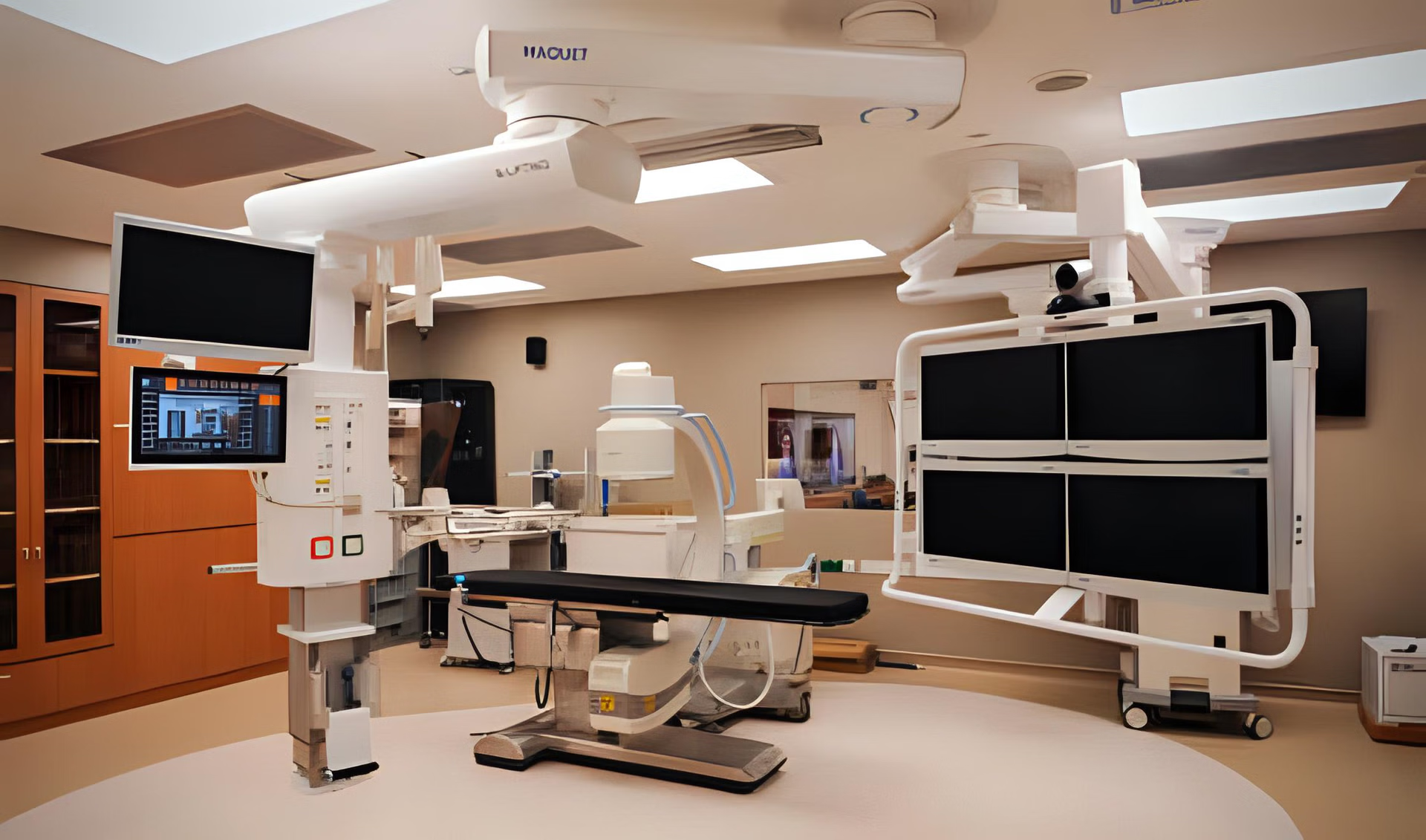
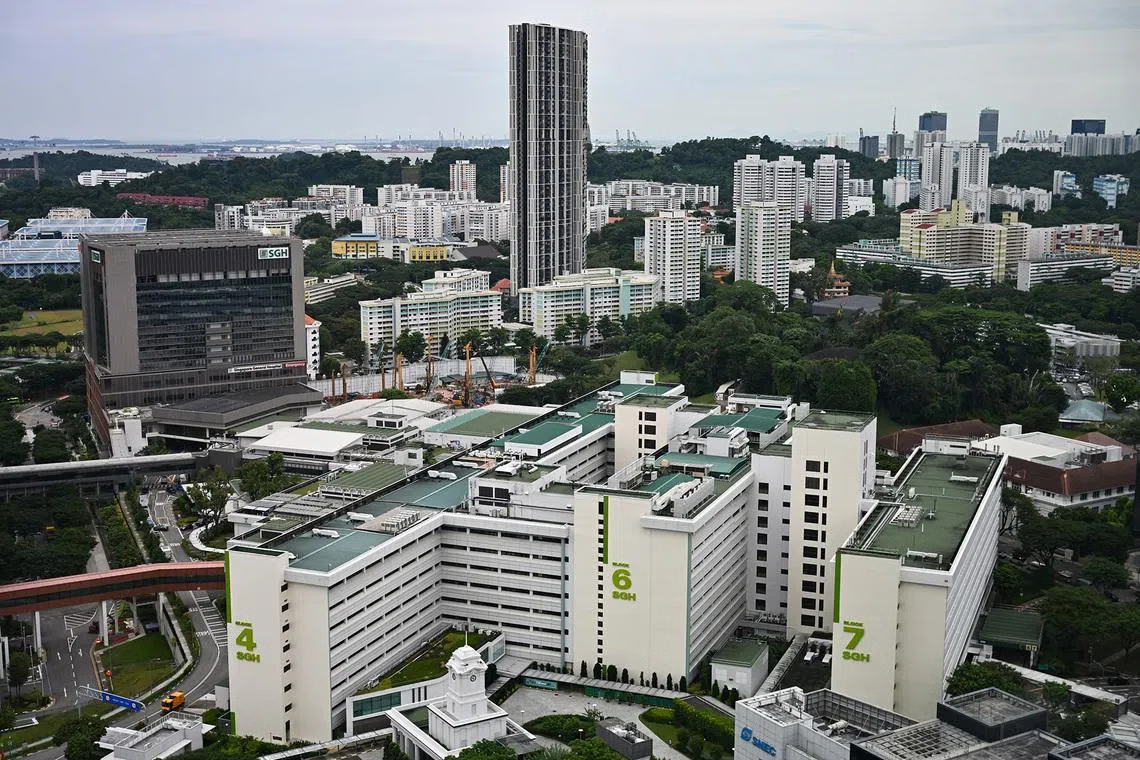
Singapore General Hospital is the oldest and largest acute-care hospital in Singapore, serving as the country's principal referral center for patients requiring highly specialized medical and surgical treatment. Located within the Singapore Health campus, the hospital functions as a central hub where complex clinical care, advanced diagnostics, medical education, and translational research are closely integrated. Its multidisciplinary model allows specialists from multiple disciplines to collaborate on challenging cases, ensuring that patients with rare diseases, multiple chronic conditions, or complex surgical needs receive coordinated care from experienced teams rather than from isolated departments. The academic hospital collaborates with the National University of Singapore, Duke-NUS Medical School, and Lee Kong Chian Medical School to train students and professionals, support the development of start-ups, and conduct research on advanced treatments and technologies. Physicians participate in clinical research, investigator-initiated studies, and international collaborations to evaluate new therapies, technologies, surgical techniques, and care models. Many patients have access to clinical trials when conventional treatment options are limited or when emerging therapies may provide additional benefit under carefully monitored conditions. In addition, the General Clinic in Singapore is ranked among the top 10 hospitals in the world, according to Newsweek. Also interesting is that the hospital performs the most transplants in the country, including solid-organ and hematology transplants. The facility is internationally recognized for managing some of the region's most demanding medical conditions, including advanced cancers, cardiovascular diseases, neurological disorders, complex trauma, organ failure, infectious diseases, and high-risk surgical cases. Dedicated teams regularly care for patients referred from other hospitals due to the need for subspecialized expertise, sophisticated imaging, hybrid operating environments, or therapies unavailable at smaller institutions. Comprehensive preoperative assessment, evidence-based treatment planning, and structured postoperative rehabilitation are integrated into the patient journey to optimize both immediate recovery and long-term outcomes. Singapore General Hospital houses one of the broadest ranges of clinical specialties available under a single institution. Medical, surgical, diagnostic, rehabilitation, and supportive services are designed to work together through multidisciplinary clinics and case conferences, allowing treatment plans to be individualized for patients whose conditions span several organ systems. This collaborative approach is particularly valuable in oncology, transplantation, cardiovascular medicine, neurology, orthopedics, gastrointestinal diseases, respiratory medicine, endocrinology, infectious diseases, and complex internal medicine. The medical center has taken the lead in the country in kidney transplantation, CT, cardiac arrhythmia surgery, heart transplantation, percutaneous endoscopic cholecystectomy, the removal of brain tumors, and arteriovenous malformations using virtual reality surgery in Asia. In addition, for the first time in the world, the forearm was attached to the scapula, and peripheral blood stem cells from an unrelated donor were transplanted into a patient with thalassemia. Also, General Hospital in Singapore comprises many advanced centers with high-tech equipment. For example, the Singapore National Eye Center (SNEC) performs 14,000 major eye surgeries and 13,000 laser procedures annually. In addition, the National Cancer Center (NCCS), with the city's largest concentration of oncologists, is also significant. The new proton therapy center gives the clinic a unique advantage, with equipment that has no equal in the region. In addition, doctors use a variety of radiation treatments, including IMRT, IGRT, SBRT, TomoTherapy Hi-Art, and Volumetric Arc Therapy RapidArc (VMAT). Da Vinci robotic surgery, transanal minimally invasive surgery (TAMIS), and advanced endoscopy services are powerful complementary keys to success in oncology and general surgery. The hospital is equipped with a highly advanced diagnostic infrastructure that enables rapid, accurate evaluation of complex diseases. Modern radiology, molecular diagnostics, pathology, nuclear medicine, endoscopy, and laboratory medicine services enable clinicians to characterize diseases with greater precision before determining the most appropriate treatment pathway. These capabilities also support personalized medicine, allowing therapies to be tailored according to the biological characteristics of individual diseases whenever appropriate. Surgical care extends across virtually every major specialty and includes minimally invasive, robotic-assisted, image-guided, microsurgical, reconstructive, and highly complex open procedures. Dedicated operating suites are designed to support intricate interventions that require collaboration among multiple surgical specialties. Surgeons routinely manage cases involving advanced malignancies, major vascular reconstruction, hepatobiliary and pancreatic disease, complex gastrointestinal disorders, spinal pathology, craniofacial reconstruction, endocrine surgery, and high-risk emergency operations. Education is another defining characteristic of the institution. The hospital serves as a major teaching center for medical students, nursing professionals, pharmacists, allied health practitioners, and specialist trainees. Continuous professional development, simulation-based education, and interdisciplinary training help maintain high clinical standards while supporting the next generation of healthcare professionals. Beyond treating acute illness, Singapore General Hospital places strong emphasis on continuity of care. Comprehensive rehabilitation programs, chronic disease management, specialist follow-up clinics, pharmacy counseling, nutritional support, psychological services, pain management, and coordinated discharge planning help patients transition safely from hospitalization back to daily life. This integrated approach is especially important for individuals recovering from major surgery, stroke, severe injuries, cancer treatment, or long-term medical conditions requiring ongoing multidisciplinary support. The hospital also plays a leading role in responding to national healthcare challenges, providing highly specialized services for critically ill patients while contributing to disease surveillance, healthcare innovation, quality improvement, and the development of national clinical guidelines. Through its combination of extensive specialist expertise, advanced technology, academic leadership, and patient-centered multidisciplinary care, Singapore General Hospital remains one of Asia's foremost referral hospitals for both routine specialist treatment and the most medically complex conditions.
Gallery
Beyond Boundaries: Singapore General Hospital Brand Video
2026-07-08T14:46:46.000Z
Beyond Boundaries: Singapore General Hospital Brand Video
Stories of Hope – Gift a Breath
2026-07-08T14:46:34.000Z
Stories of Hope – Gift a Breath
Behind the Scenes: How staff are transforming hospital workflows
2026-07-08T14:46:14.000Z
Behind the Scenes: How staff are transforming hospital workflows
40th anniversary of SGH Hematopoietic Cell Therapy and Transplant Programme
2026-07-08T14:46:01.000Z
40th anniversary of SGH Hematopoietic Cell Therapy and Transplant Programme
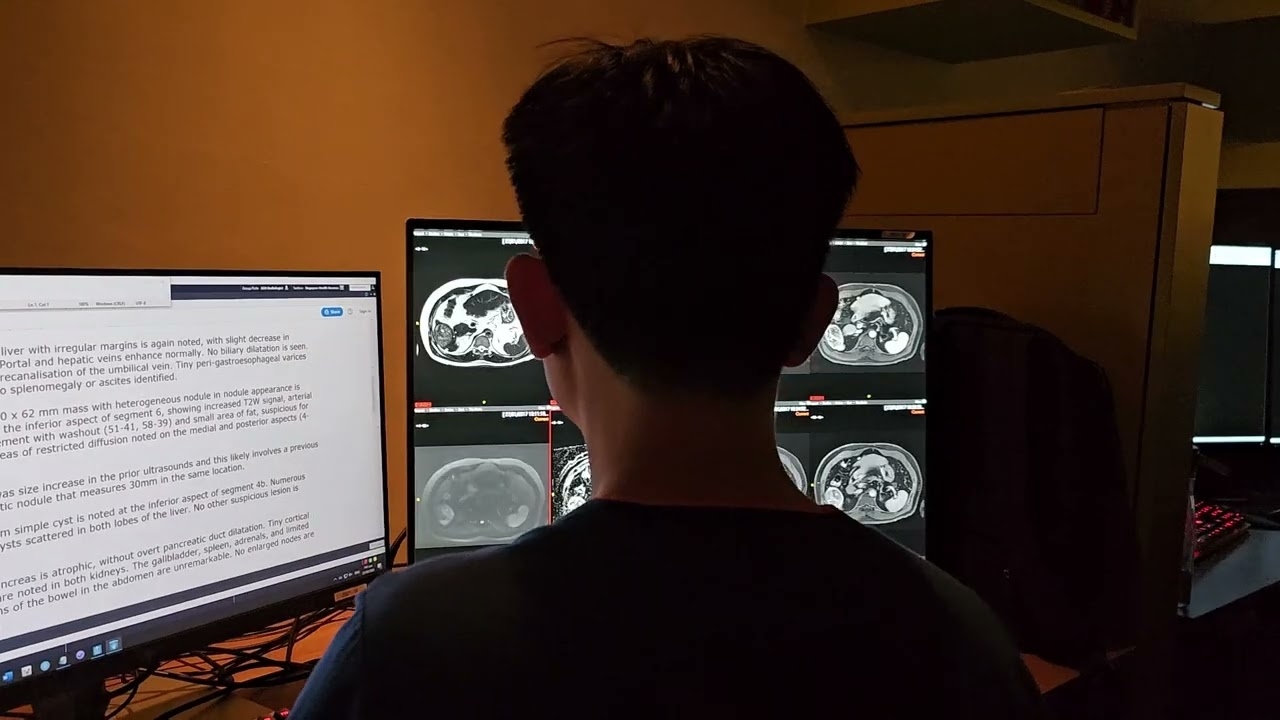
RAPIER: Using AI to identify liver tumours
2026-07-08T14:45:49.000Z
RAPIER: Using AI to identify liver tumours
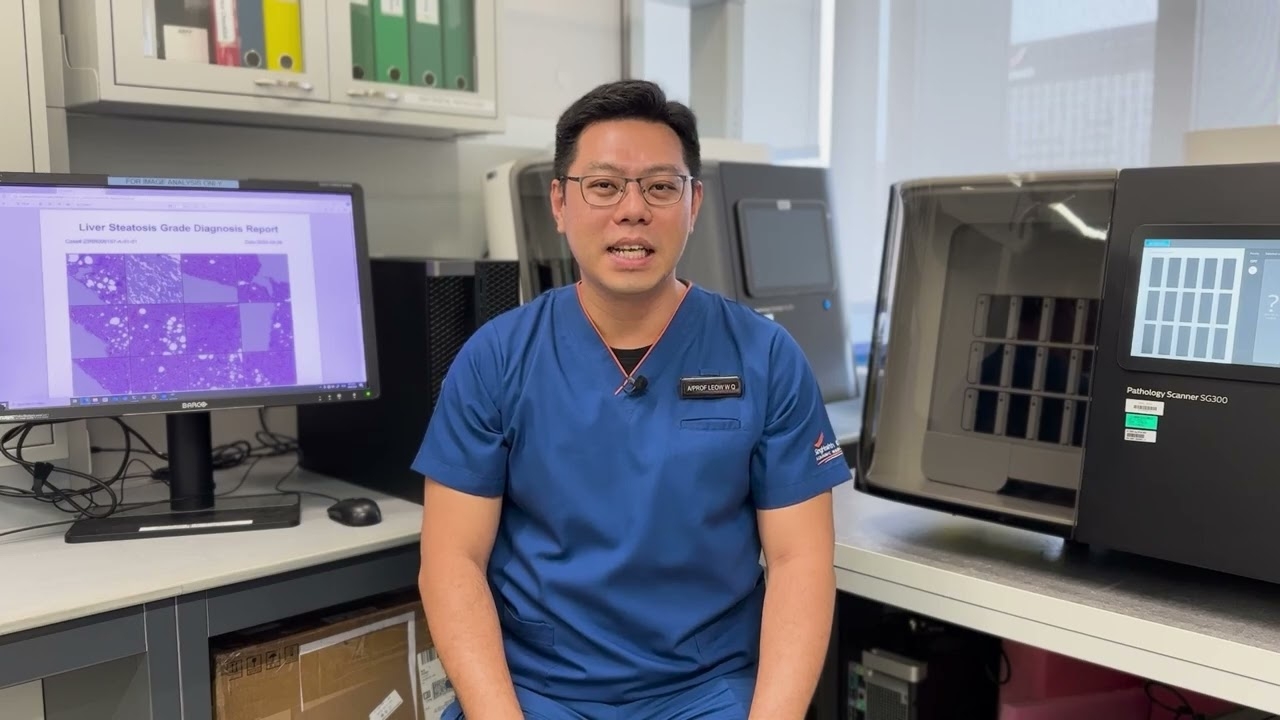
RAPIER: AI assistant to detect Metabolic Dysfunction-Associated Steatotic Liver Disease
2026-07-08T14:45:38.000Z
RAPIER: AI assistant to detect Metabolic Dysfunction-Associated Steatotic Liver Disease
2026-07-08T14:39:43.000Z
2026-07-08T14:39:43.000Z
2026-07-08T14:39:43.000Z
2026-07-08T14:39:43.000Z
2026-07-08T14:39:43.000Z
2026-07-08T14:39:43.000Z
Beyond Boundaries: Singapore General Hospital Brand Video
2026-07-08T14:46:46.000Z
Beyond Boundaries: Singapore General Hospital Brand Video
Stories of Hope – Gift a Breath
2026-07-08T14:46:34.000Z
Stories of Hope – Gift a Breath
Behind the Scenes: How staff are transforming hospital workflows
2026-07-08T14:46:14.000Z
Behind the Scenes: How staff are transforming hospital workflows
40th anniversary of SGH Hematopoietic Cell Therapy and Transplant Programme
2026-07-08T14:46:01.000Z
40th anniversary of SGH Hematopoietic Cell Therapy and Transplant Programme
RAPIER: Using AI to identify liver tumours
2026-07-08T14:45:49.000Z
RAPIER: Using AI to identify liver tumours
RAPIER: AI assistant to detect Metabolic Dysfunction-Associated Steatotic Liver Disease
2026-07-08T14:45:38.000Z
RAPIER: AI assistant to detect Metabolic Dysfunction-Associated Steatotic Liver Disease
Extra services
Visa Support
Parking Space
24/7 medical assistance
Intensive Care Unit
On-Site Pharmacy
Cafeteria
Kids' Play Zone
ATM / Banking
Accessibility Features
Location
Outram Rd, Singapore 169608
FAQ
Should I choose the hospital for prostate cancer treatment?
Doctors work closely together to use DaVinci's gentle robotic technology to treat the prostate. Significant advantages include high-precision visualization of the operative field and the need for a small number of incisions to achieve successful removal without complications.
Does the hospital provide cancer treatment?
Yes. Patients have access to comprehensive oncology services, including surgery, chemotherapy, immunotherapy, targeted therapies, radiation oncology, and supportive cancer care coordinated by multidisciplinary teams.
Is the medical center suitable for treating rheumatic diseases?
The Asia-Pacific League of Rheumatology Associations (APLAR) recognized the rheumatology department as a center of excellence. Advanced technologies, participation in clinical research, and specialist education make the clinic one of the best places for treatment.
Is minimally invasive surgery available?
Yes. Surgeons perform a wide range of laparoscopic, robotic-assisted, and endoscopic procedures whenever clinically appropriate to reduce surgical trauma and support faster recovery.
Does Singapore General Hospital perform organ transplantation?
Yes. The hospital has extensive expertise in organ transplantation, including kidney, liver, and pancreas transplants, with dedicated transplant specialists and comprehensive long-term follow-up programs.
Does Singapore General Hospital offer dental and maxillofacial surgery services?
The clinic offers treatment of the most common oral cavity diseases for children and adults, particularly in orthodontics and restorative dentistry. In addition, maxillofacial rehabilitation and facial pain centers are available on-site.
Can patients receive advanced cardiovascular treatment?
Yes. Singapore General Hospital provides comprehensive care for heart and vascular diseases, including complex cardiac surgery, interventional cardiology, electrophysiology procedures, and structural heart interventions.
What treatment does the clinic request for malignant peritoneal tumors?
Oncologists have experience in cytoreductive surgery (CRS) and hyperthermic intraperitoneal chemotherapy (HIPEC). In addition, participation in clinically investigated pressurized intraperitoneal aerosol chemotherapy (PIPAC) and prophylactic HIPEC is available.
Does the hospital provide rehabilitation after treatment?
Yes. Rehabilitation services include physiotherapy, occupational therapy, speech therapy, and individualized recovery programs following surgery, stroke, trauma, neurological conditions, and other complex illnesses.
Does Singapore General Hospital treat complex and rare diseases?
Yes. Singapore General Hospital is a major tertiary referral hospital that manages complex, multi-organ, and rare conditions requiring highly specialized diagnostics, multidisciplinary care, and advanced surgical or medical treatment.
Are neurological disorders treated at the facility?
Specialists diagnose and manage conditions such as stroke, epilepsy, movement disorders, brain tumors, and complex spinal diseases using advanced imaging and modern treatment techniques.
Does Singapore General Hospital specialize in digestive diseases?
Yes. The hospital offers expert care for gastrointestinal, liver, pancreatic, and biliary disorders, including advanced therapeutic endoscopy and hepatobiliary surgery.
Is robotic surgery offered for different specialties?
Robotic surgical systems are used across multiple specialties, including urology, colorectal surgery, gynecology, thoracic surgery, and selected general surgical procedures.
What is the rating of the clinic?
Singapore General Hospital is rated as 9.20 by AiroMedical.
What do patients say about Singapore General Hospital?
The clinic has 695 feedbacks at other places. The UserScore of the hospital is 81%.
What is the overall experience of the facility?
Singapore General Hospital has been operating since 1821. It has accumulated over 205 years of clinical background.
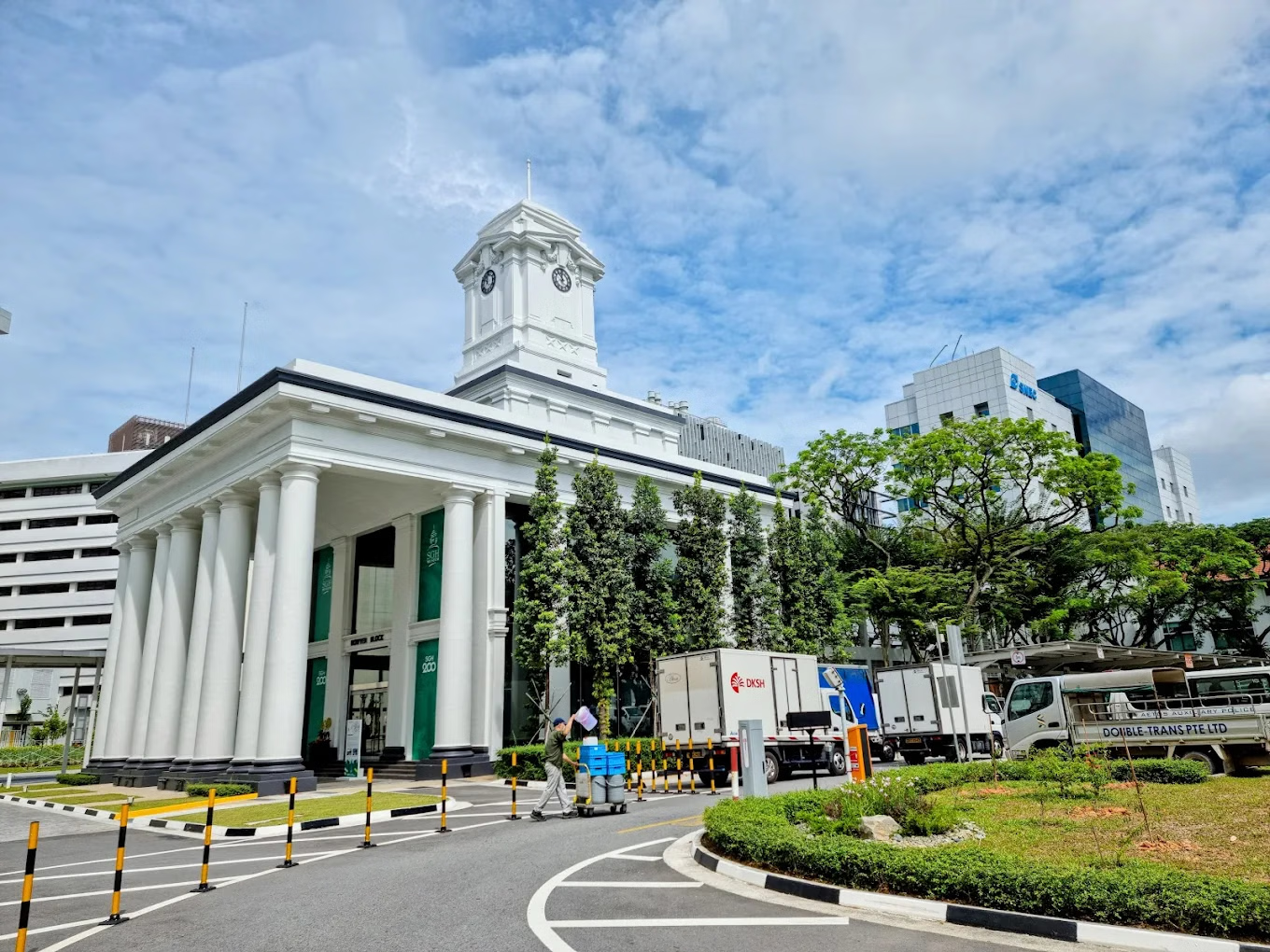
Where can I see the hospital's work, interior space, and exterior?