The data collected based on
550
patient reviews on Google
Certificates
Features & Facts
Innovative Radiotherapy Options
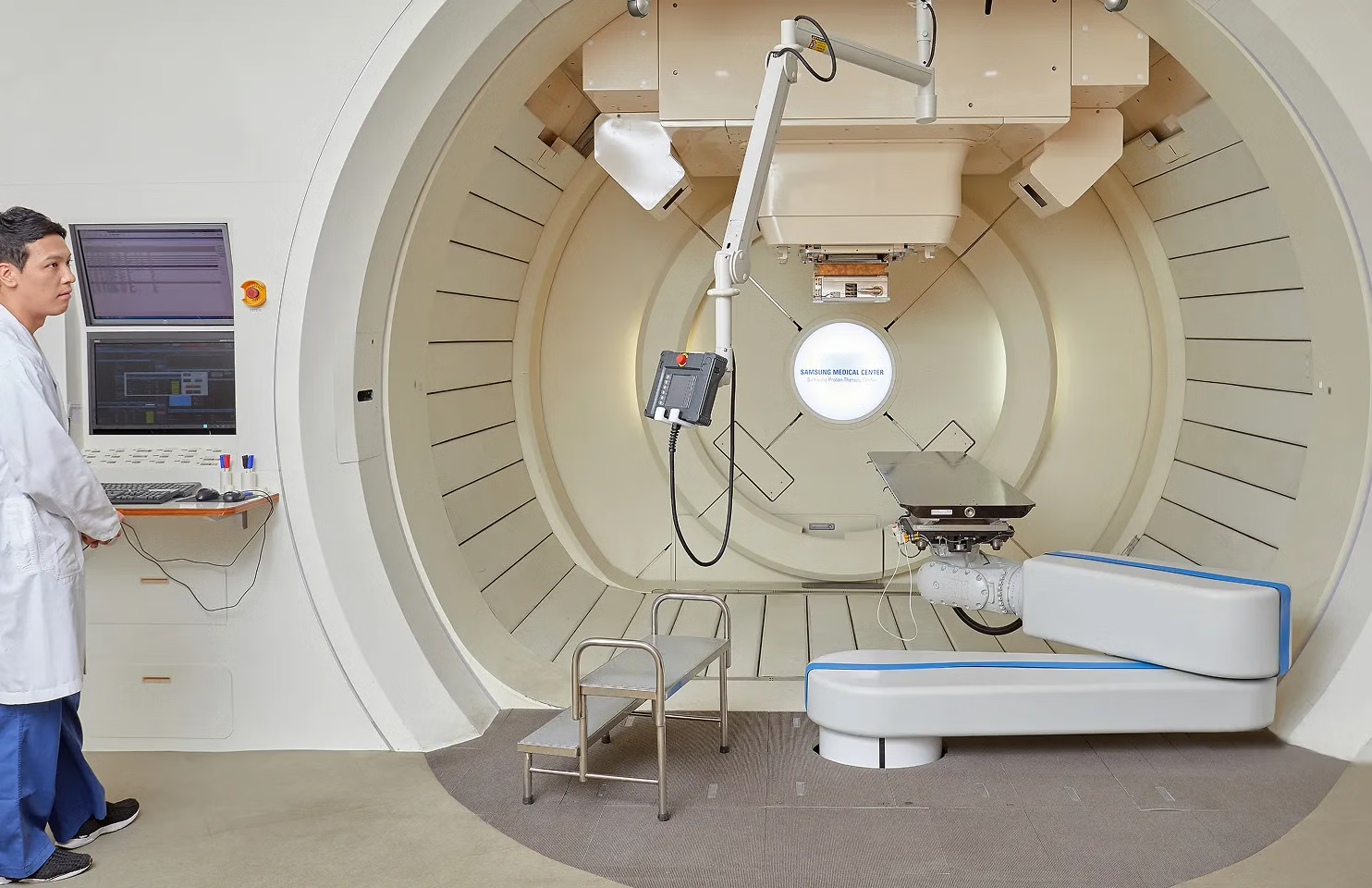
At Samsung Medical Center in Seoul, patients can access numerous innovative radiation therapy devices, including Gamma Knife and proton beam therapy. They show better treatment results and are traditionally associated with fewer relapses.
Exceptional Cancer Survival Rates
Highlighting world-class medical efficacy, the five-year survival rate among all cancer patients treated at the Samsung Comprehensive Cancer Center has reached 75.4 percent
Part of Innovative Programs
Samsung Medical Center Seoul established an AI-based demonstration lab to respond to emerging infectious diseases. As a result, patients can always be sure to receive the best protection against infections.
Winners of Numerous Contests
The hospital is widely recognized as an outstanding treatment facility and has received many awards. Among them, for example, 12 “Most Recommended Company by Customers” 1st-place awards.
Massive Robotic Surgery Volume
Demonstrating peak surgical innovation and technological adoption, the medical center successfully surpassed a monumental milestone of 20,000 cumulative robotic surgeries.
Home for Studies of the Cardiovascular System
The Heart Vascular and Stroke Institute is located within the Samsung Medical Center in Seoul, so patients can always receive resuscitation and high-quality care for vascular emergencies.
Prolific Lung Cancer Operations
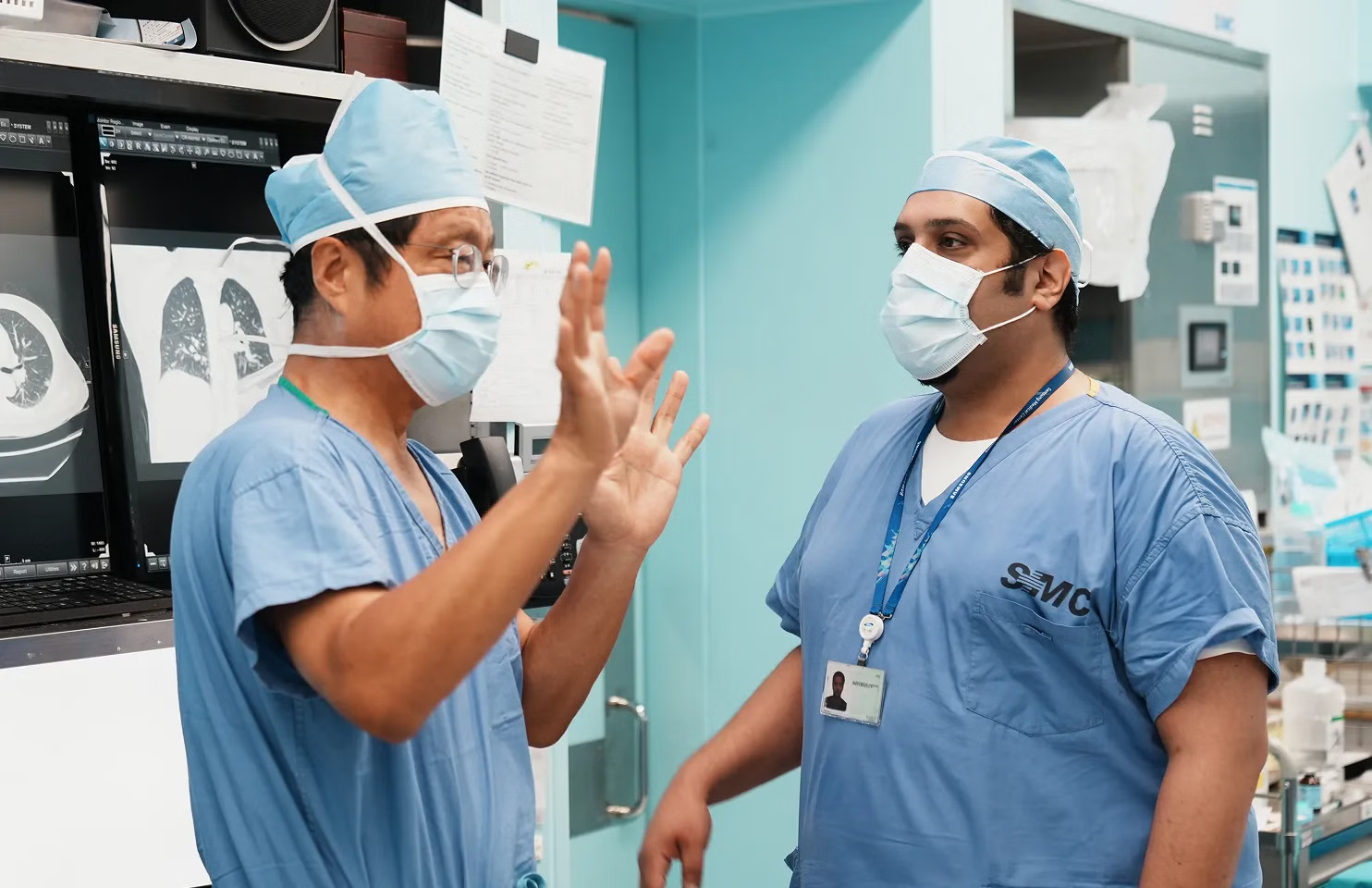
The thoracic surgery department performs an average of over 1,500 lung cancer operations every year, with more than 90 percent completed using minimally invasive techniques.
Deal with any Emergency
Patients needing help ASAP or requiring a rapid transition to or from the Samsung Medical Center might order services from emergency medical helicopters.
Enormous Annual Surgical Throughput
The facility delivers an incredibly high volume of specialized healthcare, safely coordinating and performing more than 45,000 sophisticated surgical interventions every year.
About the clinic
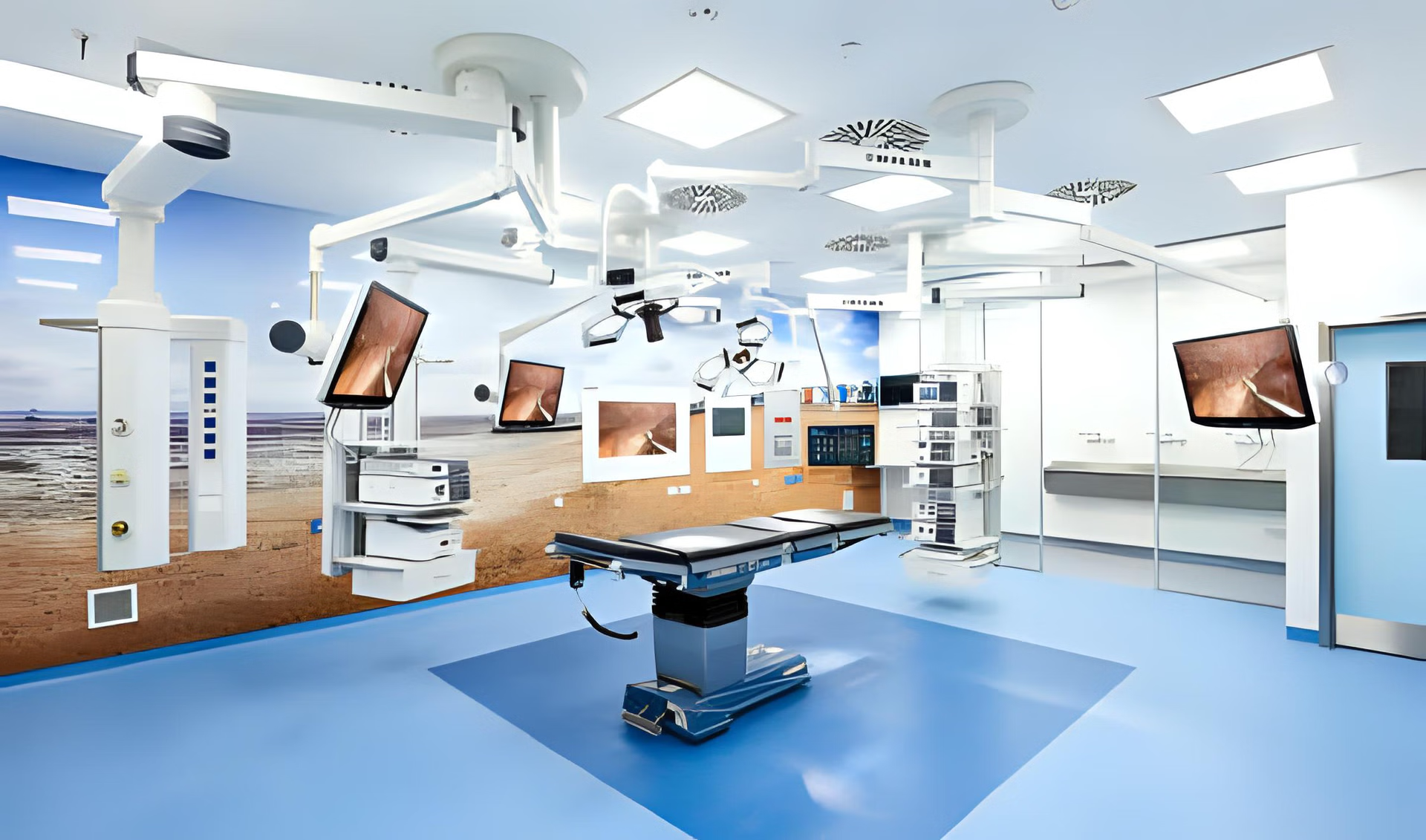
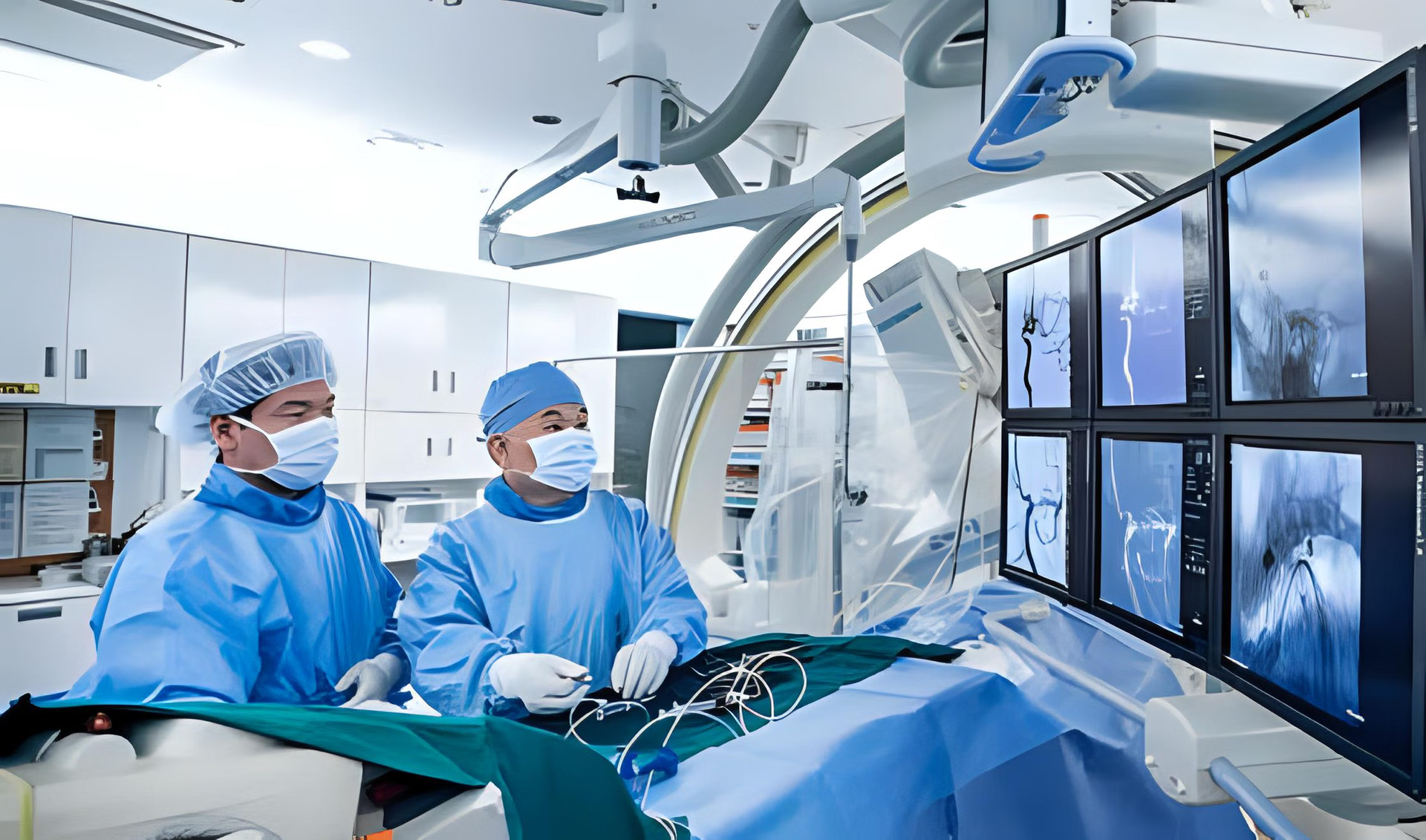
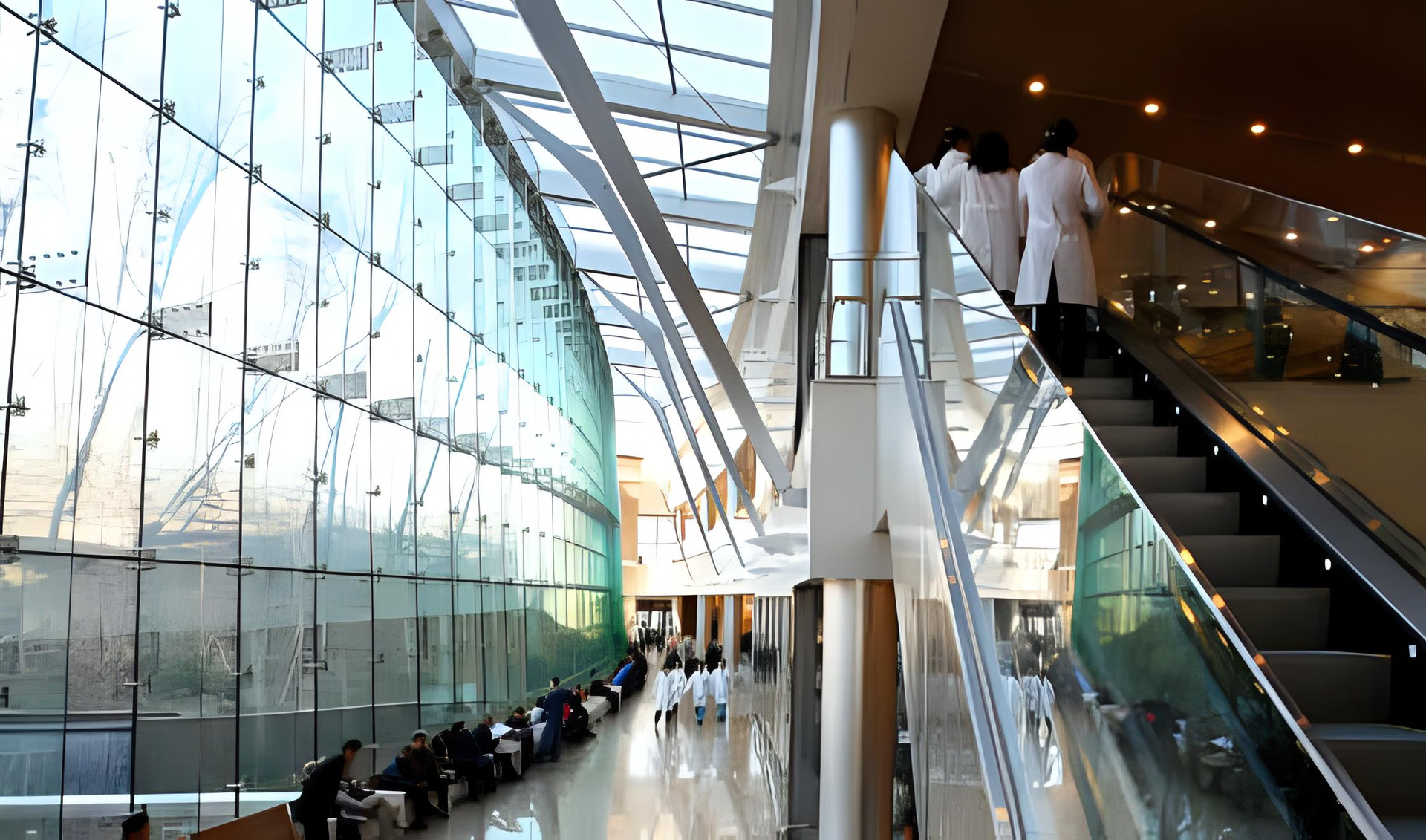
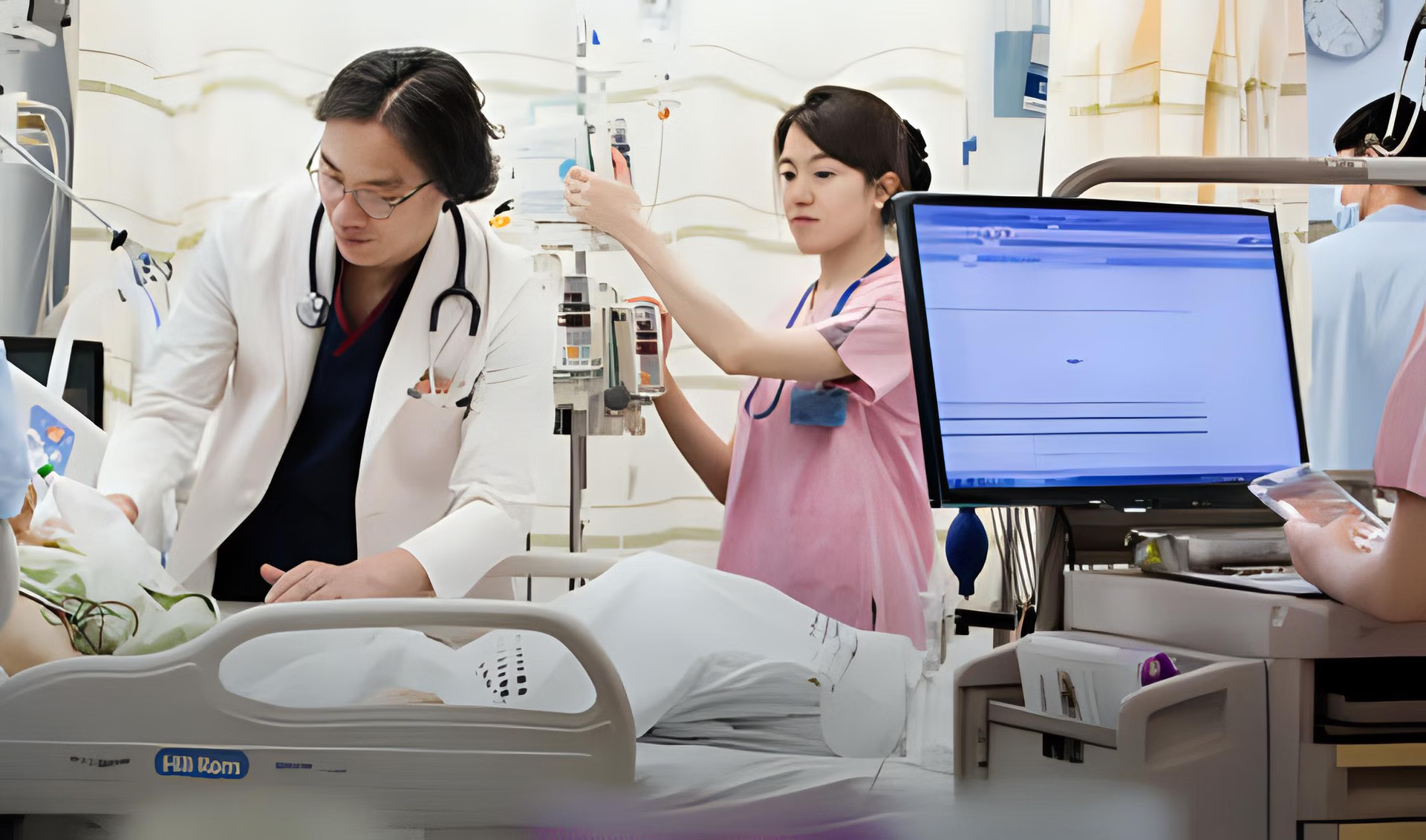
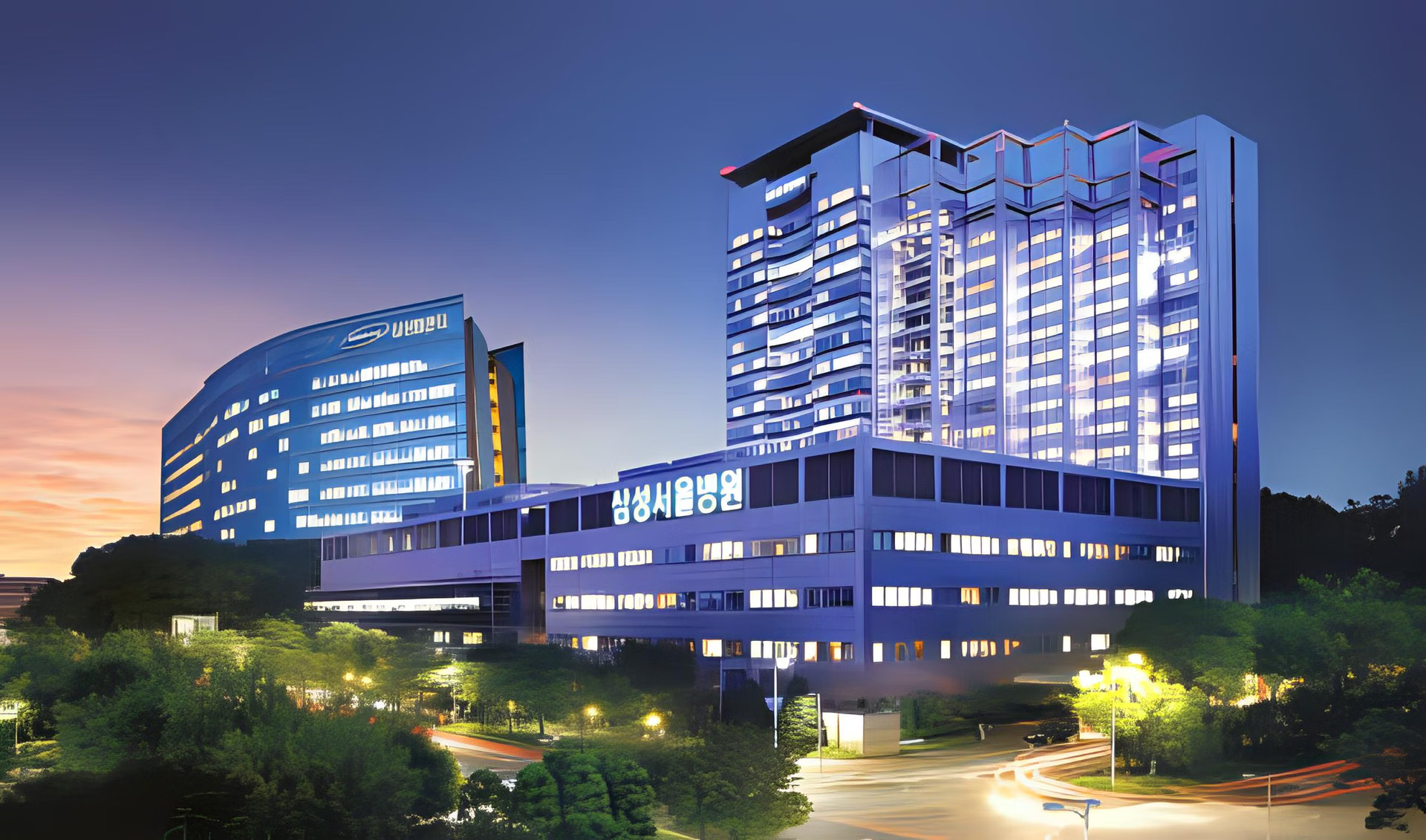
Samsung Medical Center redefines the global limits of the clinical experience by operating as a fully integrated, hyper-digitized ecosystem of healing and scientific innovation. Founded by the Samsung Group, this elite medical titan spans a massive 353,000 square meters across five interconnected structural nodes, including its iconic Main Building, a state-of-the-art oncology center, a dedicated proton therapy center, and the specialized Research Institute for Future Medicine. Upon entering the facility, the traditional, clinical starkness of modern hospitals is entirely erased by a grand, five-story vaulted lobby featuring a live grand piano performance, immediately establishing a sensory-calming environment where humanist empathy directly interfaces with advanced computational medicine. This expansive campus serves as the academic and clinical engine for the Sungkyunkwan University School of Medicine, deploying a powerful workforce of thousands of specialized clinicians, nurses, and molecular researchers who manage a staggering annual volume of millions of outpatient consultations and tens of thousands of complex, high-acuity surgical procedures. The therapeutic vanguard of the institution is anchored by the world-class Samsung Comprehensive Cancer Center and its precision cancer therapeutics center, a multi-omics powerhouse that translates advanced genetic profiling directly into targeted treatment for roughly 10% of all cancer patients nationwide. As a premier global capital for oncological intervention, the hospital commands an unmatched surgical edge in minimally invasive single-port and robot-assisted therapies, utilizing a massive robotic fleet, including the newly integrated next-generation Da Vinci 5 and the single-port Da Vinci SP systems, to rank among the top global institutions for complex genitourinary, thoracic, and colorectal oncology. This cellular and mechanical precision is further driven by the hospital's independent proton therapy unit, which utilizes advanced cyclotron particle accelerators to deliver target-locked, high-dose radiation beams directly into malignant tissues while completely preserving adjacent healthy organs, operating alongside South Korea’s pioneering chimeric antigen receptor CAR-T cell therapy matrix. These oncological breakthroughs are perfectly aligned with the hospital’s heart vascular stroke institute, which combines AI-driven rapid neuroimaging analysis with multidisciplinary cardiology teams to perform intricate artificial heart transplants and immediate endovascular interventions during hyperacute vascular crises. The oncology sector has made significant progress. The application of endoscopic submucosal dissection in precancerous conditions of the stomach is particularly significant. This approach avoids open intervention and the development of malignancy in the future. Also, oncologists at Samsung Clinic Seoul set a world record: performing 1,800 gastric oncology operations and 1,500 colorectal cancer surgical procedures. Doctors even have 4 PET-CT scanners, 7 SPECT gamma cameras, and 2 cyclotrons. In addition, the clinic is the sole owner of the second-generation proton therapy equipment, a 32-channel spiral MRI, and a Gamma Knife Icon in Asia. A significant achievement is that UNICEF recognized the medical center with a child-friendly special accreditation. In terms of obtainment, the hospital demonstrates the highest survival rates for premature babies worldwide. The background of neonatologists includes the survival of a premature baby weighing 380 grams. Furthermore, doctors in Korea have the most expertise in treating various disorders, as evidenced by the number of successful operations. In particular, the list includes 1,000 ECMO procedures, 3,000 microvascular decompression procedures for hemifacial spasm and trigeminal neuralgia, 2,000 kidney transplants, and 1,000 endoscopic brain tumor operations. This amount of surgical experience also offers patients a unique treatment of cardiovascular diseases thanks to balloon angioplasty for patients with chronic thrombotic pulmonary hypertension. Likewise, Seoul Samsung Hospital occupies a leading position in Korea in extracting electrodes from heart devices using the TightRail tool and implanting the latest-generation HeartMate 3 artificial heart. Samsung Medical Center, at the absolute pinnacle of global digital maturity, became the first healthcare provider in the world to secure the prestigious HIMSS Quadruple Stage 7 validation, sweeping the top tier across the Infrastructure, Electronic Medical Record, Digital Imaging, and Analytics Maturity Adoption Models. This flawless digital core is managed by the Data-based Operation and Communication Center, a revolutionary control hub that creates a real-time virtual "digital twin" of the entire hospital to instantly optimize and deploy clinical resources, personnel, and heavy diagnostic machinery such as MRI arrays based on live patient flow metrics. Pushing this intelligent horizon to its absolute zenith, the hospital’s AI-Powered Smart Ward initiative turns conventional inpatient rooms into fully automated biomedical sanctuaries. Within these advanced spaces, patients enter via secure facial-recognition automatic doors, control their physical climate and review live laboratory diagnostics via voice-activated bedside tablets, and communicate directly with nursing hubs through built-in video-chat systems. Simultaneously, ultra-compact wearable AI telemetry continuously monitors blood pressure and electrocardiogram feeds without interrupting rest, while continuous radar-based sensors monitor patient movement to prevent falls in blind spots.
Gallery
Samsung Medical Center: The Children's Cancer Center
2026-07-12T18:42:35.000Z
Samsung Medical Center: The Children's Cancer Center
2026-07-12T18:40:52.000Z
2026-07-12T18:40:52.000Z
2026-07-12T18:40:52.000Z
2026-07-12T18:40:52.000Z
2026-07-12T18:40:51.000Z
2026-07-12T18:40:52.000Z
2026-07-12T18:40:52.000Z
2026-07-12T18:40:52.000Z
2026-07-12T18:40:52.000Z
2026-07-12T18:40:51.000Z
2026-07-12T18:40:51.000Z
Samsung Medical Center: The Children's Cancer Center
2026-07-12T18:42:35.000Z
Samsung Medical Center: The Children's Cancer Center
Extra services
Language Assistance
Visa Support
Telemedicine
Travel Assistance
Stay Arrangements
Parking Space
24/7 medical assistance
Clinic Coordinator
Intensive Care Unit
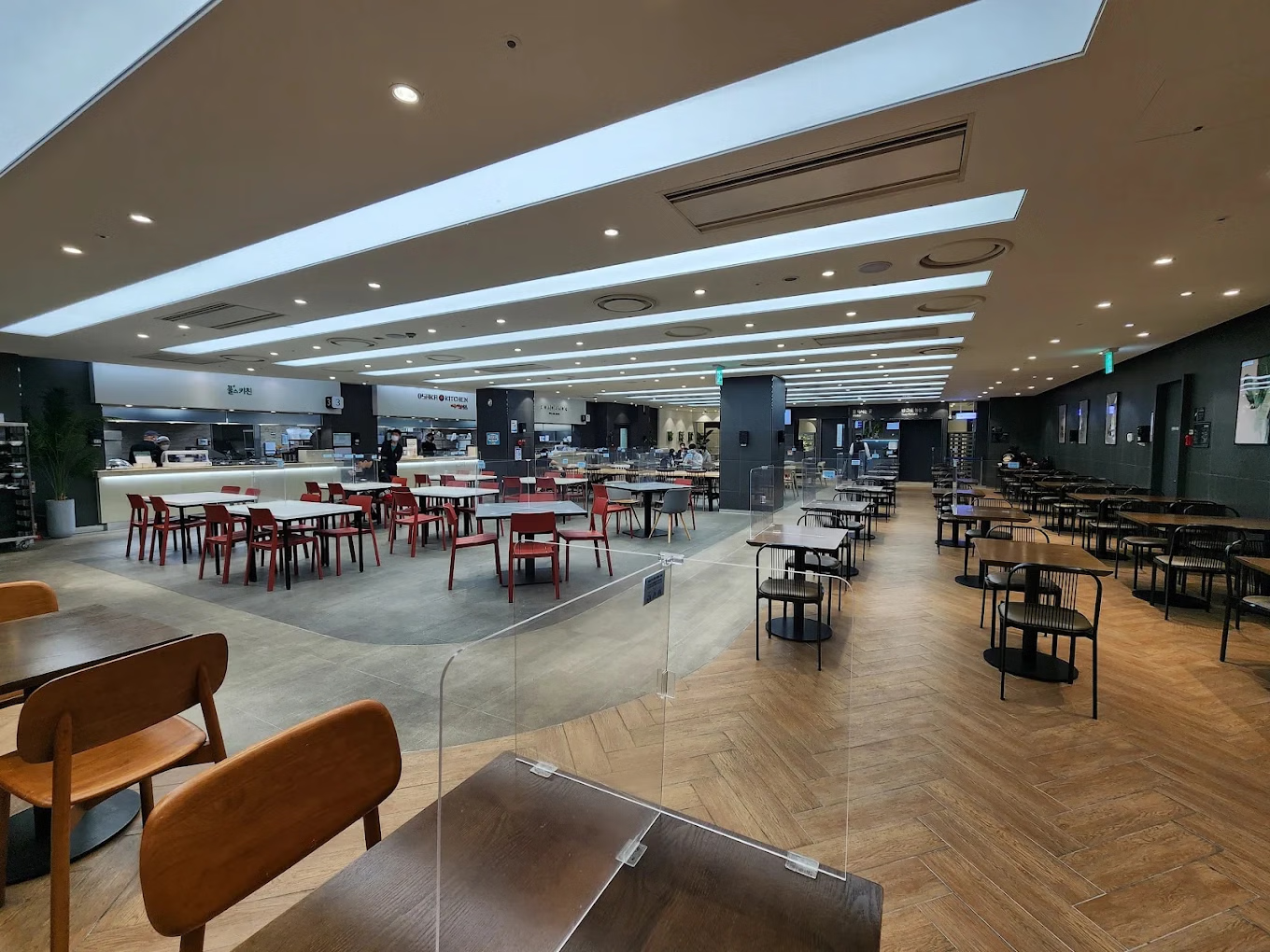
Cafeteria
Kids' Play Zone
ATM / Banking
Accessibility Features
Location
81 Irwon-ro, Gangnam District, Seoul, South Korea
FAQ
Should I choose a clinic for neurosurgical treatment?
Neurosurgeons have unique experience in more than 3,500 brain surgeries for spinal cord diseases, pediatric neurological diseases, and functional brain disorders. Success is ensured by the most modern neuronavigation systems, endoscopy, intraoperative СT, and Gamma Knife.
What unique technologies does the medical center use for esophageal surgery?
Specialists have developed an improved version of the CHOOStent – GI CHOO stent for the palliative treatment of esophageal stricture and tracheoesophageal fistula caused by tumors. The technique makes it possible to successfully treat the most complex disease cases.
Is Samsung Medical Center Seoul suitable for pediatric liver transplants?
Pediatric surgeons provide high-efficiency liver transplants with few complications using 3D printing technology. The recipient's printed organ allows you to think through minor details of the operation and more effectively select the vital organ based on anatomical features.
What milestone exists for liver proton therapy?
The Proton Therapy Center utilizes second-generation pencil beam scanning paired with continuous respiratory gating to map moving tumors. The specialized oncological team has surpassed 2,000 successful proton beam procedures targeting complex hepatocellular carcinoma cases, an unprecedented clinical volume nationwide.
Will doctors help prevent bedsores in seriously ill patients?
Scientists have developed a system for recognizing bedsores, "Skinex", based on artificial intelligence. This approach recognizes the current stage of bedsores in real time using a photo and selects the appropriate treatment method after entering relevant details about the skin condition.
What defines the CAR T-Cell framework?
The hospital operates South Korea's first dedicated CAR T-Cell Therapy Center. The specialized unit maintains the highest national treatment volume for relapsed or refractory B-cell lymphoma and multiple myeloma, utilizing a dedicated clinic alongside locked inpatient beds reserved exclusively for post-infusion cytokine release syndrome tracking.
How is clinical data security managed?
The campus relies on custom, private, internal artificial intelligence models that operate strictly on isolated hospital servers. This dedicated closed-loop computing ecosystem processes complex diagnostic telemetry and predictive patient tracking without transmitting data to external public networks.
What is the rating of the clinic?
Samsung Medical Center is rated as 9.80 by AiroMedical.
What do patients say about Samsung Medical Center?
The clinic has 550 feedbacks at other places. The UserScore of the hospital is 95%.
What is the overall experience of the facility?
Samsung Medical Center has been operating since 1994. It has accumulated over 32 years of clinical background.
Where can I see the hospital's work, interior space, and exterior?