The data collected based on
138
patient reviews on Google
Certificates
Features & Facts
Practical Approach for Scoliosis
Asklepios Katharina-Schroth-Clinic Bad Sobernheim reports that 90% of patients got a causeless form without a known cause. Early self-management clinic teaching is the only effective method to prevent deformity in the 2,600+ new patients with scoliosis annually.
Regular Auditions by External Experts
The clinic has received IQMP-Kompakt certifications since 2018 and KTQ certifications since 2012. So, the clinic is improving its quality to keep up with increasing requirements.
Implemented & Maintained a Risk-Prevention System
The medical center implemented a critical incident reporting system (CIRS) in 2012. Today, every employee must report any detected risk factor. As a result, patients’ safety, mental stability, and treatment progress are better secured.
Well-Established Approach to Scoliosis Rehabilitation
The clinic’s scoliosis rehabilitation program is based on the standards of famous 3-dimensional therapy by Katharina Schroth, corrective breathing, and various self-improvement techniques. It helps to avoid surgery and keep pain low in most cases.
5.5 Hours Daily Therapy
Patients undergo an intensive 5.5-hour daily therapeutic regimen of specialized Schroth exercises. This rigorous schedule is globally unique, designed to achieve significant postural correction and lung function improvement in just weeks.
Over 100 Years of Clinical Experience
Founded on the principles developed by Katharina Schroth in 1921, the clinic boasts over a century of specialized expertise. This long-standing history guarantees that treatment methods are refined by generations of clinical data.
Curve Stabilization Success
Clinical studies conducted at the facility show that the specific intensive program stabilizes or improves Cobb angles in 88.1% of patients. This high success rate effectively prevents the need for surgical intervention in the vast majority of participants.
3D Spinal Correction Focus
The clinic's medical team focuses on correcting the spine across all three anatomical planes: sagittal, frontal, and transverse. This holistic 3D approach addresses the rotational aspect of scoliosis that standard physiotherapy often ignores.
Rotational Angular Breathing Technique
A core medical feature of the clinic is the teaching of specialized rotational breathing to expand collapsed lung areas. This technique successfully improves vital capacity and oxygenation while actively de-rotating the rib cage.
Global Teaching Hub Status
As the international training center for Schroth therapy, the clinic annually educates hundreds of physiotherapists from across the world. This ensures that the medical standards practiced in Bad Sobernheim define global conservative care for scoliosis.
Long-Term Stability
Long-term follow-up data confirm that 83.3% of patients' spinal curvatures remain stable years after completing the intensive program. This proves the sustainability of the clinic's specialized help for self-help home exercise education.
Cobb Angle Reduction Precision
Physicians utilize high-precision EOS imaging and scoliometers to measure the Angle of Trunk Rotation (ATR) with millimeter accuracy. These metrics allow for immediate, data-driven adjustments to a patient's individual therapeutic plan.
Adolescent Growth-Sparing Focus
The clinic specializes in treating idiopathic scoliosis during the critical pubertal growth spurt. By successfully halting curve progression during this phase, the medical team preserves natural spinal growth and avoids premature fusion surgery.
About the clinic
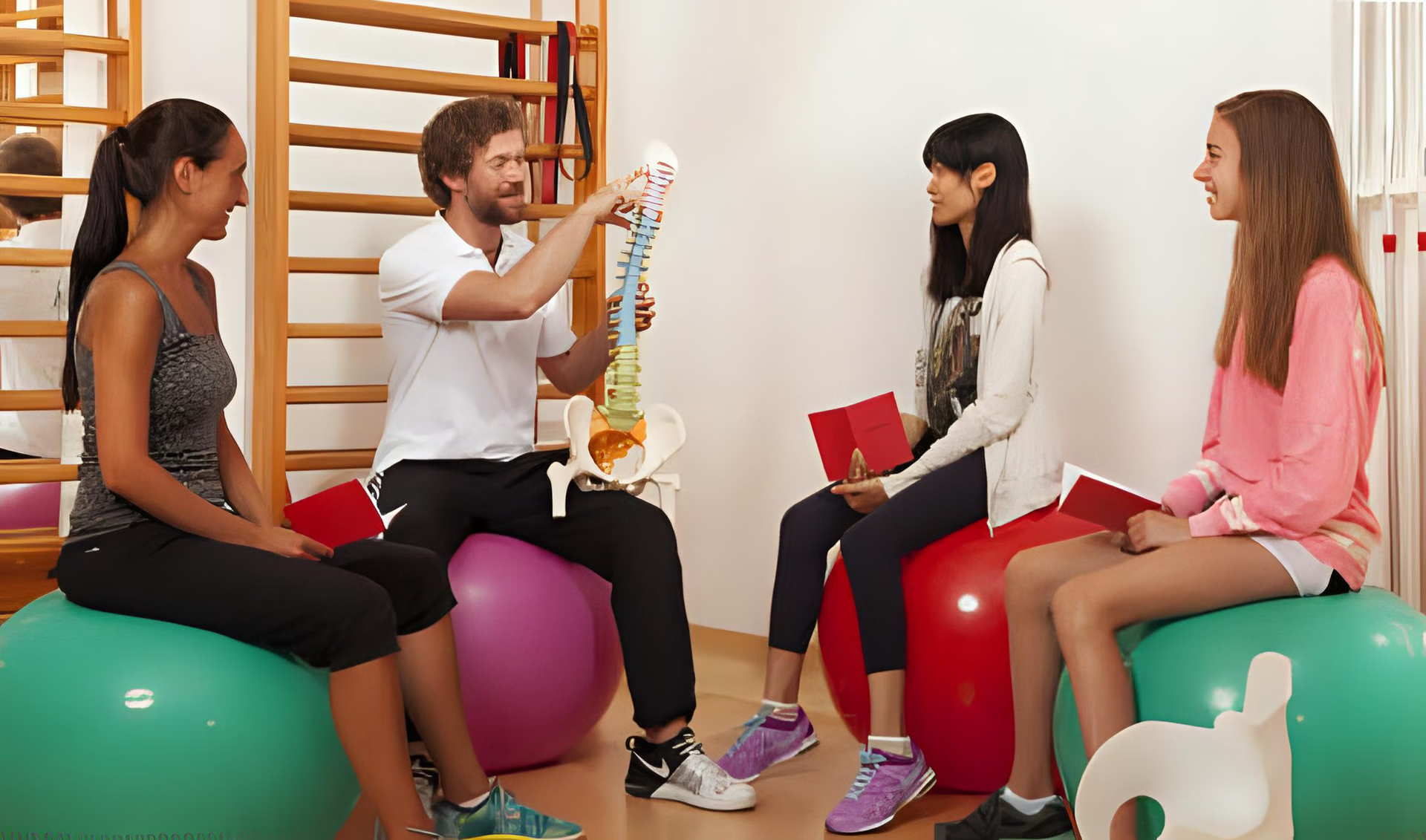
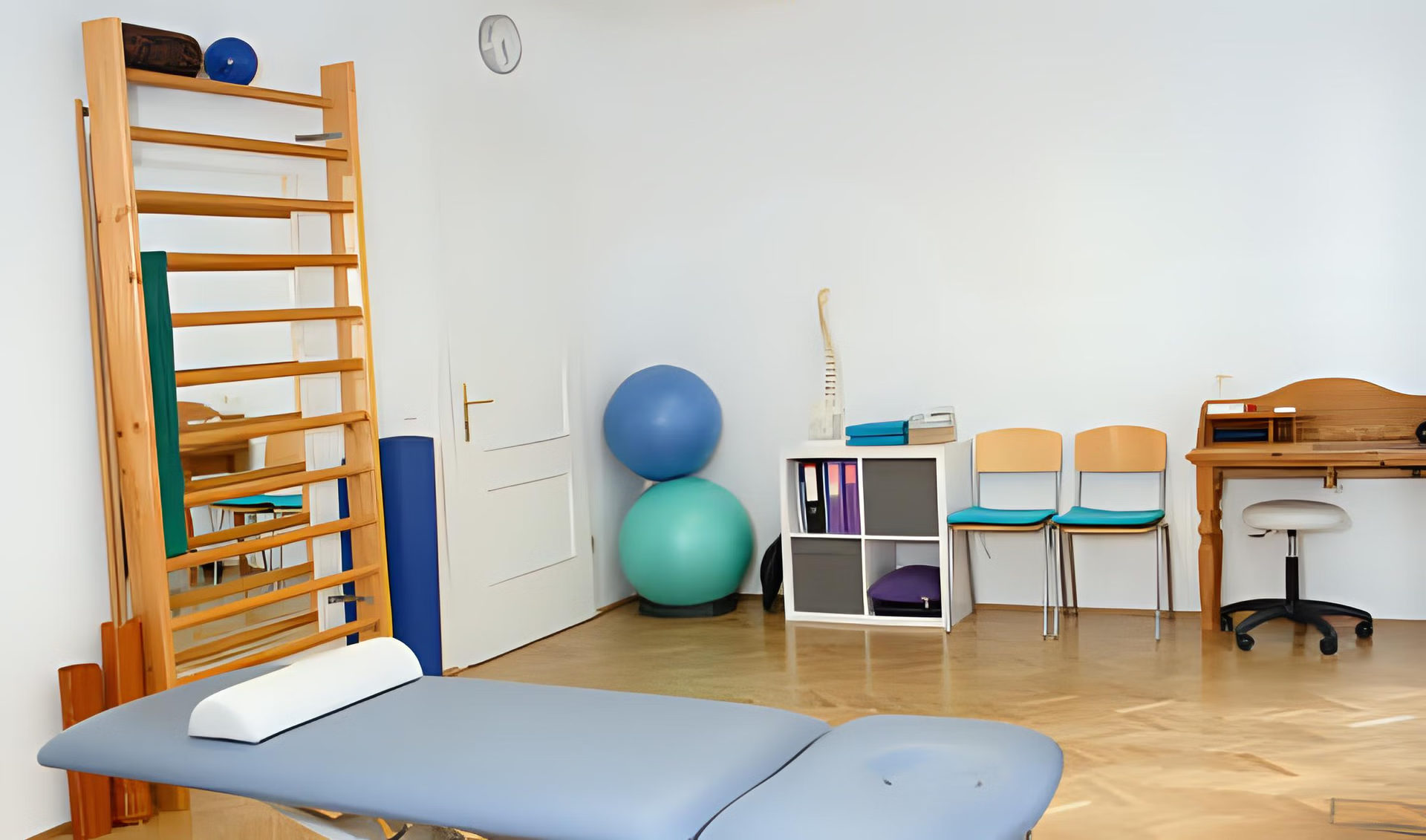
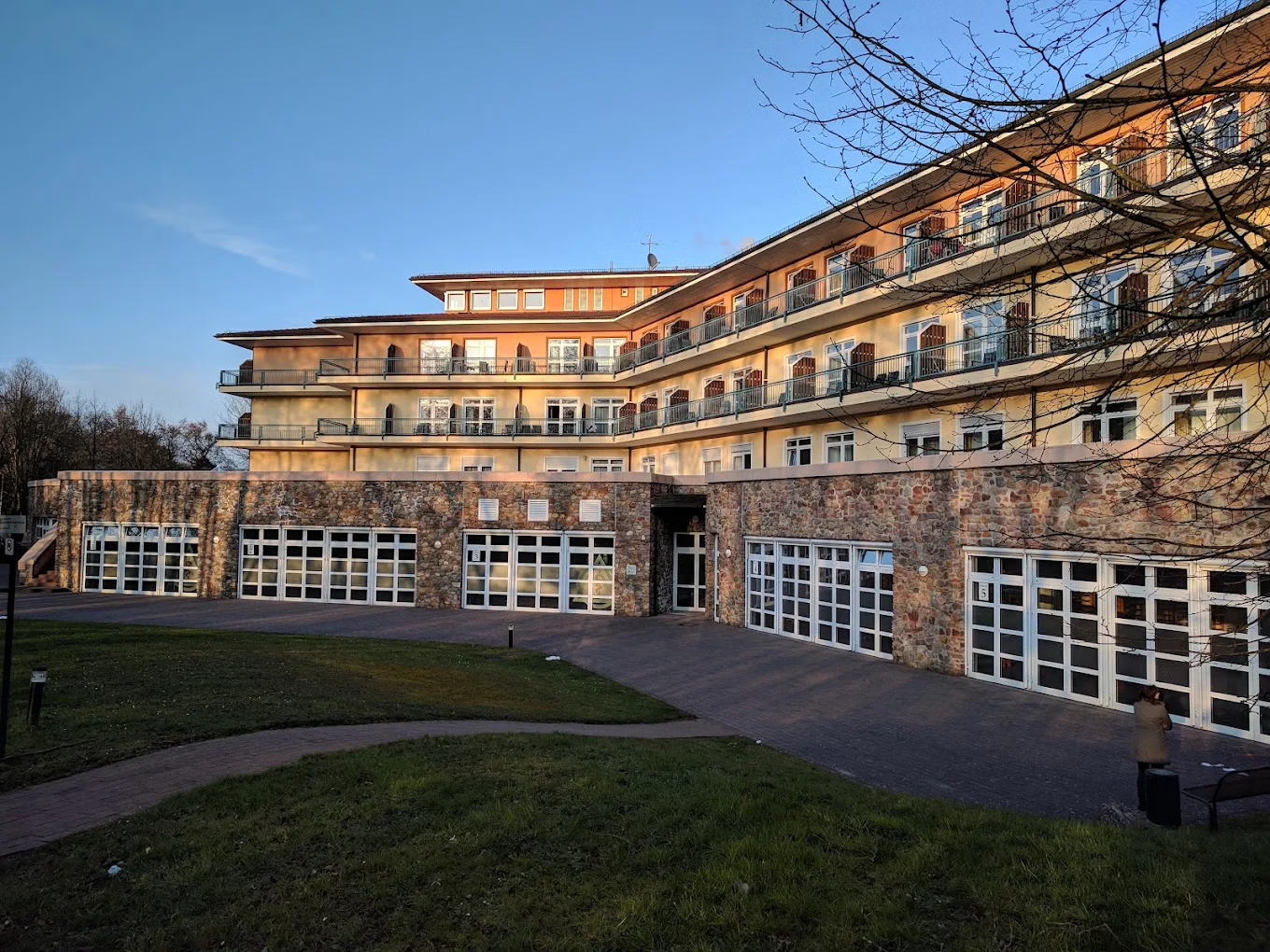
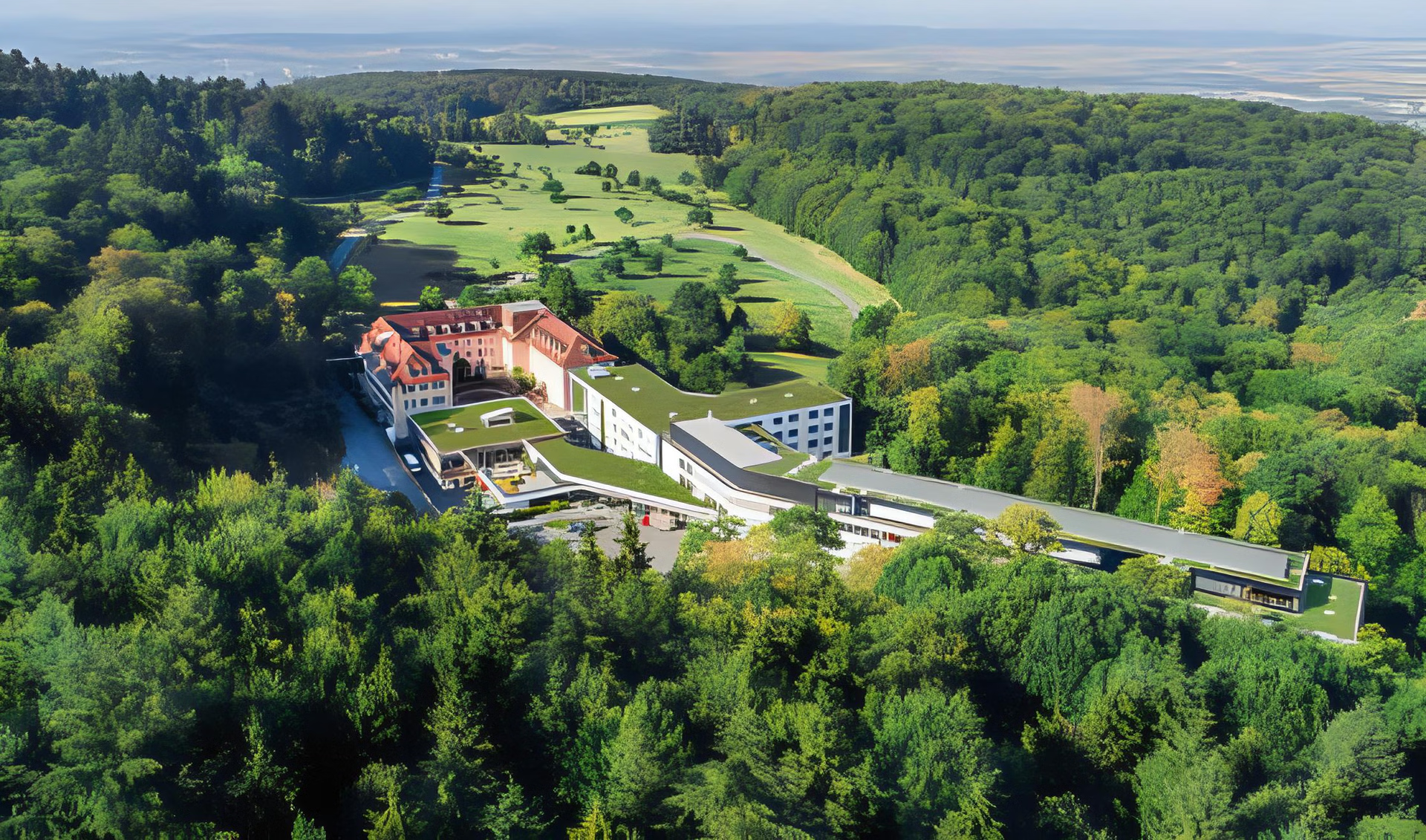
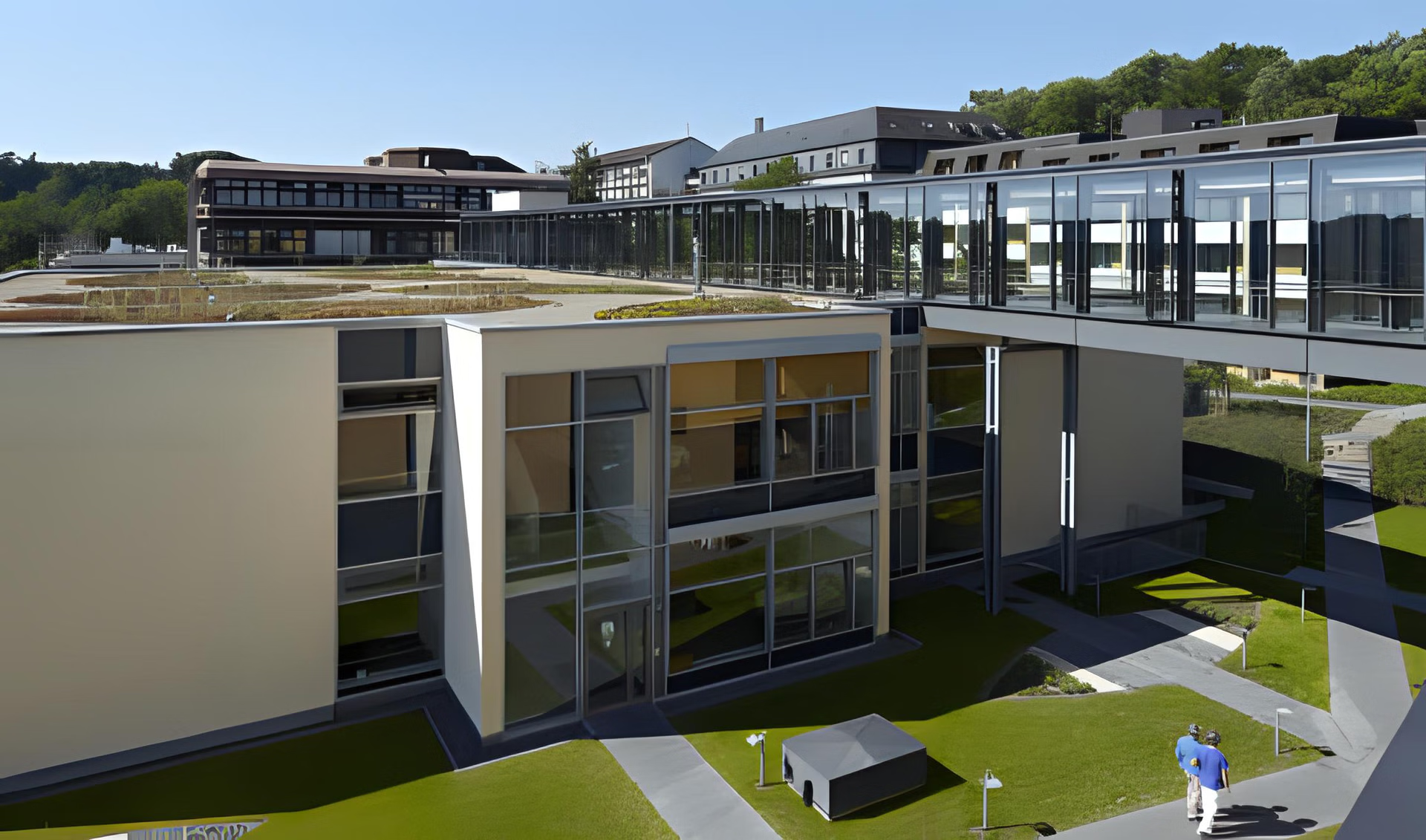
The Asklepios Katharina-Schroth-Clinic in Bad Sobernheim represents a singular, world-renowned destination dedicated exclusively to the conservative treatment of scoliosis and other spinal deformities. This institution is not merely a rehabilitation center; it is the living laboratory of the Schroth method, a revolutionary orthopedic philosophy developed by its namesake to address spinal curvature through intensive, three-dimensional breathing and posture correction. As a global focal point for non-surgical spinal intervention, the clinic attracts an international cohort of patients, ranging from adolescents facing rapid growth-related changes to adults seeking to mitigate chronic pain and respiratory limitations. The facility operates on the profound belief that the human body can be retrained to counteract its own structural asymmetries through a sophisticated combination of sensory-motor perception and specific physical conditioning. The medical engine of the Bad Sobernheim clinic is fueled by a hyper-specialized interdisciplinary team that views the spine as a dynamic, adaptable system rather than a rigid architectural pillar. The core of the clinical experience is the Schroth three-dimensional exercise protocol, a highly intensive therapeutic regimen in which patients learn to recognize their specific curve patterns and actively de-rotate their spines using specialized rotational breathing techniques. This process is supported by a robust medical infrastructure that includes high-precision orthopedic monitoring and digital postural analysis, allowing specialists to track the biological response to therapy with scientific exactitude. The clinic is particularly vital for young patients, offering a definitive alternative or a critical adjunct to bracing and surgery, empowering them to take conscious, physical control over the progression of their condition during their most formative years. A unique pillar of the Katharina-Schroth-Clinic is its immersion-based educational model, which functions like a high-intensity training academy for spinal health. Patients do not simply receive treatment; they undergo an extensive educational journey to become experts in their own anatomy. In large, sun-drenched therapy halls, individuals work in small groups to master the corrective movements and breathing patterns required to stabilize their posture in four dimensions. This group dynamic is a vital psychological component of the clinic’s success, fostering a community of shared experience that reduces the social isolation often felt by those with visible spinal differences. This specialized environment is further enhanced by a dedicated orthopedic technical department that works on-site to optimize brace fittings and orthopedic aids, ensuring that every external support is perfectly synchronized with the patient's internal progress. Adolescent idiopathic scoliosis is one of the most common spinal deformities in children aged 10 to 16 years. However, thanks to specialists' expertise, doctors can detect the earliest signs of scoliosis and prevent additional problems in advanced cases. A master's thesis at the Medical University of Graz investigated the effect of Schroth therapy on lung function in patients with idiopathic scoliosis. This treatment method's feedback mechanisms influence the patient's posture and perception of their movement. An integral part of scoliosis therapy is corrective breathing, used to correct the scoliotic breathing pattern. At the training stage of the following weeks of treatment, these newly established general motor posture programs should be cognitively fixed to be sufficiently accessible in everyday life, even in stressful situations. Therapeutic offerings include small groups, individual therapy, and individual functional training with therapeutic support. All treatment takes place alongside approximately 6 hours of physiotherapy rehabilitation in addition to the primary therapy. The facility's architectural layout and operational rhythm are designed to support a holistic therapeutic lifestyle. Moving away from the passive atmosphere of traditional recovery wards, the facility is a hive of activity, featuring specialized mirror-lined gymnasiums and therapy zones designed for maximum ergonomic feedback. The proximity to the natural landscape of the Nahe region provides a restorative backdrop for the intense physical effort required of the patients. By maintaining this unwavering focus on a single, transformative methodology, the Asklepios Katharina-Schroth-Clinic has secured its place as the definitive guardian of the Schroth legacy. It remains a premier global beacon of conservative orthopedics, demonstrating that, through a synthesis of clinical rigor, patient education, and specialized respiratory therapy, the trajectory of spinal health can be fundamentally reshaped without the need for invasive surgical intervention.
Why social media helps with scoliosis! : 3 questions 3 answers | Asklepios
2026-04-26T16:39:18.000Z
Why social media helps with scoliosis! : 3 questions 3 answers | Asklepios
Spine curvature | Asklepios #shorts
2026-04-26T16:39:07.000Z
Spine curvature | Asklepios #shorts
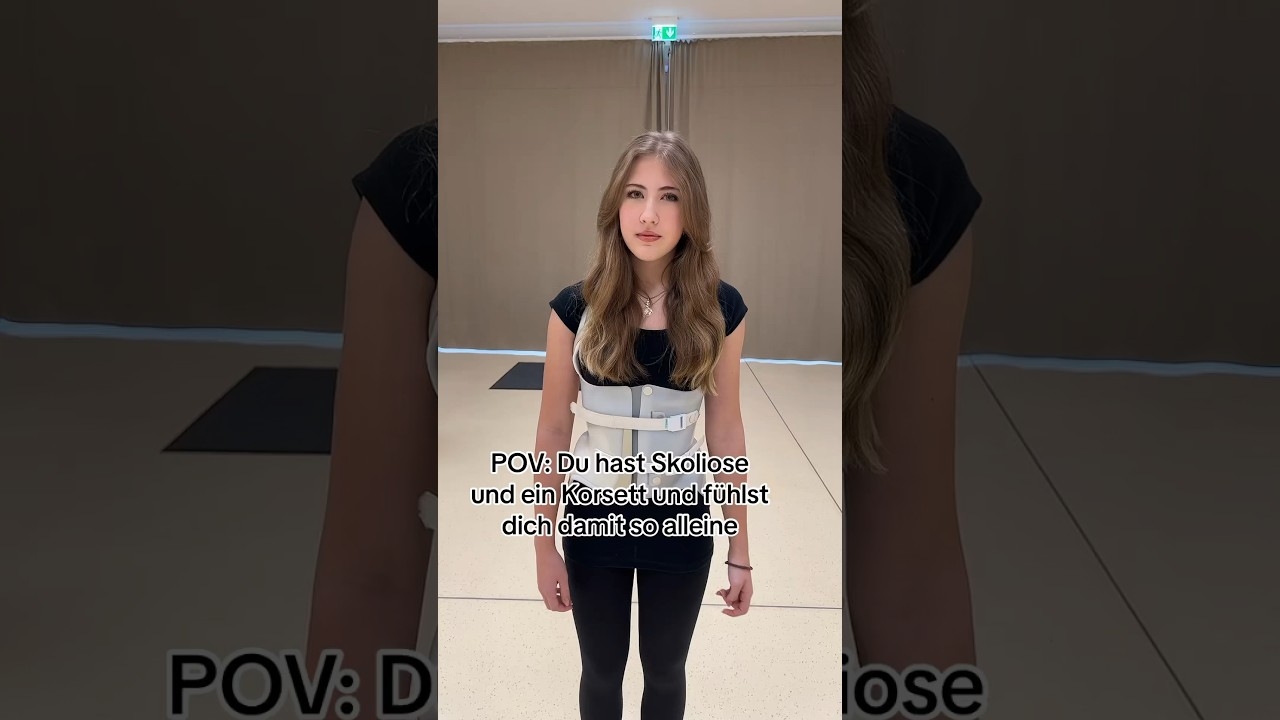
Where are the people with scoliosis? #shorts #skoliose #scoliosis
2026-04-26T16:36:41.000Z
Where are the people with scoliosis? #shorts #skoliose #scoliosis
Extra services
Visa Support
Parking Space
Cafeteria
Accessibility Features
Support Groups
Location
Korczakstraße 2, 55566 Bad Sobernheim, Germany
FAQ
Does the center treat idiopathic scoliosis in children?
Conservative treatment of scoliosis is the clinic's main focus. Doctors also investigated the effect of Schroth therapy on lung function in patients with idiopathic scoliosis.
What services does Asklepios Katharina-Schroth-Clinic Bad Sobernheim offer?
The clinic offers correction of spinal alignment and curvature, prevention of scoliosis progression, correction of scoliotic posture, and improvement of lung function.
What is unique about the rehabilitation center?
The clinic is one of the few certified to use the successful three-dimensional treatment of scoliosis developed by Katarina Schroth.
What is the core medical principle of the Schroth method practiced here?
Our therapy is based on a specific three-dimensional approach to spinal correction. Unlike general physical therapy, we teach patients to actively de-rotate, elongate, and stabilize the spine using corrective rotational breathing. This proprietary technique involves breathing into the concave areas of the trunk to expand collapsed rib sections and internally straighten the spinal curve from the inside out.
Is there a specialized program for very young children?
Yes, we provide a dedicated scoliosis therapy for kids specifically designed for children aged 7 to 11. Since younger children have different cognitive and physical developmental stages than adolescents, this program adapts the complex Schroth principles into age-appropriate, playful movements that still focus on stopping curve progression during these critical early growth spurts.
What specific orthotic services are integrated into the clinic?
We work in seamless cooperation with specialized orthopedic technicians to provide the latest Chêneau bracing technology. These asymmetric braces are fully compatible with the Schroth Method, applying pressure to the humps while leaving space for "Corrective Rotational Breathing" to expand the hollow areas of the torso, ensuring that the brace and physical therapy work in tandem.
Does the clinic offer services for international patients?
As a global reference center, the facility assists families traveling from abroad with their unique logistical and medical needs. We frequently host patients from all over the world who seek the original, intensive 3-to-4-week inpatient rehabilitation program, which is often unavailable in their home countries.
How does the clinic support students during their multi-week stay?
Recognizing that scoliosis primarily affects adolescents who cannot afford to miss weeks of education, the clinic features an in-house clinic school. Our specialized teachers provide core-subject instruction in small groups, ensuring that patients can keep up with their school curriculum while focusing on their intensive physical rehabilitation.
What diagnostic tools are used to monitor progress without excessive radiation?
To minimize lifetime X-ray exposure for our young patients, we utilize high-precision 3D spine surface topography (Formetric). This radiation-free optical measurement system creates a digital model of the back’s surface and spinal alignment, allowing our medical team to monitor postural changes and the effectiveness of the therapy with millimetric precision at frequent intervals.
Is the therapy also effective for adults with scoliosis?
While the focus for adolescents is often curve reduction and stabilization, our adult program emphasizes pain management, respiratory improvement, and postural maintenance. We help adult patients address degenerative scoliosis and related symptoms, such as chronic back pain and reduced lung capacity, through targeted exercises that decompress the spine and improve trunk stability.
What is the scoliosis intensive rehabilitation model?
The scoliosis intensive rehabilitation (SIR) model is a high-intensity inpatient program in which patients engage in up to 6 hours of specialized physiotherapy daily. This immersion is crucial for re-programming the brain's postural perception. By constantly correcting their posture under professional supervision, patients replace their incorrect habitual posture with a new, corrected "postural awareness" that they can maintain long-term at home.
What is the rating of the clinic?
Asklepios Katharina-Schroth-Clinic Bad Sobernheim is rated as 8.90 by AiroMedical.
What do patients say about Asklepios Katharina-Schroth-Clinic Bad Sobernheim?
The clinic has 138 feedbacks at other places. The UserScore of the hospital is 84%.