The data collected based on
220
patient reviews on Google
Certificates
Features & Facts
Hospital with Numerous Awards
Near East University Hospital regularly receives awards, including prizes from WORLDCOB, the European International Arch, and the American Health Congress.
Thousands of Operations
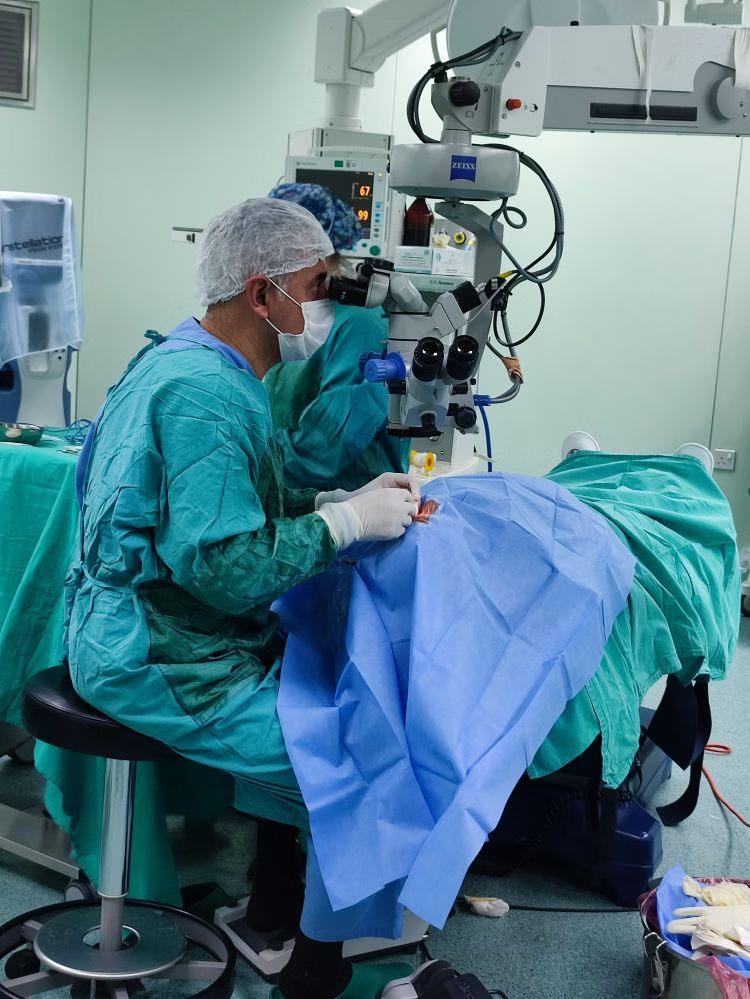
Over its first 10 years, the hospital reported 27,000 operations, including cardiovascular, neurosurgical, cancer, bariatric, and ophthalmic procedures.
First Artificial Heart
The hospital performed an artificial heart implantation for advanced heart failure and identified it as one of its major surgical firsts in Cyprus. The case involved a patient with severe heart failure who was treated with an artificial heart device.
Comprehensive Health Services
The hospital has 54 departments, so patients can receive numerous treatments and healthcare services in one place.
Clinic Helping to Stop Smoking
Near East University Hospital offers patients the opportunity to try the IQS (I QUIT SMOKING) program, which can help everyone stop smoking.
Local Leader for Heart & Vascular Operations
The hospital's cardiovascular surgery department has performed 600 open-heart operations since its establishment. It also reports 500 peripheral vascular cases performed by the same department.
Wide Range of Lab Services
The clinic offers services from five laboratories, including microbiology, molecular biology, pathology, medical genetics, and biochemistry.
Cyprus HIPEC First
The facility performed Cyprus's first reported HIPEC procedure for advanced abdominal cancer. A 65-year-old man with recurrent colon cancer and extensive abdominal disease underwent tumor removal followed by heated intraperitoneal chemotherapy at 42°C.
PSMA Theranostics
The nuclear medicine department performs Ga-68 PSMA PET/CT imaging and Lu-177 PSMA or Ac-225 PSMA treatment for prostate cancer. This gives the hospital both molecular imaging and radionuclide treatment capabilities. It also provides Ga-68 DOTATATE PET/CT with Lu-177 DOTATATE or Ac-225 DOTATATE treatment for neuroendocrine tumors.
RapidArc Radiotherapy
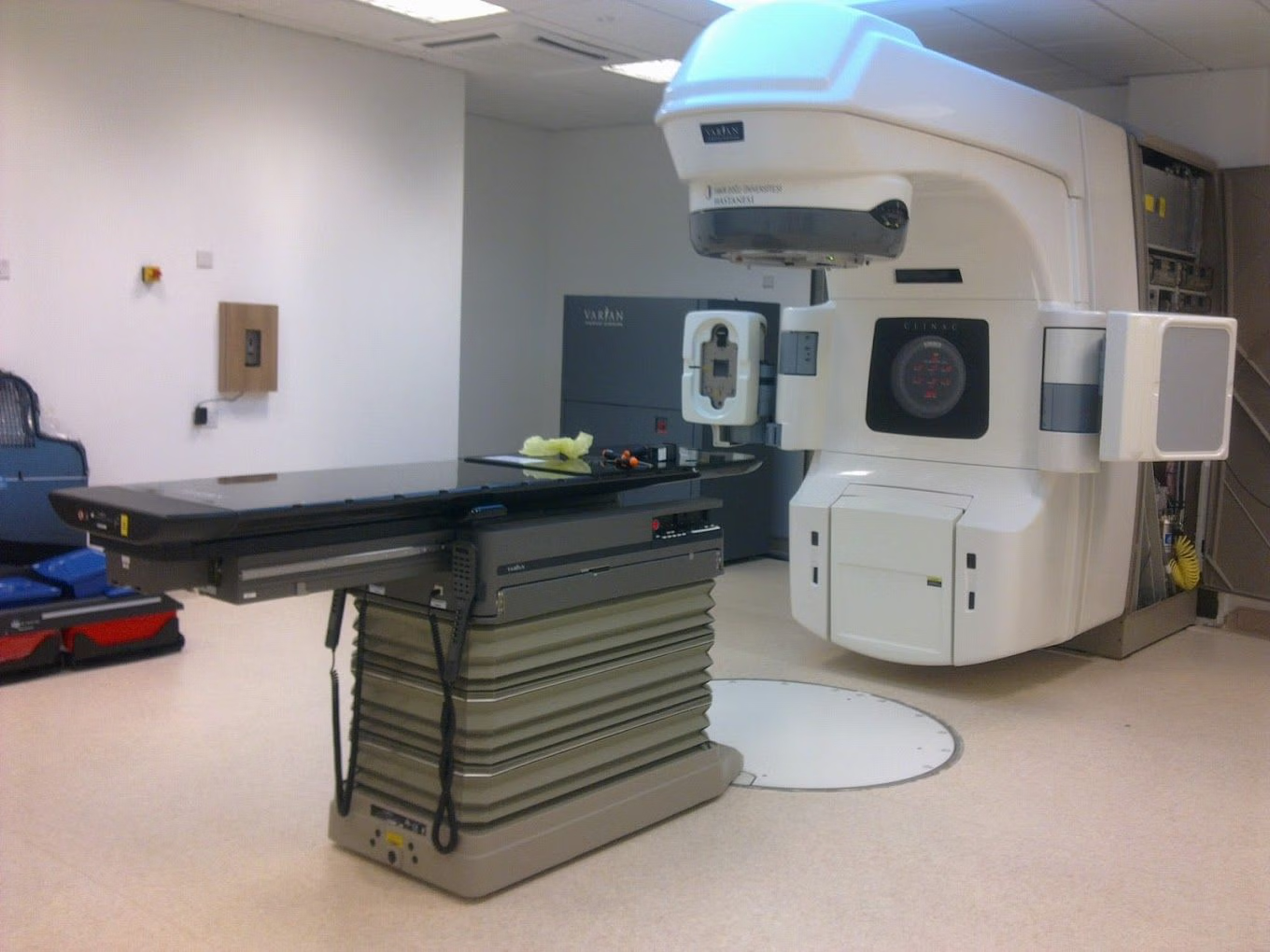
Its cancer unit uses RapidArc technology for highly conformal radiation delivery. The hospital identifies its RapidArc system as the only radiotherapy technology of its kind available in the country.
Present Stem-Cell Cases
In 2022, the hospital's cell, tissue, and regenerative applications and research division reported its first six stem-cell treatment cases. They covered orthopedics, reconstructive surgery, urology, gynecology, and physical medicine.
Private Air Ambulance
The facility has Cyprus's only private air ambulance as part of its international and advanced-care infrastructure. This supports transfers for patients requiring specialized medical transportation.
About the clinic
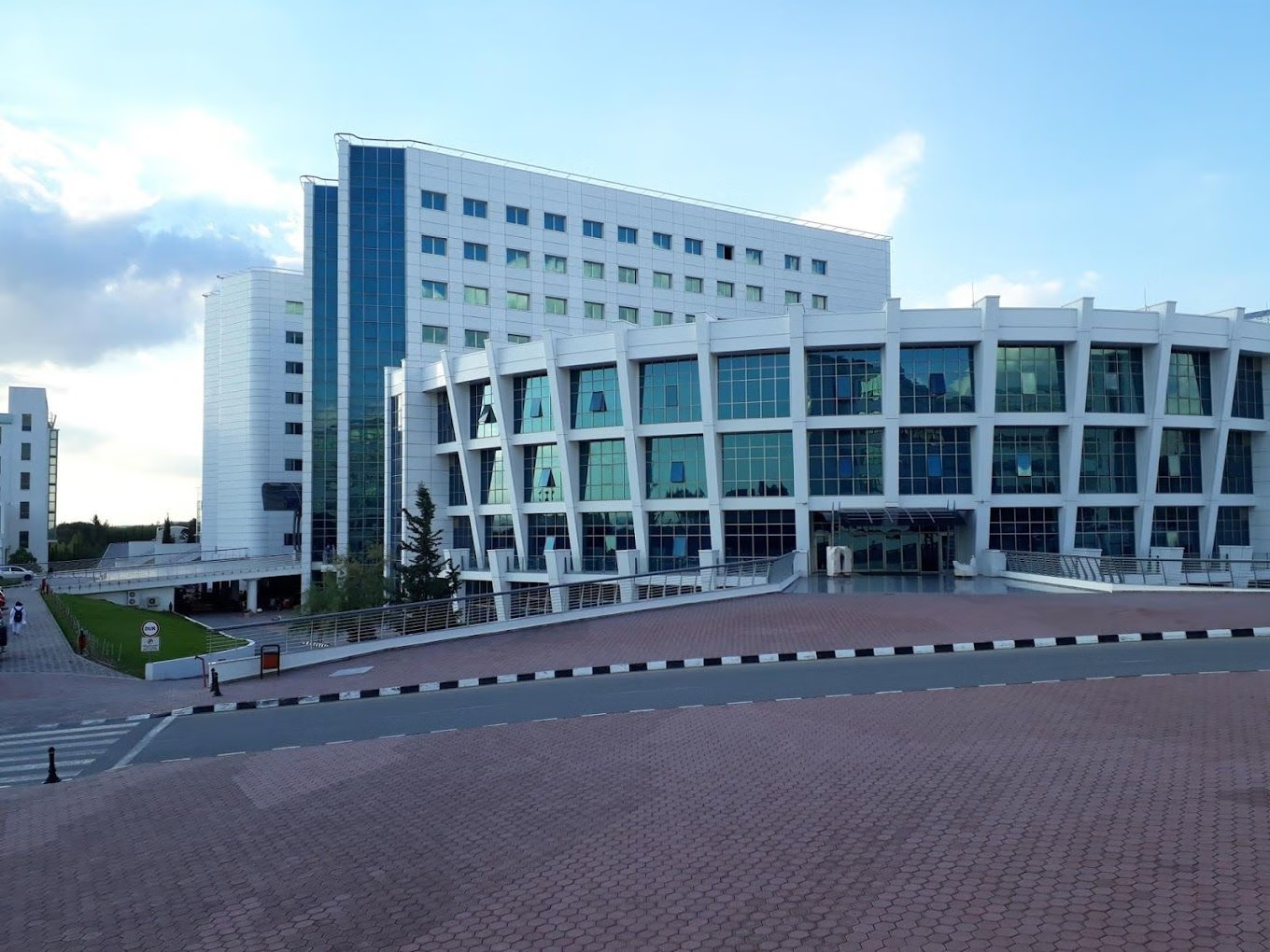
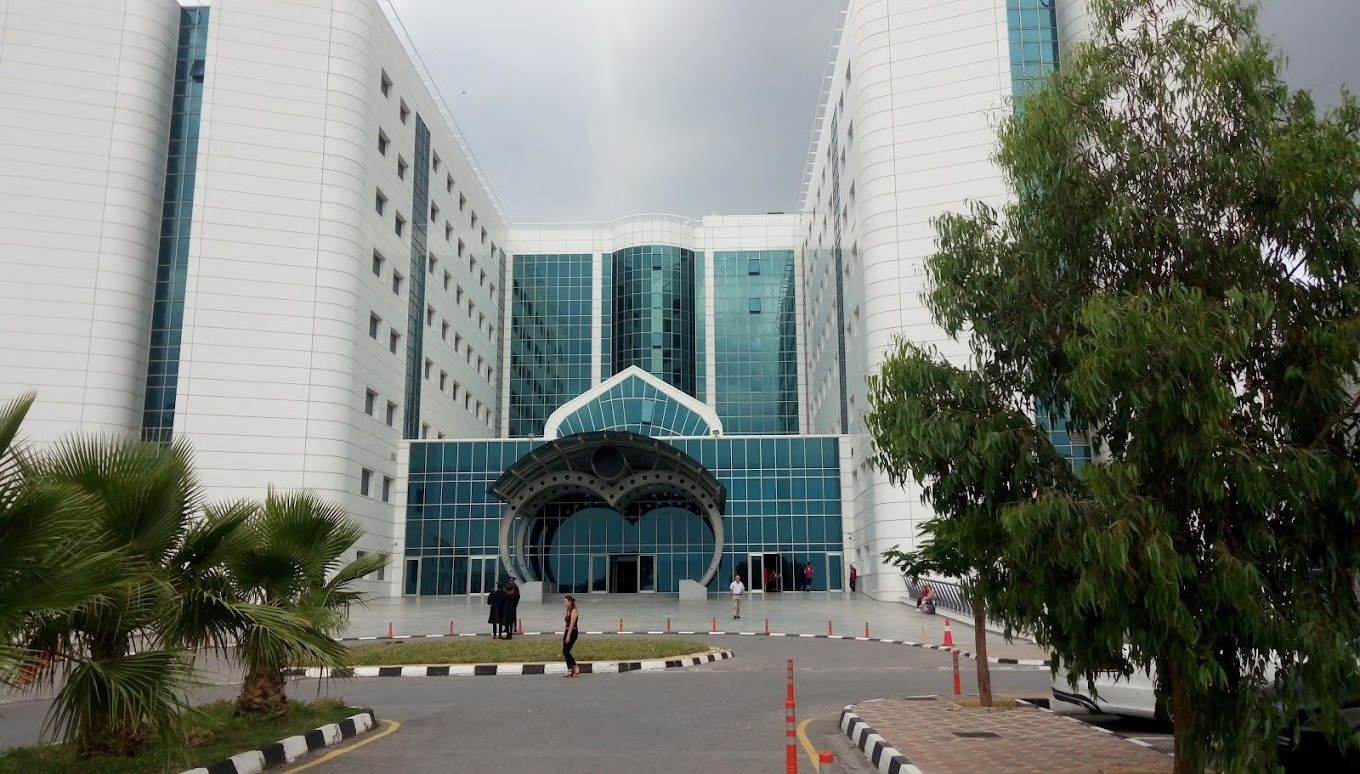
Near East University Hospital is a major academic medical center in Nicosia, Northern Cyprus, combining specialist clinical care with the educational and research environment of Near East University. Its academic setting gives the hospital a distinctive role in the local healthcare system, bringing physicians from different disciplines together with university-based scientific expertise. Patients can therefore access specialist evaluation and treatment within an institution where clinical practice, medical education, and research are closely connected. Officially opened in 2010, the hospital boasts a spacious 55,000-square-meter indoor area, housing cutting-edge technology and advanced medical capabilities. The facility is designed to manage a wide spectrum of medical needs rather than focus on a single specialty. Its clinical structure brings together diagnostic medicine, internal medicine, surgical disciplines, cardiovascular care, oncology, neurology, ophthalmology, urology, gynecology, reproductive medicine, rehabilitation, and other specialist fields. This breadth is particularly valuable for patients with complex conditions, where diagnosis and treatment may require several medical disciplines to work together. Specialist consultations can be combined with laboratory investigations, advanced imaging, functional examinations, and other diagnostic procedures to establish an individualized treatment strategy. A notable aspect of the profile is its emphasis on complex, technologically demanding care. Its clinical infrastructure supports advanced diagnostic imaging, specialized laboratory investigation, molecular and genetic assessment, and sophisticated treatment planning. The availability of different diagnostic disciplines within the same academic medical environment can be especially important when a patient's condition requires confirmation from several complementary examinations before treatment is selected. Cancer care represents another important area of activity. The hospital brings together oncology, surgery, medical oncology, radiation treatment, nuclear medicine, pathology, and diagnostic imaging, allowing cancer patients to be evaluated through several complementary perspectives. Its nuclear medicine services extend beyond conventional diagnostic examinations to include molecular approaches that use radiopharmaceuticals to identify specific biological targets. Such techniques are particularly relevant in modern theranostics, where molecular imaging can help determine whether a patient may benefit from a corresponding targeted radionuclide treatment. The surgical capabilities cover both routine and highly specialized interventions. Surgical patients can undergo preoperative assessment, operative treatment, and postoperative medical supervision within the same institution. The academic character of the hospital is particularly relevant for complex cases, since patients with complex conditions may require collaboration among surgeons, radiologists, oncologists, anesthesiology teams, pathologists, and other specialists. This multidisciplinary structure creates a setting in which treatment can be planned around the individual clinical circumstances rather than around a single specialty. Cardiovascular care at Near East University Hospital is a strong component of the clinical organization. Patients with cardiac and vascular disorders can receive diagnostic assessment, medical management, interventional treatment, and surgical care according to the severity and nature of their condition. The hospital also maintains specialized capabilities for patients requiring advanced cardiovascular management, enabling complex cases to be assessed by teams with expertise across different areas of cardiovascular care. The laboratory infrastructure further strengthens its diagnostic capabilities. Different laboratory disciplines contribute to the investigation of infectious diseases, biochemical abnormalities, tissue pathology, genetic conditions, and molecular changes. This range is important for a university hospital because laboratory medicine is not limited to routine testing; it can also support specialist diagnosis, treatment planning, monitoring, and academic research. Near East University Hospital also has a significant role in reproductive medicine. Its fertility services bring together reproductive specialists, laboratory professionals, embryology, and genetic assessment as part of the evaluation and treatment of infertility. The university setting is particularly relevant in this field because reproductive medicine increasingly depends on laboratory science, embryology, and genetic technologies alongside conventional gynecological care. Pain medicine is another area in which the hospital provides specialized treatment beyond routine medication. Patients with persistent pain can undergo an assessment to identify the anatomical and neurological mechanisms responsible for their symptoms. Depending on the diagnosis, treatment may include targeted interventional procedures designed to influence specific nerves or pain pathways. This approach can be particularly useful when conservative treatment has not provided adequate relief. The medical environment is also suited to patients requiring rehabilitation and longer-term functional recovery. Treatment can extend beyond the immediate management of a disease or surgical condition to address mobility, physical function, and the patient's ability to return to everyday activities. Rehabilitation can therefore form part of a broader treatment pathway rather than being considered separately from acute medical care. As a university facility, Near East University Hospital occupies a position that differs from that of a conventional private clinic. Clinical services operate alongside medical education and scientific research, creating opportunities for physicians and other healthcare professionals to work within an environment focused on continuous development. The connection with the university also gives the institution access to academic disciplines that extend beyond conventional hospital medicine. For patients arriving from abroad, the international orientation is an important part of their role. International patients may require coordination of consultations, diagnostic examinations, treatment schedules, language assistance, transportation, and other practical arrangements. Bringing these elements together can simplify the process for patients seeking specialist treatment outside their home country, particularly when multiple departments are involved in their care.
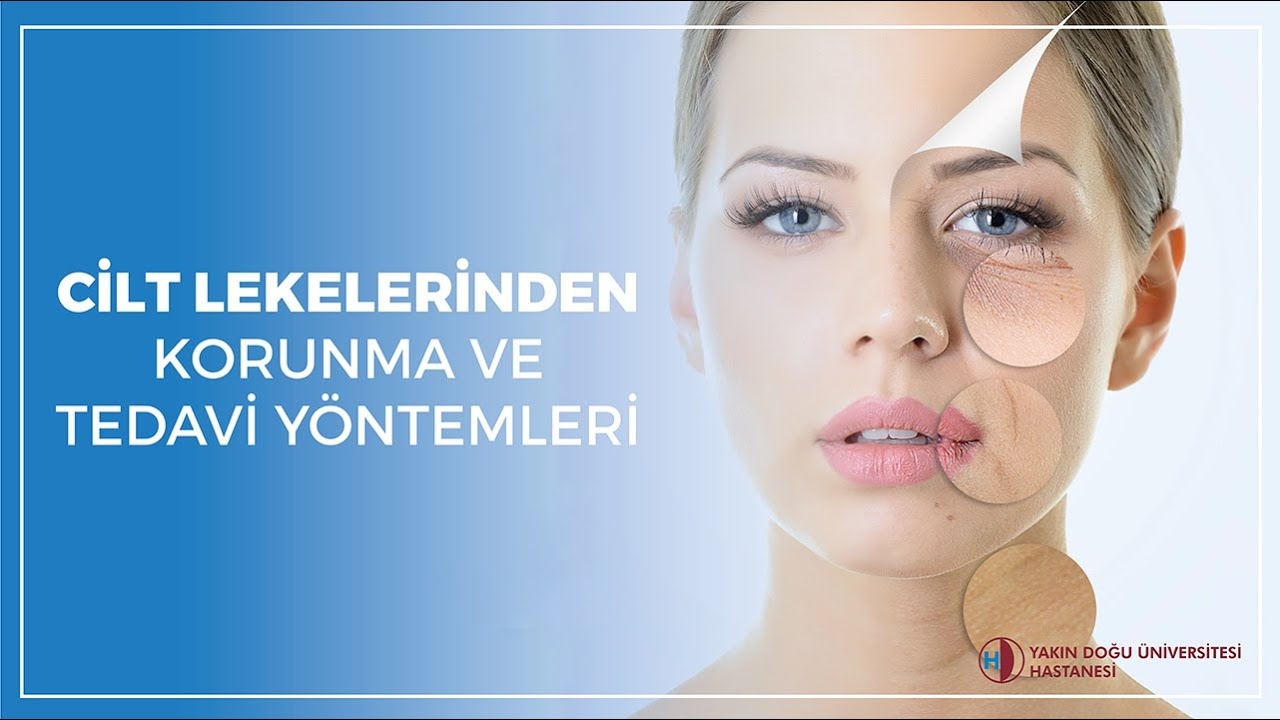
Near East University Hospital, Assistant Professor Dr. Didem Mullaazziz- Skin spots
2024-11-26T15:06:07.000Z
Near East University Hospital, Assistant Professor Dr. Didem Mullaazziz- Skin spots
Near East University Hospital, Prof. Dr. Ferhat Erzir - Rhinoplasty
2024-11-26T15:05:38.000Z
Near East University Hospital, Prof. Dr. Ferhat Erzir - Rhinoplasty
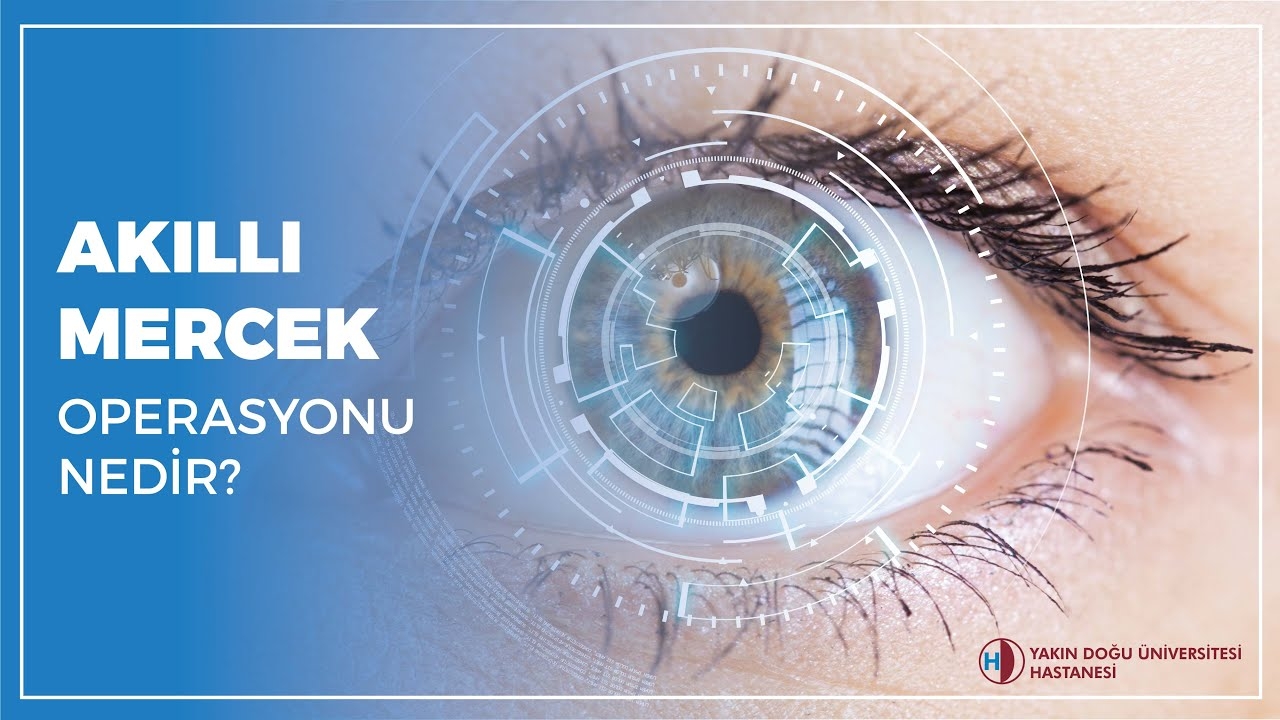
Near East University Hospital - Smart Lens
2024-11-26T15:05:19.000Z
Near East University Hospital - Smart Lens
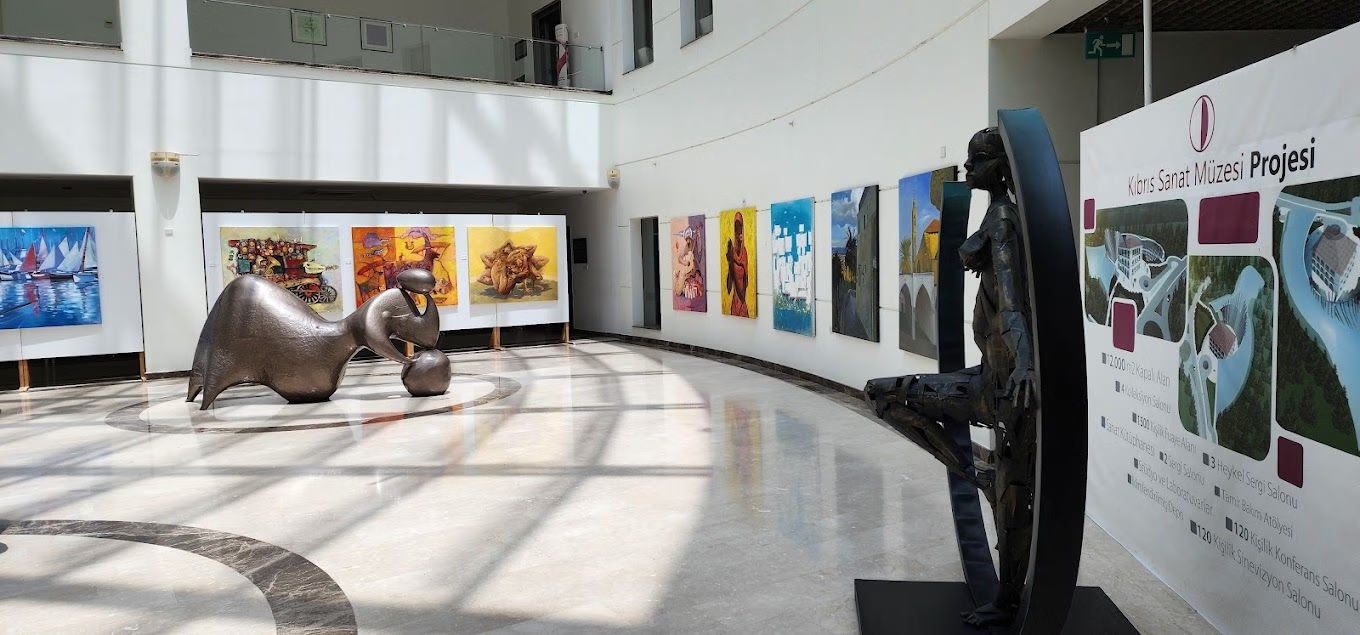
Exhibition at the Near East University Hospital
2024-11-26T14:45:16.000Z
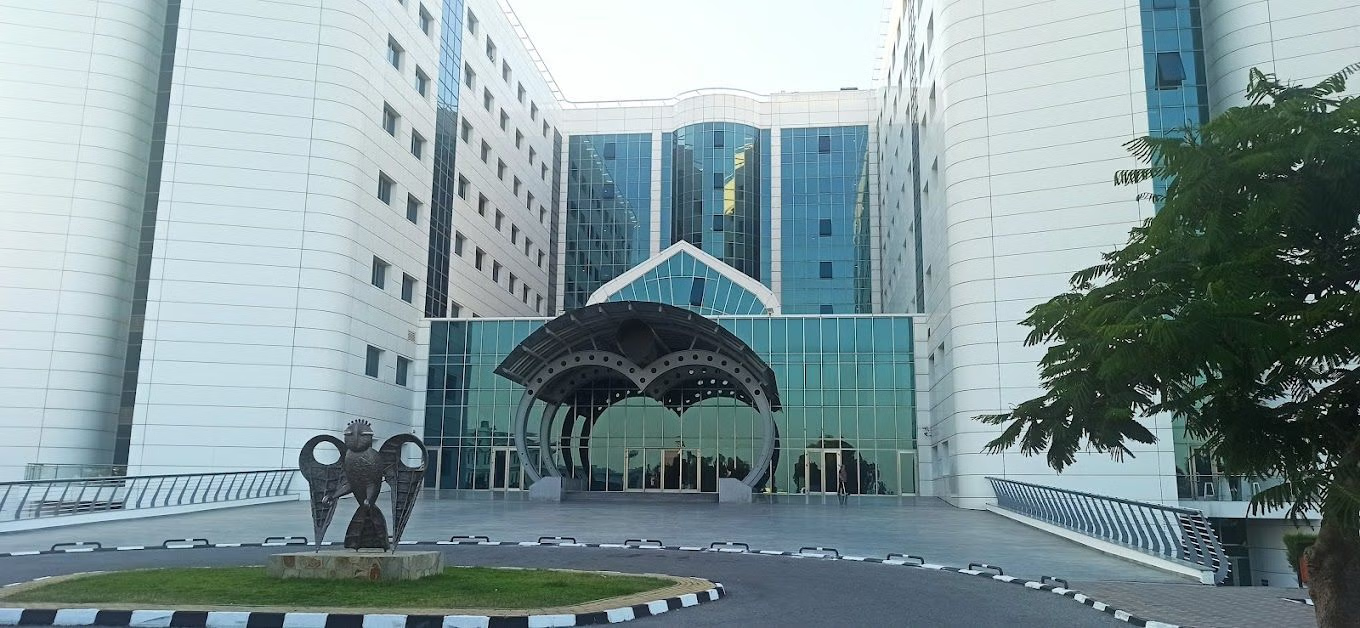
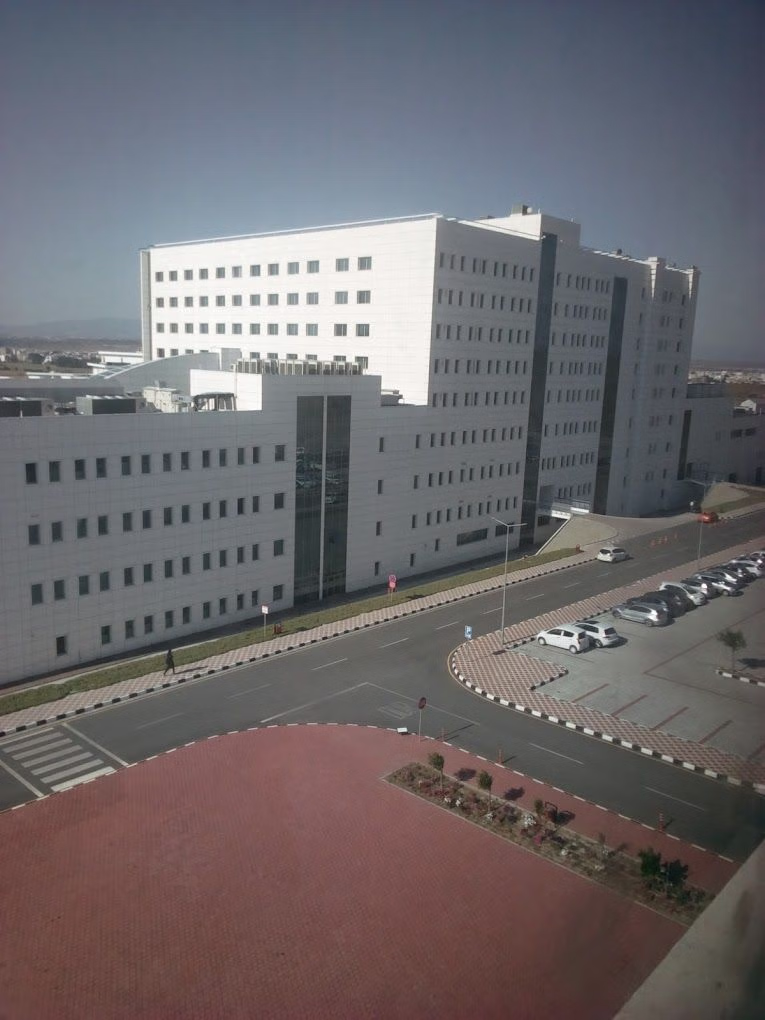
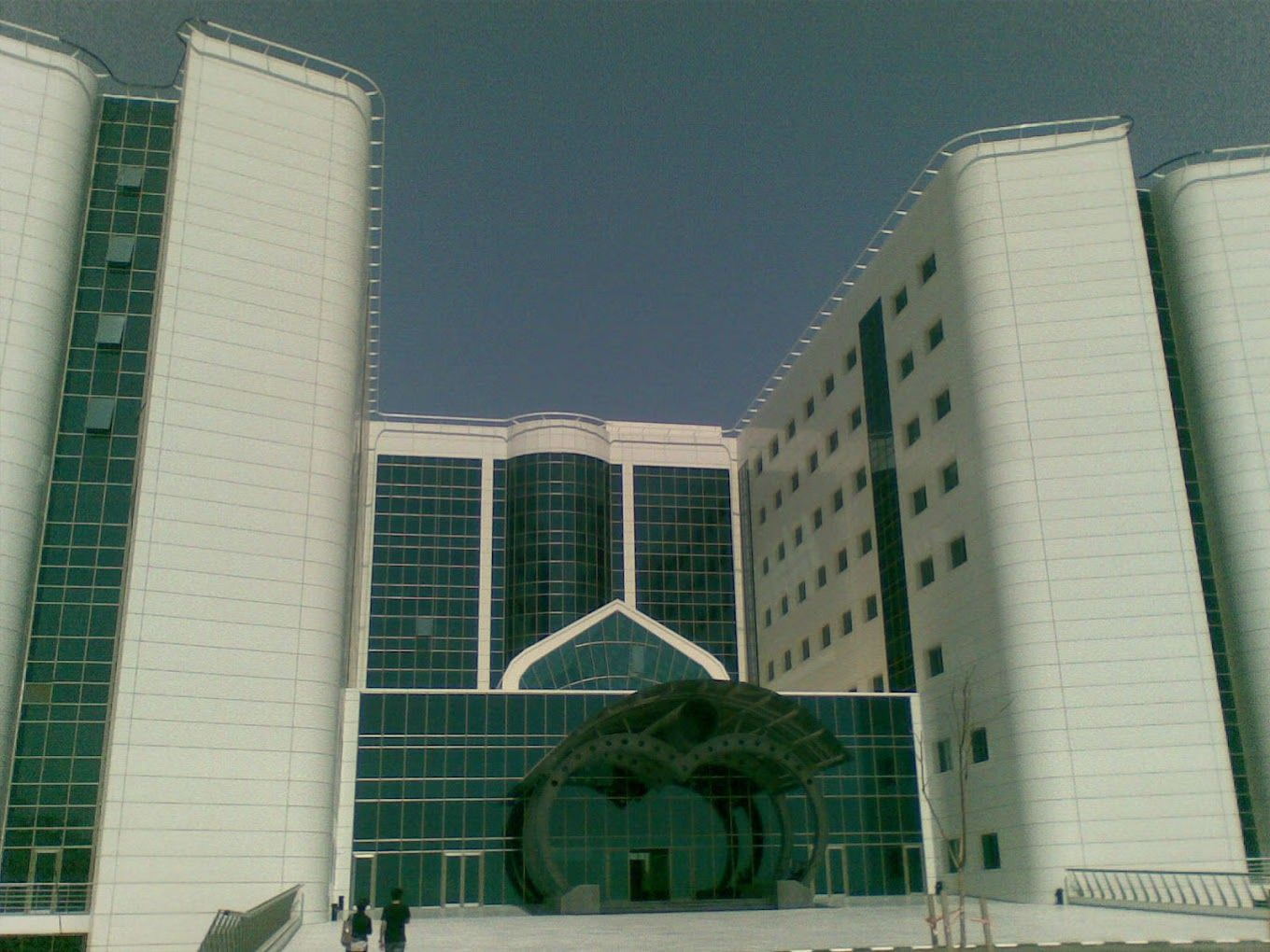
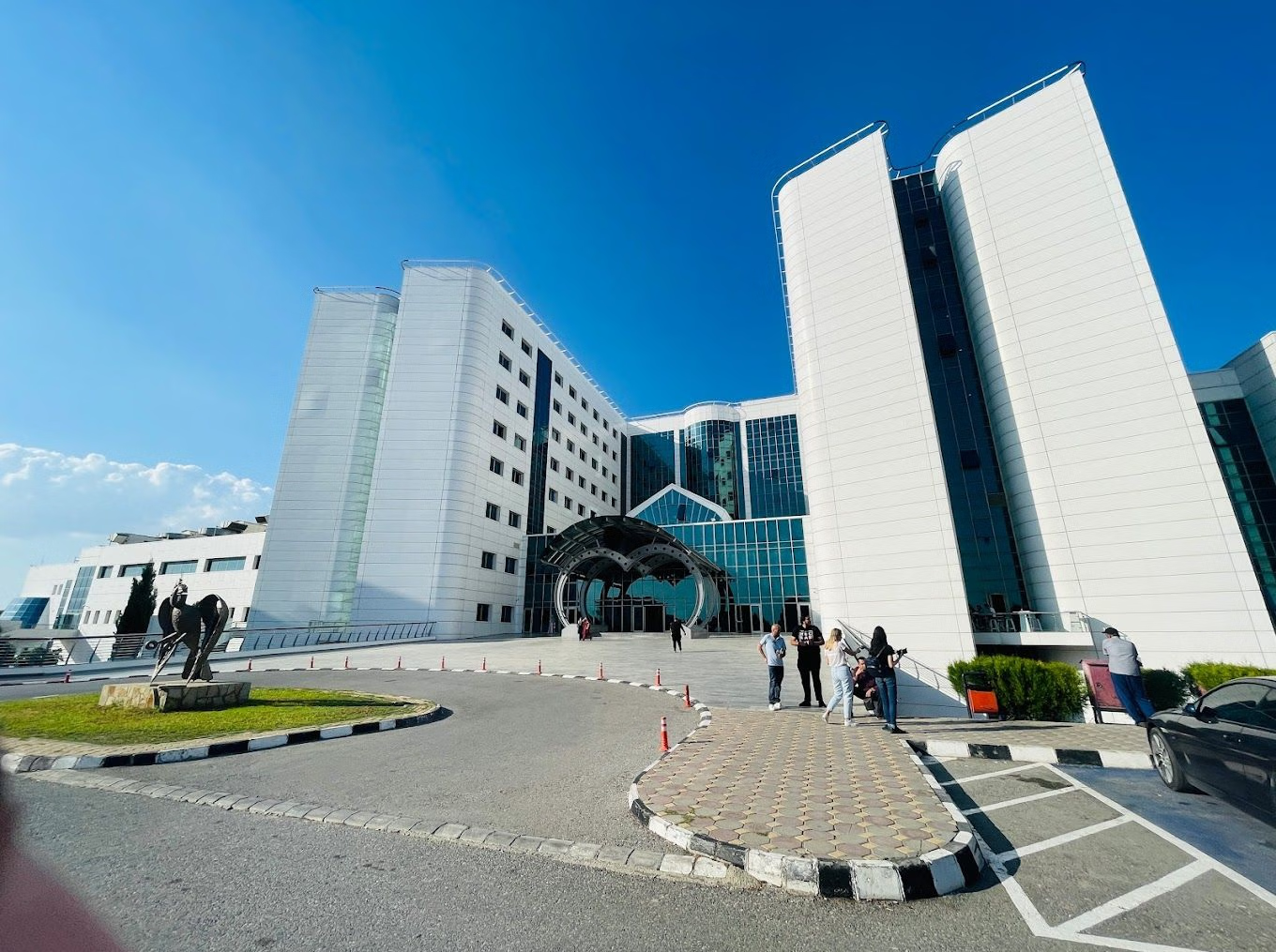
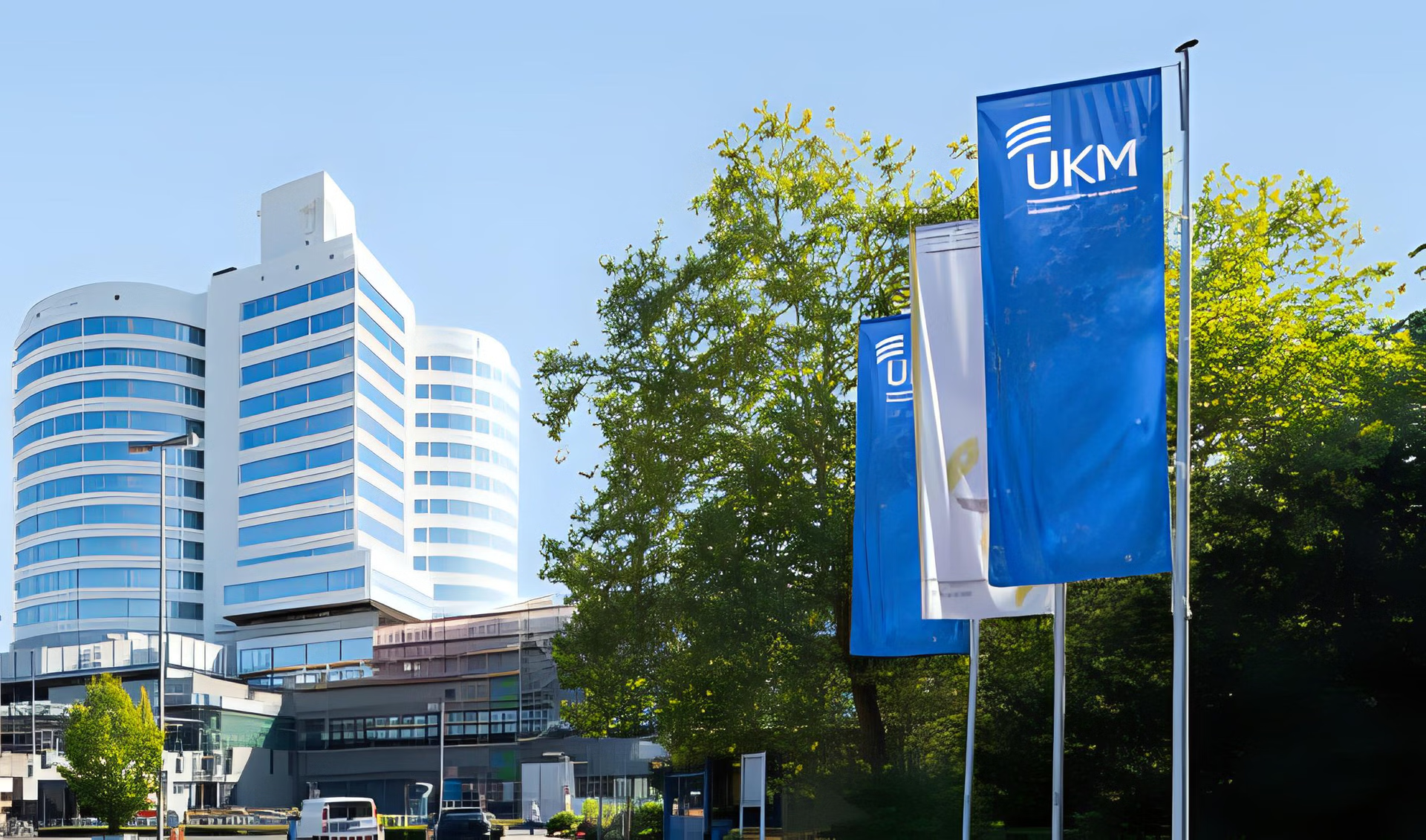
One of the Near East University Hospital buildings
2024-11-26T14:45:03.000Z
One of the Near East University Hospital buildings
2024-11-26T14:44:53.000Z
Exhibition at the Near East University Hospital
2024-11-26T14:45:16.000Z
One of the Near East University Hospital buildings
2024-11-26T14:45:03.000Z
One of the Near East University Hospital buildings
2024-11-26T14:44:53.000Z
One of the Near East University Hospital buildings
2024-11-26T14:44:26.000Z
Exhibition at the Near East University Hospital
2024-11-26T14:44:10.000Z
One of the Near East University Hospital buildings
2024-11-26T14:43:52.000Z
Near East University Hospital, Assistant Professor Dr. Didem Mullaazziz- Skin spots
2024-11-26T15:06:07.000Z
Near East University Hospital, Assistant Professor Dr. Didem Mullaazziz- Skin spots
Near East University Hospital, Prof. Dr. Ferhat Erzir - Rhinoplasty
2024-11-26T15:05:38.000Z
Near East University Hospital, Prof. Dr. Ferhat Erzir - Rhinoplasty
Near East University Hospital - Smart Lens
2024-11-26T15:05:19.000Z
Near East University Hospital - Smart Lens
Allergic Diseases and Prolonged Cough
2024-11-27T09:31:02.000Z
Allergic Diseases and Prolonged Cough
Cyprus's First Successful Intra Ventricular Brain Tumor Surgery at YDU https://neu.edu.tr/
2024-11-27T11:29:55.000Z
Cyprus's First Successful Intra Ventricular Brain Tumor Surgery at YDU https://neu.edu.tr/
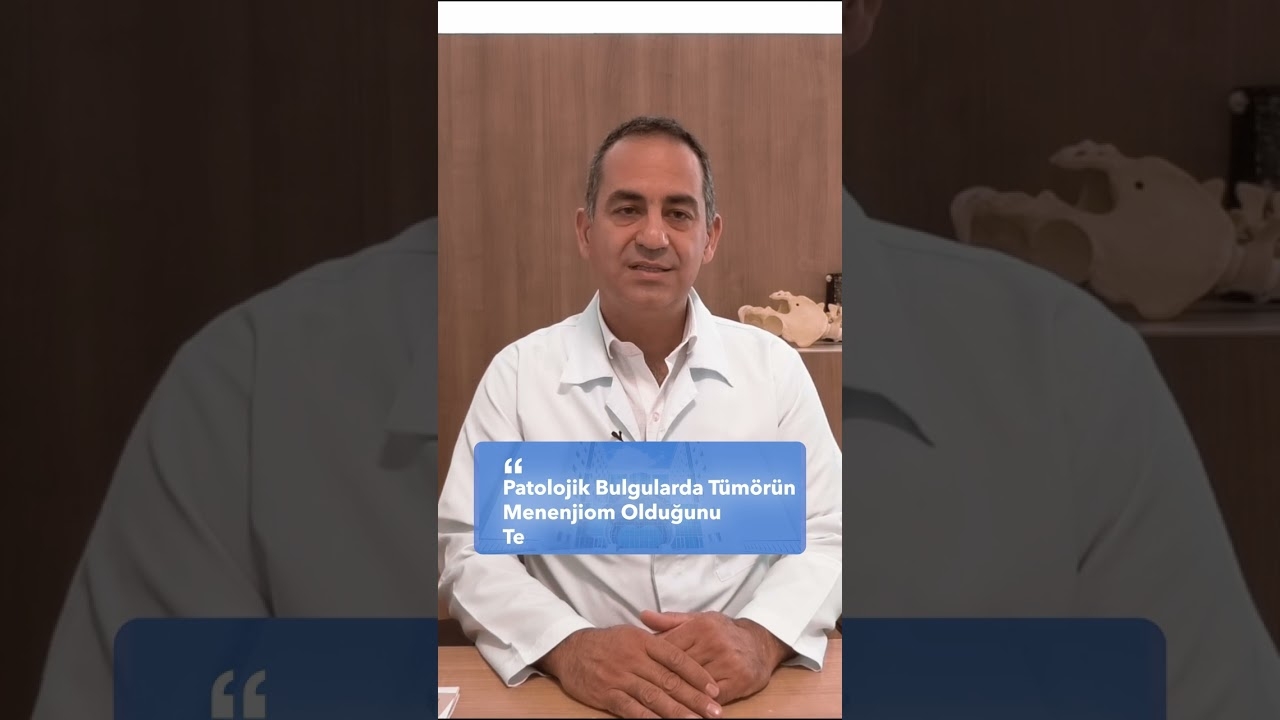
Patient Diagnosed With Neck Tumor Was Treated With Microsurgical Operation.
2024-11-27T11:29:38.000Z
Patient Diagnosed With Neck Tumor Was Treated With Microsurgical Operation.
Extra services
Language Assistance
Visa Support
Telemedicine
Travel Assistance
Stay Arrangements
Parking Space
24/7 medical assistance
Clinic Coordinator
Special Hotel Rates
Intensive Care Unit
Cafeteria
Kids' Play Zone
ATM / Banking
Accessibility Features
Health Financing
Home Care
Digital Health Records
Location
Yakın Doğu Üniversitesi Hastanesi, Ortaköy 99010
FAQ
What services does the hospital offer?
Near East University Hospital provides a comprehensive range of medical specialties, including internal medicine, surgery (general, cardiovascular, etc.), cardiology, oncology, ophthalmology, and many more.
Is Near East University Hospital a good option for international patients?
Yes! The hospital has a dedicated international patient coordination center that assists with transportation from your home country to Cyprus, accommodation options near the hospital, communication with healthcare professionals in your preferred language, and overall coordination and support throughout your healthcare journey.
What technology does Near East University Hospital use?
The hospital has advanced medical technology, including cutting-edge diagnostic imaging centers (e.g., MRI, CT scans), well-equipped laboratories, and modern surgical suites.
Does the facility prioritize patient safety?
Absolutely! They adhere to strict international healthcare standards and emphasize hygiene protocols to create a safe and secure environment for patients.
What equipment operates in the cardiology ICU?
The 9-bed cardiology intensive care unit features continuous telemetric rhythm monitoring, intra-aortic balloon pumps, pulmonary artery catheters, central venous pressure monitoring, and bedside transesophageal echocardiography.
How is bedside hemodialysis performed in critical care?
The cardiology ICU houses a dedicated emergency hemodialysis suite equipped with continuous renal replacement therapy devices to provide slow, bedside renal replacement for critically ill patients.
What features define the university IVF unit?
Operating as the sole university-hospital-affiliated reproductive center on the island, the IVF division provides comprehensive chromosomal screening for embryo selection, in-house gamete banking, and multidisciplinary case councils.
Which non-surgical pain therapies are delivered here?
The algology department provides specialized interventional pain management, including fluoroscopy-guided radiofrequency lesioning, epidural injections, and targeted nerve blocks for chronic neuromuscular syndromes.
What is the rating of the clinic?
Near East University Hospital is rated as 9.30 by AiroMedical.
What do patients say about Near East University Hospital?
The clinic has 220 feedbacks at other places. The UserScore of the hospital is 92%.
What is the overall experience of the facility?
Near East University Hospital has been operating since 2010. It has accumulated over 16 years of clinical background.
Where can I see the hospital's work, interior space, and exterior?