The data collected based on
492
patient reviews on Google
Certificates
Features & Facts
One of the Leading European Cancer Centers
Maria Skłodowska-Curie National Institute of Oncology participates in international organizations dedicated to cancer research, such as EORTC, ELNet, and the European Lymphoma Institute. It involves conducting clinical trials and developing guidelines for treating cancers of the lymphatic system.
Access to the Latest Developments
Unique anticancer drugs are used in a large group of patients within the framework of numerous international clinical trials, as the Institut Skłodowska-Curie has its own Research Center.
Advanced Blood Cancer Treatment
The hospital has the oldest stem cell bank in Europe, which has been operating for over 20 years. They have collected and frozen 5,573 cord blood cell units. It also conducts clinical research on stem cell therapy and CAR-T-cell immunotherapy.
Leader in Sarcoma & Melanoma Care
The clinic treats 600+ melanoma cases and 300+ sarcoma patients annually. They specialized in complex surgeries like extensive bone reconstruction and were the 1st in Poland to use HIPEC for abdominal sarcomas.
Expertise in Molecular Medicine
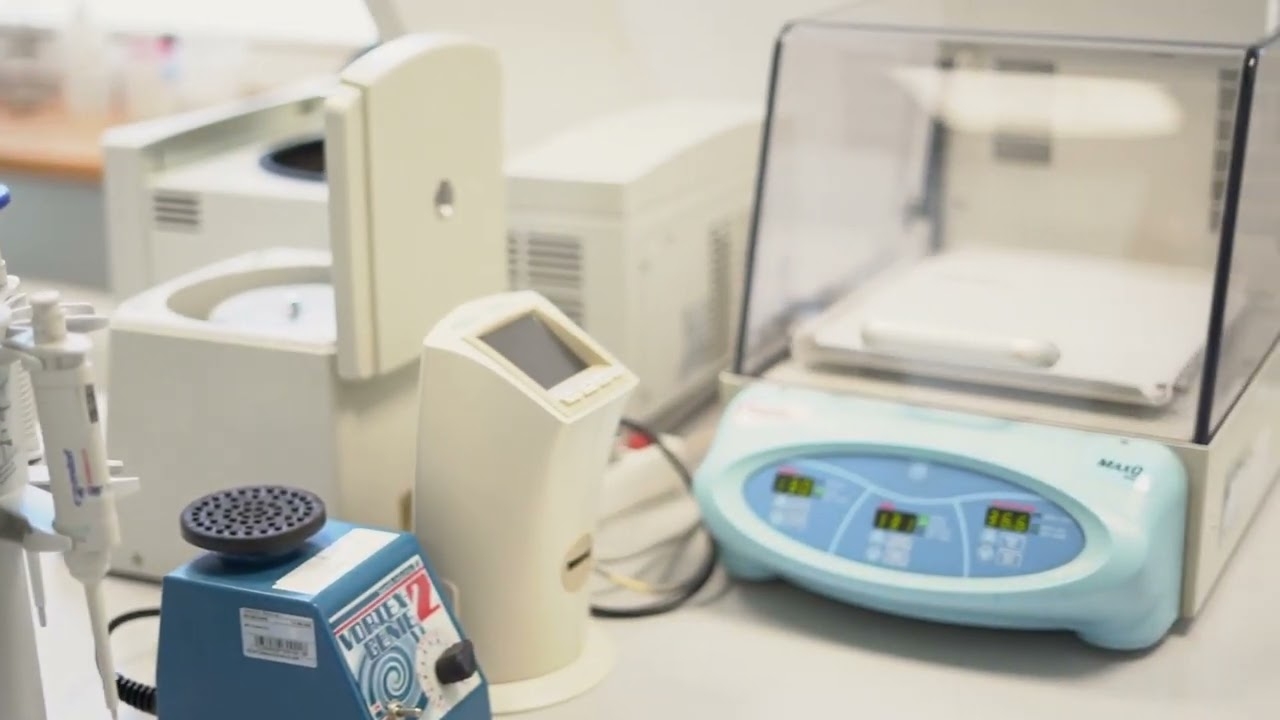
The facility has nanoantibodies and experimental and clinical immunology labs. Their team, led by Prof. Sarnowska, focuses on CAR-T therapy, participates in multiple grant projects, and collaborates with renowned researchers worldwide.
Breast Cancer Volume
The clinic of breast cancer and reconstructive surgery alone treats over 1,200 newly diagnosed breast cancer patients every year. The breast oncology unit manages approximately 14,000 inpatient admissions annually for targeted therapies and reconstructions.
Rare Tumor Cases
The research institute successfully meets and treats 80% of the nationwide medical demand for specific rare oncological malignancies.
Massive Expansion
The facility is currently undergoing a massive structural modernization and expansion project valued at 872 million PLN.
Urological Patients Scale
The department of urological oncology registers and treats more than 1,000 new inpatient cases of genitourinary malignancies annually. The division conducts over 10,000 outpatient consultations and post-treatment monitoring visits every year.
CyberKnife Robotic Radiochirurgery
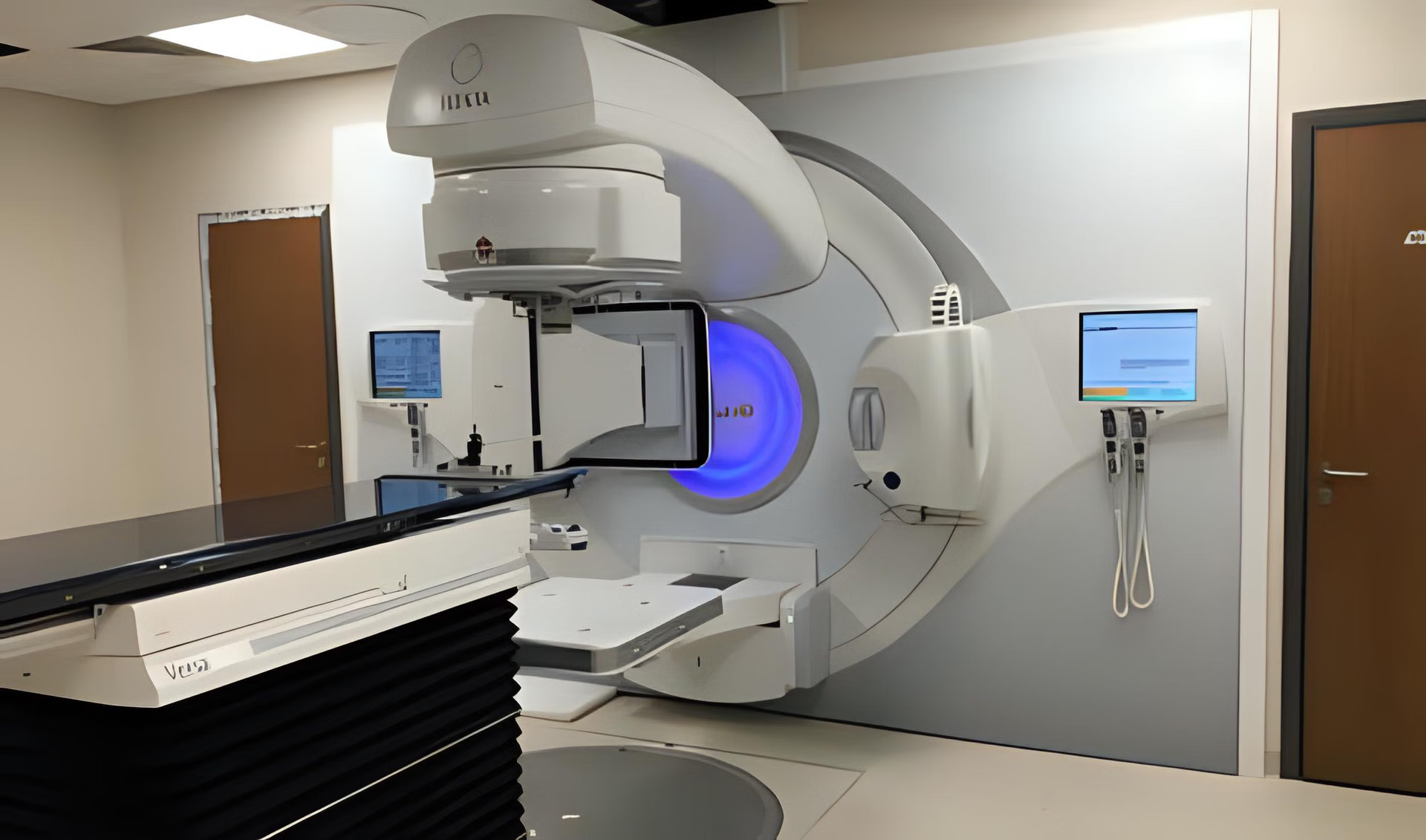
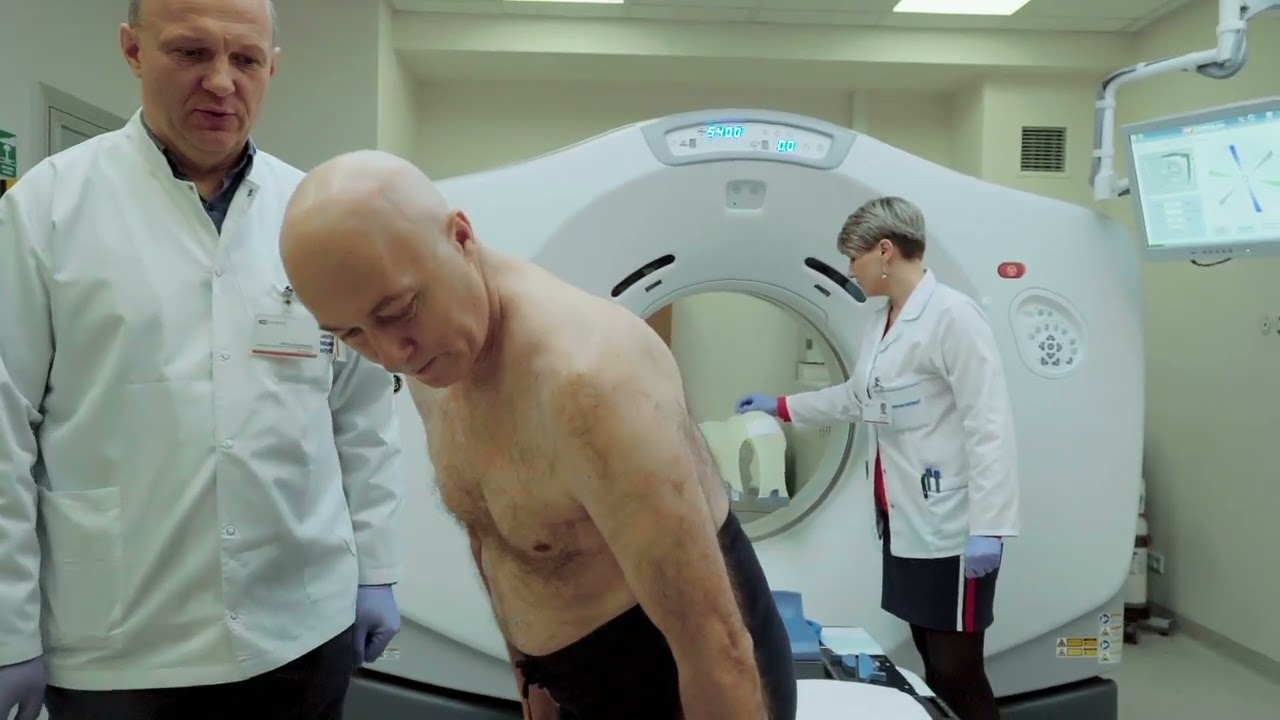
The specialized radiation departments utilize state-of-the-art CyberKnife robotic arms to precisely deliver targeted high-dose stereotactic treatments.
Multidisciplinary Tumor Board
Every patient case undergoes a strict review by multi-specialty panels to customize surgical, chemical, and radiological treatments.
About the clinic
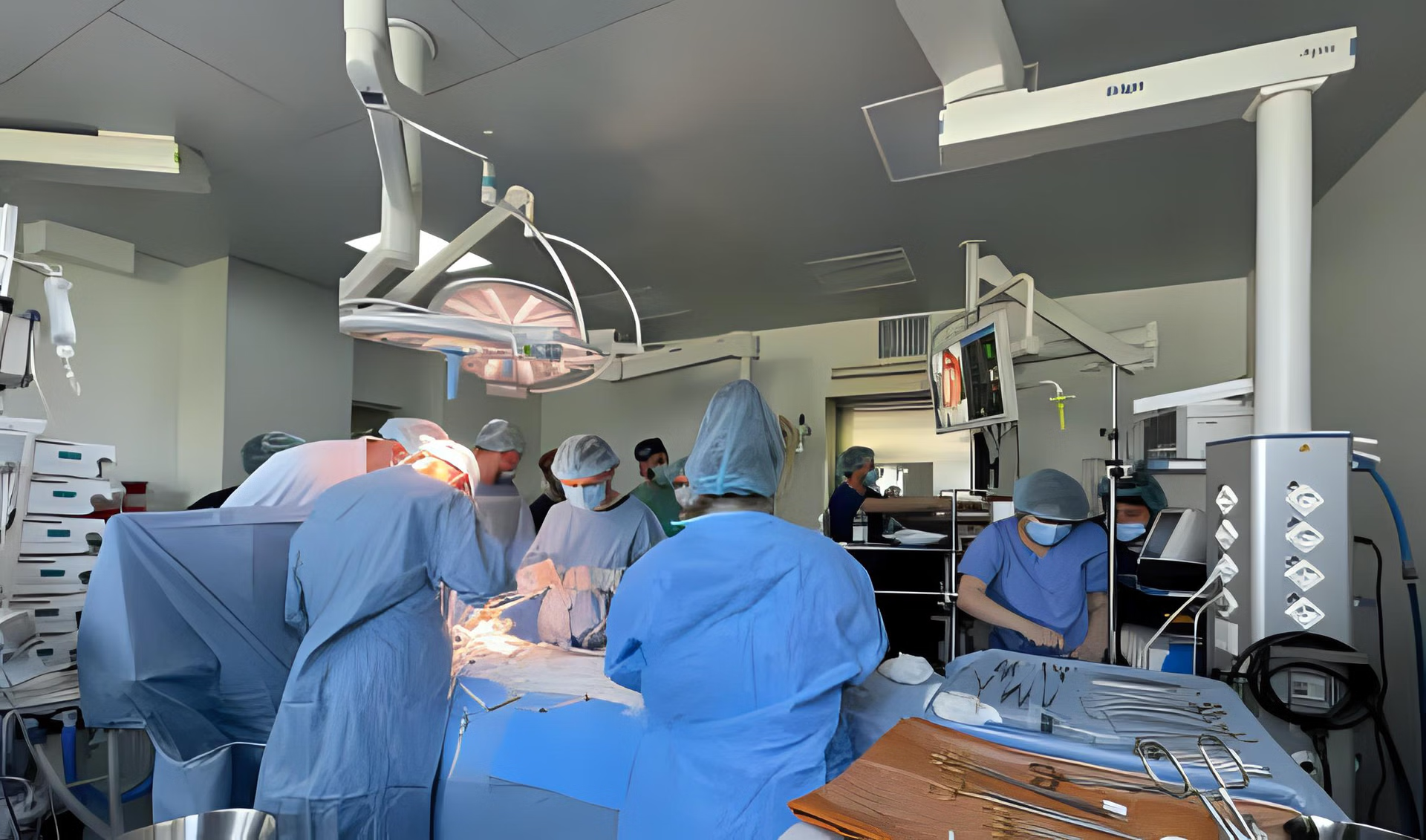
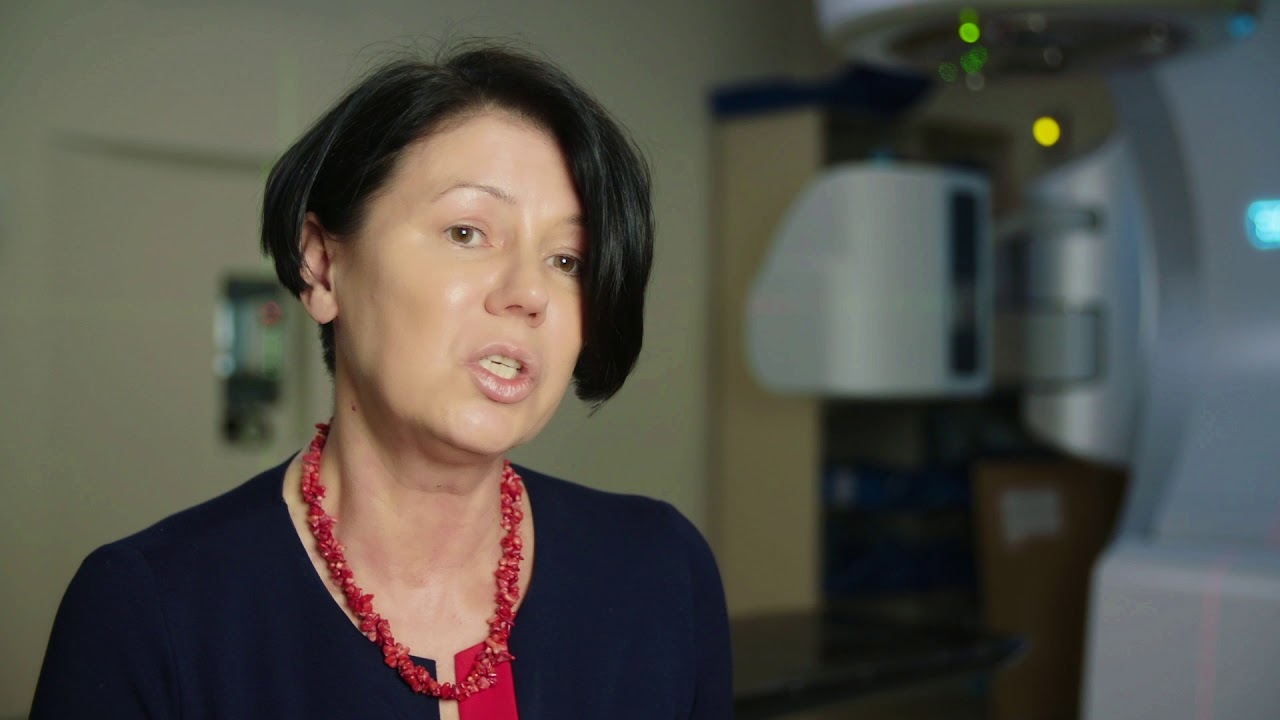
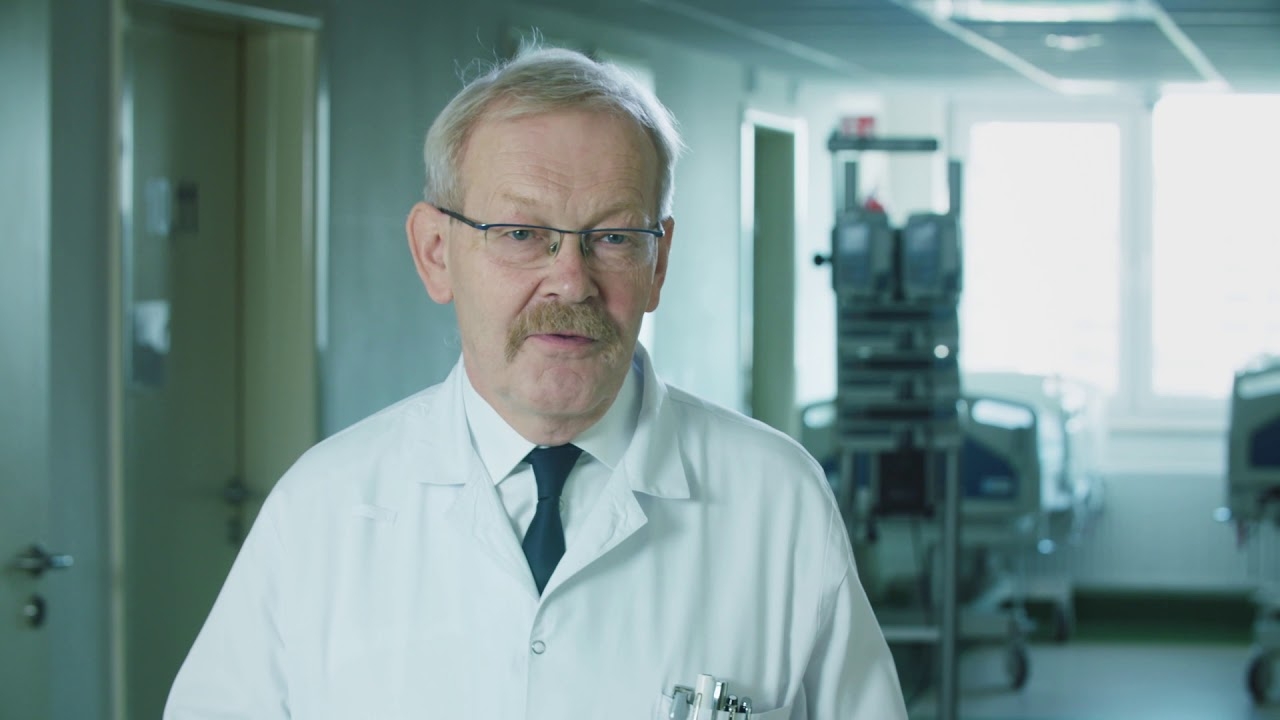
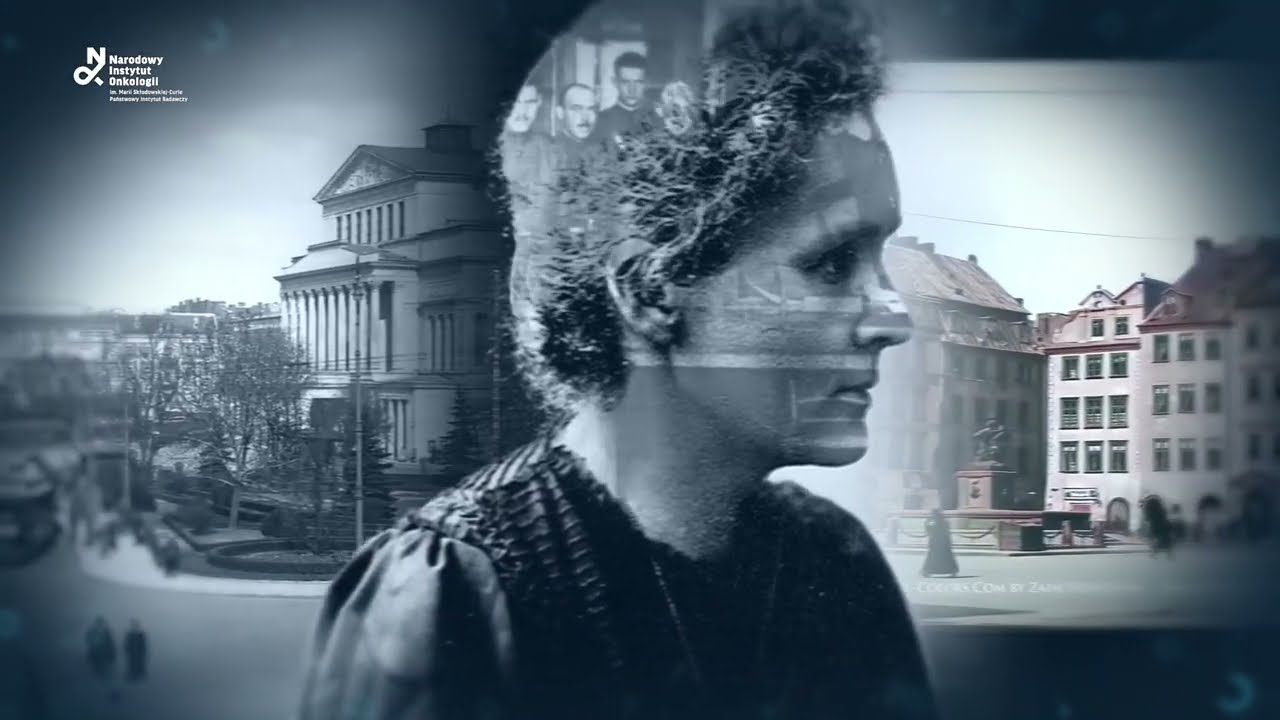
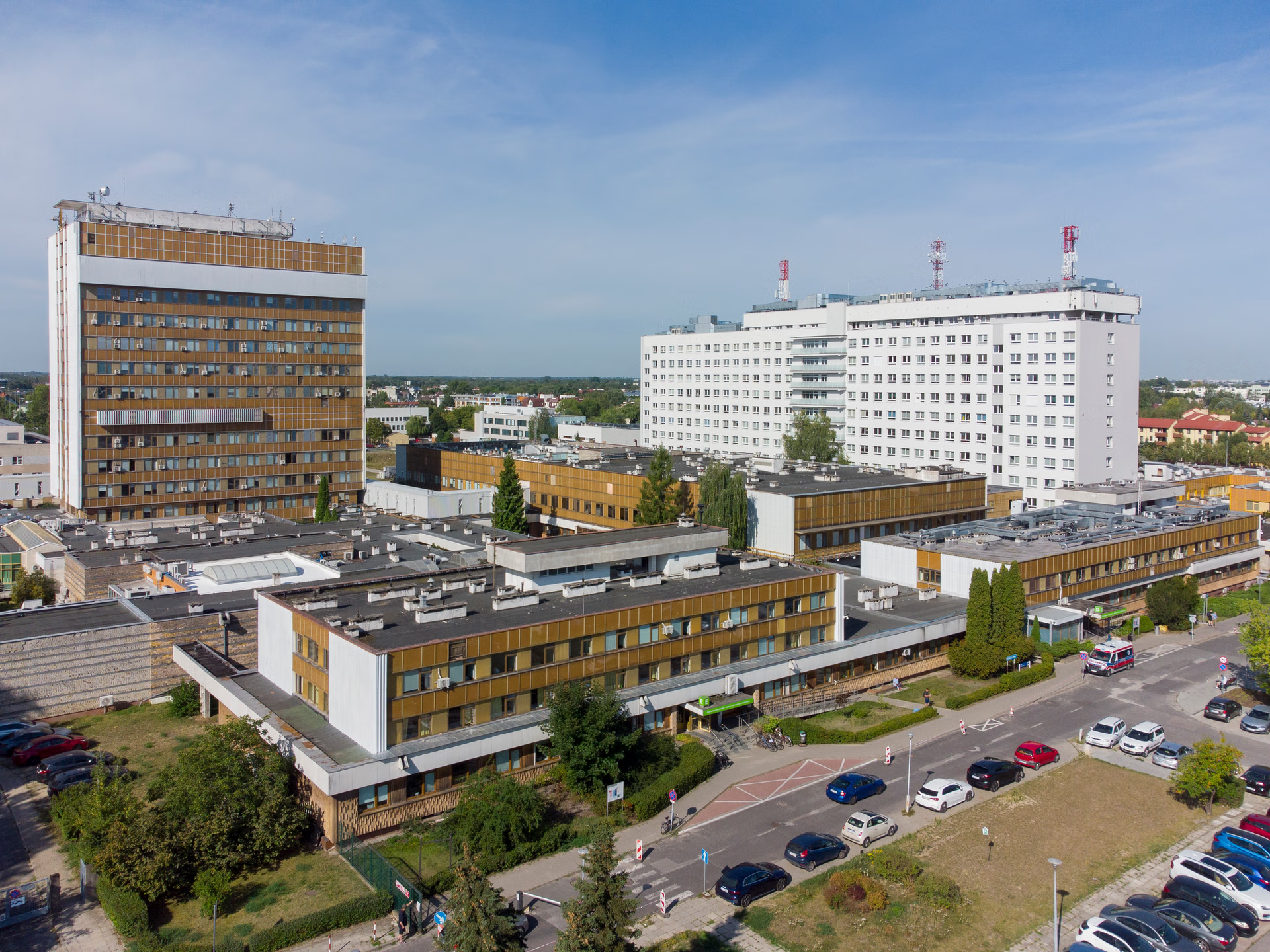
The Maria Skłodowska-Curie National Institute of Oncology is today the supreme, multi-site central nervous system of Polish cancer research and ultra-high-tier clinical care. Headquartered at its monumental, highly specialized flagship campus on Roentgena Street in Warsaw, with prominent elite branches in Gliwice and Kraków, this national research institute completely defies the profile of a standard regional hospital. It exists as an authoritative, state-directed scientific mega-complex where deep-tier biomedical innovation is translated into aggressive, personalized tumor-eradication protocols. As the undisputed cornerstone of the national cancer strategy, the institute handles the most structurally complex, treatment-resistant oncological cases in central Europe, orchestrating nationwide screening frameworks while simultaneously pushing the absolute boundaries of global molecular biology. The facility was officially opened in 1932 as the Radium Institute, with the participation of the world-famous, talented Maria Sklodowska-Curie. Currently, it is one of the most important European oncology hospitals, offering a high level of treatment efficiency through collaboration among oncologists and specialists. The clinical and scientific architecture of the flagship complex is characterized by its massive scale and the absolute synchronization of laboratory diagnostics with patient-side therapies. The institute houses a world-class center for genomic mapping and molecular pathology, where high-throughput next-generation sequencing allows multidisciplinary tumor boards to decode the precise genetic mutations of a patient's malignancy before a single drug is administered. This profound focus on translational medicine means that the facility acts as the nation's primary incubator for early-phase clinical trials, offering patients immediate access to avant-garde immunotherapies, targeted monoclonal antibodies, and experimental small-molecule inhibitors that are years away from widespread commercial availability. This systemic chemical vanguard is seamlessly integrated with a massive visceral and surgical oncology department specializing in hyper-extended resections, intraoperative radiotherapy, and complex reconstructive procedures for micro-invasive breast, gynecological, urological, and head-and-neck carcinomas. Highly qualified doctors have treated patients and conducted clinical research at the Institute's oncology center since 2011. The staff consists of laureates of the prestigious Rosalind Franklin Society award in science, winners of the "Doctor of Empathy" plebiscite, winners of Supertalents in Medicine 2022, and top scientists, according to the research website. The medical staff was also recognized by the ShEO Awards 2021 in the "Medical Authority" category for their special attention to educational activities and support for patients during treatment. The Organization of European Cancer Institutes certificate for 2022 provided opportunities for global cooperation among the most influential centers in modern oncology treatment. Numerous grants for research and cooperation with the Center of Scientific Research made it possible to provide access to the latest and unique treatment for oncological lesions, including stem cell therapy. The hospital also conducts clinical trials in which surgical treatment is combined with other treatments. It is worth noting that the lymphatic system cancer clinic, based at the institute, is the largest and most successful clinic in Poland in the diagnosis and treatment of neoplasms of the lymphatic system. Also, the center of breast tumor and reconstructive surgery is the most experienced center in Poland in the complex treatment of patients after surgical intervention. The institute's absolute technological spearhead remains its legendary, historically unmatched dominance in radiation oncology and nuclear medicine, a direct, evolved continuation of the early radium therapies championed by its founder. The facility operates an unparalleled arsenal of linear accelerators, CyberKnife systems, and stereotactic radiotherapy rigs engineered to deliver high-dose ionization with sub-millimeter precision, effectively melting deep-seated tumors while completely sparing surrounding healthy tissues. Furthermore, its nuclear medicine division is a European frontier for theranostics, utilizing specialized radioisotopes that simultaneously image and target metastatic neuroendocrine tumors and advanced prostate cancers at the cellular level. Maria Skłodowska-Curie National Institute of Oncology is a world-class institution, bringing together a team of leading specialists not only in medicine but also in science. The clinic offers highly accurate diagnosis and effective treatment for patients with cancer from the head, heart, and stomach to the most complex structures: the lymphatic and nervous systems. A robust department of molecular technology has evolved into MicroRNA diagnostics for even more targeted treatment. The study of genetically engineered cancer immunotherapy (CAR-T) demonstrates the potential for a unique treatment even in the most challenging cases.
Gallery
Replacement of linear accelerators in the Oncology Center in Gliwice in order to improve the quality and streamline
2026-05-30T07:27:51.000Z
Replacement of linear accelerators in the Oncology Center in Gliwice in order to improve the quality and streamline
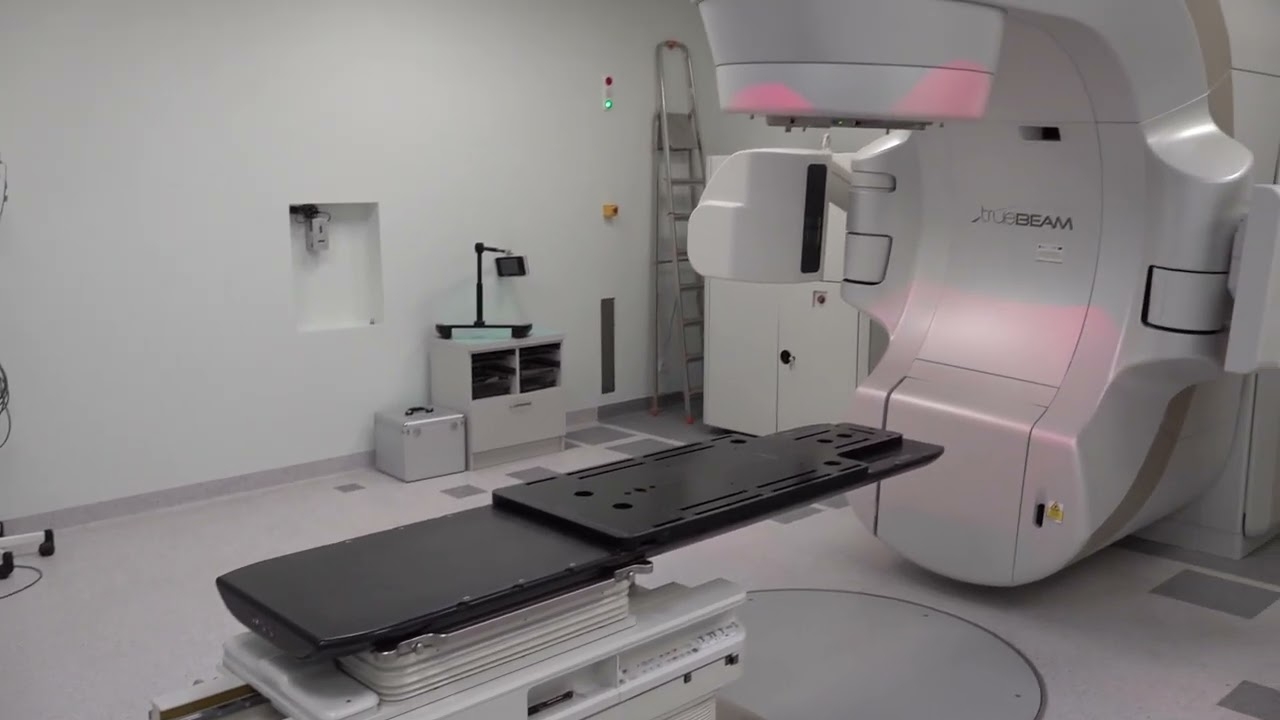
Radiotherapy at the Oncology Center and Institute in Warsaw
2026-05-30T07:27:39.000Z
Radiotherapy at the Oncology Center and Institute in Warsaw
Oncology radiation therapy
2026-05-30T07:27:28.000Z
Oncology radiation therapy
Oncology Center - Institute. SCIENCE and EXPERIENCE. COY
2026-05-30T07:27:17.000Z
Oncology Center - Institute. SCIENCE and EXPERIENCE. COY
History of the Radowy Institute, now the National Institute of Oncology in Warsaw.
2026-05-30T07:27:06.000Z
History of the Radowy Institute, now the National Institute of Oncology in Warsaw.
National Institute of Oncology - Maria Skłodowska-Curie, PIB, Gliwice Branch
2026-05-30T07:26:53.000Z
National Institute of Oncology - Maria Skłodowska-Curie, PIB, Gliwice Branch
2026-05-30T07:24:50.000Z
2026-05-30T07:24:48.000Z
2026-05-30T07:24:48.000Z
2026-05-30T07:24:48.000Z
2026-05-30T07:24:46.000Z
Replacement of linear accelerators in the Oncology Center in Gliwice in order to improve the quality and streamline
2026-05-30T07:27:51.000Z
Replacement of linear accelerators in the Oncology Center in Gliwice in order to improve the quality and streamline
Radiotherapy at the Oncology Center and Institute in Warsaw
2026-05-30T07:27:39.000Z
Radiotherapy at the Oncology Center and Institute in Warsaw
Oncology radiation therapy
2026-05-30T07:27:28.000Z
Oncology radiation therapy
Oncology Center - Institute. SCIENCE and EXPERIENCE. COY
2026-05-30T07:27:17.000Z
Oncology Center - Institute. SCIENCE and EXPERIENCE. COY
History of the Radowy Institute, now the National Institute of Oncology in Warsaw.
2026-05-30T07:27:06.000Z
History of the Radowy Institute, now the National Institute of Oncology in Warsaw.
National Institute of Oncology - Maria Skłodowska-Curie, PIB, Gliwice Branch
2026-05-30T07:26:53.000Z
National Institute of Oncology - Maria Skłodowska-Curie, PIB, Gliwice Branch
Extra services
Visa Support
Parking Space
24/7 medical assistance
Intensive Care Unit
Cafeteria
Accessibility Features
Location
ul. W. K, Wilhelma Konrada Roentgena 5, 02-781 Warszawa, Poland
FAQ
Should I choose the center for digestive system polypectomy?
The clinic is an excellent place to treat gastrointestinal oncology because of its extensive experience with endoscopic mucosal resection and endoscopic submucosal resection. This approach is recognized as a progressive method for polypectomy of medium and large foci.
Is the Maria Skłodowska-Curie National Institute of Oncology suitable for oncological surgery?
The hospital is suitable for surgery due to its close cooperation with the chemotherapy and radiation therapy department. Also, highly qualified, narrow specialists participate in planning operations. Surgeons increasingly use minimally invasive endoscopic techniques with a low risk of complications.
What radiation therapy methods does the clinic use to treat sarcoma?
Doctors offer the broadest range of radiological treatments for sarcoma: the latest IMRT, IGRT, arc methods (VMAT), SBRT, and radiosurgery (SRS). In addition, radiology is integrated with the most complex surgeries, including large-scale bone and vascular reconstructions and multi-organ operations.
Will I be able to treat cancer of the urinary system in the hospital?
In recent years, the genitourinary cancer department has made significant achievements in the intensive, multidisciplinary combined treatment of patients with germinal testicular tumors. In addition, 3D prostate irradiation and comprehensive cures for penile and bladder are available even for advanced forms.
How are the clinical departments organized?
The main Warsaw clinical building utilizes a specialized vertical layout where individual floors are dedicated to specific tumor types. This architecture separates complex treatments into standalone units, such as departments for bone/soft tissue sarcoma and melanoma, central nervous system tumors, and thoracic malignancies.
Does the clinic offer cellular therapies?
Yes, the facility operates an advanced CAR-T cell facility integrated with its hematology and transplantation wings. This clinical infrastructure enables oncologists to process, modify, and reinfuse autologous T cells to treat advanced, refractory hematological malignancies.
What experimental treatment units operate here?
The clinic operates a dedicated early-phase clinical trial department paired with a specialized day-one hospital. This unit manages dozens of active early-phase clinical protocols, providing patients with immediate access to experimental immunotherapies and targeted molecular compounds.
How is precision medicine facilitated here?
The facility leverages its on-site center of excellence in precision oncology and an institutional Biobank established in accordance with strict European research standards. Pathologists perform high-throughput molecular sequencing (DNA and RNA analysis) to isolate tumor biomarkers and map out personalized targeted therapies.
What specific screening protocols are run?
The dedicated cancer prevention center coordinates major national screening programs. Based on clinical trials conducted by the institute's researchers, the facility has shifted to primary molecular HPV-HR testing for cervical screening, which provides nearly double the diagnostic accuracy of traditional cytology.
What is the rating of the clinic?
Maria Skłodowska-Curie National Institute of Oncology is rated as 9.70 by AiroMedical.
What do patients say about Maria Skłodowska-Curie National Institute of Oncology?
The clinic has 492 feedbacks at other places. The UserScore of the hospital is 87%.