The data collected based on
441
patient reviews on Google
Certificates
Features & Facts
Cardiovascular Disease Master
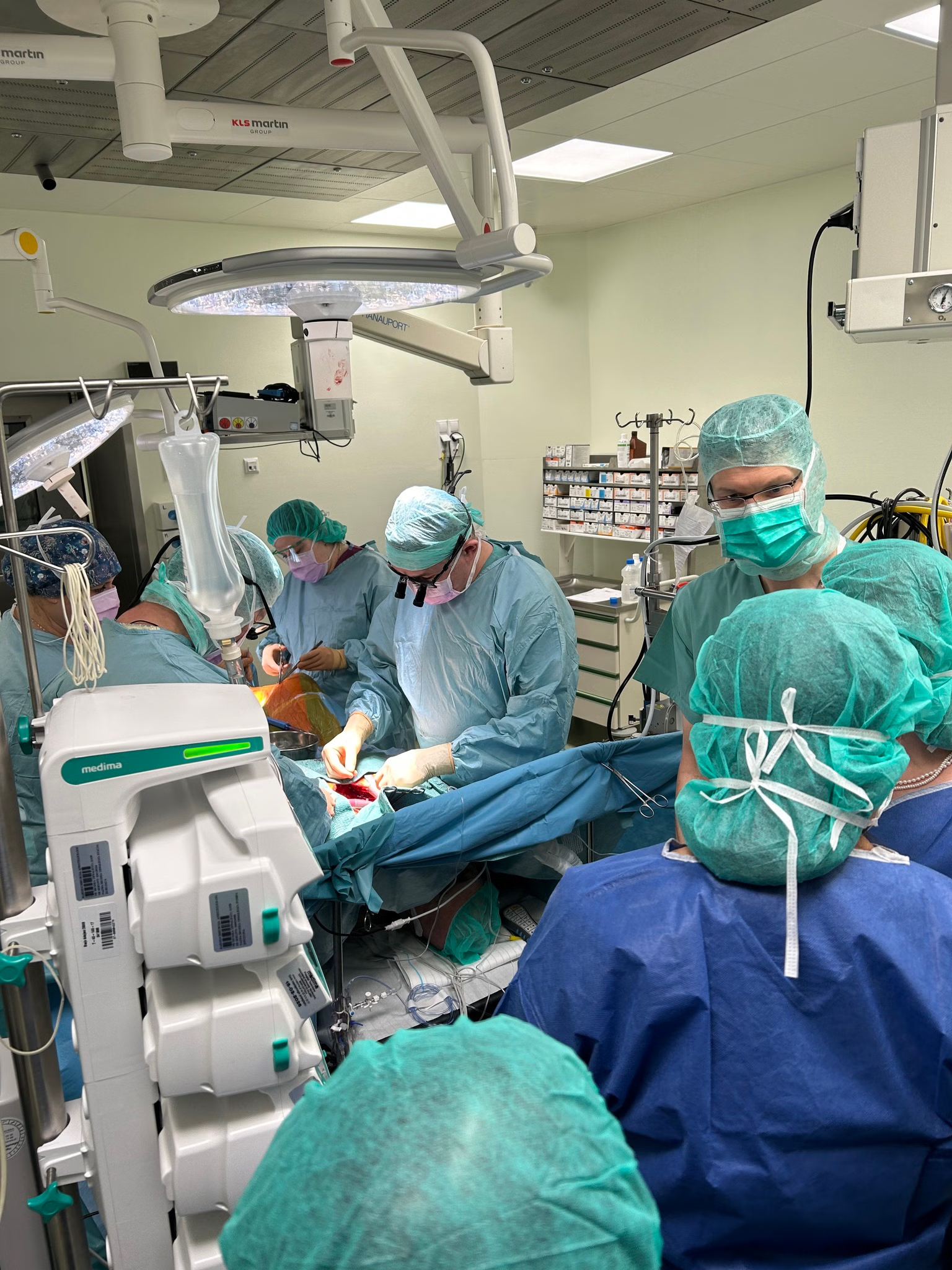
St. John Paul II Krakow Specialist Hospital performed 1,603 open-heart surgeries, 16 heart transplants, 8,864 interventional cardiology procedures, 464 pacemaker implants, and 269 cardioversions annually for the recent period.
Clinical Trials & Medical Research
Patients can check whether they are eligible for any medical studies at the Krakow Center for Medical Research and Technology, the National Science Center, or the Medical Research Agency (currently three available).
Academic-Level Medical Staff
The hospital employed 23 professors, 24 doctors of medical science, 107 doctors of medical science, and three doctors of health science. Imagine the employees’ experience and the quality of treatment patients receive.
Urgent Treatment for Cardiovascular Patients
Patients who require urgent cardiovascular disease treatment, surgery, or interventional cardiology therapy (including 70+ procedure titles) can always get help within 24 hours, thanks to an always-free surgery room system.
Numerous accreditations & certifications
The Ministry of Health accredits the clinic. They also have ISO 9001 certification, a “Hospital Without Pain” certificate, and multiple credentials for participation in External Quality Assessment Programs.
High Volume of TAVI Procedures
The cardiology department successfully implants up to 150 transcatheter aortic valves each year for high-risk elderly patients with severe aortic stenosis.
2008 Historic TAVI Debut
The clinical institute achieved immense medical fame by successfully performing the very first transcatheter aortic valve implantation surgery in Poland's healthcare history.
Successful Heart Transplants
The clinical transplantation program performed thirteen successful heart replacement surgeries in a single calendar year, restoring full physiological capacity to patients.
Non-Invasive Electrophysiology Diagnostic
The cardiology clinic performs complex multi-electrode arrhythmia mapping and advanced electrophysiological ablation treatments to permanently cure high-risk cardiac rhythm anomalies.
Active Lung Transplant Center
The hospital expanded its long-term organ replacement programs by introducing highly complex double-lung and single-lung transplantations for terminal respiratory failure cases.
About the clinic
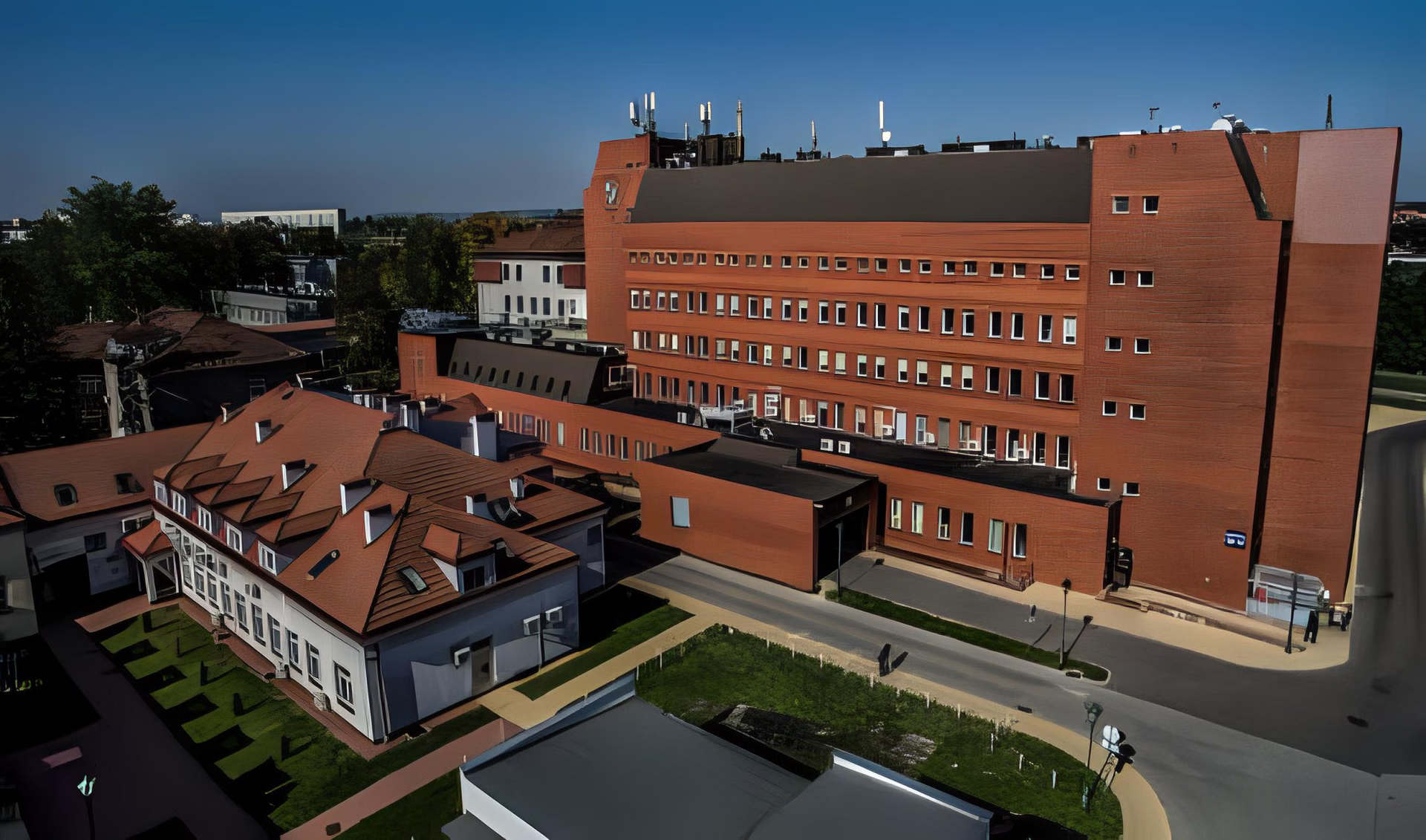
John Paul II Specialist Hospital in Krakow has been operating since 1917 and has gradually changed its medical profile. It is one of the largest cardiopulmonary surgical centers in the country, which also conducts multicenter clinical research. The academic staff and cooperation with Jagiellonian University provide patients with access to the most innovative treatments with high recovery rates. The medical center complies with ISO 9001:2000 standards and is accredited by the Ministry of Health. The complex consists of 17 buildings with a maximum of 612 beds. Also, the organizational structure includes 19 inpatient departments, 27 outpatient counseling departments, and 40 specialized laboratories. The clinic serves almost 150,000 patients annually and performs 1,460 open-heart surgeries and 2,150 lung and chest surgeries. In addition, through many interventional procedures, doctors can improve existing treatment methods and gain invaluable experience in implementing new ideas. As early as 1957, the hospital performed the first open-heart surgeries and catheterization interventions in Poland. In the 2000s, heart surgeons traditionally took precedence in seamless implantation using 3F Therapeutics technology and percutaneous aortic valve replacement, TA-TAVI, and TAVI. Also, doctors mastered the closure of an aneurysm of the left ventricle of the heart by a minimally invasive method on a beating heart. This approach was a real breakthrough for the country. Furthermore, a minimally invasive mitral valve correction using the HARPOON system without cardiac arrest was a worldwide first at the John Paul II Clinic in Krakow. Numerous findings were also made by surgeons in pulmonology. In particular, the first Polish implantation of an intrabronchial valve in a patient with pulmonary emphysema and the first-in-the-world pulmonary artery embolectomy using an innovative system. In addition, doctors could remove large-diameter blood clots percutaneously. Today, doctors and surgeons do not stop at research and development of advanced treatments and carry out implantation of the world's smallest MicraTPS pacemakers and unique orbital atherectomy procedures. Also, the medical center has significant achievements in treating patients with profound hypothermia and was recognized in anesthesiology with an award from the World Health Organization. In parallel with its cardiovascular dominance, the hospital operates a massive, highly integrated interdisciplinary unit for thoracic oncology and transplantology, which serves as a premier national pipeline for eradicating malignant chest diseases and terminal respiratory failures. Its thoracic surgery and advanced pulmonology teams specialize in complex, video-assisted thoracoscopic lung resections, intrabronchial valve implantations for severe emphysema, and the highly delicate, acute removal of massive thromboembolisms from the pulmonary arterial tree. This clinical architecture is strongly supported by an elite research ecosystem, including a dedicated molecular biology laboratory, making the hospital a leading European hub for both commercial and non-commercial clinical trials. Simultaneously, the hospital honors its deep infectious-disease roots by housing advanced provincial centers for pediatric neuroinfections, childhood hepatology, and adult viral hepatitis treatment. Through this masterful, century-long transition from a rustic isolation sanatorium to a hyper-modern, multi-disciplinary surgical empire, the hospital sets an unyielding international standard for biological restoration and academic medical triumph.
Gallery
2026-05-31T17:11:48.000Z
2026-05-31T17:11:48.000Z
2026-05-31T17:11:48.000Z
2026-05-31T17:11:48.000Z
2026-05-31T17:11:48.000Z
2026-05-31T17:11:48.000Z
2026-05-31T17:11:48.000Z
2026-05-31T17:11:48.000Z
2026-05-31T17:11:48.000Z
2026-05-31T17:11:48.000Z
2026-05-31T17:11:48.000Z
2026-05-31T17:11:48.000Z
Extra services
Visa Support
Parking Space
24/7 medical assistance
Pastoral Care
Intensive Care Unit
On-Site Pharmacy
Cafeteria
Kids' Play Zone
ATM / Banking
Accessibility Features
Support Groups
Location
Prądnicka 80, 31-202 Kraków, Poland
FAQ
Is the clinic suitable for the treatment of malignant tumors of the chest?
Oncologists offer induction and adjuvant treatment of malignant tumors of the chest in combination with gentle surgical intervention, with high durability and reduced prevalence of metastases. In addition, doctors have unique experience treating solid tumors.
Should I choose a medical center for the treatment of liver lesions in children?
The hospital has all the necessary equipment to diagnose and treat infectious liver diseases in kids. Elastography, MR cholangiography, and genetic and PCR tests provide a clear picture of the organ's condition. Doctors have extensive experience treating hepatitis B and C.
Is John Paul II Specialist Hospital Krakow suitable for heart transplantation?
The clinic performs a dozen heart transplants annually, a high rate by Polish standards. In addition, cardiac surgeons have gentle, minimally invasive surgery and drug treatment techniques that will help delay the time of transplantation if necessary.
What makes the clinic unique?
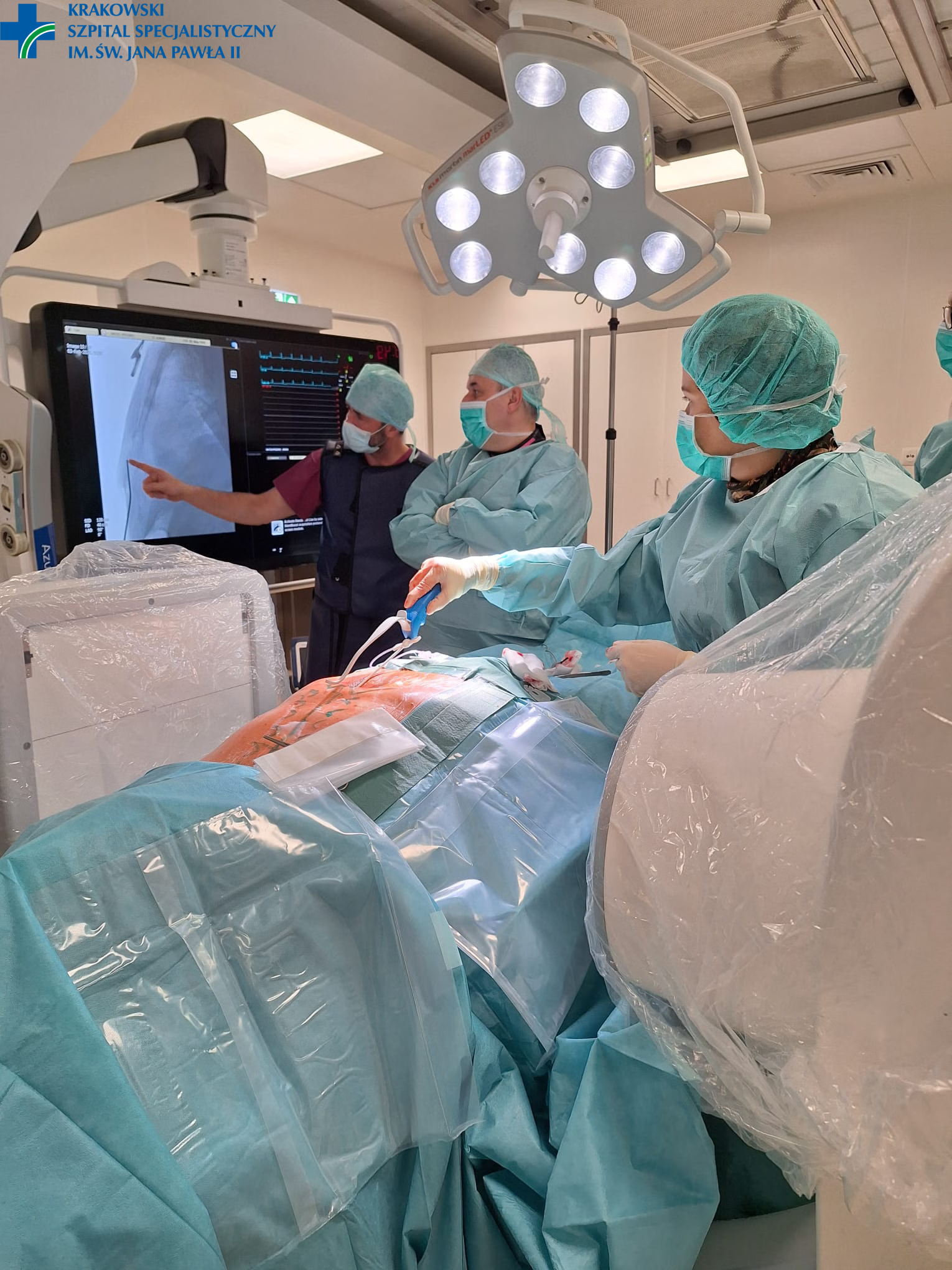
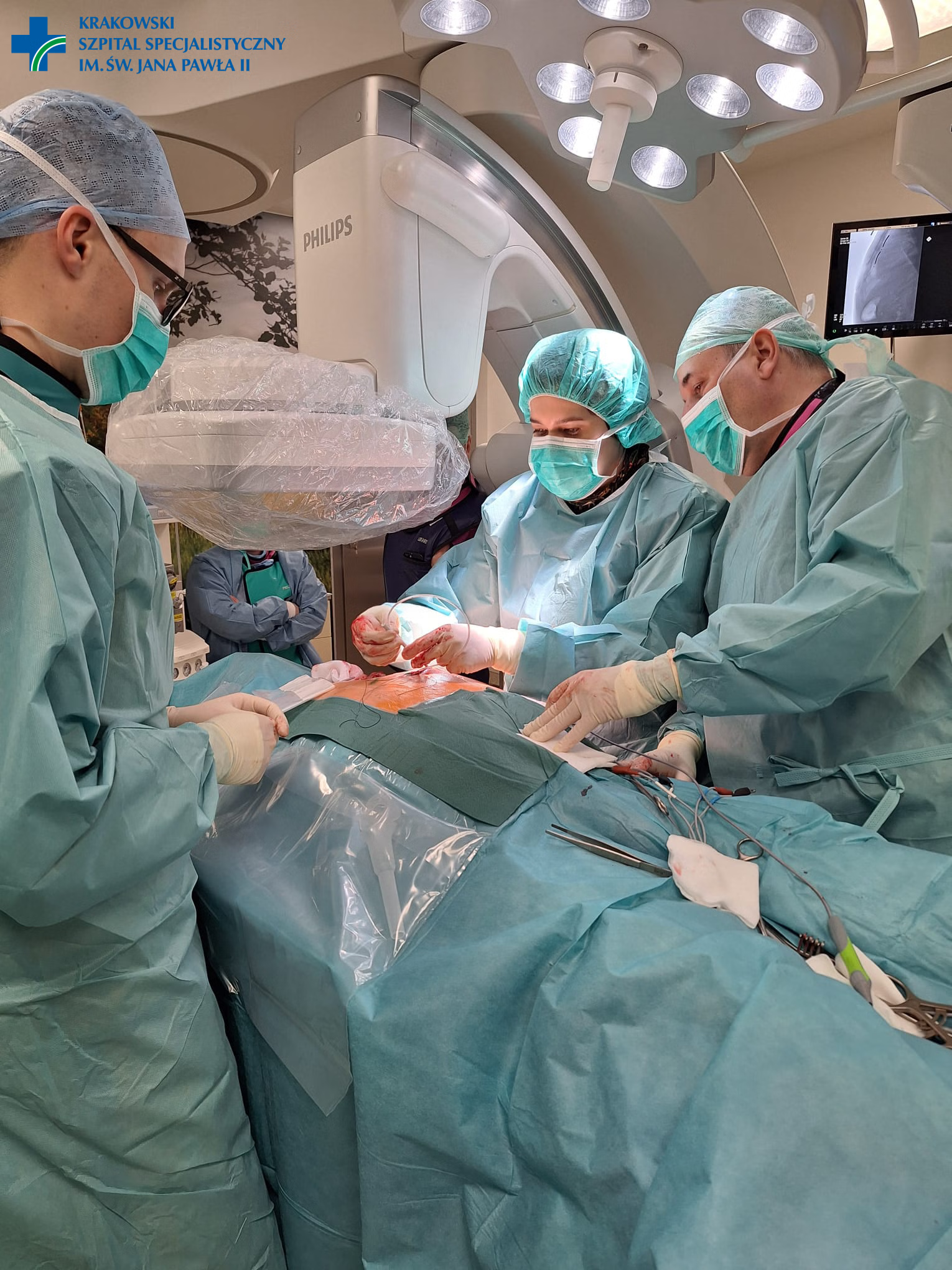
The hospital is the pioneer in Poland in many minimally invasive heart and lung surgeries that have saved the lives of thousands of people. The author's techniques, such as percutaneous removal of large pulmonary artery blood clots, are presented here.
What defines the cardiac surgery profile?
The hospital acts as a premier high-volume reference hub for complex cardiovascular engineering. The surgical teams execute advanced open-heart procedures, heart transplants, and percutaneous aortic valve replacements. Crucially, the clinic is known for pioneering minimally invasive mitral valve corrections using the advanced HARPOON system on a beating heart without cardiac arrest, as well as unique orbital atherectomy procedures.
What distinguishes the center's rare disease care?
The facility operates a dedicated center for rare cardiovascular diseases, a specialized hub directly linked to international medical platforms, such as the European Reference Network. This unit delivers highly focused diagnostic tracking, targeted pharmacotherapy, and advanced intervention pathways for rare vascular pathologies, pulmonary arterial hypertension, and complex congenital heart conditions in adult patients.
What thoracic oncology tracks are available?
The thoracic surgery and lung diseases division specializes in advanced lung cancer treatments and complex chest interventions. Thoracic surgeons routinely perform video-assisted thoracoscopic surgeries for tumor resections, implant specialized intrabronchial valves to treat severe pulmonary emphysema, and execute complex mechanical clearances of major blood clots from the pulmonary artery.
What is the rating of the clinic?
St. John Paul II Krakow Specialist Hospital is rated as 9.70 by AiroMedical.
What do patients say about St. John Paul II Krakow Specialist Hospital?
The clinic has 441 feedbacks at other places. The UserScore of the hospital is 98%.