The data collected based on
18
patient reviews on Google
Certificates
Features & Facts
Closed & Open Living Areas
At the Helios Specialist Clinics Hildburghausen, patients who require constant observation and care may choose between one open area and two secured areas for living under the close supervision of medical practitioners.
Transparency in Quality evaluation
Since 2008, the Helios Psychiatry Clinics Hildburghausen and other facilities of the Helios network have launched an Initiative for Quality Medicine (IQM). This initiative measures and evaluates 250+ quality indicators for different treatment methods.
Helps with a Wide Range of Addictions
Patients can receive qualified help for alcohol, illegal drugs (cocaine, heroin, crystal meth, etc.), prescription drugs, gambling, video game addiction, porn addiction, and more.
Сontinuing Education for Kids Patients
Patients aged 18 years and younger continue their education through the Care and Education Service (CES) if their current condition allows them to attend lessons.
Geriatric Psychiatry Excellence
The Helios Clinic in Hildburghausen provides high-quality inpatient and outpatient treatment and observation for elderly patients, including Alzheimer’s, Parkinson’s, elderly depression, various forms of dementia, and other diseases.
Neurological Expertise
The department of neurology is a high-performance unit specializing in acute and rehabilitative care. It is a regional hub for treating strokes, Multiple Sclerosis (MS), Parkinson’s, and epilepsy, utilizing high-end diagnostics like multi-slice CT and high-field MRI.
Forensic Psychiatry Distinction
The site houses a specialized center for forensic psychiatry with 128 beds, providing highly secured treatment and rehabilitation for patients under court-ordered placement, led by nationally recognized experts in forensic assessment.
Comprehensive Addiction Programs
The facility is a leader in "Qualified Withdrawal" protocols, managing high-volume cases of dependency, including alcohol, illegal narcotics, and modern behavioral addictions (e.g., gambling and media addiction).
Gerontopsychiatric Excellence
With a specialized focus on the aging brain, the clinic treats nearly 100 cases of severe dementia and Alzheimer-related delirium annually, using multidisciplinary teams to preserve patient dignity and independence.
About the clinic
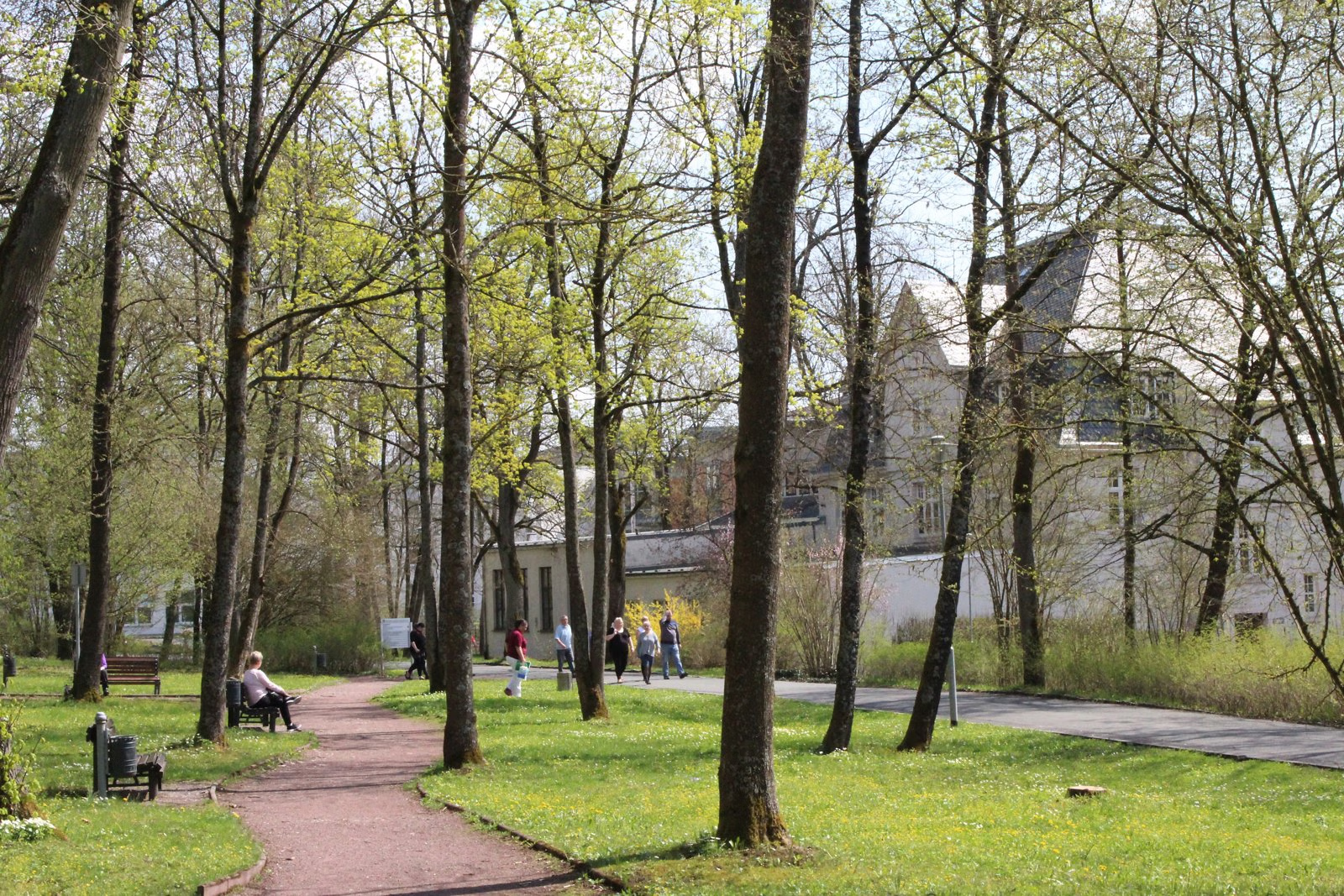
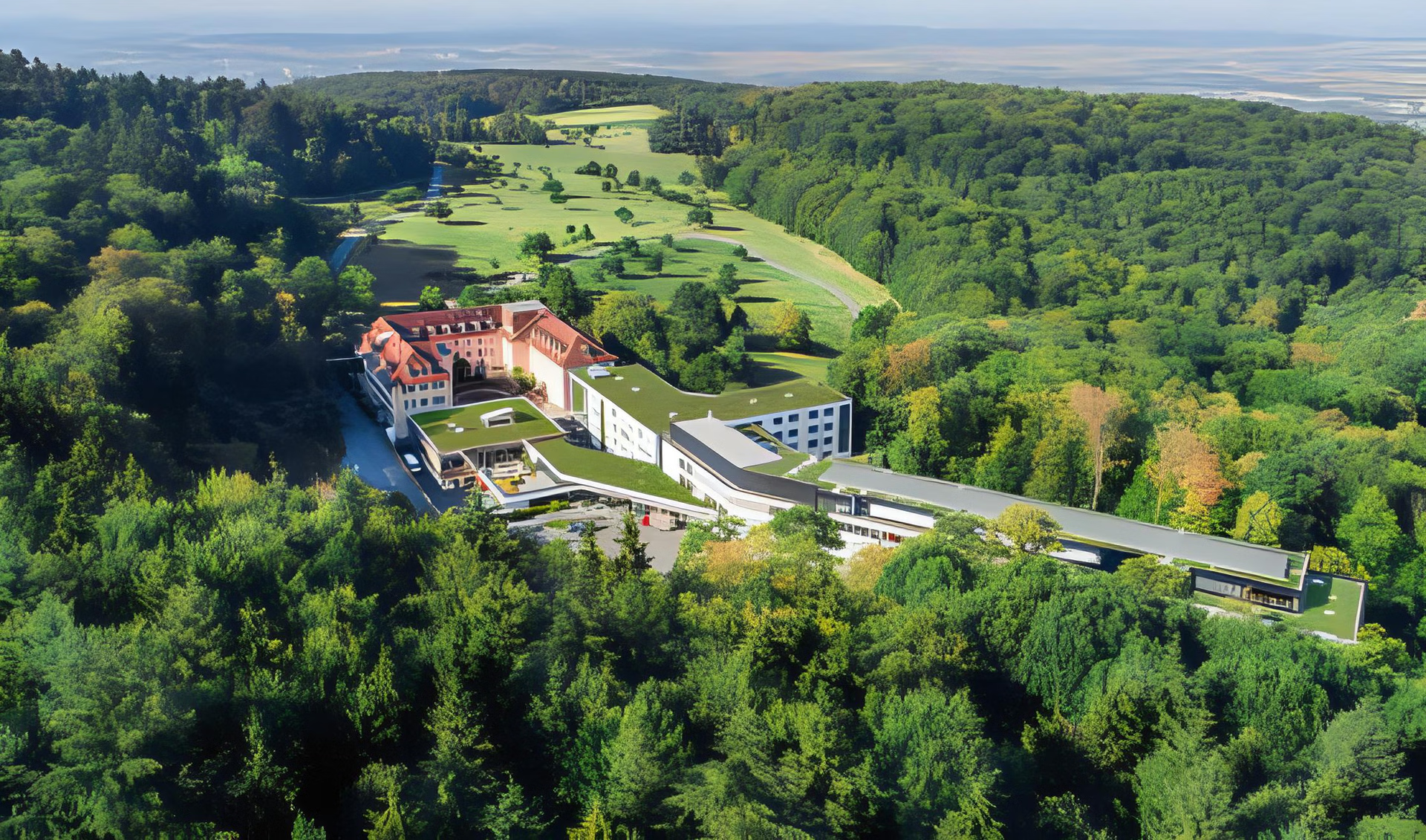
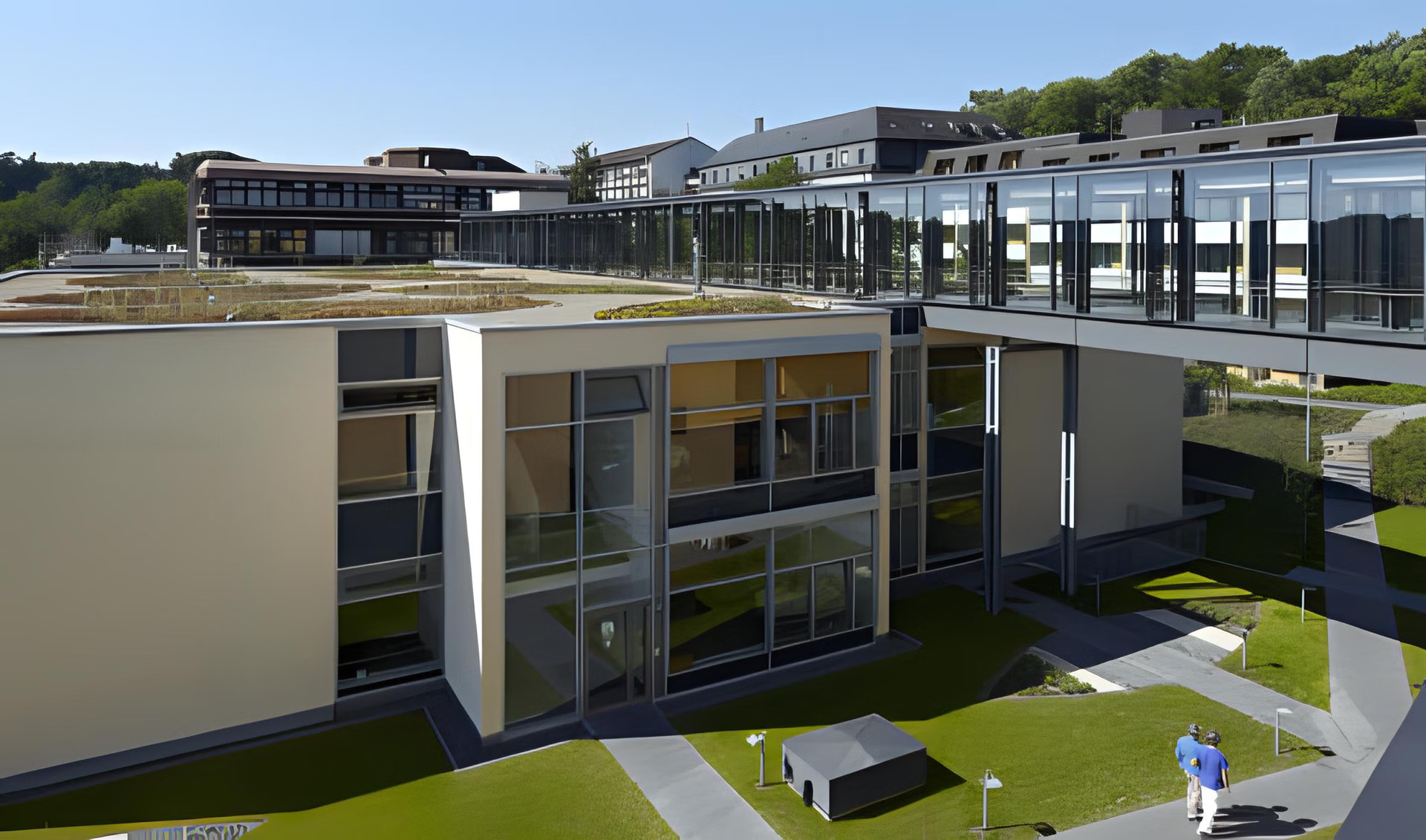
Situated against the serene backdrop of the Thuringian forest, Helios Specialist Clinics Hildburghausen represents a vast, deeply specialized ecosystem dedicated exclusively to the intricate relationship between the human brain, the mind, and the nervous system. With institutional roots stretching back to 1866, the facility has evolved from a historic provincial care center into an elite academic teaching hospital for the Friedrich Schiller University in Jena. Rather than adopting the generalized, multidisciplinary ward structures of a standard acute-care hospital, the Hildburghausen campus is an environment where over 850 professionals focus entirely on the full spectrum of neurological and psychiatric vulnerabilities. At the center of its somatic medicine profile is a highly advanced neurology department. This division serves as the region's neurological safety net, heavily relying on its certified stroke unit to manage acute cerebrovascular emergencies. Time-critical interventions, such as systemic thrombolysis, are executed here under rigorous, standardized protocols to preserve brain tissue in the crucial hours following a stroke. Moving beyond acute emergencies, the neurology department is officially recognized by the German Multiple Sclerosis Society as a designated multiple sclerosis focus center. This specialization allows the clinic to deliver continuous, cutting-edge immunomodulatory therapies and complex diagnostics for patients battling demyelinating and severe neurodegenerative diseases. Parallel to its neurological strength is a massive psychiatric infrastructure that is meticulously segmented by life stage and diagnostic complexity. The General Psychiatry and Psychotherapy division manages profound affective and schizophrenic disorders, utilizing a blend of classical psychopharmacology and targeted brain-stimulation therapies for treatment-resistant depression. Recognizing that mental health requires distinct approaches across a lifespan, the campus features a specialized child and adolescent psychiatry department designed to offer a protective, developmentally tailored sanctuary for young people facing early-onset emotional dysregulation. Conversely, the gerontopsychiatry wing adapts its care models and physical architecture to the cognitive fragility of the elderly, managing the complex intersections of severe depression, delirium, and advanced dementias. A particularly rare and distinguished pillar of the Hildburghausen campus is its robust forensic psychiatry division. Operating under a specialized state mandate to execute measures, this high-security unit is dedicated exclusively to the rehabilitation of addicted criminal offenders. The therapeutic environment here is rigorous and highly structured, combining profound addiction medicine with intensive socio-therapeutic training. The ultimate goal of this secure division is the long-term behavioral restructuring of its patients, systematically breaking the cycle of substance-driven crime to prepare individuals for safe, supervised societal reintegration. To ensure that healing is not confined to closed wards, the hospital commands an expansive, decentralized network of psychiatric day clinics. This network stretches far beyond the main campus, operating satellite sites in Suhl, Meiningen, Ilmenau, and Sonneberg. This structural philosophy allows patients across the entire region to engage in high-frequency daily psychotherapy and psychosomatic treatments while returning to the emotional stability of their own homes at night. By stripping away the chaotic noise of a general hospital and replacing it with focused, academic rigor in the tranquil setting of the Werra Valley, Helios Specialist Clinics Hildburghausen operates as an irreplaceable sanctuary for cognitive and emotional restoration.
child and adolescent psychiatry, psychosomatic, and psychotherapy
Gallery
2026-04-18T21:33:56.000Z
2026-04-18T21:33:56.000Z
2026-04-18T21:33:56.000Z
2026-04-18T21:33:55.000Z
2026-04-18T21:33:55.000Z
2026-04-18T21:33:55.000Z
2026-04-18T21:33:56.000Z
2026-04-18T21:33:56.000Z
2026-04-18T21:33:56.000Z
2026-04-18T21:33:55.000Z
2026-04-18T21:33:55.000Z
2026-04-18T21:33:55.000Z
Extra services
Visa Support
Parking Space
Cafeteria
Kids' Play Zone
ATM / Banking
Accessibility Features
Support Groups
Location
Friedrich-Ebert-Straße 25, 98693 Ilmenau, Germany
FAQ
Does the clinic serve kids?
The clinic offers a wide range of modern diagnostics and various treatments for children and adolescents in psychological health. In addition, physical, art, and music therapy, compensatory animal, and psychotherapy with certified psychologists reduce the need for medication and future addiction.
What conditions does the neurology department treat?
Neurologists with high-performance rates treat strokes, multiple sclerosis, Parkinson's and Alzheimer's diseases, epilepsy, back pain and disc disease, polyneuropathy, headache, vertigo, increased muscle tone, brain tumors, or dementia. Modern diagnostics and treatments meet the highest standards.
Is it necessary to be in the hospital all day during the treatment?
Doctors often propose outpatient care or a stay in a day hospital to better support the familiar environment. Treatment typically includes a broad range of services but lacks 24-hour supervision or intensive care. In addition, doctors have a variety of motivational techniques to keep a patient in therapy.
What specific acute neurological care is provided at this location?
The Neurology department operates a certified stroke unit for the immediate, highly monitored treatment of acute brain infarctions using systemic thrombolysis. Beyond acute stroke care, the clinic is officially certified by the DMSG as a Multiple Sclerosis (MS) Specialty Center, providing advanced neuro-immunological therapies and targeted rehabilitation for chronic, relapsing nervous system disorders.
How is the forensic psychiatry department structured in Hildburghausen?
The facility houses a highly secured forensic psychiatric ward operating under § 64 StGB (German Criminal Code). This unit is specifically mandated to treat criminal offenders whose crimes are directly linked to severe, chronic addiction (drugs or alcohol). The therapeutic goal is the long-term, court-mandated clinical rehabilitation and strict detoxification of the patient to prevent future criminal recidivism.
What role does the expansive day clinic network play?
Hildburghausen operates one of the most extensive psychiatric day-clinic networks in the region, with satellite locations. This semi-residential model allows patients with severe depression or anxiety to receive intensive, full-day psychotherapy and medication management, while spending evenings and weekends at home to practice newly acquired coping skills in their real-world social environment.
How does the psychosomatic medicine unit approach functional disorders?
This department bridges the gap between physical medicine and psychiatry. It specializes in treating patients whose severe physical symptoms (such as chronic somatoform pain, severe gastrointestinal distress, or eating disorders) are driven by psychological trauma or chronic stress. The team utilizes a combination of biological medical care, trauma-focused psychotherapy, and non-verbal creative therapies (like art or music therapy) to resolve the underlying emotional triggers.
What specialized care is available for elderly patients in the gerontopsychiatry unit?
The geriatric psychiatry ward focuses on mental illnesses occurring in advanced age, primarily severe late-onset depression, psychotic episodes, and the complex behavioral symptoms associated with advanced dementia (such as aggression or extreme wandering). The medical team utilizes highly controlled psychopharmacology alongside structured milieu therapy to biologically stabilize the patient without heavily sedating them.
What is the clinical focus of the general psychiatry ward?
The acute general psychiatry unit functions as an immediate crisis intervention center. For patients suffering from acute schizophrenic psychoses, severe bipolar manic episodes, or acute suicidal ideation, the ward provides a highly monitored, secure environment. The clinical pathway transitions patients from acute, medication-assisted stabilization to early-stage cognitive behavioral therapy (CBT) and psychoeducation.
What is the rating of the clinic?
Helios Specialist Clinics Hildburghausen is rated as 8.30 by AiroMedical.
What do patients say about Helios Specialist Clinics Hildburghausen?
The clinic has 18 feedbacks at other places. The UserScore of the hospital is 79%.
What is the primary focus of the hospital?
The medical center is an expert at psychiatry, psychotherapy, psychosomatic, psychosomatic medicine, and child.