Logo image

German Heart Center Munich

German Heart Center Munich
9.80

Munich, Germany

58
User ScoreTotal ReviewsRatingPrice RangeMedia FilesCertificatesFounded InBedsPatientsDepartmentsOwnershipClinical trialsAge GroupClinic TypeType of CareSizeOnline Consultations
92%3769.8/10$$$$58121972234380005 medical unitsState hospitalConduct clinical trialsKids, AdultsSpecializedInpatient, OutpatientMediumNo

Overview

Size & Capacity

Medium, 234 beds

Clinic type

Specialized

Type of care

Inpatient, Outpatient

Age group

Kids, Adults

4.2 on Google

The data collected based on 376 patient reviews on Google

Certificates
Features & Facts

Pioneers in Cardiac Research
As a Technical University of Munich partner, German Heart Center Munich leads 300+ active clinical trials, including AI-driven "Digital Twin" projects for predicting surgical outcomes in complex heart failure.
High-Volume Surgical Expertise
The center performs 2,800+ open-heart surgeries and 1,500+ procedures using heart-lung machines annually, maintaining a survival rate for isolated bypass surgery exceeding 97%.
Congenital Heart Defect Leader
Certified as a national supra-regional center since 2011, German Heart Center Munich completes 600+ surgeries annually for adults and children with congenital heart defects (ACHD), the highest volume in Bavaria.
Rare Univentricular Heart Specialist
The Univentricular Heart Center treats 550+ adult patients and 40+ newborns annually, utilizing specialized Fontan-procedure protocols to manage complex single-ventricle pathologies.
Next-Gen Non-Invasive Imaging
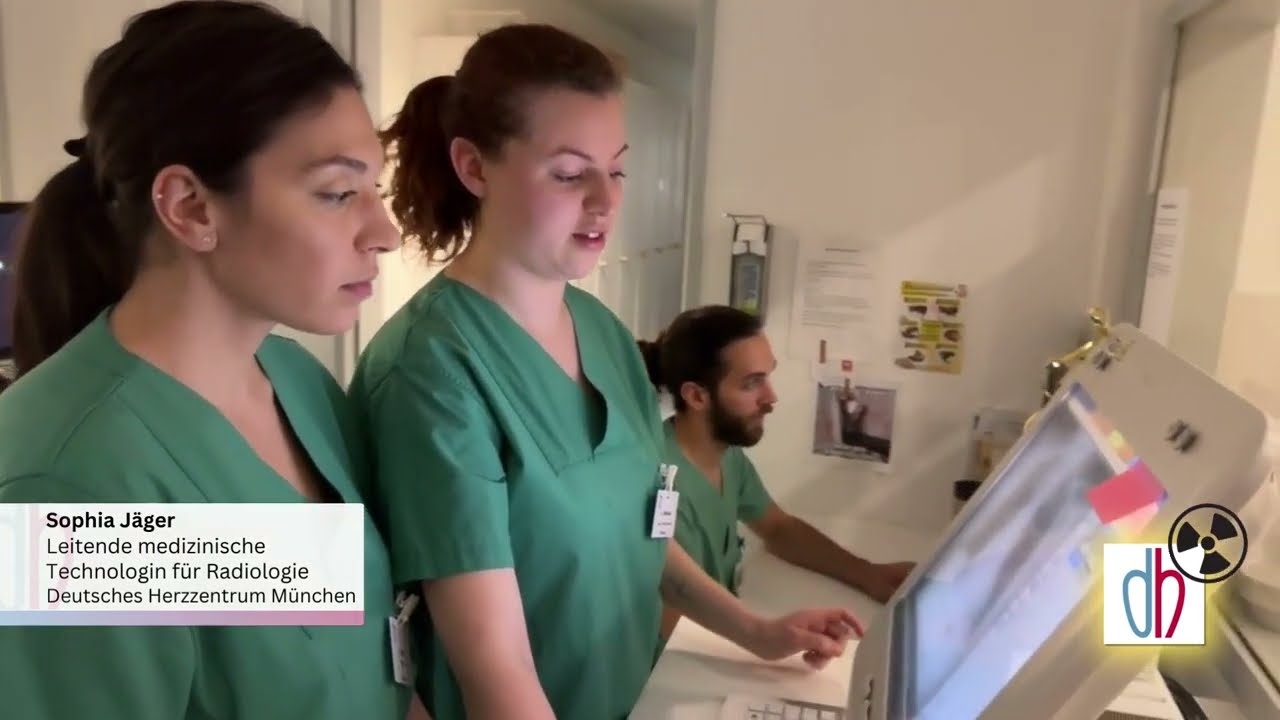
Partnered with the Institute of Radiology, the German Heart Center Munich utilizes the "SOMATOM Force" Dual-Source CT, enabling high-resolution heart visualization in under 1 second without the need for beta-blockers.

About the clinic

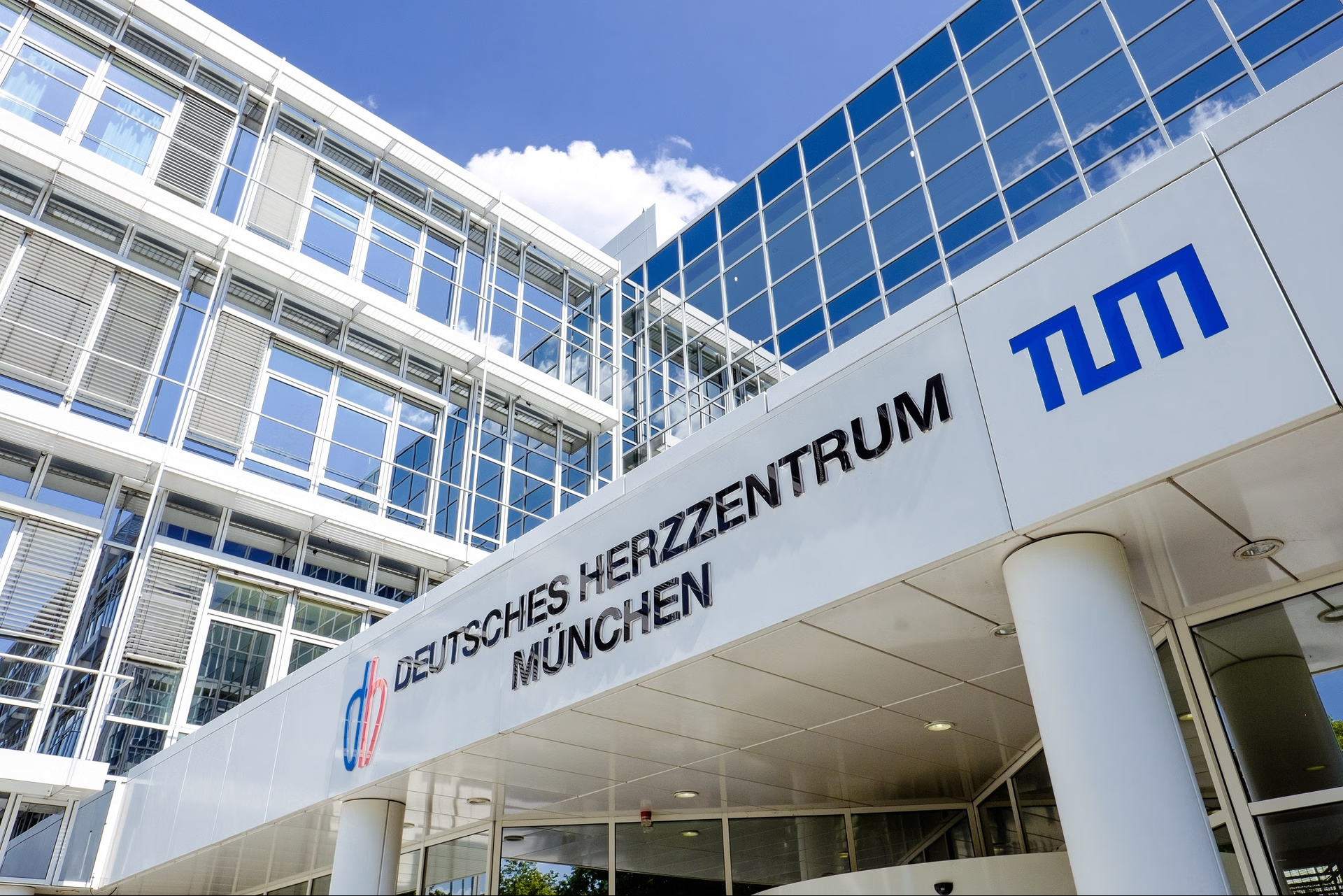
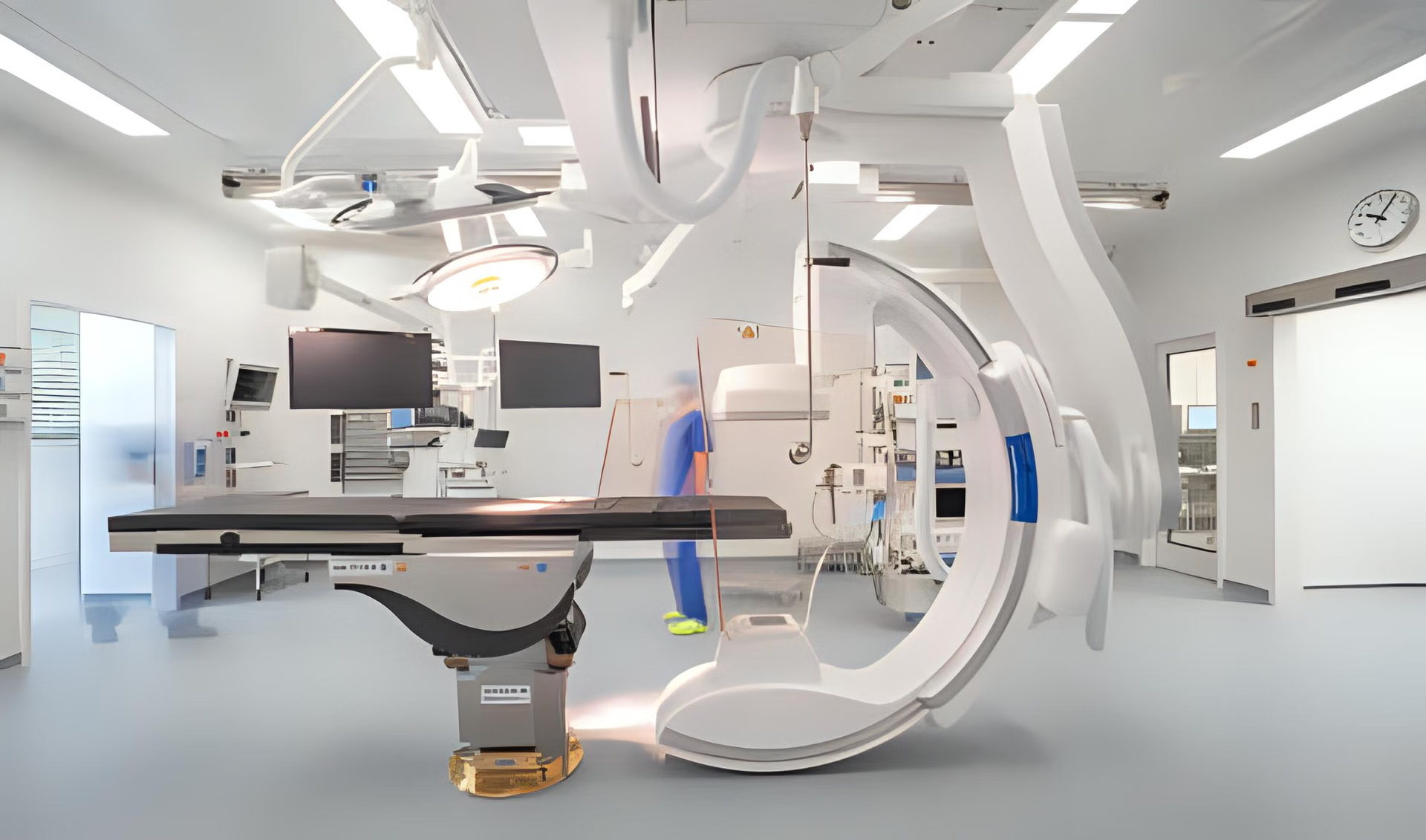
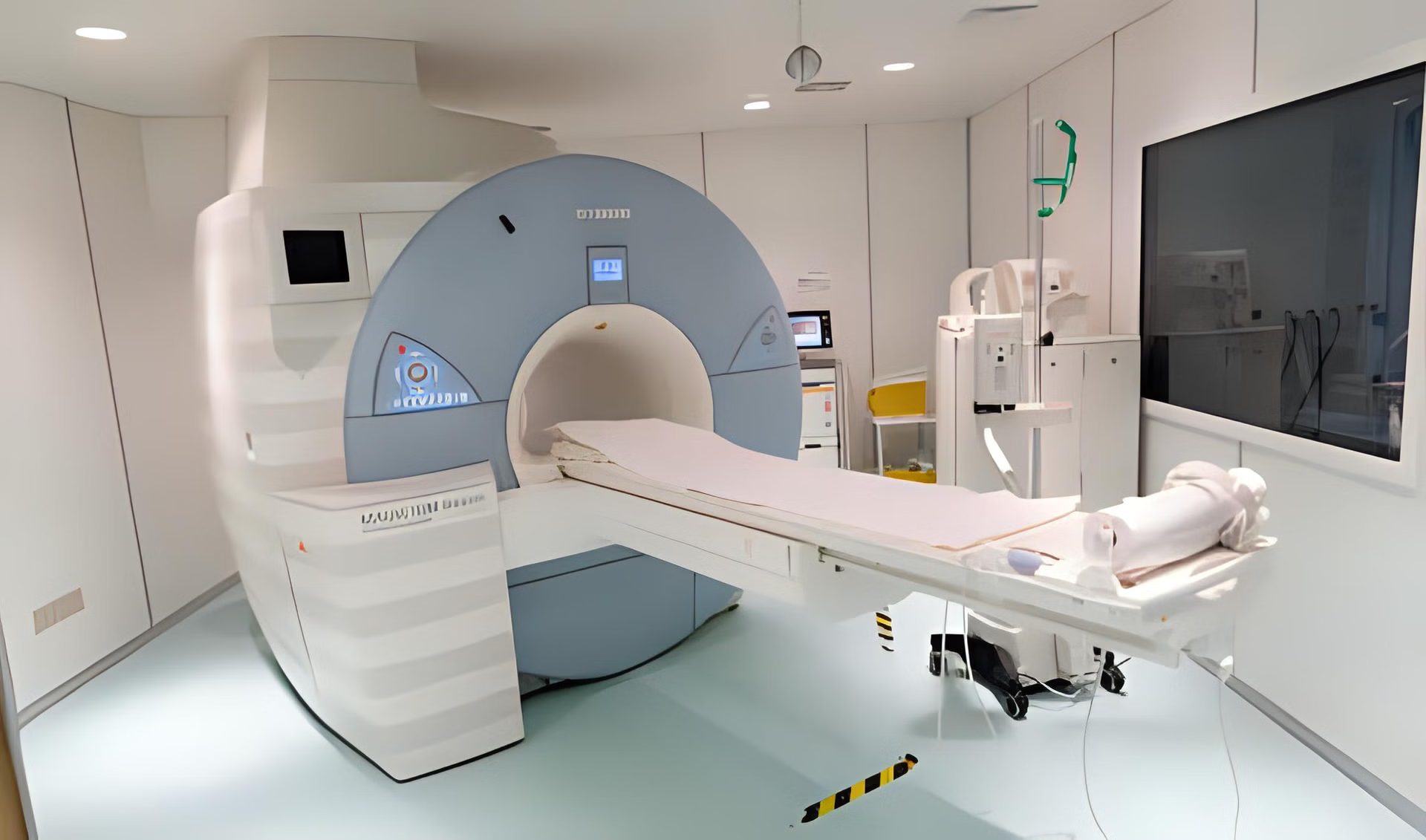
German Heart Center Munich is a leading hospital for cardiovascular diseases in Germany. The Center was founded in 1972 and is the first specialized European institution in cardiology. For more than 50 years, the medical facility has been treating and researching the heart. The medical center is part of the Technical University of Munich Hospital. The medical team's mission is to care for children, adolescents, and adults with heart disease. The Munich Heart Center has a capacity of 210 beds in 3 intensive care units and seven available units. In addition, highly qualified staff and nurses ensure that patients receive excellent treatment. Every year, the hospital performs about 2,600 cardiac surgeries for adults and 550 heart surgeries for children and adolescents. The diagnostic rooms of the clinic have modern equipment for ECG, MRI, and CT of the heart, angiography, and stress tests. The hospital's guiding principle is to unite in one place the various medical departments necessary for diagnosing and treating cardiovascular diseases, ensuring optimal patient care. With cutting-edge technology and a patient-centered approach, the hospital is renowned worldwide for serving national and international patients from various backgrounds. Cardio surgeons of the German Heart Center Munich successfully work with various heart diseases.  The Cardiology Center also conducts research activities to offer patients innovative diagnostic and treatment protocols. The principal departments of the clinic include adult cardiac surgery, pediatric and adolescent cardiac surgery, and the anesthesiology department. Gentle and safe methods of anesthesia are available to patients, allowing the treatment of premature babies, children, and seriously ill patients over 90 years of age. All surgical interventions are performed using modern equipment and sparing techniques, which makes it easier for patients to endure operations and recover faster after them.

Primary focus

heart
valve
coronary artery
aortic valve
implantation
myocardial infarction
transcatheter
infarction
surgery
artery
children
aortic valve implantation
hypertension
valve replacement
heart failure
congenital heart defects
stenosis
cardiovascular
ventricle
tetralogy fallot
angiography
total cavopulmonary connection
cardiology
septal defect
percutaneous coronary intervention
atrial
cardiac surgery
ticagrelor
aortic stenosis
arterial hypertension
heart surgery
prasugrel
mitral regurgitation
ventricular outflow tract
atrial fibrillation
coronary ct angiography
aorta
valve repair
tricuspid valve
takotsubo syndrome
acute coronary syndrome
tomography
blood pressure
computed tomography
magnetic resonance imaging
takotsubo cardiomyopathy
ventricular function
ventricular hypertrophy
pulmonary
hypoplastic left heart
tricuspid
intracoronary stenting
artery bypass grafting
aortic coarctation
valve surgery
pulmonary hypertension
myocardial salvage
heart transplantation
ventricular repolarization
transcatheter closure
aortopulmonary collaterals
pulmonary valve
ventricular mass
stenting
pediatric cardiology
shunt
infants
pediatric congenital heart
drugeluting stents
heart rate

Departments & Doctors

Cardiovascular surgery
Prof. Dr. med. Rudiger Lange

cardiovascular surgery, thoracic surgery

Cardiology
Prof. Dr. med. Heribert Schunkert

cardiology, internal medicine

Congenital heart defects surgery
Prof. Dr. med. Jurgen Horer

pediatric congenital heart defects surgery

Pediatric cardiology
Prof. Dr. med. Peter Ewert

pediatric cardiology and congenital heart defects

Radiology, nuclear medicine
Dr. med. Stefan Martinoff

radiology and nuclear medicine

Gallery
Extra services

Visa Support
Parking Space
24/7 medical assistance
Pastoral Care
Intensive Care Unit

Location

Lazarettstraße 36, 80636 München, Germany

FAQ

Is it possible to treat congenital heart defects at the Munich Heart Center?

The cardiac surgery department is the leading center for treating congenital heart defects in newborns to adults. More than 3,000 operations have been successfully performed, and doctors have introduced new minimally invasive, organ-preserving procedures thanks to their extensive experience.

What diagnostic methods does the clinic offer to study the heart's function?

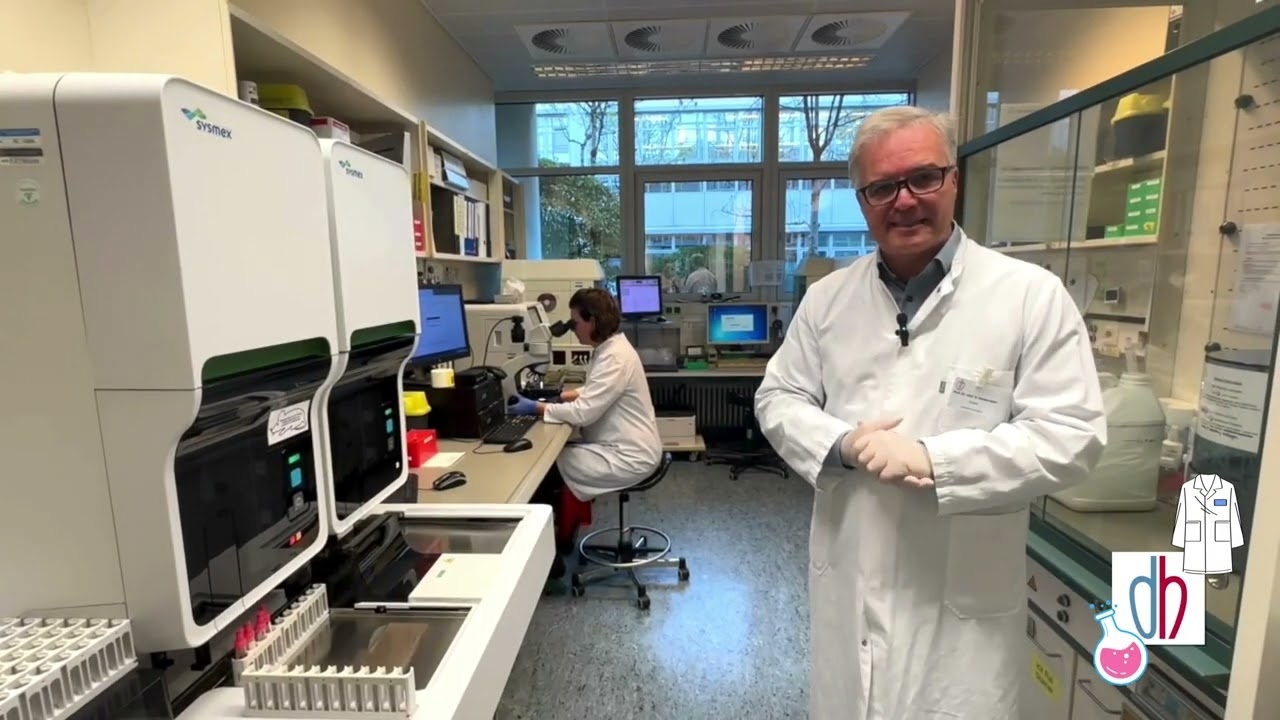
The hospital provides all necessary cardiac imaging procedures quickly. It is stated, among other things, that the competence center for computed tomography of the heart has the fastest CT scanner, the dual-channel device SOMATOM Force.

Do doctors specialize in treating catheter valves?

Since 2007, the medical team has offered minimally invasive catheter-based treatments, such as the implantation of a prosthetic aortic valve (TAVI) via the inguinal artery. The method avoids a large chest incision and promotes better patient recovery.
What is the approach for valve disease?

Every patient is evaluated by a "Heart Team" consisting of a cardiac surgeon, an interventional cardiologist, and an imaging specialist. This multidisciplinary board decides whether a patient is best suited for TAVI (catheter-based valve replacement) or robotic reconstruction, ensuring the most durable and least invasive outcome based on the patient's anatomy.

How does the center treat complex aortic valve disease in young patients?

The center is a specialized center for the Ross Procedure. Instead of a mechanical valve requiring lifelong blood thinners, the patient’s own pulmonary valve is moved to the aortic position. This living valve can grow with the patient and offers superior long-term survival and quality of life compared to synthetic implants.

Are heart surgeries performed robotically here?

Yes. The clinic uses the da Vinci Xi robotic system for mitral valve repairs and bypass surgery. This technology enables closed-chest operations through tiny ports, eliminating the need to break the sternum (breastbone) and resulting in significantly less pain and a return to physical activity within weeks rather than months.

What advanced options are available for heart failure?

The center is a leading site for mechanical circulatory support (VAD/LVAD) and heart transplantation. For patients waiting for a transplant or those ineligible for one, surgeons implant heart pumps (ventricular assist devices) using minimally invasive techniques to support the failing heart’s pumping function.

Why is the German Heart Center Munich a leader in pediatric cardiology?

It is one of Europe's largest centers for adults with congenital heart defects. The medical team specializes in hybrid procedures, where surgeons and interventional cardiologists work together in a single session to repair complex birth defects using both open-heart and catheter-based techniques.

How is atrial fibrillation (AFib) treated surgically?

Beyond standard ablation, the center offers the "Cox-Maze IV" procedure, often performed during other heart surgeries. This technique uses radiofrequency or cryo-energy to create a "maze" of scar tissue that permanently blocks the chaotic electrical impulses of AFib, restoring a natural heart rhythm with high success rates.

What technology is used for high-risk catheter interventions?

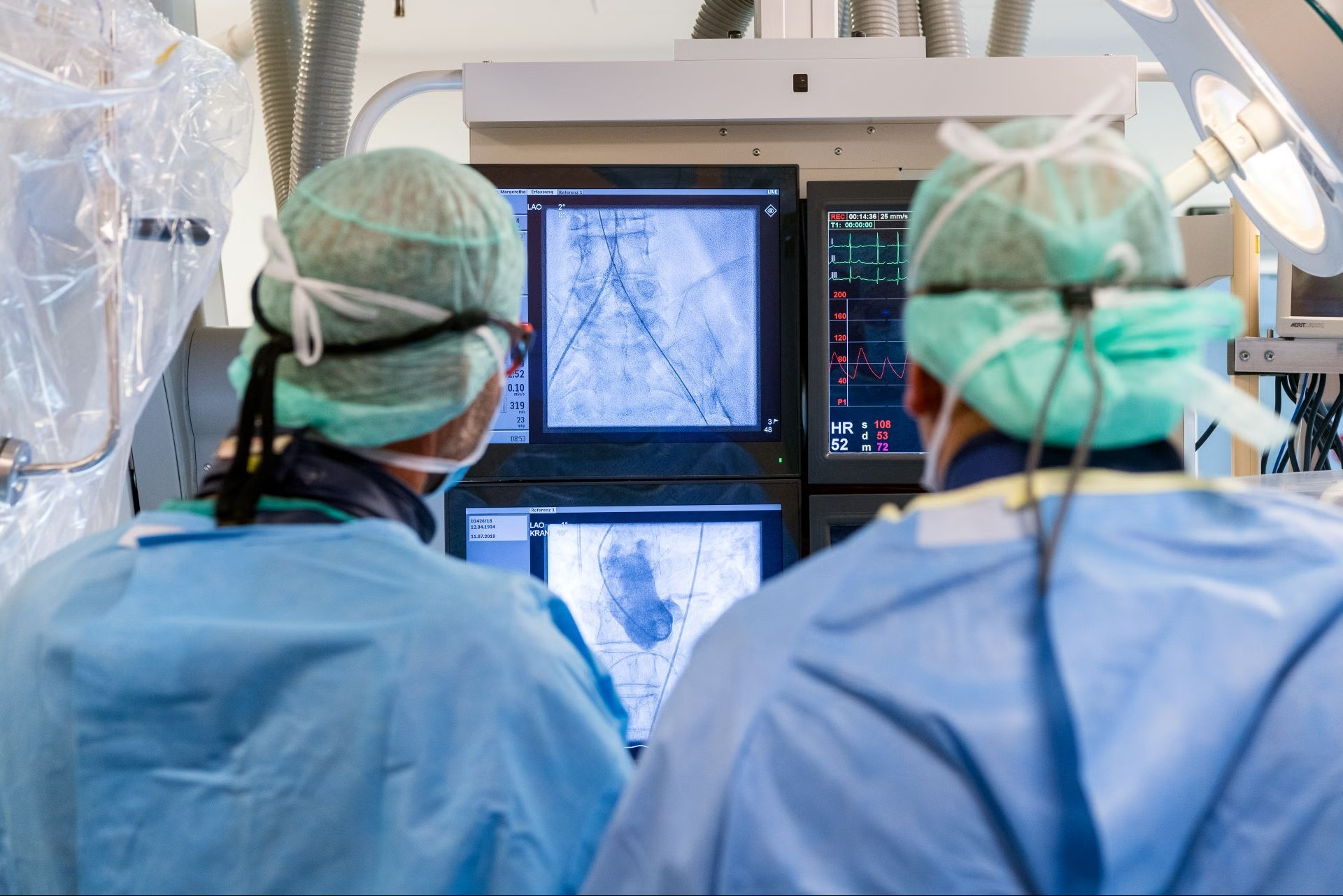
The hospital uses 3D rotational angiography and AI-guided catheter tracking. This provides real-time, three-dimensional "holographic" views of the heart during procedures such as MitraClip (repairing a leaking mitral valve without surgery), enabling millimeter-level precision in placement.

What is the rating of the clinic?

German Heart Center Munich is rated as 9.80 by AiroMedical.

What do patients say about German Heart Center Munich?

The clinic has 376 feedbacks at other places. The UserScore of the hospital is 92%.

What is the primary focus of the hospital?

The medical center is an expert at heart, valve, coronary artery, aortic valve, and implantation.

What is the overall experience of the facility?

German Heart Center Munich has been operating since 1972. It has accumulated over 54 years of clinical background.

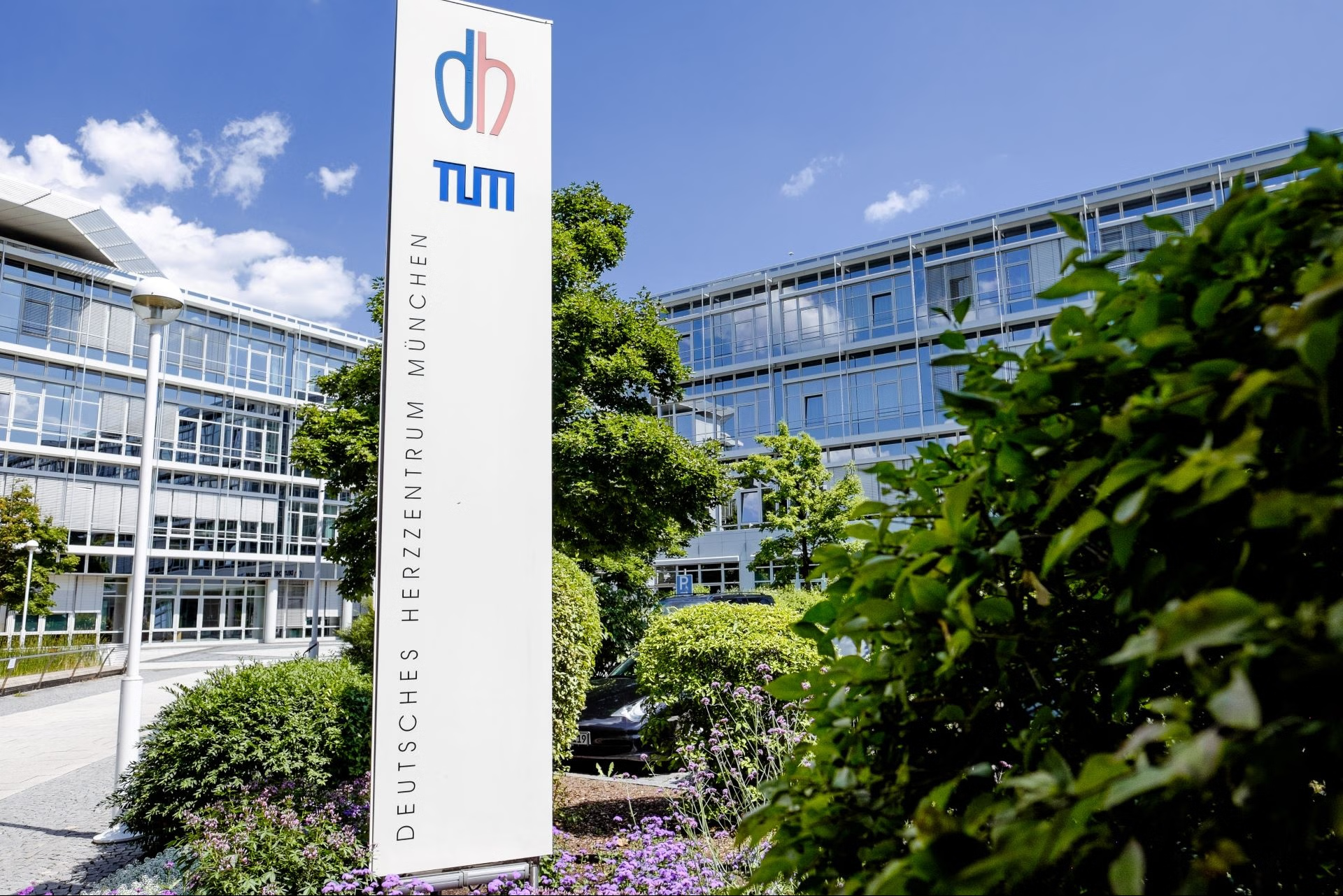
Where can I see the hospital's work, interior space, and exterior?

AiroMedical gallery has 24 photos & 34 videos related to German Heart Center Munich.

Does the clinic have certification or recognition?

Yes, German Heart Center Munich has been certified by 12 organizations.

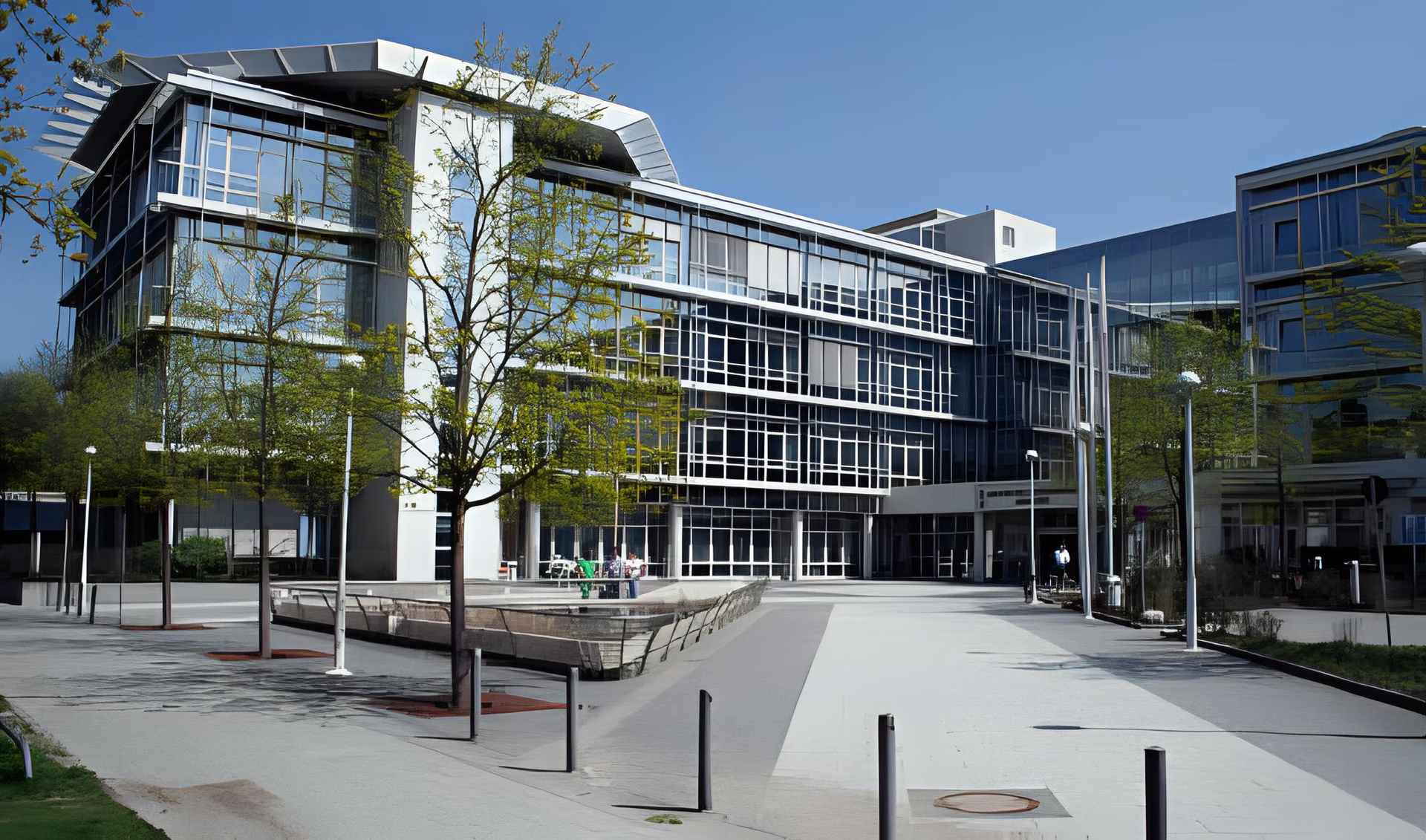
What is the structure of the hospital?

Where is the clinic located?

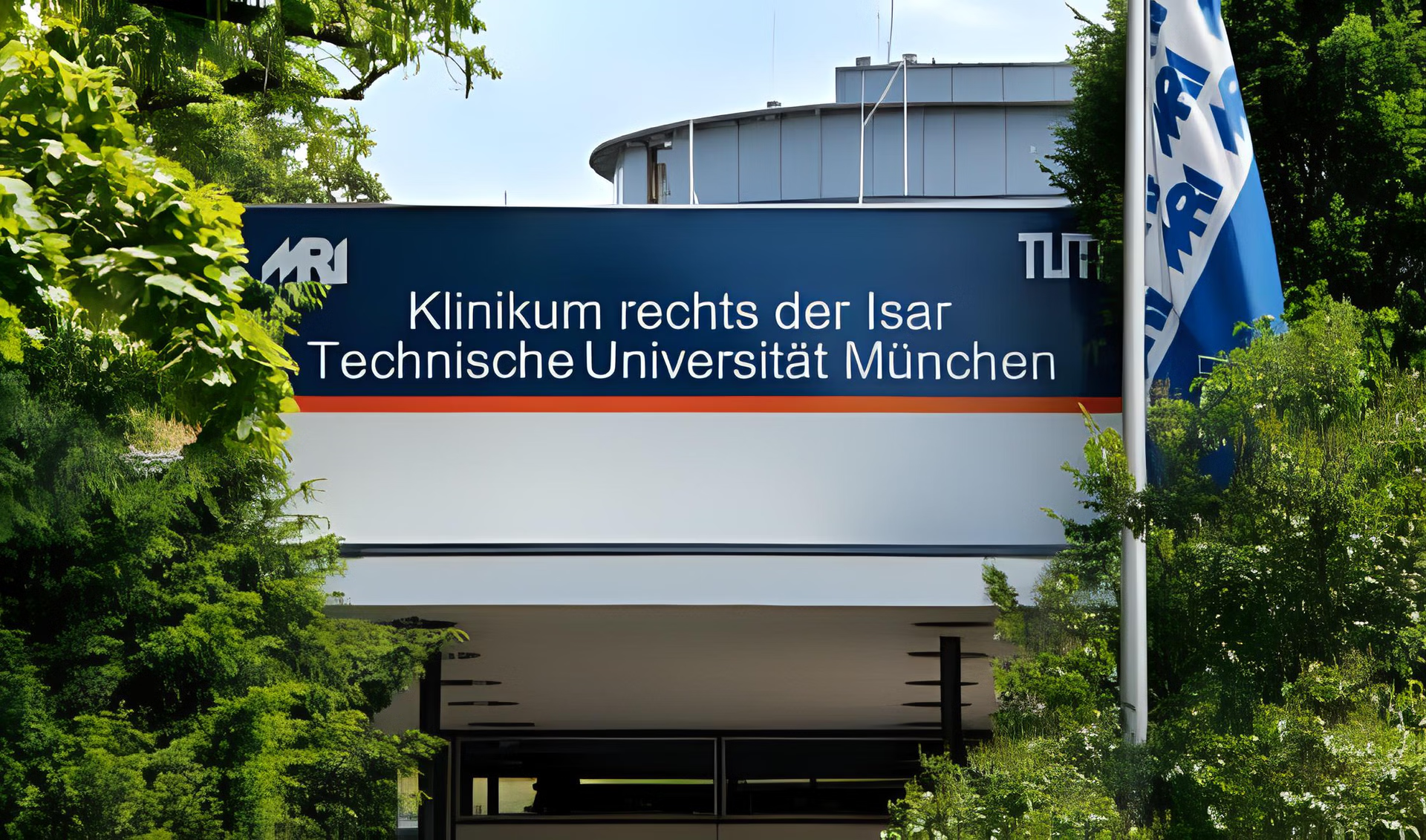
The address of the facility is Lazarettstraße 36 80636, Munich, Germany.

Does the hospital offer online consultations?

No, German Heart Center Munich doesn’t perform virtual appointments.

What age range of patients can be admitted to the clinic?

The hospital accepts patients of all ages.

What type of stay is offered at German Heart Center Munich?

The clinic offers both inpatient and outpatient services, so you can be hospitalized (if indicated).

German Heart Center Munich

Get individual treatment plan and cost estimate. Non-binding 100% free assessment.

© German Heart Center Munich
Similar clinics